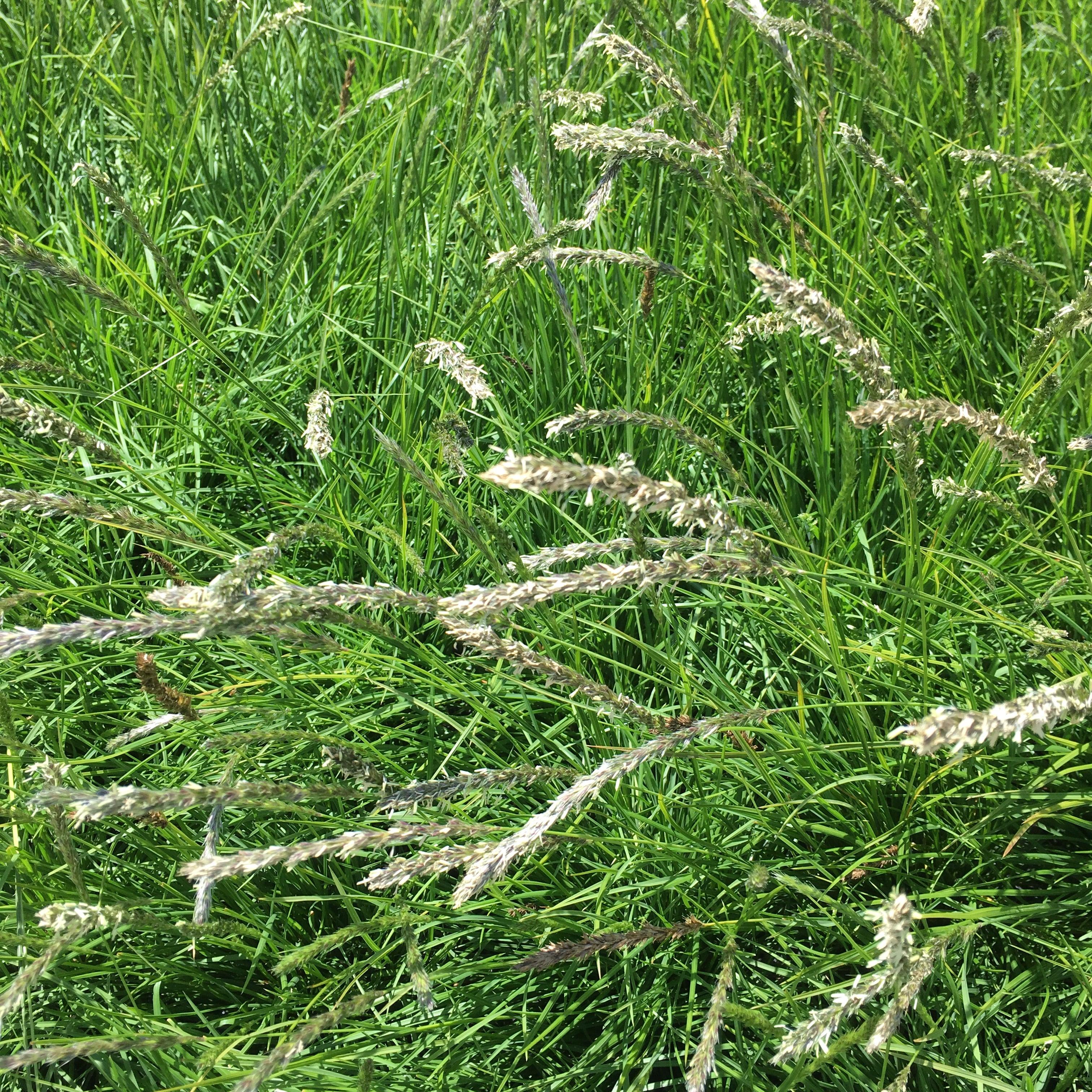
Sesleria Autumnalis (Autumn Moor Grass)
Beautiful Autumn Grass That Transforms Your Garden in Fall
Sesleria autumnalis gives you bright lime green foliage, silvery white inflorescences, and dependable autumn structure without demanding high-maintenance care.
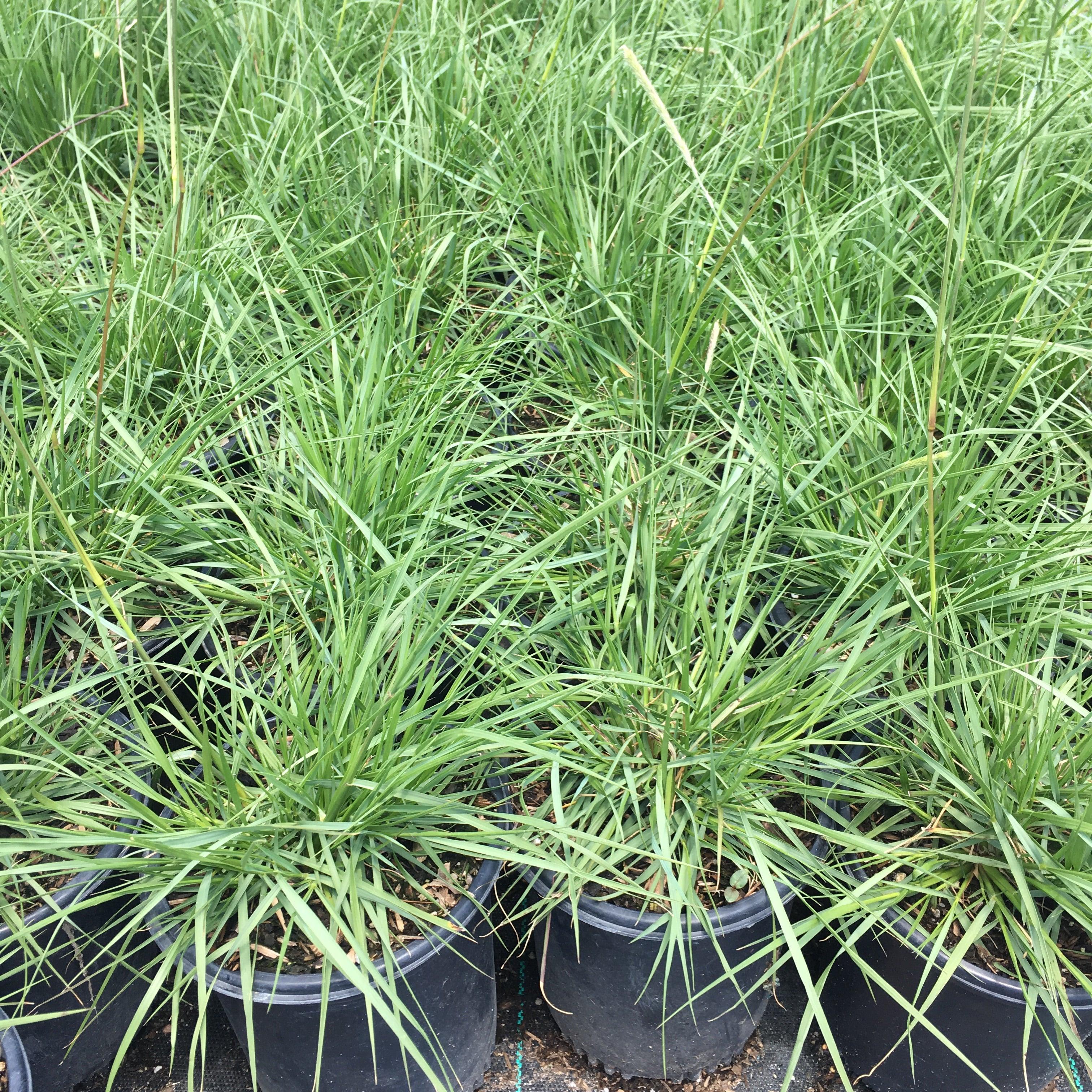
Also known as autumn moor grass, this clumping cool season grass is ideal for gardeners and landscapers who want year round interest from a compact, attractive perennial grass. It brings its strongest display in late summer and fall, when narrow flower spikes are held erect above the foliage and mature into warm golden-tan or purplish-brown seed heads that can remain appealing through winter.
Designed to help you create stunning fall color, natural movement, and reliable groundcover effects, Sesleria autumnalis works beautifully in full sun to part shade, in borders, masses, small groups, under trees, and in informal garden designs.
Why You’ll Love It
-
Striking autumn display – Bright lime-to-chartreuse foliage pairs with delicate silvery-white flower spikes that mature into golden-tan or purplish-brown seed heads.
-
Low maintenance once established – This grass behaves predictably, rarely self-seeds aggressively, and needs only simple seasonal cleanup in early spring.
-
Drought tolerant performance – Sesleria autumnalis requires moderate watering and is reasonably drought-tolerant once established, especially in coastal settings.
-
Long-term perennial value – This hardy perennial grass is commonly recommended for USDA Zones 5-8 and is also noted for exceptional cold-hardiness across USDA Zones 4 through 9 when grown in suitable conditions.
-
Versatile garden use – Use it as a ground cover, in perennial borders, in large sweeps, in small groups, or in mass plantings for naturalistic autumn and winter structure.
Autumn moor grass also supports local biodiversity: its pollen-rich flowers attract and support bee populations, adding ecological value to its ornamental appeal.
What Makes It Different
Most ornamental grasses focus their impact on summer growth, spring emergence, or large dramatic plumes, such as Karl Foerster feather reed grass. Sesleria autumnalis gives the garden a cool season lift, then becomes especially valuable in autumn when many other grasses and perennials begin to fade.
-
Autumn-first performance – Flower spikes appear in late summer and remain visually appealing through winter with upright seed heads.
-
Compact clumping form – Sesleria autumnalis is a clumping, cool-season grass that grows in tight mounds, with foliage reaching heights of 8-12 inches and flowers extending 6-12 inches above the foliage.
-
Controlled growth habit – This moor grass behaves predictably and rarely self-seeds aggressively, making it a reliable choice for landscape design.
-
Fresh foliage color – Its fine-textured yellow-green foliage grows 8-12 inches tall, providing a lush appearance in landscapes throughout the year.
-
Useful beyond ornament – A dense, fibrous root system stabilizes the soil, effectively preventing erosion on slopes and exposed bluffs.
It has also earned recognition from the Royal Horticultural Society, including the Award of Garden Merit, reinforcing its value as a dependable ornamental grass for cooler climates and well planned garden settings.
How To Grow Sesleria Autumnalis Successfully
-
Plant establishment Plant Sesleria autumnalis in spring, fall, or any time of the year in all but the coldest climates, as long as moisture is sufficient. Space plants 12-18 inches apart depending on the desired effect: closer for groundcover and masses, wider for accent groupings. It grows best in full sun to partial shade and prefers well drained soil, though it is adaptable to a wide variety of soils, ranging from sandy soils to heavy clay when drainage is managed carefully.
-
Growing season During spring and summer, the plant forms neat lime green mounds of narrow foliage. It requires moderate watering and is reasonably drought-tolerant once established, but it requires regular watering, especially in hotter inland valleys to maintain its appearance during summer months. In regions with high summer heat or humidity, part shade can help keep the foliage attractive.
-
Autumn display In late summer into fall, flowers rise above the foliage as silvery white inflorescences. These seed heads are held erect, shifting to golden-tan or purplish-brown tones as the season progresses. The result is a soft, natural autumn display with winter interest, especially when planted in large sweeps, small groups, or matrix planting schemes with perennials such as echinacea.
Plant Details
-
Botanical Name: Sesleria autumnalis
-
Common Name: Autumn moor grass; Sesleria autumnalis common name is Autumn Moor Grass
-
Plant Type: Clumping cool season perennial grass
-
Native Range: Southeastern Europe and southern Europe
-
Genus / Name Note: The genus is Sesleria; the specific epithet autumnalis refers to autumn
-
Size: It typically grows 8 to 12 inches tall for the leaf blade mound, with flower spikes reaching up to 18 to 24 inches
-
Foliage: Fine-textured, narrow, lime green to yellow-green foliage; evergreen or semi-evergreen in many climates
-
Flowers: Late summer to fall silvery-white inflorescences that mature into golden-tan or purplish-brown seed heads
-
Hardiness: USDA Zones 5-8 commonly used in planting guidance; also described as exceptionally cold-hardy, thriving across USDA Zones 4 through 9
-
Sun Exposure: Full sun to part shade; Sesleria autumnalis grows best in full sun to partial shade
-
Water Needs: Moderate watering; drought tolerant once established, with extra care during dry soil conditions or hotter inland summer climates
-
Soil: Best in well drained soil; adaptable from sandy soils to heavy clay if waterlogging is avoided; tolerant of alkaline soils and poor soil conditions
-
Spacing: Best planted 12-18 inches apart depending on the desired effect
-
Uses: Groundcover, perennial borders, pots, masses, erosion control, green roofs, under trees, and less formal garden designs
-
Wildlife / Resistance: Pollen-rich flowers support bees; highly unpalatable to deer and rabbits
-
Urban Performance: Naturally resistant to urban pollution and suitable for city landscapes and green roofs
Who It’s For
Ideal for:
-
Landscape designers seeking reliable autumn interest, winter structure, and a grass that works in matrix planting techniques where it forms a continuous structural grid for interplanting other flowering perennials.
-
Homeowners wanting low-maintenance ornamental grasses that stay compact, attractive, and predictable without aggressive spreading.
-
Gardeners in challenging climates who need a drought tolerant plant for sun to part shade, moderate watering, alkaline soils, poor soil, or cooler climates.
-
Naturalistic garden makers creating large sweeps, small groups, groundcover areas, informal borders, or mass plantings under trees.
-
Sites needing practical soil support where dense fibrous roots can assist with erosion control on slopes, exposed bluffs, and urban ground.
When planted in masses, Sesleria autumnalis creates a visually appealing landscape, especially under trees or in less formal designs, enhancing the overall aesthetic of the garden while keeping maintenance simple.
Frequently Asked Questions
Is it easy to establish?
Yes. Sesleria autumnalis can be planted any time of the year in all but the coldest climates, as long as moisture is sufficient. Give it well drained soil, regular watering during establishment, and spacing of 12-18 inches depending on whether you want a dense groundcover effect or more separated clumps.
How long do the autumn plumes last?
The flower spikes appear in late summer, often around August or September, and continue through fall. The upright seed heads remain attractive into winter, giving the garden structure after many summer flowers have finished.
Will it spread aggressively?
No. Autumn moor grass is a compact clumping grass, not a running grass. It behaves predictably and rarely self-seeds aggressively, making it useful near borders, paths, pots, and carefully designed planting areas.
What if my climate is too harsh?
Sesleria autumnalis is hardy and adaptable, but performance depends on climate and soil. It prefers full sun to partial shade and well drained soil. In high summer heat, humidity, or hotter inland valleys, provide regular watering and consider part shade. In very wet clay, improve drainage before planting.
Ready to Transform Your Autumn Garden?
Choose Sesleria autumnalis for lime green foliage, silvery autumn flowers, drought tolerant performance, and dependable year round interest in the garden.
Reliable performance. Natural fall beauty. A smart perennial grass for modern gardens.
Designed to help you create stunning fall color, natural movement, and reliable groundcover effects, Sesleria autumnalis works beautifully in full sun to part shade, in borders, masses, small groups, under trees, and in informal garden designs.
Original: $35.00
-65%$35.00
$12.25Sesleria Autumnalis (Autumn Moor Grass)
Beautiful Autumn Grass That Transforms Your Garden in Fall
Sesleria autumnalis gives you bright lime green foliage, silvery white inflorescences, and dependable autumn structure without demanding high-maintenance care.
Also known as autumn moor grass, this clumping cool season grass is ideal for gardeners and landscapers who want year round interest from a compact, attractive perennial grass. It brings its strongest display in late summer and fall, when narrow flower spikes are held erect above the foliage and mature into warm golden-tan or purplish-brown seed heads that can remain appealing through winter.
Designed to help you create stunning fall color, natural movement, and reliable groundcover effects, Sesleria autumnalis works beautifully in full sun to part shade, in borders, masses, small groups, under trees, and in informal garden designs.
Why You’ll Love It
-
Striking autumn display – Bright lime-to-chartreuse foliage pairs with delicate silvery-white flower spikes that mature into golden-tan or purplish-brown seed heads.
-
Low maintenance once established – This grass behaves predictably, rarely self-seeds aggressively, and needs only simple seasonal cleanup in early spring.
-
Drought tolerant performance – Sesleria autumnalis requires moderate watering and is reasonably drought-tolerant once established, especially in coastal settings.
-
Long-term perennial value – This hardy perennial grass is commonly recommended for USDA Zones 5-8 and is also noted for exceptional cold-hardiness across USDA Zones 4 through 9 when grown in suitable conditions.
-
Versatile garden use – Use it as a ground cover, in perennial borders, in large sweeps, in small groups, or in mass plantings for naturalistic autumn and winter structure.
Autumn moor grass also supports local biodiversity: its pollen-rich flowers attract and support bee populations, adding ecological value to its ornamental appeal.
What Makes It Different
Most ornamental grasses focus their impact on summer growth, spring emergence, or large dramatic plumes, such as Karl Foerster feather reed grass. Sesleria autumnalis gives the garden a cool season lift, then becomes especially valuable in autumn when many other grasses and perennials begin to fade.
-
Autumn-first performance – Flower spikes appear in late summer and remain visually appealing through winter with upright seed heads.
-
Compact clumping form – Sesleria autumnalis is a clumping, cool-season grass that grows in tight mounds, with foliage reaching heights of 8-12 inches and flowers extending 6-12 inches above the foliage.
-
Controlled growth habit – This moor grass behaves predictably and rarely self-seeds aggressively, making it a reliable choice for landscape design.
-
Fresh foliage color – Its fine-textured yellow-green foliage grows 8-12 inches tall, providing a lush appearance in landscapes throughout the year.
-
Useful beyond ornament – A dense, fibrous root system stabilizes the soil, effectively preventing erosion on slopes and exposed bluffs.
It has also earned recognition from the Royal Horticultural Society, including the Award of Garden Merit, reinforcing its value as a dependable ornamental grass for cooler climates and well planned garden settings.
How To Grow Sesleria Autumnalis Successfully
-
Plant establishment Plant Sesleria autumnalis in spring, fall, or any time of the year in all but the coldest climates, as long as moisture is sufficient. Space plants 12-18 inches apart depending on the desired effect: closer for groundcover and masses, wider for accent groupings. It grows best in full sun to partial shade and prefers well drained soil, though it is adaptable to a wide variety of soils, ranging from sandy soils to heavy clay when drainage is managed carefully.
-
Growing season During spring and summer, the plant forms neat lime green mounds of narrow foliage. It requires moderate watering and is reasonably drought-tolerant once established, but it requires regular watering, especially in hotter inland valleys to maintain its appearance during summer months. In regions with high summer heat or humidity, part shade can help keep the foliage attractive.
-
Autumn display In late summer into fall, flowers rise above the foliage as silvery white inflorescences. These seed heads are held erect, shifting to golden-tan or purplish-brown tones as the season progresses. The result is a soft, natural autumn display with winter interest, especially when planted in large sweeps, small groups, or matrix planting schemes with perennials such as echinacea.
Plant Details
-
Botanical Name: Sesleria autumnalis
-
Common Name: Autumn moor grass; Sesleria autumnalis common name is Autumn Moor Grass
-
Plant Type: Clumping cool season perennial grass
-
Native Range: Southeastern Europe and southern Europe
-
Genus / Name Note: The genus is Sesleria; the specific epithet autumnalis refers to autumn
-
Size: It typically grows 8 to 12 inches tall for the leaf blade mound, with flower spikes reaching up to 18 to 24 inches
-
Foliage: Fine-textured, narrow, lime green to yellow-green foliage; evergreen or semi-evergreen in many climates
-
Flowers: Late summer to fall silvery-white inflorescences that mature into golden-tan or purplish-brown seed heads
-
Hardiness: USDA Zones 5-8 commonly used in planting guidance; also described as exceptionally cold-hardy, thriving across USDA Zones 4 through 9
-
Sun Exposure: Full sun to part shade; Sesleria autumnalis grows best in full sun to partial shade
-
Water Needs: Moderate watering; drought tolerant once established, with extra care during dry soil conditions or hotter inland summer climates
-
Soil: Best in well drained soil; adaptable from sandy soils to heavy clay if waterlogging is avoided; tolerant of alkaline soils and poor soil conditions
-
Spacing: Best planted 12-18 inches apart depending on the desired effect
-
Uses: Groundcover, perennial borders, pots, masses, erosion control, green roofs, under trees, and less formal garden designs
-
Wildlife / Resistance: Pollen-rich flowers support bees; highly unpalatable to deer and rabbits
-
Urban Performance: Naturally resistant to urban pollution and suitable for city landscapes and green roofs
Who It’s For
Ideal for:
-
Landscape designers seeking reliable autumn interest, winter structure, and a grass that works in matrix planting techniques where it forms a continuous structural grid for interplanting other flowering perennials.
-
Homeowners wanting low-maintenance ornamental grasses that stay compact, attractive, and predictable without aggressive spreading.
-
Gardeners in challenging climates who need a drought tolerant plant for sun to part shade, moderate watering, alkaline soils, poor soil, or cooler climates.
-
Naturalistic garden makers creating large sweeps, small groups, groundcover areas, informal borders, or mass plantings under trees.
-
Sites needing practical soil support where dense fibrous roots can assist with erosion control on slopes, exposed bluffs, and urban ground.
When planted in masses, Sesleria autumnalis creates a visually appealing landscape, especially under trees or in less formal designs, enhancing the overall aesthetic of the garden while keeping maintenance simple.
Frequently Asked Questions
Is it easy to establish?
Yes. Sesleria autumnalis can be planted any time of the year in all but the coldest climates, as long as moisture is sufficient. Give it well drained soil, regular watering during establishment, and spacing of 12-18 inches depending on whether you want a dense groundcover effect or more separated clumps.
How long do the autumn plumes last?
The flower spikes appear in late summer, often around August or September, and continue through fall. The upright seed heads remain attractive into winter, giving the garden structure after many summer flowers have finished.
Will it spread aggressively?
No. Autumn moor grass is a compact clumping grass, not a running grass. It behaves predictably and rarely self-seeds aggressively, making it useful near borders, paths, pots, and carefully designed planting areas.
What if my climate is too harsh?
Sesleria autumnalis is hardy and adaptable, but performance depends on climate and soil. It prefers full sun to partial shade and well drained soil. In high summer heat, humidity, or hotter inland valleys, provide regular watering and consider part shade. In very wet clay, improve drainage before planting.
Ready to Transform Your Autumn Garden?
Choose Sesleria autumnalis for lime green foliage, silvery autumn flowers, drought tolerant performance, and dependable year round interest in the garden.
Reliable performance. Natural fall beauty. A smart perennial grass for modern gardens.
Designed to help you create stunning fall color, natural movement, and reliable groundcover effects, Sesleria autumnalis works beautifully in full sun to part shade, in borders, masses, small groups, under trees, and in informal garden designs.
Product Information
Product Information
Shipping & Returns
Shipping & Returns
Description
Beautiful Autumn Grass That Transforms Your Garden in Fall
Sesleria autumnalis gives you bright lime green foliage, silvery white inflorescences, and dependable autumn structure without demanding high-maintenance care.
Also known as autumn moor grass, this clumping cool season grass is ideal for gardeners and landscapers who want year round interest from a compact, attractive perennial grass. It brings its strongest display in late summer and fall, when narrow flower spikes are held erect above the foliage and mature into warm golden-tan or purplish-brown seed heads that can remain appealing through winter.
Designed to help you create stunning fall color, natural movement, and reliable groundcover effects, Sesleria autumnalis works beautifully in full sun to part shade, in borders, masses, small groups, under trees, and in informal garden designs.
Why You’ll Love It
-
Striking autumn display – Bright lime-to-chartreuse foliage pairs with delicate silvery-white flower spikes that mature into golden-tan or purplish-brown seed heads.
-
Low maintenance once established – This grass behaves predictably, rarely self-seeds aggressively, and needs only simple seasonal cleanup in early spring.
-
Drought tolerant performance – Sesleria autumnalis requires moderate watering and is reasonably drought-tolerant once established, especially in coastal settings.
-
Long-term perennial value – This hardy perennial grass is commonly recommended for USDA Zones 5-8 and is also noted for exceptional cold-hardiness across USDA Zones 4 through 9 when grown in suitable conditions.
-
Versatile garden use – Use it as a ground cover, in perennial borders, in large sweeps, in small groups, or in mass plantings for naturalistic autumn and winter structure.
Autumn moor grass also supports local biodiversity: its pollen-rich flowers attract and support bee populations, adding ecological value to its ornamental appeal.
What Makes It Different
Most ornamental grasses focus their impact on summer growth, spring emergence, or large dramatic plumes, such as Karl Foerster feather reed grass. Sesleria autumnalis gives the garden a cool season lift, then becomes especially valuable in autumn when many other grasses and perennials begin to fade.
-
Autumn-first performance – Flower spikes appear in late summer and remain visually appealing through winter with upright seed heads.
-
Compact clumping form – Sesleria autumnalis is a clumping, cool-season grass that grows in tight mounds, with foliage reaching heights of 8-12 inches and flowers extending 6-12 inches above the foliage.
-
Controlled growth habit – This moor grass behaves predictably and rarely self-seeds aggressively, making it a reliable choice for landscape design.
-
Fresh foliage color – Its fine-textured yellow-green foliage grows 8-12 inches tall, providing a lush appearance in landscapes throughout the year.
-
Useful beyond ornament – A dense, fibrous root system stabilizes the soil, effectively preventing erosion on slopes and exposed bluffs.
It has also earned recognition from the Royal Horticultural Society, including the Award of Garden Merit, reinforcing its value as a dependable ornamental grass for cooler climates and well planned garden settings.
How To Grow Sesleria Autumnalis Successfully
-
Plant establishment Plant Sesleria autumnalis in spring, fall, or any time of the year in all but the coldest climates, as long as moisture is sufficient. Space plants 12-18 inches apart depending on the desired effect: closer for groundcover and masses, wider for accent groupings. It grows best in full sun to partial shade and prefers well drained soil, though it is adaptable to a wide variety of soils, ranging from sandy soils to heavy clay when drainage is managed carefully.
-
Growing season During spring and summer, the plant forms neat lime green mounds of narrow foliage. It requires moderate watering and is reasonably drought-tolerant once established, but it requires regular watering, especially in hotter inland valleys to maintain its appearance during summer months. In regions with high summer heat or humidity, part shade can help keep the foliage attractive.
-
Autumn display In late summer into fall, flowers rise above the foliage as silvery white inflorescences. These seed heads are held erect, shifting to golden-tan or purplish-brown tones as the season progresses. The result is a soft, natural autumn display with winter interest, especially when planted in large sweeps, small groups, or matrix planting schemes with perennials such as echinacea.
Plant Details
-
Botanical Name: Sesleria autumnalis
-
Common Name: Autumn moor grass; Sesleria autumnalis common name is Autumn Moor Grass
-
Plant Type: Clumping cool season perennial grass
-
Native Range: Southeastern Europe and southern Europe
-
Genus / Name Note: The genus is Sesleria; the specific epithet autumnalis refers to autumn
-
Size: It typically grows 8 to 12 inches tall for the leaf blade mound, with flower spikes reaching up to 18 to 24 inches
-
Foliage: Fine-textured, narrow, lime green to yellow-green foliage; evergreen or semi-evergreen in many climates
-
Flowers: Late summer to fall silvery-white inflorescences that mature into golden-tan or purplish-brown seed heads
-
Hardiness: USDA Zones 5-8 commonly used in planting guidance; also described as exceptionally cold-hardy, thriving across USDA Zones 4 through 9
-
Sun Exposure: Full sun to part shade; Sesleria autumnalis grows best in full sun to partial shade
-
Water Needs: Moderate watering; drought tolerant once established, with extra care during dry soil conditions or hotter inland summer climates
-
Soil: Best in well drained soil; adaptable from sandy soils to heavy clay if waterlogging is avoided; tolerant of alkaline soils and poor soil conditions
-
Spacing: Best planted 12-18 inches apart depending on the desired effect
-
Uses: Groundcover, perennial borders, pots, masses, erosion control, green roofs, under trees, and less formal garden designs
-
Wildlife / Resistance: Pollen-rich flowers support bees; highly unpalatable to deer and rabbits
-
Urban Performance: Naturally resistant to urban pollution and suitable for city landscapes and green roofs
Who It’s For
Ideal for:
-
Landscape designers seeking reliable autumn interest, winter structure, and a grass that works in matrix planting techniques where it forms a continuous structural grid for interplanting other flowering perennials.
-
Homeowners wanting low-maintenance ornamental grasses that stay compact, attractive, and predictable without aggressive spreading.
-
Gardeners in challenging climates who need a drought tolerant plant for sun to part shade, moderate watering, alkaline soils, poor soil, or cooler climates.
-
Naturalistic garden makers creating large sweeps, small groups, groundcover areas, informal borders, or mass plantings under trees.
-
Sites needing practical soil support where dense fibrous roots can assist with erosion control on slopes, exposed bluffs, and urban ground.
When planted in masses, Sesleria autumnalis creates a visually appealing landscape, especially under trees or in less formal designs, enhancing the overall aesthetic of the garden while keeping maintenance simple.
Frequently Asked Questions
Is it easy to establish?
Yes. Sesleria autumnalis can be planted any time of the year in all but the coldest climates, as long as moisture is sufficient. Give it well drained soil, regular watering during establishment, and spacing of 12-18 inches depending on whether you want a dense groundcover effect or more separated clumps.
How long do the autumn plumes last?
The flower spikes appear in late summer, often around August or September, and continue through fall. The upright seed heads remain attractive into winter, giving the garden structure after many summer flowers have finished.
Will it spread aggressively?
No. Autumn moor grass is a compact clumping grass, not a running grass. It behaves predictably and rarely self-seeds aggressively, making it useful near borders, paths, pots, and carefully designed planting areas.
What if my climate is too harsh?
Sesleria autumnalis is hardy and adaptable, but performance depends on climate and soil. It prefers full sun to partial shade and well drained soil. In high summer heat, humidity, or hotter inland valleys, provide regular watering and consider part shade. In very wet clay, improve drainage before planting.
Ready to Transform Your Autumn Garden?
Choose Sesleria autumnalis for lime green foliage, silvery autumn flowers, drought tolerant performance, and dependable year round interest in the garden.
Reliable performance. Natural fall beauty. A smart perennial grass for modern gardens.
Designed to help you create stunning fall color, natural movement, and reliable groundcover effects, Sesleria autumnalis works beautifully in full sun to part shade, in borders, masses, small groups, under trees, and in informal garden designs.