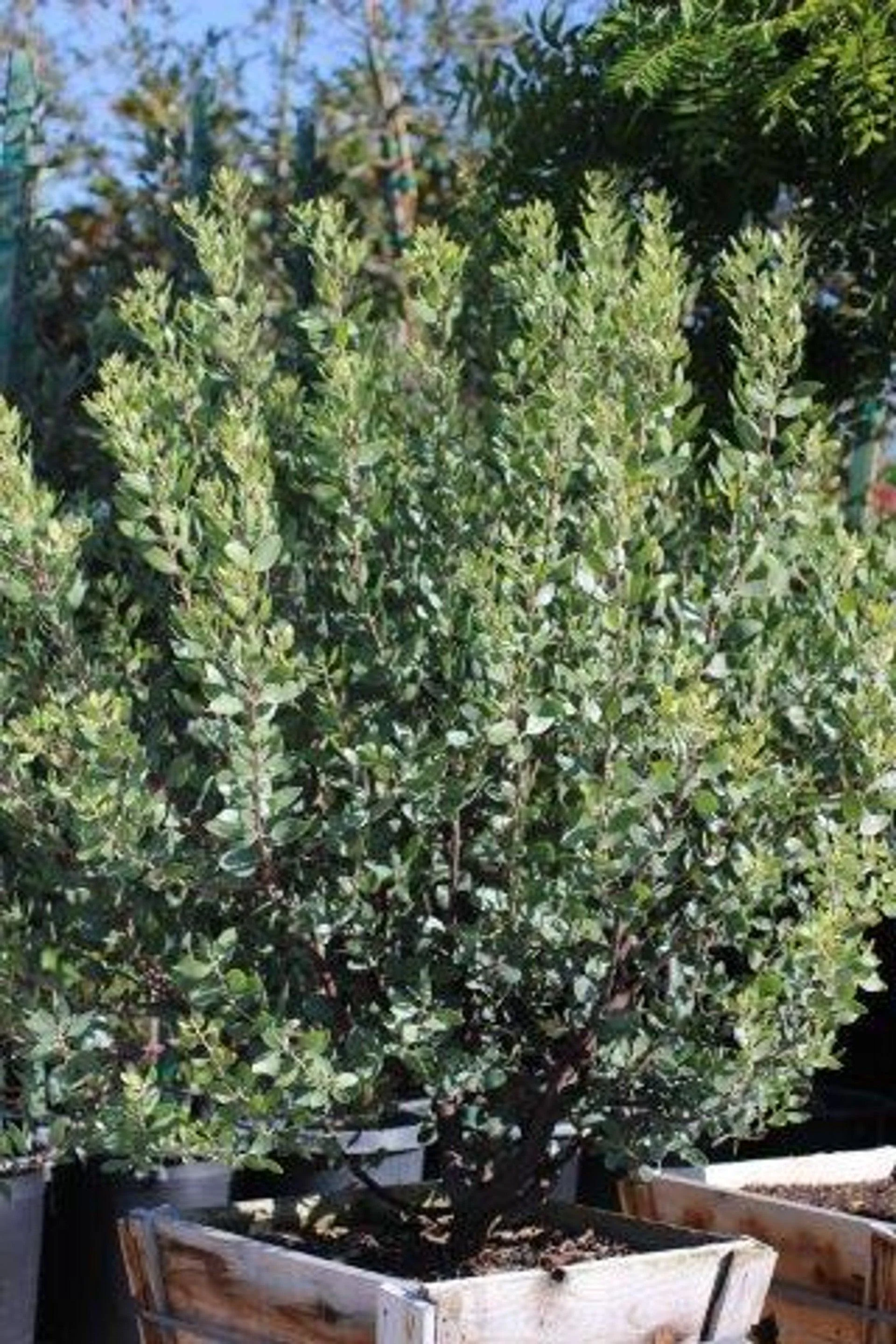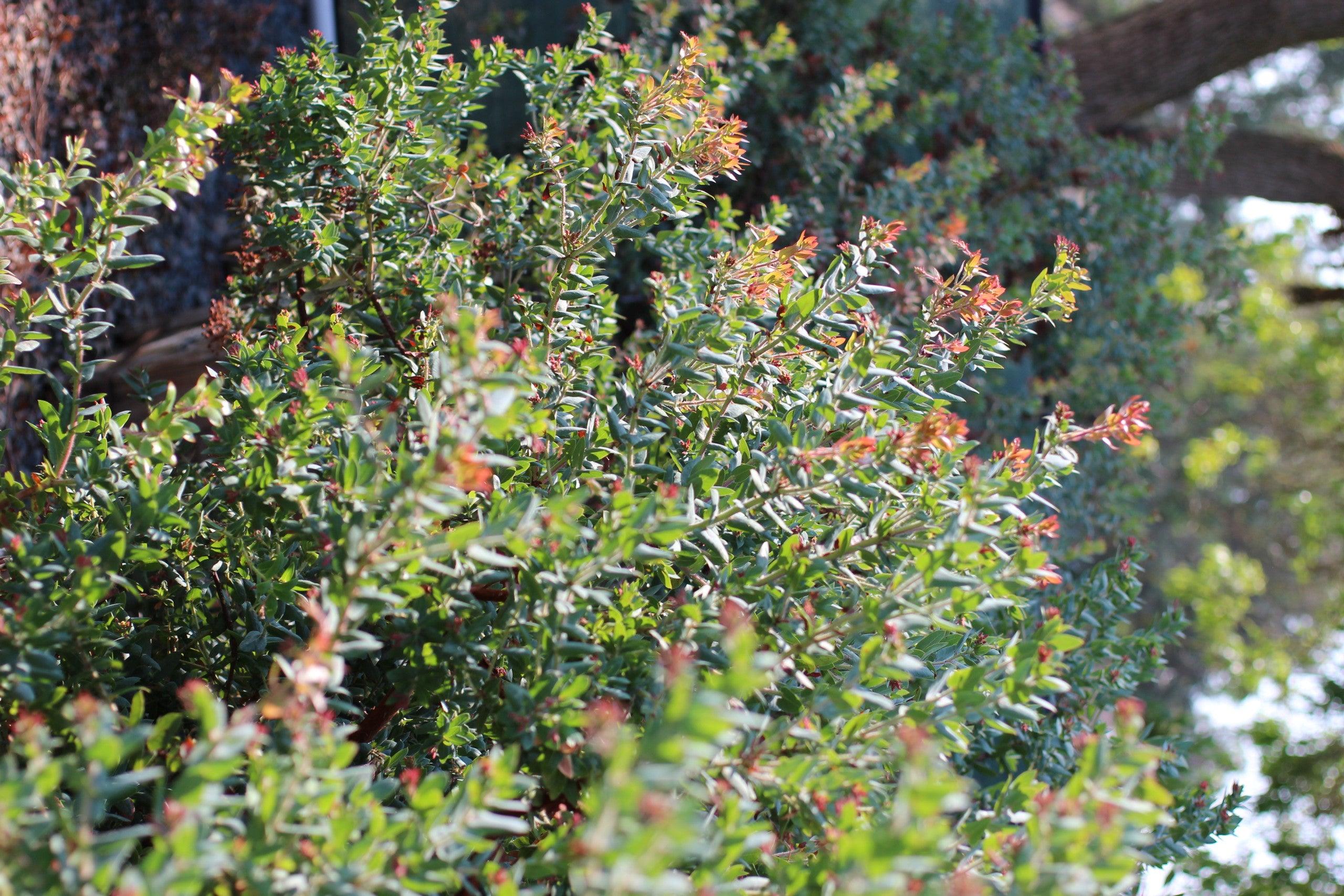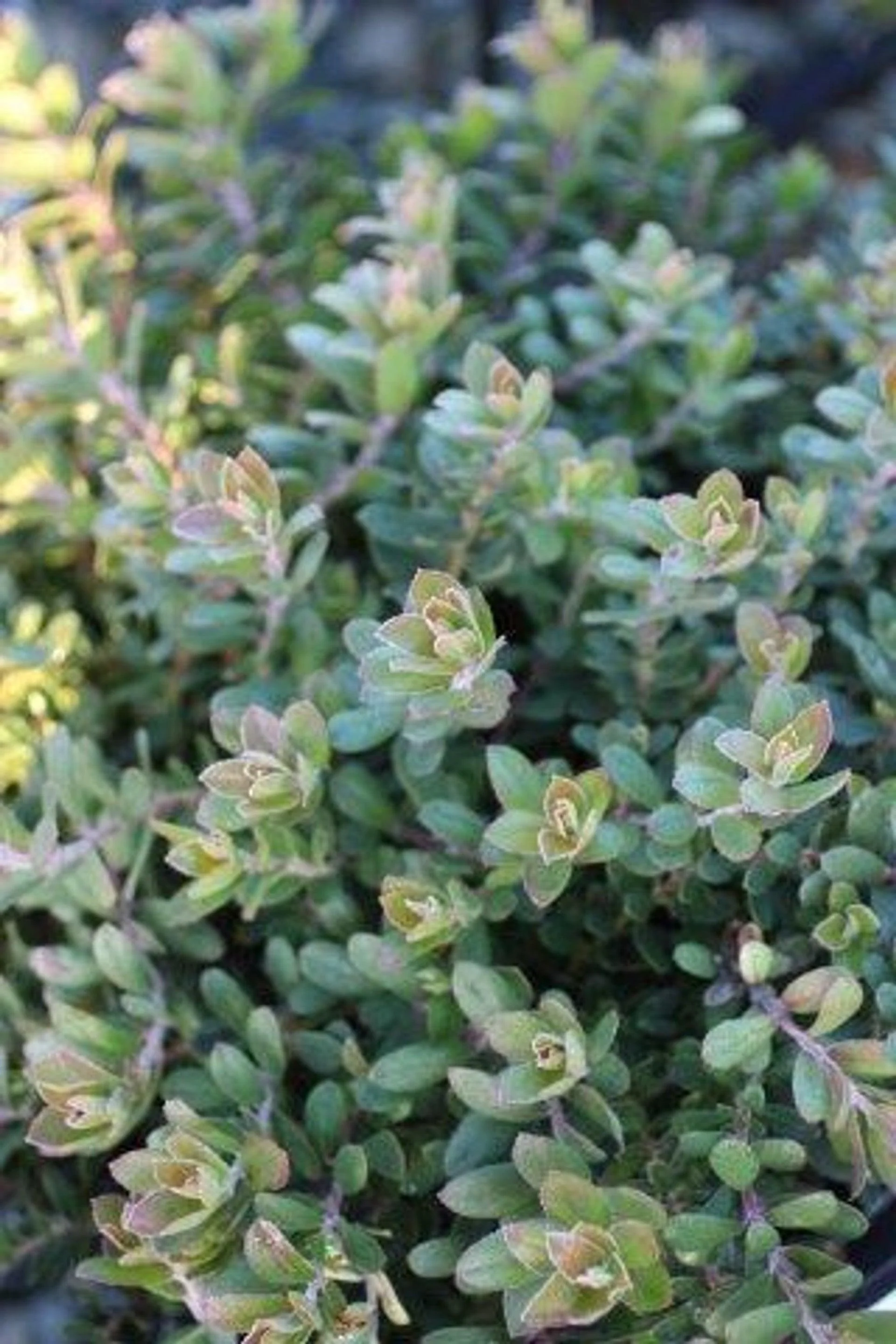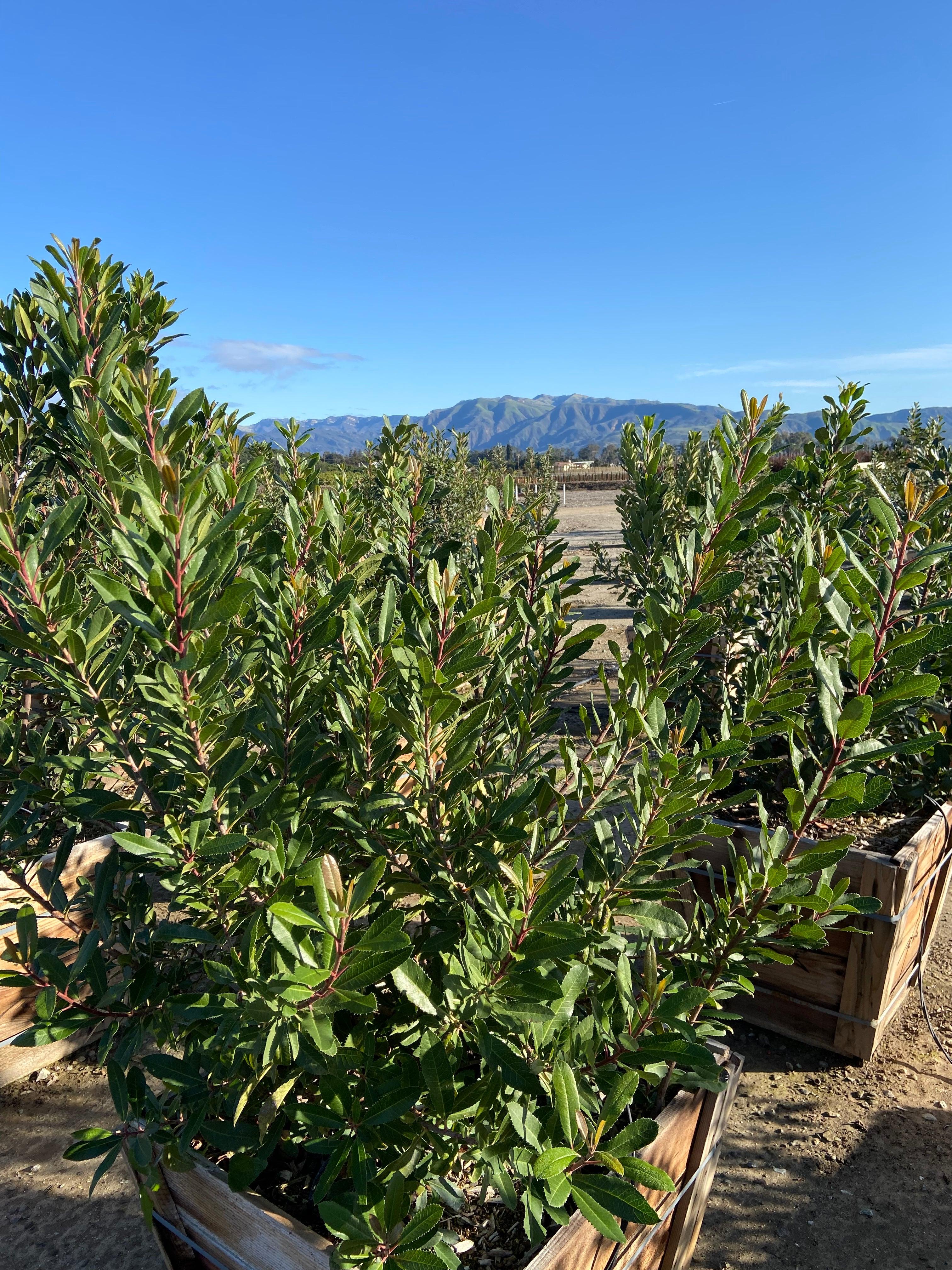
Black Sage - Salvia Mellifera
Transform Your California Garden with This Drought-Tolerant Native Beauty
Black sage gives California landscapes aromatic evergreen structure, spring nectar, and reliable low-water performance without the upkeep of thirsty ornamentals. This native shrub is built for dry conditions, making it a smart choice for gardeners who want fragrance, wildlife activity, and erosion control in one resilient plant.
Also known as Salvia mellifera, californian black sage, and one of the classic true sages, black sage is native to the coastal sage scrub and chaparral of California and Baja California. Its resinous leaves release a warm, sage-like fragrance when brushed, crushed, or heated by the sun, while pale lavender to white flowers support bees, butterflies, hummingbirds, and birds through spring.
Why You’ll Love Black Sage
-
Extreme Drought Tolerance – The plant is drought-tolerant and requires virtually no supplemental water once established, making it suitable for erosion control. In its plant’s dry climate, black sage thrives in coastal region habitats with low annual rainfall, sunny dry slopes, gravel sand, and long dry seasons.
-
Wildlife Magnet – Black sage is a honey bearing native species that produces enough nectar in favorable years to support bees, butterflies, hummingbirds, beneficial insects, and the rare honey known as black sage honey. Seeds also help support birds and small mammals.
-
Low Maintenance – Once established, this slow-growing shrub needs minimal pruning, little irrigation, and no rich soil. Salvia mellifera, commonly known as black sage, reaches maturity in approximately 3 to 5 years, but can live for several decades under optimal conditions.
-
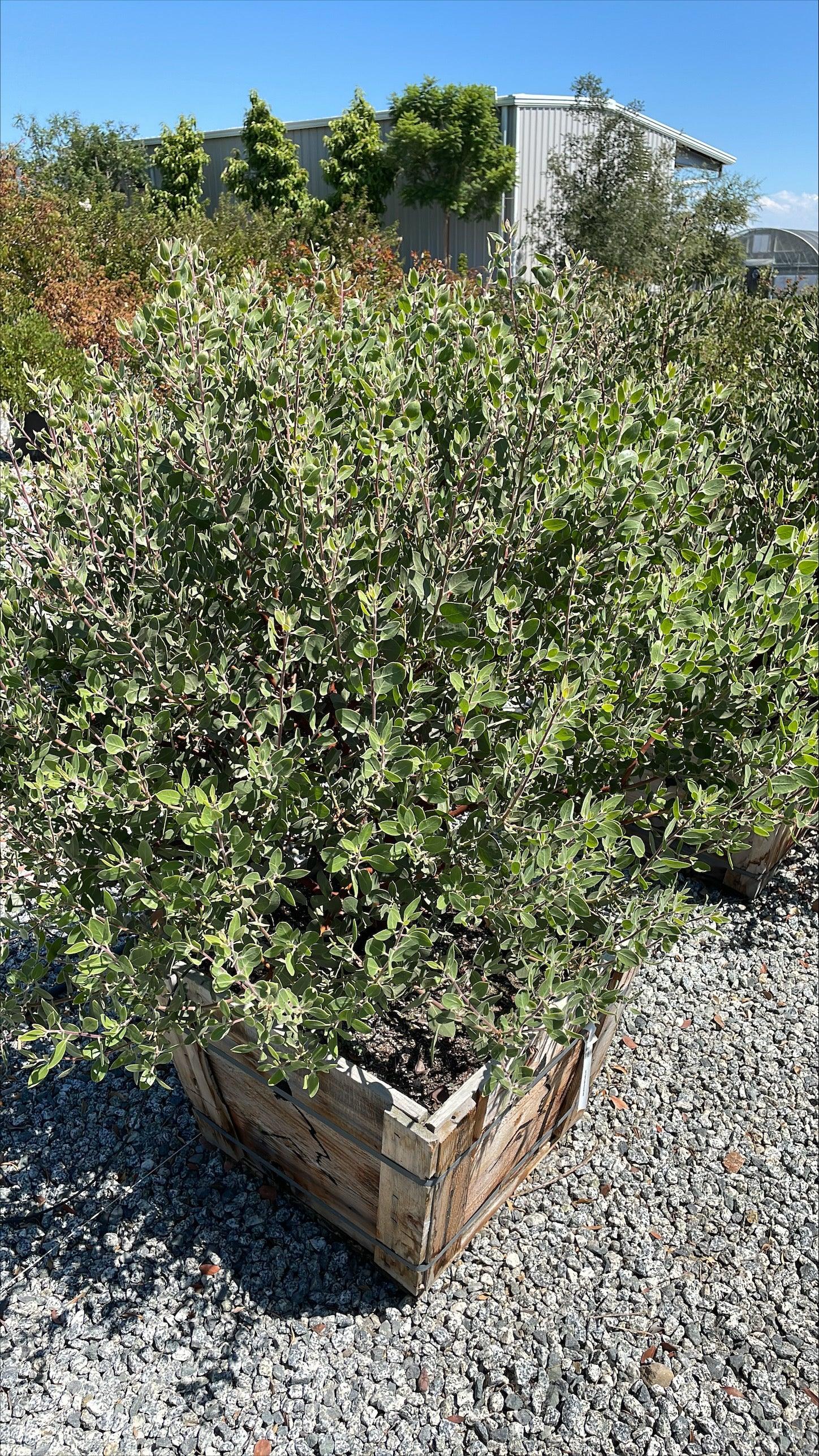
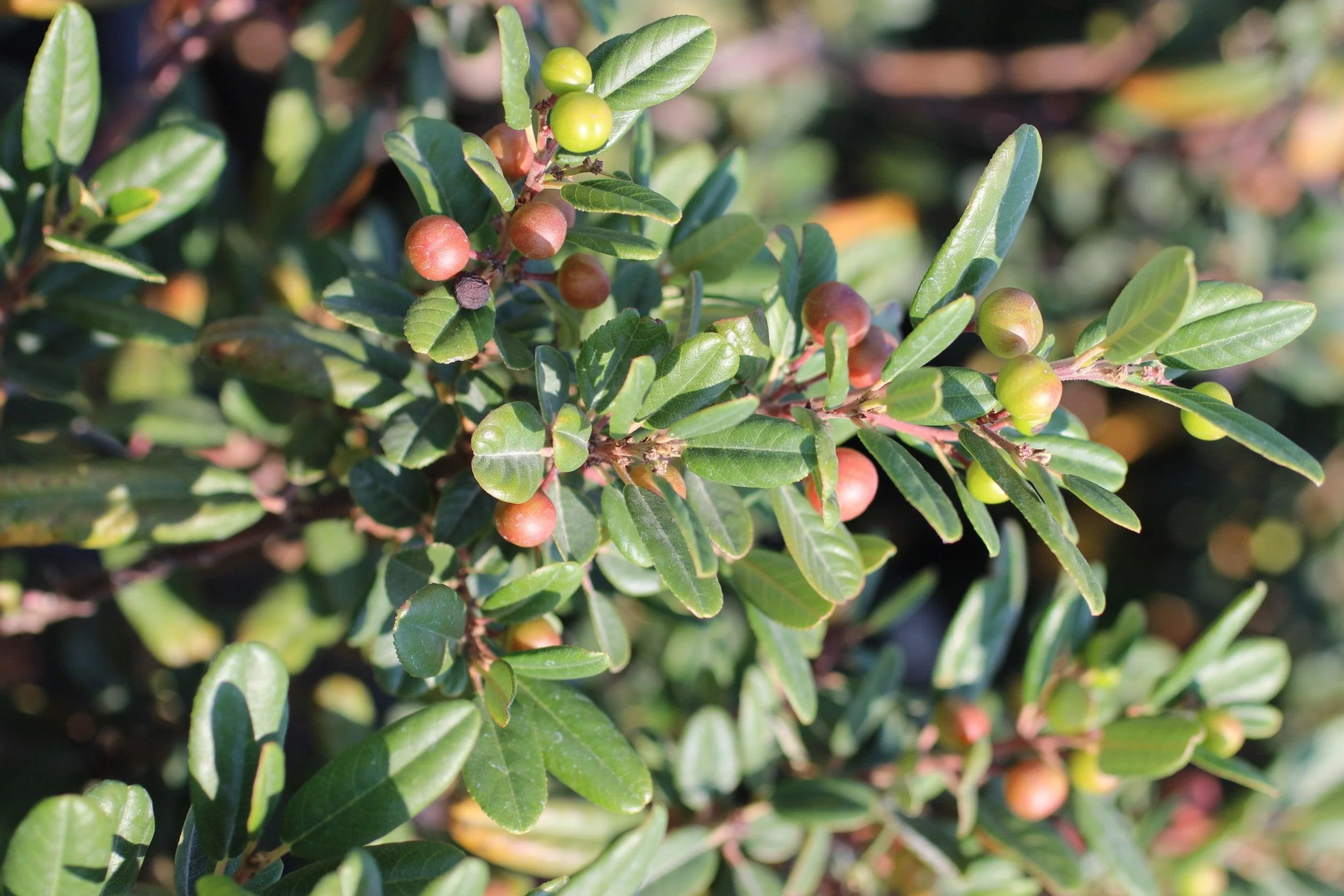
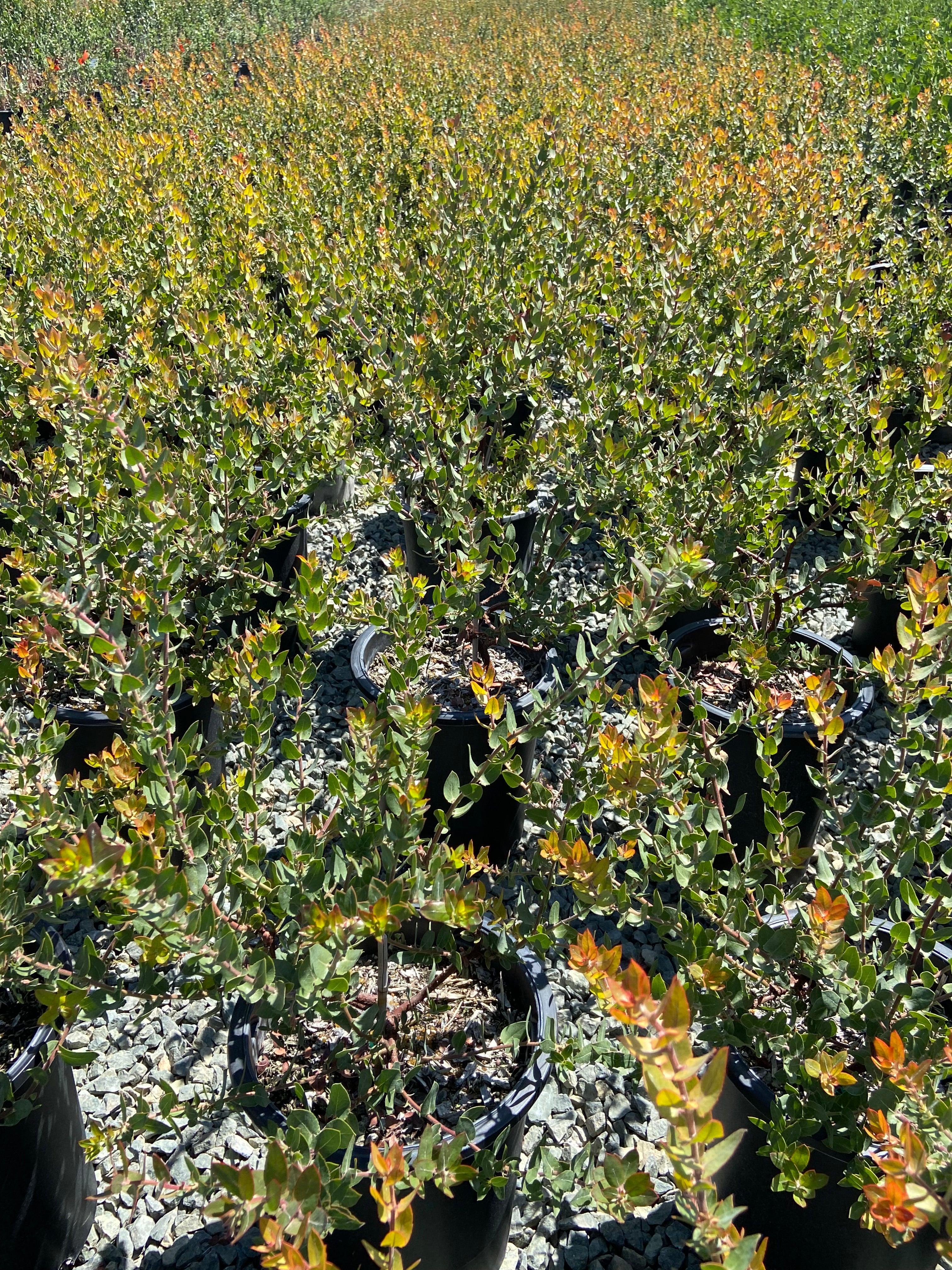
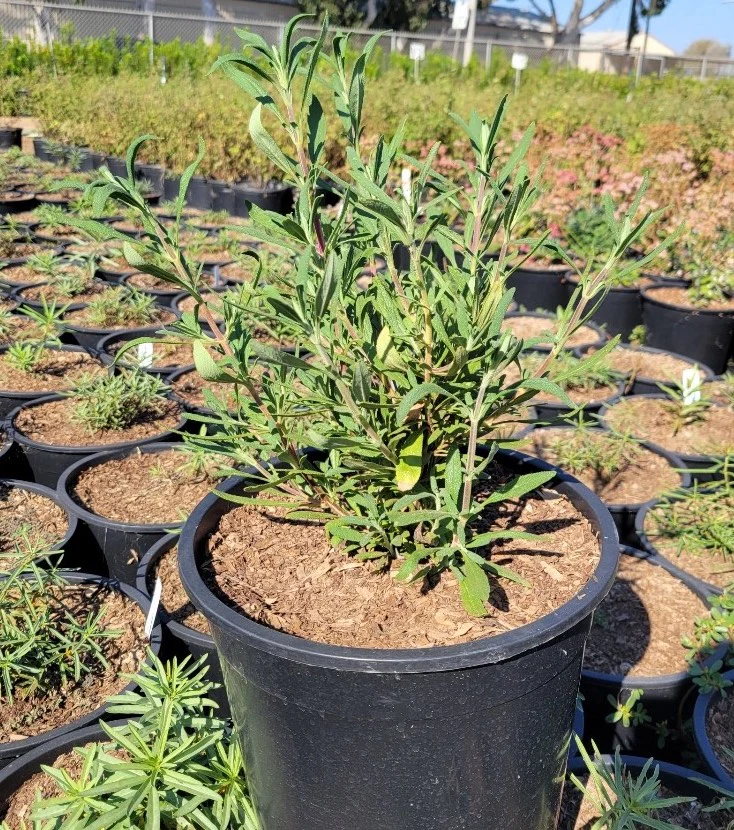
Aromatic Appeal – The leaves and stems of black sage contain essential oils that provide a strong aroma when burned or crushed, and it is also recognized for its antimicrobial properties when its smoke is released. The oval, dark green leaves feel textured and smell typically peppery, with notes that feel at home near rosemary, thyme, and other sages in the mint family.
-
Fire Resistant – Black sage has evolved mechanisms to withstand fires, including a deep-root system that allows it to resprout after being burned, contributing to its resilience in fire-prone ecosystems. It is fire-adapted, not fireproof, but its ability to recover makes it valuable in thoughtful southern California and coast ranges planting plans.
What Makes Black Sage Different
Most landscaping plants struggle when California heat, summer drought, poor soil, and reflected sun arrive at the same time. Black sage is different because it evolved for exactly those conditions: coastal scrub, chaparral edges, fog drip, rocky slopes, and the dry margins from the Bay Area and San Jose through San Luis Obispo, San Diego, Baja, and Mexico.
Black Sage (Salvia mellifera) provides:
-
True California Native – Black sage (Salvia mellifera) is an aromatic, evergreen shrub native to the coastal scrub and chaparral regions of California and Baja California. It is also the most common sage species in California, recognizable by its dark green leaves and pale lavender or white spring flowers.
-
Four-Season Interest – This keystone species brings evergreen shape, spring flower spikes, warm leaves, resinous fragrance, seeds for birds, and nectar for pollinators. The plant produces pale blue, lavender, or white flowers in spring, each with a small tubular form and an upper lip typical of many california salvia species.
-
Soil Adaptability – Black sage thrives in everything from sandy gravel to heavier adobe clay if drainage is good. It is often used in native plant restoration projects to stabilize soil and support pollination networks, especially where non native grasses have reduced habitat value, and it pairs well with other drought-tolerant salvias like Autumn Sage (Salvia greggii).
Black sage also serves a wide variety of ecological, medicinal, and culinary purposes. The Chumash people used a strong sun tea made from the leaves and stems of black sage, which was applied to painful areas or used for foot soaks. The leaves of black sage can be used to make a strong sun tea, which is a traditional method of extraction. Black sage contains diterpenoids, such as aethiopinone and ursolic acid, which are known to have pain-relieving properties. Historically, Ohlone people and other Native communities also recognized native sages for medicinal purposes, though garden use today should be understood as cultural history, not medical advice.
In spiritual rituals, black sage is used for its energetic properties and is utilized in smudging ceremonies to cleanse spaces and protect against negative energies. Black sage is used in inner healing practices, unlike white sage, which is traditionally used for external cleansing.
How to Successfully Grow Black Sage
If you’re just getting started with native landscaping, a local plant nursery like Yardwork’s California-focused plant selection can help you source healthy black sage plants and compatible companions.
-
Plant in Fall or Winter
Set black sage into the ground after the first seasonal rains or during the cool months. Fall and winter planting lets roots establish before summer heat. Because Salvia mellifera is slow-growing and typically takes 3 to 5 years to reach mature form, early root development matters. -
Choose Full Sun Location
Plant in full sun for the densest shape, strongest fragrance, and best flower display. Black sage tolerates light shade, but flowering, nectar production, and aromatic resin development are strongest with 6+ hours of direct sun, especially on sunny dry slopes or warm south-facing exposures. -
Enjoy Hands-Off Care
Water deeply but sparingly during the first year, then rely on natural rainfall in most coastal California gardens. Once established, black sage requires virtually no supplemental water. Avoid frequent summer irrigation and do not let winter-wet soil soak the root zone for long periods. -
Prune Lightly After Bloom
After spring flowering, trim spent stems to maintain structure. Avoid hard pruning during drought stress or right before peak fire season. If you want more wildlife value, leave some seed heads for birds before shaping the shrub.
Plant Specifications
-
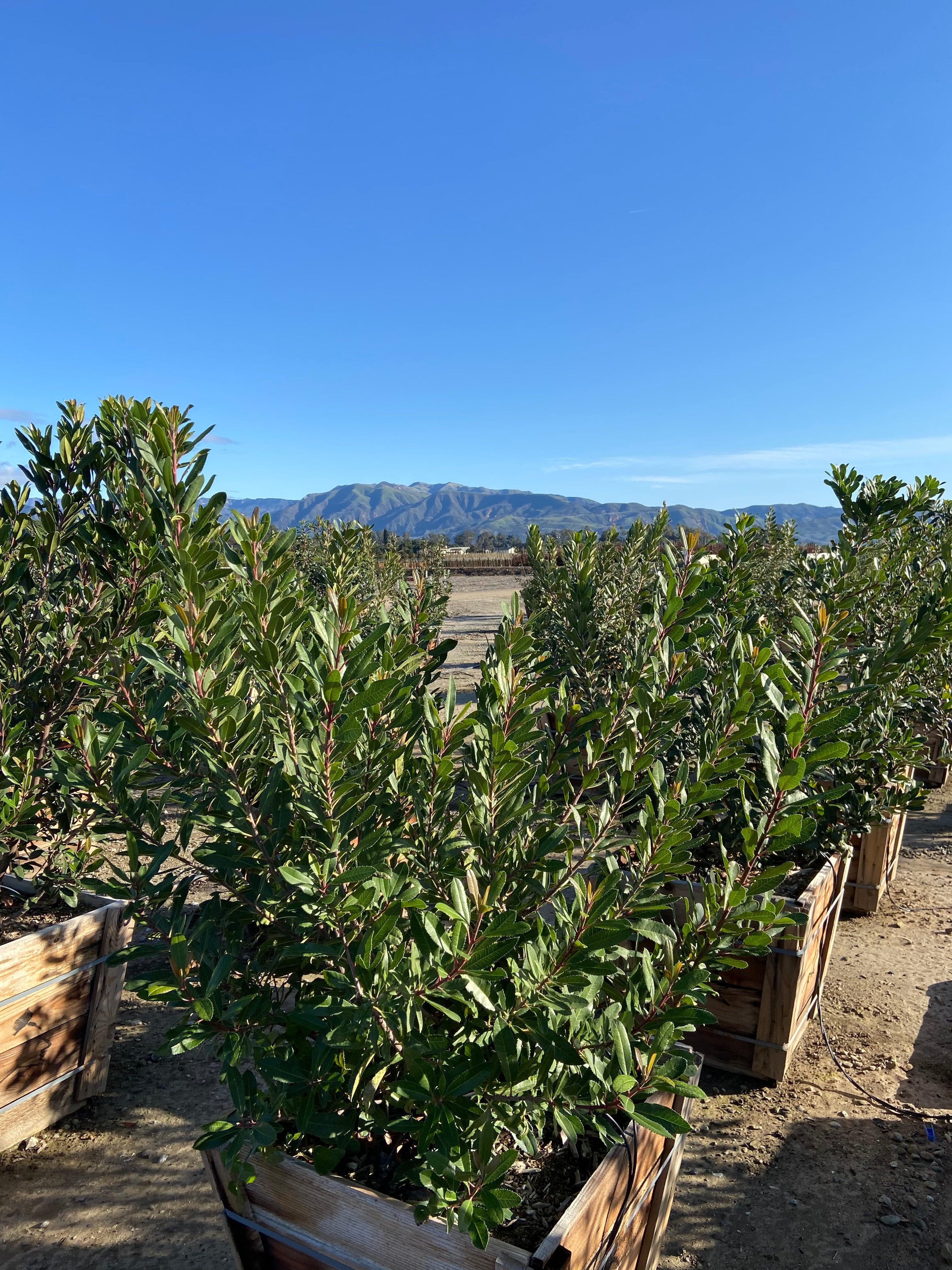
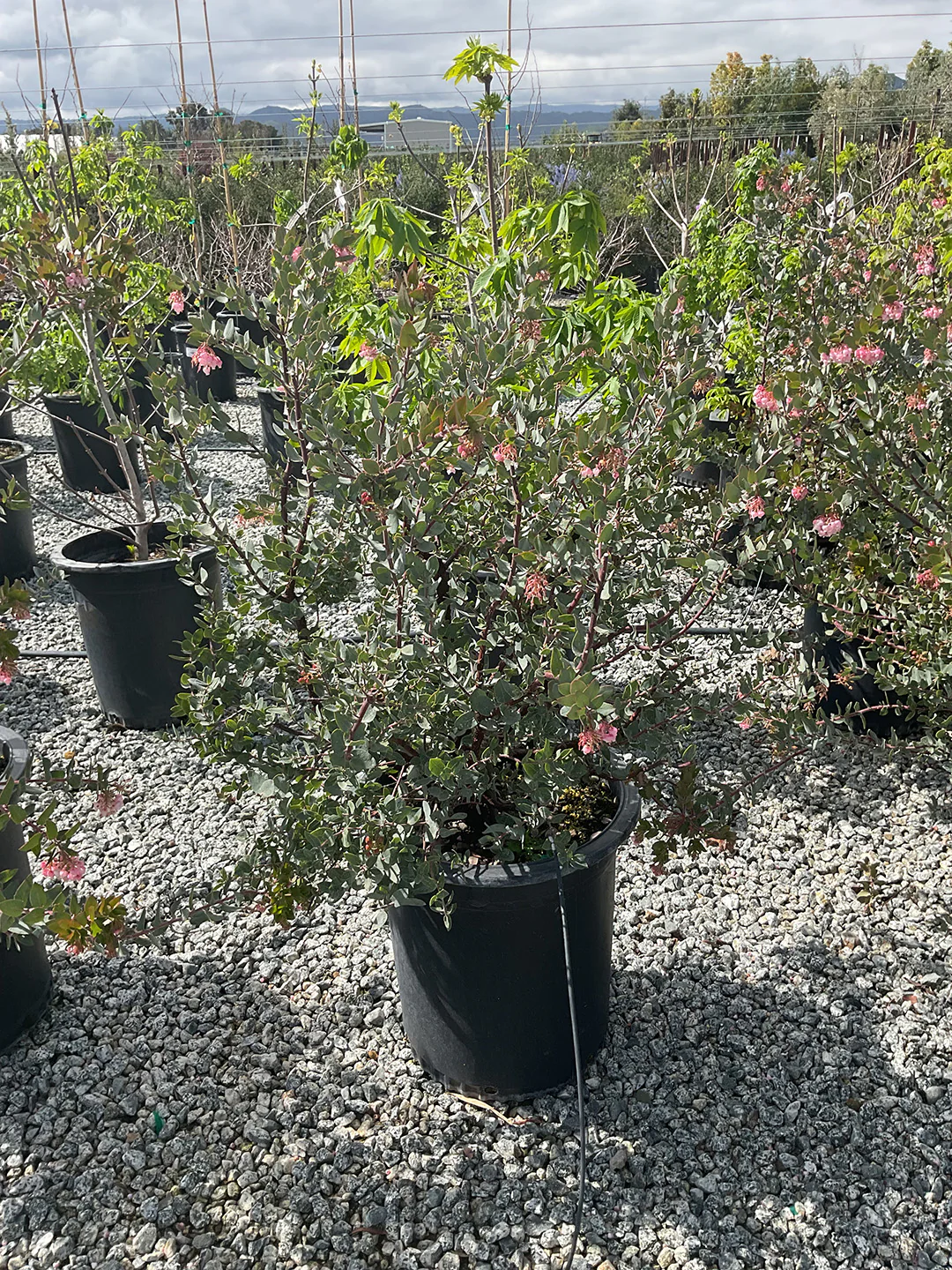
Mature Size: 3-4 feet tall, 3-6 feet wide
-
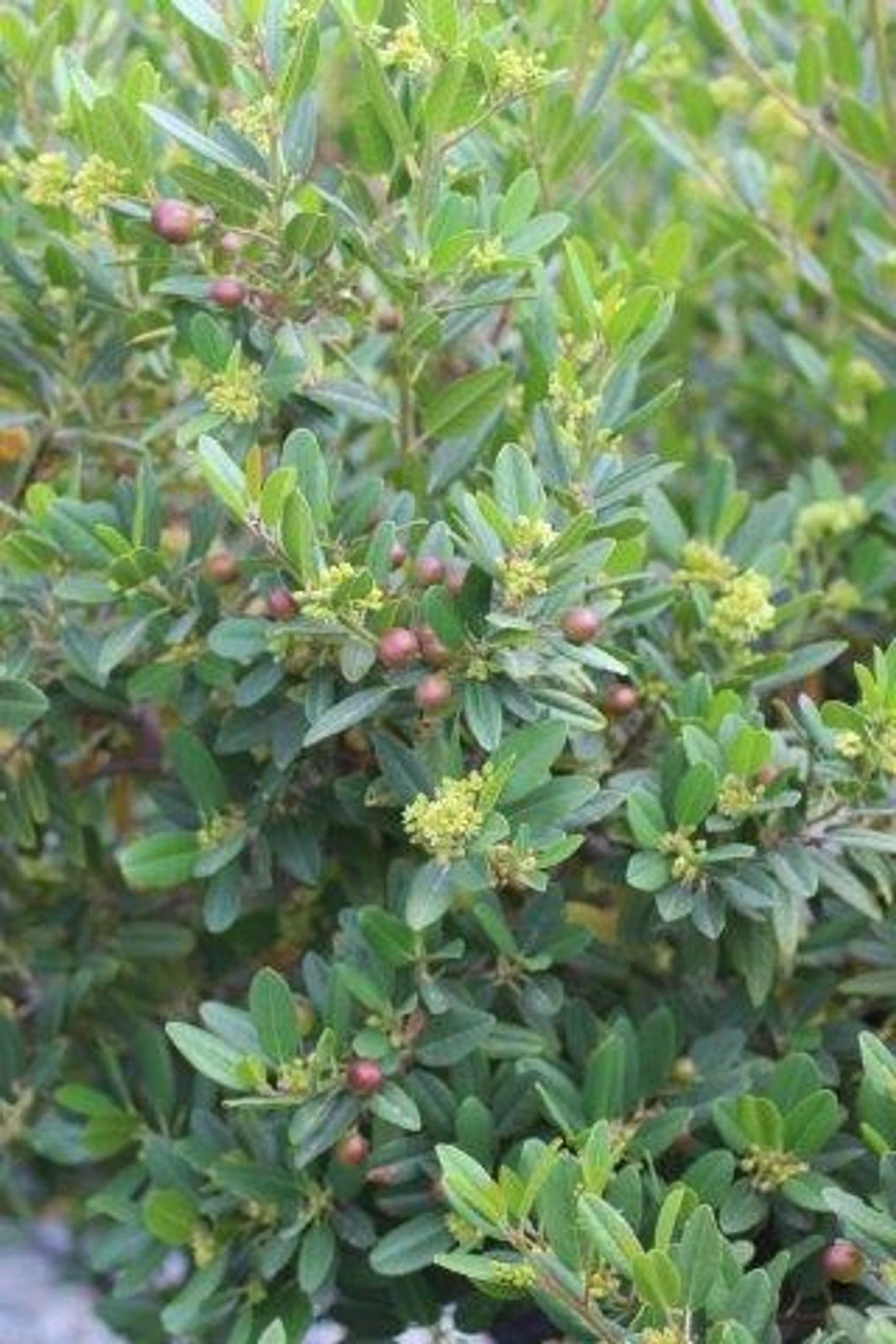
Bloom Time: March through June with light blue to white flowers
-
Soil Requirements: Well-draining, tolerates clay to sandy conditions
-
Water Needs: Low water once established, drought tolerant
-
Hardiness: Suitable for USDA zones 8-10
-
Botanical Name: Salvia mellifera
-
Plant Type: Aromatic evergreen native shrub
-
Family: Lamiaceae, the mint family; Salvia is part of the largest genus in that family
-
Native Range: California coastal sage scrub and chaparral, from around San Jose and the Bay Area through San Luis Obispo, southern California, San Diego, and Baja California
-
Flower Color: Pale blue, lavender, pale lavender, or white spring flowers
-
Wildlife Value: Nectar for bees, butterflies, hummingbirds, and beneficial insects; seeds and cover for birds and small mammals
-
Culinary Use: Black sage can be used in culinary applications, particularly in flavoring dishes due to its aromatic leaves
-
Honey Note: Black sage honey, made from the nectar of black sage flowers, is known for its unique peppery flavor and is considered a rare honey; it is most abundant only under specific rain conditions
-
Longevity: The lifespan of black sage can be influenced by environmental factors such as water availability and surrounding conditions, which can affect its longevity
For gardeners who use references such as the Calflora database, black sage is one of the most recognizable native sages of the coast and inland coastal ranges.
Perfect for California Gardeners Who Want
Ideal for:
-
Native plant enthusiasts creating authentic California landscapes with a true coastal sage scrub species
-
Water-wise gardeners reducing irrigation needs, maintenance time, and long-term landscape costs with evergreen privacy trees and low-water shrubs
-
Wildlife lovers attracting birds, bees, butterflies, hummingbirds, and beneficial insects naturally
-
Homeowners in fire-prone areas seeking resistant, fire-adapted plantings that can resprout after damage
-
Slope and hillside gardeners who need erosion control in dry conditions, where deep-rooted species such as California pepper trees (Schinus molle) and other drought-tolerant natives can help stabilize soil
-
Restoration projects replacing non native grasses with a keystone species that supports pollination networks
-
Cooks and herbal gardeners who appreciate aromatic leaves for traditional tea or culinary flavoring
If you want a native shrub that smells good, handles sun, supports nature, and asks for very little once established, black sage fits beautifully into a low-water California garden.
Frequently Asked Questions
How much water does black sage need?
Very little after establishment. The plant is drought-tolerant and requires virtually no supplemental water once established, especially in coastal areas with winter rain and some fog drip. During the first year, water deeply and infrequently to help roots establish, then reduce irrigation.
When should I prune black sage?
Prune lightly after flowering, usually in late spring or early summer. Remove old flower stems and shape the plant gently. Avoid heavy pruning during intense summer drought, and do not keep the soil overly wet after cutting.
Will black sage attract beneficial insects?
Yes. Black sage flowers provide nectar for bees, butterflies, hummingbirds, syrphid flies, and other beneficial insects. In strong bloom years, the nectar can contribute to black sage honey, a rare honey known for its typically peppery flavor.
How long does it take to establish?
Salvia mellifera, commonly known as black sage, is a slow-growing shrub that reaches maturity in approximately 3 to 5 years, but can live for several decades under optimal conditions. Water availability, soil drainage, surrounding vegetation, and local climate all influence plant longevity.
Can I grow black sage in containers?
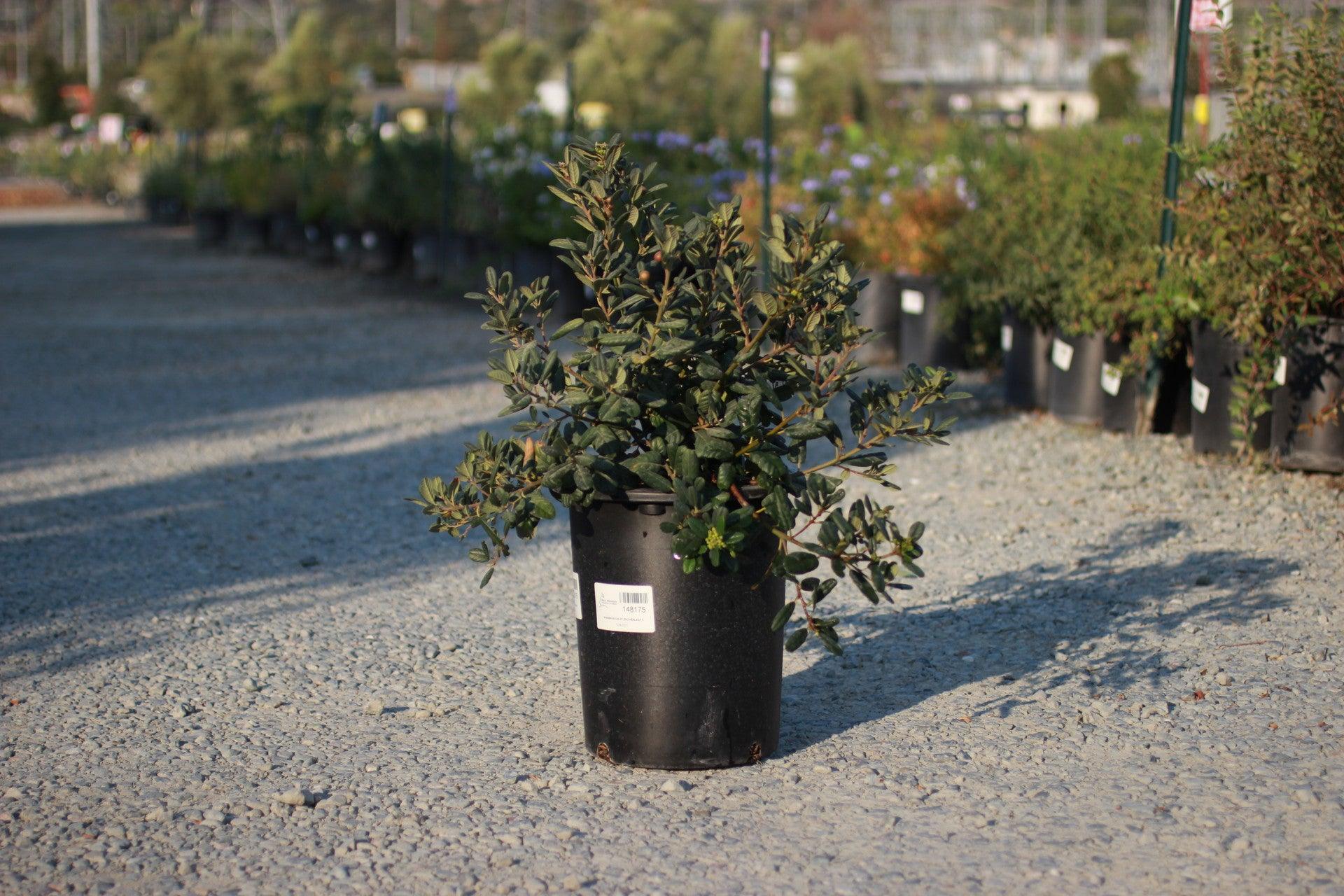
Yes, if the container is large and drains quickly. Use a mineral, fast-draining mix with gravel sand or similar texture, place the plant in full sun, and avoid letting the roots soak. Container plants dry faster than in-ground shrubs, so occasional deep watering may still be needed.
Can black sage be used for traditional practices?
Black sage has traditional, spiritual, medicinal, and culinary history. In spiritual rituals, black sage is used for energetic properties and smudging ceremonies to cleanse spaces and protect against negative energies. Black sage is also used in inner healing practices, unlike white sage, which is traditionally used for external cleansing. The Chumash people used a strong sun tea from the leaves and stems on a painful area or as a way to soak one’s feet. These uses are shared as cultural and historical information, not medical instruction.
Ready to Add Native Beauty to Your Landscape?
Stop struggling with high-maintenance plants that need constant irrigation, rich soil, and summer rescue. Choose Black Sage (Salvia mellifera) for a fragrant, drought-tolerant, wildlife-supporting native shrub built for California gardens.
Yardwork can help you select the right native plants for your site, match black sage with compatible companions, and evaluate soil drainage before planting. Ask about expert advice, plant selection, and soil testing services for a healthier, lower-water landscape.
Original: $24.50
-65%$24.50
$8.57More Images
Black Sage - Salvia Mellifera
Transform Your California Garden with This Drought-Tolerant Native Beauty
Black sage gives California landscapes aromatic evergreen structure, spring nectar, and reliable low-water performance without the upkeep of thirsty ornamentals. This native shrub is built for dry conditions, making it a smart choice for gardeners who want fragrance, wildlife activity, and erosion control in one resilient plant.
Also known as Salvia mellifera, californian black sage, and one of the classic true sages, black sage is native to the coastal sage scrub and chaparral of California and Baja California. Its resinous leaves release a warm, sage-like fragrance when brushed, crushed, or heated by the sun, while pale lavender to white flowers support bees, butterflies, hummingbirds, and birds through spring.
Why You’ll Love Black Sage
-
Extreme Drought Tolerance – The plant is drought-tolerant and requires virtually no supplemental water once established, making it suitable for erosion control. In its plant’s dry climate, black sage thrives in coastal region habitats with low annual rainfall, sunny dry slopes, gravel sand, and long dry seasons.
-
Wildlife Magnet – Black sage is a honey bearing native species that produces enough nectar in favorable years to support bees, butterflies, hummingbirds, beneficial insects, and the rare honey known as black sage honey. Seeds also help support birds and small mammals.
-
Low Maintenance – Once established, this slow-growing shrub needs minimal pruning, little irrigation, and no rich soil. Salvia mellifera, commonly known as black sage, reaches maturity in approximately 3 to 5 years, but can live for several decades under optimal conditions.
-
Aromatic Appeal – The leaves and stems of black sage contain essential oils that provide a strong aroma when burned or crushed, and it is also recognized for its antimicrobial properties when its smoke is released. The oval, dark green leaves feel textured and smell typically peppery, with notes that feel at home near rosemary, thyme, and other sages in the mint family.
-
Fire Resistant – Black sage has evolved mechanisms to withstand fires, including a deep-root system that allows it to resprout after being burned, contributing to its resilience in fire-prone ecosystems. It is fire-adapted, not fireproof, but its ability to recover makes it valuable in thoughtful southern California and coast ranges planting plans.
What Makes Black Sage Different
Most landscaping plants struggle when California heat, summer drought, poor soil, and reflected sun arrive at the same time. Black sage is different because it evolved for exactly those conditions: coastal scrub, chaparral edges, fog drip, rocky slopes, and the dry margins from the Bay Area and San Jose through San Luis Obispo, San Diego, Baja, and Mexico.
Black Sage (Salvia mellifera) provides:
-
True California Native – Black sage (Salvia mellifera) is an aromatic, evergreen shrub native to the coastal scrub and chaparral regions of California and Baja California. It is also the most common sage species in California, recognizable by its dark green leaves and pale lavender or white spring flowers.
-
Four-Season Interest – This keystone species brings evergreen shape, spring flower spikes, warm leaves, resinous fragrance, seeds for birds, and nectar for pollinators. The plant produces pale blue, lavender, or white flowers in spring, each with a small tubular form and an upper lip typical of many california salvia species.
-
Soil Adaptability – Black sage thrives in everything from sandy gravel to heavier adobe clay if drainage is good. It is often used in native plant restoration projects to stabilize soil and support pollination networks, especially where non native grasses have reduced habitat value, and it pairs well with other drought-tolerant salvias like Autumn Sage (Salvia greggii).
Black sage also serves a wide variety of ecological, medicinal, and culinary purposes. The Chumash people used a strong sun tea made from the leaves and stems of black sage, which was applied to painful areas or used for foot soaks. The leaves of black sage can be used to make a strong sun tea, which is a traditional method of extraction. Black sage contains diterpenoids, such as aethiopinone and ursolic acid, which are known to have pain-relieving properties. Historically, Ohlone people and other Native communities also recognized native sages for medicinal purposes, though garden use today should be understood as cultural history, not medical advice.
In spiritual rituals, black sage is used for its energetic properties and is utilized in smudging ceremonies to cleanse spaces and protect against negative energies. Black sage is used in inner healing practices, unlike white sage, which is traditionally used for external cleansing.
How to Successfully Grow Black Sage
If you’re just getting started with native landscaping, a local plant nursery like Yardwork’s California-focused plant selection can help you source healthy black sage plants and compatible companions.
-
Plant in Fall or Winter
Set black sage into the ground after the first seasonal rains or during the cool months. Fall and winter planting lets roots establish before summer heat. Because Salvia mellifera is slow-growing and typically takes 3 to 5 years to reach mature form, early root development matters. -
Choose Full Sun Location
Plant in full sun for the densest shape, strongest fragrance, and best flower display. Black sage tolerates light shade, but flowering, nectar production, and aromatic resin development are strongest with 6+ hours of direct sun, especially on sunny dry slopes or warm south-facing exposures. -
Enjoy Hands-Off Care
Water deeply but sparingly during the first year, then rely on natural rainfall in most coastal California gardens. Once established, black sage requires virtually no supplemental water. Avoid frequent summer irrigation and do not let winter-wet soil soak the root zone for long periods. -
Prune Lightly After Bloom
After spring flowering, trim spent stems to maintain structure. Avoid hard pruning during drought stress or right before peak fire season. If you want more wildlife value, leave some seed heads for birds before shaping the shrub.
Plant Specifications
-
Mature Size: 3-4 feet tall, 3-6 feet wide
-
Bloom Time: March through June with light blue to white flowers
-
Soil Requirements: Well-draining, tolerates clay to sandy conditions
-
Water Needs: Low water once established, drought tolerant
-
Hardiness: Suitable for USDA zones 8-10
-
Botanical Name: Salvia mellifera
-
Plant Type: Aromatic evergreen native shrub
-
Family: Lamiaceae, the mint family; Salvia is part of the largest genus in that family
-
Native Range: California coastal sage scrub and chaparral, from around San Jose and the Bay Area through San Luis Obispo, southern California, San Diego, and Baja California
-
Flower Color: Pale blue, lavender, pale lavender, or white spring flowers
-
Wildlife Value: Nectar for bees, butterflies, hummingbirds, and beneficial insects; seeds and cover for birds and small mammals
-
Culinary Use: Black sage can be used in culinary applications, particularly in flavoring dishes due to its aromatic leaves
-
Honey Note: Black sage honey, made from the nectar of black sage flowers, is known for its unique peppery flavor and is considered a rare honey; it is most abundant only under specific rain conditions
-
Longevity: The lifespan of black sage can be influenced by environmental factors such as water availability and surrounding conditions, which can affect its longevity
For gardeners who use references such as the Calflora database, black sage is one of the most recognizable native sages of the coast and inland coastal ranges.
Perfect for California Gardeners Who Want
Ideal for:
-
Native plant enthusiasts creating authentic California landscapes with a true coastal sage scrub species
-
Water-wise gardeners reducing irrigation needs, maintenance time, and long-term landscape costs with evergreen privacy trees and low-water shrubs
-
Wildlife lovers attracting birds, bees, butterflies, hummingbirds, and beneficial insects naturally
-
Homeowners in fire-prone areas seeking resistant, fire-adapted plantings that can resprout after damage
-
Slope and hillside gardeners who need erosion control in dry conditions, where deep-rooted species such as California pepper trees (Schinus molle) and other drought-tolerant natives can help stabilize soil
-
Restoration projects replacing non native grasses with a keystone species that supports pollination networks
-
Cooks and herbal gardeners who appreciate aromatic leaves for traditional tea or culinary flavoring
If you want a native shrub that smells good, handles sun, supports nature, and asks for very little once established, black sage fits beautifully into a low-water California garden.
Frequently Asked Questions
How much water does black sage need?
Very little after establishment. The plant is drought-tolerant and requires virtually no supplemental water once established, especially in coastal areas with winter rain and some fog drip. During the first year, water deeply and infrequently to help roots establish, then reduce irrigation.
When should I prune black sage?
Prune lightly after flowering, usually in late spring or early summer. Remove old flower stems and shape the plant gently. Avoid heavy pruning during intense summer drought, and do not keep the soil overly wet after cutting.
Will black sage attract beneficial insects?
Yes. Black sage flowers provide nectar for bees, butterflies, hummingbirds, syrphid flies, and other beneficial insects. In strong bloom years, the nectar can contribute to black sage honey, a rare honey known for its typically peppery flavor.
How long does it take to establish?
Salvia mellifera, commonly known as black sage, is a slow-growing shrub that reaches maturity in approximately 3 to 5 years, but can live for several decades under optimal conditions. Water availability, soil drainage, surrounding vegetation, and local climate all influence plant longevity.
Can I grow black sage in containers?
Yes, if the container is large and drains quickly. Use a mineral, fast-draining mix with gravel sand or similar texture, place the plant in full sun, and avoid letting the roots soak. Container plants dry faster than in-ground shrubs, so occasional deep watering may still be needed.
Can black sage be used for traditional practices?
Black sage has traditional, spiritual, medicinal, and culinary history. In spiritual rituals, black sage is used for energetic properties and smudging ceremonies to cleanse spaces and protect against negative energies. Black sage is also used in inner healing practices, unlike white sage, which is traditionally used for external cleansing. The Chumash people used a strong sun tea from the leaves and stems on a painful area or as a way to soak one’s feet. These uses are shared as cultural and historical information, not medical instruction.
Ready to Add Native Beauty to Your Landscape?
Stop struggling with high-maintenance plants that need constant irrigation, rich soil, and summer rescue. Choose Black Sage (Salvia mellifera) for a fragrant, drought-tolerant, wildlife-supporting native shrub built for California gardens.
Yardwork can help you select the right native plants for your site, match black sage with compatible companions, and evaluate soil drainage before planting. Ask about expert advice, plant selection, and soil testing services for a healthier, lower-water landscape.
Product Information
Product Information
Shipping & Returns
Shipping & Returns
Description
Transform Your California Garden with This Drought-Tolerant Native Beauty
Black sage gives California landscapes aromatic evergreen structure, spring nectar, and reliable low-water performance without the upkeep of thirsty ornamentals. This native shrub is built for dry conditions, making it a smart choice for gardeners who want fragrance, wildlife activity, and erosion control in one resilient plant.
Also known as Salvia mellifera, californian black sage, and one of the classic true sages, black sage is native to the coastal sage scrub and chaparral of California and Baja California. Its resinous leaves release a warm, sage-like fragrance when brushed, crushed, or heated by the sun, while pale lavender to white flowers support bees, butterflies, hummingbirds, and birds through spring.
Why You’ll Love Black Sage
-
Extreme Drought Tolerance – The plant is drought-tolerant and requires virtually no supplemental water once established, making it suitable for erosion control. In its plant’s dry climate, black sage thrives in coastal region habitats with low annual rainfall, sunny dry slopes, gravel sand, and long dry seasons.
-
Wildlife Magnet – Black sage is a honey bearing native species that produces enough nectar in favorable years to support bees, butterflies, hummingbirds, beneficial insects, and the rare honey known as black sage honey. Seeds also help support birds and small mammals.
-
Low Maintenance – Once established, this slow-growing shrub needs minimal pruning, little irrigation, and no rich soil. Salvia mellifera, commonly known as black sage, reaches maturity in approximately 3 to 5 years, but can live for several decades under optimal conditions.
-
Aromatic Appeal – The leaves and stems of black sage contain essential oils that provide a strong aroma when burned or crushed, and it is also recognized for its antimicrobial properties when its smoke is released. The oval, dark green leaves feel textured and smell typically peppery, with notes that feel at home near rosemary, thyme, and other sages in the mint family.
-
Fire Resistant – Black sage has evolved mechanisms to withstand fires, including a deep-root system that allows it to resprout after being burned, contributing to its resilience in fire-prone ecosystems. It is fire-adapted, not fireproof, but its ability to recover makes it valuable in thoughtful southern California and coast ranges planting plans.
What Makes Black Sage Different
Most landscaping plants struggle when California heat, summer drought, poor soil, and reflected sun arrive at the same time. Black sage is different because it evolved for exactly those conditions: coastal scrub, chaparral edges, fog drip, rocky slopes, and the dry margins from the Bay Area and San Jose through San Luis Obispo, San Diego, Baja, and Mexico.
Black Sage (Salvia mellifera) provides:
-
True California Native – Black sage (Salvia mellifera) is an aromatic, evergreen shrub native to the coastal scrub and chaparral regions of California and Baja California. It is also the most common sage species in California, recognizable by its dark green leaves and pale lavender or white spring flowers.
-
Four-Season Interest – This keystone species brings evergreen shape, spring flower spikes, warm leaves, resinous fragrance, seeds for birds, and nectar for pollinators. The plant produces pale blue, lavender, or white flowers in spring, each with a small tubular form and an upper lip typical of many california salvia species.
-
Soil Adaptability – Black sage thrives in everything from sandy gravel to heavier adobe clay if drainage is good. It is often used in native plant restoration projects to stabilize soil and support pollination networks, especially where non native grasses have reduced habitat value, and it pairs well with other drought-tolerant salvias like Autumn Sage (Salvia greggii).
Black sage also serves a wide variety of ecological, medicinal, and culinary purposes. The Chumash people used a strong sun tea made from the leaves and stems of black sage, which was applied to painful areas or used for foot soaks. The leaves of black sage can be used to make a strong sun tea, which is a traditional method of extraction. Black sage contains diterpenoids, such as aethiopinone and ursolic acid, which are known to have pain-relieving properties. Historically, Ohlone people and other Native communities also recognized native sages for medicinal purposes, though garden use today should be understood as cultural history, not medical advice.
In spiritual rituals, black sage is used for its energetic properties and is utilized in smudging ceremonies to cleanse spaces and protect against negative energies. Black sage is used in inner healing practices, unlike white sage, which is traditionally used for external cleansing.
How to Successfully Grow Black Sage
If you’re just getting started with native landscaping, a local plant nursery like Yardwork’s California-focused plant selection can help you source healthy black sage plants and compatible companions.
-
Plant in Fall or Winter
Set black sage into the ground after the first seasonal rains or during the cool months. Fall and winter planting lets roots establish before summer heat. Because Salvia mellifera is slow-growing and typically takes 3 to 5 years to reach mature form, early root development matters. -
Choose Full Sun Location
Plant in full sun for the densest shape, strongest fragrance, and best flower display. Black sage tolerates light shade, but flowering, nectar production, and aromatic resin development are strongest with 6+ hours of direct sun, especially on sunny dry slopes or warm south-facing exposures. -
Enjoy Hands-Off Care
Water deeply but sparingly during the first year, then rely on natural rainfall in most coastal California gardens. Once established, black sage requires virtually no supplemental water. Avoid frequent summer irrigation and do not let winter-wet soil soak the root zone for long periods. -
Prune Lightly After Bloom
After spring flowering, trim spent stems to maintain structure. Avoid hard pruning during drought stress or right before peak fire season. If you want more wildlife value, leave some seed heads for birds before shaping the shrub.
Plant Specifications
-
Mature Size: 3-4 feet tall, 3-6 feet wide
-
Bloom Time: March through June with light blue to white flowers
-
Soil Requirements: Well-draining, tolerates clay to sandy conditions
-
Water Needs: Low water once established, drought tolerant
-
Hardiness: Suitable for USDA zones 8-10
-
Botanical Name: Salvia mellifera
-
Plant Type: Aromatic evergreen native shrub
-
Family: Lamiaceae, the mint family; Salvia is part of the largest genus in that family
-
Native Range: California coastal sage scrub and chaparral, from around San Jose and the Bay Area through San Luis Obispo, southern California, San Diego, and Baja California
-
Flower Color: Pale blue, lavender, pale lavender, or white spring flowers
-
Wildlife Value: Nectar for bees, butterflies, hummingbirds, and beneficial insects; seeds and cover for birds and small mammals
-
Culinary Use: Black sage can be used in culinary applications, particularly in flavoring dishes due to its aromatic leaves
-
Honey Note: Black sage honey, made from the nectar of black sage flowers, is known for its unique peppery flavor and is considered a rare honey; it is most abundant only under specific rain conditions
-
Longevity: The lifespan of black sage can be influenced by environmental factors such as water availability and surrounding conditions, which can affect its longevity
For gardeners who use references such as the Calflora database, black sage is one of the most recognizable native sages of the coast and inland coastal ranges.
Perfect for California Gardeners Who Want
Ideal for:
-
Native plant enthusiasts creating authentic California landscapes with a true coastal sage scrub species
-
Water-wise gardeners reducing irrigation needs, maintenance time, and long-term landscape costs with evergreen privacy trees and low-water shrubs
-
Wildlife lovers attracting birds, bees, butterflies, hummingbirds, and beneficial insects naturally
-
Homeowners in fire-prone areas seeking resistant, fire-adapted plantings that can resprout after damage
-
Slope and hillside gardeners who need erosion control in dry conditions, where deep-rooted species such as California pepper trees (Schinus molle) and other drought-tolerant natives can help stabilize soil
-
Restoration projects replacing non native grasses with a keystone species that supports pollination networks
-
Cooks and herbal gardeners who appreciate aromatic leaves for traditional tea or culinary flavoring
If you want a native shrub that smells good, handles sun, supports nature, and asks for very little once established, black sage fits beautifully into a low-water California garden.
Frequently Asked Questions
How much water does black sage need?
Very little after establishment. The plant is drought-tolerant and requires virtually no supplemental water once established, especially in coastal areas with winter rain and some fog drip. During the first year, water deeply and infrequently to help roots establish, then reduce irrigation.
When should I prune black sage?
Prune lightly after flowering, usually in late spring or early summer. Remove old flower stems and shape the plant gently. Avoid heavy pruning during intense summer drought, and do not keep the soil overly wet after cutting.
Will black sage attract beneficial insects?
Yes. Black sage flowers provide nectar for bees, butterflies, hummingbirds, syrphid flies, and other beneficial insects. In strong bloom years, the nectar can contribute to black sage honey, a rare honey known for its typically peppery flavor.
How long does it take to establish?
Salvia mellifera, commonly known as black sage, is a slow-growing shrub that reaches maturity in approximately 3 to 5 years, but can live for several decades under optimal conditions. Water availability, soil drainage, surrounding vegetation, and local climate all influence plant longevity.
Can I grow black sage in containers?
Yes, if the container is large and drains quickly. Use a mineral, fast-draining mix with gravel sand or similar texture, place the plant in full sun, and avoid letting the roots soak. Container plants dry faster than in-ground shrubs, so occasional deep watering may still be needed.
Can black sage be used for traditional practices?
Black sage has traditional, spiritual, medicinal, and culinary history. In spiritual rituals, black sage is used for energetic properties and smudging ceremonies to cleanse spaces and protect against negative energies. Black sage is also used in inner healing practices, unlike white sage, which is traditionally used for external cleansing. The Chumash people used a strong sun tea from the leaves and stems on a painful area or as a way to soak one’s feet. These uses are shared as cultural and historical information, not medical instruction.
Ready to Add Native Beauty to Your Landscape?
Stop struggling with high-maintenance plants that need constant irrigation, rich soil, and summer rescue. Choose Black Sage (Salvia mellifera) for a fragrant, drought-tolerant, wildlife-supporting native shrub built for California gardens.
Yardwork can help you select the right native plants for your site, match black sage with compatible companions, and evaluate soil drainage before planting. Ask about expert advice, plant selection, and soil testing services for a healthier, lower-water landscape.