Blue Agaves - Agave Tequiliana
Transform Your Landscape with Drought-Tolerant Elegance
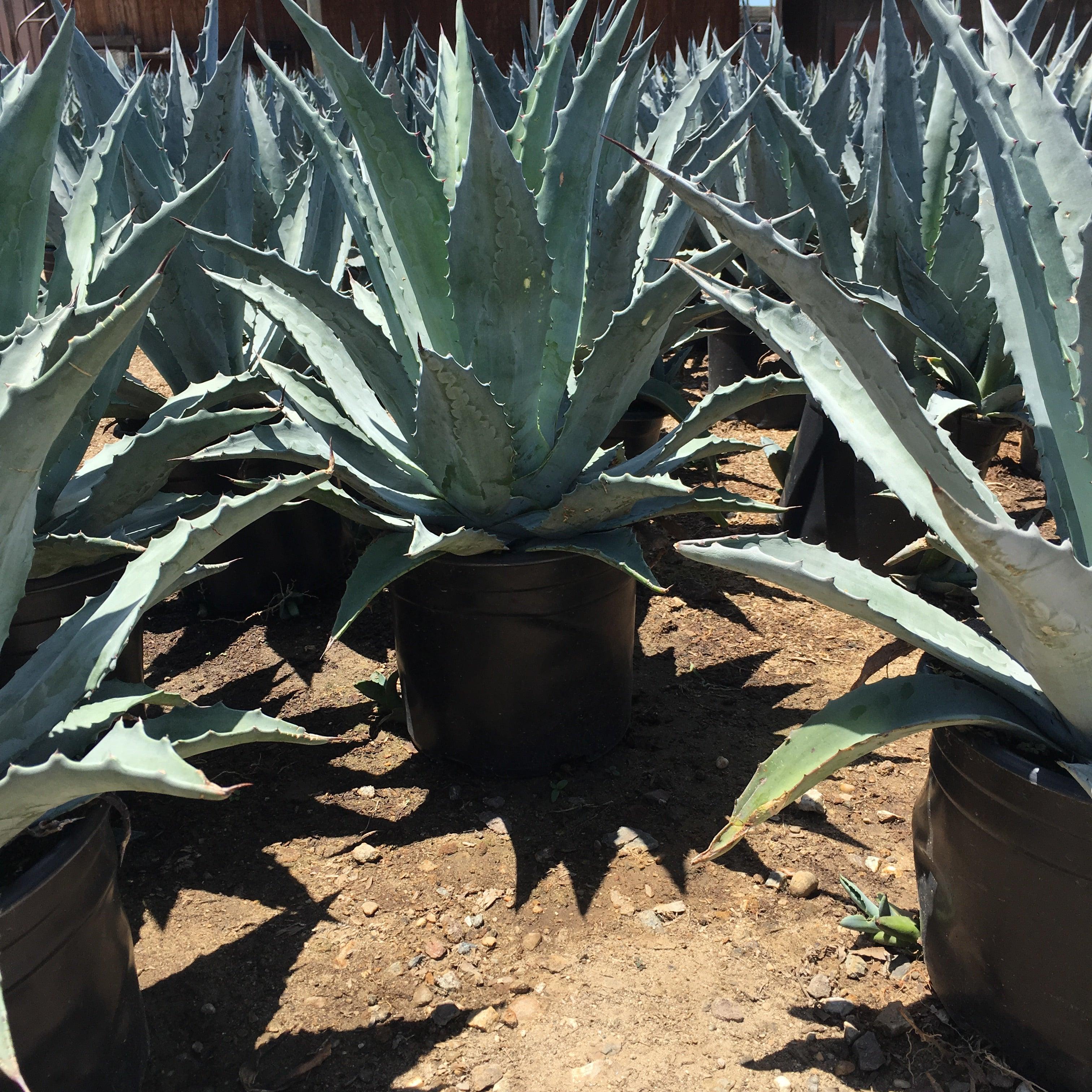
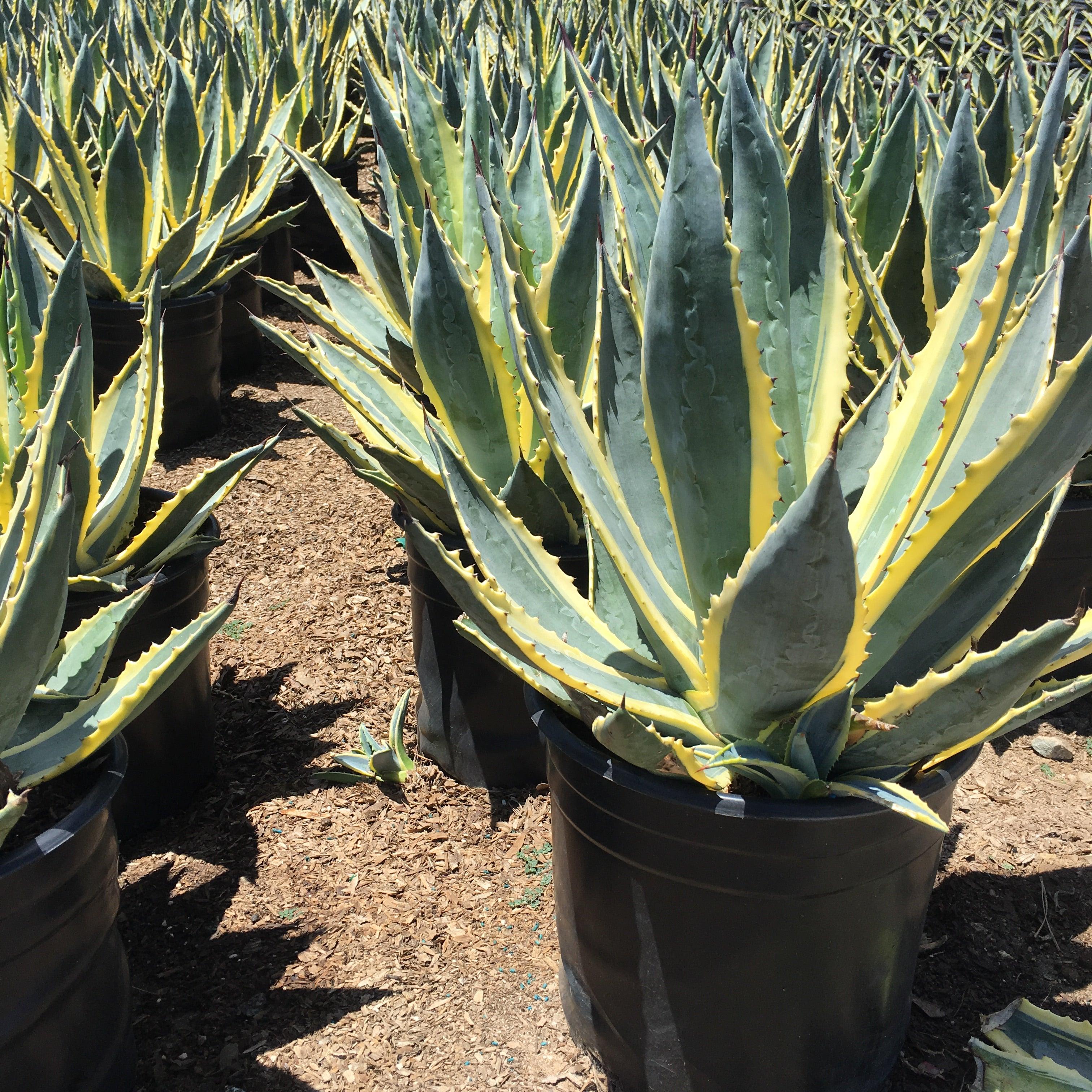
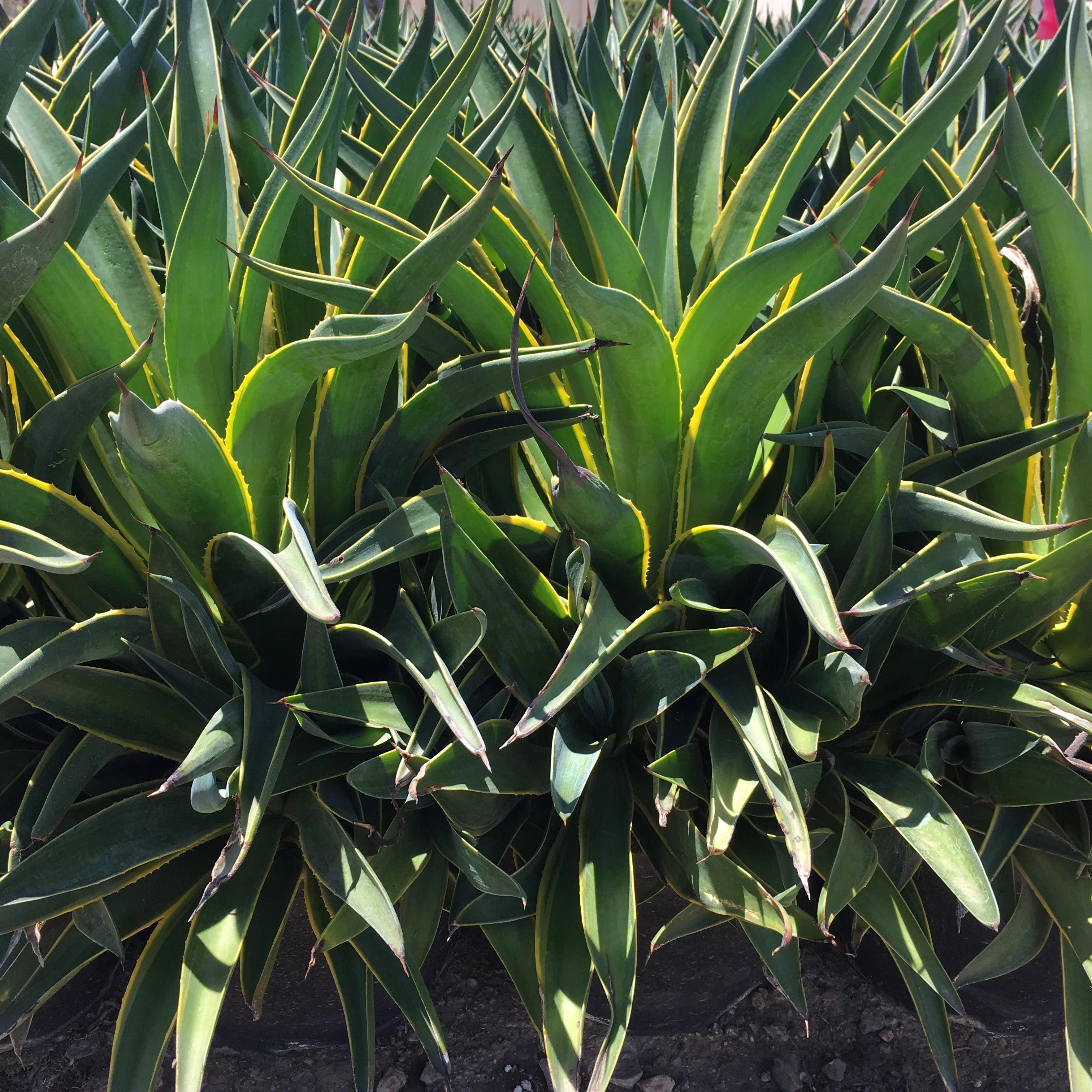
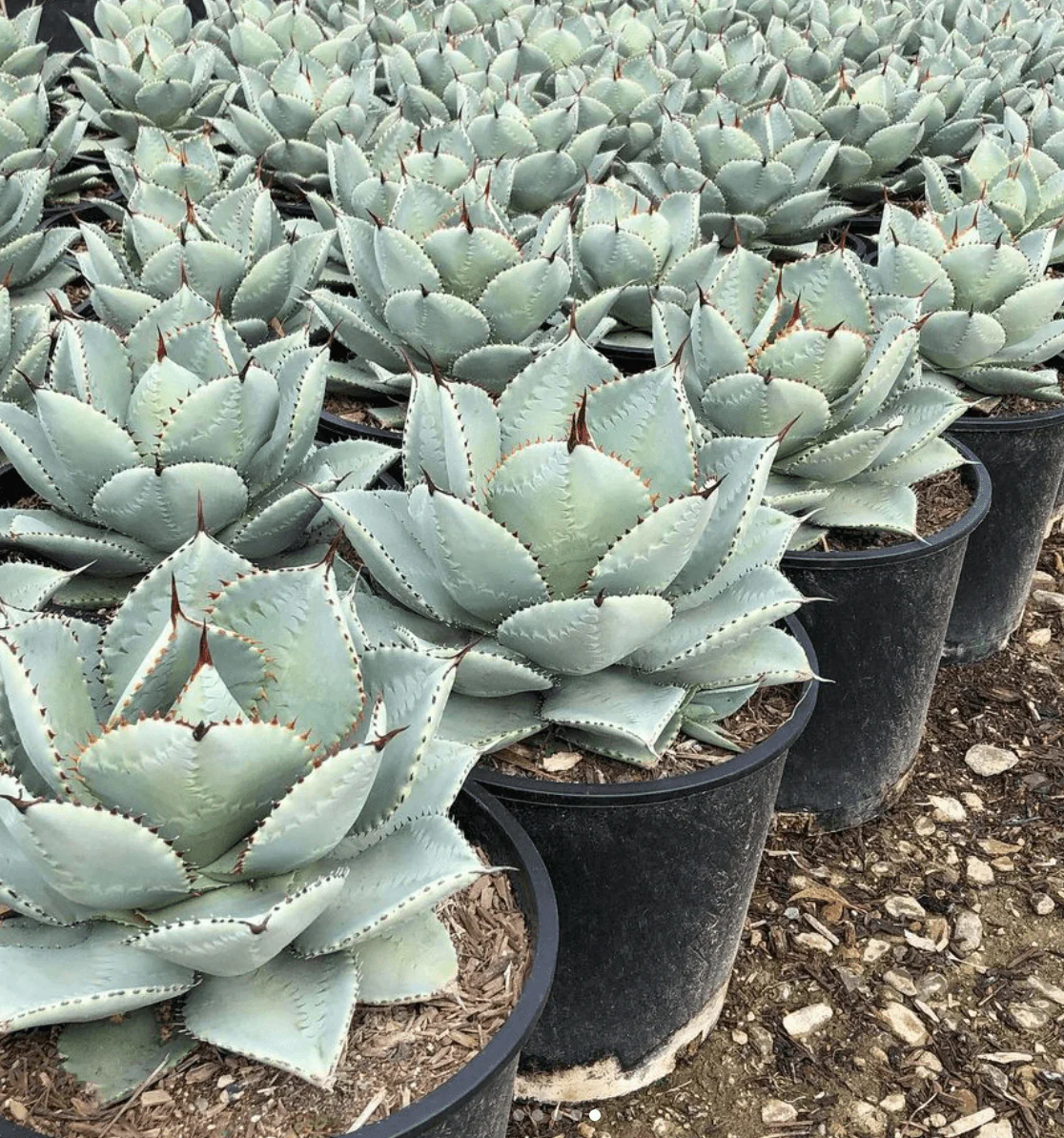
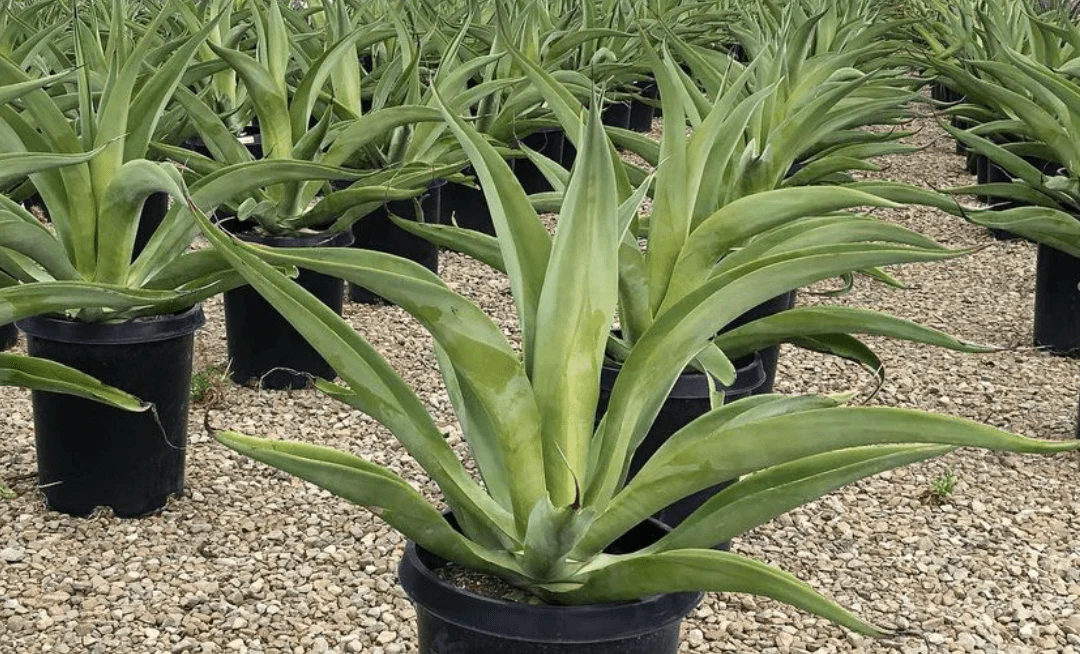
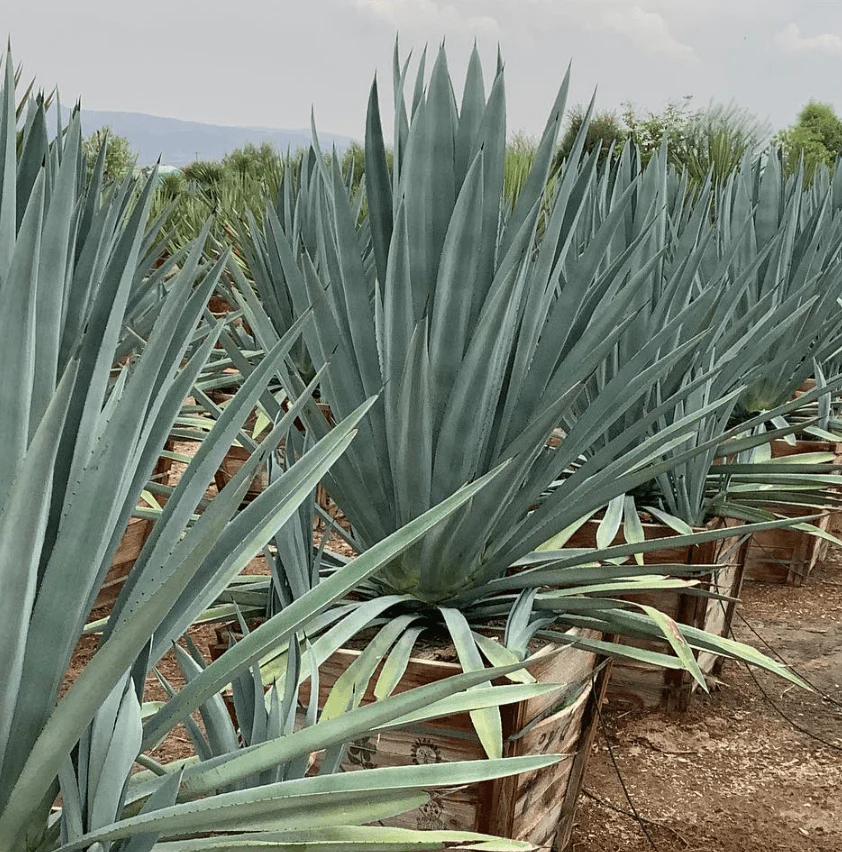
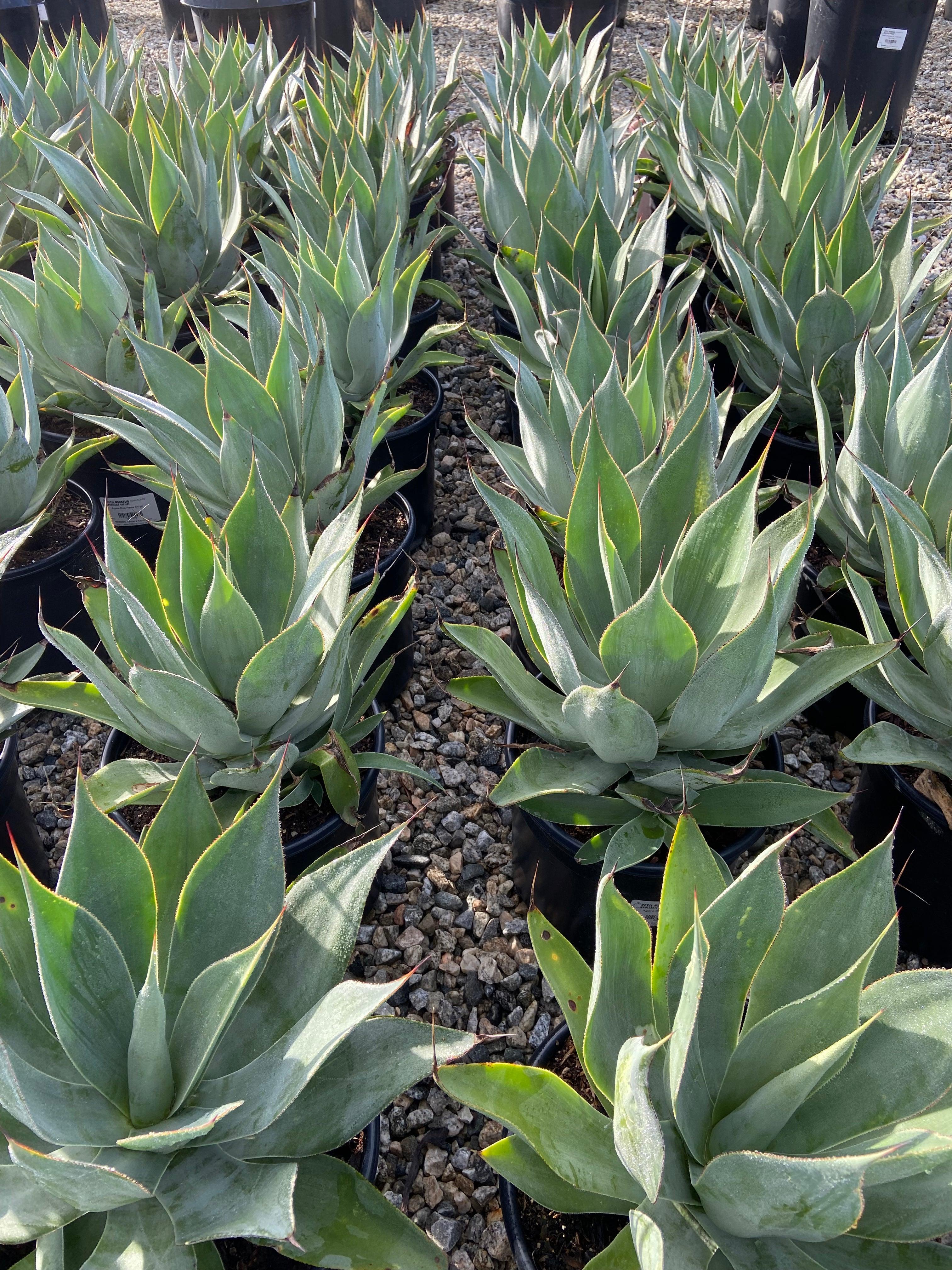
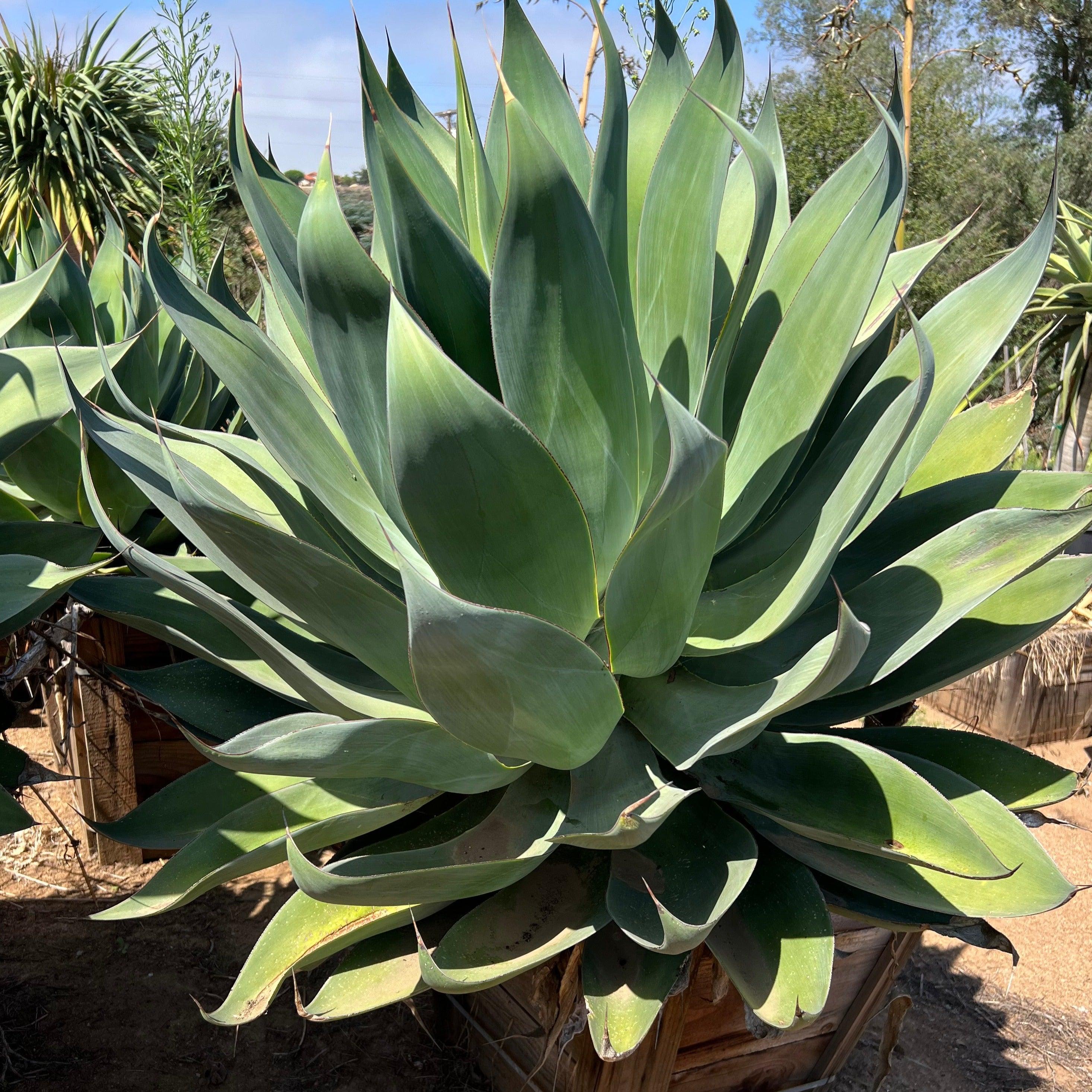
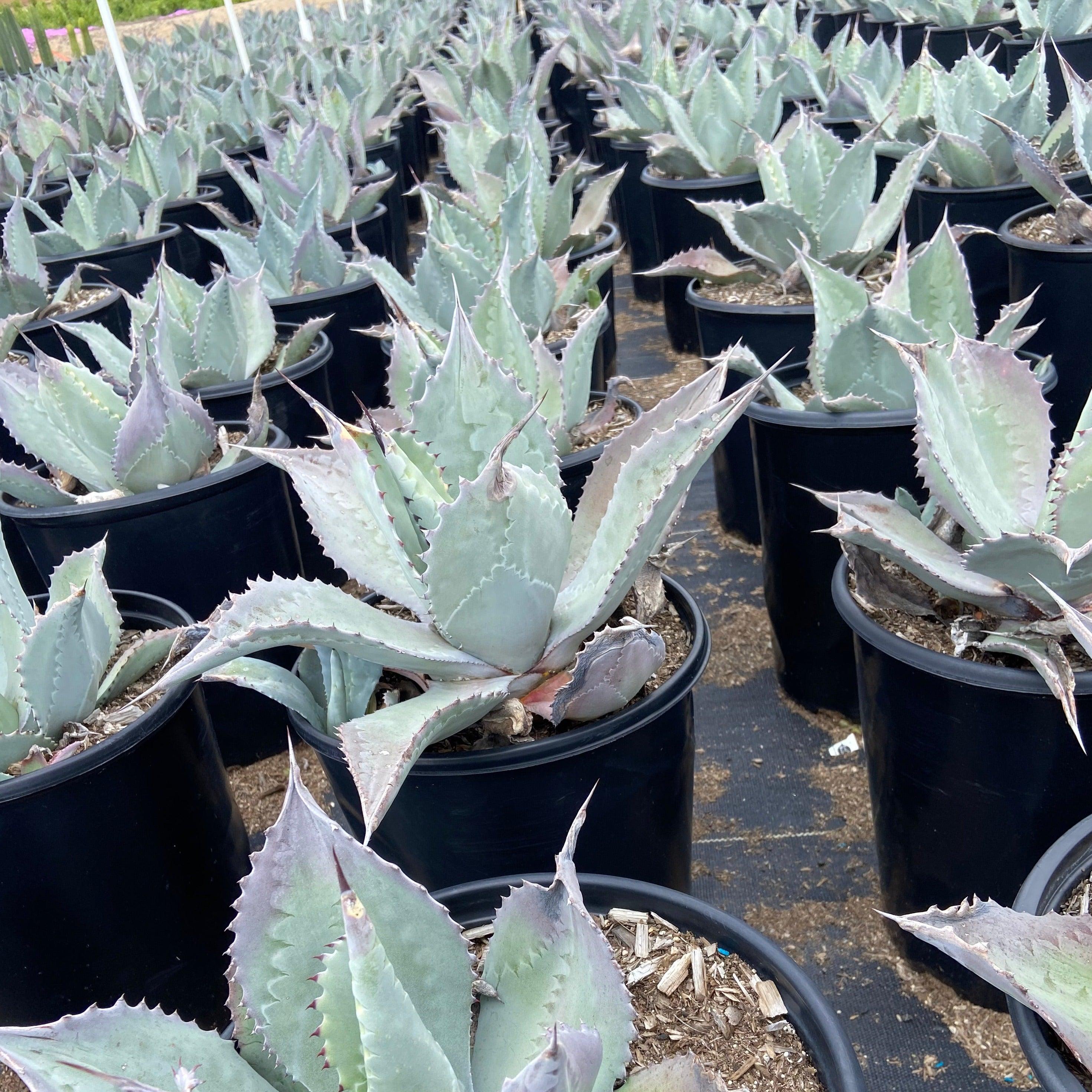
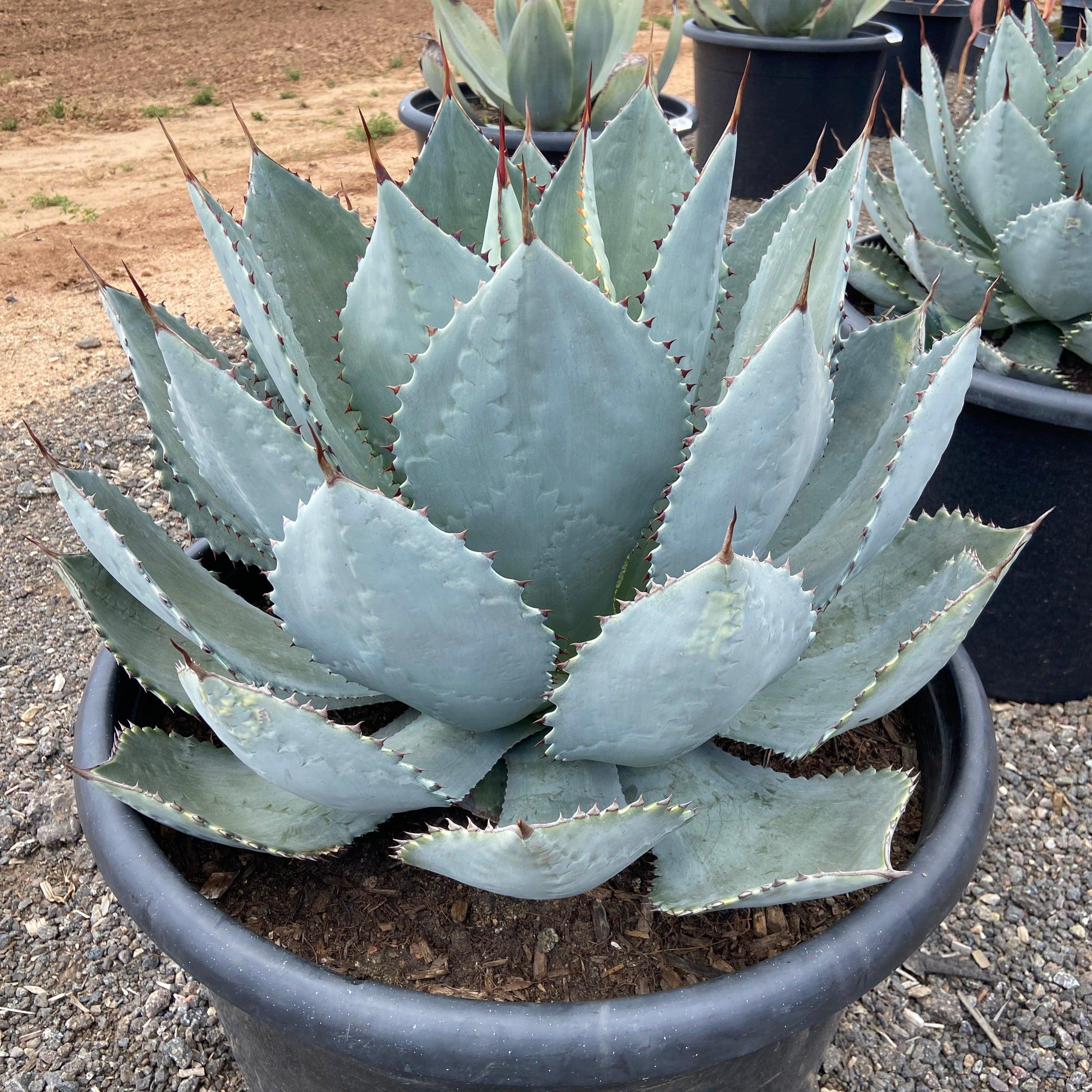
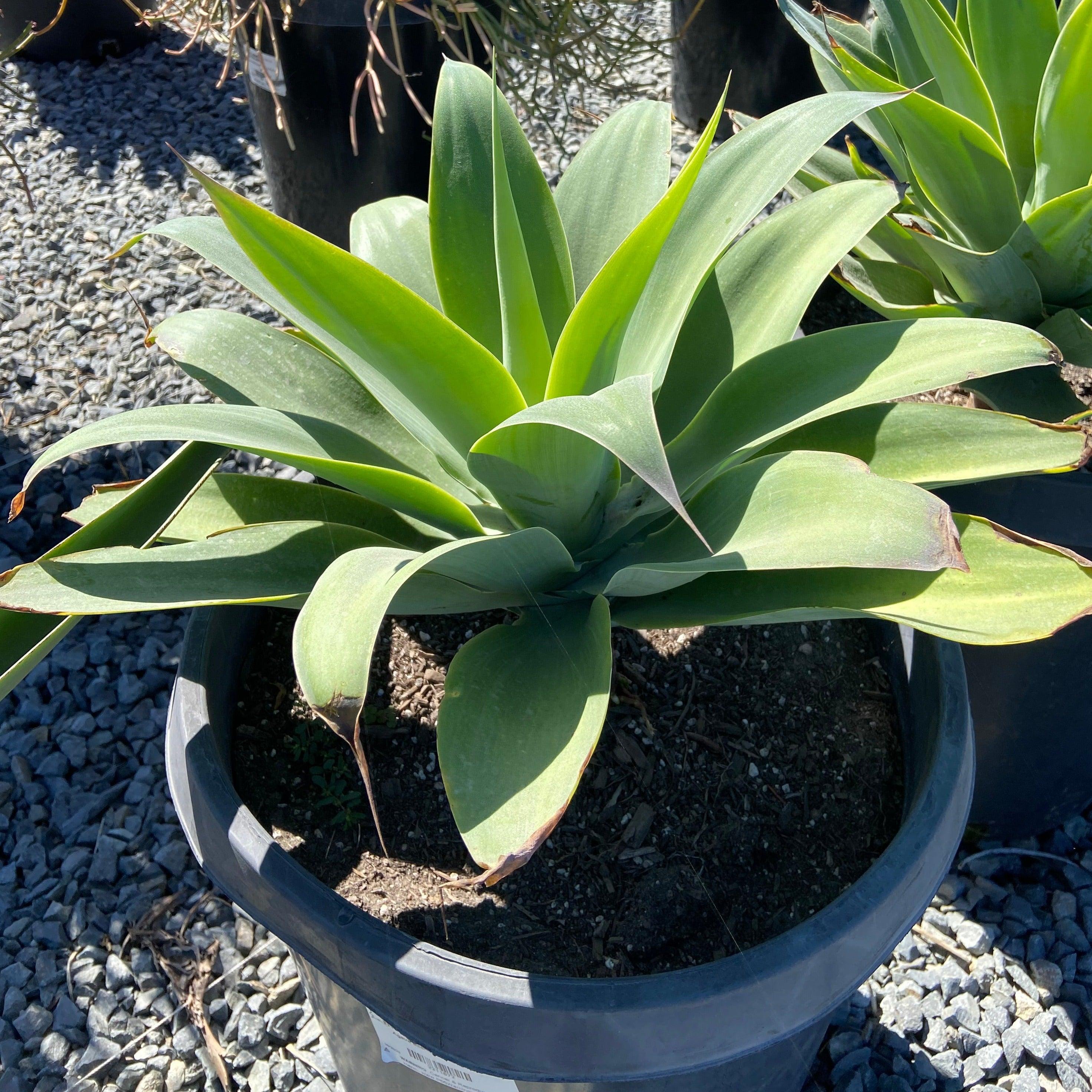
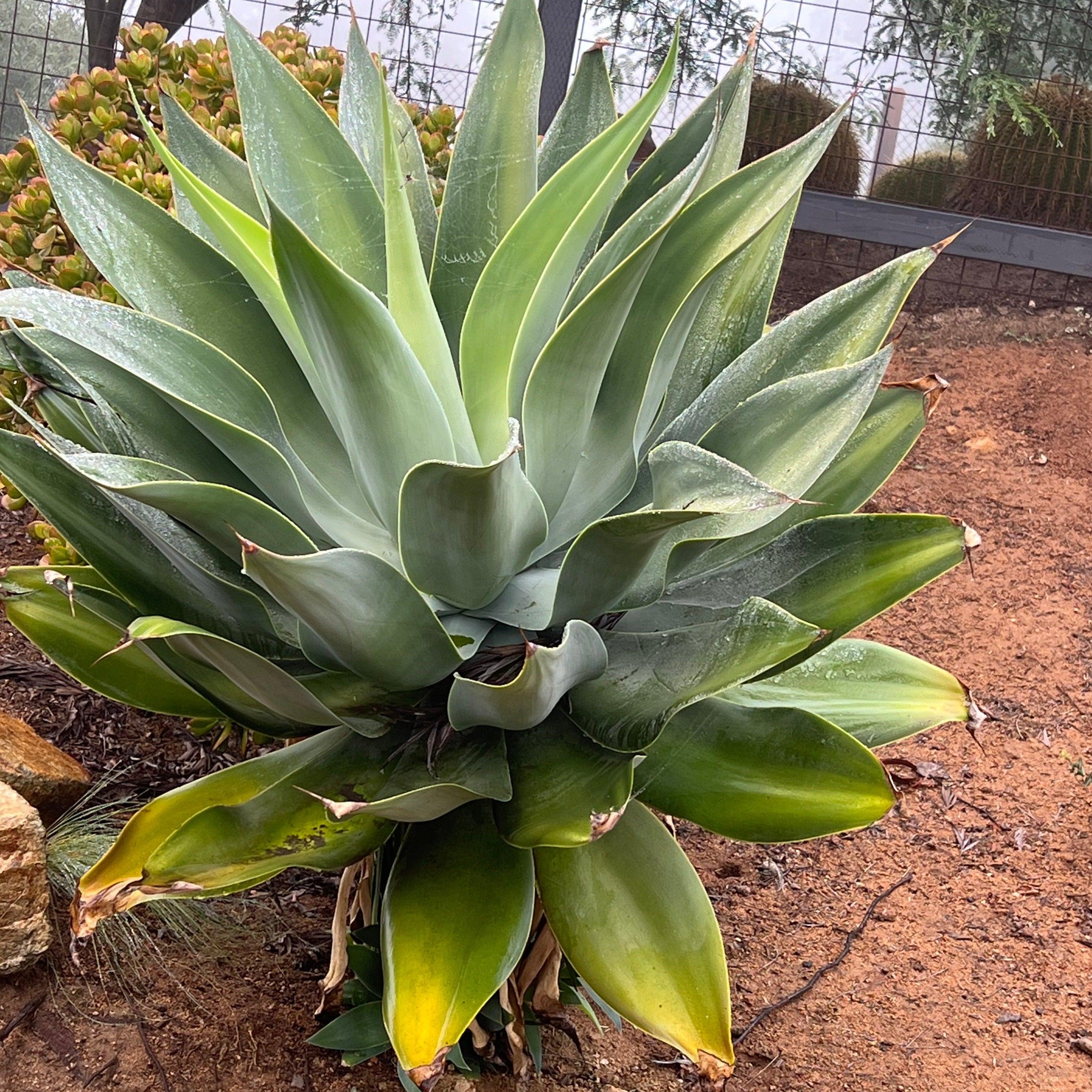
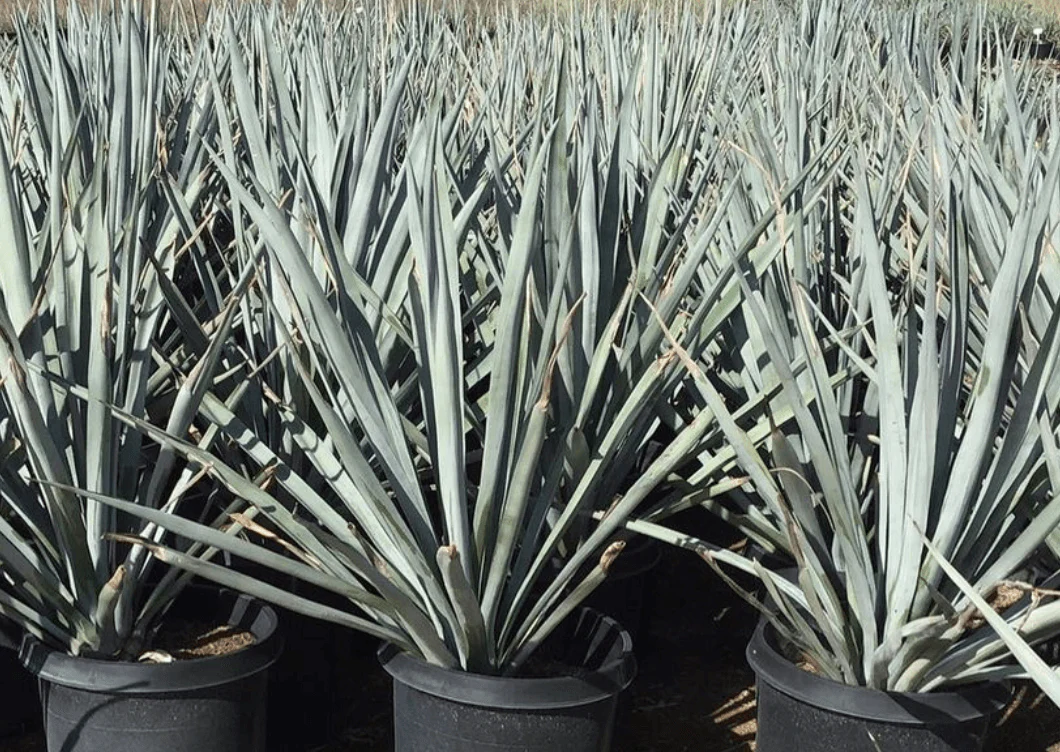
Blue agaves give California landscapes bold, sculptural beauty with very little water once established. These drought tolerant agave plants form dramatic rosettes of spiky fleshy leaves, bringing instant structure to xeric landscapes, rock gardens, succulent gardens, modern courtyards, and sun-filled entryways.
Designed for homeowners who want a visually striking garden without constant irrigation, blue agave plants deliver architectural impact in dry conditions. With full sun, well draining soil, and room to reach maturity, Agave tequilanadevelops its signature blue gray to blue green leaves and becomes a long-lasting focal point.
If you want dramatic visual impact without high maintenance, blue agaves are great plants for replacing thirsty ornamentals with a hardy, low maintenance statement plant.
Why You’ll Love Blue Agaves
-
Exceptional drought tolerance – Blue agaves are extremely drought tolerant once established, making them well suited for California’s water restrictions, hot summers, and dry conditions.
-
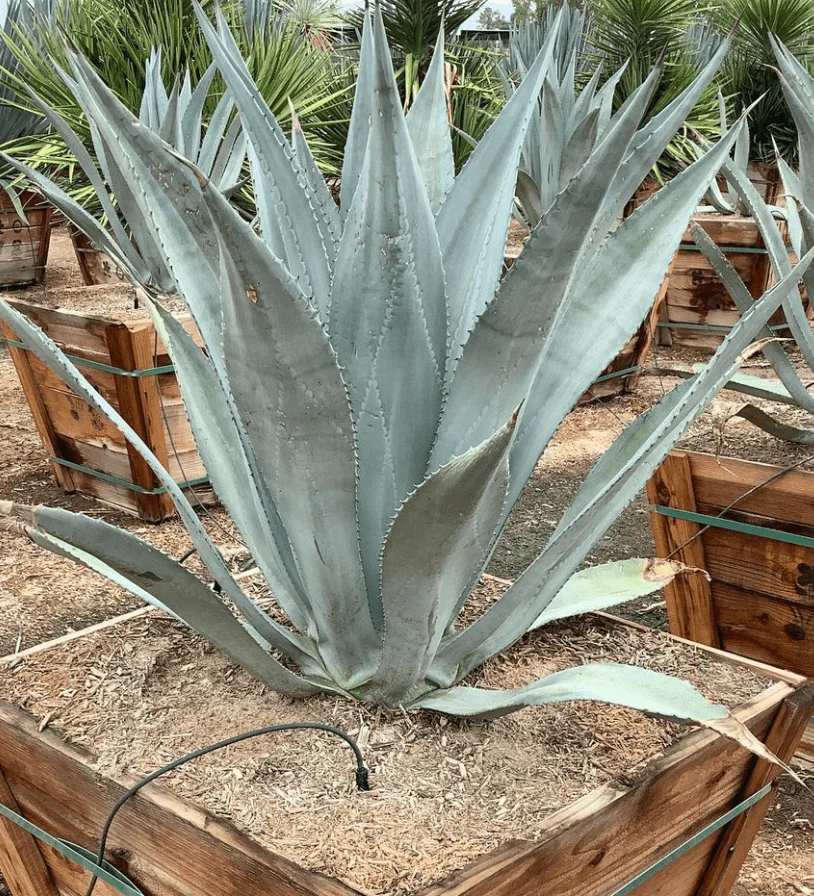
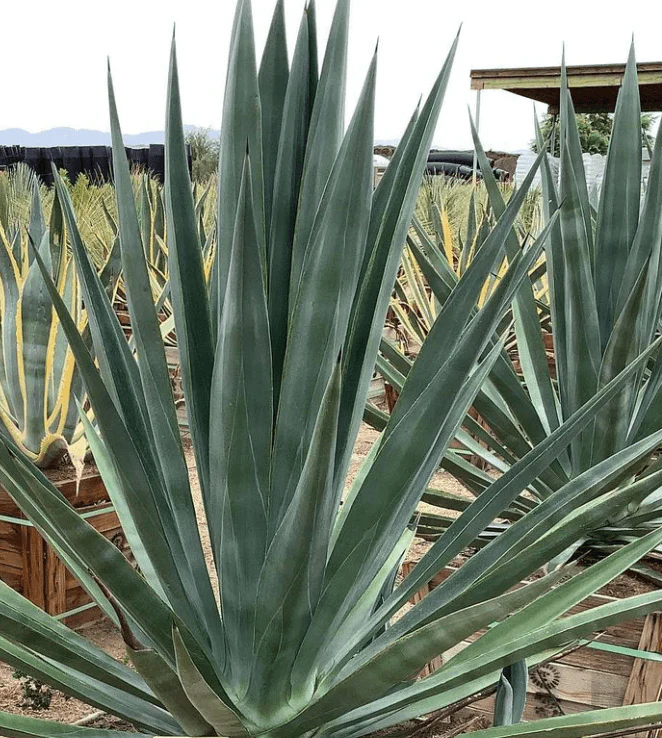
Striking architectural form – The broad rosette, sharp leaf tips, and striking blue green leaves create an instant sculptural focal point that ordinary green leaves, small succulents, or grasses cannot match.
-
Low maintenance requirements – With full sun, excellent drainage, and a water sparingly approach, this agave thrives with minimal care. Avoid overwatering to reduce common problems like root rot, yellowing leaves, stunted growth, and fungal infections.
-
Long-lasting investment – Agaves must grow for 6 to 10 years to reach peak sugar maturity before flowering, and ornamental plants can live for many years before sending up a tall flower stalk. After the plant blooms, the main rosette dies, but offsets often continue the next generation.
-
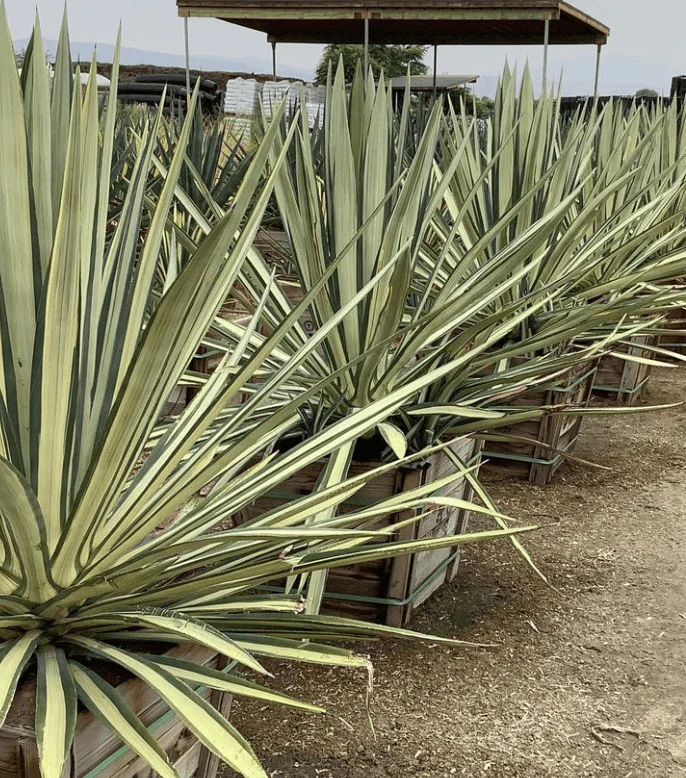
Versatile placement options – Use blue agaves in containers, raised beds, sandy soils, rock gardens, succulent gardens, or as dramatic standalone specimens in full sun. Smaller spaces may be better suited to compact agave species or hybrids like Blue Glow agave.
What Makes Blue Agaves Different
Most drought-tolerant plants are useful as fillers, borders, or groundcovers. Blue agaves are different because they act like living sculpture. A mature tequila agave can anchor an entire design, adding height, symmetry, color, and cultural significance in one plant.
Blue Agaves have:
-
Authentic silvery-blue color – Weber Azul, also called agave azul or weber’s blue agave, is known for blue green leaves that stand apart from typical cacti, succulents, and agave species with plain green leaves.
-
Massive mature presence – Under strong growing conditions, blue agave plants can reach about 6 to 8 feet across, creating unmatched landscape scale compared with smaller succulents, Blue Glow, or compact container plants.
-
The original tequila plant – Blue Agave (Agave tequilana) is primarily cultivated for producing tequila, with the heart of the plant, called the piña, harvested and processed to create the spirit. The large core of the blue agave resembles a giant pineapple, and the piña of blue agave can weigh between 80 to 200+ pounds.
Blue agave (Agave tequilana) is native to the arid, volcanic soils of Mexico. That heritage gives the plant its strong connection to tequila, desert agriculture, and water-wise garden design. Compared with agave americana, often called century plant, agave salmiana, or agave angustifolia subsp. angustifolia, Weber Azul offers a distinct combination of bold size, blue color, and cultural recognition.
How to Establish Your Blue Agave
-
Choose a bright, dry planting site
Plant your blue agave in full sun with at least 6 hours of direct sunlight daily. Agave plants thrive in full sun, requiring at least 6 hours of direct sunlight daily, but can tolerate some shade, especially in hotter climates. More sun usually improves color, while too much shade can lead to weaker growth. -
Use soil that drains fast
Agave plants prefer well-draining soil, ideally sandy or rocky, to prevent root rot, and they thrive in slightly acidic to neutral pH conditions. The blue agave prefers well-draining, sandy or rocky soil that mimics its native arid conditions to prevent root rot. For containers, use a coarse, well draining potting mix and a pot with drainage holes. -
Water deeply, then let the soil dry
During the growing season from March to September, Agave should be watered every 2-3 weeks, allowing the soil to dry out completely between waterings, while in dormancy from October to February, watering should be reduced to once every 4-6 weeks. This deep-and-infrequent rhythm supports strong roots and helps you avoid overwatering. -
Let the rosette develop over time
Watch your plant form a great shape over several years, with spiky fleshy leaves radiating from the center. This succulent plant requires full sun for optimal growth, thriving with at least 6 hours of direct sunlight daily, and the best color develops when sun, soil, and watering are balanced. -
Propagate offsets when ready
Blue agave can be propagated by separating the offsets or pups that grow at the base of the plant and replanting them in well-draining soil. It is recommended to propagate blue agave pups when they are a few inches in diameter to ensure successful growth. Offsets can also be removed and replanted from the flower stalks of the blue agave for propagation.
Plant Specifications
-
Product type: Live blue agave plant
-
Scientific name: Agave tequilana commonly sold as tequila agave
-
Native range: Blue agave (Agave tequilana) is native to the arid, volcanic soils of Mexico
-
Mature size: Often 6 to 8 feet across in ideal growing conditions; the tall flower stalk can rise several meters when the plant blooms, making it a strong complement to mature trees that provide instant structure and shade
-
Hardiness: Blue agave thrives in USDA hardiness zones 9 through 11, requiring a warm climate to grow successfully
-
Best light: Full sun; at least 6 hours of direct sunlight daily
-
Best soil: Well draining soil, sandy soils, rocky soil, or a coarse well draining potting mix; slightly acidic to neutral soil is preferred
-
Water needs: Water sparingly after establishment; deep watering every 2-3 weeks in active growth and every 4-6 weeks in dormancy is a practical starting point
-
Bloom habit: Mature plants may produce yellow flowers on a tall flower stalk, often in warm seasons such as early summer depending on climate
-
Maintenance: Remove damaged outer leaves, monitor pests, prune offsets if needed, and avoid overwatering
-
Handling note: The sap may cause skin irritation, and sharp leaf tips can injure hands, pets, or children; wear gloves when handling
For tequila context, the core of blue agave, known as piña, accumulates high levels of inulin, which converts into fermentable fructose. The cooked piñas are shredded to release their sweet juice, known as aguamiel. Traditional methods of cooking piñas involve slow-baking them in brick steam ovens for 24 to 48 hours, while industrial autoclaves can cook piñas in 7 to 12 hours, yielding a brighter flavor profile. Fermentation of sweet agave juice involves adding yeast to digest sugars and convert them into alcohol, and the fermentation process can take anywhere from 1 to 7 days, resulting in a low-alcohol wash called mosto or tepache.
Beyond tequila, the sap of the Blue Agave is also used to produce agave nectar, a popular sugar alternative that has a lower glycemic index than regular sugar or honey. Blue agave contains dietary fibers such as inulin, which support human gut health, similar to the nutritional value you can gain from fruiting plants like those in our mature avocado tree collection. Various parts of the agave plant, including the flowers, leaves, and sap, can be processed and consumed, showcasing its versatility beyond just beverage production.
Perfect for These California Gardens
Ideal for:
-
Homeowners replacing thirsty lawns or shrubs with water-wise xeric landscapes
-
Property owners who want a dramatic focal point for modern, desert, Mediterranean, or southwestern design, and who may also benefit from a flowering shade tree like the Tipu tree (Tipuana tipu)
-
Gardeners looking for low maintenance plants with maximum visual impact who may also want seasonal color from flowering trees suited to California gardens
-
Succulent gardens, rock gardens, sunny slopes, and dry courtyards
-
Large containers where the pot, soil, and drainage can support healthy roots, or open ground where you can mix in structural trees and shrubs such as African sumac and companion evergreens
Blue agaves are especially well suited to California climates in usda zones 9 through 11, where warm sun, dry air, and careful irrigation help the plant thrive. In small gardens, choose placement carefully because mature plants become wide, tall, and sharp. In some regions, certain agave species may be considered invasive, so Yardwork can help you choose the right specific cultivar and placement for your local garden, including suggesting evergreen privacy trees and fast-growing hedges that pair well with bold succulents.
If you want a plant that fits California’s climate and lifestyle, blue agaves combine drought tolerance, cultural character, and bold beauty in one hardy landscape investment.
Frequently Asked Questions
How much water do blue agaves actually need in California’s climate?
During the growing season from March to September, Agave should be watered every 2-3 weeks, allowing the soil to dry out completely between waterings. During dormancy from October to February, watering should be reduced to once every 4-6 weeks. Established plants in cool coastal areas may need even less, while hot inland gardens may need careful deep watering during heat waves.
How long does it take to reach mature size and what happens after blooming?
Agaves must grow for 6 to 10 years to reach peak sugar maturity before flowering. When blue agave blooms, it may produce a tall flower stalk with yellow flowers. After flowering, the main rosette dies, but pups and offsets often grow at the base and can be replanted.
What if my blue agave doesn’t thrive in my specific garden conditions?
Most issues come from too much water, poor drainage, insufficient sun, or pests. Root rot, fungal infections, yellowing leaves, and stunted growth usually point to wet soil or shade. The agave snout weevil is a serious pest; mealybugs and scale may also appear. Depending on the issue, horticultural oil or insecticidal soap may help with surface pests, while drainage corrections are critical for root health.
Can I grow blue agave in a container?
Yes, especially while the plant is young. Use a large pot with drainage holes, a coarse well draining potting mix, full sun, and a strict water sparingly routine. Containers work well for patios, but mature blue agave plants may eventually need more space.
Is blue agave the same as tequila agave?
Yes. Agave tequilana Weber var. azul, often called Weber Azul, agave azul, or tequila agave, is the primary plant used for tequila production.
Does Yardwork help with placement and care?
Yes. Yardwork offers expert consultations, California-focused plant guidance, and a plant guarantee so you can choose the right agave, prepare the right soil, and avoid common problems before they start.
Ready to Transform Your Landscape?
Stop settling for ordinary plants that demand constant watering, frequent fertilizer, and ongoing maintenance. Choose Blue Agaves for drought-tolerant elegance, bold architectural beauty, and a garden that looks intentional in every season.
Browse our blue agave selection or request a landscape consultation to find the right plant, pot, and placement for your space.
Blue Agaves - Agave Tequiliana
Transform Your Landscape with Drought-Tolerant Elegance
Blue agaves give California landscapes bold, sculptural beauty with very little water once established. These drought tolerant agave plants form dramatic rosettes of spiky fleshy leaves, bringing instant structure to xeric landscapes, rock gardens, succulent gardens, modern courtyards, and sun-filled entryways.
Designed for homeowners who want a visually striking garden without constant irrigation, blue agave plants deliver architectural impact in dry conditions. With full sun, well draining soil, and room to reach maturity, Agave tequilanadevelops its signature blue gray to blue green leaves and becomes a long-lasting focal point.
If you want dramatic visual impact without high maintenance, blue agaves are great plants for replacing thirsty ornamentals with a hardy, low maintenance statement plant.
Why You’ll Love Blue Agaves
-
Exceptional drought tolerance – Blue agaves are extremely drought tolerant once established, making them well suited for California’s water restrictions, hot summers, and dry conditions.
-
Striking architectural form – The broad rosette, sharp leaf tips, and striking blue green leaves create an instant sculptural focal point that ordinary green leaves, small succulents, or grasses cannot match.
-
Low maintenance requirements – With full sun, excellent drainage, and a water sparingly approach, this agave thrives with minimal care. Avoid overwatering to reduce common problems like root rot, yellowing leaves, stunted growth, and fungal infections.
-
Long-lasting investment – Agaves must grow for 6 to 10 years to reach peak sugar maturity before flowering, and ornamental plants can live for many years before sending up a tall flower stalk. After the plant blooms, the main rosette dies, but offsets often continue the next generation.
-
Versatile placement options – Use blue agaves in containers, raised beds, sandy soils, rock gardens, succulent gardens, or as dramatic standalone specimens in full sun. Smaller spaces may be better suited to compact agave species or hybrids like Blue Glow agave.
What Makes Blue Agaves Different
Most drought-tolerant plants are useful as fillers, borders, or groundcovers. Blue agaves are different because they act like living sculpture. A mature tequila agave can anchor an entire design, adding height, symmetry, color, and cultural significance in one plant.
Blue Agaves have:
-
Authentic silvery-blue color – Weber Azul, also called agave azul or weber’s blue agave, is known for blue green leaves that stand apart from typical cacti, succulents, and agave species with plain green leaves.
-
Massive mature presence – Under strong growing conditions, blue agave plants can reach about 6 to 8 feet across, creating unmatched landscape scale compared with smaller succulents, Blue Glow, or compact container plants.
-
The original tequila plant – Blue Agave (Agave tequilana) is primarily cultivated for producing tequila, with the heart of the plant, called the piña, harvested and processed to create the spirit. The large core of the blue agave resembles a giant pineapple, and the piña of blue agave can weigh between 80 to 200+ pounds.
Blue agave (Agave tequilana) is native to the arid, volcanic soils of Mexico. That heritage gives the plant its strong connection to tequila, desert agriculture, and water-wise garden design. Compared with agave americana, often called century plant, agave salmiana, or agave angustifolia subsp. angustifolia, Weber Azul offers a distinct combination of bold size, blue color, and cultural recognition.
How to Establish Your Blue Agave
-
Choose a bright, dry planting site
Plant your blue agave in full sun with at least 6 hours of direct sunlight daily. Agave plants thrive in full sun, requiring at least 6 hours of direct sunlight daily, but can tolerate some shade, especially in hotter climates. More sun usually improves color, while too much shade can lead to weaker growth. -
Use soil that drains fast
Agave plants prefer well-draining soil, ideally sandy or rocky, to prevent root rot, and they thrive in slightly acidic to neutral pH conditions. The blue agave prefers well-draining, sandy or rocky soil that mimics its native arid conditions to prevent root rot. For containers, use a coarse, well draining potting mix and a pot with drainage holes. -
Water deeply, then let the soil dry
During the growing season from March to September, Agave should be watered every 2-3 weeks, allowing the soil to dry out completely between waterings, while in dormancy from October to February, watering should be reduced to once every 4-6 weeks. This deep-and-infrequent rhythm supports strong roots and helps you avoid overwatering. -
Let the rosette develop over time
Watch your plant form a great shape over several years, with spiky fleshy leaves radiating from the center. This succulent plant requires full sun for optimal growth, thriving with at least 6 hours of direct sunlight daily, and the best color develops when sun, soil, and watering are balanced. -
Propagate offsets when ready
Blue agave can be propagated by separating the offsets or pups that grow at the base of the plant and replanting them in well-draining soil. It is recommended to propagate blue agave pups when they are a few inches in diameter to ensure successful growth. Offsets can also be removed and replanted from the flower stalks of the blue agave for propagation.
Plant Specifications
-
Product type: Live blue agave plant
-
Scientific name: Agave tequilana commonly sold as tequila agave
-
Native range: Blue agave (Agave tequilana) is native to the arid, volcanic soils of Mexico
-
Mature size: Often 6 to 8 feet across in ideal growing conditions; the tall flower stalk can rise several meters when the plant blooms, making it a strong complement to mature trees that provide instant structure and shade
-
Hardiness: Blue agave thrives in USDA hardiness zones 9 through 11, requiring a warm climate to grow successfully
-
Best light: Full sun; at least 6 hours of direct sunlight daily
-
Best soil: Well draining soil, sandy soils, rocky soil, or a coarse well draining potting mix; slightly acidic to neutral soil is preferred
-
Water needs: Water sparingly after establishment; deep watering every 2-3 weeks in active growth and every 4-6 weeks in dormancy is a practical starting point
-
Bloom habit: Mature plants may produce yellow flowers on a tall flower stalk, often in warm seasons such as early summer depending on climate
-
Maintenance: Remove damaged outer leaves, monitor pests, prune offsets if needed, and avoid overwatering
-
Handling note: The sap may cause skin irritation, and sharp leaf tips can injure hands, pets, or children; wear gloves when handling
For tequila context, the core of blue agave, known as piña, accumulates high levels of inulin, which converts into fermentable fructose. The cooked piñas are shredded to release their sweet juice, known as aguamiel. Traditional methods of cooking piñas involve slow-baking them in brick steam ovens for 24 to 48 hours, while industrial autoclaves can cook piñas in 7 to 12 hours, yielding a brighter flavor profile. Fermentation of sweet agave juice involves adding yeast to digest sugars and convert them into alcohol, and the fermentation process can take anywhere from 1 to 7 days, resulting in a low-alcohol wash called mosto or tepache.
Beyond tequila, the sap of the Blue Agave is also used to produce agave nectar, a popular sugar alternative that has a lower glycemic index than regular sugar or honey. Blue agave contains dietary fibers such as inulin, which support human gut health, similar to the nutritional value you can gain from fruiting plants like those in our mature avocado tree collection. Various parts of the agave plant, including the flowers, leaves, and sap, can be processed and consumed, showcasing its versatility beyond just beverage production.
Perfect for These California Gardens
Ideal for:
-
Homeowners replacing thirsty lawns or shrubs with water-wise xeric landscapes
-
Property owners who want a dramatic focal point for modern, desert, Mediterranean, or southwestern design, and who may also benefit from a flowering shade tree like the Tipu tree (Tipuana tipu)
-
Gardeners looking for low maintenance plants with maximum visual impact who may also want seasonal color from flowering trees suited to California gardens
-
Succulent gardens, rock gardens, sunny slopes, and dry courtyards
-
Large containers where the pot, soil, and drainage can support healthy roots, or open ground where you can mix in structural trees and shrubs such as African sumac and companion evergreens
Blue agaves are especially well suited to California climates in usda zones 9 through 11, where warm sun, dry air, and careful irrigation help the plant thrive. In small gardens, choose placement carefully because mature plants become wide, tall, and sharp. In some regions, certain agave species may be considered invasive, so Yardwork can help you choose the right specific cultivar and placement for your local garden, including suggesting evergreen privacy trees and fast-growing hedges that pair well with bold succulents.
If you want a plant that fits California’s climate and lifestyle, blue agaves combine drought tolerance, cultural character, and bold beauty in one hardy landscape investment.
Frequently Asked Questions
How much water do blue agaves actually need in California’s climate?
During the growing season from March to September, Agave should be watered every 2-3 weeks, allowing the soil to dry out completely between waterings. During dormancy from October to February, watering should be reduced to once every 4-6 weeks. Established plants in cool coastal areas may need even less, while hot inland gardens may need careful deep watering during heat waves.
How long does it take to reach mature size and what happens after blooming?
Agaves must grow for 6 to 10 years to reach peak sugar maturity before flowering. When blue agave blooms, it may produce a tall flower stalk with yellow flowers. After flowering, the main rosette dies, but pups and offsets often grow at the base and can be replanted.
What if my blue agave doesn’t thrive in my specific garden conditions?
Most issues come from too much water, poor drainage, insufficient sun, or pests. Root rot, fungal infections, yellowing leaves, and stunted growth usually point to wet soil or shade. The agave snout weevil is a serious pest; mealybugs and scale may also appear. Depending on the issue, horticultural oil or insecticidal soap may help with surface pests, while drainage corrections are critical for root health.
Can I grow blue agave in a container?
Yes, especially while the plant is young. Use a large pot with drainage holes, a coarse well draining potting mix, full sun, and a strict water sparingly routine. Containers work well for patios, but mature blue agave plants may eventually need more space.
Is blue agave the same as tequila agave?
Yes. Agave tequilana Weber var. azul, often called Weber Azul, agave azul, or tequila agave, is the primary plant used for tequila production.
Does Yardwork help with placement and care?
Yes. Yardwork offers expert consultations, California-focused plant guidance, and a plant guarantee so you can choose the right agave, prepare the right soil, and avoid common problems before they start.
Ready to Transform Your Landscape?
Stop settling for ordinary plants that demand constant watering, frequent fertilizer, and ongoing maintenance. Choose Blue Agaves for drought-tolerant elegance, bold architectural beauty, and a garden that looks intentional in every season.
Browse our blue agave selection or request a landscape consultation to find the right plant, pot, and placement for your space.
Product Information
Product Information
Shipping & Returns
Shipping & Returns
Description
Transform Your Landscape with Drought-Tolerant Elegance
Blue agaves give California landscapes bold, sculptural beauty with very little water once established. These drought tolerant agave plants form dramatic rosettes of spiky fleshy leaves, bringing instant structure to xeric landscapes, rock gardens, succulent gardens, modern courtyards, and sun-filled entryways.
Designed for homeowners who want a visually striking garden without constant irrigation, blue agave plants deliver architectural impact in dry conditions. With full sun, well draining soil, and room to reach maturity, Agave tequilanadevelops its signature blue gray to blue green leaves and becomes a long-lasting focal point.
If you want dramatic visual impact without high maintenance, blue agaves are great plants for replacing thirsty ornamentals with a hardy, low maintenance statement plant.
Why You’ll Love Blue Agaves
-
Exceptional drought tolerance – Blue agaves are extremely drought tolerant once established, making them well suited for California’s water restrictions, hot summers, and dry conditions.
-
Striking architectural form – The broad rosette, sharp leaf tips, and striking blue green leaves create an instant sculptural focal point that ordinary green leaves, small succulents, or grasses cannot match.
-
Low maintenance requirements – With full sun, excellent drainage, and a water sparingly approach, this agave thrives with minimal care. Avoid overwatering to reduce common problems like root rot, yellowing leaves, stunted growth, and fungal infections.
-
Long-lasting investment – Agaves must grow for 6 to 10 years to reach peak sugar maturity before flowering, and ornamental plants can live for many years before sending up a tall flower stalk. After the plant blooms, the main rosette dies, but offsets often continue the next generation.
-
Versatile placement options – Use blue agaves in containers, raised beds, sandy soils, rock gardens, succulent gardens, or as dramatic standalone specimens in full sun. Smaller spaces may be better suited to compact agave species or hybrids like Blue Glow agave.
What Makes Blue Agaves Different
Most drought-tolerant plants are useful as fillers, borders, or groundcovers. Blue agaves are different because they act like living sculpture. A mature tequila agave can anchor an entire design, adding height, symmetry, color, and cultural significance in one plant.
Blue Agaves have:
-
Authentic silvery-blue color – Weber Azul, also called agave azul or weber’s blue agave, is known for blue green leaves that stand apart from typical cacti, succulents, and agave species with plain green leaves.
-
Massive mature presence – Under strong growing conditions, blue agave plants can reach about 6 to 8 feet across, creating unmatched landscape scale compared with smaller succulents, Blue Glow, or compact container plants.
-
The original tequila plant – Blue Agave (Agave tequilana) is primarily cultivated for producing tequila, with the heart of the plant, called the piña, harvested and processed to create the spirit. The large core of the blue agave resembles a giant pineapple, and the piña of blue agave can weigh between 80 to 200+ pounds.
Blue agave (Agave tequilana) is native to the arid, volcanic soils of Mexico. That heritage gives the plant its strong connection to tequila, desert agriculture, and water-wise garden design. Compared with agave americana, often called century plant, agave salmiana, or agave angustifolia subsp. angustifolia, Weber Azul offers a distinct combination of bold size, blue color, and cultural recognition.
How to Establish Your Blue Agave
-
Choose a bright, dry planting site
Plant your blue agave in full sun with at least 6 hours of direct sunlight daily. Agave plants thrive in full sun, requiring at least 6 hours of direct sunlight daily, but can tolerate some shade, especially in hotter climates. More sun usually improves color, while too much shade can lead to weaker growth. -
Use soil that drains fast
Agave plants prefer well-draining soil, ideally sandy or rocky, to prevent root rot, and they thrive in slightly acidic to neutral pH conditions. The blue agave prefers well-draining, sandy or rocky soil that mimics its native arid conditions to prevent root rot. For containers, use a coarse, well draining potting mix and a pot with drainage holes. -
Water deeply, then let the soil dry
During the growing season from March to September, Agave should be watered every 2-3 weeks, allowing the soil to dry out completely between waterings, while in dormancy from October to February, watering should be reduced to once every 4-6 weeks. This deep-and-infrequent rhythm supports strong roots and helps you avoid overwatering. -
Let the rosette develop over time
Watch your plant form a great shape over several years, with spiky fleshy leaves radiating from the center. This succulent plant requires full sun for optimal growth, thriving with at least 6 hours of direct sunlight daily, and the best color develops when sun, soil, and watering are balanced. -
Propagate offsets when ready
Blue agave can be propagated by separating the offsets or pups that grow at the base of the plant and replanting them in well-draining soil. It is recommended to propagate blue agave pups when they are a few inches in diameter to ensure successful growth. Offsets can also be removed and replanted from the flower stalks of the blue agave for propagation.
Plant Specifications
-
Product type: Live blue agave plant
-
Scientific name: Agave tequilana commonly sold as tequila agave
-
Native range: Blue agave (Agave tequilana) is native to the arid, volcanic soils of Mexico
-
Mature size: Often 6 to 8 feet across in ideal growing conditions; the tall flower stalk can rise several meters when the plant blooms, making it a strong complement to mature trees that provide instant structure and shade
-
Hardiness: Blue agave thrives in USDA hardiness zones 9 through 11, requiring a warm climate to grow successfully
-
Best light: Full sun; at least 6 hours of direct sunlight daily
-
Best soil: Well draining soil, sandy soils, rocky soil, or a coarse well draining potting mix; slightly acidic to neutral soil is preferred
-
Water needs: Water sparingly after establishment; deep watering every 2-3 weeks in active growth and every 4-6 weeks in dormancy is a practical starting point
-
Bloom habit: Mature plants may produce yellow flowers on a tall flower stalk, often in warm seasons such as early summer depending on climate
-
Maintenance: Remove damaged outer leaves, monitor pests, prune offsets if needed, and avoid overwatering
-
Handling note: The sap may cause skin irritation, and sharp leaf tips can injure hands, pets, or children; wear gloves when handling
For tequila context, the core of blue agave, known as piña, accumulates high levels of inulin, which converts into fermentable fructose. The cooked piñas are shredded to release their sweet juice, known as aguamiel. Traditional methods of cooking piñas involve slow-baking them in brick steam ovens for 24 to 48 hours, while industrial autoclaves can cook piñas in 7 to 12 hours, yielding a brighter flavor profile. Fermentation of sweet agave juice involves adding yeast to digest sugars and convert them into alcohol, and the fermentation process can take anywhere from 1 to 7 days, resulting in a low-alcohol wash called mosto or tepache.
Beyond tequila, the sap of the Blue Agave is also used to produce agave nectar, a popular sugar alternative that has a lower glycemic index than regular sugar or honey. Blue agave contains dietary fibers such as inulin, which support human gut health, similar to the nutritional value you can gain from fruiting plants like those in our mature avocado tree collection. Various parts of the agave plant, including the flowers, leaves, and sap, can be processed and consumed, showcasing its versatility beyond just beverage production.
Perfect for These California Gardens
Ideal for:
-
Homeowners replacing thirsty lawns or shrubs with water-wise xeric landscapes
-
Property owners who want a dramatic focal point for modern, desert, Mediterranean, or southwestern design, and who may also benefit from a flowering shade tree like the Tipu tree (Tipuana tipu)
-
Gardeners looking for low maintenance plants with maximum visual impact who may also want seasonal color from flowering trees suited to California gardens
-
Succulent gardens, rock gardens, sunny slopes, and dry courtyards
-
Large containers where the pot, soil, and drainage can support healthy roots, or open ground where you can mix in structural trees and shrubs such as African sumac and companion evergreens
Blue agaves are especially well suited to California climates in usda zones 9 through 11, where warm sun, dry air, and careful irrigation help the plant thrive. In small gardens, choose placement carefully because mature plants become wide, tall, and sharp. In some regions, certain agave species may be considered invasive, so Yardwork can help you choose the right specific cultivar and placement for your local garden, including suggesting evergreen privacy trees and fast-growing hedges that pair well with bold succulents.
If you want a plant that fits California’s climate and lifestyle, blue agaves combine drought tolerance, cultural character, and bold beauty in one hardy landscape investment.
Frequently Asked Questions
How much water do blue agaves actually need in California’s climate?
During the growing season from March to September, Agave should be watered every 2-3 weeks, allowing the soil to dry out completely between waterings. During dormancy from October to February, watering should be reduced to once every 4-6 weeks. Established plants in cool coastal areas may need even less, while hot inland gardens may need careful deep watering during heat waves.
How long does it take to reach mature size and what happens after blooming?
Agaves must grow for 6 to 10 years to reach peak sugar maturity before flowering. When blue agave blooms, it may produce a tall flower stalk with yellow flowers. After flowering, the main rosette dies, but pups and offsets often grow at the base and can be replanted.
What if my blue agave doesn’t thrive in my specific garden conditions?
Most issues come from too much water, poor drainage, insufficient sun, or pests. Root rot, fungal infections, yellowing leaves, and stunted growth usually point to wet soil or shade. The agave snout weevil is a serious pest; mealybugs and scale may also appear. Depending on the issue, horticultural oil or insecticidal soap may help with surface pests, while drainage corrections are critical for root health.
Can I grow blue agave in a container?
Yes, especially while the plant is young. Use a large pot with drainage holes, a coarse well draining potting mix, full sun, and a strict water sparingly routine. Containers work well for patios, but mature blue agave plants may eventually need more space.
Is blue agave the same as tequila agave?
Yes. Agave tequilana Weber var. azul, often called Weber Azul, agave azul, or tequila agave, is the primary plant used for tequila production.
Does Yardwork help with placement and care?
Yes. Yardwork offers expert consultations, California-focused plant guidance, and a plant guarantee so you can choose the right agave, prepare the right soil, and avoid common problems before they start.
Ready to Transform Your Landscape?
Stop settling for ordinary plants that demand constant watering, frequent fertilizer, and ongoing maintenance. Choose Blue Agaves for drought-tolerant elegance, bold architectural beauty, and a garden that looks intentional in every season.
Browse our blue agave selection or request a landscape consultation to find the right plant, pot, and placement for your space.