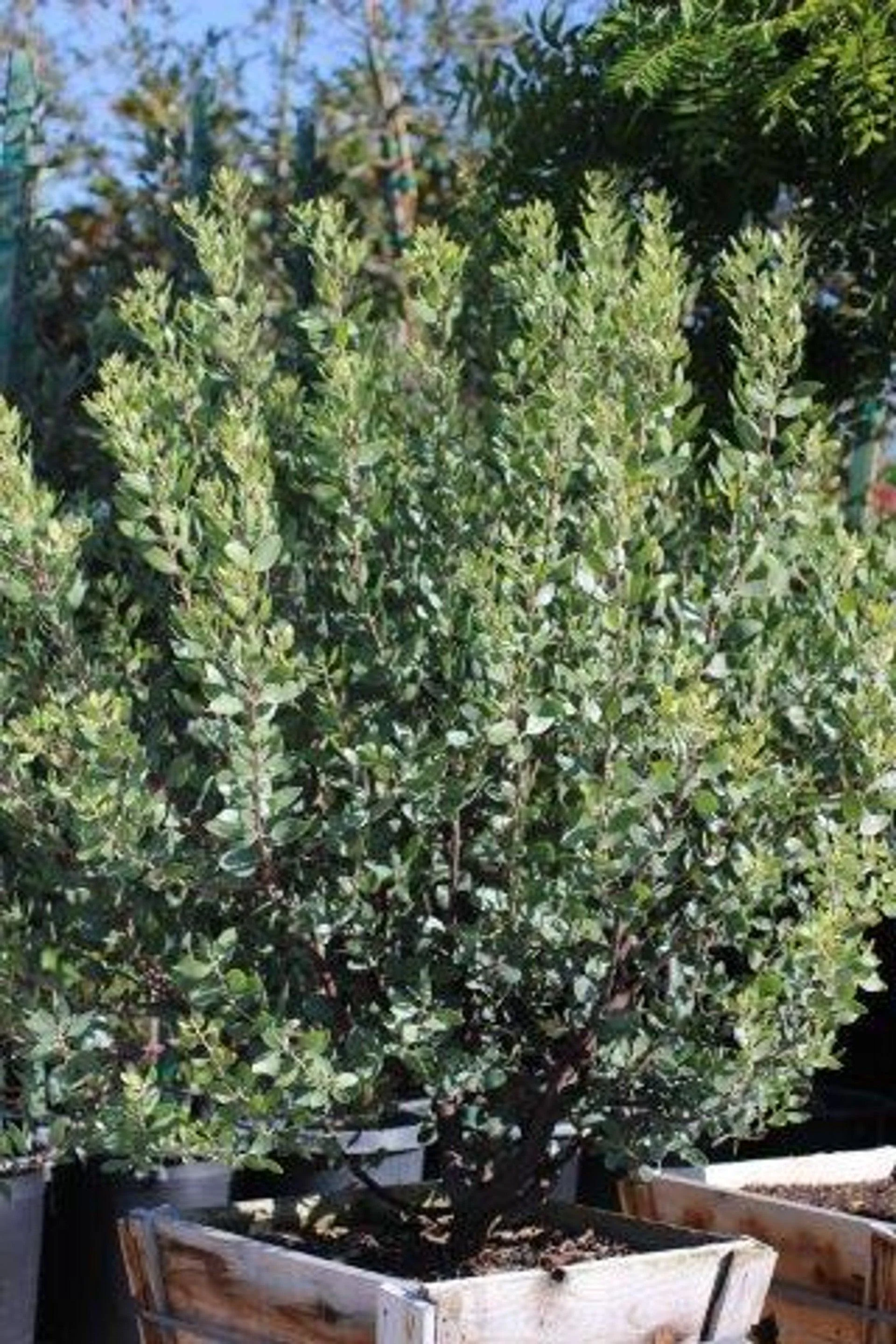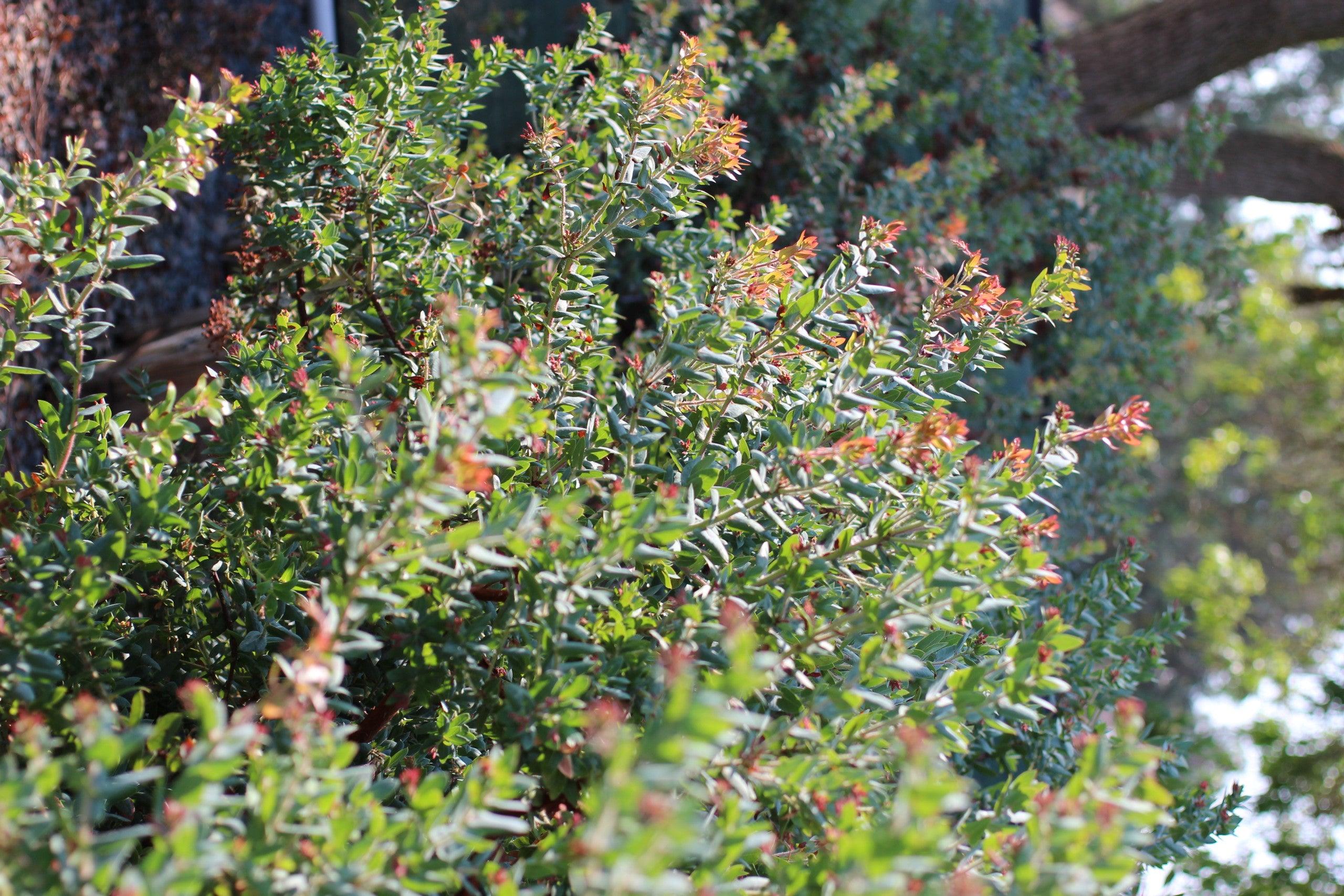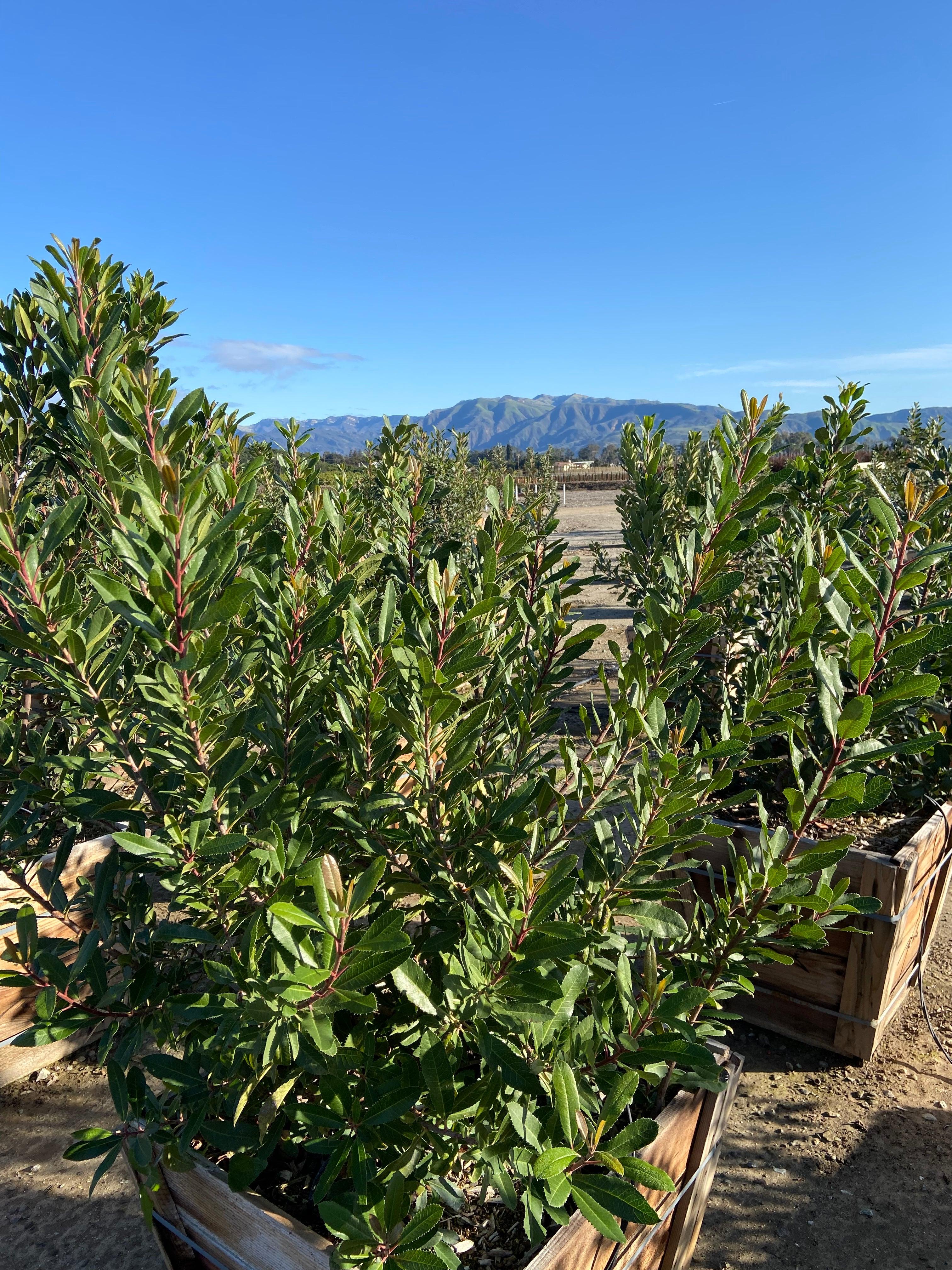
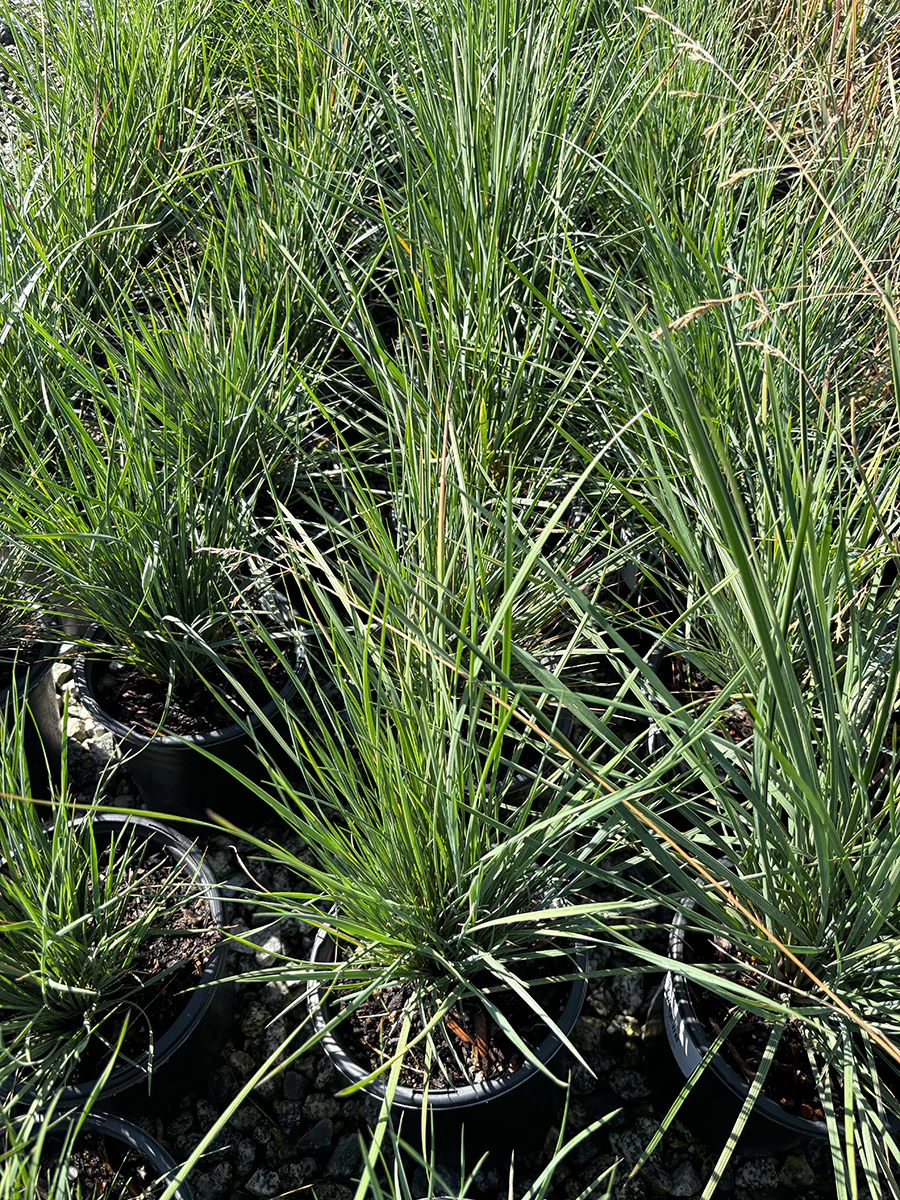
California Fescue (Festuca californica)
Transform Your California Garden with This Native Beauty
California fescue gives your garden graceful, drought tolerant structure with blue green foliage, airy flowers, and very low care once established. This native grass is ideal when you want year-round beauty, minimal summer water, and a plant that fits California conditions instead of fighting them.
Also known as Festuca californica, this species in the Festuca genus and Poaceae family is a standout choice for oaks, partial shade, dry slopes, and water-wise landscapes.
Why You’ll Love California Fescue
-
Drought tolerant performance – Once established, California fescue requires deep watering only 2 to 3 times per month during peak summer heat.
-
Low maintenance by design – California fescue is largely unpalatable to deer and is resilient to common turf diseases, making it a low-maintenance option for gardeners.
-
Year-round garden appeal – This grass species is characterized by its graceful, gray-green leaves and produces airy flowers that mature to a golden yellow color, typically blooming from April to May.
-
Reliable erosion control – California fescue has a massive, multi-foot deep fibrous root system that helps prevent soil erosion.
-
Wildlife value – California fescue acts as a larval host plant for native butterflies and moths, providing vital nesting material for native birds and beneficial insects, and pairs beautifully with other drought-tolerant California natives like Ceanothus.
It is especially useful when you want to add native beauty without creating a high-water, high-labor garden.
What Makes It Different
Most grasses need constant irrigation, frequent mowing, fertilizer, or full sun to look their best. California fescue is built for the opposite approach: resilient growth, low water needs, and natural compatibility with California habitats.
California fescue provides:
-
Native adaptation – California fescue is drought-tolerant and thrives in low-water conditions, making it suitable for dry landscapes and areas with poor soil.
-
Deep root strength – Its massive fibrous root system reaches deep into the soil, helping the plant stay resilient while stabilizing slopes and banks.
-
Shade tolerance under oaks – California fescue is highly effective when planted under a canopy of mature oak trees or on dry, erosion-prone slopes.
-
Oak-safe planting choice – California fescue is one of the premier understory plants for native coast live oaks, thriving on minimal summer water and not triggering root rot in oak trees.
California fescue can grow in partial shade to full sun and is drought tolerant, making it suitable for various garden conditions from woodland edges to open sun exposures.
How To Grow California Fescue
-
Plant establishment
Plant California fescue in fall or early spring when the soil is workable and temperatures are mild. When planting California fescue, it is recommended to space the plants at least 18 to 24 inches apart to allow for their growth and to prevent waste when broadcasting seeds. -
Growth phase
Through spring, the plant develops a graceful fountain-like form with gray-green to blue green foliage. In spring and early summer, California fescue sends up flower stalks that rise 3 to 5 feet high, changing color from violet-green to straw-gold by late summer. -
Maturity
California fescue typically grows to a height of 2 to 3 feet and can spread to a width of 2 to 3 feet, with flower stems reaching up to 5 feet during blooming season from March to May. After the first year or two, it settles into a dependable seasonal cycle with minimal water, occasional cleanup, and long-lasting garden presence for years.
Plant Specifications
-
Botanical Name: Festuca californica
-
Common Name: California fescue
-
Plant Type: Native perennial bunch grass
-
Genus / Family: Festuca genus, Poaceae family
-
Mature Size: California fescue (Festuca californica) typically grows to a height of 2 to 3 feet and can spread 2 to 3 feet wide, with flower stems reaching up to 5 feet in spring.
-
Sunlight Requirements: Partial shade to full sun
-
Water Needs: Low to very low after establishment; deep watering 2 to 3 times per month during peak summer heat
-
Bloom Time: March through May, with peak flowers often in April and May
-
Flower Color: Violet-green when fresh, aging to straw-gold or golden yellow by late summer
-
Soil Compatibility: California fescue performs excellently in loamy or clay soils and tolerates serpentine soils but grows poorly in pure sand.
-
Best Uses: Oak understory gardens, dry shade, slopes, erosion control, habitat gardens, native plant borders paired with flowering trees
-
Wildlife Value: Supports butterflies, moths, birds, and beneficial insects
-
Deer Resistance: Largely unpalatable to deer
-
Maintenance: Occasional removal of old foliage or spent flowers as needed
Who It’s Perfect For
Ideal for:
-
California homeowners who want water-wise landscaping without giving up beauty
-
Gardeners with challenging partial shade under native oaks
-
Property owners dealing with dry, erosion-prone slopes
-
Sustainable landscape enthusiasts who want to support native ecosystems and habitats and may be looking for a full-service plant nursery and landscape partner
-
Designers looking to add graceful texture, spring flowers, and blue green structure to a native garden
If you want a drought tolerant native grass that looks refined, handles summer dryness, supports butterflies, and works beautifully under oaks, California fescue fits your garden.
Frequently Asked Questions
How much water does California fescue need?
Once established, California fescue requires deep watering only 2 to 3 times per month during peak summer heat. It performs especially well with minimal summer water under mature oaks and in partial shade.
Will it spread and take over my garden?
No. California fescue is a clumping grass, not an aggressive running grass. It grows slowly into a defined mound and can be planted 18 to 24 inches apart or wider depending on the look you want.
What plants grow well with California fescue?
California fescue pairs well with native oaks, manzanita, ceanothus, sages, California iris, and other low-water native species. Native plants, including California fescue, are often available from local native plant nurseries or nurseries that specialize in privacy and evergreen trees that grow plants from locally wild-collected seeds, ensuring better adaptation to local conditions.
How do I maintain it through the seasons?
Let the foliage provide structure through the year, then trim old growth or spent flower stems when needed. In a typical month during the dry season, check soil moisture before adding water; this plant prefers low-water conditions once established.
Is it deer resistant?
Yes. California fescue is largely unpalatable to deer and is resilient to common turf diseases, making it a low-maintenance option for gardeners.
Ready to Plant?
Choose California Fescue from Yardwork to add drought tolerant, native beauty to your California garden with less water, less maintenance, and more ecological value.
Yardwork can help you select the right quantity for your space, plan spacing for slopes or under oaks, and pair California fescue with compatible native plants and California pepper trees for added shade and structure. Consultation services are available for landscape planning, including water-wise garden layouts and erosion-control plantings.
Original: $25.00
-65%$25.00
$8.75California Fescue (Festuca californica)
Transform Your California Garden with This Native Beauty
California fescue gives your garden graceful, drought tolerant structure with blue green foliage, airy flowers, and very low care once established. This native grass is ideal when you want year-round beauty, minimal summer water, and a plant that fits California conditions instead of fighting them.
Also known as Festuca californica, this species in the Festuca genus and Poaceae family is a standout choice for oaks, partial shade, dry slopes, and water-wise landscapes.
Why You’ll Love California Fescue
-
Drought tolerant performance – Once established, California fescue requires deep watering only 2 to 3 times per month during peak summer heat.
-
Low maintenance by design – California fescue is largely unpalatable to deer and is resilient to common turf diseases, making it a low-maintenance option for gardeners.
-
Year-round garden appeal – This grass species is characterized by its graceful, gray-green leaves and produces airy flowers that mature to a golden yellow color, typically blooming from April to May.
-
Reliable erosion control – California fescue has a massive, multi-foot deep fibrous root system that helps prevent soil erosion.
-
Wildlife value – California fescue acts as a larval host plant for native butterflies and moths, providing vital nesting material for native birds and beneficial insects, and pairs beautifully with other drought-tolerant California natives like Ceanothus.
It is especially useful when you want to add native beauty without creating a high-water, high-labor garden.
What Makes It Different
Most grasses need constant irrigation, frequent mowing, fertilizer, or full sun to look their best. California fescue is built for the opposite approach: resilient growth, low water needs, and natural compatibility with California habitats.
California fescue provides:
-
Native adaptation – California fescue is drought-tolerant and thrives in low-water conditions, making it suitable for dry landscapes and areas with poor soil.
-
Deep root strength – Its massive fibrous root system reaches deep into the soil, helping the plant stay resilient while stabilizing slopes and banks.
-
Shade tolerance under oaks – California fescue is highly effective when planted under a canopy of mature oak trees or on dry, erosion-prone slopes.
-
Oak-safe planting choice – California fescue is one of the premier understory plants for native coast live oaks, thriving on minimal summer water and not triggering root rot in oak trees.
California fescue can grow in partial shade to full sun and is drought tolerant, making it suitable for various garden conditions from woodland edges to open sun exposures.
How To Grow California Fescue
-
Plant establishment
Plant California fescue in fall or early spring when the soil is workable and temperatures are mild. When planting California fescue, it is recommended to space the plants at least 18 to 24 inches apart to allow for their growth and to prevent waste when broadcasting seeds. -
Growth phase
Through spring, the plant develops a graceful fountain-like form with gray-green to blue green foliage. In spring and early summer, California fescue sends up flower stalks that rise 3 to 5 feet high, changing color from violet-green to straw-gold by late summer. -
Maturity
California fescue typically grows to a height of 2 to 3 feet and can spread to a width of 2 to 3 feet, with flower stems reaching up to 5 feet during blooming season from March to May. After the first year or two, it settles into a dependable seasonal cycle with minimal water, occasional cleanup, and long-lasting garden presence for years.
Plant Specifications
-
Botanical Name: Festuca californica
-
Common Name: California fescue
-
Plant Type: Native perennial bunch grass
-
Genus / Family: Festuca genus, Poaceae family
-
Mature Size: California fescue (Festuca californica) typically grows to a height of 2 to 3 feet and can spread 2 to 3 feet wide, with flower stems reaching up to 5 feet in spring.
-
Sunlight Requirements: Partial shade to full sun
-
Water Needs: Low to very low after establishment; deep watering 2 to 3 times per month during peak summer heat
-
Bloom Time: March through May, with peak flowers often in April and May
-
Flower Color: Violet-green when fresh, aging to straw-gold or golden yellow by late summer
-
Soil Compatibility: California fescue performs excellently in loamy or clay soils and tolerates serpentine soils but grows poorly in pure sand.
-
Best Uses: Oak understory gardens, dry shade, slopes, erosion control, habitat gardens, native plant borders paired with flowering trees
-
Wildlife Value: Supports butterflies, moths, birds, and beneficial insects
-
Deer Resistance: Largely unpalatable to deer
-
Maintenance: Occasional removal of old foliage or spent flowers as needed
Who It’s Perfect For
Ideal for:
-
California homeowners who want water-wise landscaping without giving up beauty
-
Gardeners with challenging partial shade under native oaks
-
Property owners dealing with dry, erosion-prone slopes
-
Sustainable landscape enthusiasts who want to support native ecosystems and habitats and may be looking for a full-service plant nursery and landscape partner
-
Designers looking to add graceful texture, spring flowers, and blue green structure to a native garden
If you want a drought tolerant native grass that looks refined, handles summer dryness, supports butterflies, and works beautifully under oaks, California fescue fits your garden.
Frequently Asked Questions
How much water does California fescue need?
Once established, California fescue requires deep watering only 2 to 3 times per month during peak summer heat. It performs especially well with minimal summer water under mature oaks and in partial shade.
Will it spread and take over my garden?
No. California fescue is a clumping grass, not an aggressive running grass. It grows slowly into a defined mound and can be planted 18 to 24 inches apart or wider depending on the look you want.
What plants grow well with California fescue?
California fescue pairs well with native oaks, manzanita, ceanothus, sages, California iris, and other low-water native species. Native plants, including California fescue, are often available from local native plant nurseries or nurseries that specialize in privacy and evergreen trees that grow plants from locally wild-collected seeds, ensuring better adaptation to local conditions.
How do I maintain it through the seasons?
Let the foliage provide structure through the year, then trim old growth or spent flower stems when needed. In a typical month during the dry season, check soil moisture before adding water; this plant prefers low-water conditions once established.
Is it deer resistant?
Yes. California fescue is largely unpalatable to deer and is resilient to common turf diseases, making it a low-maintenance option for gardeners.
Ready to Plant?
Choose California Fescue from Yardwork to add drought tolerant, native beauty to your California garden with less water, less maintenance, and more ecological value.
Yardwork can help you select the right quantity for your space, plan spacing for slopes or under oaks, and pair California fescue with compatible native plants and California pepper trees for added shade and structure. Consultation services are available for landscape planning, including water-wise garden layouts and erosion-control plantings.
Product Information
Product Information
Shipping & Returns
Shipping & Returns
Description
Transform Your California Garden with This Native Beauty
California fescue gives your garden graceful, drought tolerant structure with blue green foliage, airy flowers, and very low care once established. This native grass is ideal when you want year-round beauty, minimal summer water, and a plant that fits California conditions instead of fighting them.
Also known as Festuca californica, this species in the Festuca genus and Poaceae family is a standout choice for oaks, partial shade, dry slopes, and water-wise landscapes.
Why You’ll Love California Fescue
-
Drought tolerant performance – Once established, California fescue requires deep watering only 2 to 3 times per month during peak summer heat.
-
Low maintenance by design – California fescue is largely unpalatable to deer and is resilient to common turf diseases, making it a low-maintenance option for gardeners.
-
Year-round garden appeal – This grass species is characterized by its graceful, gray-green leaves and produces airy flowers that mature to a golden yellow color, typically blooming from April to May.
-
Reliable erosion control – California fescue has a massive, multi-foot deep fibrous root system that helps prevent soil erosion.
-
Wildlife value – California fescue acts as a larval host plant for native butterflies and moths, providing vital nesting material for native birds and beneficial insects, and pairs beautifully with other drought-tolerant California natives like Ceanothus.
It is especially useful when you want to add native beauty without creating a high-water, high-labor garden.
What Makes It Different
Most grasses need constant irrigation, frequent mowing, fertilizer, or full sun to look their best. California fescue is built for the opposite approach: resilient growth, low water needs, and natural compatibility with California habitats.
California fescue provides:
-
Native adaptation – California fescue is drought-tolerant and thrives in low-water conditions, making it suitable for dry landscapes and areas with poor soil.
-
Deep root strength – Its massive fibrous root system reaches deep into the soil, helping the plant stay resilient while stabilizing slopes and banks.
-
Shade tolerance under oaks – California fescue is highly effective when planted under a canopy of mature oak trees or on dry, erosion-prone slopes.
-
Oak-safe planting choice – California fescue is one of the premier understory plants for native coast live oaks, thriving on minimal summer water and not triggering root rot in oak trees.
California fescue can grow in partial shade to full sun and is drought tolerant, making it suitable for various garden conditions from woodland edges to open sun exposures.
How To Grow California Fescue
-
Plant establishment
Plant California fescue in fall or early spring when the soil is workable and temperatures are mild. When planting California fescue, it is recommended to space the plants at least 18 to 24 inches apart to allow for their growth and to prevent waste when broadcasting seeds. -
Growth phase
Through spring, the plant develops a graceful fountain-like form with gray-green to blue green foliage. In spring and early summer, California fescue sends up flower stalks that rise 3 to 5 feet high, changing color from violet-green to straw-gold by late summer. -
Maturity
California fescue typically grows to a height of 2 to 3 feet and can spread to a width of 2 to 3 feet, with flower stems reaching up to 5 feet during blooming season from March to May. After the first year or two, it settles into a dependable seasonal cycle with minimal water, occasional cleanup, and long-lasting garden presence for years.
Plant Specifications
-
Botanical Name: Festuca californica
-
Common Name: California fescue
-
Plant Type: Native perennial bunch grass
-
Genus / Family: Festuca genus, Poaceae family
-
Mature Size: California fescue (Festuca californica) typically grows to a height of 2 to 3 feet and can spread 2 to 3 feet wide, with flower stems reaching up to 5 feet in spring.
-
Sunlight Requirements: Partial shade to full sun
-
Water Needs: Low to very low after establishment; deep watering 2 to 3 times per month during peak summer heat
-
Bloom Time: March through May, with peak flowers often in April and May
-
Flower Color: Violet-green when fresh, aging to straw-gold or golden yellow by late summer
-
Soil Compatibility: California fescue performs excellently in loamy or clay soils and tolerates serpentine soils but grows poorly in pure sand.
-
Best Uses: Oak understory gardens, dry shade, slopes, erosion control, habitat gardens, native plant borders paired with flowering trees
-
Wildlife Value: Supports butterflies, moths, birds, and beneficial insects
-
Deer Resistance: Largely unpalatable to deer
-
Maintenance: Occasional removal of old foliage or spent flowers as needed
Who It’s Perfect For
Ideal for:
-
California homeowners who want water-wise landscaping without giving up beauty
-
Gardeners with challenging partial shade under native oaks
-
Property owners dealing with dry, erosion-prone slopes
-
Sustainable landscape enthusiasts who want to support native ecosystems and habitats and may be looking for a full-service plant nursery and landscape partner
-
Designers looking to add graceful texture, spring flowers, and blue green structure to a native garden
If you want a drought tolerant native grass that looks refined, handles summer dryness, supports butterflies, and works beautifully under oaks, California fescue fits your garden.
Frequently Asked Questions
How much water does California fescue need?
Once established, California fescue requires deep watering only 2 to 3 times per month during peak summer heat. It performs especially well with minimal summer water under mature oaks and in partial shade.
Will it spread and take over my garden?
No. California fescue is a clumping grass, not an aggressive running grass. It grows slowly into a defined mound and can be planted 18 to 24 inches apart or wider depending on the look you want.
What plants grow well with California fescue?
California fescue pairs well with native oaks, manzanita, ceanothus, sages, California iris, and other low-water native species. Native plants, including California fescue, are often available from local native plant nurseries or nurseries that specialize in privacy and evergreen trees that grow plants from locally wild-collected seeds, ensuring better adaptation to local conditions.
How do I maintain it through the seasons?
Let the foliage provide structure through the year, then trim old growth or spent flower stems when needed. In a typical month during the dry season, check soil moisture before adding water; this plant prefers low-water conditions once established.
Is it deer resistant?
Yes. California fescue is largely unpalatable to deer and is resilient to common turf diseases, making it a low-maintenance option for gardeners.
Ready to Plant?
Choose California Fescue from Yardwork to add drought tolerant, native beauty to your California garden with less water, less maintenance, and more ecological value.
Yardwork can help you select the right quantity for your space, plan spacing for slopes or under oaks, and pair California fescue with compatible native plants and California pepper trees for added shade and structure. Consultation services are available for landscape planning, including water-wise garden layouts and erosion-control plantings.