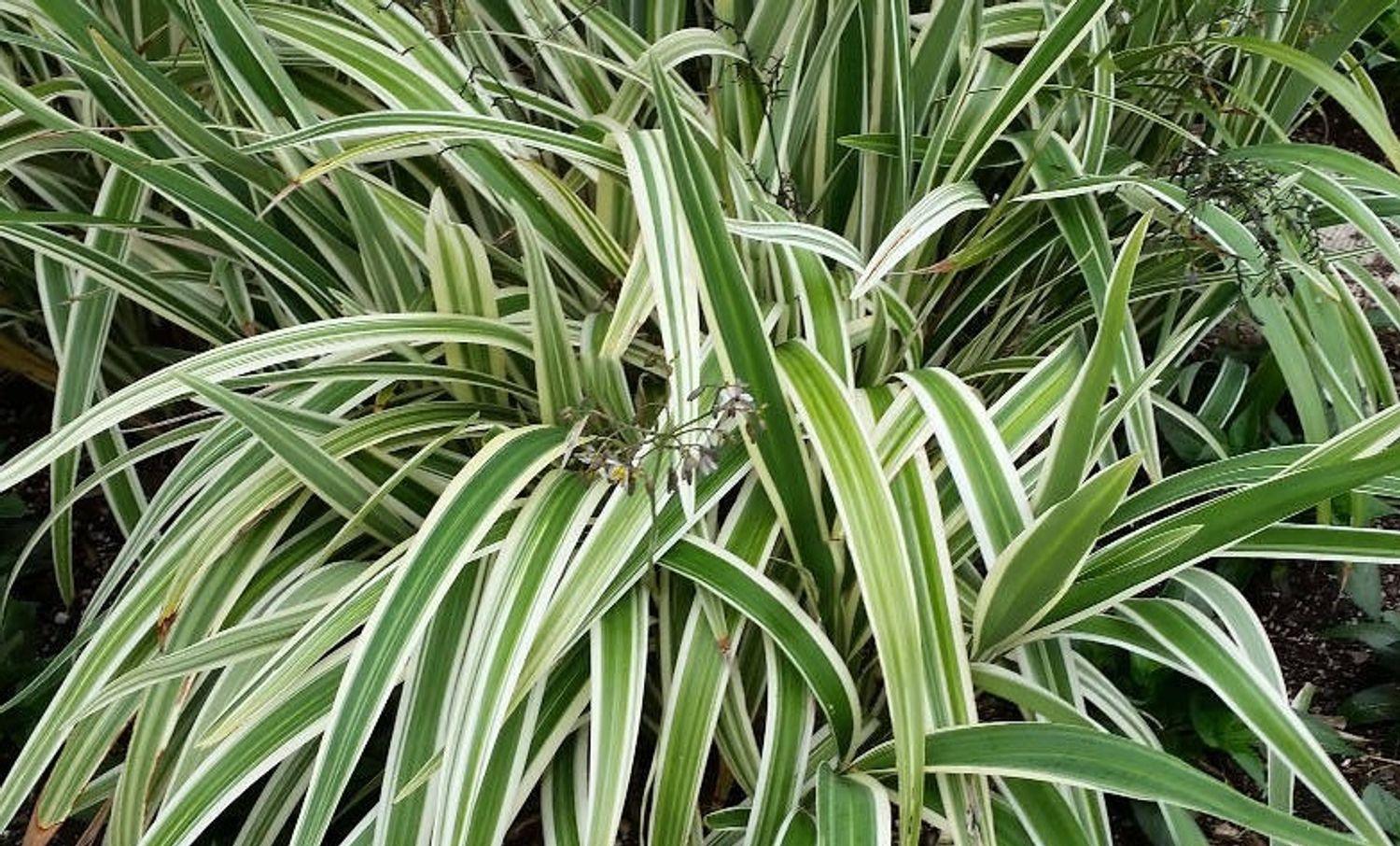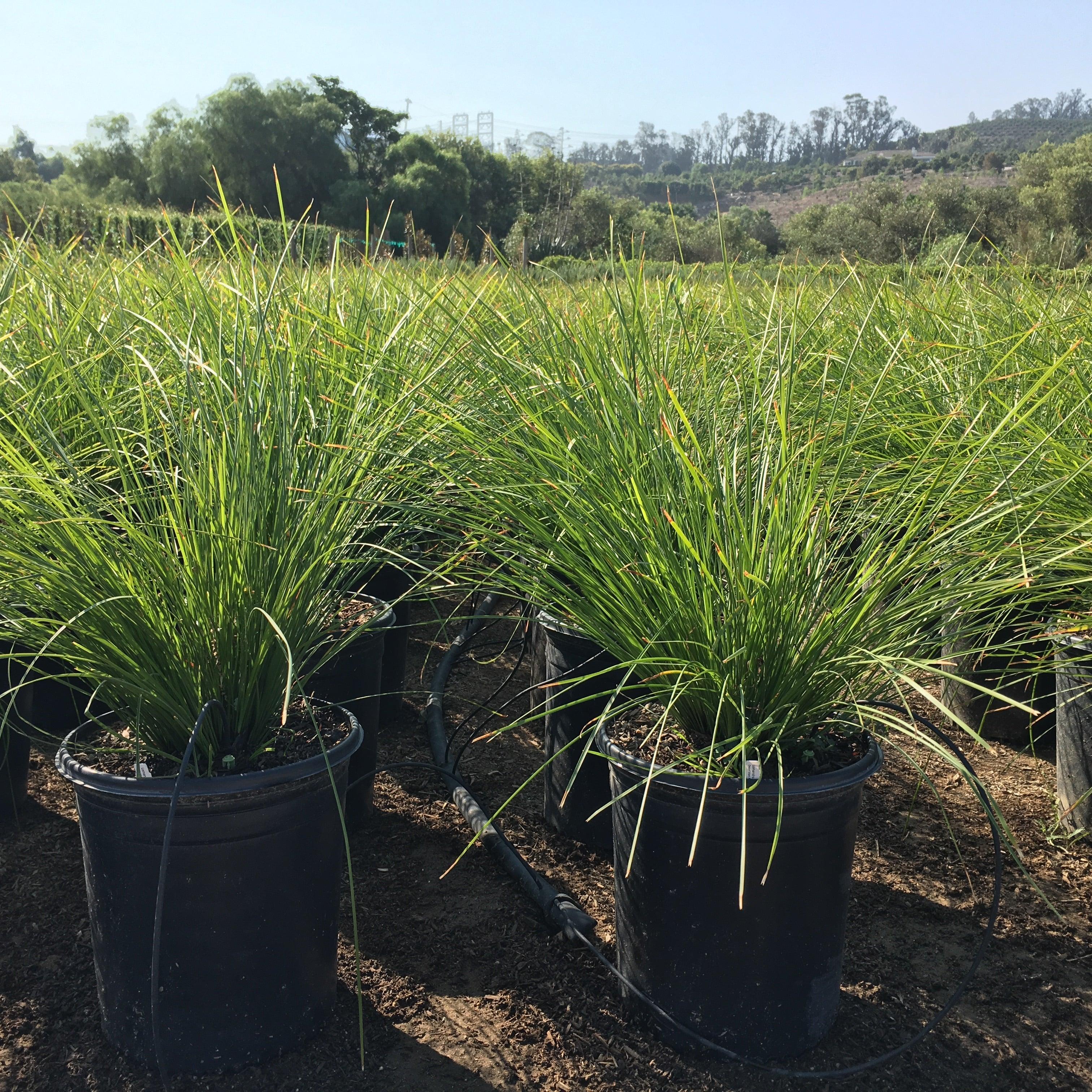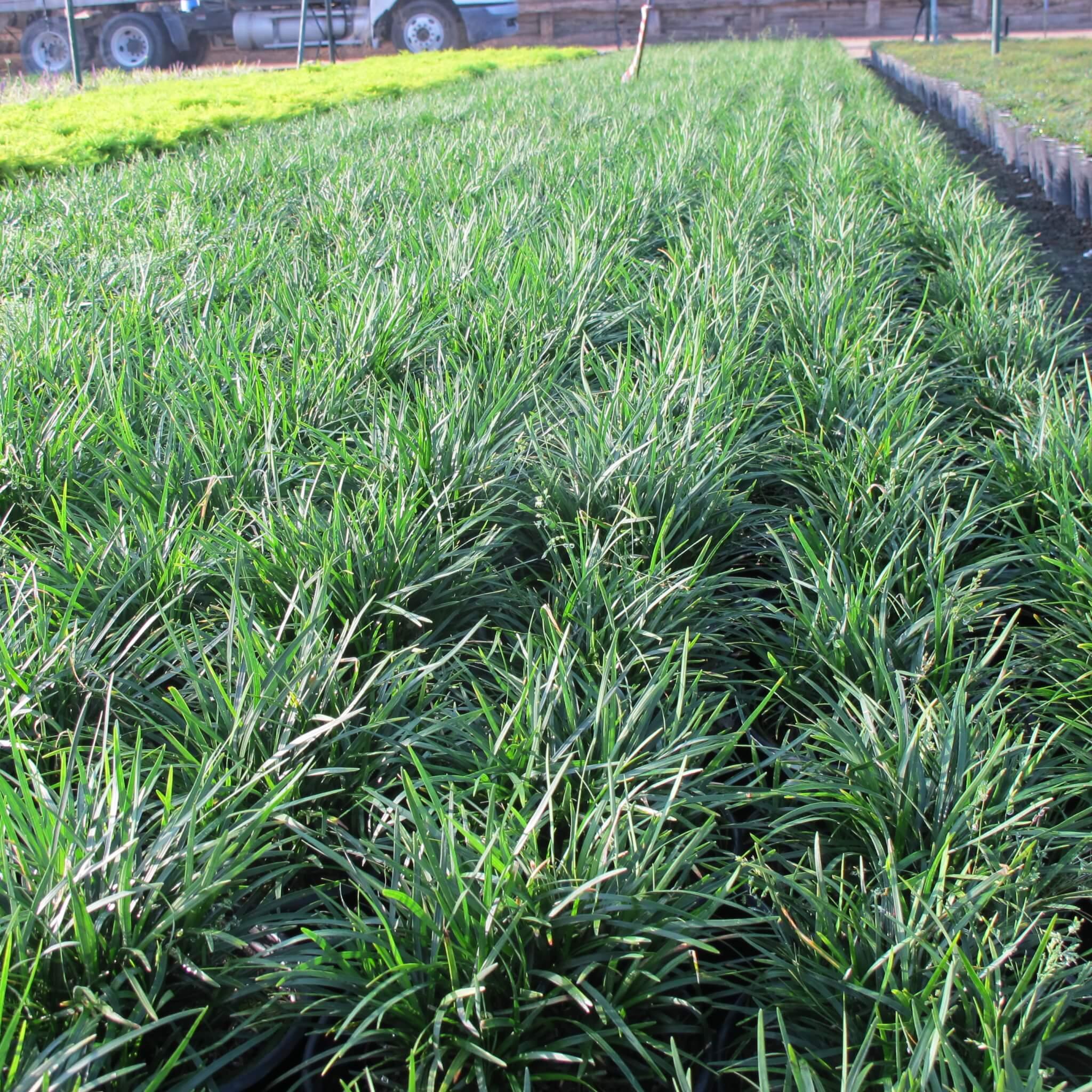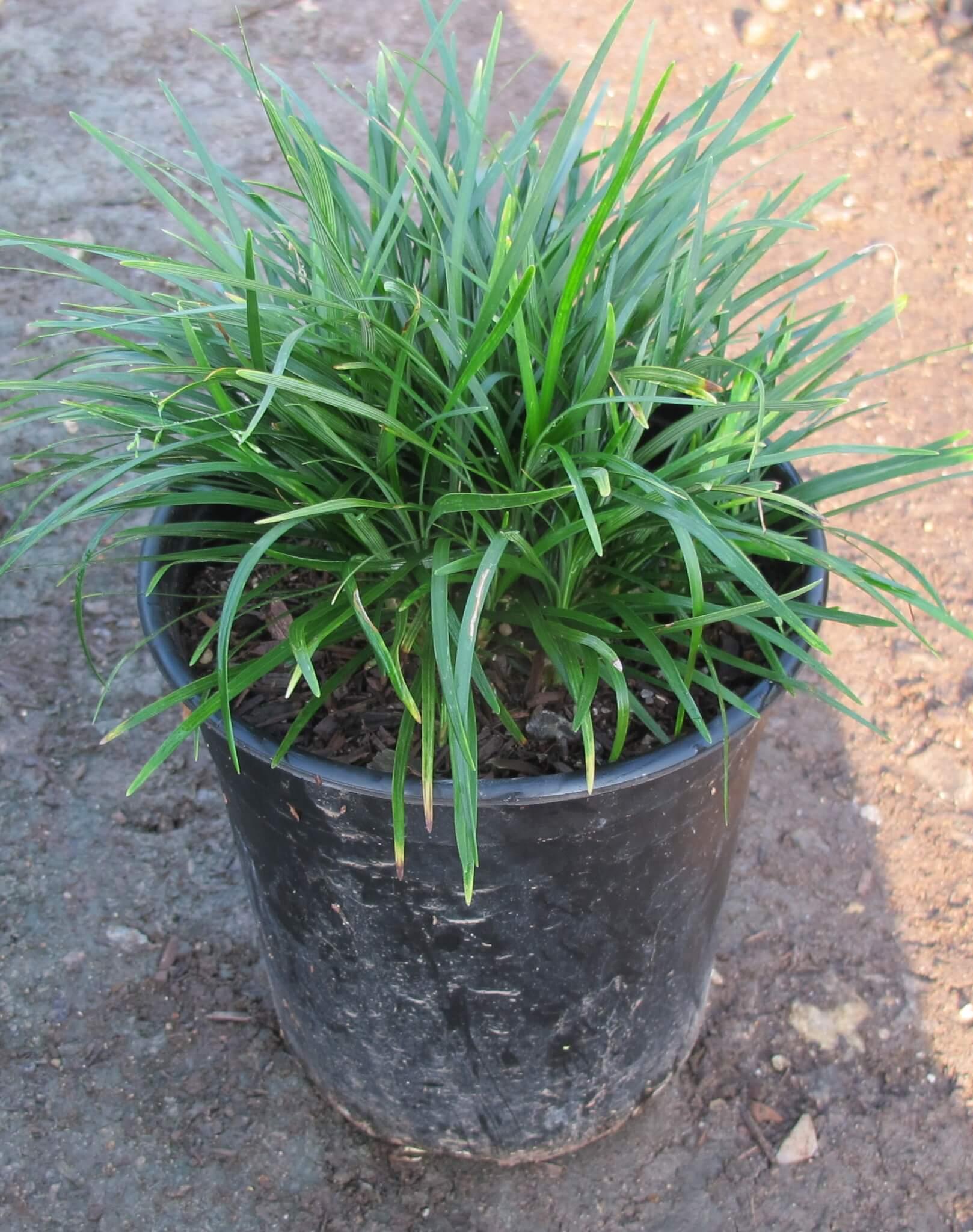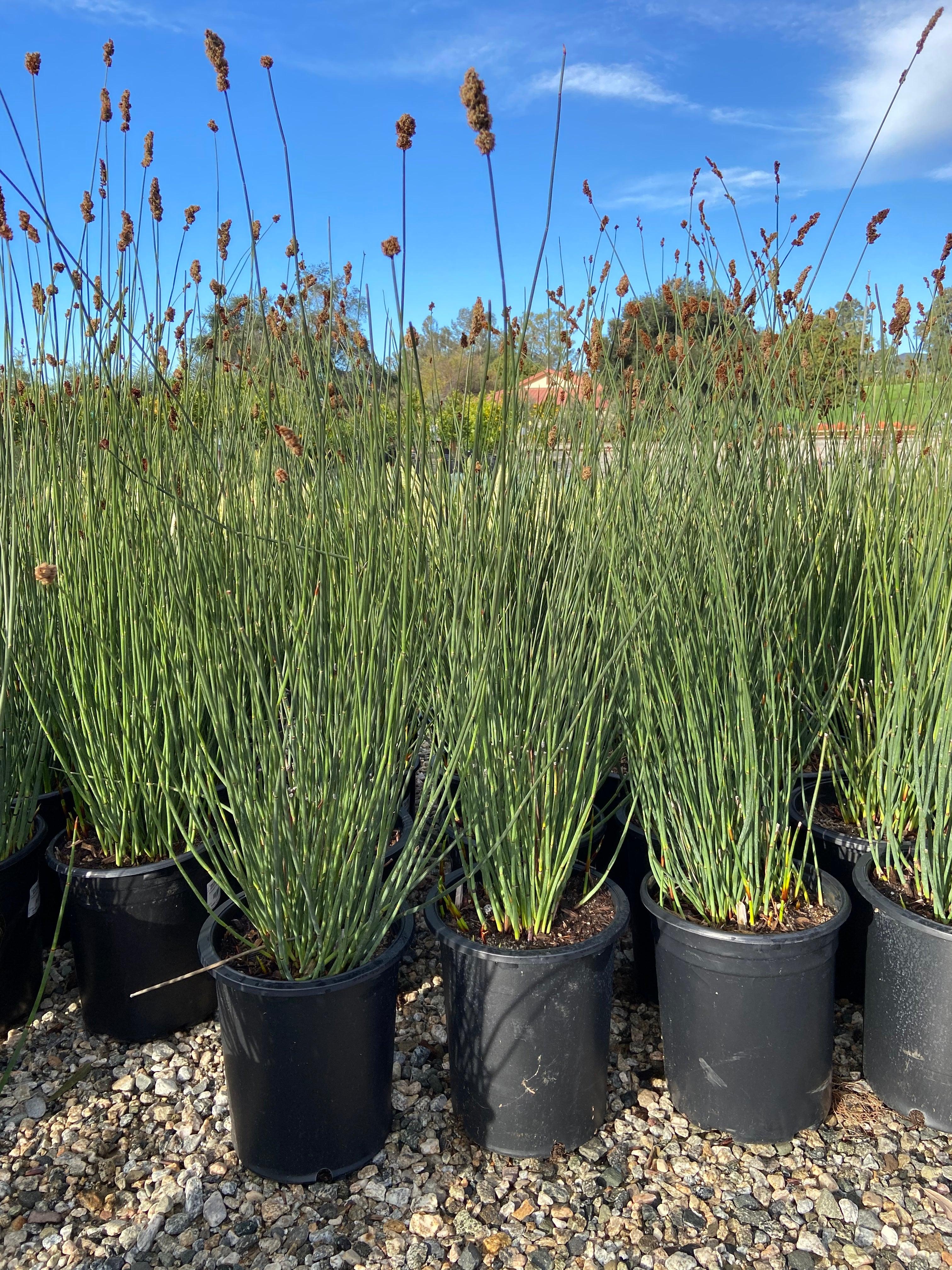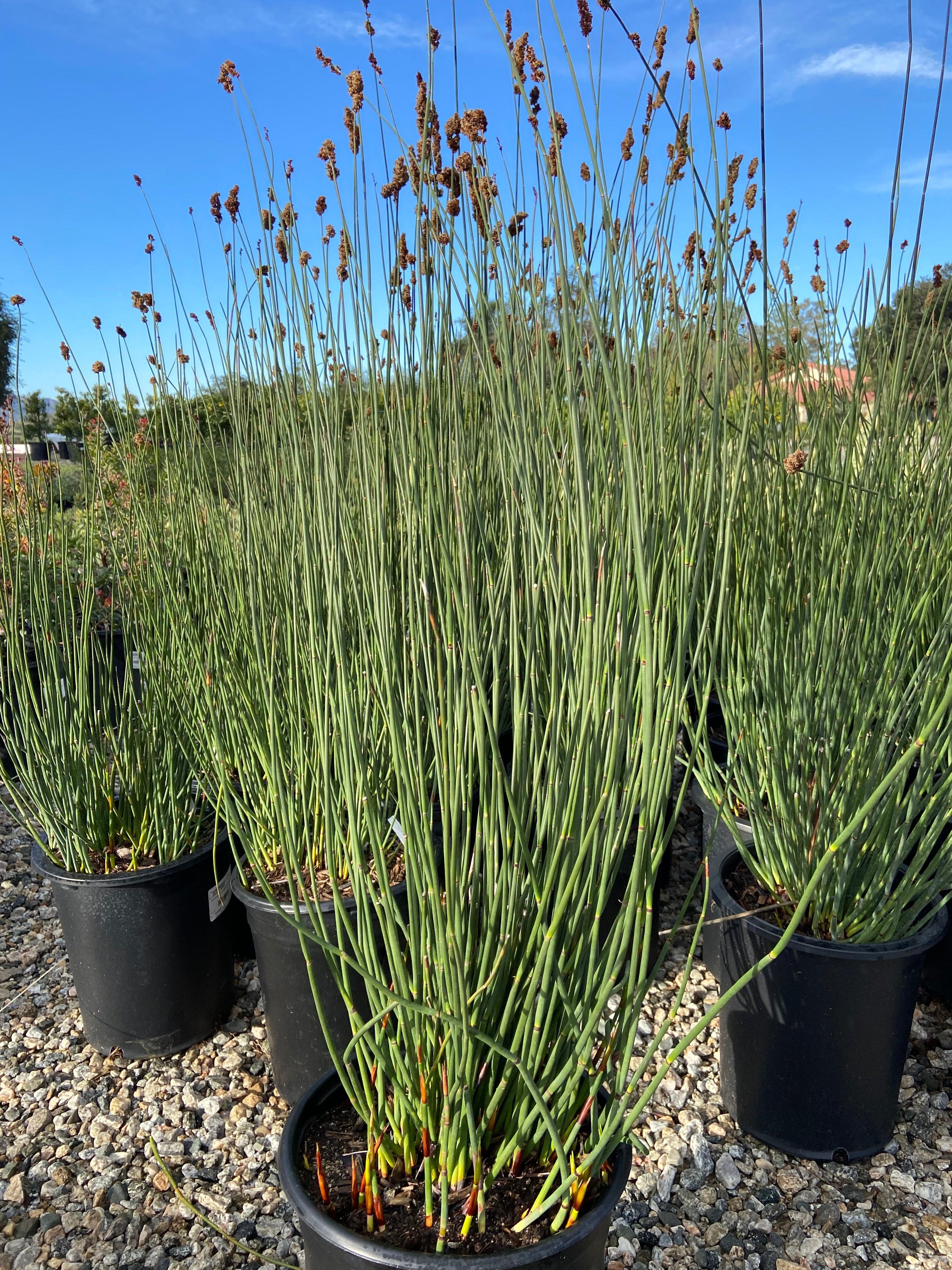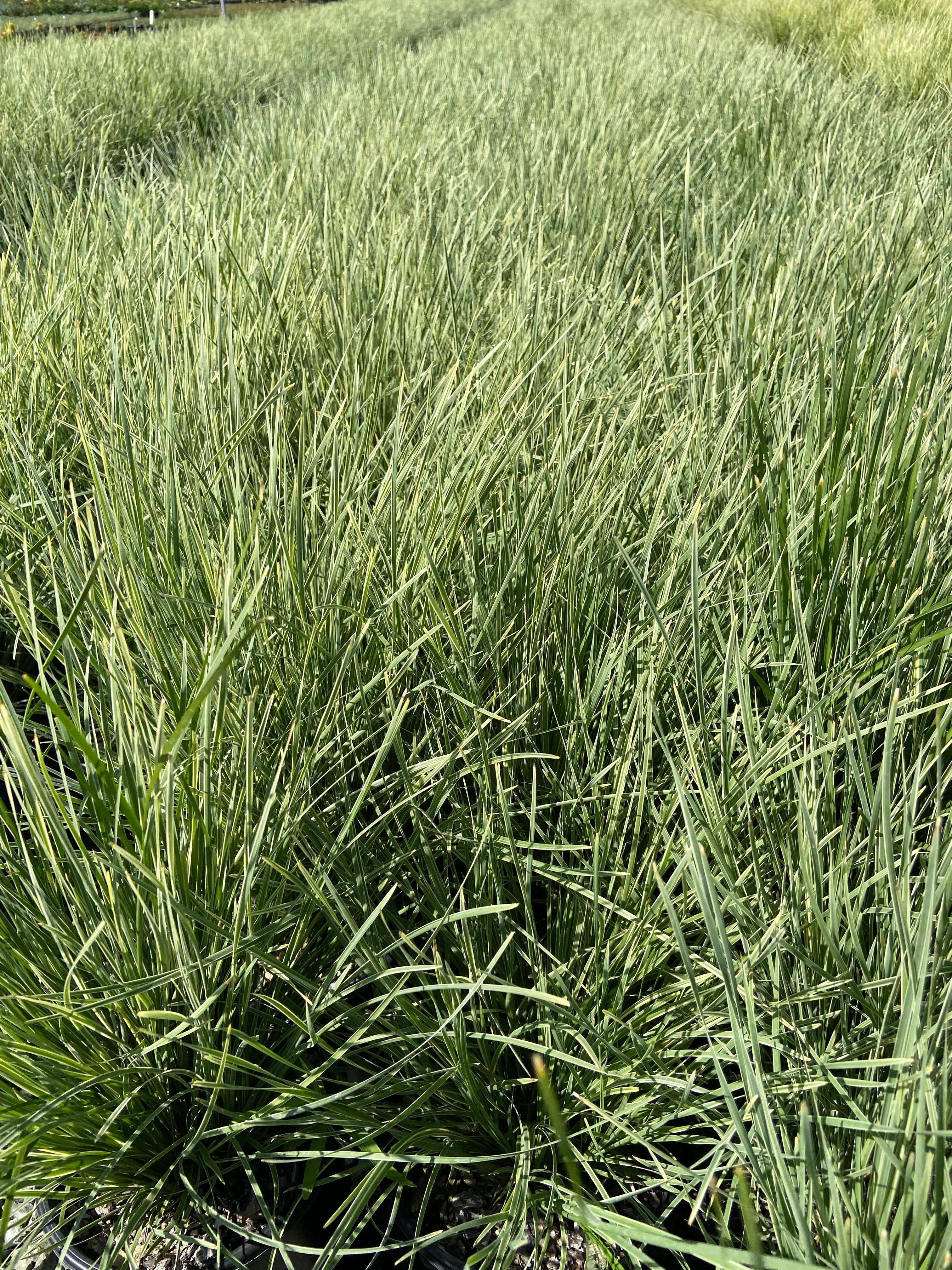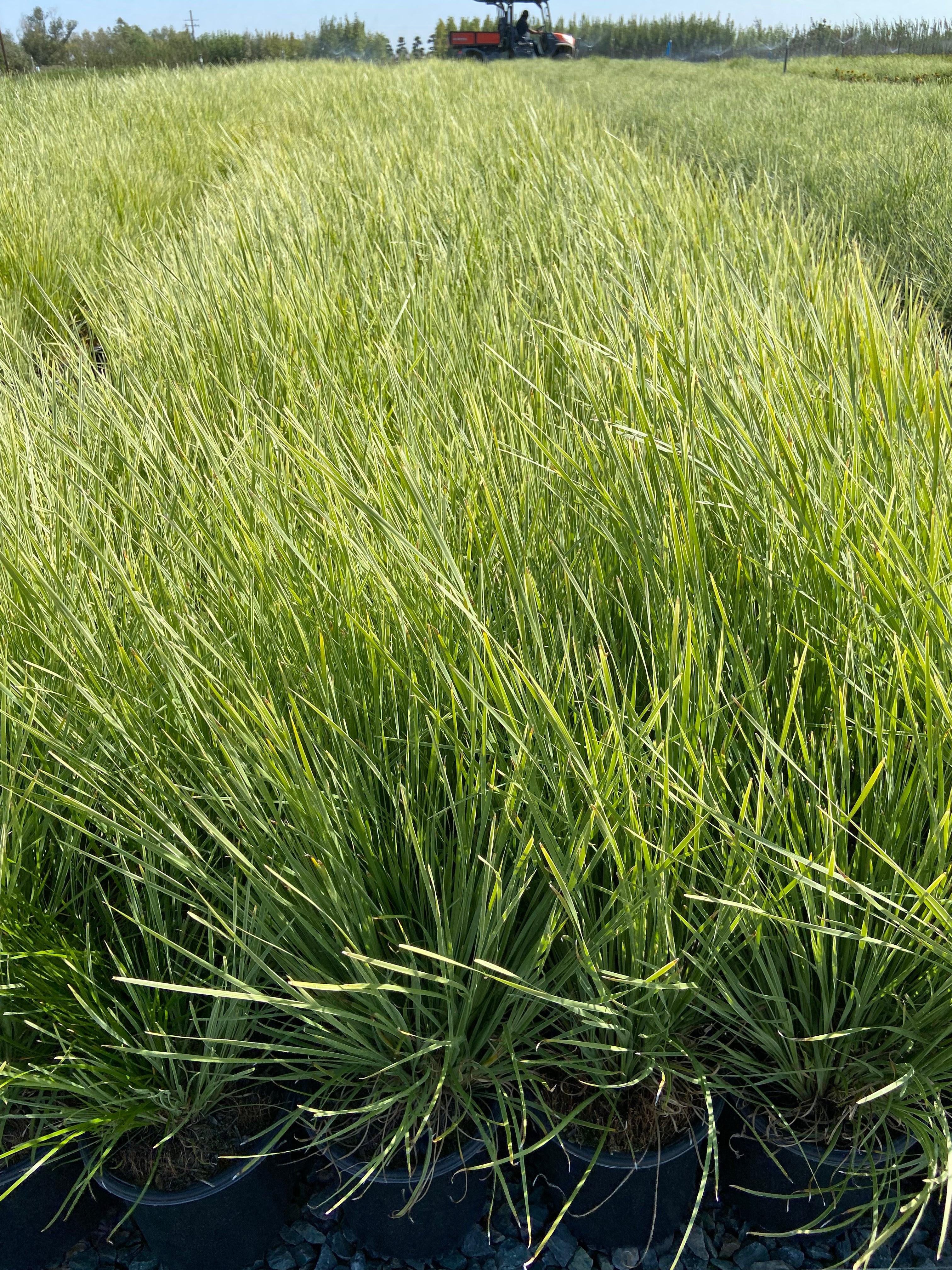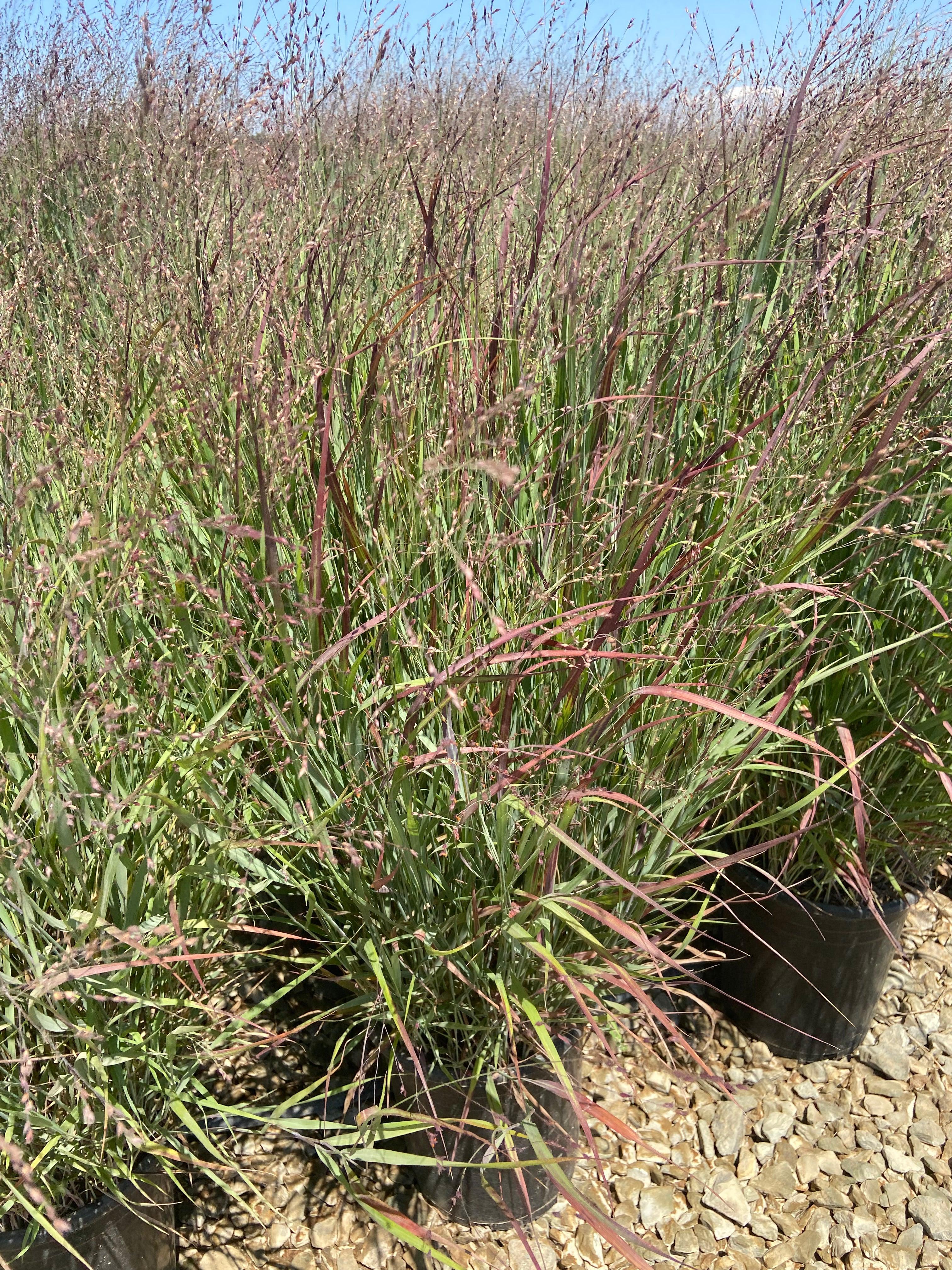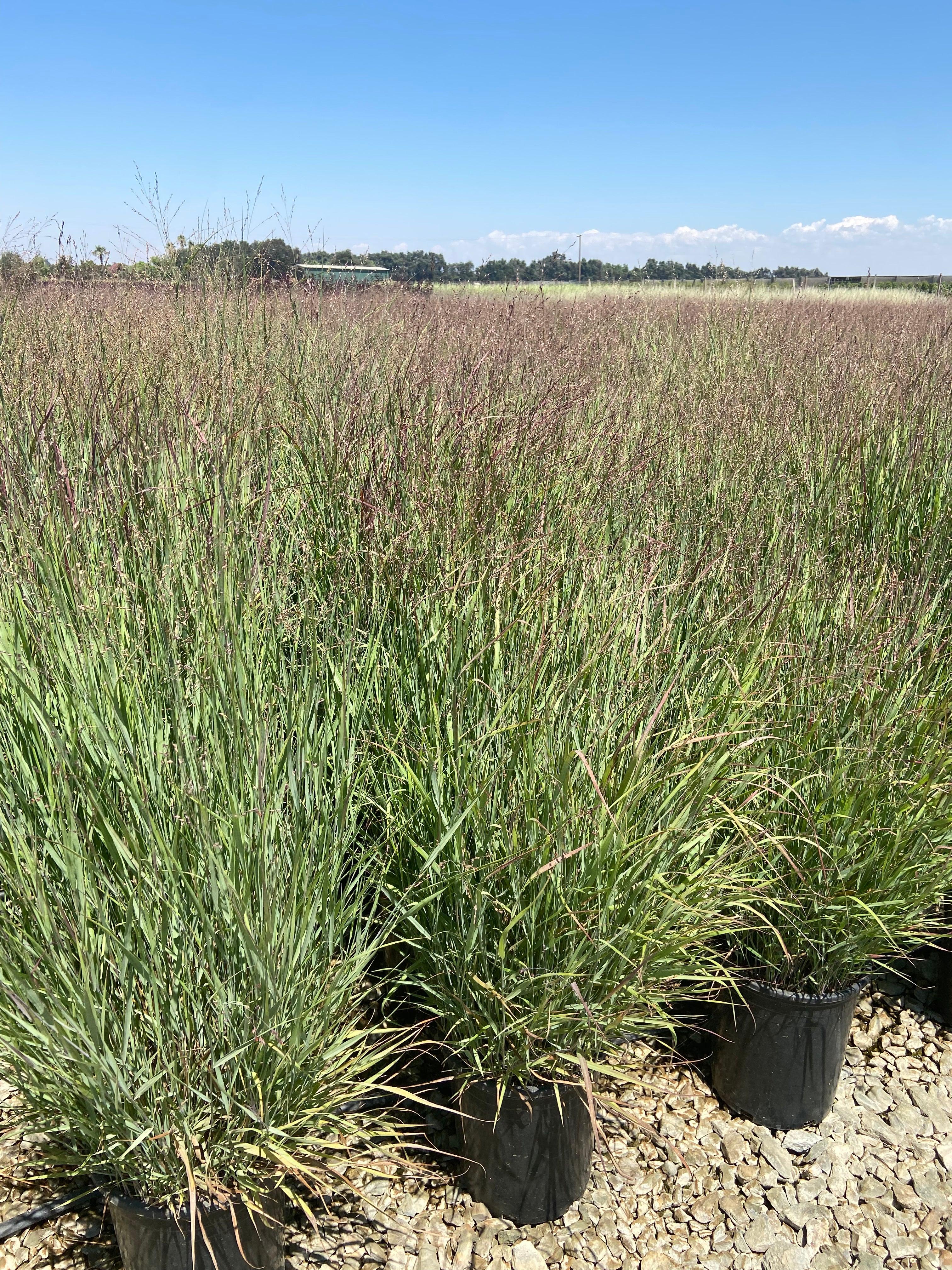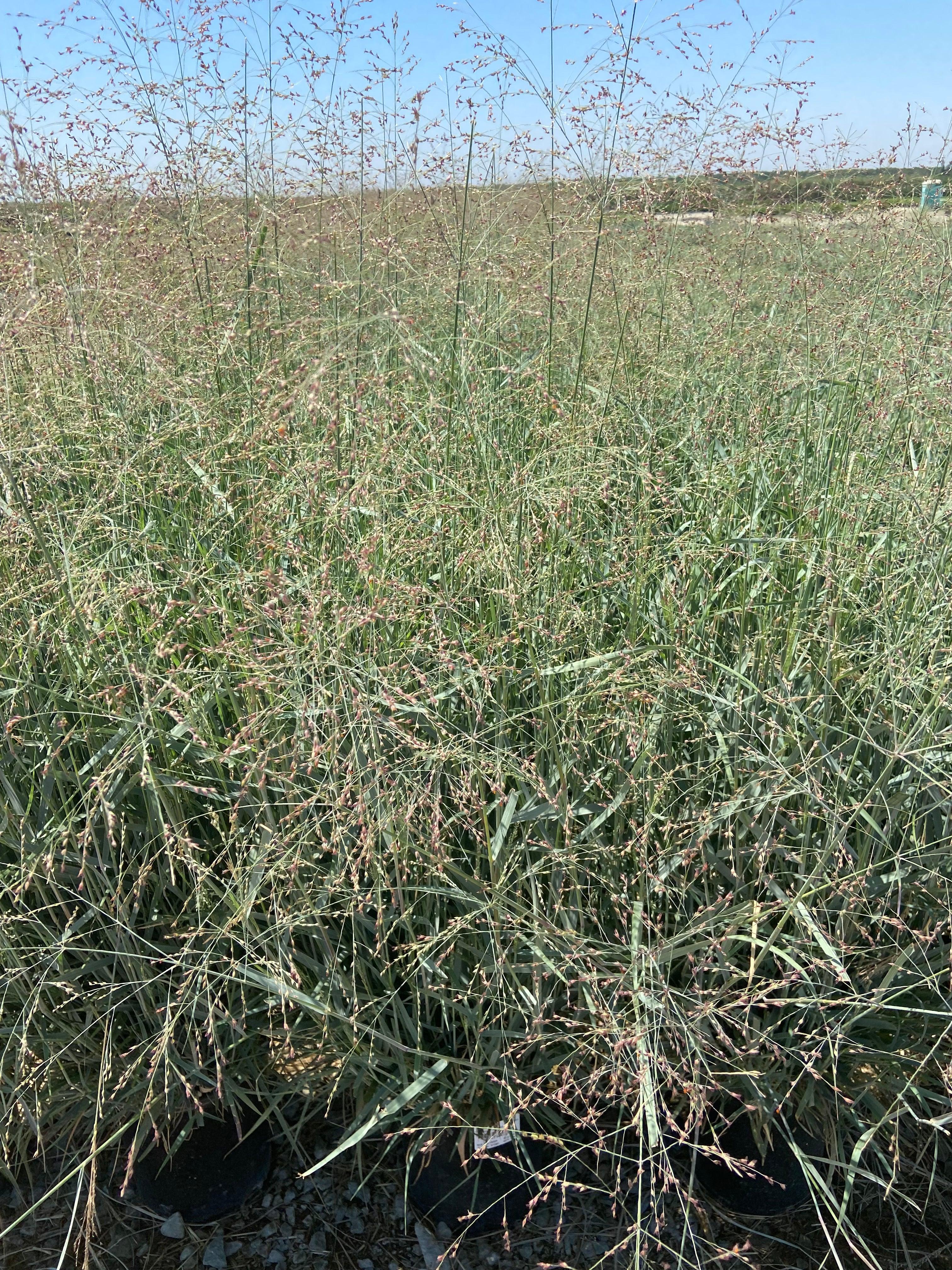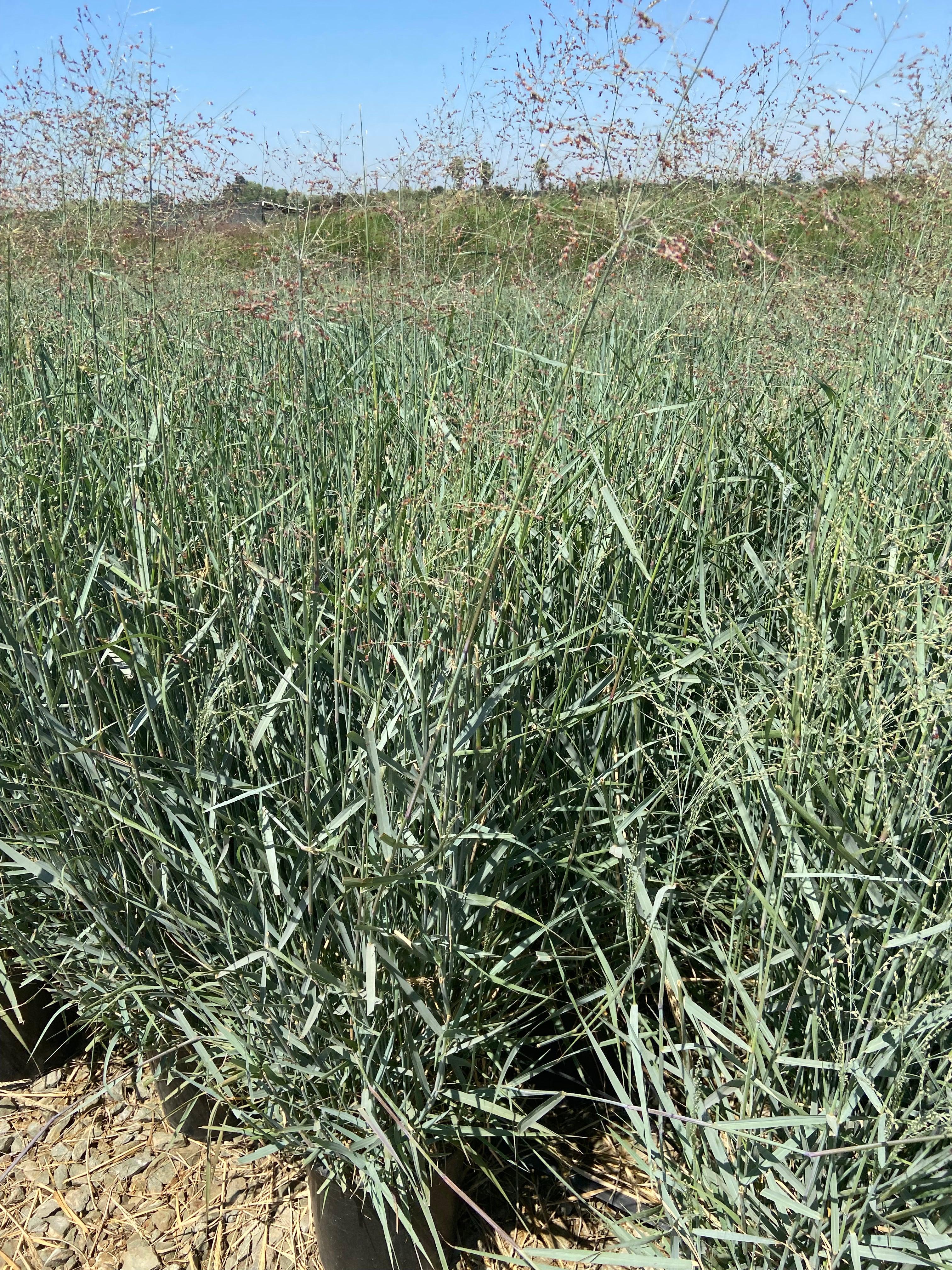
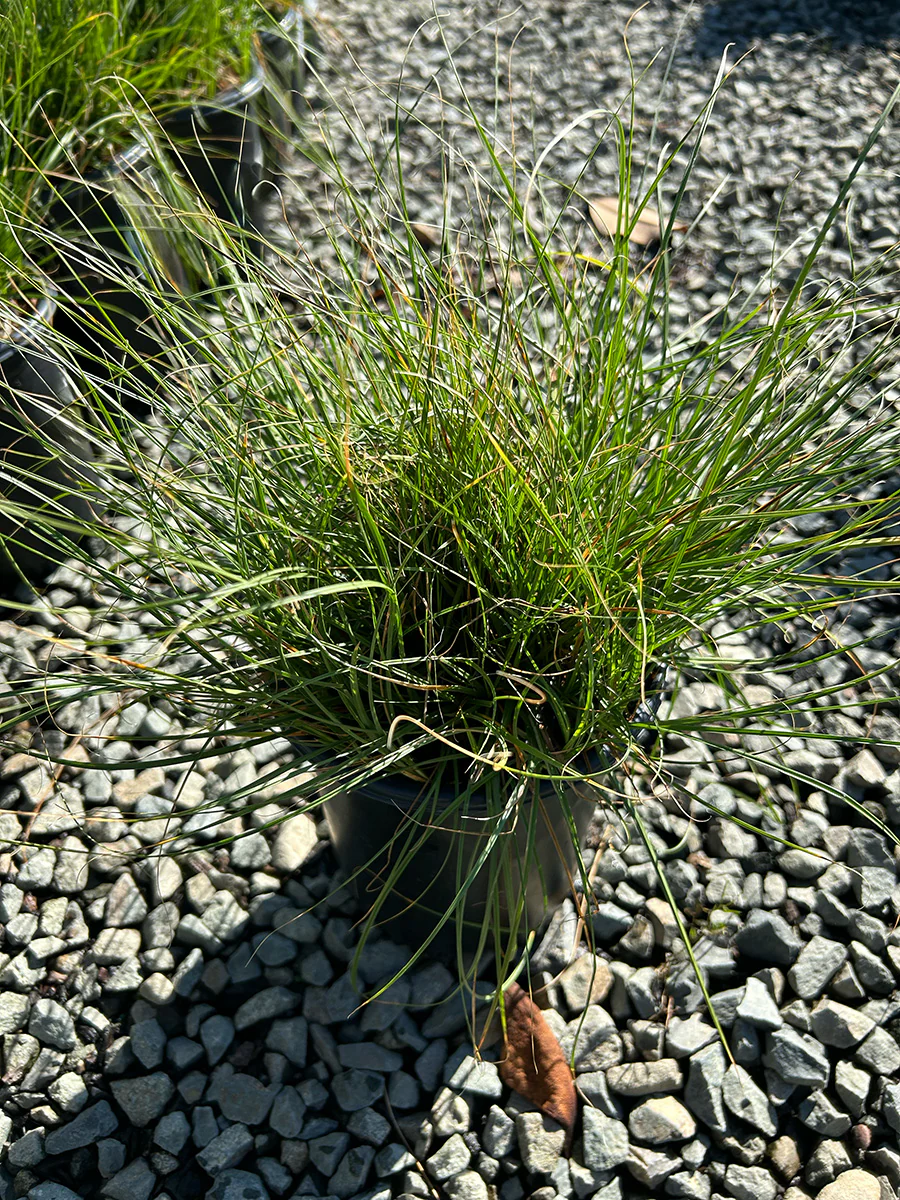
Carex Praegracilis (California Field Sedge)
Create a Beautiful, Drought-Tolerant Native Lawn
Carex praegracilis gives you a softer, lower-water lawn alternative that looks grass like, supports native plants, and fits California landscapes without the heavy irrigation demands of traditional turf.
Also known by the common name clustered field sedge, meadow sedge, or California field sedge, this native sedge forms a rich green carpet through spreading rhizomes. It is marketed as a turfgrass replacement in some areas, particularly in California, where it is native to meadows and wildflower fields. Once established, Carex praegracilis requires less water and can act as a sustainable alternative to traditional turfgrass.
Use it where you want a living lawn effect, erosion control, or a natural meadow form: front yards, side yards, pathway edges, bioswales, rain gardens, stream and pond peripheries, and slopes that need dependable coverage.
Why You’ll Love It
-
Drought tolerant once established – Carex praegracilis is drought-tolerant once established but requires consistent moisture during its first year, giving roots time to settle before you reduce watering.
-
Lower maintenance than traditional grasses – This sedge can be mowed down to 4 inches to achieve a traditional turf look while using less water than standard lawn grasses.
-
Handles real-life use – Carex praegracilis can tolerate moderate foot traffic and is suitable for use in areas with standing water, making it a versatile choice for various landscaping applications.
-
A California native with ecological value – As a native species, it supports local habitat, works well with other native plants, and is deer-resistant and largely free from serious pest issues.
-
Green, fine-textured appearance – Carex praegracilis features fine-textured, rich green blades that remain evergreen in mild climates but may experience dormancy in colder zones.
It is a good plant for homeowners who want the look of a soft lawn without committing to the water, fertilizer, and mowing schedule that many traditional turf grasses require.
What Makes It Different
Most lawn alternatives either need intensive care, fail in wet or dry transitions, or do not handle foot traffic well. Carex praegracilis is built for more varied California conditions: sun, part shade, moist soils, seasonal flooding, and periods of dryness.
Carex praegracilis is different because:
-
It rests instead of failing – In heat, cold, or dry spells, the plant may turn brown and enter dormancy, then recover when conditions improve and moisture returns.
-
It fills in naturally – Rhizomes help separate plants knit together into a dense, spreading mat that suppresses weeds and creates continuous coverage over time.
-
It fits difficult sites – Carex praegracilis is commonly found in moist to wet habitats and is tolerant of saline soils, which allows it to expand its range along salted roadsides.
-
It tolerates challenging soil – The plant can grow in a wide range of soil types, including sand, clay, and alkaline soils.
-
It works in salty and alkaline locations – This sedge is tolerant of salty and alkaline conditions, which allows it to grow in areas affected by road salt and other saline environments.
Compared with Carex pansa, another western native sedge used as a lawn substitute, Carex praegracilis is often chosen where a more vigorous, adaptable, moisture-tolerant form is desired. It can work in coastal gardens, open meadows, ditches, bioswales, and even challenging urban edges where ordinary lawn grasses struggle, especially when combined with other low-maintenance ornamental grasses like Karl Foerster feather reed grass.
How To Grow Carex Praegracilis
-
Plant plugs 8–12 inches apart Carex praegracilis, also known as clustered field sedge, is available in plugs or small pots, making it suitable for smaller lawn areas, slopes, or bioswales. Closer spacing helps the plants cover faster and reduces open soil where weeds can grow.
-
Water consistently during establishment The plant thrives in average, moist to wet soils and can tolerate somewhat dry conditions, making it versatile for various environments. Keep new plugs evenly moist through the first year, then shift to a lower-water schedule once the sedge is established.
-
Trim for the look you want For a tidy lawn effect, keep it trimmed around 4–6 inches. For a softer meadow look, allow the foliage and flowers to grow longer, especially into late spring. An annual cutback or occasional mowing refreshes the planting and keeps the height even.
Product Details
-
Plant type: Perennial native sedge
-
Scientific name: Carex praegracilis
-
Genus: Carex
-
Family: Cyperaceae
-
Common name: Clustered field sedge, California field sedge, meadow sedge, field sedge
-
Format: Plugs or small pots; plug sets are ideal for lawn replacement, slopes, and bioswales
-
Maintained height: 4–6 inches when mowed for a turf-like look
-
Natural height: Often 6–12 inches, with longer meadow growth possible when allowed to grow unmown
-
Spread: Spreading by rhizomes; separate plants gradually knit together into a dense mat
-
Light: Carex praegracilis can grow in full sun to part shade, making it adaptable to different light conditions in the landscape.
-
Soil: Sand, clay, alkaline soil, saline soil, moist soil, wet soil, and seasonally poor drainage
-
Water needs: Moderate and consistent during the first year; lower water once established
-
Hardiness: Best suited to many California climates, especially USDA Zones 7–10
-
Best planting season: Fall through early spring; late spring planting can work with careful watering
-
Establishment timeline: Expect visible fill-in over one growing season, with fuller coverage over time depending on spacing, sun, water, and site conditions
-
Landscape uses: Lawns, meadows, bioswales, rain gardens, foundation plantings, stream and pond peripheries, ditches, slope stabilization, and pathway edges; pairs well with drought-tolerant California natives such as California lilac (Ceanothus)
-
Wildlife and resilience: Deer-resistant and largely free from serious pest issues
Carex praegracilis is suitable for bioswales, rain gardens, and other green infrastructure due to its ability to handle seasonal flooding and poor drainage. Carex praegracilis, commonly known as clustered field sedge, is suitable for use in meadows, stream and pond peripheries, and as a foundation plant in landscaping. This sedge is effective for erosion control and is popular for naturalized meadow plantings or as a lawn replacement, particularly in wet, boggy areas.
Botanical observations: like many sedge species, Carex praegracilis has triangular stems, narrow blades, and small flowers that mature into minute achenes rather than showy seedheads. It is not used like introduced ornamental grasses, and it is not selected for male or female separate plants in the way some dioecious species are.
Who It’s For
Ideal for:
-
California homeowners replacing water-intensive lawn
-
Landscapers designing native plant projects
-
Property owners managing slopes, bioswales, rain gardens, or wet low spots
-
Coastal and inland gardeners who need a tolerant sedge for full sun, part shade, or mixed exposure, and who may also be planting drought-tolerant evergreen trees like the California pepper tree
-
Homeowners in places like San Diego who want a lawn-like surface with less irrigation
-
Anyone creating naturalized meadows, pond edges, or a more sustainable front yard who may want to add flowering trees suited to California landscapes for seasonal color and structure
If you want an easy, native, lower-water groundcover that tolerates moderate foot traffic and can be kept trimmed or allowed to grow into a softer meadow form, Carex praegracilis fits your landscape goals and can be paired with evergreen privacy options like a Fern Pine hedge (Podocarpus gracilior).
Frequently Asked Questions
Can Carex praegracilis handle foot traffic?
Yes. Carex praegracilis tolerates moderate foot traffic, including normal walking, occasional play, and use around stepping stones or pathways. It is not a substitute for sports turf or heavily used dog runs, but it performs well where the use is moderate.
Will it turn brown in summer?
It can. Carex praegracilis is drought tolerant once established, but in hot, dry conditions it may go brown or semi-dormant. Occasional deep watering helps maintain green color, especially in full sun or inland California locations.
How far apart should I plant the plugs?
For faster coverage, plant plugs 8–12 inches apart. Wider spacing can reduce upfront cost, but it leaves open soil for a longer time. Closer spacing helps separate plants connect through rhizomes and form a dense sedge carpet sooner.
How long does it take to fill in?
Most sites begin to show strong coverage within one growing season when planted at close spacing and watered consistently. Cooler, shadier, drier, or more challenging soils may take longer.
How much water does it need?
During the first year, Carex praegracilis needs consistent moisture. Once established, it uses far less water than standard lawn grasses. In very dry periods, supplemental watering keeps it greener and reduces dormancy.
Can it grow with other native plants?
Yes. Carex praegracilis blends well with native plants in meadow plantings, bioswales, rain gardens, and habitat-focused landscapes. It also works along edges where taller perennials, shrubs, or other sedge species create layered texture.
Is this the same as Carex pansa?
No. Carex pansa and Carex praegracilis are related lawn-alternative sedges, but they are different species. Carex praegracilis is often selected where stronger spreading, wet-soil tolerance, and broad site adaptability are priorities.
Ready to Transform Your Landscape?
Stop using water-intensive traditional lawns where a native, drought-tolerant sedge can do the job with less input and more ecological value.
Choose Carex praegracilis (California Field Sedge) for a sustainable, beautiful landscape that can be trimmed like a lawn, allowed to grow like a meadow, or planted into slopes, bioswales, and challenging California sites, and consider taller evergreen structure from a versatile Fern Pine tree (Podocarpus gracilior) where shade or screening is needed.
Yardwork can help with plant selection, plug quantities, spacing, soil considerations, California delivery, and expert support so your sedge lawn establishes successfully, acting as a convenient plant nursery and landscape resource for your project.
Original: $25.00
-65%$25.00
$8.75Carex Praegracilis (California Field Sedge)
Create a Beautiful, Drought-Tolerant Native Lawn
Carex praegracilis gives you a softer, lower-water lawn alternative that looks grass like, supports native plants, and fits California landscapes without the heavy irrigation demands of traditional turf.
Also known by the common name clustered field sedge, meadow sedge, or California field sedge, this native sedge forms a rich green carpet through spreading rhizomes. It is marketed as a turfgrass replacement in some areas, particularly in California, where it is native to meadows and wildflower fields. Once established, Carex praegracilis requires less water and can act as a sustainable alternative to traditional turfgrass.
Use it where you want a living lawn effect, erosion control, or a natural meadow form: front yards, side yards, pathway edges, bioswales, rain gardens, stream and pond peripheries, and slopes that need dependable coverage.
Why You’ll Love It
-
Drought tolerant once established – Carex praegracilis is drought-tolerant once established but requires consistent moisture during its first year, giving roots time to settle before you reduce watering.
-
Lower maintenance than traditional grasses – This sedge can be mowed down to 4 inches to achieve a traditional turf look while using less water than standard lawn grasses.
-
Handles real-life use – Carex praegracilis can tolerate moderate foot traffic and is suitable for use in areas with standing water, making it a versatile choice for various landscaping applications.
-
A California native with ecological value – As a native species, it supports local habitat, works well with other native plants, and is deer-resistant and largely free from serious pest issues.
-
Green, fine-textured appearance – Carex praegracilis features fine-textured, rich green blades that remain evergreen in mild climates but may experience dormancy in colder zones.
It is a good plant for homeowners who want the look of a soft lawn without committing to the water, fertilizer, and mowing schedule that many traditional turf grasses require.
What Makes It Different
Most lawn alternatives either need intensive care, fail in wet or dry transitions, or do not handle foot traffic well. Carex praegracilis is built for more varied California conditions: sun, part shade, moist soils, seasonal flooding, and periods of dryness.
Carex praegracilis is different because:
-
It rests instead of failing – In heat, cold, or dry spells, the plant may turn brown and enter dormancy, then recover when conditions improve and moisture returns.
-
It fills in naturally – Rhizomes help separate plants knit together into a dense, spreading mat that suppresses weeds and creates continuous coverage over time.
-
It fits difficult sites – Carex praegracilis is commonly found in moist to wet habitats and is tolerant of saline soils, which allows it to expand its range along salted roadsides.
-
It tolerates challenging soil – The plant can grow in a wide range of soil types, including sand, clay, and alkaline soils.
-
It works in salty and alkaline locations – This sedge is tolerant of salty and alkaline conditions, which allows it to grow in areas affected by road salt and other saline environments.
Compared with Carex pansa, another western native sedge used as a lawn substitute, Carex praegracilis is often chosen where a more vigorous, adaptable, moisture-tolerant form is desired. It can work in coastal gardens, open meadows, ditches, bioswales, and even challenging urban edges where ordinary lawn grasses struggle, especially when combined with other low-maintenance ornamental grasses like Karl Foerster feather reed grass.
How To Grow Carex Praegracilis
-
Plant plugs 8–12 inches apart Carex praegracilis, also known as clustered field sedge, is available in plugs or small pots, making it suitable for smaller lawn areas, slopes, or bioswales. Closer spacing helps the plants cover faster and reduces open soil where weeds can grow.
-
Water consistently during establishment The plant thrives in average, moist to wet soils and can tolerate somewhat dry conditions, making it versatile for various environments. Keep new plugs evenly moist through the first year, then shift to a lower-water schedule once the sedge is established.
-
Trim for the look you want For a tidy lawn effect, keep it trimmed around 4–6 inches. For a softer meadow look, allow the foliage and flowers to grow longer, especially into late spring. An annual cutback or occasional mowing refreshes the planting and keeps the height even.
Product Details
-
Plant type: Perennial native sedge
-
Scientific name: Carex praegracilis
-
Genus: Carex
-
Family: Cyperaceae
-
Common name: Clustered field sedge, California field sedge, meadow sedge, field sedge
-
Format: Plugs or small pots; plug sets are ideal for lawn replacement, slopes, and bioswales
-
Maintained height: 4–6 inches when mowed for a turf-like look
-
Natural height: Often 6–12 inches, with longer meadow growth possible when allowed to grow unmown
-
Spread: Spreading by rhizomes; separate plants gradually knit together into a dense mat
-
Light: Carex praegracilis can grow in full sun to part shade, making it adaptable to different light conditions in the landscape.
-
Soil: Sand, clay, alkaline soil, saline soil, moist soil, wet soil, and seasonally poor drainage
-
Water needs: Moderate and consistent during the first year; lower water once established
-
Hardiness: Best suited to many California climates, especially USDA Zones 7–10
-
Best planting season: Fall through early spring; late spring planting can work with careful watering
-
Establishment timeline: Expect visible fill-in over one growing season, with fuller coverage over time depending on spacing, sun, water, and site conditions
-
Landscape uses: Lawns, meadows, bioswales, rain gardens, foundation plantings, stream and pond peripheries, ditches, slope stabilization, and pathway edges; pairs well with drought-tolerant California natives such as California lilac (Ceanothus)
-
Wildlife and resilience: Deer-resistant and largely free from serious pest issues
Carex praegracilis is suitable for bioswales, rain gardens, and other green infrastructure due to its ability to handle seasonal flooding and poor drainage. Carex praegracilis, commonly known as clustered field sedge, is suitable for use in meadows, stream and pond peripheries, and as a foundation plant in landscaping. This sedge is effective for erosion control and is popular for naturalized meadow plantings or as a lawn replacement, particularly in wet, boggy areas.
Botanical observations: like many sedge species, Carex praegracilis has triangular stems, narrow blades, and small flowers that mature into minute achenes rather than showy seedheads. It is not used like introduced ornamental grasses, and it is not selected for male or female separate plants in the way some dioecious species are.
Who It’s For
Ideal for:
-
California homeowners replacing water-intensive lawn
-
Landscapers designing native plant projects
-
Property owners managing slopes, bioswales, rain gardens, or wet low spots
-
Coastal and inland gardeners who need a tolerant sedge for full sun, part shade, or mixed exposure, and who may also be planting drought-tolerant evergreen trees like the California pepper tree
-
Homeowners in places like San Diego who want a lawn-like surface with less irrigation
-
Anyone creating naturalized meadows, pond edges, or a more sustainable front yard who may want to add flowering trees suited to California landscapes for seasonal color and structure
If you want an easy, native, lower-water groundcover that tolerates moderate foot traffic and can be kept trimmed or allowed to grow into a softer meadow form, Carex praegracilis fits your landscape goals and can be paired with evergreen privacy options like a Fern Pine hedge (Podocarpus gracilior).
Frequently Asked Questions
Can Carex praegracilis handle foot traffic?
Yes. Carex praegracilis tolerates moderate foot traffic, including normal walking, occasional play, and use around stepping stones or pathways. It is not a substitute for sports turf or heavily used dog runs, but it performs well where the use is moderate.
Will it turn brown in summer?
It can. Carex praegracilis is drought tolerant once established, but in hot, dry conditions it may go brown or semi-dormant. Occasional deep watering helps maintain green color, especially in full sun or inland California locations.
How far apart should I plant the plugs?
For faster coverage, plant plugs 8–12 inches apart. Wider spacing can reduce upfront cost, but it leaves open soil for a longer time. Closer spacing helps separate plants connect through rhizomes and form a dense sedge carpet sooner.
How long does it take to fill in?
Most sites begin to show strong coverage within one growing season when planted at close spacing and watered consistently. Cooler, shadier, drier, or more challenging soils may take longer.
How much water does it need?
During the first year, Carex praegracilis needs consistent moisture. Once established, it uses far less water than standard lawn grasses. In very dry periods, supplemental watering keeps it greener and reduces dormancy.
Can it grow with other native plants?
Yes. Carex praegracilis blends well with native plants in meadow plantings, bioswales, rain gardens, and habitat-focused landscapes. It also works along edges where taller perennials, shrubs, or other sedge species create layered texture.
Is this the same as Carex pansa?
No. Carex pansa and Carex praegracilis are related lawn-alternative sedges, but they are different species. Carex praegracilis is often selected where stronger spreading, wet-soil tolerance, and broad site adaptability are priorities.
Ready to Transform Your Landscape?
Stop using water-intensive traditional lawns where a native, drought-tolerant sedge can do the job with less input and more ecological value.
Choose Carex praegracilis (California Field Sedge) for a sustainable, beautiful landscape that can be trimmed like a lawn, allowed to grow like a meadow, or planted into slopes, bioswales, and challenging California sites, and consider taller evergreen structure from a versatile Fern Pine tree (Podocarpus gracilior) where shade or screening is needed.
Yardwork can help with plant selection, plug quantities, spacing, soil considerations, California delivery, and expert support so your sedge lawn establishes successfully, acting as a convenient plant nursery and landscape resource for your project.
Product Information
Product Information
Shipping & Returns
Shipping & Returns
Description
Create a Beautiful, Drought-Tolerant Native Lawn
Carex praegracilis gives you a softer, lower-water lawn alternative that looks grass like, supports native plants, and fits California landscapes without the heavy irrigation demands of traditional turf.
Also known by the common name clustered field sedge, meadow sedge, or California field sedge, this native sedge forms a rich green carpet through spreading rhizomes. It is marketed as a turfgrass replacement in some areas, particularly in California, where it is native to meadows and wildflower fields. Once established, Carex praegracilis requires less water and can act as a sustainable alternative to traditional turfgrass.
Use it where you want a living lawn effect, erosion control, or a natural meadow form: front yards, side yards, pathway edges, bioswales, rain gardens, stream and pond peripheries, and slopes that need dependable coverage.
Why You’ll Love It
-
Drought tolerant once established – Carex praegracilis is drought-tolerant once established but requires consistent moisture during its first year, giving roots time to settle before you reduce watering.
-
Lower maintenance than traditional grasses – This sedge can be mowed down to 4 inches to achieve a traditional turf look while using less water than standard lawn grasses.
-
Handles real-life use – Carex praegracilis can tolerate moderate foot traffic and is suitable for use in areas with standing water, making it a versatile choice for various landscaping applications.
-
A California native with ecological value – As a native species, it supports local habitat, works well with other native plants, and is deer-resistant and largely free from serious pest issues.
-
Green, fine-textured appearance – Carex praegracilis features fine-textured, rich green blades that remain evergreen in mild climates but may experience dormancy in colder zones.
It is a good plant for homeowners who want the look of a soft lawn without committing to the water, fertilizer, and mowing schedule that many traditional turf grasses require.
What Makes It Different
Most lawn alternatives either need intensive care, fail in wet or dry transitions, or do not handle foot traffic well. Carex praegracilis is built for more varied California conditions: sun, part shade, moist soils, seasonal flooding, and periods of dryness.
Carex praegracilis is different because:
-
It rests instead of failing – In heat, cold, or dry spells, the plant may turn brown and enter dormancy, then recover when conditions improve and moisture returns.
-
It fills in naturally – Rhizomes help separate plants knit together into a dense, spreading mat that suppresses weeds and creates continuous coverage over time.
-
It fits difficult sites – Carex praegracilis is commonly found in moist to wet habitats and is tolerant of saline soils, which allows it to expand its range along salted roadsides.
-
It tolerates challenging soil – The plant can grow in a wide range of soil types, including sand, clay, and alkaline soils.
-
It works in salty and alkaline locations – This sedge is tolerant of salty and alkaline conditions, which allows it to grow in areas affected by road salt and other saline environments.
Compared with Carex pansa, another western native sedge used as a lawn substitute, Carex praegracilis is often chosen where a more vigorous, adaptable, moisture-tolerant form is desired. It can work in coastal gardens, open meadows, ditches, bioswales, and even challenging urban edges where ordinary lawn grasses struggle, especially when combined with other low-maintenance ornamental grasses like Karl Foerster feather reed grass.
How To Grow Carex Praegracilis
-
Plant plugs 8–12 inches apart Carex praegracilis, also known as clustered field sedge, is available in plugs or small pots, making it suitable for smaller lawn areas, slopes, or bioswales. Closer spacing helps the plants cover faster and reduces open soil where weeds can grow.
-
Water consistently during establishment The plant thrives in average, moist to wet soils and can tolerate somewhat dry conditions, making it versatile for various environments. Keep new plugs evenly moist through the first year, then shift to a lower-water schedule once the sedge is established.
-
Trim for the look you want For a tidy lawn effect, keep it trimmed around 4–6 inches. For a softer meadow look, allow the foliage and flowers to grow longer, especially into late spring. An annual cutback or occasional mowing refreshes the planting and keeps the height even.
Product Details
-
Plant type: Perennial native sedge
-
Scientific name: Carex praegracilis
-
Genus: Carex
-
Family: Cyperaceae
-
Common name: Clustered field sedge, California field sedge, meadow sedge, field sedge
-
Format: Plugs or small pots; plug sets are ideal for lawn replacement, slopes, and bioswales
-
Maintained height: 4–6 inches when mowed for a turf-like look
-
Natural height: Often 6–12 inches, with longer meadow growth possible when allowed to grow unmown
-
Spread: Spreading by rhizomes; separate plants gradually knit together into a dense mat
-
Light: Carex praegracilis can grow in full sun to part shade, making it adaptable to different light conditions in the landscape.
-
Soil: Sand, clay, alkaline soil, saline soil, moist soil, wet soil, and seasonally poor drainage
-
Water needs: Moderate and consistent during the first year; lower water once established
-
Hardiness: Best suited to many California climates, especially USDA Zones 7–10
-
Best planting season: Fall through early spring; late spring planting can work with careful watering
-
Establishment timeline: Expect visible fill-in over one growing season, with fuller coverage over time depending on spacing, sun, water, and site conditions
-
Landscape uses: Lawns, meadows, bioswales, rain gardens, foundation plantings, stream and pond peripheries, ditches, slope stabilization, and pathway edges; pairs well with drought-tolerant California natives such as California lilac (Ceanothus)
-
Wildlife and resilience: Deer-resistant and largely free from serious pest issues
Carex praegracilis is suitable for bioswales, rain gardens, and other green infrastructure due to its ability to handle seasonal flooding and poor drainage. Carex praegracilis, commonly known as clustered field sedge, is suitable for use in meadows, stream and pond peripheries, and as a foundation plant in landscaping. This sedge is effective for erosion control and is popular for naturalized meadow plantings or as a lawn replacement, particularly in wet, boggy areas.
Botanical observations: like many sedge species, Carex praegracilis has triangular stems, narrow blades, and small flowers that mature into minute achenes rather than showy seedheads. It is not used like introduced ornamental grasses, and it is not selected for male or female separate plants in the way some dioecious species are.
Who It’s For
Ideal for:
-
California homeowners replacing water-intensive lawn
-
Landscapers designing native plant projects
-
Property owners managing slopes, bioswales, rain gardens, or wet low spots
-
Coastal and inland gardeners who need a tolerant sedge for full sun, part shade, or mixed exposure, and who may also be planting drought-tolerant evergreen trees like the California pepper tree
-
Homeowners in places like San Diego who want a lawn-like surface with less irrigation
-
Anyone creating naturalized meadows, pond edges, or a more sustainable front yard who may want to add flowering trees suited to California landscapes for seasonal color and structure
If you want an easy, native, lower-water groundcover that tolerates moderate foot traffic and can be kept trimmed or allowed to grow into a softer meadow form, Carex praegracilis fits your landscape goals and can be paired with evergreen privacy options like a Fern Pine hedge (Podocarpus gracilior).
Frequently Asked Questions
Can Carex praegracilis handle foot traffic?
Yes. Carex praegracilis tolerates moderate foot traffic, including normal walking, occasional play, and use around stepping stones or pathways. It is not a substitute for sports turf or heavily used dog runs, but it performs well where the use is moderate.
Will it turn brown in summer?
It can. Carex praegracilis is drought tolerant once established, but in hot, dry conditions it may go brown or semi-dormant. Occasional deep watering helps maintain green color, especially in full sun or inland California locations.
How far apart should I plant the plugs?
For faster coverage, plant plugs 8–12 inches apart. Wider spacing can reduce upfront cost, but it leaves open soil for a longer time. Closer spacing helps separate plants connect through rhizomes and form a dense sedge carpet sooner.
How long does it take to fill in?
Most sites begin to show strong coverage within one growing season when planted at close spacing and watered consistently. Cooler, shadier, drier, or more challenging soils may take longer.
How much water does it need?
During the first year, Carex praegracilis needs consistent moisture. Once established, it uses far less water than standard lawn grasses. In very dry periods, supplemental watering keeps it greener and reduces dormancy.
Can it grow with other native plants?
Yes. Carex praegracilis blends well with native plants in meadow plantings, bioswales, rain gardens, and habitat-focused landscapes. It also works along edges where taller perennials, shrubs, or other sedge species create layered texture.
Is this the same as Carex pansa?
No. Carex pansa and Carex praegracilis are related lawn-alternative sedges, but they are different species. Carex praegracilis is often selected where stronger spreading, wet-soil tolerance, and broad site adaptability are priorities.
Ready to Transform Your Landscape?
Stop using water-intensive traditional lawns where a native, drought-tolerant sedge can do the job with less input and more ecological value.
Choose Carex praegracilis (California Field Sedge) for a sustainable, beautiful landscape that can be trimmed like a lawn, allowed to grow like a meadow, or planted into slopes, bioswales, and challenging California sites, and consider taller evergreen structure from a versatile Fern Pine tree (Podocarpus gracilior) where shade or screening is needed.
Yardwork can help with plant selection, plug quantities, spacing, soil considerations, California delivery, and expert support so your sedge lawn establishes successfully, acting as a convenient plant nursery and landscape resource for your project.