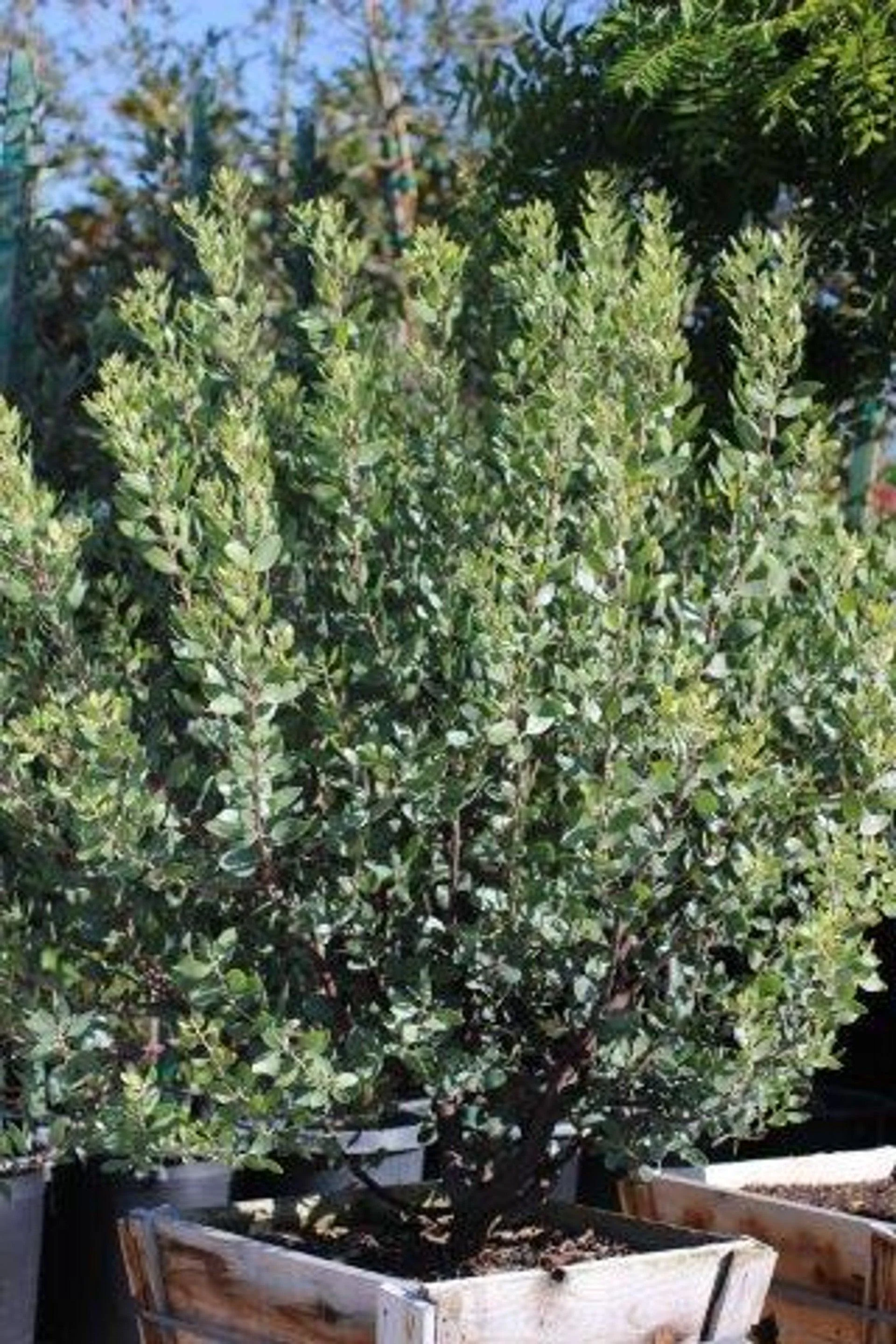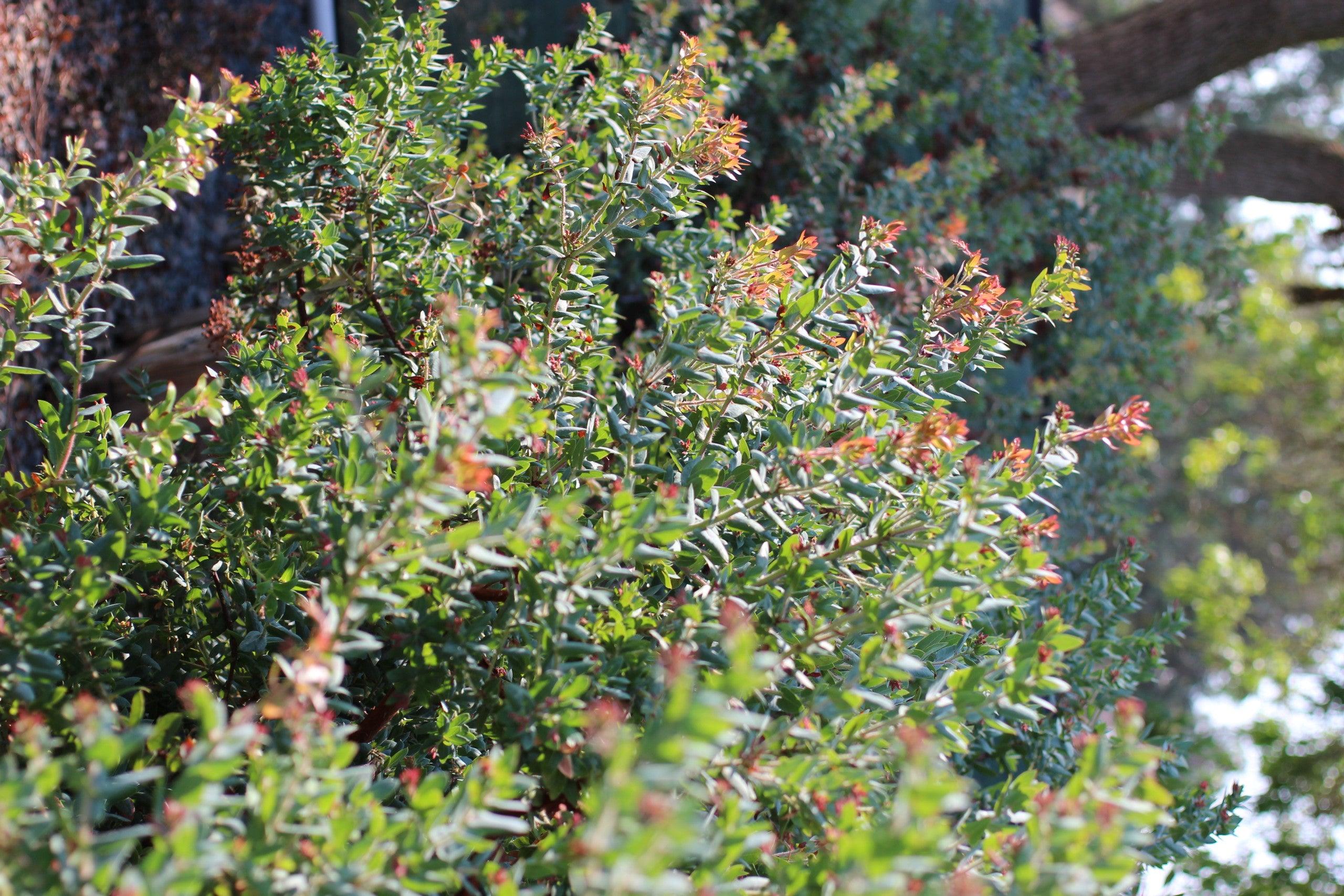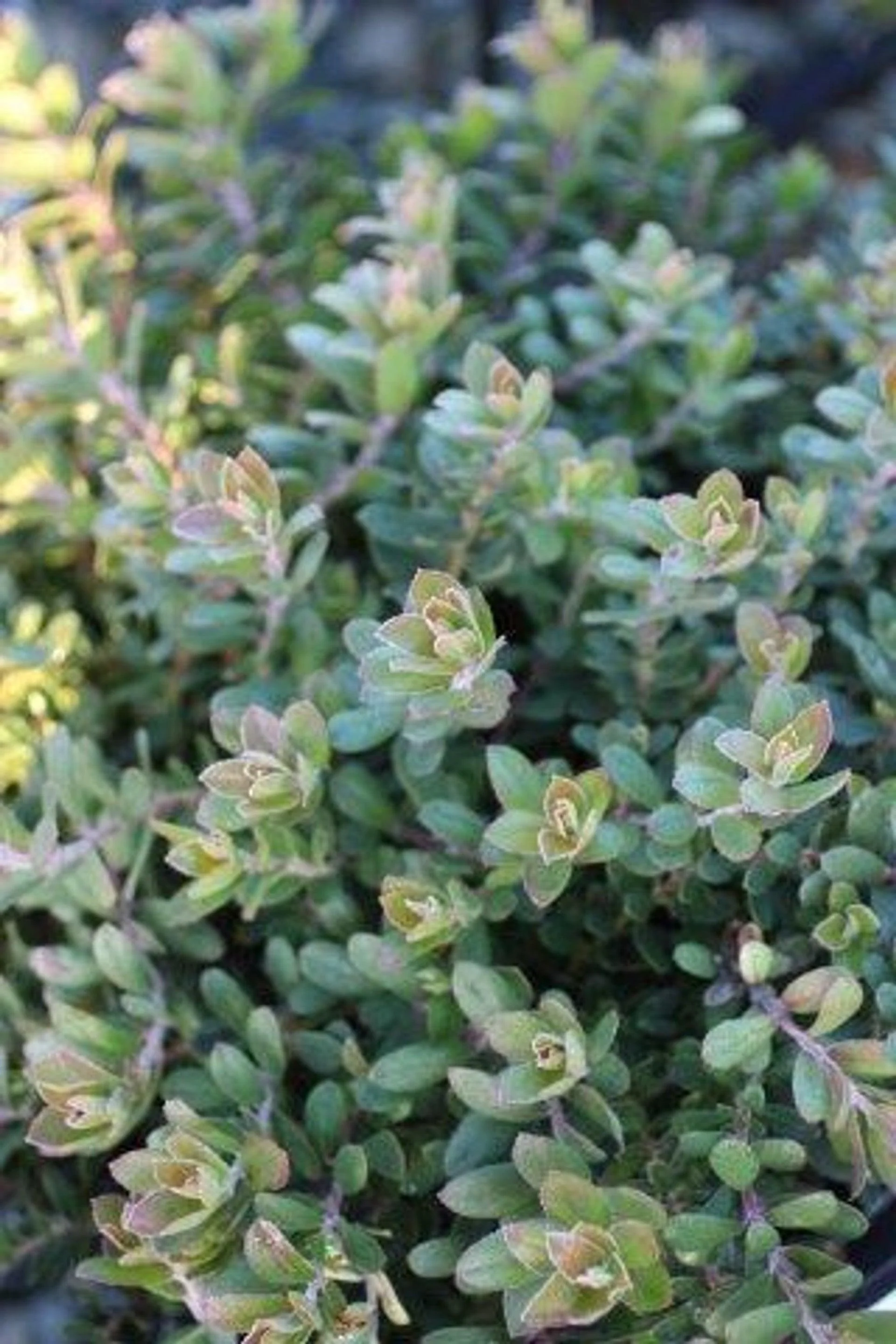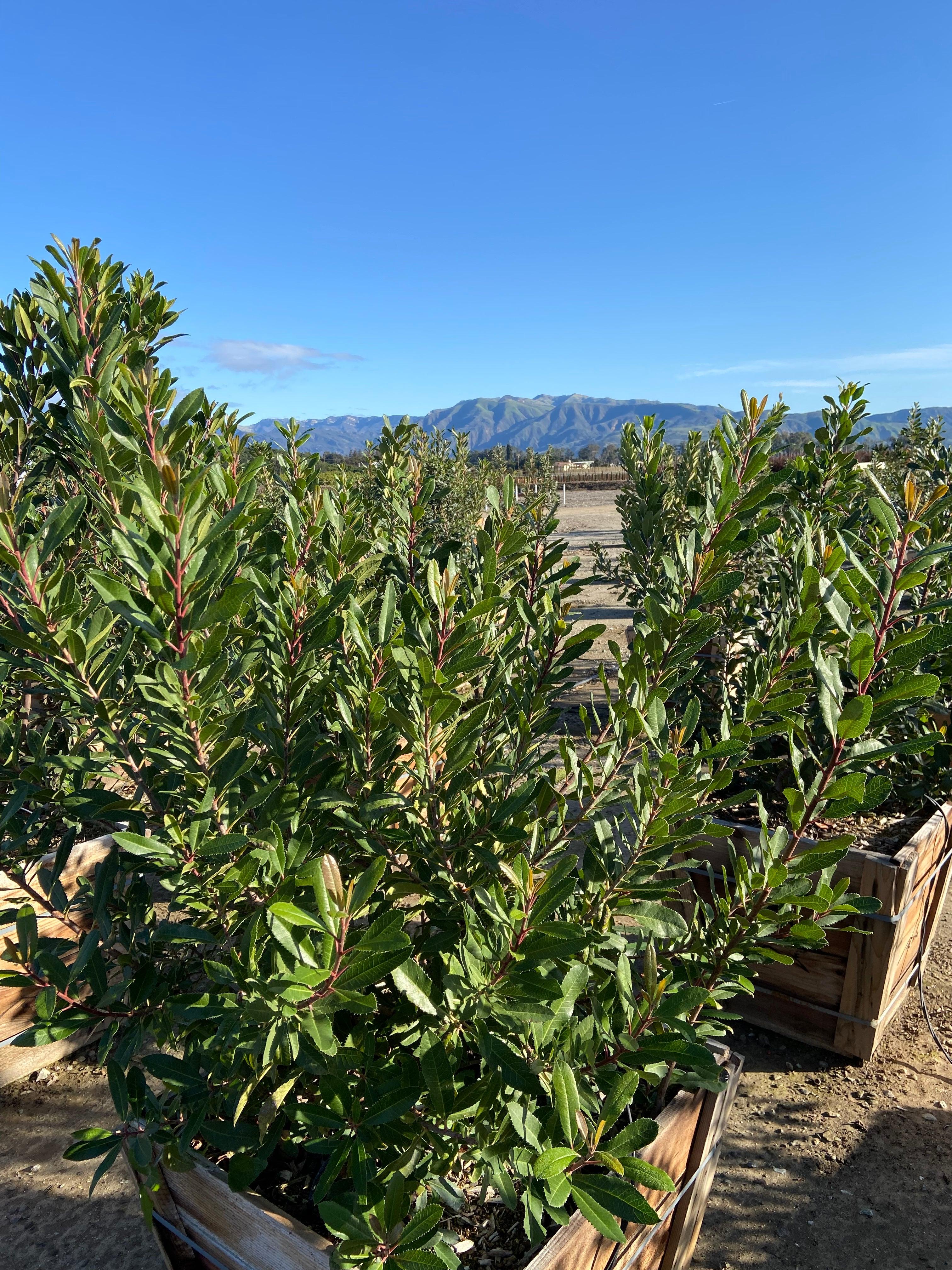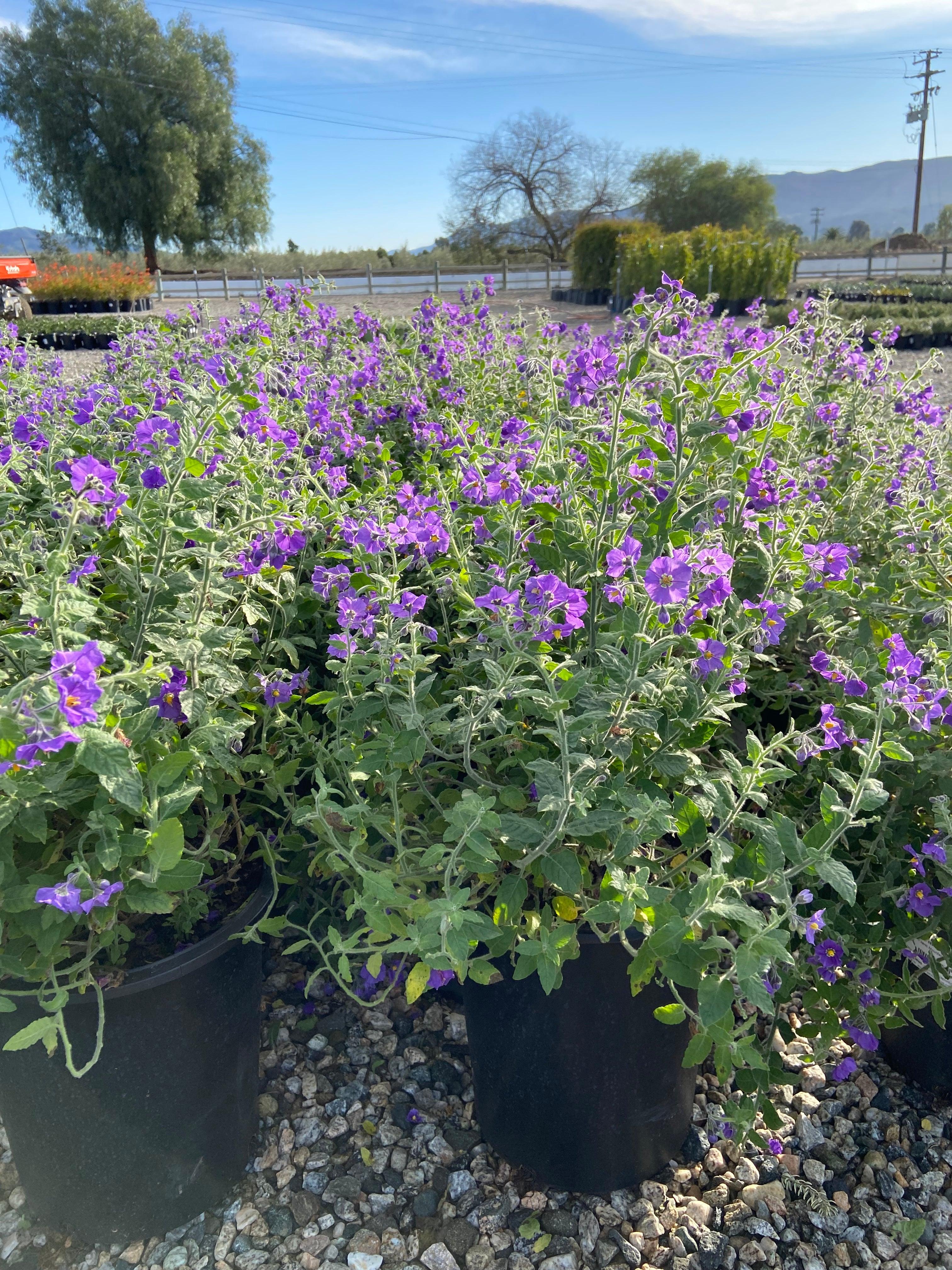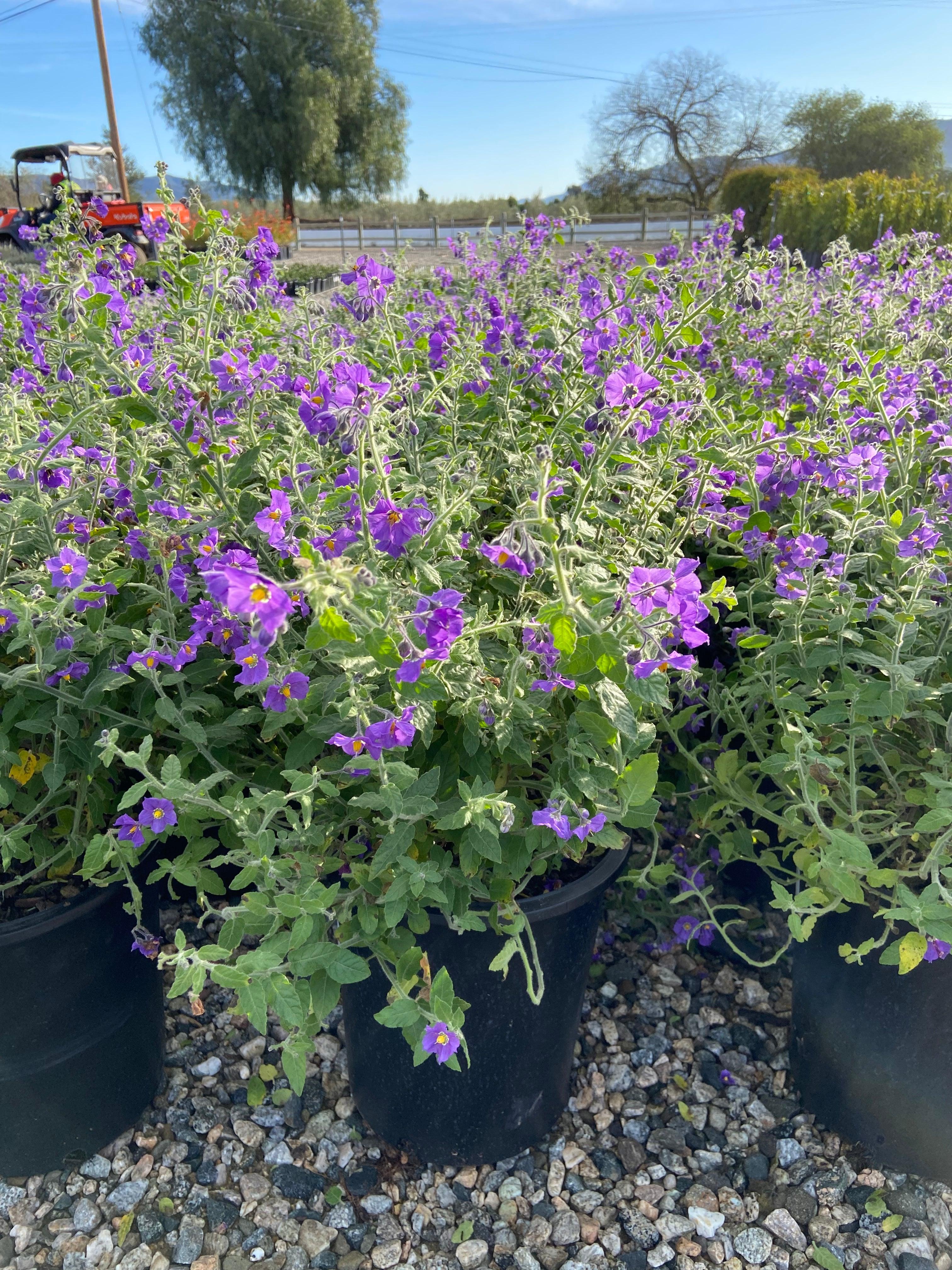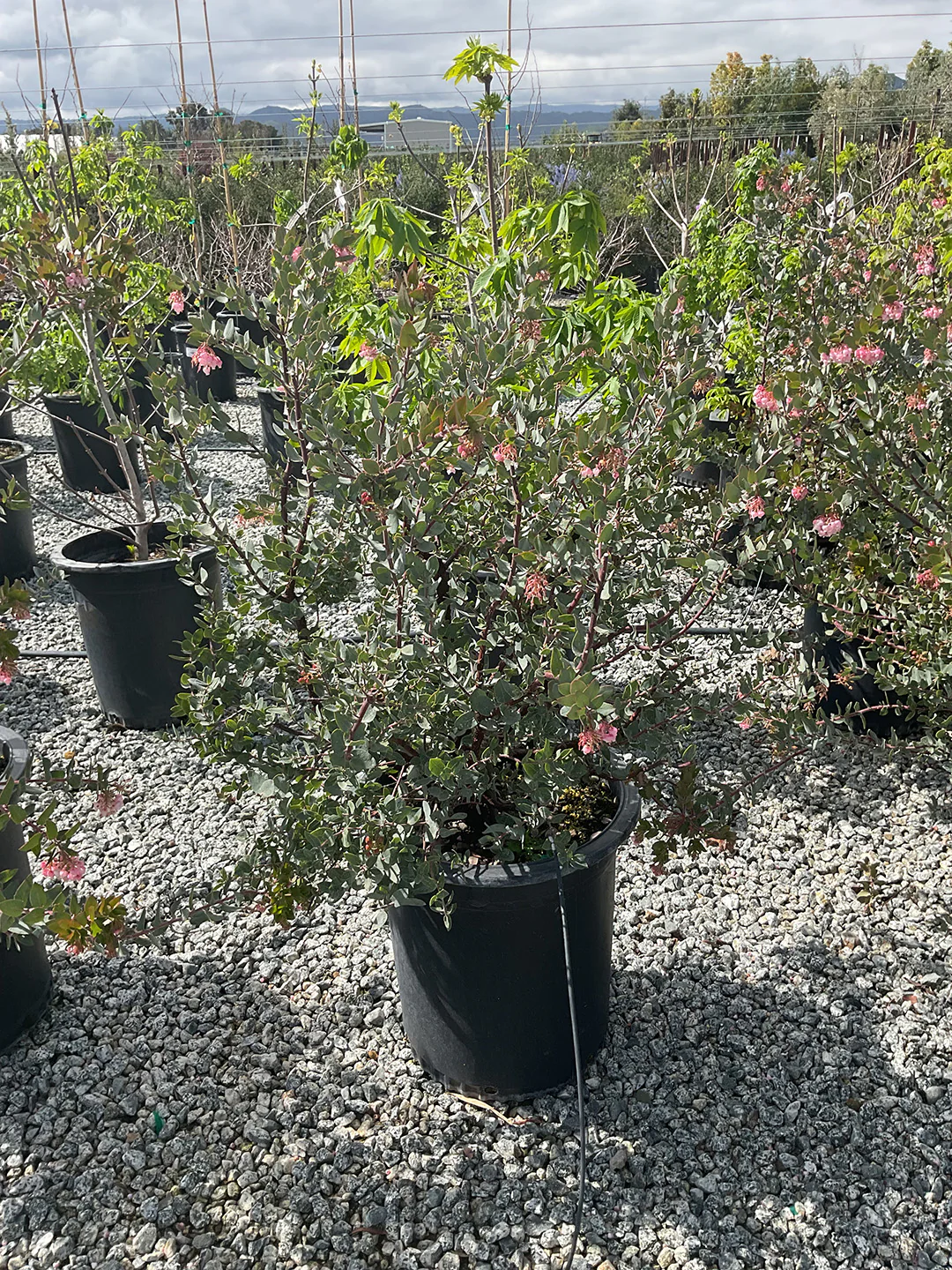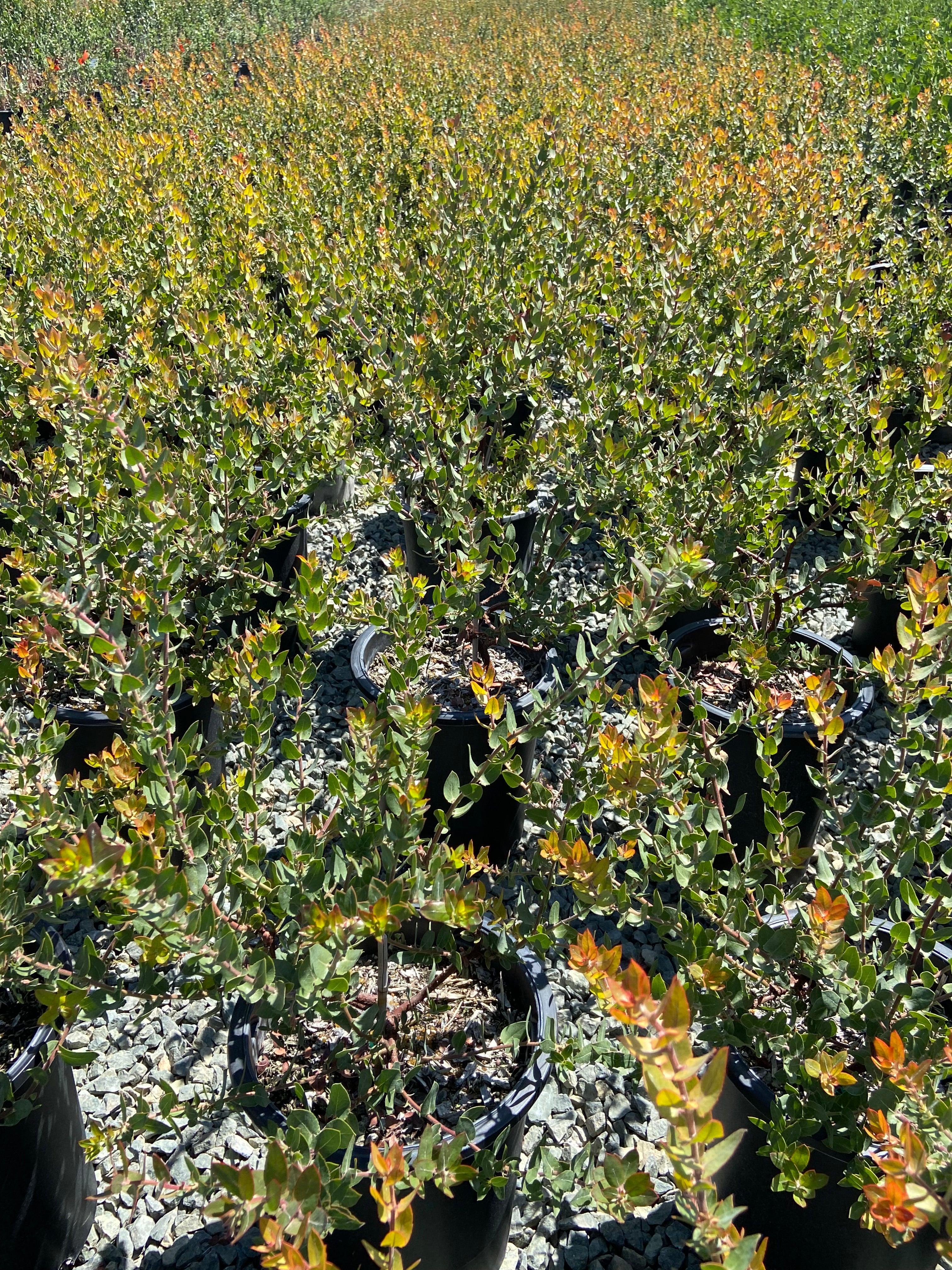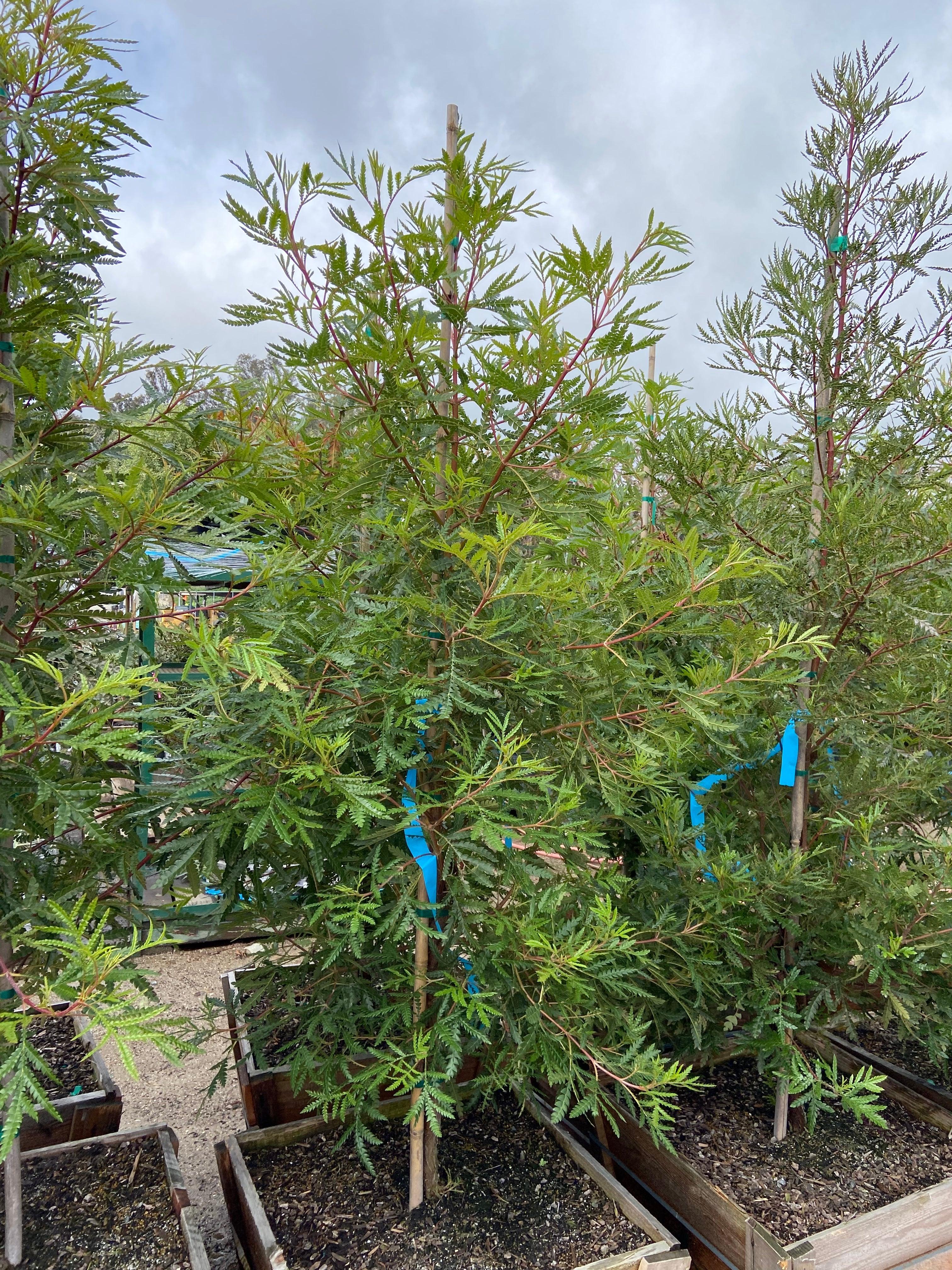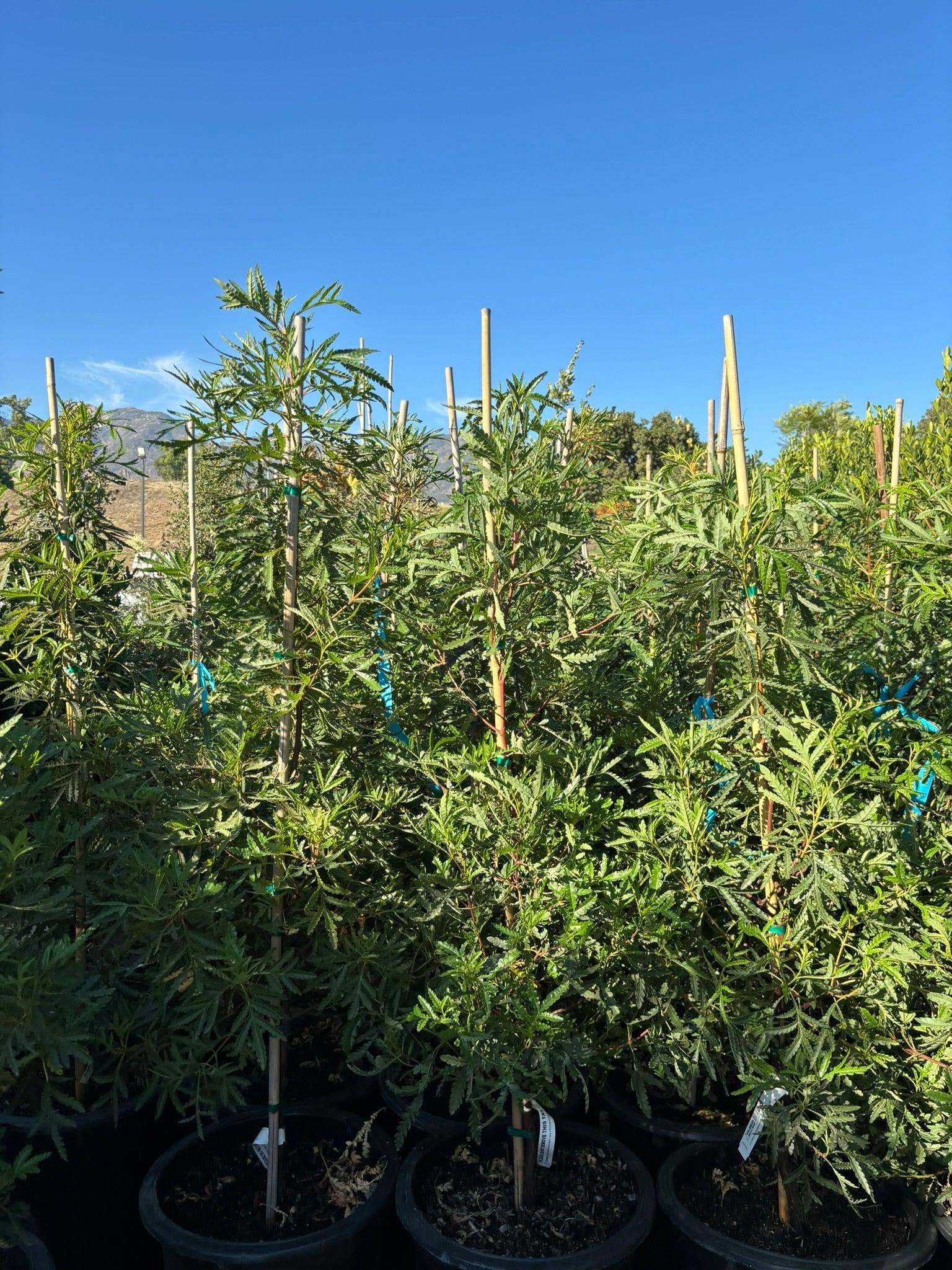
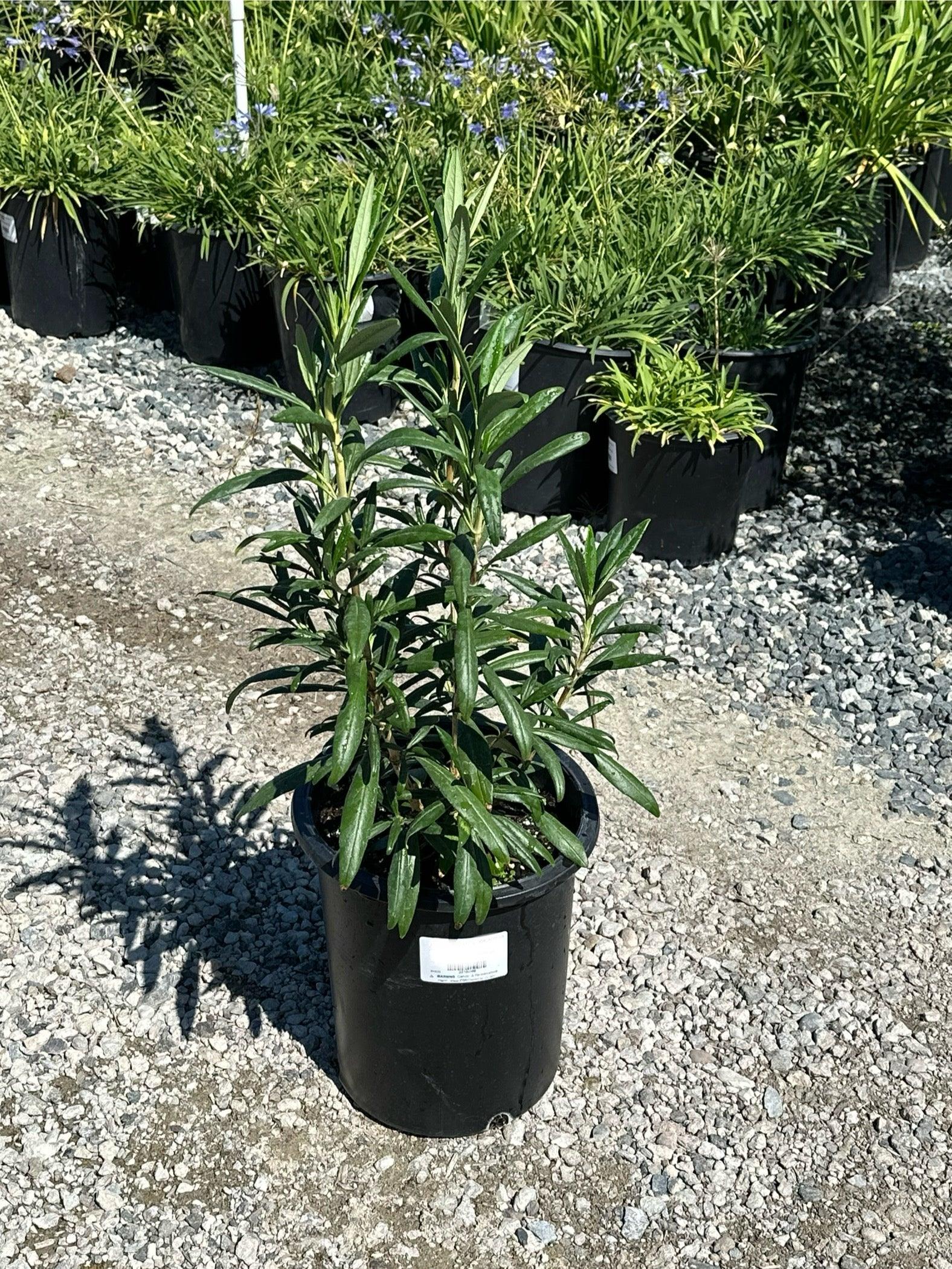
Carpenteria californica ‘Elizabeth’ (California Bush Anemone)
Transform Your Garden with California’s Most Fragrant Native Shrub
Carpenteria californica ‘Elizabeth’ gives you fragrant white flowers, glossy evergreen structure, and dependable low-water performance in one refined California native shrub. Also known as california bush anemone, bush anemone, tree anemone, or elizabeth bush anemone, this plant is selected for gardens that need beauty without heavy irrigation or constant pruning.
This rare evergreen shrub is endemic to the Sierra Nevada foothills in California, including the Fresno region, where Carpenteria californica is found on dry, rocky slopes. The genus was named for William Marbury Carpenter, and the ‘Elizabeth’ cultivar was selected for reliable cultivation in native, Mediterranean, and water-wise gardens.
Expect masses of fragrant white flowers with bright yellow stamens from late spring into early summer, often continuing through June and July. With dark green foliage, a compact growth habit, and strong drought tolerant performance once established, Carpenteria californica ‘Elizabeth’ brings authentic California character to native borders, hedges, specimen plantings, and dry garden designs.
Why You’ll Love Carpenteria californica ‘Elizabeth’
-
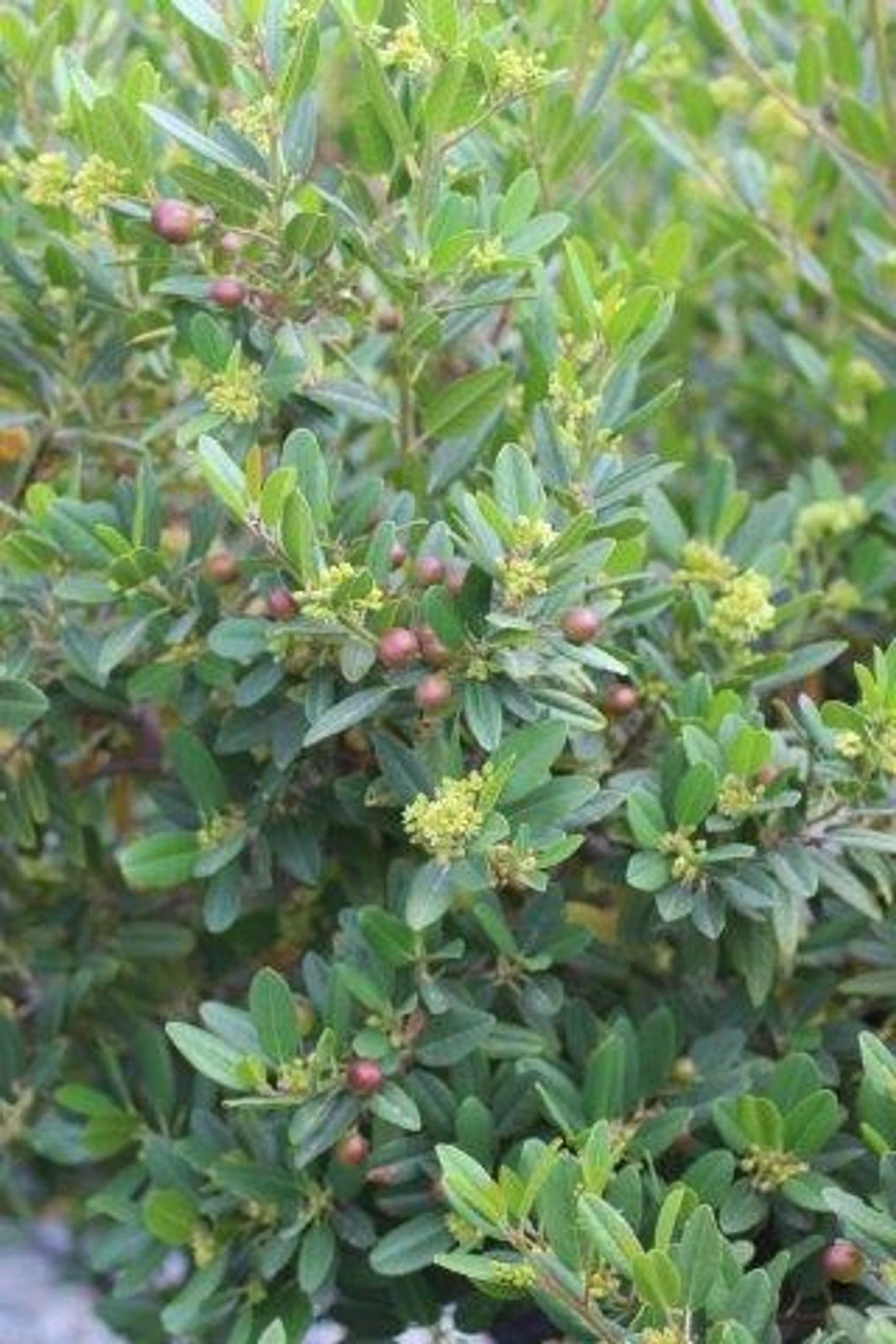
Stunning Fragrant Blooms – Carpenteria californica ‘Elizabeth’ produces fragrant white flowers with yellow centers in clusters of up to 20 from May to July. Each flower is about 1.5 inches across, smaller than some species blooms, but ‘Elizabeth’ is more floriferous than the species, creating a fuller display at the branch tips.
-
True California Native – Carpenteria californica, commonly known as Bush Anemone or Tree Anemone, is a rare evergreen shrub endemic to the Sierra Nevada foothills in California. This california native is ideal when you want a plant with real regional identity rather than a generic shrub that struggles in local sun, soil, and summer dry conditions.
-
Low Water Requirements – This plant is drought tolerant once established, appreciates occasional watering during hot, dry periods, and does not tolerate wet soils. During the first year, regular deep watering supports root growth; after the plant is established, reduce watering and avoid waterlogged soil.
-
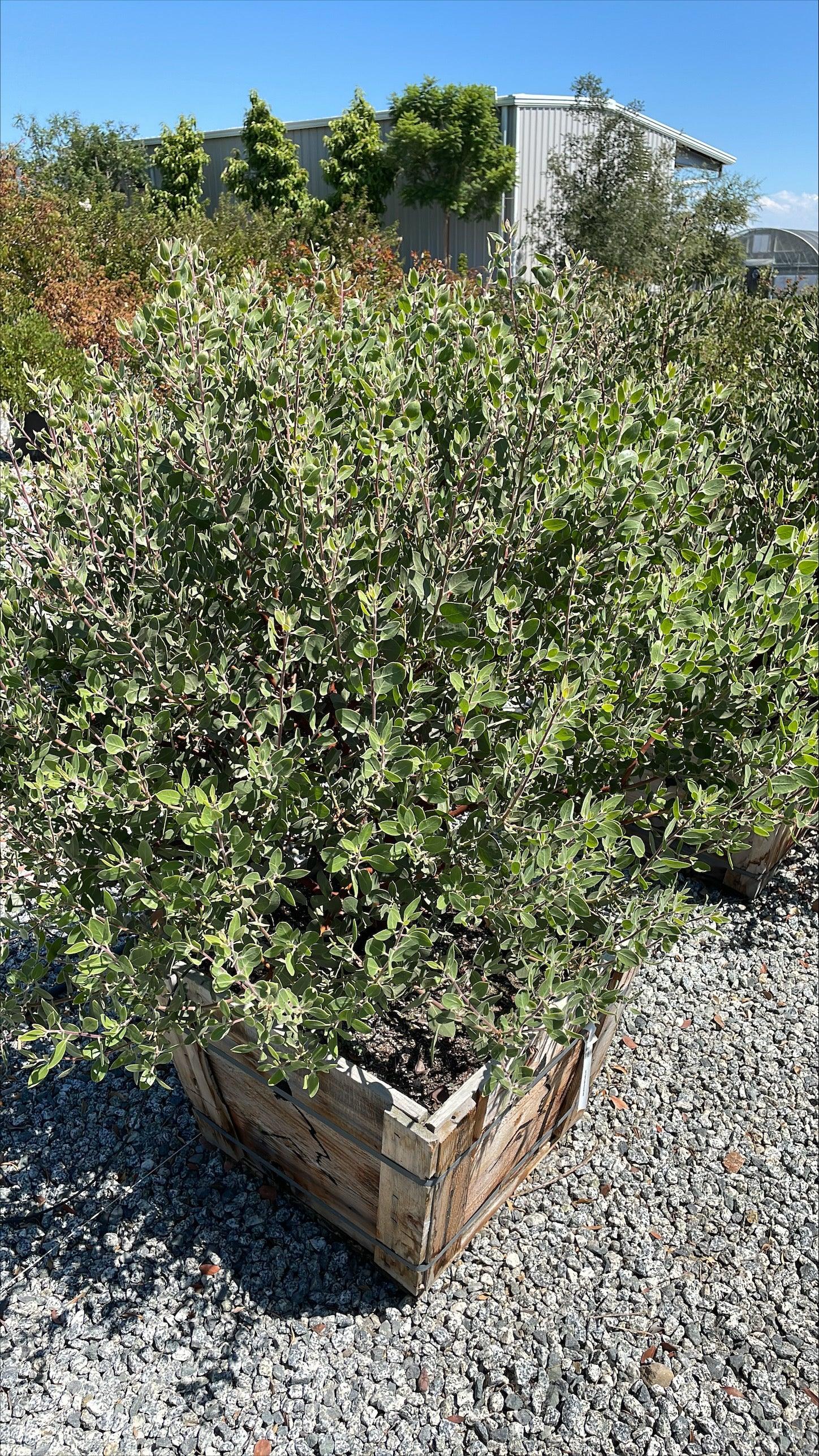
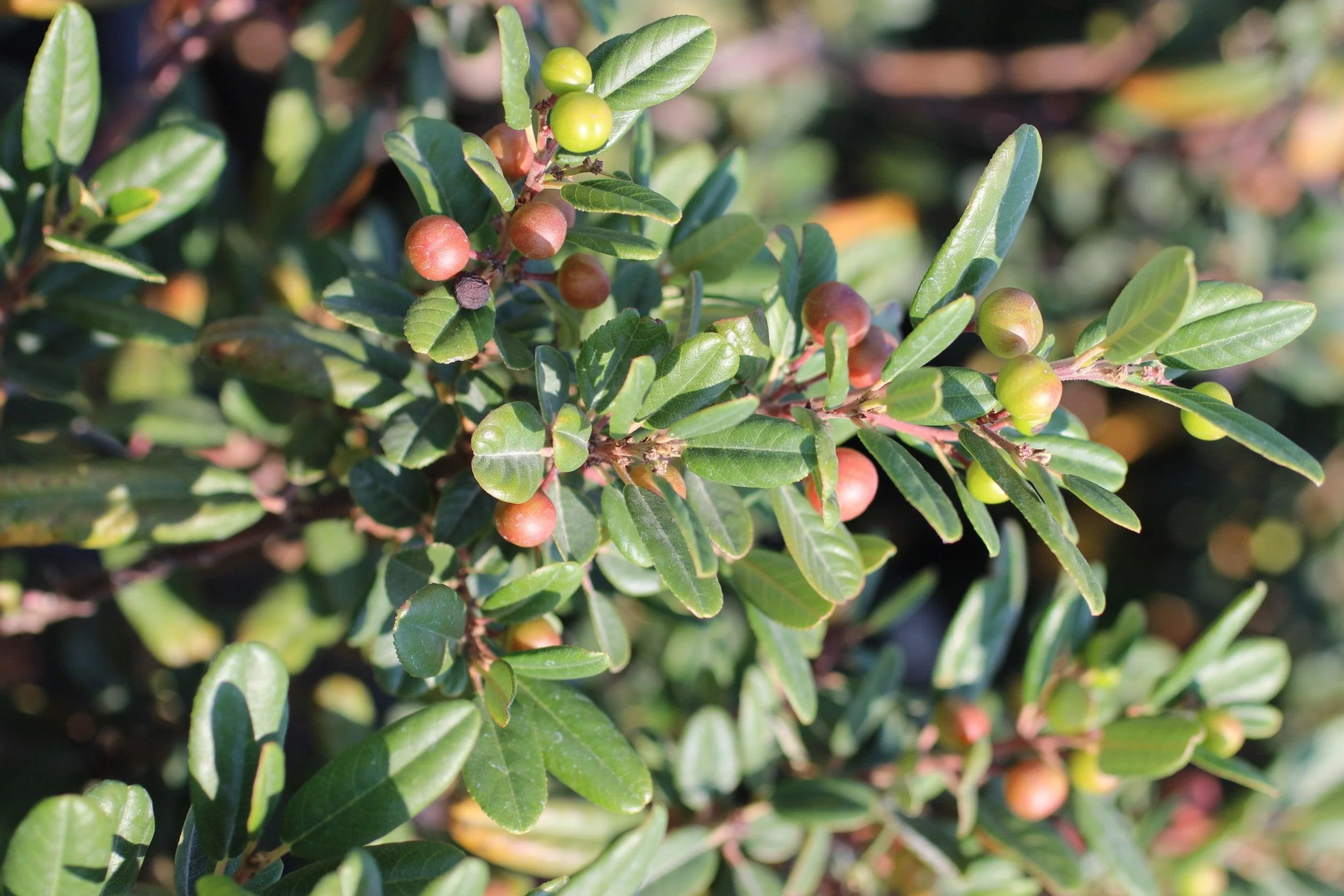
Year-Round Beauty – The shrub features thick, leathery, lance-shaped leaves that are glossy dark green on top with smooth white hairs underneath. Vertically inclined stems and attractive peeling tan bark add subtle detail, while the evergreen shrub keeps dense structure through fall, winter, spring, and summer.
-
Wildlife Friendly – Carpenteria californica attracts bees and hummingbirds, and the flowers are also useful for pollinator-friendly gardens. Its bitter foliage deters deer, and ‘Elizabeth’ is highly resistant to deer, fire, and has better resistance to disease and Verticillium wilt than the straight species.
What Makes ‘Elizabeth’ Different
Most garden centers offer ornamental shrubs that look good on the page but need too much shade, water, fertilizer, or pest management to perform well in California landscapes. Carpenteria californica ‘Elizabeth’ is different because it is a cultivar selected for cultivation, compact shape, stronger garden reliability, and a generous bloom display in ideal conditions.
-
Enhanced Flower Display – While the species can produce larger individual blooms, ‘Elizabeth’ is more floriferous than the species and produces smaller flowers measuring around 1.5 inches in diameter in abundant clusters. The result is a refined, fragrant display of white flowers with bright yellow stamens from late spring through summer.
-
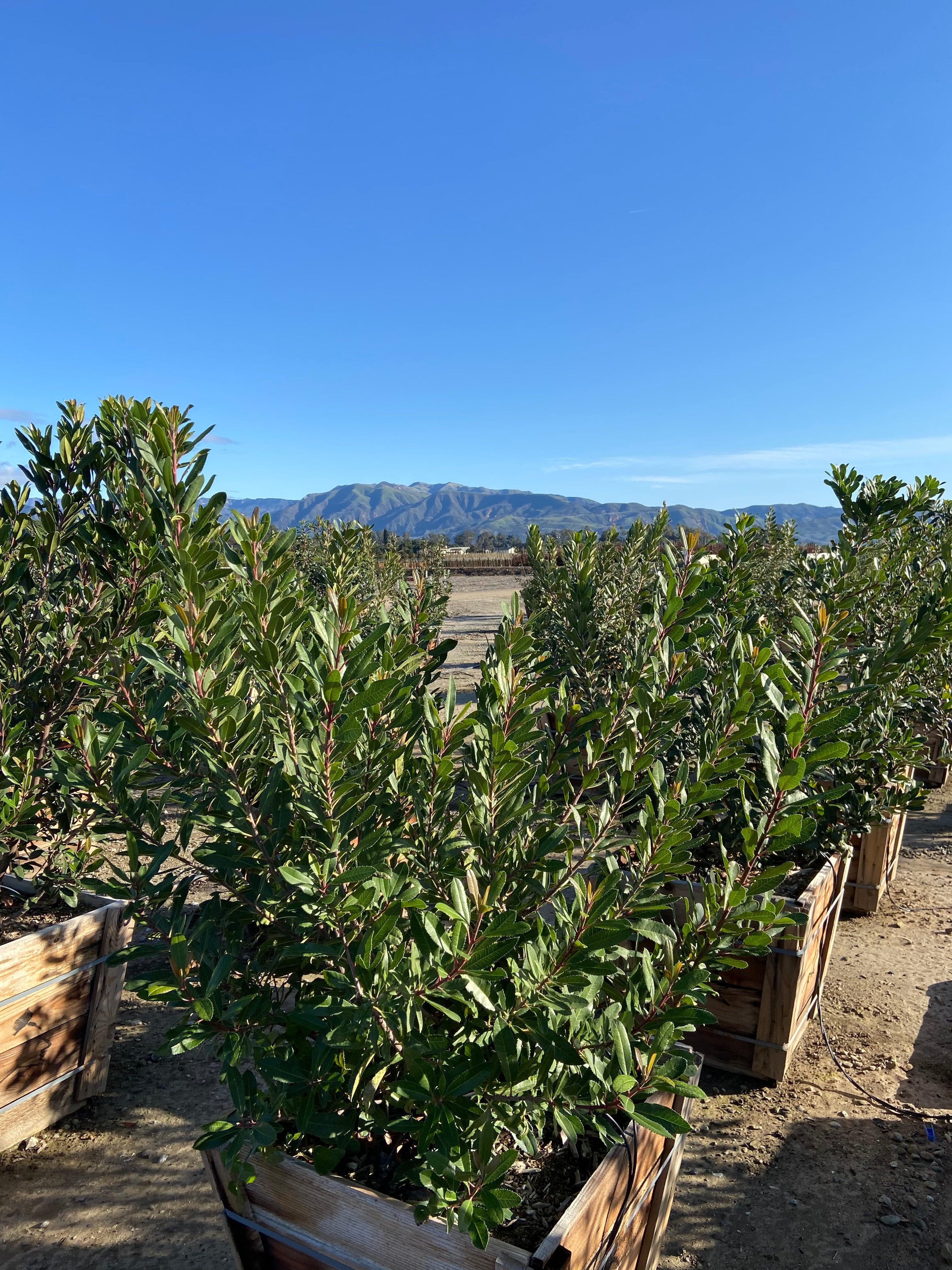
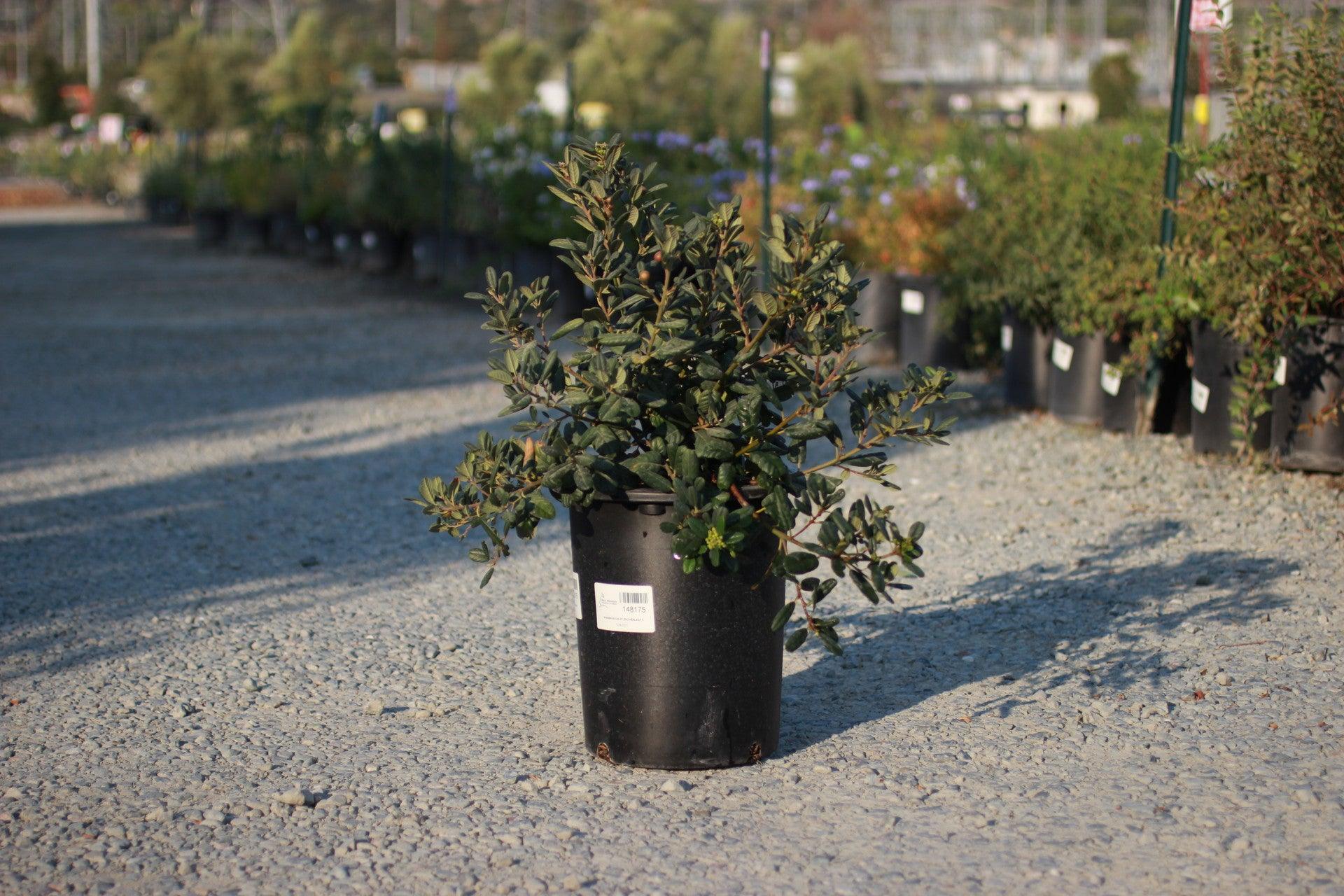
Superior Garden Performance – The ‘Elizabeth’ cultivar is recognized as a highly reliable selection for native, Mediterranean, and water-wise gardens. Carpenteria californica ‘Elizabeth’ is a native evergreen shrub that typically grows 5 to 7 feet tall and 3 to 4 feet wide, with a narrow upright appearance and a compact growth habit that fits smaller garden spaces.
-
Rare Availability – Carpenteria californica is a rare california native species, but ‘Elizabeth’ gives gardeners access to a nursery-grown selection that is both beautiful and practical. The plant is ideal for Mediterranean gardens, native borders, hedges, or used as a specimen plant near patios, entries, and paths where its fragrant flowers can be enjoyed up close.
How to grow with Carpenteria californica ‘Elizabeth’
-
Choose the Right Spot
Plant Carpenteria californica ‘Elizabeth’ in well-draining soil with filtered sun, light shade, or morning sun and afternoon shade. Carpenteria californica prefers full sun along cooler coastal regions, but Carpenteria californica requires afternoon shade in hotter inland climates to prevent leaf burn. Along the coast, more sun is usually acceptable; in hot inland gardens, shade in the afternoon helps preserve the dark green foliage. -
Establish Properly
Carpenteria californica thrives in sandy to loamy, well-draining soil and prefers full sun exposure, although Carpenteria californica can benefit from some afternoon shade in hotter conditions. Water regularly during the first year, especially through warm weather, then shift to occasional deep watering once the plant is established. This drought tolerant shrub does best when the soil dries between waterings and should not sit in wet soils. -
Enjoy the Results
With the right sun, shade, water, and drainage balance, ‘Elizabeth’ develops a naturally narrow, upright, compact shape and produces fragrant flowers at the branch tips in late spring, June, and July. Bees, hummingbirds, and other pollinators visit the flowers, while deer generally leave the bitter foliage alone. -
Prune Lightly After Bloom
Carpenteria californica pruning should be conducted immediately after flowering in summer to maintain shape and remove spent flowers. Avoid heavy cuts into older wood; light pruning after bloom keeps the plant dense, attractive, and in scale without forcing unnatural growth.
Plant Specifications
-
Mature Size: Carpenteria californica typically grows 4 to 7 feet tall and 3 to 4 feet wide. Carpenteria californica ‘Elizabeth’ typically grows 5 to 7 feet tall and 3 to 4 feet wide with a narrow upright appearance; in landscape planning, allow up to about 6 feet of height and width where ideal conditions encourage fuller growth.
-
Hardiness Zones: Carpenteria californica is hardy in USDA Zones 8-10, with Sunset Zones 5-9 and 14-24 commonly used for California garden planning.
-
Sun Requirements: Full sun along the cooler coast; filtered sun, light shade, or afternoon shade in hot inland climates to reduce leaf burn.
-
Water Needs: Low to moderate once established. Carpenteria californica is drought tolerant once established but appreciates occasional watering during hot, dry periods, and Carpenteria californica does not tolerate wet soils.
-
Bloom Time: Late spring through summer, typically May to July, with peak flowering often in early summer.
-
Flowers: Fragrant white flowers with yellow centers and bright yellow stamens, borne in clusters of up to 20 at the branch tips.
-
Foliage: Thick, leathery, lance-shaped leaves that are glossy dark green on top with smooth white hairs underneath.
-
Bark and Stems: Vertically inclined stems with attractive peeling tan bark.
-
Soil Type: Sandy to loamy, well-draining soil is preferred; granite-based or rocky soils are excellent when drainage is sharp.
-
Growth Rate: Moderate growth; allow several seasons for the shrub to reach mature form.
-
Resilience: Highly resistant to deer, fire, disease, and Verticillium wilt compared with the straight species.
-
Pest Notes: Carpenteria californica is susceptible to aphids, especially when under stress, and aphids can disfigure young growing buds if not managed early. Scale insects can also be problematic for Carpenteria californica, and addressing the underlying causes of plant stress is crucial for management.
-
Treatment Notes: Insecticidal soaps and oils are effective treatments for aphids if caught early, but large infestations require more comprehensive management strategies.
Perfect For These California Gardens
Ideal for:
-
Homeowners creating authentic California native plant landscapes
-
Water-wise gardeners seeking a beautiful drought tolerant evergreen shrub
-
Wildlife enthusiasts wanting to support bees, hummingbirds, and local pollinators
-
Gardeners in foothill, Central Valley, and coastal regions who can provide well-draining soil
-
Mediterranean gardens, native borders, informal hedges, and specimen plantings
Carpenteria californica ‘Elizabeth’ is especially useful where you want a compact, glossy, fragrant shrub that can anchor a planting without looking stiff. Use californica elizabeth near a patio, along a path, in a native border, or as a loose hedge where the white flowers and dark green leaves can be appreciated throughout the year.
Frequently Asked Questions
How fast does Carpenteria californica ‘Elizabeth’ grow?
Carpenteria californica ‘Elizabeth’ has a moderate growth rate. Under ideal conditions, the plant develops noticeable size within a few years and matures into a narrow upright shrub, typically 5 to 7 feet tall and 3 to 4 feet wide.
Does it need special soil conditions?
Carpenteria californica thrives in sandy to loamy, well-draining soil. The plant tolerates dry, rocky, granite-influenced soils well, but Carpenteria californica does not tolerate wet soils or poor drainage. If your garden has heavy clay, improve drainage or plant on a slope or mound.
When is the best time to plant?
Fall is often the best planting season in California because cooler weather and winter rain help new growth establish before hot summer weather. Spring planting can also work, but the plant will need more careful watering through the first summer.
How much water does it really need?
Water regularly during the first year so the root system can establish. Once established, Carpenteria californica ‘Elizabeth’ is drought tolerant and needs only occasional deep watering during hot, dry periods. Overwatering is more likely to cause decline than dry conditions.
Will it survive California’s summer heat?
Yes, with the right placement. Carpenteria californica prefers full sun along cooler coastal regions, but requires afternoon shade in hotter inland climates to prevent leaf burn. Filtered sun or morning sun with afternoon shade is often the safest choice for hot interior gardens.
Is Carpenteria californica ‘Elizabeth’ deer resistant?
Yes. Carpenteria californica attracts bees and hummingbirds, and its bitter foliage deters deer. ‘Elizabeth’ is also highly resistant to deer and fire, with better disease resistance and better Verticillium wilt resistance than the straight species.
What pests should I watch for?
Carpenteria californica is susceptible to aphids, especially when under stress, and aphids can disfigure young growing buds if not managed early. Scale insects can also be problematic for Carpenteria californica, and reducing plant stress through correct sun, shade, water, and soil conditions is crucial for management. Insecticidal soaps and oils are effective treatments for aphids if caught early, but large infestations require more comprehensive management strategies.
Ready to Add California Beauty to Your Landscape?
Choose Carpenteria californica ‘Elizabeth’ if you want a rare, fragrant, drought tolerant california native with glossy evergreen foliage, bright spring-to-summer flowers, and dependable performance in water-wise gardens.
Yardwork can help you select the right plant, confirm proper placement, and plan care for your specific site conditions. Ask about California shipping options, consultation services, and guarantee details when you order.
Original: $85.00
-65%$85.00
$29.75Carpenteria californica ‘Elizabeth’ (California Bush Anemone)
Transform Your Garden with California’s Most Fragrant Native Shrub
Carpenteria californica ‘Elizabeth’ gives you fragrant white flowers, glossy evergreen structure, and dependable low-water performance in one refined California native shrub. Also known as california bush anemone, bush anemone, tree anemone, or elizabeth bush anemone, this plant is selected for gardens that need beauty without heavy irrigation or constant pruning.
This rare evergreen shrub is endemic to the Sierra Nevada foothills in California, including the Fresno region, where Carpenteria californica is found on dry, rocky slopes. The genus was named for William Marbury Carpenter, and the ‘Elizabeth’ cultivar was selected for reliable cultivation in native, Mediterranean, and water-wise gardens.
Expect masses of fragrant white flowers with bright yellow stamens from late spring into early summer, often continuing through June and July. With dark green foliage, a compact growth habit, and strong drought tolerant performance once established, Carpenteria californica ‘Elizabeth’ brings authentic California character to native borders, hedges, specimen plantings, and dry garden designs.
Why You’ll Love Carpenteria californica ‘Elizabeth’
-
Stunning Fragrant Blooms – Carpenteria californica ‘Elizabeth’ produces fragrant white flowers with yellow centers in clusters of up to 20 from May to July. Each flower is about 1.5 inches across, smaller than some species blooms, but ‘Elizabeth’ is more floriferous than the species, creating a fuller display at the branch tips.
-
True California Native – Carpenteria californica, commonly known as Bush Anemone or Tree Anemone, is a rare evergreen shrub endemic to the Sierra Nevada foothills in California. This california native is ideal when you want a plant with real regional identity rather than a generic shrub that struggles in local sun, soil, and summer dry conditions.
-
Low Water Requirements – This plant is drought tolerant once established, appreciates occasional watering during hot, dry periods, and does not tolerate wet soils. During the first year, regular deep watering supports root growth; after the plant is established, reduce watering and avoid waterlogged soil.
-
Year-Round Beauty – The shrub features thick, leathery, lance-shaped leaves that are glossy dark green on top with smooth white hairs underneath. Vertically inclined stems and attractive peeling tan bark add subtle detail, while the evergreen shrub keeps dense structure through fall, winter, spring, and summer.
-
Wildlife Friendly – Carpenteria californica attracts bees and hummingbirds, and the flowers are also useful for pollinator-friendly gardens. Its bitter foliage deters deer, and ‘Elizabeth’ is highly resistant to deer, fire, and has better resistance to disease and Verticillium wilt than the straight species.
What Makes ‘Elizabeth’ Different
Most garden centers offer ornamental shrubs that look good on the page but need too much shade, water, fertilizer, or pest management to perform well in California landscapes. Carpenteria californica ‘Elizabeth’ is different because it is a cultivar selected for cultivation, compact shape, stronger garden reliability, and a generous bloom display in ideal conditions.
-
Enhanced Flower Display – While the species can produce larger individual blooms, ‘Elizabeth’ is more floriferous than the species and produces smaller flowers measuring around 1.5 inches in diameter in abundant clusters. The result is a refined, fragrant display of white flowers with bright yellow stamens from late spring through summer.
-
Superior Garden Performance – The ‘Elizabeth’ cultivar is recognized as a highly reliable selection for native, Mediterranean, and water-wise gardens. Carpenteria californica ‘Elizabeth’ is a native evergreen shrub that typically grows 5 to 7 feet tall and 3 to 4 feet wide, with a narrow upright appearance and a compact growth habit that fits smaller garden spaces.
-
Rare Availability – Carpenteria californica is a rare california native species, but ‘Elizabeth’ gives gardeners access to a nursery-grown selection that is both beautiful and practical. The plant is ideal for Mediterranean gardens, native borders, hedges, or used as a specimen plant near patios, entries, and paths where its fragrant flowers can be enjoyed up close.
How to grow with Carpenteria californica ‘Elizabeth’
-
Choose the Right Spot
Plant Carpenteria californica ‘Elizabeth’ in well-draining soil with filtered sun, light shade, or morning sun and afternoon shade. Carpenteria californica prefers full sun along cooler coastal regions, but Carpenteria californica requires afternoon shade in hotter inland climates to prevent leaf burn. Along the coast, more sun is usually acceptable; in hot inland gardens, shade in the afternoon helps preserve the dark green foliage. -
Establish Properly
Carpenteria californica thrives in sandy to loamy, well-draining soil and prefers full sun exposure, although Carpenteria californica can benefit from some afternoon shade in hotter conditions. Water regularly during the first year, especially through warm weather, then shift to occasional deep watering once the plant is established. This drought tolerant shrub does best when the soil dries between waterings and should not sit in wet soils. -
Enjoy the Results
With the right sun, shade, water, and drainage balance, ‘Elizabeth’ develops a naturally narrow, upright, compact shape and produces fragrant flowers at the branch tips in late spring, June, and July. Bees, hummingbirds, and other pollinators visit the flowers, while deer generally leave the bitter foliage alone. -
Prune Lightly After Bloom
Carpenteria californica pruning should be conducted immediately after flowering in summer to maintain shape and remove spent flowers. Avoid heavy cuts into older wood; light pruning after bloom keeps the plant dense, attractive, and in scale without forcing unnatural growth.
Plant Specifications
-
Mature Size: Carpenteria californica typically grows 4 to 7 feet tall and 3 to 4 feet wide. Carpenteria californica ‘Elizabeth’ typically grows 5 to 7 feet tall and 3 to 4 feet wide with a narrow upright appearance; in landscape planning, allow up to about 6 feet of height and width where ideal conditions encourage fuller growth.
-
Hardiness Zones: Carpenteria californica is hardy in USDA Zones 8-10, with Sunset Zones 5-9 and 14-24 commonly used for California garden planning.
-
Sun Requirements: Full sun along the cooler coast; filtered sun, light shade, or afternoon shade in hot inland climates to reduce leaf burn.
-
Water Needs: Low to moderate once established. Carpenteria californica is drought tolerant once established but appreciates occasional watering during hot, dry periods, and Carpenteria californica does not tolerate wet soils.
-
Bloom Time: Late spring through summer, typically May to July, with peak flowering often in early summer.
-
Flowers: Fragrant white flowers with yellow centers and bright yellow stamens, borne in clusters of up to 20 at the branch tips.
-
Foliage: Thick, leathery, lance-shaped leaves that are glossy dark green on top with smooth white hairs underneath.
-
Bark and Stems: Vertically inclined stems with attractive peeling tan bark.
-
Soil Type: Sandy to loamy, well-draining soil is preferred; granite-based or rocky soils are excellent when drainage is sharp.
-
Growth Rate: Moderate growth; allow several seasons for the shrub to reach mature form.
-
Resilience: Highly resistant to deer, fire, disease, and Verticillium wilt compared with the straight species.
-
Pest Notes: Carpenteria californica is susceptible to aphids, especially when under stress, and aphids can disfigure young growing buds if not managed early. Scale insects can also be problematic for Carpenteria californica, and addressing the underlying causes of plant stress is crucial for management.
-
Treatment Notes: Insecticidal soaps and oils are effective treatments for aphids if caught early, but large infestations require more comprehensive management strategies.
Perfect For These California Gardens
Ideal for:
-
Homeowners creating authentic California native plant landscapes
-
Water-wise gardeners seeking a beautiful drought tolerant evergreen shrub
-
Wildlife enthusiasts wanting to support bees, hummingbirds, and local pollinators
-
Gardeners in foothill, Central Valley, and coastal regions who can provide well-draining soil
-
Mediterranean gardens, native borders, informal hedges, and specimen plantings
Carpenteria californica ‘Elizabeth’ is especially useful where you want a compact, glossy, fragrant shrub that can anchor a planting without looking stiff. Use californica elizabeth near a patio, along a path, in a native border, or as a loose hedge where the white flowers and dark green leaves can be appreciated throughout the year.
Frequently Asked Questions
How fast does Carpenteria californica ‘Elizabeth’ grow?
Carpenteria californica ‘Elizabeth’ has a moderate growth rate. Under ideal conditions, the plant develops noticeable size within a few years and matures into a narrow upright shrub, typically 5 to 7 feet tall and 3 to 4 feet wide.
Does it need special soil conditions?
Carpenteria californica thrives in sandy to loamy, well-draining soil. The plant tolerates dry, rocky, granite-influenced soils well, but Carpenteria californica does not tolerate wet soils or poor drainage. If your garden has heavy clay, improve drainage or plant on a slope or mound.
When is the best time to plant?
Fall is often the best planting season in California because cooler weather and winter rain help new growth establish before hot summer weather. Spring planting can also work, but the plant will need more careful watering through the first summer.
How much water does it really need?
Water regularly during the first year so the root system can establish. Once established, Carpenteria californica ‘Elizabeth’ is drought tolerant and needs only occasional deep watering during hot, dry periods. Overwatering is more likely to cause decline than dry conditions.
Will it survive California’s summer heat?
Yes, with the right placement. Carpenteria californica prefers full sun along cooler coastal regions, but requires afternoon shade in hotter inland climates to prevent leaf burn. Filtered sun or morning sun with afternoon shade is often the safest choice for hot interior gardens.
Is Carpenteria californica ‘Elizabeth’ deer resistant?
Yes. Carpenteria californica attracts bees and hummingbirds, and its bitter foliage deters deer. ‘Elizabeth’ is also highly resistant to deer and fire, with better disease resistance and better Verticillium wilt resistance than the straight species.
What pests should I watch for?
Carpenteria californica is susceptible to aphids, especially when under stress, and aphids can disfigure young growing buds if not managed early. Scale insects can also be problematic for Carpenteria californica, and reducing plant stress through correct sun, shade, water, and soil conditions is crucial for management. Insecticidal soaps and oils are effective treatments for aphids if caught early, but large infestations require more comprehensive management strategies.
Ready to Add California Beauty to Your Landscape?
Choose Carpenteria californica ‘Elizabeth’ if you want a rare, fragrant, drought tolerant california native with glossy evergreen foliage, bright spring-to-summer flowers, and dependable performance in water-wise gardens.
Yardwork can help you select the right plant, confirm proper placement, and plan care for your specific site conditions. Ask about California shipping options, consultation services, and guarantee details when you order.
Product Information
Product Information
Shipping & Returns
Shipping & Returns
Description
Transform Your Garden with California’s Most Fragrant Native Shrub
Carpenteria californica ‘Elizabeth’ gives you fragrant white flowers, glossy evergreen structure, and dependable low-water performance in one refined California native shrub. Also known as california bush anemone, bush anemone, tree anemone, or elizabeth bush anemone, this plant is selected for gardens that need beauty without heavy irrigation or constant pruning.
This rare evergreen shrub is endemic to the Sierra Nevada foothills in California, including the Fresno region, where Carpenteria californica is found on dry, rocky slopes. The genus was named for William Marbury Carpenter, and the ‘Elizabeth’ cultivar was selected for reliable cultivation in native, Mediterranean, and water-wise gardens.
Expect masses of fragrant white flowers with bright yellow stamens from late spring into early summer, often continuing through June and July. With dark green foliage, a compact growth habit, and strong drought tolerant performance once established, Carpenteria californica ‘Elizabeth’ brings authentic California character to native borders, hedges, specimen plantings, and dry garden designs.
Why You’ll Love Carpenteria californica ‘Elizabeth’
-
Stunning Fragrant Blooms – Carpenteria californica ‘Elizabeth’ produces fragrant white flowers with yellow centers in clusters of up to 20 from May to July. Each flower is about 1.5 inches across, smaller than some species blooms, but ‘Elizabeth’ is more floriferous than the species, creating a fuller display at the branch tips.
-
True California Native – Carpenteria californica, commonly known as Bush Anemone or Tree Anemone, is a rare evergreen shrub endemic to the Sierra Nevada foothills in California. This california native is ideal when you want a plant with real regional identity rather than a generic shrub that struggles in local sun, soil, and summer dry conditions.
-
Low Water Requirements – This plant is drought tolerant once established, appreciates occasional watering during hot, dry periods, and does not tolerate wet soils. During the first year, regular deep watering supports root growth; after the plant is established, reduce watering and avoid waterlogged soil.
-
Year-Round Beauty – The shrub features thick, leathery, lance-shaped leaves that are glossy dark green on top with smooth white hairs underneath. Vertically inclined stems and attractive peeling tan bark add subtle detail, while the evergreen shrub keeps dense structure through fall, winter, spring, and summer.
-
Wildlife Friendly – Carpenteria californica attracts bees and hummingbirds, and the flowers are also useful for pollinator-friendly gardens. Its bitter foliage deters deer, and ‘Elizabeth’ is highly resistant to deer, fire, and has better resistance to disease and Verticillium wilt than the straight species.
What Makes ‘Elizabeth’ Different
Most garden centers offer ornamental shrubs that look good on the page but need too much shade, water, fertilizer, or pest management to perform well in California landscapes. Carpenteria californica ‘Elizabeth’ is different because it is a cultivar selected for cultivation, compact shape, stronger garden reliability, and a generous bloom display in ideal conditions.
-
Enhanced Flower Display – While the species can produce larger individual blooms, ‘Elizabeth’ is more floriferous than the species and produces smaller flowers measuring around 1.5 inches in diameter in abundant clusters. The result is a refined, fragrant display of white flowers with bright yellow stamens from late spring through summer.
-
Superior Garden Performance – The ‘Elizabeth’ cultivar is recognized as a highly reliable selection for native, Mediterranean, and water-wise gardens. Carpenteria californica ‘Elizabeth’ is a native evergreen shrub that typically grows 5 to 7 feet tall and 3 to 4 feet wide, with a narrow upright appearance and a compact growth habit that fits smaller garden spaces.
-
Rare Availability – Carpenteria californica is a rare california native species, but ‘Elizabeth’ gives gardeners access to a nursery-grown selection that is both beautiful and practical. The plant is ideal for Mediterranean gardens, native borders, hedges, or used as a specimen plant near patios, entries, and paths where its fragrant flowers can be enjoyed up close.
How to grow with Carpenteria californica ‘Elizabeth’
-
Choose the Right Spot
Plant Carpenteria californica ‘Elizabeth’ in well-draining soil with filtered sun, light shade, or morning sun and afternoon shade. Carpenteria californica prefers full sun along cooler coastal regions, but Carpenteria californica requires afternoon shade in hotter inland climates to prevent leaf burn. Along the coast, more sun is usually acceptable; in hot inland gardens, shade in the afternoon helps preserve the dark green foliage. -
Establish Properly
Carpenteria californica thrives in sandy to loamy, well-draining soil and prefers full sun exposure, although Carpenteria californica can benefit from some afternoon shade in hotter conditions. Water regularly during the first year, especially through warm weather, then shift to occasional deep watering once the plant is established. This drought tolerant shrub does best when the soil dries between waterings and should not sit in wet soils. -
Enjoy the Results
With the right sun, shade, water, and drainage balance, ‘Elizabeth’ develops a naturally narrow, upright, compact shape and produces fragrant flowers at the branch tips in late spring, June, and July. Bees, hummingbirds, and other pollinators visit the flowers, while deer generally leave the bitter foliage alone. -
Prune Lightly After Bloom
Carpenteria californica pruning should be conducted immediately after flowering in summer to maintain shape and remove spent flowers. Avoid heavy cuts into older wood; light pruning after bloom keeps the plant dense, attractive, and in scale without forcing unnatural growth.
Plant Specifications
-
Mature Size: Carpenteria californica typically grows 4 to 7 feet tall and 3 to 4 feet wide. Carpenteria californica ‘Elizabeth’ typically grows 5 to 7 feet tall and 3 to 4 feet wide with a narrow upright appearance; in landscape planning, allow up to about 6 feet of height and width where ideal conditions encourage fuller growth.
-
Hardiness Zones: Carpenteria californica is hardy in USDA Zones 8-10, with Sunset Zones 5-9 and 14-24 commonly used for California garden planning.
-
Sun Requirements: Full sun along the cooler coast; filtered sun, light shade, or afternoon shade in hot inland climates to reduce leaf burn.
-
Water Needs: Low to moderate once established. Carpenteria californica is drought tolerant once established but appreciates occasional watering during hot, dry periods, and Carpenteria californica does not tolerate wet soils.
-
Bloom Time: Late spring through summer, typically May to July, with peak flowering often in early summer.
-
Flowers: Fragrant white flowers with yellow centers and bright yellow stamens, borne in clusters of up to 20 at the branch tips.
-
Foliage: Thick, leathery, lance-shaped leaves that are glossy dark green on top with smooth white hairs underneath.
-
Bark and Stems: Vertically inclined stems with attractive peeling tan bark.
-
Soil Type: Sandy to loamy, well-draining soil is preferred; granite-based or rocky soils are excellent when drainage is sharp.
-
Growth Rate: Moderate growth; allow several seasons for the shrub to reach mature form.
-
Resilience: Highly resistant to deer, fire, disease, and Verticillium wilt compared with the straight species.
-
Pest Notes: Carpenteria californica is susceptible to aphids, especially when under stress, and aphids can disfigure young growing buds if not managed early. Scale insects can also be problematic for Carpenteria californica, and addressing the underlying causes of plant stress is crucial for management.
-
Treatment Notes: Insecticidal soaps and oils are effective treatments for aphids if caught early, but large infestations require more comprehensive management strategies.
Perfect For These California Gardens
Ideal for:
-
Homeowners creating authentic California native plant landscapes
-
Water-wise gardeners seeking a beautiful drought tolerant evergreen shrub
-
Wildlife enthusiasts wanting to support bees, hummingbirds, and local pollinators
-
Gardeners in foothill, Central Valley, and coastal regions who can provide well-draining soil
-
Mediterranean gardens, native borders, informal hedges, and specimen plantings
Carpenteria californica ‘Elizabeth’ is especially useful where you want a compact, glossy, fragrant shrub that can anchor a planting without looking stiff. Use californica elizabeth near a patio, along a path, in a native border, or as a loose hedge where the white flowers and dark green leaves can be appreciated throughout the year.
Frequently Asked Questions
How fast does Carpenteria californica ‘Elizabeth’ grow?
Carpenteria californica ‘Elizabeth’ has a moderate growth rate. Under ideal conditions, the plant develops noticeable size within a few years and matures into a narrow upright shrub, typically 5 to 7 feet tall and 3 to 4 feet wide.
Does it need special soil conditions?
Carpenteria californica thrives in sandy to loamy, well-draining soil. The plant tolerates dry, rocky, granite-influenced soils well, but Carpenteria californica does not tolerate wet soils or poor drainage. If your garden has heavy clay, improve drainage or plant on a slope or mound.
When is the best time to plant?
Fall is often the best planting season in California because cooler weather and winter rain help new growth establish before hot summer weather. Spring planting can also work, but the plant will need more careful watering through the first summer.
How much water does it really need?
Water regularly during the first year so the root system can establish. Once established, Carpenteria californica ‘Elizabeth’ is drought tolerant and needs only occasional deep watering during hot, dry periods. Overwatering is more likely to cause decline than dry conditions.
Will it survive California’s summer heat?
Yes, with the right placement. Carpenteria californica prefers full sun along cooler coastal regions, but requires afternoon shade in hotter inland climates to prevent leaf burn. Filtered sun or morning sun with afternoon shade is often the safest choice for hot interior gardens.
Is Carpenteria californica ‘Elizabeth’ deer resistant?
Yes. Carpenteria californica attracts bees and hummingbirds, and its bitter foliage deters deer. ‘Elizabeth’ is also highly resistant to deer and fire, with better disease resistance and better Verticillium wilt resistance than the straight species.
What pests should I watch for?
Carpenteria californica is susceptible to aphids, especially when under stress, and aphids can disfigure young growing buds if not managed early. Scale insects can also be problematic for Carpenteria californica, and reducing plant stress through correct sun, shade, water, and soil conditions is crucial for management. Insecticidal soaps and oils are effective treatments for aphids if caught early, but large infestations require more comprehensive management strategies.
Ready to Add California Beauty to Your Landscape?
Choose Carpenteria californica ‘Elizabeth’ if you want a rare, fragrant, drought tolerant california native with glossy evergreen foliage, bright spring-to-summer flowers, and dependable performance in water-wise gardens.
Yardwork can help you select the right plant, confirm proper placement, and plan care for your specific site conditions. Ask about California shipping options, consultation services, and guarantee details when you order.