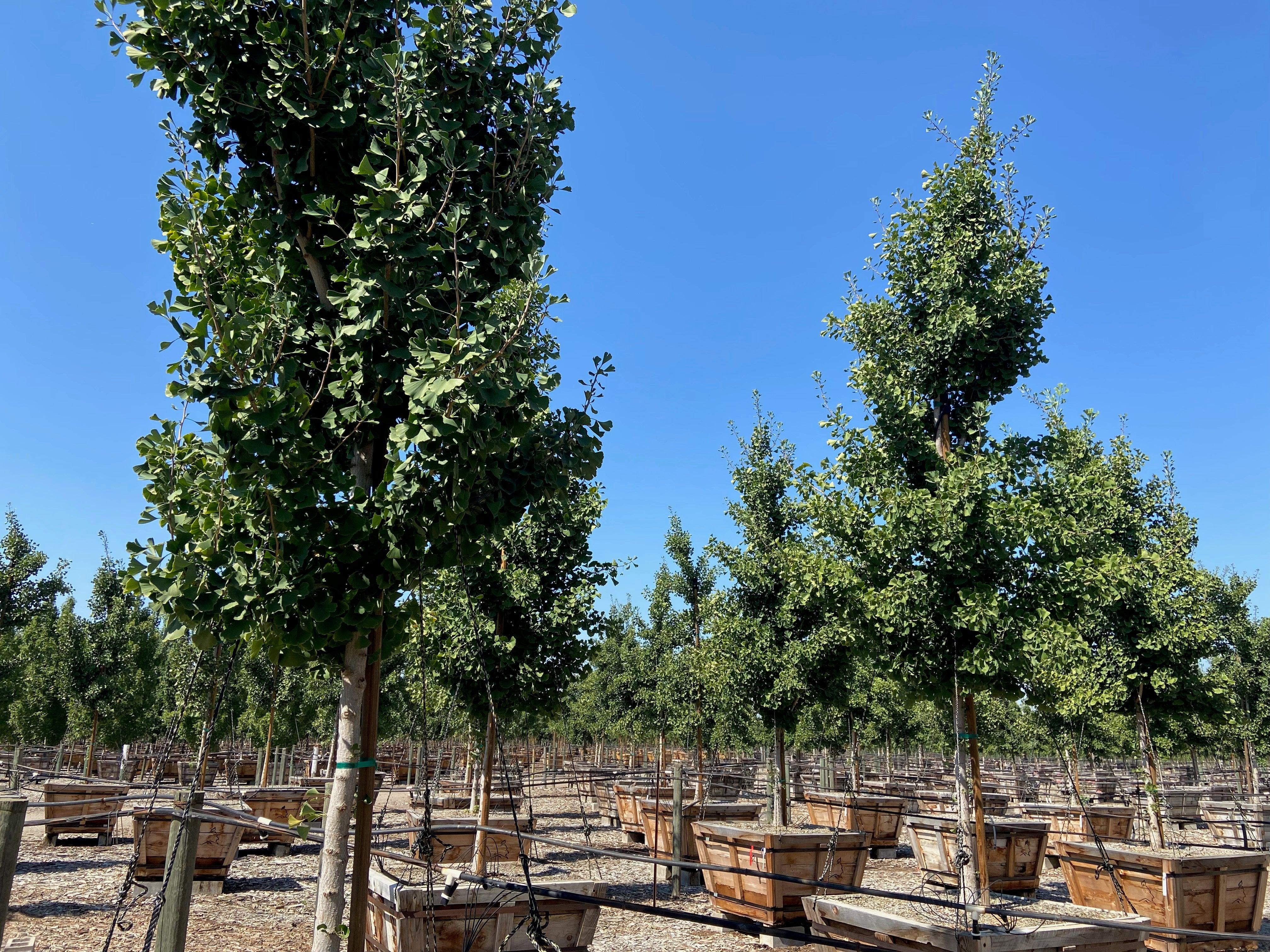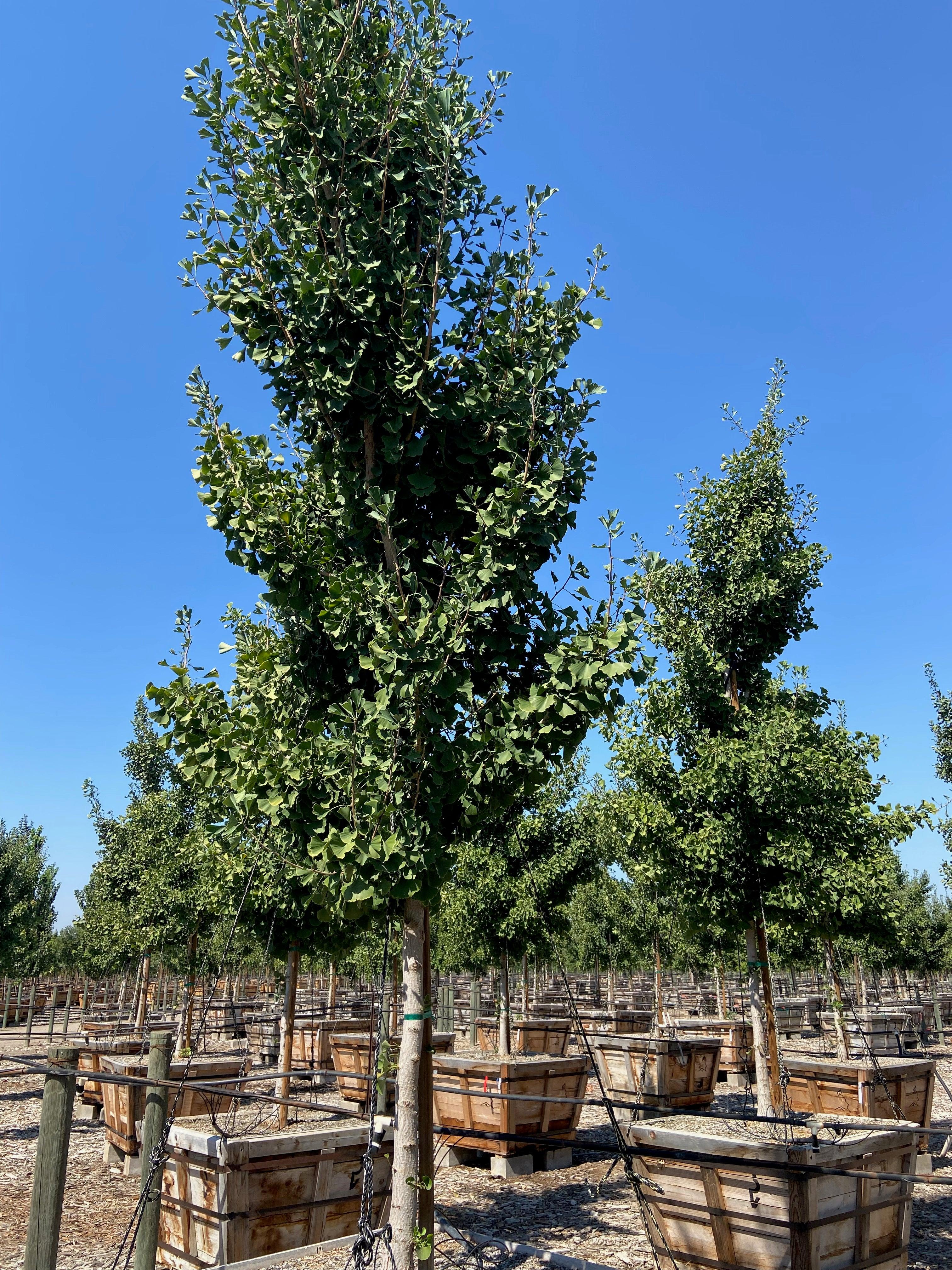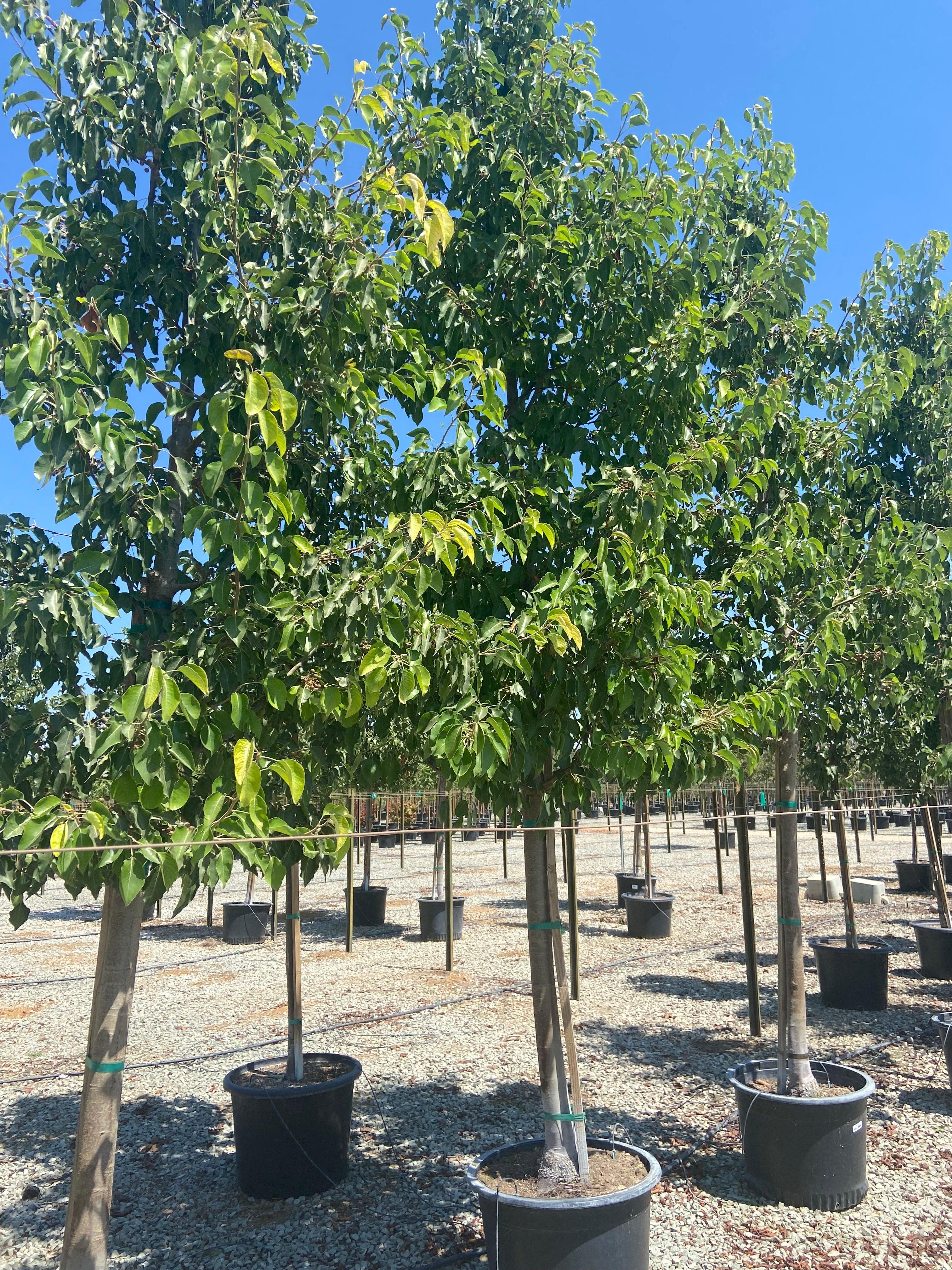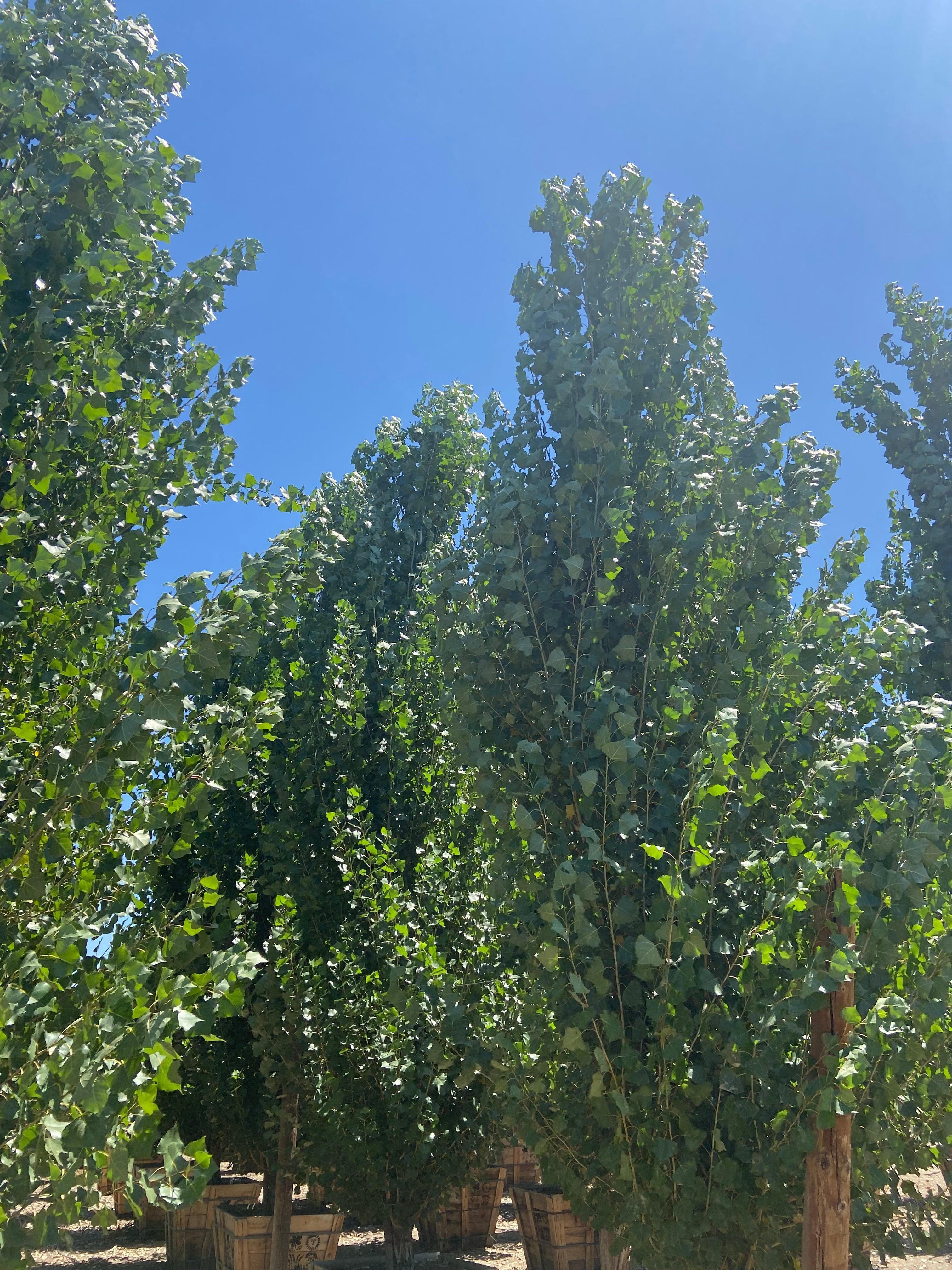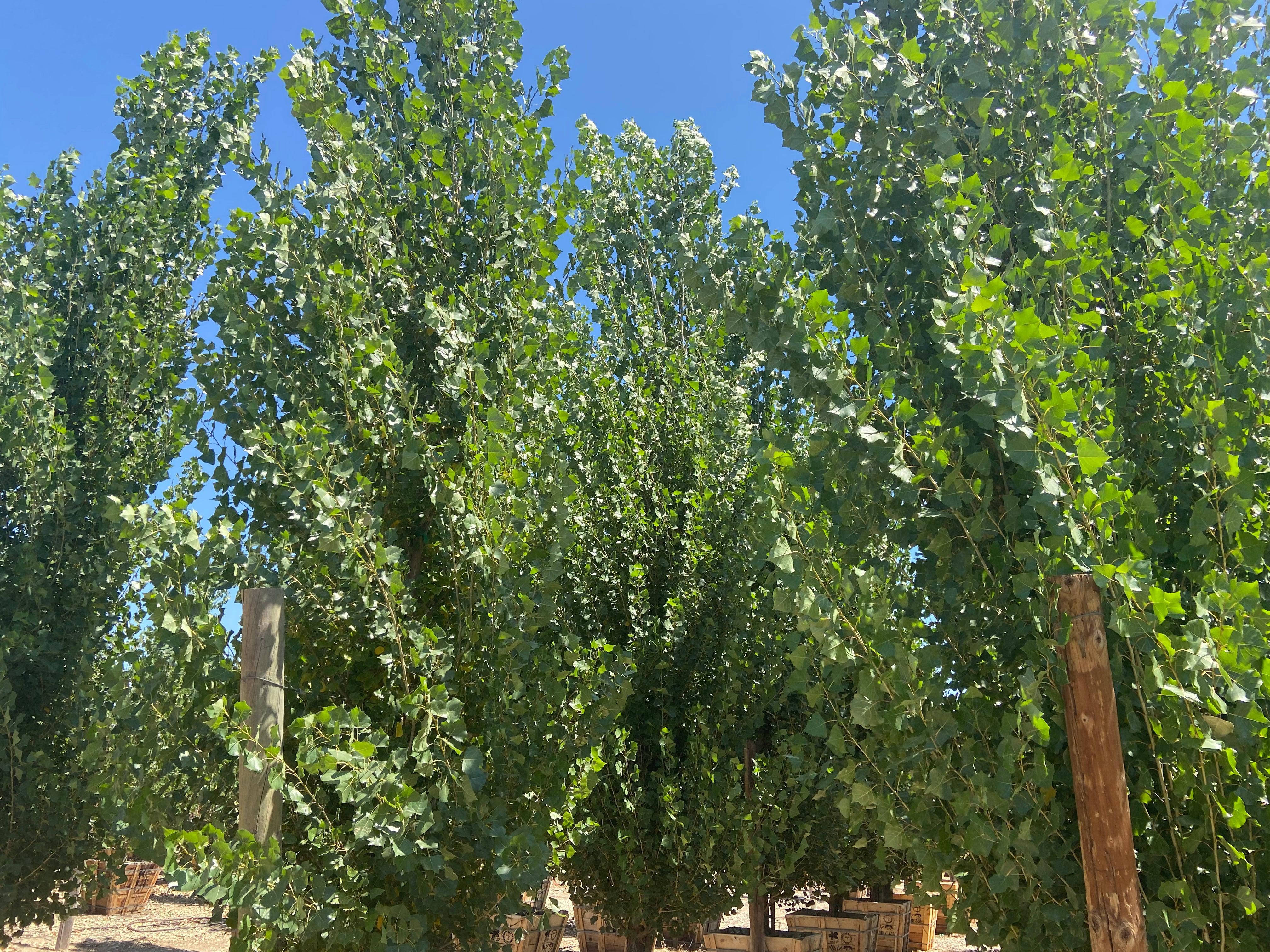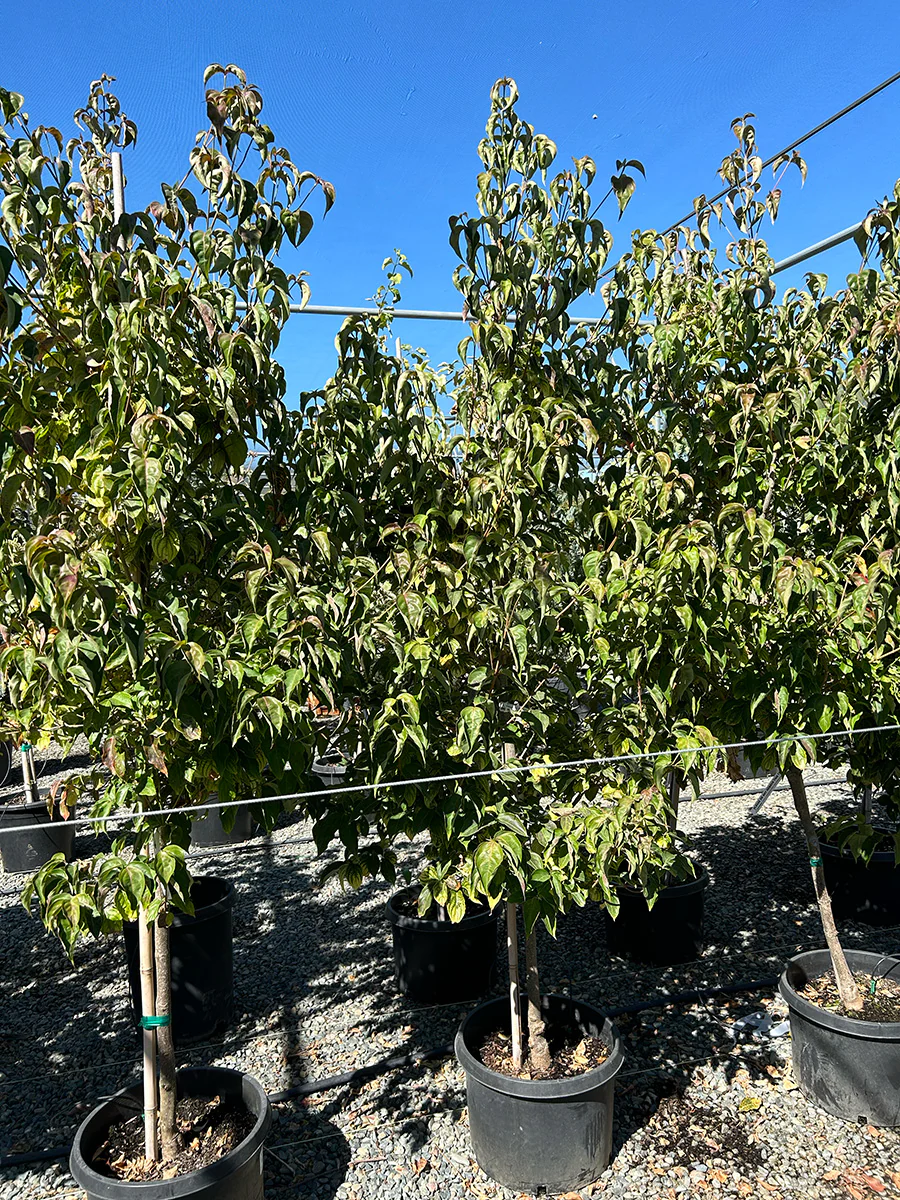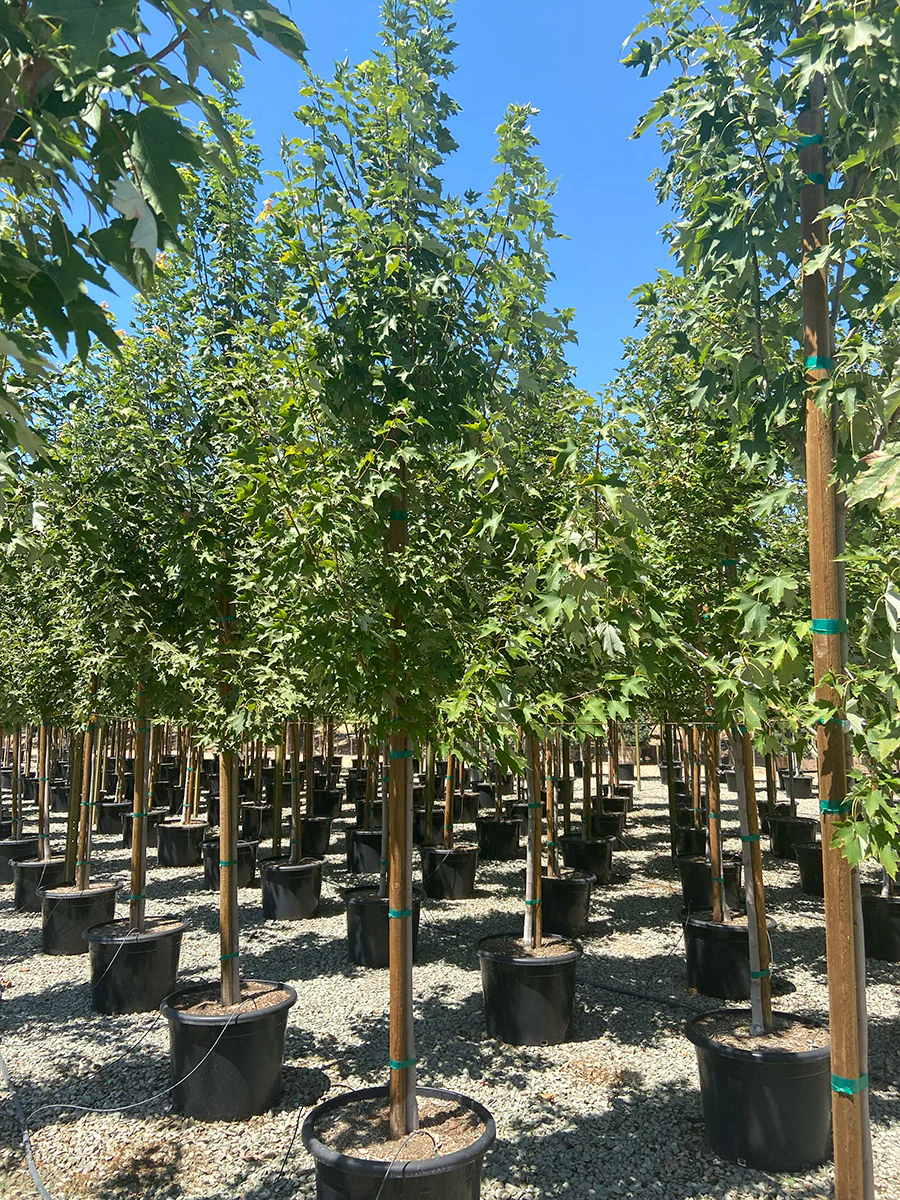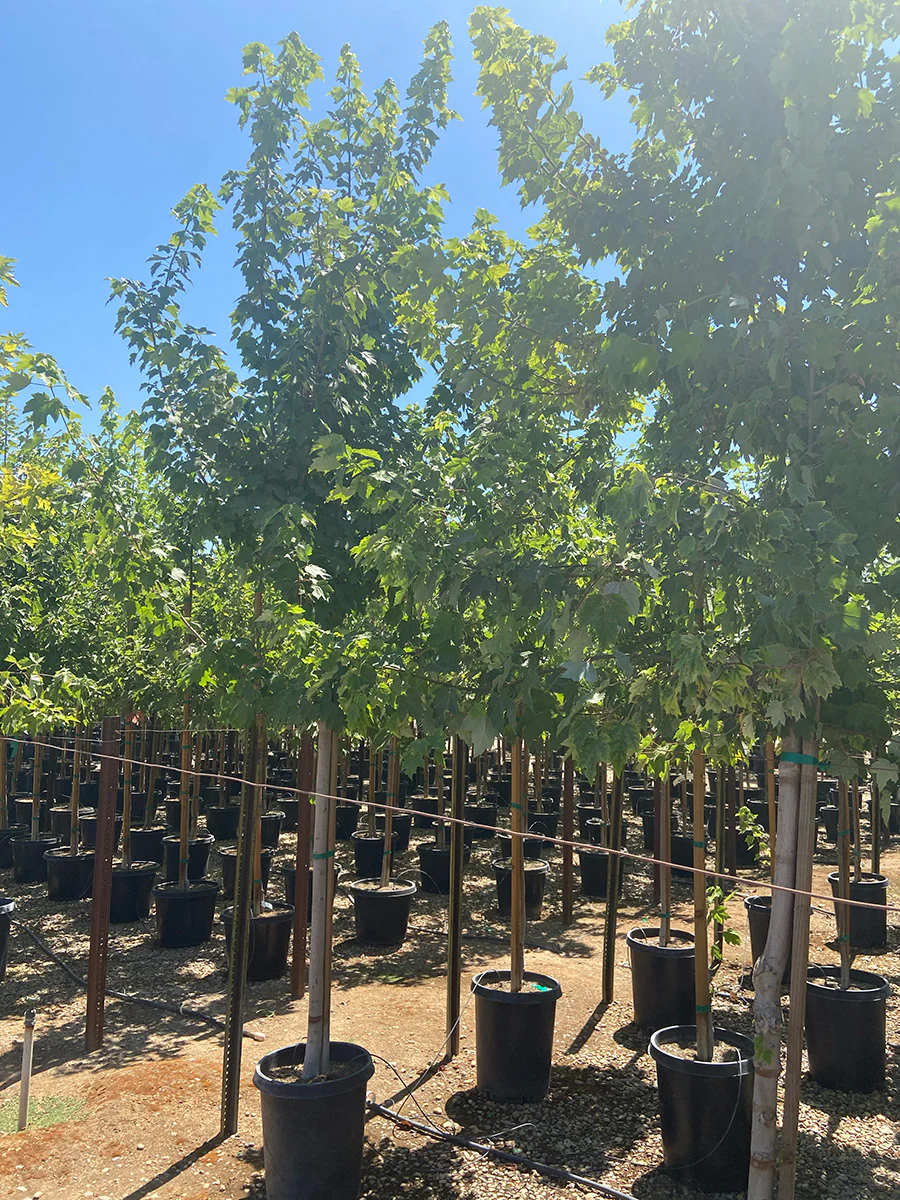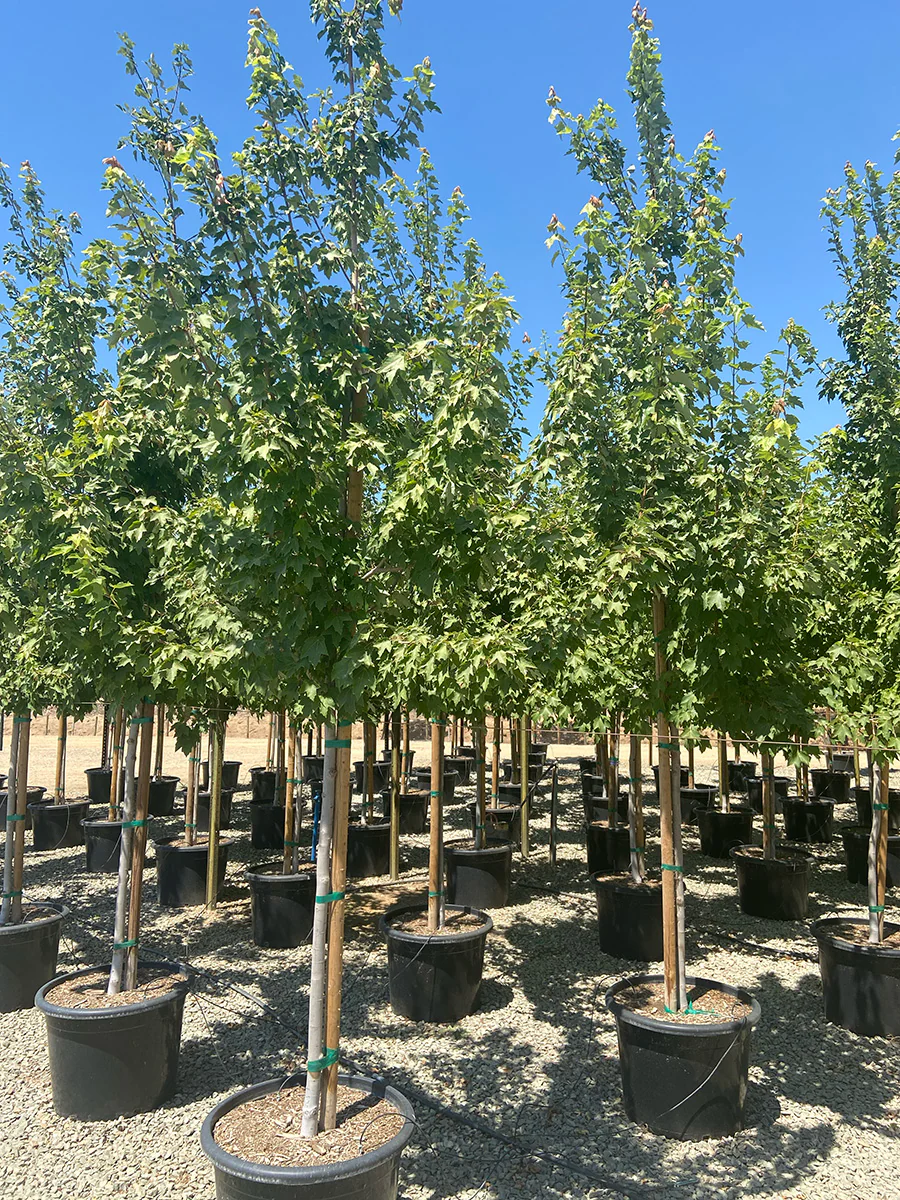
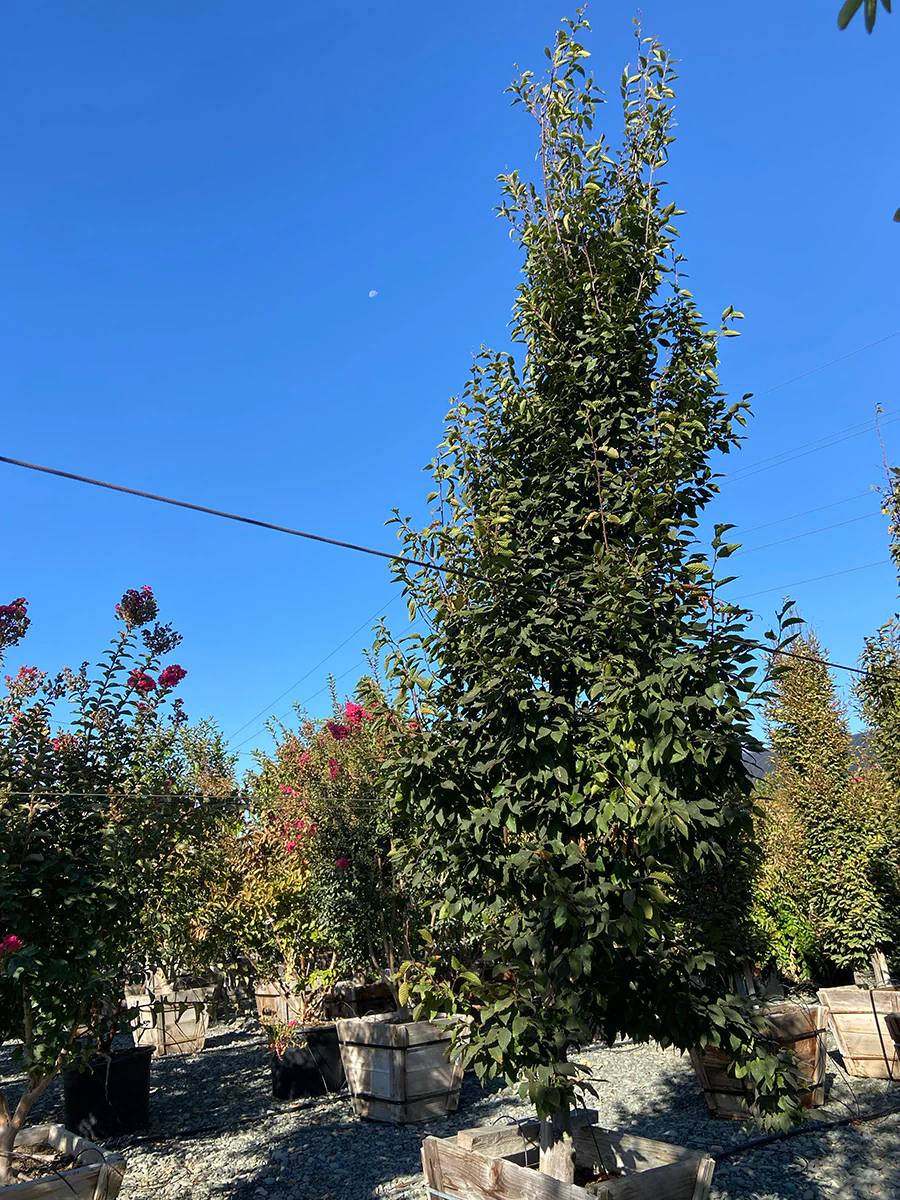
Frans Fontaine Hornbeam - Carpinus betulus 'Frans Fontaine'
Create Stunning Vertical Accents Without Constant Maintenance
Frans Fontaine Hornbeam gives you a narrow, elegant tree for privacy, street tree planting, and formal landscape structure without the constant pruning many upright trees require.
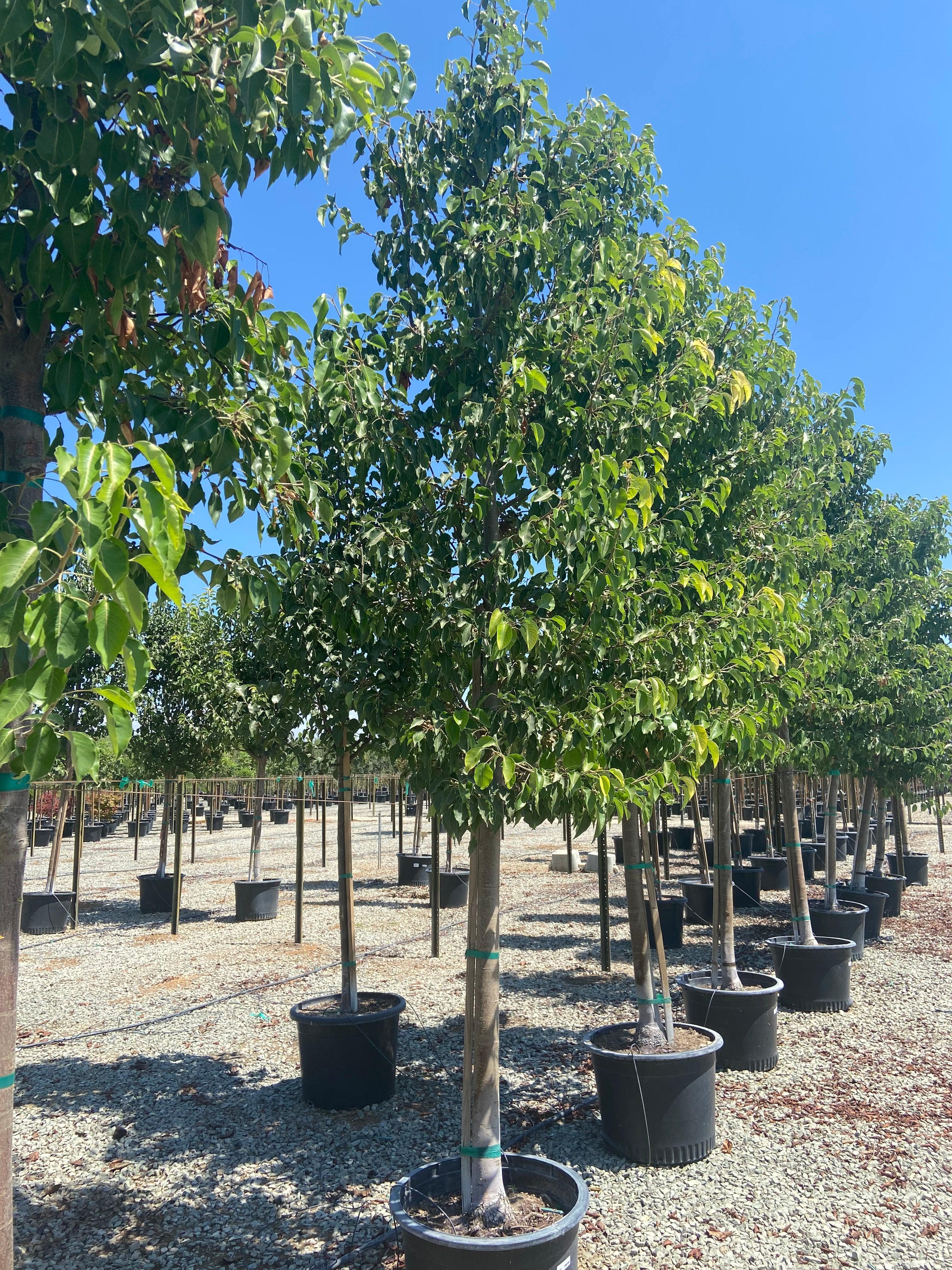
This columnar European hornbeam is valued for its rigid, sleek shape, rich green summer foliage, and strong urban performance. If you want a handsome tree that adds height, shade, and seasonal color while taking up less ground-level space, Carpinus betulus Frans Fontaine is a smart, long-lived choice.
Designed for tough locations, smaller landscapes, and refined garden designs, Frans Fontaine creates a clean vertical accent that stays naturally narrow as it matures.
Why You’ll Love It
-
Naturally columnar form – The tree maintains a narrow, upright columnar habit with little pruning, making it ideal where you need enough space for walkways, driveways, streets, or smaller gardens.
-
Four-season appeal – Rich green leaves in summer turn gold yellow to golden yellow in autumn, while smooth gray bark and dense branches add winter structure.
-
Drought tolerant once established – After the first growing season, Frans Fontaine Hornbeam is known for strong drought tolerance, reducing long-term watering demands in urban environments.
-
Versatile placement – Use it as a street tree, privacy screen, formal hedge, allée, parking lot tree, or vertical feature in a modern landscape.
-
Hardy and long lived – It reliably grows in USDA Hardiness Zones 4 through 8, withstands urban air pollution, compact spaces, heavy winds, and winter road salt, and the tree can survive up to 120 years.
The result is a beautiful, low-maintenance tree that delivers height, color, and structure without spreading aggressively into nearby spaces.
What Makes It Different
Most columnar trees start narrow when young but lose their shape as they mature, forcing gardeners and property owners into regular corrective pruning. Frans Fontaine Columnar Hornbeam provides:
-
Superior form retention – This cultivar is known for its columnar growth habit, retaining its sleek form into maturity, which makes it an excellent choice for street trees. Compared with broader European hornbeam selections such as ‘Fastigiata,’ Frans Fontaine seldom spreads as widely and keeps a tighter columnar habit.
-
Exceptional urban tolerance – The Frans Fontaine Hornbeam is an excellent choice for urban landscaping due to its narrow, columnar form, making it suitable for smaller spaces and street tree applications. It also handles pollution, compacted urban settings, heavy winds, winter road salt, and tough locations where less durable specimens may struggle.
-
Professional-grade results – Its rigidly columnar form gives residential landscapes the same formal, geometric effect often seen in commercial campuses, civic streetscapes, and high-end garden designs.
-
Seasonal ornamental value – Frans Fontaine Hornbeam features rich green foliage in summer that turns a striking golden yellow in the fall, providing seasonal interest. Its summer foliage is a rich green that turns to a striking gold in autumn, providing seasonal interest.
-
Added winter character – The smooth gray bark of the Frans Fontaine Hornbeam adds an interesting dimension to the landscape, enhancing its ornamental appeal. In some climates, it exhibits marcescence, holding onto dried brown leaves through winter.
If you have decided against larger shade trees because they grow too wide, this narrow European hornbeam gives you the height and presence of a substantial tree with a more controlled footprint, making it a strong option within broader landscape tree selections.
How To Grow Frans Fontaine Hornbeams Successfully
-
Choose the right location
Plant Frans Fontaine Hornbeam in full sun to partial shade. It also performs well in partial sun, and it can tolerate a range of exposure levels as long as the site gives the tree enough light to fully develop its dense columnar form. -
Prepare the soil
This tree can grow well in a variety of soil types, including sandy and clay soils, as long as they are well-drained, making it versatile for different landscaping conditions. This tree prefers full sun to partial shade and is tolerant of various soil types as long as they are well-drained, which aligns with Yardwork’s broader mission as a plant nursery for building personalized outdoor spaces. -
Water through establishment
Water regularly during the first growing season so the young root system can establish in the ground. Mulch helps protect soil moisture, especially during hot summer weather or dry wind. -
Let the natural shape develop
Once established, the Frans Fontaine Hornbeam is very drought tolerant, making it suitable for a variety of growing conditions. It requires little pruning to maintain its natural shape but tolerates heavy shearing if you want to use it as a formal hedge or clipped screen. -
Enjoy long-term structure
Watch as the tree develops a narrow, columnar form, reaching impressive height while keeping a controlled spread. The Frans Fontaine Hornbeam can grow to a height of 40 to 50 feet and has a spread of about 20 feet at maturity. It typically matures to a height of 30 to 40 feet with a spread of 15 to 20 feet, depending on site conditions, stock size, climate, and care, and Yardwork also offers mature trees for immediate landscape impactwhen you want instant height.
Simple planting, smart establishment care, and minimal ongoing pruning give you a clean vertical accent that continues making a strong landscape statement year after year.
Tree Specifications
-
Product name: Frans Fontaine Hornbeam
-
Botanical name: Carpinus betulus ‘Frans Fontaine’
-
Common type: Columnar European hornbeam / Frans Fontaine columnar hornbeam
-
Tree form: Narrow, upright, rigidly columnar habit
-
Primary use: Street tree, privacy screen, formal hedge, allée, vertical landscape accent
-
Mature size: The Frans Fontaine Hornbeam matures to a height of 40 to 50 feet and has a spread of about 20 feet, making it suitable for various landscape settings, similar in scale to other ornamental shade choices like Rocky Mountain Glow maple.
-
Typical size range: It typically matures to a height of 30 to 40 feet with a spread of 15 to 20 feet.
-
Additional maturity range: The Frans Fontaine Hornbeam can grow to a height of 40 to 50 feet and has a spread of about 20 feet at maturity.
-
Growth rate: Slow to moderate growth; young trees put on steady growth with proper watering and well drained soils.
-
Foliage: Rich green summer foliage that turns yellow in autumn, often appearing gold yellow to striking golden yellow in fall.
-
Bark: Smooth gray bark adds ornamental value, especially in winter.
-
Hardiness: It reliably grows in USDA Hardiness Zones 4 through 8.
-
Exposure: Full sun to partial shade; partial sun is acceptable in many landscapes.
-
Soil: Adaptable to sandy soil, clay soil, and other soil types when drainage is good.
-
Urban tolerance: Withstands urban air pollution, compact spaces, heavy winds, and winter road salt.
-
Water needs: Drought tolerant once established; regular watering is important during the first year.
-
Pruning: Requires little pruning to maintain its natural shape but tolerates heavy shearing.
-
Longevity: The tree can survive up to 120 years.
Who It’s For
Ideal for:
-
Homeowners seeking elegant privacy without planting a tree that spreads too wide into a driveway, patio, or neighboring property.
-
Property owners needing street trees for sidewalks, parking lot edges, entry drives, and compact urban spaces.
-
Landscape designers creating formal allées or geometric garden designs with consistent height, rhythm, and columnar form.
-
Gardeners who want low-maintenance beauty with rich summer color, golden fall color, and winter structure from bark and branches, and who may also enjoy adding flowering trees for seasonal blooms elsewhere in the garden.
-
Commercial and municipal projects that need hardy, long lived trees able to handle pollution, wind, road salt, and compact planting areas.
If you want a handsome tree that provides vertical structure, seasonal interest, and reliable performance in a smaller footprint, Frans Fontaine Hornbeam fits your needs.
Frequently Asked Questions
How much space does it need?
Frans Fontaine Hornbeam is selected for narrow spaces, but it still needs enough space to mature properly. The Frans Fontaine Hornbeam matures to a height of 40 to 50 feet and has a spread of about 20 feet, making it suitable for various landscape settings. It typically matures to a height of 30 to 40 feet with a spread of 15 to 20 feet. For screening or street tree use, spacing depends on whether you want individual specimens, a formal allée, or a tighter hedge effect.
Will it stay narrow without pruning?
Yes. This cultivar is known for its columnar growth habit, retaining its sleek form into maturity, which makes it an excellent choice for street trees. It requires little pruning to maintain its natural shape but tolerates heavy shearing if you want a more formal hedge or clipped architectural line.
How fast does it grow?
Frans Fontaine Hornbeam has slow to moderate growth. In good soil with steady water during establishment, a young tree will make dependable annual growth, but it is not a fast, short-lived tree. In ten years, it can become a substantial vertical feature while still keeping its narrow columnar habit.
What if my soil isn’t perfect?
This tree can grow well in a variety of soil types, including sandy and clay soils, as long as they are well-drained, making it versatile for different landscaping conditions. It prefers full sun to partial shade and is tolerant of various soil types as long as they are well-drained. Yardwork can help review your site conditions and recommend soil testing if needed.
Is Frans Fontaine Hornbeam drought tolerant?
Frans Fontaine Hornbeam is known for its drought tolerance once established, which is beneficial for low-maintenance landscaping in urban environments. Once established, the Frans Fontaine Hornbeam is very drought tolerant, making it suitable for a variety of growing conditions. Water regularly during the first year so the root system can establish before expecting drought performance.
Does it have good fall and winter interest?
Yes. Frans Fontaine Hornbeam features rich green foliage in summer that turns a striking golden yellow in the fall, providing seasonal interest. Its summer foliage is a rich green that turns to a striking gold in autumn, providing seasonal interest. In some climates, it exhibits marcescence, holding onto dried brown leaves through winter, and its smooth gray bark adds an interesting dimension to the landscape, enhancing its ornamental appeal.
Ready to Transform Your Landscape?
Stop struggling with trees that grow too wide, break the intended design, or demand constant pruning just to look presentable.
Choose Frans Fontaine Hornbeam for a narrow, hardy, drought tolerant, long lived tree with rich green summer foliage, striking gold yellow autumn color, smooth gray bark, and a sleek columnar form that works beautifully in both smaller gardens and large formal landscapes.
Add Frans Fontaine Hornbeam to your cart, request a Yardwork consultation, or contact our team to review soil, spacing, stock size, and delivery options before you plant, and consider complementary trees like Carrotwood and other versatile landscape choices or Bay Laurel and additional decorative or edible species to round out your design.
Frans Fontaine Hornbeam - Carpinus betulus 'Frans Fontaine'
Create Stunning Vertical Accents Without Constant Maintenance
Frans Fontaine Hornbeam gives you a narrow, elegant tree for privacy, street tree planting, and formal landscape structure without the constant pruning many upright trees require.
This columnar European hornbeam is valued for its rigid, sleek shape, rich green summer foliage, and strong urban performance. If you want a handsome tree that adds height, shade, and seasonal color while taking up less ground-level space, Carpinus betulus Frans Fontaine is a smart, long-lived choice.
Designed for tough locations, smaller landscapes, and refined garden designs, Frans Fontaine creates a clean vertical accent that stays naturally narrow as it matures.
Why You’ll Love It
-
Naturally columnar form – The tree maintains a narrow, upright columnar habit with little pruning, making it ideal where you need enough space for walkways, driveways, streets, or smaller gardens.
-
Four-season appeal – Rich green leaves in summer turn gold yellow to golden yellow in autumn, while smooth gray bark and dense branches add winter structure.
-
Drought tolerant once established – After the first growing season, Frans Fontaine Hornbeam is known for strong drought tolerance, reducing long-term watering demands in urban environments.
-
Versatile placement – Use it as a street tree, privacy screen, formal hedge, allée, parking lot tree, or vertical feature in a modern landscape.
-
Hardy and long lived – It reliably grows in USDA Hardiness Zones 4 through 8, withstands urban air pollution, compact spaces, heavy winds, and winter road salt, and the tree can survive up to 120 years.
The result is a beautiful, low-maintenance tree that delivers height, color, and structure without spreading aggressively into nearby spaces.
What Makes It Different
Most columnar trees start narrow when young but lose their shape as they mature, forcing gardeners and property owners into regular corrective pruning. Frans Fontaine Columnar Hornbeam provides:
-
Superior form retention – This cultivar is known for its columnar growth habit, retaining its sleek form into maturity, which makes it an excellent choice for street trees. Compared with broader European hornbeam selections such as ‘Fastigiata,’ Frans Fontaine seldom spreads as widely and keeps a tighter columnar habit.
-
Exceptional urban tolerance – The Frans Fontaine Hornbeam is an excellent choice for urban landscaping due to its narrow, columnar form, making it suitable for smaller spaces and street tree applications. It also handles pollution, compacted urban settings, heavy winds, winter road salt, and tough locations where less durable specimens may struggle.
-
Professional-grade results – Its rigidly columnar form gives residential landscapes the same formal, geometric effect often seen in commercial campuses, civic streetscapes, and high-end garden designs.
-
Seasonal ornamental value – Frans Fontaine Hornbeam features rich green foliage in summer that turns a striking golden yellow in the fall, providing seasonal interest. Its summer foliage is a rich green that turns to a striking gold in autumn, providing seasonal interest.
-
Added winter character – The smooth gray bark of the Frans Fontaine Hornbeam adds an interesting dimension to the landscape, enhancing its ornamental appeal. In some climates, it exhibits marcescence, holding onto dried brown leaves through winter.
If you have decided against larger shade trees because they grow too wide, this narrow European hornbeam gives you the height and presence of a substantial tree with a more controlled footprint, making it a strong option within broader landscape tree selections.
How To Grow Frans Fontaine Hornbeams Successfully
-
Choose the right location
Plant Frans Fontaine Hornbeam in full sun to partial shade. It also performs well in partial sun, and it can tolerate a range of exposure levels as long as the site gives the tree enough light to fully develop its dense columnar form. -
Prepare the soil
This tree can grow well in a variety of soil types, including sandy and clay soils, as long as they are well-drained, making it versatile for different landscaping conditions. This tree prefers full sun to partial shade and is tolerant of various soil types as long as they are well-drained, which aligns with Yardwork’s broader mission as a plant nursery for building personalized outdoor spaces. -
Water through establishment
Water regularly during the first growing season so the young root system can establish in the ground. Mulch helps protect soil moisture, especially during hot summer weather or dry wind. -
Let the natural shape develop
Once established, the Frans Fontaine Hornbeam is very drought tolerant, making it suitable for a variety of growing conditions. It requires little pruning to maintain its natural shape but tolerates heavy shearing if you want to use it as a formal hedge or clipped screen. -
Enjoy long-term structure
Watch as the tree develops a narrow, columnar form, reaching impressive height while keeping a controlled spread. The Frans Fontaine Hornbeam can grow to a height of 40 to 50 feet and has a spread of about 20 feet at maturity. It typically matures to a height of 30 to 40 feet with a spread of 15 to 20 feet, depending on site conditions, stock size, climate, and care, and Yardwork also offers mature trees for immediate landscape impactwhen you want instant height.
Simple planting, smart establishment care, and minimal ongoing pruning give you a clean vertical accent that continues making a strong landscape statement year after year.
Tree Specifications
-
Product name: Frans Fontaine Hornbeam
-
Botanical name: Carpinus betulus ‘Frans Fontaine’
-
Common type: Columnar European hornbeam / Frans Fontaine columnar hornbeam
-
Tree form: Narrow, upright, rigidly columnar habit
-
Primary use: Street tree, privacy screen, formal hedge, allée, vertical landscape accent
-
Mature size: The Frans Fontaine Hornbeam matures to a height of 40 to 50 feet and has a spread of about 20 feet, making it suitable for various landscape settings, similar in scale to other ornamental shade choices like Rocky Mountain Glow maple.
-
Typical size range: It typically matures to a height of 30 to 40 feet with a spread of 15 to 20 feet.
-
Additional maturity range: The Frans Fontaine Hornbeam can grow to a height of 40 to 50 feet and has a spread of about 20 feet at maturity.
-
Growth rate: Slow to moderate growth; young trees put on steady growth with proper watering and well drained soils.
-
Foliage: Rich green summer foliage that turns yellow in autumn, often appearing gold yellow to striking golden yellow in fall.
-
Bark: Smooth gray bark adds ornamental value, especially in winter.
-
Hardiness: It reliably grows in USDA Hardiness Zones 4 through 8.
-
Exposure: Full sun to partial shade; partial sun is acceptable in many landscapes.
-
Soil: Adaptable to sandy soil, clay soil, and other soil types when drainage is good.
-
Urban tolerance: Withstands urban air pollution, compact spaces, heavy winds, and winter road salt.
-
Water needs: Drought tolerant once established; regular watering is important during the first year.
-
Pruning: Requires little pruning to maintain its natural shape but tolerates heavy shearing.
-
Longevity: The tree can survive up to 120 years.
Who It’s For
Ideal for:
-
Homeowners seeking elegant privacy without planting a tree that spreads too wide into a driveway, patio, or neighboring property.
-
Property owners needing street trees for sidewalks, parking lot edges, entry drives, and compact urban spaces.
-
Landscape designers creating formal allées or geometric garden designs with consistent height, rhythm, and columnar form.
-
Gardeners who want low-maintenance beauty with rich summer color, golden fall color, and winter structure from bark and branches, and who may also enjoy adding flowering trees for seasonal blooms elsewhere in the garden.
-
Commercial and municipal projects that need hardy, long lived trees able to handle pollution, wind, road salt, and compact planting areas.
If you want a handsome tree that provides vertical structure, seasonal interest, and reliable performance in a smaller footprint, Frans Fontaine Hornbeam fits your needs.
Frequently Asked Questions
How much space does it need?
Frans Fontaine Hornbeam is selected for narrow spaces, but it still needs enough space to mature properly. The Frans Fontaine Hornbeam matures to a height of 40 to 50 feet and has a spread of about 20 feet, making it suitable for various landscape settings. It typically matures to a height of 30 to 40 feet with a spread of 15 to 20 feet. For screening or street tree use, spacing depends on whether you want individual specimens, a formal allée, or a tighter hedge effect.
Will it stay narrow without pruning?
Yes. This cultivar is known for its columnar growth habit, retaining its sleek form into maturity, which makes it an excellent choice for street trees. It requires little pruning to maintain its natural shape but tolerates heavy shearing if you want a more formal hedge or clipped architectural line.
How fast does it grow?
Frans Fontaine Hornbeam has slow to moderate growth. In good soil with steady water during establishment, a young tree will make dependable annual growth, but it is not a fast, short-lived tree. In ten years, it can become a substantial vertical feature while still keeping its narrow columnar habit.
What if my soil isn’t perfect?
This tree can grow well in a variety of soil types, including sandy and clay soils, as long as they are well-drained, making it versatile for different landscaping conditions. It prefers full sun to partial shade and is tolerant of various soil types as long as they are well-drained. Yardwork can help review your site conditions and recommend soil testing if needed.
Is Frans Fontaine Hornbeam drought tolerant?
Frans Fontaine Hornbeam is known for its drought tolerance once established, which is beneficial for low-maintenance landscaping in urban environments. Once established, the Frans Fontaine Hornbeam is very drought tolerant, making it suitable for a variety of growing conditions. Water regularly during the first year so the root system can establish before expecting drought performance.
Does it have good fall and winter interest?
Yes. Frans Fontaine Hornbeam features rich green foliage in summer that turns a striking golden yellow in the fall, providing seasonal interest. Its summer foliage is a rich green that turns to a striking gold in autumn, providing seasonal interest. In some climates, it exhibits marcescence, holding onto dried brown leaves through winter, and its smooth gray bark adds an interesting dimension to the landscape, enhancing its ornamental appeal.
Ready to Transform Your Landscape?
Stop struggling with trees that grow too wide, break the intended design, or demand constant pruning just to look presentable.
Choose Frans Fontaine Hornbeam for a narrow, hardy, drought tolerant, long lived tree with rich green summer foliage, striking gold yellow autumn color, smooth gray bark, and a sleek columnar form that works beautifully in both smaller gardens and large formal landscapes.
Add Frans Fontaine Hornbeam to your cart, request a Yardwork consultation, or contact our team to review soil, spacing, stock size, and delivery options before you plant, and consider complementary trees like Carrotwood and other versatile landscape choices or Bay Laurel and additional decorative or edible species to round out your design.
Product Information
Product Information
Shipping & Returns
Shipping & Returns
Description
Create Stunning Vertical Accents Without Constant Maintenance
Frans Fontaine Hornbeam gives you a narrow, elegant tree for privacy, street tree planting, and formal landscape structure without the constant pruning many upright trees require.
This columnar European hornbeam is valued for its rigid, sleek shape, rich green summer foliage, and strong urban performance. If you want a handsome tree that adds height, shade, and seasonal color while taking up less ground-level space, Carpinus betulus Frans Fontaine is a smart, long-lived choice.
Designed for tough locations, smaller landscapes, and refined garden designs, Frans Fontaine creates a clean vertical accent that stays naturally narrow as it matures.
Why You’ll Love It
-
Naturally columnar form – The tree maintains a narrow, upright columnar habit with little pruning, making it ideal where you need enough space for walkways, driveways, streets, or smaller gardens.
-
Four-season appeal – Rich green leaves in summer turn gold yellow to golden yellow in autumn, while smooth gray bark and dense branches add winter structure.
-
Drought tolerant once established – After the first growing season, Frans Fontaine Hornbeam is known for strong drought tolerance, reducing long-term watering demands in urban environments.
-
Versatile placement – Use it as a street tree, privacy screen, formal hedge, allée, parking lot tree, or vertical feature in a modern landscape.
-
Hardy and long lived – It reliably grows in USDA Hardiness Zones 4 through 8, withstands urban air pollution, compact spaces, heavy winds, and winter road salt, and the tree can survive up to 120 years.
The result is a beautiful, low-maintenance tree that delivers height, color, and structure without spreading aggressively into nearby spaces.
What Makes It Different
Most columnar trees start narrow when young but lose their shape as they mature, forcing gardeners and property owners into regular corrective pruning. Frans Fontaine Columnar Hornbeam provides:
-
Superior form retention – This cultivar is known for its columnar growth habit, retaining its sleek form into maturity, which makes it an excellent choice for street trees. Compared with broader European hornbeam selections such as ‘Fastigiata,’ Frans Fontaine seldom spreads as widely and keeps a tighter columnar habit.
-
Exceptional urban tolerance – The Frans Fontaine Hornbeam is an excellent choice for urban landscaping due to its narrow, columnar form, making it suitable for smaller spaces and street tree applications. It also handles pollution, compacted urban settings, heavy winds, winter road salt, and tough locations where less durable specimens may struggle.
-
Professional-grade results – Its rigidly columnar form gives residential landscapes the same formal, geometric effect often seen in commercial campuses, civic streetscapes, and high-end garden designs.
-
Seasonal ornamental value – Frans Fontaine Hornbeam features rich green foliage in summer that turns a striking golden yellow in the fall, providing seasonal interest. Its summer foliage is a rich green that turns to a striking gold in autumn, providing seasonal interest.
-
Added winter character – The smooth gray bark of the Frans Fontaine Hornbeam adds an interesting dimension to the landscape, enhancing its ornamental appeal. In some climates, it exhibits marcescence, holding onto dried brown leaves through winter.
If you have decided against larger shade trees because they grow too wide, this narrow European hornbeam gives you the height and presence of a substantial tree with a more controlled footprint, making it a strong option within broader landscape tree selections.
How To Grow Frans Fontaine Hornbeams Successfully
-
Choose the right location
Plant Frans Fontaine Hornbeam in full sun to partial shade. It also performs well in partial sun, and it can tolerate a range of exposure levels as long as the site gives the tree enough light to fully develop its dense columnar form. -
Prepare the soil
This tree can grow well in a variety of soil types, including sandy and clay soils, as long as they are well-drained, making it versatile for different landscaping conditions. This tree prefers full sun to partial shade and is tolerant of various soil types as long as they are well-drained, which aligns with Yardwork’s broader mission as a plant nursery for building personalized outdoor spaces. -
Water through establishment
Water regularly during the first growing season so the young root system can establish in the ground. Mulch helps protect soil moisture, especially during hot summer weather or dry wind. -
Let the natural shape develop
Once established, the Frans Fontaine Hornbeam is very drought tolerant, making it suitable for a variety of growing conditions. It requires little pruning to maintain its natural shape but tolerates heavy shearing if you want to use it as a formal hedge or clipped screen. -
Enjoy long-term structure
Watch as the tree develops a narrow, columnar form, reaching impressive height while keeping a controlled spread. The Frans Fontaine Hornbeam can grow to a height of 40 to 50 feet and has a spread of about 20 feet at maturity. It typically matures to a height of 30 to 40 feet with a spread of 15 to 20 feet, depending on site conditions, stock size, climate, and care, and Yardwork also offers mature trees for immediate landscape impactwhen you want instant height.
Simple planting, smart establishment care, and minimal ongoing pruning give you a clean vertical accent that continues making a strong landscape statement year after year.
Tree Specifications
-
Product name: Frans Fontaine Hornbeam
-
Botanical name: Carpinus betulus ‘Frans Fontaine’
-
Common type: Columnar European hornbeam / Frans Fontaine columnar hornbeam
-
Tree form: Narrow, upright, rigidly columnar habit
-
Primary use: Street tree, privacy screen, formal hedge, allée, vertical landscape accent
-
Mature size: The Frans Fontaine Hornbeam matures to a height of 40 to 50 feet and has a spread of about 20 feet, making it suitable for various landscape settings, similar in scale to other ornamental shade choices like Rocky Mountain Glow maple.
-
Typical size range: It typically matures to a height of 30 to 40 feet with a spread of 15 to 20 feet.
-
Additional maturity range: The Frans Fontaine Hornbeam can grow to a height of 40 to 50 feet and has a spread of about 20 feet at maturity.
-
Growth rate: Slow to moderate growth; young trees put on steady growth with proper watering and well drained soils.
-
Foliage: Rich green summer foliage that turns yellow in autumn, often appearing gold yellow to striking golden yellow in fall.
-
Bark: Smooth gray bark adds ornamental value, especially in winter.
-
Hardiness: It reliably grows in USDA Hardiness Zones 4 through 8.
-
Exposure: Full sun to partial shade; partial sun is acceptable in many landscapes.
-
Soil: Adaptable to sandy soil, clay soil, and other soil types when drainage is good.
-
Urban tolerance: Withstands urban air pollution, compact spaces, heavy winds, and winter road salt.
-
Water needs: Drought tolerant once established; regular watering is important during the first year.
-
Pruning: Requires little pruning to maintain its natural shape but tolerates heavy shearing.
-
Longevity: The tree can survive up to 120 years.
Who It’s For
Ideal for:
-
Homeowners seeking elegant privacy without planting a tree that spreads too wide into a driveway, patio, or neighboring property.
-
Property owners needing street trees for sidewalks, parking lot edges, entry drives, and compact urban spaces.
-
Landscape designers creating formal allées or geometric garden designs with consistent height, rhythm, and columnar form.
-
Gardeners who want low-maintenance beauty with rich summer color, golden fall color, and winter structure from bark and branches, and who may also enjoy adding flowering trees for seasonal blooms elsewhere in the garden.
-
Commercial and municipal projects that need hardy, long lived trees able to handle pollution, wind, road salt, and compact planting areas.
If you want a handsome tree that provides vertical structure, seasonal interest, and reliable performance in a smaller footprint, Frans Fontaine Hornbeam fits your needs.
Frequently Asked Questions
How much space does it need?
Frans Fontaine Hornbeam is selected for narrow spaces, but it still needs enough space to mature properly. The Frans Fontaine Hornbeam matures to a height of 40 to 50 feet and has a spread of about 20 feet, making it suitable for various landscape settings. It typically matures to a height of 30 to 40 feet with a spread of 15 to 20 feet. For screening or street tree use, spacing depends on whether you want individual specimens, a formal allée, or a tighter hedge effect.
Will it stay narrow without pruning?
Yes. This cultivar is known for its columnar growth habit, retaining its sleek form into maturity, which makes it an excellent choice for street trees. It requires little pruning to maintain its natural shape but tolerates heavy shearing if you want a more formal hedge or clipped architectural line.
How fast does it grow?
Frans Fontaine Hornbeam has slow to moderate growth. In good soil with steady water during establishment, a young tree will make dependable annual growth, but it is not a fast, short-lived tree. In ten years, it can become a substantial vertical feature while still keeping its narrow columnar habit.
What if my soil isn’t perfect?
This tree can grow well in a variety of soil types, including sandy and clay soils, as long as they are well-drained, making it versatile for different landscaping conditions. It prefers full sun to partial shade and is tolerant of various soil types as long as they are well-drained. Yardwork can help review your site conditions and recommend soil testing if needed.
Is Frans Fontaine Hornbeam drought tolerant?
Frans Fontaine Hornbeam is known for its drought tolerance once established, which is beneficial for low-maintenance landscaping in urban environments. Once established, the Frans Fontaine Hornbeam is very drought tolerant, making it suitable for a variety of growing conditions. Water regularly during the first year so the root system can establish before expecting drought performance.
Does it have good fall and winter interest?
Yes. Frans Fontaine Hornbeam features rich green foliage in summer that turns a striking golden yellow in the fall, providing seasonal interest. Its summer foliage is a rich green that turns to a striking gold in autumn, providing seasonal interest. In some climates, it exhibits marcescence, holding onto dried brown leaves through winter, and its smooth gray bark adds an interesting dimension to the landscape, enhancing its ornamental appeal.
Ready to Transform Your Landscape?
Stop struggling with trees that grow too wide, break the intended design, or demand constant pruning just to look presentable.
Choose Frans Fontaine Hornbeam for a narrow, hardy, drought tolerant, long lived tree with rich green summer foliage, striking gold yellow autumn color, smooth gray bark, and a sleek columnar form that works beautifully in both smaller gardens and large formal landscapes.
Add Frans Fontaine Hornbeam to your cart, request a Yardwork consultation, or contact our team to review soil, spacing, stock size, and delivery options before you plant, and consider complementary trees like Carrotwood and other versatile landscape choices or Bay Laurel and additional decorative or edible species to round out your design.