Chondropetalum Tectorum (Cape Rush)
Transform Your Garden with Architectural Elegance and Year-Round Interest
Chondropetalum tectorum gives California gardens bold vertical structure, evergreen texture, and low-water performance without the upkeep of ordinary ornamental grasses.
Also known as Cape Rush, tectorum cape rush, or sometimes Elegia tectorum, this South African species brings a clean, modern look to patios, courtyards, pond edges, rain gardens, rock gardens, and drought tolerant landscapes. Its upright stems, dark brown sheaths, and warm brown seasonal flower details create year-round visual interest in full sun, part sun, or light shade.
Why You’ll Love It
-
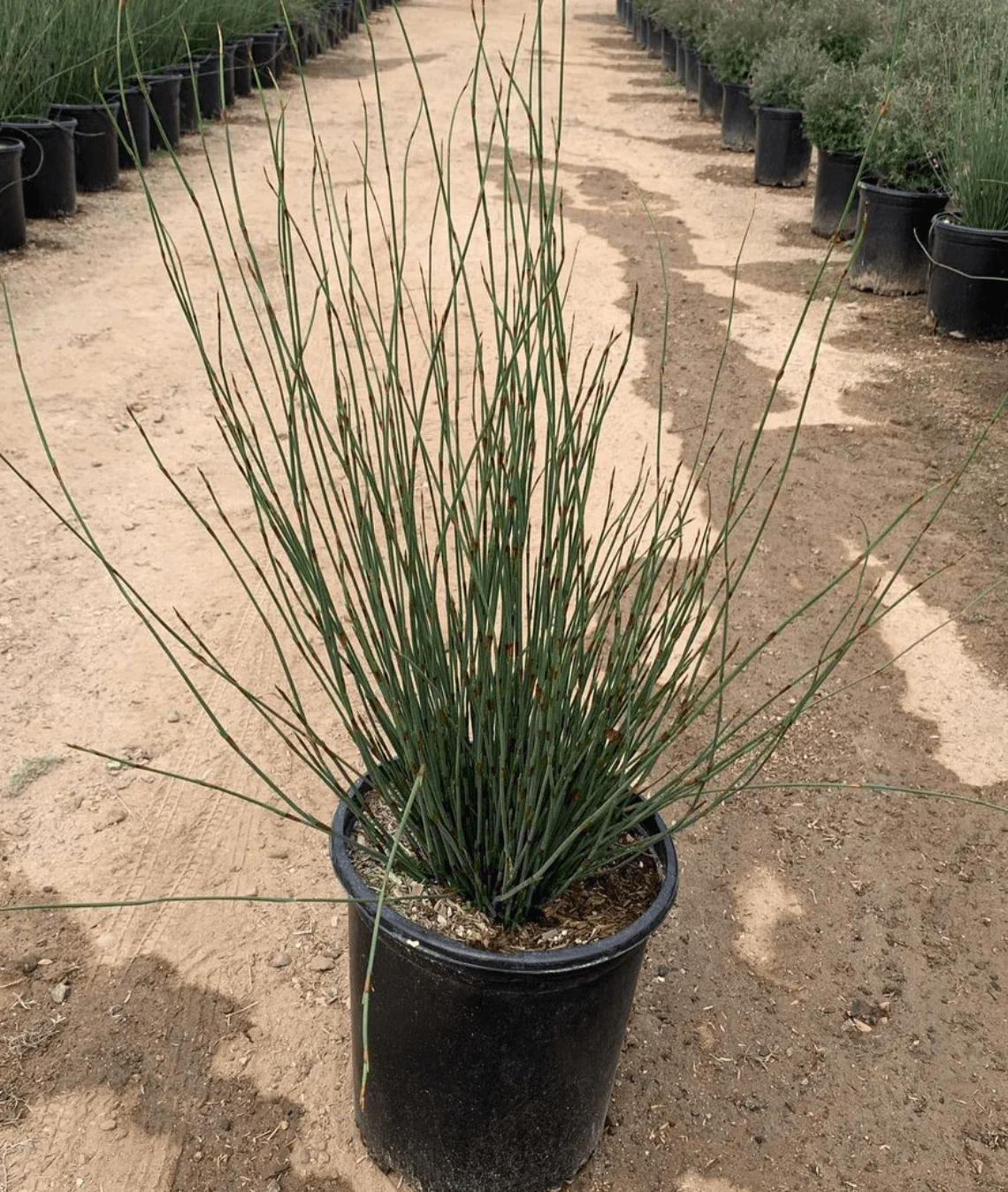
Architectural upright form – Dense, tufted clumps of unbranched, dark green, needle-like stems create striking vertical lines for modern, Mediterranean, and rock gardens.
-
Distinctive seasonal texture – Dark brown sheaths form a dark band at the joints, and the joints drop their papery coverings over time, often in summer, leaving clean ringed stems and warm brown contrast.
-
Low-water performance – Once established, Chondropetalum tectorum can tolerate prolonged dry periods, making it suitable for xeriscaping and low water-use California landscapes.
-
Excellent for containers – Cape Rush prefers full sun conditions and can be grown as a tender perennial or in containers, making it a versatile choice for gardeners with patios, balconies, or small outdoor spaces.
-
Evergreen, low-maintenance presence – This hardy-looking plant is considered evergreen in suitable climates, with minimal care when planted in the right soil and not overwatered once established.
Cape Rush is also highly resilient against strong, salty coastal winds and varying soil conditions, which makes it an excellent option for seaside gardens, windy exposures, and landscapes where foliage texture matters as much as flowers.
What Makes It Different
Most ornamental grasses rely on soft blades, seasonal plumes, or mounding foliage, such as Autumn Moor Grass (Sesleria autumnalis) or Karl Foerster Feather Reed Grass. Chondropetalum Tectorum is built differently: it looks more like a 3-foot tall upright equisetum with a tight clump formation than a typical grass.
-
Pencil-thick jointed stems – Instead of floppy grass blades, Cape Rush produces upright stems with visible joints and dark brown sheaths that create a sculptural, segmented look.
-
Decorative autumn detail – This species produces small, compact, golden-brown flower spikes at the tips of the stems during autumn and is dioecious, meaning there are separate male and female plants.
-
Mediterranean-climate adaptation – Chondropetalum tectorum is native to South Africa and is well suited to climates with sun, heat, seasonal water, and dry periods, similar to many California garden conditions.
Historically, its flexible stems were used as a primary roof thatching material in the Cape, which is reflected in the name “tectorum.” In garden design, that same structural quality now gives the plant its contemporary appeal.
How To Grow Chondropetalum Tectorum
-
Plant it in the right exposure
Choose full sun to part sun for the strongest stems and best color. It can tolerate some shade, but too much shade may reduce the crisp upright habit. -
Establish with consistent water
Water regularly during the first growing season so the plant can root in. After it is established, reduce to low or moderate water and avoid keeping the ground saturated for long periods. -
Let the structure develop naturally
Enjoy its fountain-like growth pattern, evergreen presence, papery bracts, and seasonal brown flower spikes at the tips of the stems.
For maintenance, prune in late winter or early spring. Only remove old, decaying, or bent outer stems by clipping them individually at the base near the soil level-do not shear the plant across the top. Avoid heavy fertilizers, particularly phosphorus, because phosphorus can damage the roots.
Plant Details
-
Botanical name: Chondropetalum tectorum
-
Common names: Cape Reed, Cape Rush, tectorum cape rush
-
Plant type: Evergreen restio; South African architectural foliage plant
-
Mature size: Typically 24-36 inches tall and wide in compact landscape use
-
Broader Cape Rush size range: Cape Rush forms dense, tufted clumps of unbranched, dark green, needle-like stems and typically grows 3 to 4 feet tall and spreads 3 to 5 feet wide
-
Hardiness zones: USDA zones 9a to 10b; perfect for many California gardens, although it may not be winter hardy in all climates
-
Light requirements: Full sun to partial shade
-
Water needs: Low to moderate once established; drought tolerant after establishment
-
Soil preferences: Well-draining, slightly acidic soil; adaptable to sandy, clay, or loamy soils
-
Fertilizer needs: Low; does not tolerate heavy fertilizers, particularly phosphorus
-
Container compatibility: Excellent for large pots and modern containers
-
Special landscape uses: Ideal for planting along pond edges, rain gardens, drainage swales, and shallow water-influenced areas because it can handle waterlogged soils while still needing care not to be overwatered once established
-
Coastal tolerance: Tolerates wind, seaside exposure, and salty air well
Who It’s Perfect For
Ideal for:
-
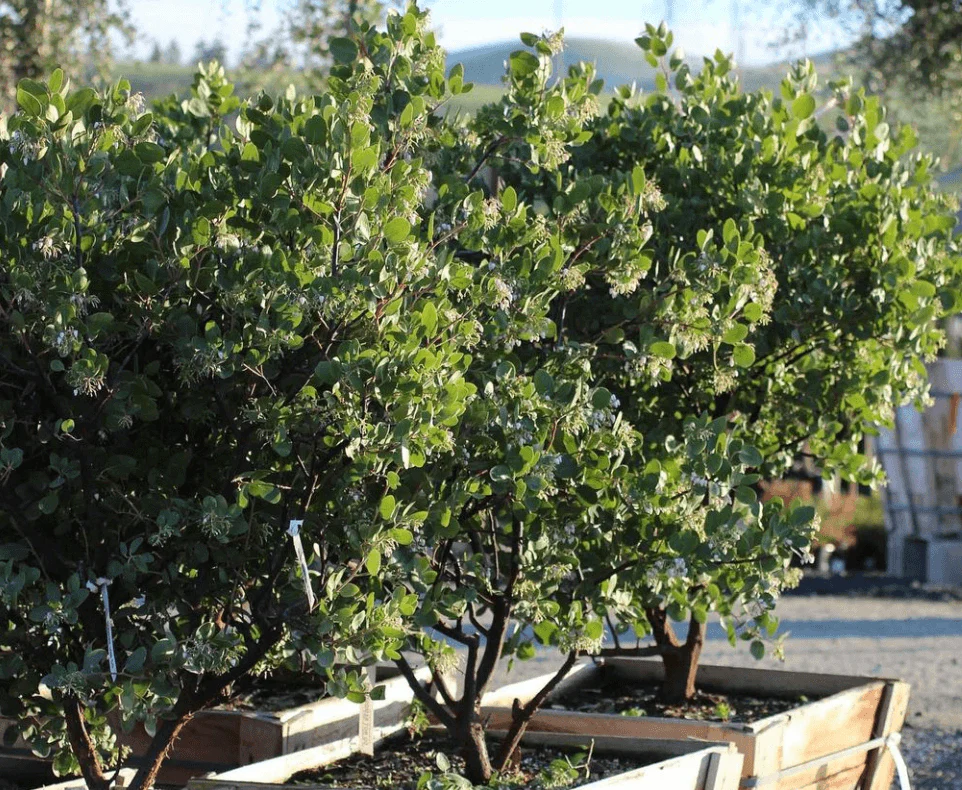
California homeowners seeking drought tolerant landscaping options, including shrubs like California Lilac (Ceanothus)
-
Modern garden enthusiasts wanting architectural plant elements
-
Container gardeners looking for a striking centerpiece plant
-
Landscape designers creating contemporary outdoor spaces
-
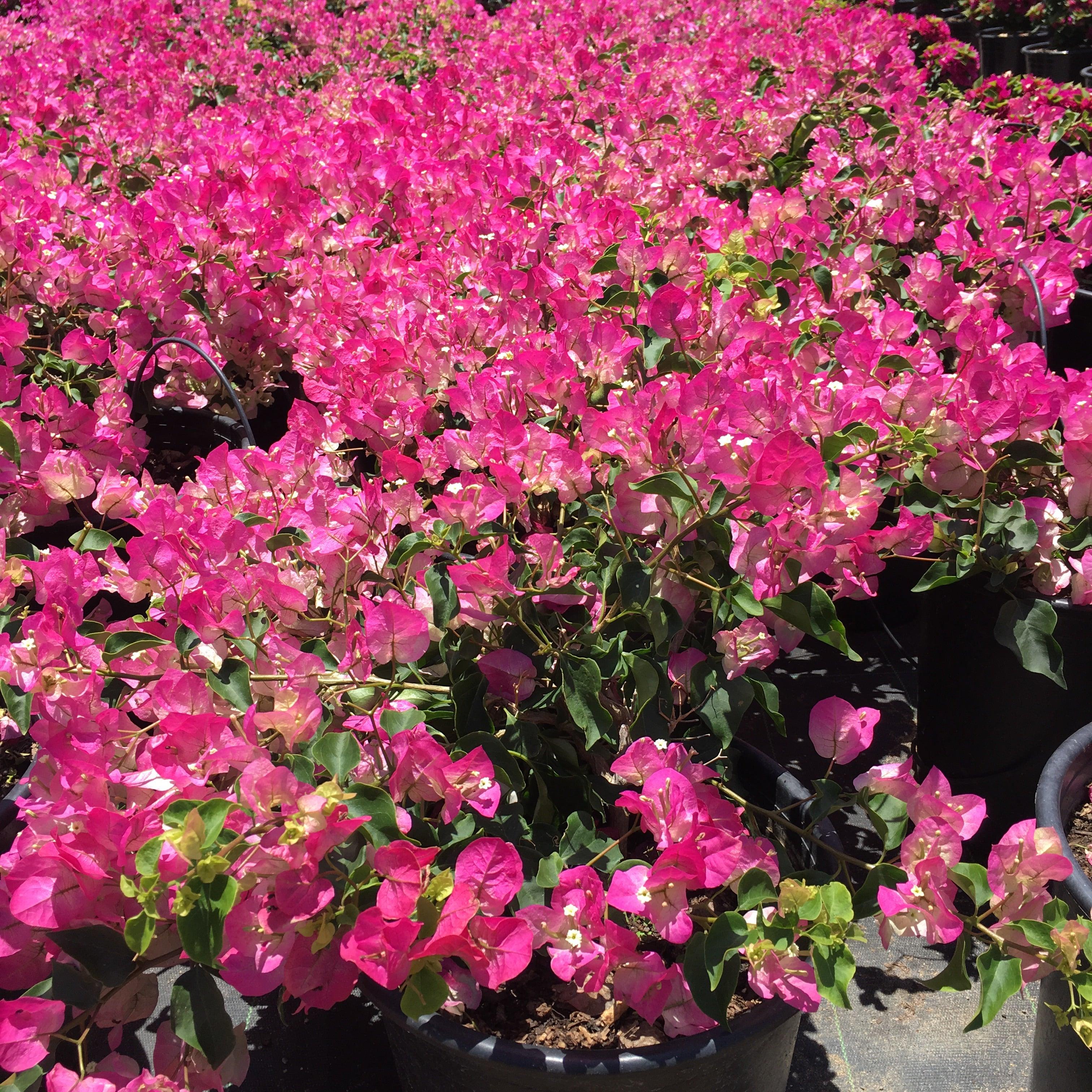
Seaside gardens exposed to wind and salt that can also support colorful, drought-tolerant vines like purple bougainvillea
-
Homeowners adding structure near pond edges, rain gardens, drainage swales, or landscape shallows
-
Anyone wanting low-maintenance plants with high visual impact, whether with architectural foliage like Cape Rush or structural evergreens such as a Fern Pine hedge
If you want evergreen structure, unique texture, and a low water-use plant that can grow in California sun and heat, Chondropetalum tectorum is an excellent fit, especially when combined with drought-tolerant trees like the California Pepper Tree.
Frequently Asked Questions
Is it difficult to grow?
No. Chondropetalum is generally easy to grow when planted in full sun or part sun, given well-draining soil, and allowed to establish before water is reduced. Yardwork observations show it performs best when gardeners avoid overwatering and avoid rich, high-phosphorus feeding.
How much water does it need?
For mixed plantings that also include evergreen privacy trees or fast-growing screens, see our guidance on privacy trees and evergreen options. Water regularly during establishment. Once established, Chondropetalum tectorum can tolerate prolonged dry periods, making it suitable for xeriscaping alongside drought-tolerant flowering trees for California gardens. Cape Rush is highly adaptable to sandy, clay, or loamy soils and must not be overwatered once established.
Will it survive California winters?
This plant is suitable for USDA hardiness zones 9a to 10b and is considered an evergreen, although it may not be winter hardy in all climates. Monrovia offers shipping for Chondropetalum tectorum directly to customers’ doors, but advises that the climate may be too cold for this plant in some areas.
Can it grow in containers?
Yes. Chondropetalum tectorum prefers full sun conditions and can be grown as a tender perennial or in containers, making it a versatile choice for gardeners. Use a large container, free-draining soil, and low fertilizer.
When should I prune it?
Prune in late winter or early spring. Remove old, decaying, or bent outer stems by clipping them individually at the base near the soil level. Do not shear the plant across the top, because cut stems will not regain their natural tip form.
Is it currently available everywhere?
Availability varies by nursery. Chondropetalum tectorum is not currently for sale at Plant Delights, as the page is preserved for informational use only. Xera Plants lists Chondropetalum tectorum as available for purchase, indicating it is a dwarf variety.
Ready to Add Architectural Beauty?
Stop settling for ordinary ornamental grasses when your landscape can have sculptural stems, evergreen structure, drought tolerant performance, and distinctive South African character.
Choose Chondropetalum Tectorum (Cape Reed) for bold garden structure, low-maintenance foliage, and excellent performance in California-style modern landscapes.
Ask Yardwork about California shipping options, current plant availability, our plant guarantee, and soil testing services for optimal planting conditions, and explore our Los Angeles-area nursery and landscaping services as well as our broader online plant nursery selection.
Original: $75.00
-65%$75.00
$26.25Chondropetalum Tectorum (Cape Rush)
Transform Your Garden with Architectural Elegance and Year-Round Interest
Chondropetalum tectorum gives California gardens bold vertical structure, evergreen texture, and low-water performance without the upkeep of ordinary ornamental grasses.
Also known as Cape Rush, tectorum cape rush, or sometimes Elegia tectorum, this South African species brings a clean, modern look to patios, courtyards, pond edges, rain gardens, rock gardens, and drought tolerant landscapes. Its upright stems, dark brown sheaths, and warm brown seasonal flower details create year-round visual interest in full sun, part sun, or light shade.
Why You’ll Love It
-
Architectural upright form – Dense, tufted clumps of unbranched, dark green, needle-like stems create striking vertical lines for modern, Mediterranean, and rock gardens.
-
Distinctive seasonal texture – Dark brown sheaths form a dark band at the joints, and the joints drop their papery coverings over time, often in summer, leaving clean ringed stems and warm brown contrast.
-
Low-water performance – Once established, Chondropetalum tectorum can tolerate prolonged dry periods, making it suitable for xeriscaping and low water-use California landscapes.
-
Excellent for containers – Cape Rush prefers full sun conditions and can be grown as a tender perennial or in containers, making it a versatile choice for gardeners with patios, balconies, or small outdoor spaces.
-
Evergreen, low-maintenance presence – This hardy-looking plant is considered evergreen in suitable climates, with minimal care when planted in the right soil and not overwatered once established.
Cape Rush is also highly resilient against strong, salty coastal winds and varying soil conditions, which makes it an excellent option for seaside gardens, windy exposures, and landscapes where foliage texture matters as much as flowers.
What Makes It Different
Most ornamental grasses rely on soft blades, seasonal plumes, or mounding foliage, such as Autumn Moor Grass (Sesleria autumnalis) or Karl Foerster Feather Reed Grass. Chondropetalum Tectorum is built differently: it looks more like a 3-foot tall upright equisetum with a tight clump formation than a typical grass.
-
Pencil-thick jointed stems – Instead of floppy grass blades, Cape Rush produces upright stems with visible joints and dark brown sheaths that create a sculptural, segmented look.
-
Decorative autumn detail – This species produces small, compact, golden-brown flower spikes at the tips of the stems during autumn and is dioecious, meaning there are separate male and female plants.
-
Mediterranean-climate adaptation – Chondropetalum tectorum is native to South Africa and is well suited to climates with sun, heat, seasonal water, and dry periods, similar to many California garden conditions.
Historically, its flexible stems were used as a primary roof thatching material in the Cape, which is reflected in the name “tectorum.” In garden design, that same structural quality now gives the plant its contemporary appeal.
How To Grow Chondropetalum Tectorum
-
Plant it in the right exposure
Choose full sun to part sun for the strongest stems and best color. It can tolerate some shade, but too much shade may reduce the crisp upright habit. -
Establish with consistent water
Water regularly during the first growing season so the plant can root in. After it is established, reduce to low or moderate water and avoid keeping the ground saturated for long periods. -
Let the structure develop naturally
Enjoy its fountain-like growth pattern, evergreen presence, papery bracts, and seasonal brown flower spikes at the tips of the stems.
For maintenance, prune in late winter or early spring. Only remove old, decaying, or bent outer stems by clipping them individually at the base near the soil level-do not shear the plant across the top. Avoid heavy fertilizers, particularly phosphorus, because phosphorus can damage the roots.
Plant Details
-
Botanical name: Chondropetalum tectorum
-
Common names: Cape Reed, Cape Rush, tectorum cape rush
-
Plant type: Evergreen restio; South African architectural foliage plant
-
Mature size: Typically 24-36 inches tall and wide in compact landscape use
-
Broader Cape Rush size range: Cape Rush forms dense, tufted clumps of unbranched, dark green, needle-like stems and typically grows 3 to 4 feet tall and spreads 3 to 5 feet wide
-
Hardiness zones: USDA zones 9a to 10b; perfect for many California gardens, although it may not be winter hardy in all climates
-
Light requirements: Full sun to partial shade
-
Water needs: Low to moderate once established; drought tolerant after establishment
-
Soil preferences: Well-draining, slightly acidic soil; adaptable to sandy, clay, or loamy soils
-
Fertilizer needs: Low; does not tolerate heavy fertilizers, particularly phosphorus
-
Container compatibility: Excellent for large pots and modern containers
-
Special landscape uses: Ideal for planting along pond edges, rain gardens, drainage swales, and shallow water-influenced areas because it can handle waterlogged soils while still needing care not to be overwatered once established
-
Coastal tolerance: Tolerates wind, seaside exposure, and salty air well
Who It’s Perfect For
Ideal for:
-
California homeowners seeking drought tolerant landscaping options, including shrubs like California Lilac (Ceanothus)
-
Modern garden enthusiasts wanting architectural plant elements
-
Container gardeners looking for a striking centerpiece plant
-
Landscape designers creating contemporary outdoor spaces
-
Seaside gardens exposed to wind and salt that can also support colorful, drought-tolerant vines like purple bougainvillea
-
Homeowners adding structure near pond edges, rain gardens, drainage swales, or landscape shallows
-
Anyone wanting low-maintenance plants with high visual impact, whether with architectural foliage like Cape Rush or structural evergreens such as a Fern Pine hedge
If you want evergreen structure, unique texture, and a low water-use plant that can grow in California sun and heat, Chondropetalum tectorum is an excellent fit, especially when combined with drought-tolerant trees like the California Pepper Tree.
Frequently Asked Questions
Is it difficult to grow?
No. Chondropetalum is generally easy to grow when planted in full sun or part sun, given well-draining soil, and allowed to establish before water is reduced. Yardwork observations show it performs best when gardeners avoid overwatering and avoid rich, high-phosphorus feeding.
How much water does it need?
For mixed plantings that also include evergreen privacy trees or fast-growing screens, see our guidance on privacy trees and evergreen options. Water regularly during establishment. Once established, Chondropetalum tectorum can tolerate prolonged dry periods, making it suitable for xeriscaping alongside drought-tolerant flowering trees for California gardens. Cape Rush is highly adaptable to sandy, clay, or loamy soils and must not be overwatered once established.
Will it survive California winters?
This plant is suitable for USDA hardiness zones 9a to 10b and is considered an evergreen, although it may not be winter hardy in all climates. Monrovia offers shipping for Chondropetalum tectorum directly to customers’ doors, but advises that the climate may be too cold for this plant in some areas.
Can it grow in containers?
Yes. Chondropetalum tectorum prefers full sun conditions and can be grown as a tender perennial or in containers, making it a versatile choice for gardeners. Use a large container, free-draining soil, and low fertilizer.
When should I prune it?
Prune in late winter or early spring. Remove old, decaying, or bent outer stems by clipping them individually at the base near the soil level. Do not shear the plant across the top, because cut stems will not regain their natural tip form.
Is it currently available everywhere?
Availability varies by nursery. Chondropetalum tectorum is not currently for sale at Plant Delights, as the page is preserved for informational use only. Xera Plants lists Chondropetalum tectorum as available for purchase, indicating it is a dwarf variety.
Ready to Add Architectural Beauty?
Stop settling for ordinary ornamental grasses when your landscape can have sculptural stems, evergreen structure, drought tolerant performance, and distinctive South African character.
Choose Chondropetalum Tectorum (Cape Reed) for bold garden structure, low-maintenance foliage, and excellent performance in California-style modern landscapes.
Ask Yardwork about California shipping options, current plant availability, our plant guarantee, and soil testing services for optimal planting conditions, and explore our Los Angeles-area nursery and landscaping services as well as our broader online plant nursery selection.
Product Information
Product Information
Shipping & Returns
Shipping & Returns
Description
Transform Your Garden with Architectural Elegance and Year-Round Interest
Chondropetalum tectorum gives California gardens bold vertical structure, evergreen texture, and low-water performance without the upkeep of ordinary ornamental grasses.
Also known as Cape Rush, tectorum cape rush, or sometimes Elegia tectorum, this South African species brings a clean, modern look to patios, courtyards, pond edges, rain gardens, rock gardens, and drought tolerant landscapes. Its upright stems, dark brown sheaths, and warm brown seasonal flower details create year-round visual interest in full sun, part sun, or light shade.
Why You’ll Love It
-
Architectural upright form – Dense, tufted clumps of unbranched, dark green, needle-like stems create striking vertical lines for modern, Mediterranean, and rock gardens.
-
Distinctive seasonal texture – Dark brown sheaths form a dark band at the joints, and the joints drop their papery coverings over time, often in summer, leaving clean ringed stems and warm brown contrast.
-
Low-water performance – Once established, Chondropetalum tectorum can tolerate prolonged dry periods, making it suitable for xeriscaping and low water-use California landscapes.
-
Excellent for containers – Cape Rush prefers full sun conditions and can be grown as a tender perennial or in containers, making it a versatile choice for gardeners with patios, balconies, or small outdoor spaces.
-
Evergreen, low-maintenance presence – This hardy-looking plant is considered evergreen in suitable climates, with minimal care when planted in the right soil and not overwatered once established.
Cape Rush is also highly resilient against strong, salty coastal winds and varying soil conditions, which makes it an excellent option for seaside gardens, windy exposures, and landscapes where foliage texture matters as much as flowers.
What Makes It Different
Most ornamental grasses rely on soft blades, seasonal plumes, or mounding foliage, such as Autumn Moor Grass (Sesleria autumnalis) or Karl Foerster Feather Reed Grass. Chondropetalum Tectorum is built differently: it looks more like a 3-foot tall upright equisetum with a tight clump formation than a typical grass.
-
Pencil-thick jointed stems – Instead of floppy grass blades, Cape Rush produces upright stems with visible joints and dark brown sheaths that create a sculptural, segmented look.
-
Decorative autumn detail – This species produces small, compact, golden-brown flower spikes at the tips of the stems during autumn and is dioecious, meaning there are separate male and female plants.
-
Mediterranean-climate adaptation – Chondropetalum tectorum is native to South Africa and is well suited to climates with sun, heat, seasonal water, and dry periods, similar to many California garden conditions.
Historically, its flexible stems were used as a primary roof thatching material in the Cape, which is reflected in the name “tectorum.” In garden design, that same structural quality now gives the plant its contemporary appeal.
How To Grow Chondropetalum Tectorum
-
Plant it in the right exposure
Choose full sun to part sun for the strongest stems and best color. It can tolerate some shade, but too much shade may reduce the crisp upright habit. -
Establish with consistent water
Water regularly during the first growing season so the plant can root in. After it is established, reduce to low or moderate water and avoid keeping the ground saturated for long periods. -
Let the structure develop naturally
Enjoy its fountain-like growth pattern, evergreen presence, papery bracts, and seasonal brown flower spikes at the tips of the stems.
For maintenance, prune in late winter or early spring. Only remove old, decaying, or bent outer stems by clipping them individually at the base near the soil level-do not shear the plant across the top. Avoid heavy fertilizers, particularly phosphorus, because phosphorus can damage the roots.
Plant Details
-
Botanical name: Chondropetalum tectorum
-
Common names: Cape Reed, Cape Rush, tectorum cape rush
-
Plant type: Evergreen restio; South African architectural foliage plant
-
Mature size: Typically 24-36 inches tall and wide in compact landscape use
-
Broader Cape Rush size range: Cape Rush forms dense, tufted clumps of unbranched, dark green, needle-like stems and typically grows 3 to 4 feet tall and spreads 3 to 5 feet wide
-
Hardiness zones: USDA zones 9a to 10b; perfect for many California gardens, although it may not be winter hardy in all climates
-
Light requirements: Full sun to partial shade
-
Water needs: Low to moderate once established; drought tolerant after establishment
-
Soil preferences: Well-draining, slightly acidic soil; adaptable to sandy, clay, or loamy soils
-
Fertilizer needs: Low; does not tolerate heavy fertilizers, particularly phosphorus
-
Container compatibility: Excellent for large pots and modern containers
-
Special landscape uses: Ideal for planting along pond edges, rain gardens, drainage swales, and shallow water-influenced areas because it can handle waterlogged soils while still needing care not to be overwatered once established
-
Coastal tolerance: Tolerates wind, seaside exposure, and salty air well
Who It’s Perfect For
Ideal for:
-
California homeowners seeking drought tolerant landscaping options, including shrubs like California Lilac (Ceanothus)
-
Modern garden enthusiasts wanting architectural plant elements
-
Container gardeners looking for a striking centerpiece plant
-
Landscape designers creating contemporary outdoor spaces
-
Seaside gardens exposed to wind and salt that can also support colorful, drought-tolerant vines like purple bougainvillea
-
Homeowners adding structure near pond edges, rain gardens, drainage swales, or landscape shallows
-
Anyone wanting low-maintenance plants with high visual impact, whether with architectural foliage like Cape Rush or structural evergreens such as a Fern Pine hedge
If you want evergreen structure, unique texture, and a low water-use plant that can grow in California sun and heat, Chondropetalum tectorum is an excellent fit, especially when combined with drought-tolerant trees like the California Pepper Tree.
Frequently Asked Questions
Is it difficult to grow?
No. Chondropetalum is generally easy to grow when planted in full sun or part sun, given well-draining soil, and allowed to establish before water is reduced. Yardwork observations show it performs best when gardeners avoid overwatering and avoid rich, high-phosphorus feeding.
How much water does it need?
For mixed plantings that also include evergreen privacy trees or fast-growing screens, see our guidance on privacy trees and evergreen options. Water regularly during establishment. Once established, Chondropetalum tectorum can tolerate prolonged dry periods, making it suitable for xeriscaping alongside drought-tolerant flowering trees for California gardens. Cape Rush is highly adaptable to sandy, clay, or loamy soils and must not be overwatered once established.
Will it survive California winters?
This plant is suitable for USDA hardiness zones 9a to 10b and is considered an evergreen, although it may not be winter hardy in all climates. Monrovia offers shipping for Chondropetalum tectorum directly to customers’ doors, but advises that the climate may be too cold for this plant in some areas.
Can it grow in containers?
Yes. Chondropetalum tectorum prefers full sun conditions and can be grown as a tender perennial or in containers, making it a versatile choice for gardeners. Use a large container, free-draining soil, and low fertilizer.
When should I prune it?
Prune in late winter or early spring. Remove old, decaying, or bent outer stems by clipping them individually at the base near the soil level. Do not shear the plant across the top, because cut stems will not regain their natural tip form.
Is it currently available everywhere?
Availability varies by nursery. Chondropetalum tectorum is not currently for sale at Plant Delights, as the page is preserved for informational use only. Xera Plants lists Chondropetalum tectorum as available for purchase, indicating it is a dwarf variety.
Ready to Add Architectural Beauty?
Stop settling for ordinary ornamental grasses when your landscape can have sculptural stems, evergreen structure, drought tolerant performance, and distinctive South African character.
Choose Chondropetalum Tectorum (Cape Reed) for bold garden structure, low-maintenance foliage, and excellent performance in California-style modern landscapes.
Ask Yardwork about California shipping options, current plant availability, our plant guarantee, and soil testing services for optimal planting conditions, and explore our Los Angeles-area nursery and landscaping services as well as our broader online plant nursery selection.