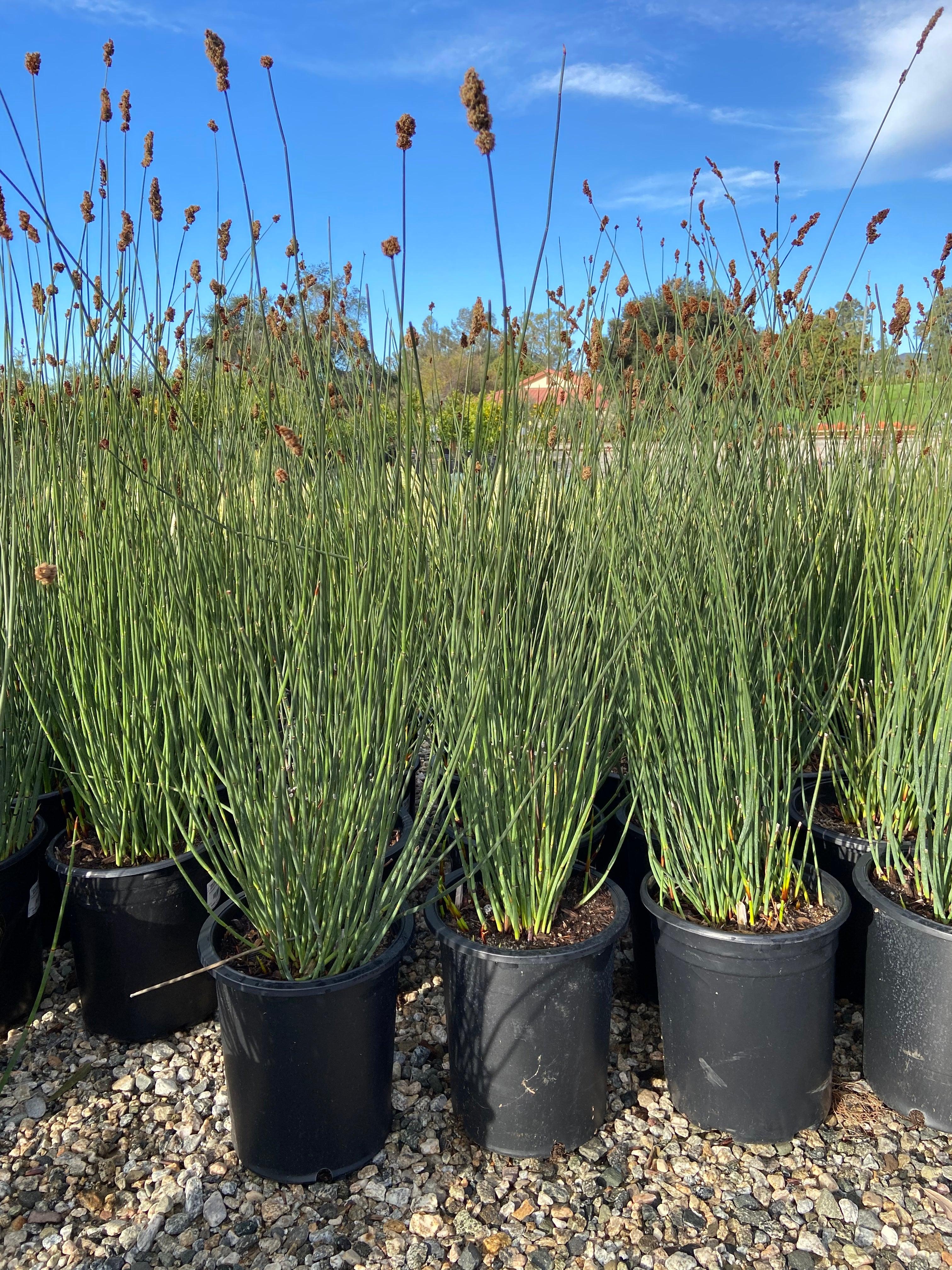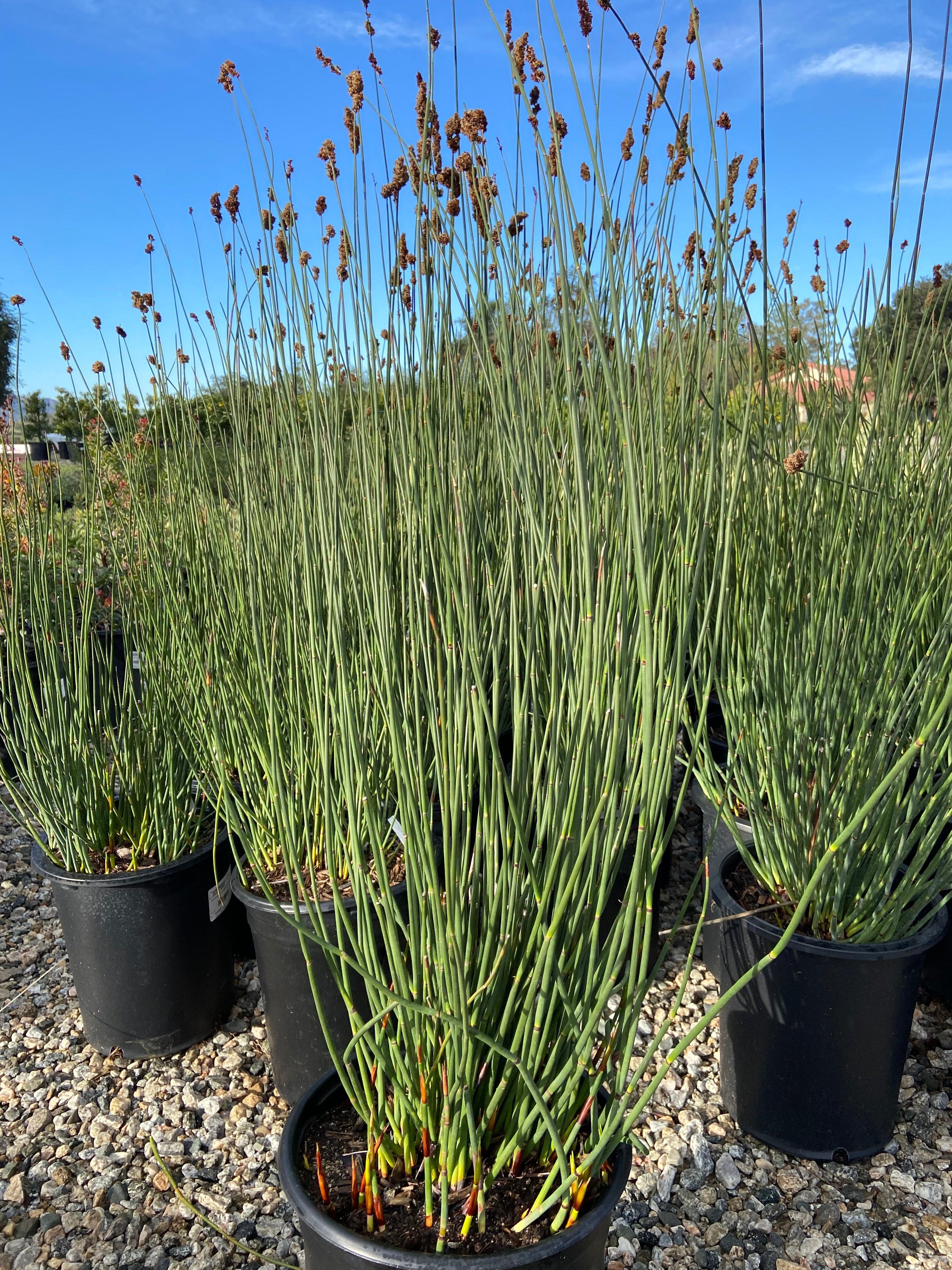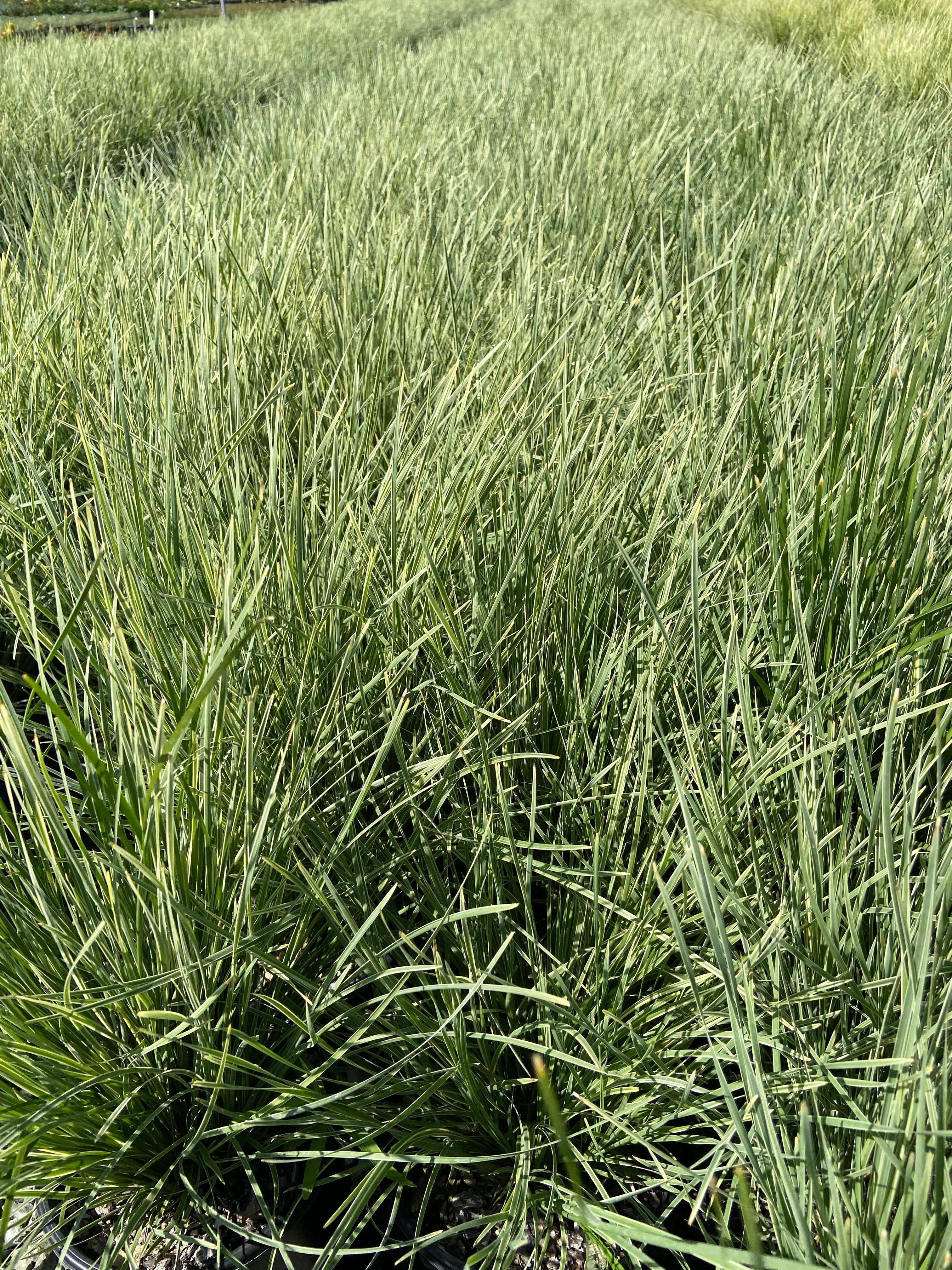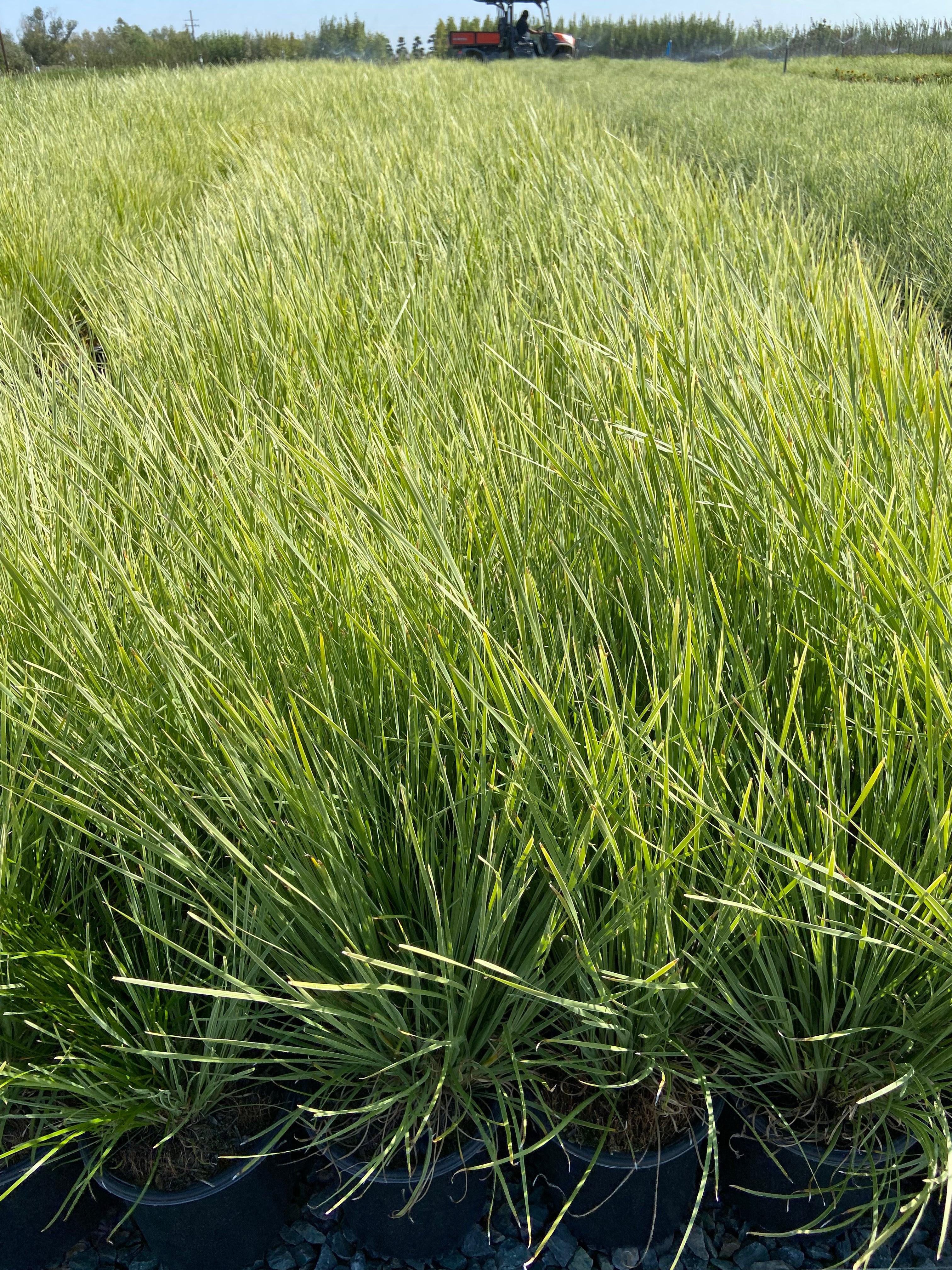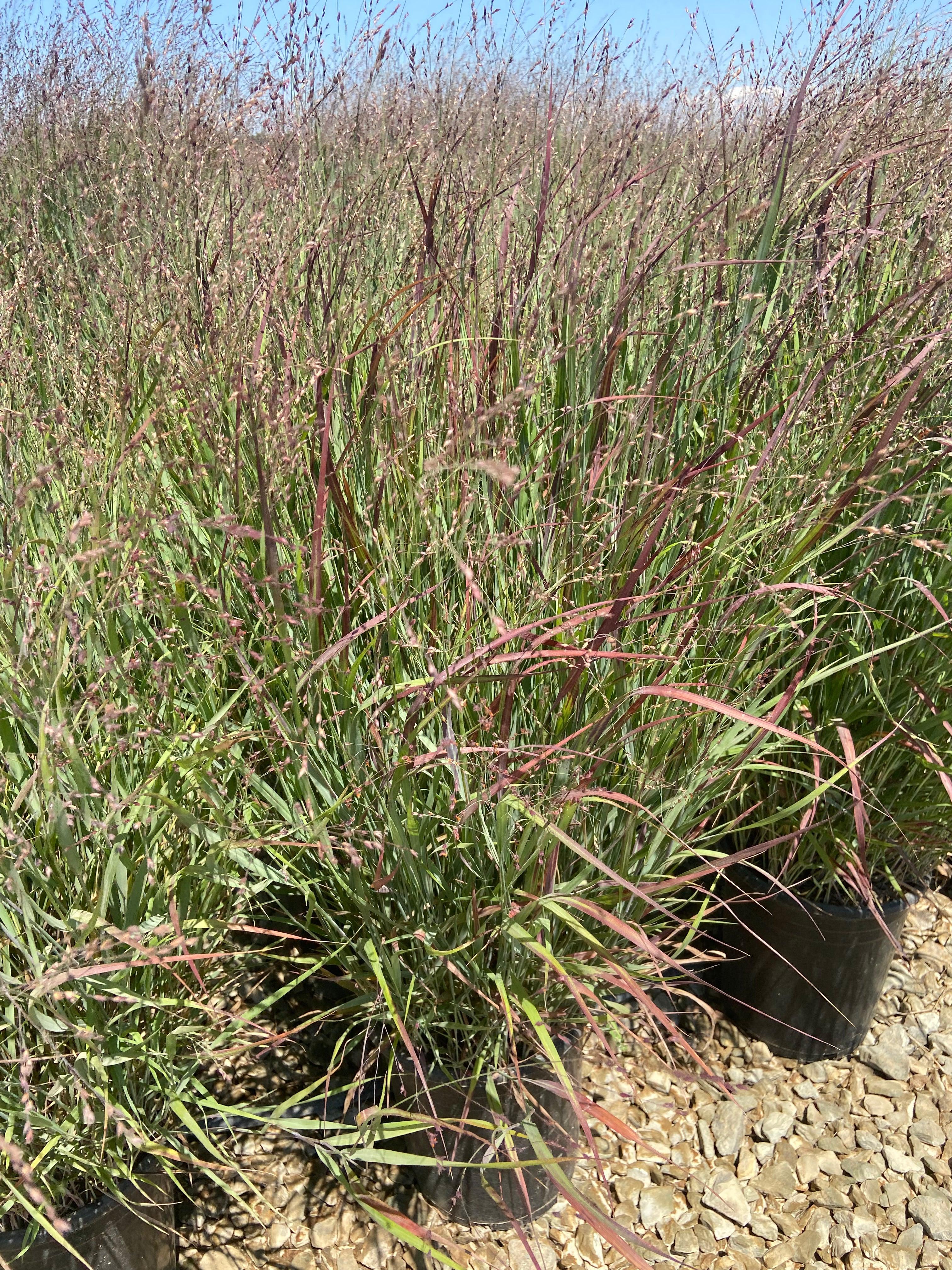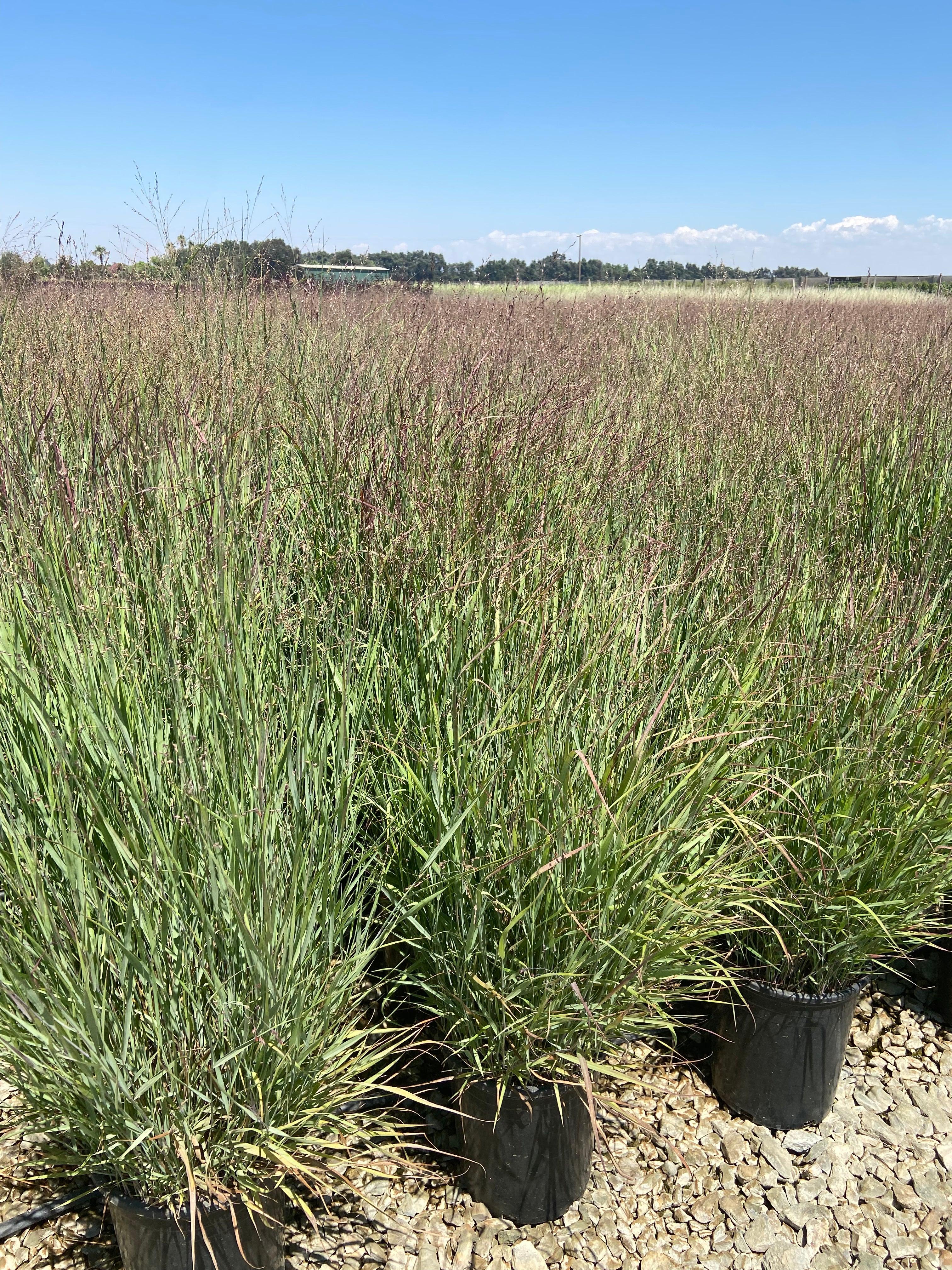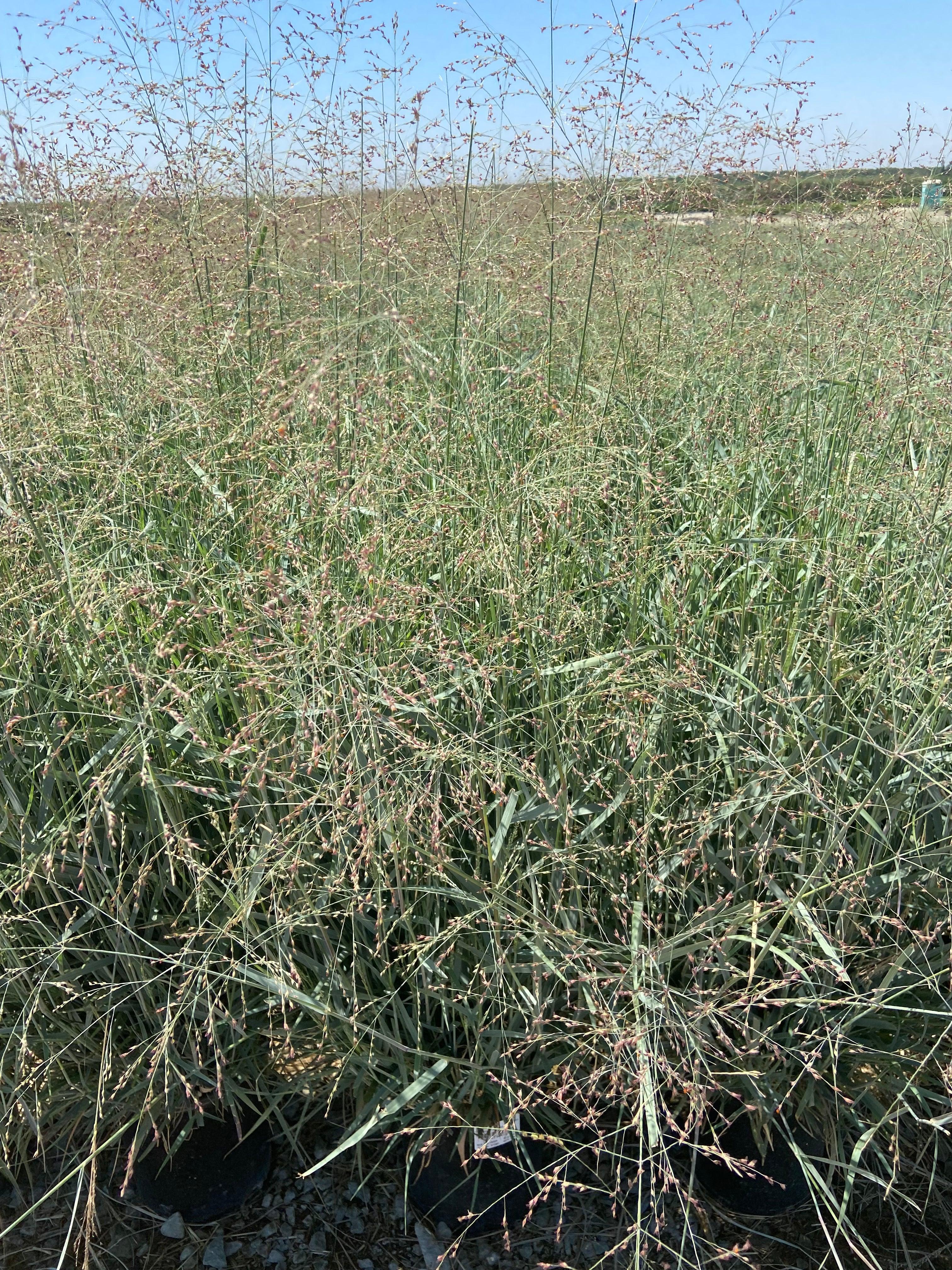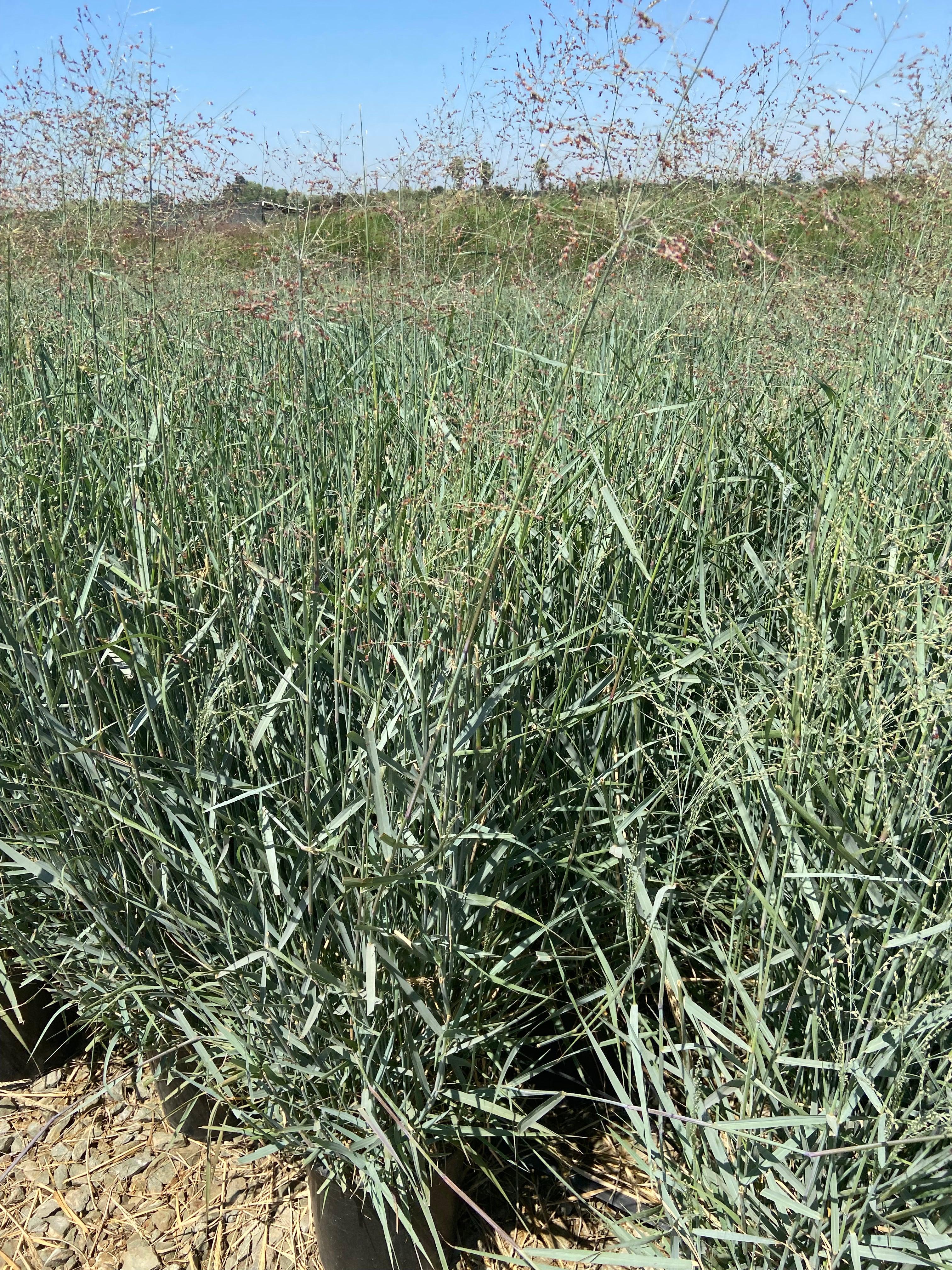
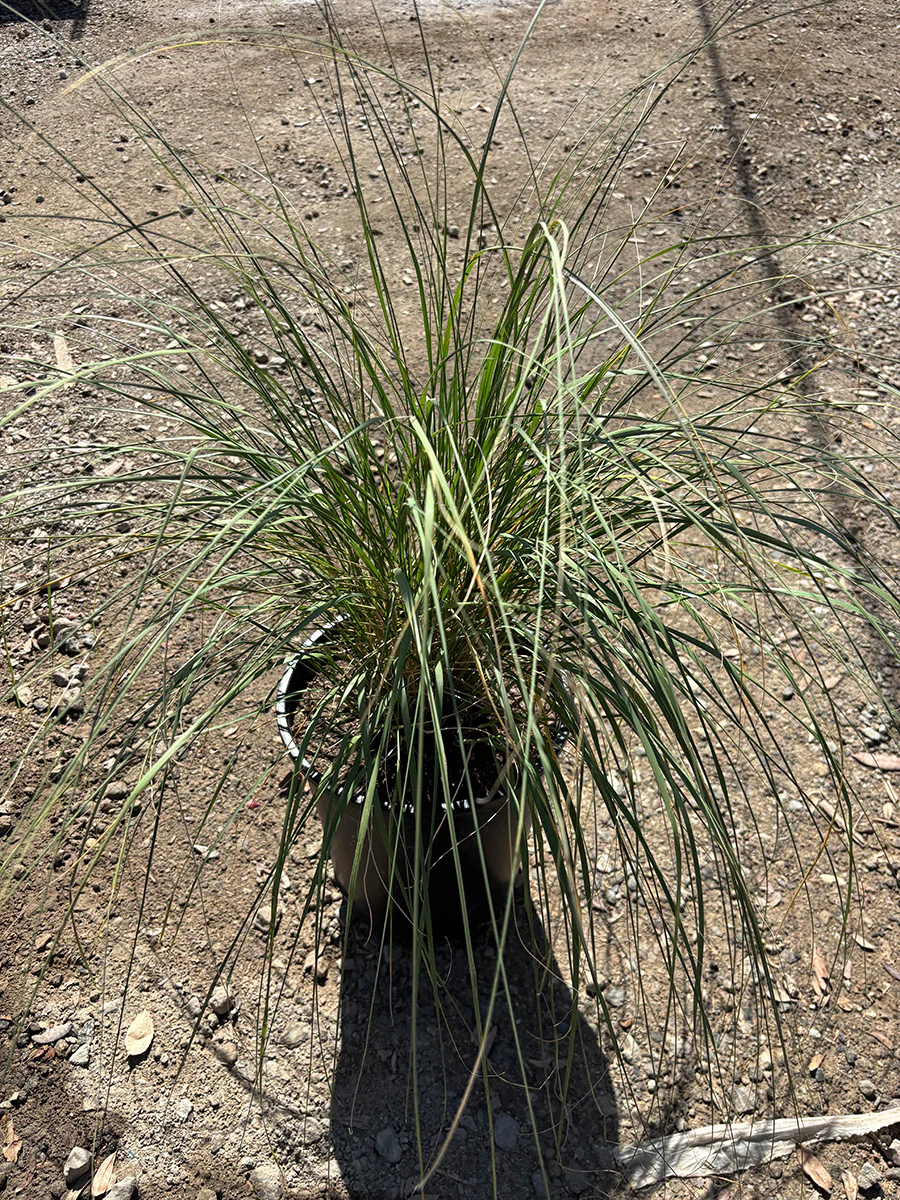
Deer Grass (Muhlenbergia rigens)
Transform Your California Garden with Native Elegance That Thrives on Neglect
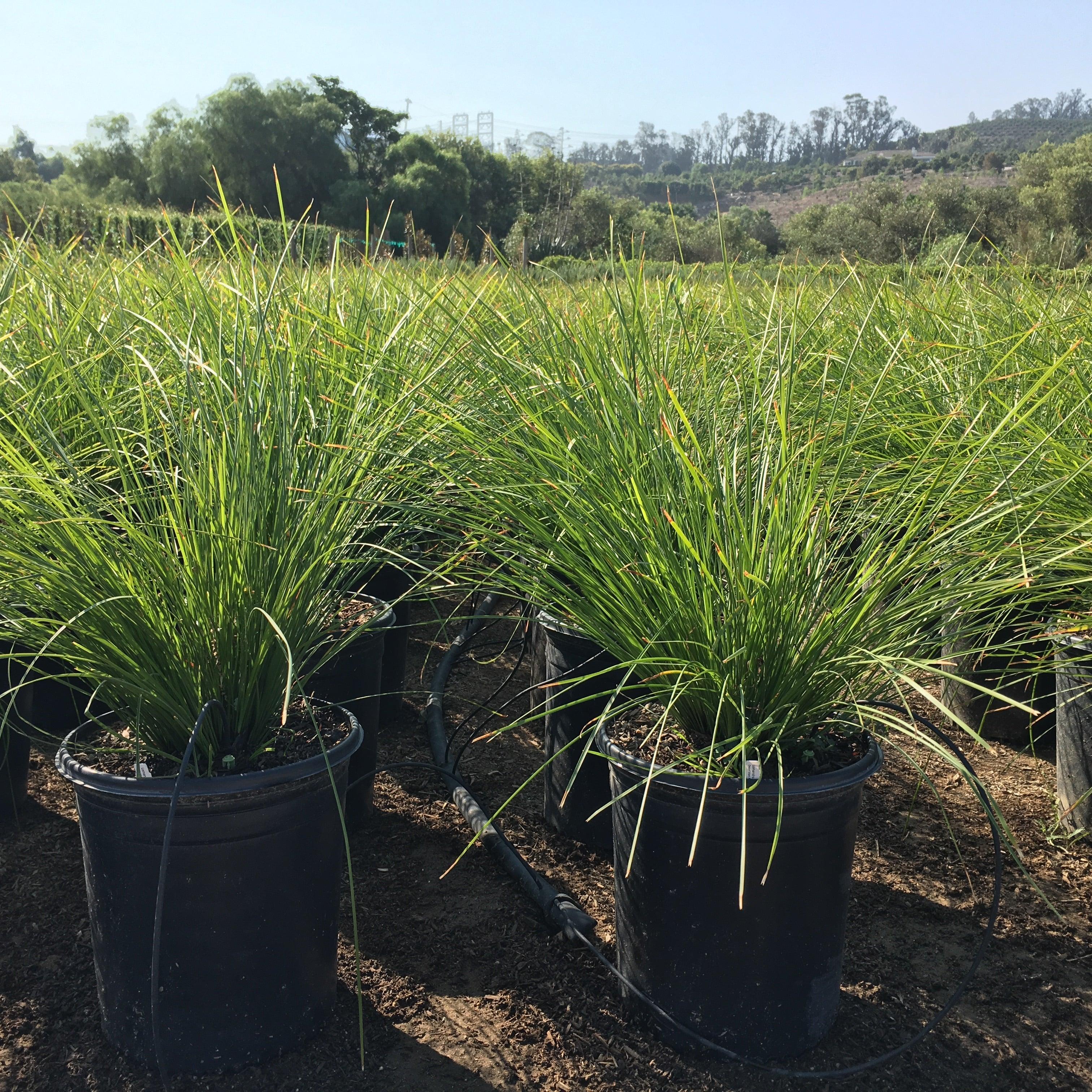
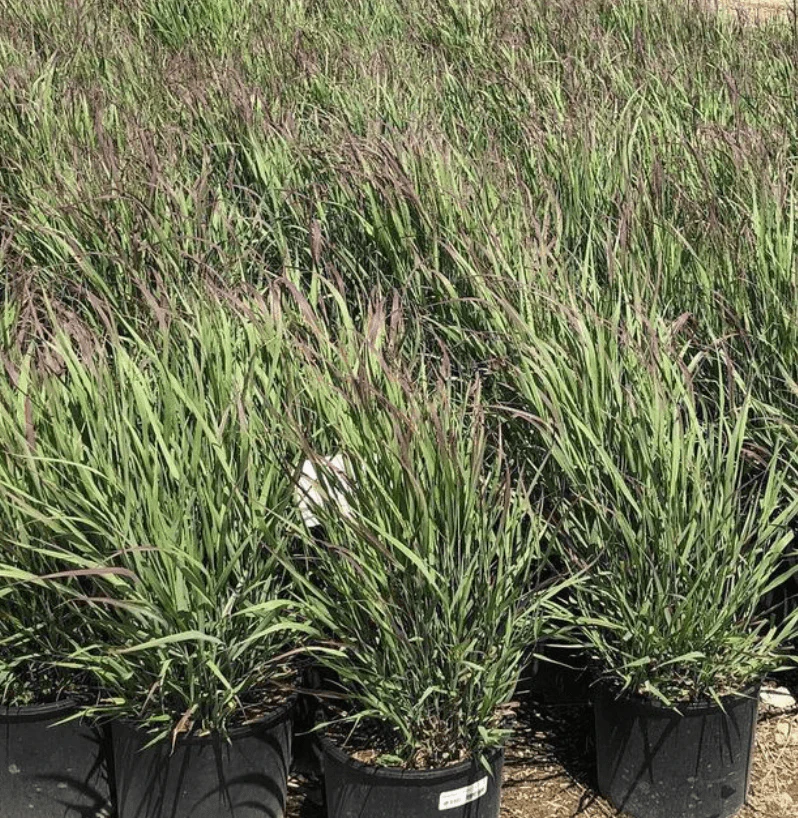
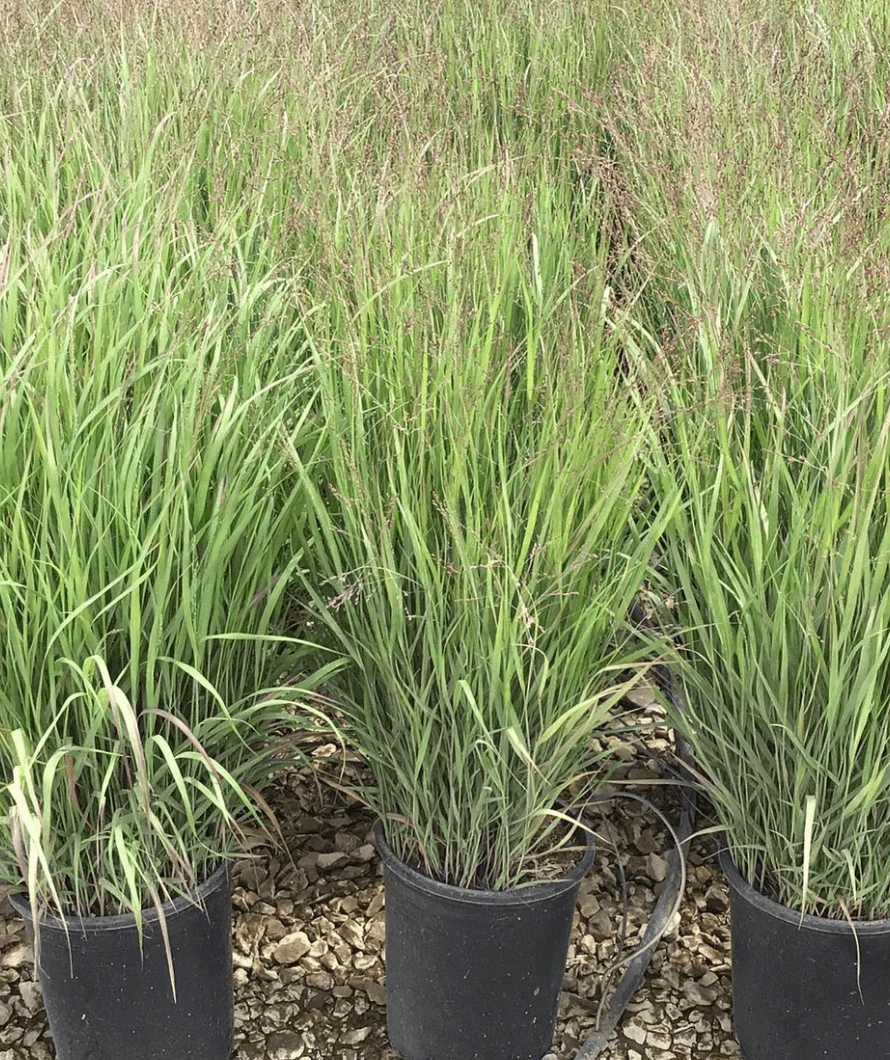
Deer grass gives California gardens bold, fountain-like structure with very little water or upkeep once established. Commonly known as Muhlenbergia rigens, this native, warm season bunch grass creates a graceful mound of green-gray evergreen foliage, then sends up silvery plumes in summer and fall for effortless movement, color, and habitat value.
Designed for low water landscapes, slopes, dry creek beds, meadow-style plantings, and naturalistic borders, deer grass thrives where many ornamental plants struggle: full sun, well drained soil, occasional drought, some shade, urban conditions, and even seasonal flooding.
Why You’ll Love It
-
Drought Tolerance – Deer grass is drought tolerant once established, making it a smart choice for California’s dry climate and water-conscious gardens.
-
Fast Growth – Deer grass grows quickly from a young plant or seedling, typically reaching full size in a couple of growing seasons and maturity from seedling stage in two seasons.
-
Wildlife Magnet – Deer grass seeds provide forage for birds, while the dense foliage offers shelter for beneficial insects, butterflies, small wildlife, and nesting birds; mature plants are also generally deer resistant.
-
Year-Round Interest – Expect evergreen green-gray foliage, silvery plumes that rise 2-3 feet above the foliage during summer and fall, and a warm golden winter color that keeps the garden from looking bare.
-
Virtually Maintenance-Free – This low maintenance grass usually needs only a late winter cut to keep it tidy, and it tolerates neglect better than many ornamental plants.
Deer grass is highly adaptable and prized for its fountain-like aesthetic and structural versatility in gardens. Its long, thin blades arch from a broad mound, giving the property a soft but architectural look whether used as a specimen, massed in drifts, or planted along ground that needs stabilization, much like the upright form and movement of Karl Foerster Feather Reed Grass.
What Makes It Different
Most ornamental grasses are either invasive, thirsty, short-lived, or disconnected from the local ecosystem. Pampas grass, for example, can create the dramatic grass look but is a poor fit for many California landscapes because of invasive behavior and maintenance concerns, while compact options like Autumn Moor Grass (Sesleria autumnalis)offer a smaller-scale, non-invasive alternative.
Deer Grass (Muhlenbergia rigens) provides:
-
Native California Heritage – Deer grass is native to the southwestern United States and Mexico, including California, Texas, and parts of Mexico. It belongs to the Muhlenbergia genus and occurs in diverse habitats such as chaparral, grasslands, stream banks, canyons, and yellow pine forest edges. It is also historically significant for Indigenous Californian tribes, many Native American tribes, and Native Americans who used the long flower stems in basketry and weaving coiled baskets.
-
Flood and Drought Tolerant – Deer grass thrives in full sun and well drained soil, but it can also tolerate some shade, clay, sand, winter moisture, and seasonal flooding. Its deep roots act as a natural conduit, channeling excess winter rain into the groundwater table and minimizing soil runoff.
-
Non-Invasive Beauty – You get height, bloom, movement, and long flower plumes without aggressive spreading. When planted in dense colonies, deer grass serves as an effective weed suppressor, can suppress invasive weeds, outcompete fire-prone non-native species, and act as a biofilter to remove pollutants from soil.
This native plant provides food and shelter for wildlife, making it an important component of local ecosystems. Deer grass provides vital nesting habitat, cover, and shelter for small wildlife, birds, and beneficial insects, while also helping stabilize soil and prevent erosion on stream banks, hillsides, and other unstable areas.
How To Grow Deer Grass
-
Plant in Spring or Fall
Plant deer grass in spring or fall for strong establishment in California conditions. Deer grass can also be started from seed in pots early in the year and planted out in fall to take advantage of winter rains for establishment. -
Water to Establish
Water regularly during the first season after the grass is transplanted. Once established, deer grass thrives with natural rainfall in many areas or only occasional irrigation during extended summer heat. -
Enjoy the Show
Watch the broad mound expand into a 3-5 feet tall and 4-6 feet wide warm season bunch grass, with long, thin blades and silvery flower plumes displayed above the foliage in late summer and fall. -
Cut Back When Needed
In late winter, cut back old flower stalks and dead foliage to refresh the plant. You can also leave seed heads longer if you prefer to support birds and wildlife through winter.
Short version: plant it, water it until established, then let it grow. Deer grass rewards a simple approach with texture, bloom, habitat, erosion control, and lasting structure, and it pairs beautifully with vibrant, drought-tolerant vines like purple bougainvillea (Bougainvillea spectabilis).
Plant Details
-
Mature Size: Commonly 4-5 feet tall and wide in California landscapes; botanically, Deer grass (Muhlenbergia rigens) is a warm-season bunch grass that can grow 3-5 feet tall and 4-6 feet wide.
-
Growth Rate: Fast - reaches full size in 1-2 seasons and typically grows to full size in a couple of growing seasons.
-
Sun Requirements: Full sun to partial shade; best bloom and strongest form occur in sun.
-
Soil Needs: Well drained soil is preferred; tolerates clay, sand, gravelly soil, and varied garden conditions as long as the ground does not stay waterlogged.
-
Water Requirements: Low once established; performs well around 15 inches annually, with occasional irrigation helpful in very hot inland summer conditions.
-
Hardiness: Native to California and well suited to USDA zones 8-10 for best landscape performance.
-
Bloom Time: Silvery plumes from summer through fall, often rising 2-3 feet above evergreen green-gray foliage.
-
Wildlife Value: Seeds feed local songbirds; dense clumps shelter insects, butterflies, birds, and other small wildlife.
-
Best Uses: Slopes, bioswales, stream banks, hillsides, dry creek beds, meadow gardens, habitat gardens, erosion control, borders, and massed native plantings.
-
Cultural Note: Historically used by Indigenous Californian tribes for long flower stems in coiled basket weaving; this is a landscape grass, not an edible grain for bread or mush.
Who It’s For
Ideal for:
-
California homeowners seeking drought tolerant, low maintenance landscaping.
-
Gardeners who want native plants that support local wildlife, birds, butterflies, and beneficial insects, such as California lilac (Ceanothus).
-
Property owners needing erosion control on slopes, stream banks, hillsides, or unstable ground.
-
Landscape designers creating meadow-like, naturalistic, fire-wise, or habitat-forward gardens who may also be considering hardy structural trees like the California Pepper Tree (Schinus molle).
-
Anyone who wants dramatic grass texture without pampas grass or invasive species concerns.
If you want a native, structural, water-wise grass that can be used as a specimen or massed across a larger garden, deer grass fits beautifully. It offers the advantage of ornamental impact, ecological function, and practical resilience in one plant.
Frequently Asked Questions
How much water does deer grass need?
Water regularly during the first growing season so roots can establish. After that, deer grass is drought tolerant and can often thrive on natural rainfall, though occasional deep irrigation in summer helps maintain lush foliage in hotter California regions.
Will it spread and take over my garden?
No. Deer grass is a bunch grass, not a running grass. It forms a widening clump rather than spreading aggressively by rhizomes. It may produce seeds, but it is considered a non-invasive native choice and is much easier to manage than pampas grass.
When should I cut it back?
Cut deer grass in late winter or very early spring before new growth pushes through. You can remove old flower stalks for a tidy look, or leave some seed heads into winter if you want to provide food for birds.
Can deer grass handle both drought and seasonal flooding?
Yes. This grass is highly adaptable, thriving in various climates and conditions, including drought and seasonal flooding. It prefers well drained soil, but it can handle periodic winter wetness and runoff better than many dry-garden plants.
Is deer grass good for erosion control?
Yes. Deer grass helps stabilize soil and prevent erosion, particularly in areas like stream banks and hillsides. Its deep roots reduce soil runoff, support groundwater movement, and help hold difficult ground in place, and it can be combined with evergreen screening plants like Fern Pine hedges (Podocarpus gracilior) for both stability and privacy.
Ready to Transform Your Garden?
Stop struggling with high-maintenance, water-hungry plants that demand constant attention. Choose Deer Grass (Muhlenbergia rigens) and experience effortless native beauty, wildlife habitat, erosion control, and year-round structure in one resilient California grass, complemented by carefully chosen flowering trees for California gardens.
Yardwork can help you choose the right size, spacing, and placement for your garden through our plant nursery and landscaping services. Ask us about California delivery, soil testing services, and landscape consultation options, or explore evergreen and privacy trees if you want help confirming drainage, sun exposure, irrigation needs, or planting design.
Original: $45.00
-65%$45.00
$15.75Deer Grass (Muhlenbergia rigens)
Transform Your California Garden with Native Elegance That Thrives on Neglect
Deer grass gives California gardens bold, fountain-like structure with very little water or upkeep once established. Commonly known as Muhlenbergia rigens, this native, warm season bunch grass creates a graceful mound of green-gray evergreen foliage, then sends up silvery plumes in summer and fall for effortless movement, color, and habitat value.
Designed for low water landscapes, slopes, dry creek beds, meadow-style plantings, and naturalistic borders, deer grass thrives where many ornamental plants struggle: full sun, well drained soil, occasional drought, some shade, urban conditions, and even seasonal flooding.
Why You’ll Love It
-
Drought Tolerance – Deer grass is drought tolerant once established, making it a smart choice for California’s dry climate and water-conscious gardens.
-
Fast Growth – Deer grass grows quickly from a young plant or seedling, typically reaching full size in a couple of growing seasons and maturity from seedling stage in two seasons.
-
Wildlife Magnet – Deer grass seeds provide forage for birds, while the dense foliage offers shelter for beneficial insects, butterflies, small wildlife, and nesting birds; mature plants are also generally deer resistant.
-
Year-Round Interest – Expect evergreen green-gray foliage, silvery plumes that rise 2-3 feet above the foliage during summer and fall, and a warm golden winter color that keeps the garden from looking bare.
-
Virtually Maintenance-Free – This low maintenance grass usually needs only a late winter cut to keep it tidy, and it tolerates neglect better than many ornamental plants.
Deer grass is highly adaptable and prized for its fountain-like aesthetic and structural versatility in gardens. Its long, thin blades arch from a broad mound, giving the property a soft but architectural look whether used as a specimen, massed in drifts, or planted along ground that needs stabilization, much like the upright form and movement of Karl Foerster Feather Reed Grass.
What Makes It Different
Most ornamental grasses are either invasive, thirsty, short-lived, or disconnected from the local ecosystem. Pampas grass, for example, can create the dramatic grass look but is a poor fit for many California landscapes because of invasive behavior and maintenance concerns, while compact options like Autumn Moor Grass (Sesleria autumnalis)offer a smaller-scale, non-invasive alternative.
Deer Grass (Muhlenbergia rigens) provides:
-
Native California Heritage – Deer grass is native to the southwestern United States and Mexico, including California, Texas, and parts of Mexico. It belongs to the Muhlenbergia genus and occurs in diverse habitats such as chaparral, grasslands, stream banks, canyons, and yellow pine forest edges. It is also historically significant for Indigenous Californian tribes, many Native American tribes, and Native Americans who used the long flower stems in basketry and weaving coiled baskets.
-
Flood and Drought Tolerant – Deer grass thrives in full sun and well drained soil, but it can also tolerate some shade, clay, sand, winter moisture, and seasonal flooding. Its deep roots act as a natural conduit, channeling excess winter rain into the groundwater table and minimizing soil runoff.
-
Non-Invasive Beauty – You get height, bloom, movement, and long flower plumes without aggressive spreading. When planted in dense colonies, deer grass serves as an effective weed suppressor, can suppress invasive weeds, outcompete fire-prone non-native species, and act as a biofilter to remove pollutants from soil.
This native plant provides food and shelter for wildlife, making it an important component of local ecosystems. Deer grass provides vital nesting habitat, cover, and shelter for small wildlife, birds, and beneficial insects, while also helping stabilize soil and prevent erosion on stream banks, hillsides, and other unstable areas.
How To Grow Deer Grass
-
Plant in Spring or Fall
Plant deer grass in spring or fall for strong establishment in California conditions. Deer grass can also be started from seed in pots early in the year and planted out in fall to take advantage of winter rains for establishment. -
Water to Establish
Water regularly during the first season after the grass is transplanted. Once established, deer grass thrives with natural rainfall in many areas or only occasional irrigation during extended summer heat. -
Enjoy the Show
Watch the broad mound expand into a 3-5 feet tall and 4-6 feet wide warm season bunch grass, with long, thin blades and silvery flower plumes displayed above the foliage in late summer and fall. -
Cut Back When Needed
In late winter, cut back old flower stalks and dead foliage to refresh the plant. You can also leave seed heads longer if you prefer to support birds and wildlife through winter.
Short version: plant it, water it until established, then let it grow. Deer grass rewards a simple approach with texture, bloom, habitat, erosion control, and lasting structure, and it pairs beautifully with vibrant, drought-tolerant vines like purple bougainvillea (Bougainvillea spectabilis).
Plant Details
-
Mature Size: Commonly 4-5 feet tall and wide in California landscapes; botanically, Deer grass (Muhlenbergia rigens) is a warm-season bunch grass that can grow 3-5 feet tall and 4-6 feet wide.
-
Growth Rate: Fast - reaches full size in 1-2 seasons and typically grows to full size in a couple of growing seasons.
-
Sun Requirements: Full sun to partial shade; best bloom and strongest form occur in sun.
-
Soil Needs: Well drained soil is preferred; tolerates clay, sand, gravelly soil, and varied garden conditions as long as the ground does not stay waterlogged.
-
Water Requirements: Low once established; performs well around 15 inches annually, with occasional irrigation helpful in very hot inland summer conditions.
-
Hardiness: Native to California and well suited to USDA zones 8-10 for best landscape performance.
-
Bloom Time: Silvery plumes from summer through fall, often rising 2-3 feet above evergreen green-gray foliage.
-
Wildlife Value: Seeds feed local songbirds; dense clumps shelter insects, butterflies, birds, and other small wildlife.
-
Best Uses: Slopes, bioswales, stream banks, hillsides, dry creek beds, meadow gardens, habitat gardens, erosion control, borders, and massed native plantings.
-
Cultural Note: Historically used by Indigenous Californian tribes for long flower stems in coiled basket weaving; this is a landscape grass, not an edible grain for bread or mush.
Who It’s For
Ideal for:
-
California homeowners seeking drought tolerant, low maintenance landscaping.
-
Gardeners who want native plants that support local wildlife, birds, butterflies, and beneficial insects, such as California lilac (Ceanothus).
-
Property owners needing erosion control on slopes, stream banks, hillsides, or unstable ground.
-
Landscape designers creating meadow-like, naturalistic, fire-wise, or habitat-forward gardens who may also be considering hardy structural trees like the California Pepper Tree (Schinus molle).
-
Anyone who wants dramatic grass texture without pampas grass or invasive species concerns.
If you want a native, structural, water-wise grass that can be used as a specimen or massed across a larger garden, deer grass fits beautifully. It offers the advantage of ornamental impact, ecological function, and practical resilience in one plant.
Frequently Asked Questions
How much water does deer grass need?
Water regularly during the first growing season so roots can establish. After that, deer grass is drought tolerant and can often thrive on natural rainfall, though occasional deep irrigation in summer helps maintain lush foliage in hotter California regions.
Will it spread and take over my garden?
No. Deer grass is a bunch grass, not a running grass. It forms a widening clump rather than spreading aggressively by rhizomes. It may produce seeds, but it is considered a non-invasive native choice and is much easier to manage than pampas grass.
When should I cut it back?
Cut deer grass in late winter or very early spring before new growth pushes through. You can remove old flower stalks for a tidy look, or leave some seed heads into winter if you want to provide food for birds.
Can deer grass handle both drought and seasonal flooding?
Yes. This grass is highly adaptable, thriving in various climates and conditions, including drought and seasonal flooding. It prefers well drained soil, but it can handle periodic winter wetness and runoff better than many dry-garden plants.
Is deer grass good for erosion control?
Yes. Deer grass helps stabilize soil and prevent erosion, particularly in areas like stream banks and hillsides. Its deep roots reduce soil runoff, support groundwater movement, and help hold difficult ground in place, and it can be combined with evergreen screening plants like Fern Pine hedges (Podocarpus gracilior) for both stability and privacy.
Ready to Transform Your Garden?
Stop struggling with high-maintenance, water-hungry plants that demand constant attention. Choose Deer Grass (Muhlenbergia rigens) and experience effortless native beauty, wildlife habitat, erosion control, and year-round structure in one resilient California grass, complemented by carefully chosen flowering trees for California gardens.
Yardwork can help you choose the right size, spacing, and placement for your garden through our plant nursery and landscaping services. Ask us about California delivery, soil testing services, and landscape consultation options, or explore evergreen and privacy trees if you want help confirming drainage, sun exposure, irrigation needs, or planting design.
Product Information
Product Information
Shipping & Returns
Shipping & Returns
Description
Transform Your California Garden with Native Elegance That Thrives on Neglect
Deer grass gives California gardens bold, fountain-like structure with very little water or upkeep once established. Commonly known as Muhlenbergia rigens, this native, warm season bunch grass creates a graceful mound of green-gray evergreen foliage, then sends up silvery plumes in summer and fall for effortless movement, color, and habitat value.
Designed for low water landscapes, slopes, dry creek beds, meadow-style plantings, and naturalistic borders, deer grass thrives where many ornamental plants struggle: full sun, well drained soil, occasional drought, some shade, urban conditions, and even seasonal flooding.
Why You’ll Love It
-
Drought Tolerance – Deer grass is drought tolerant once established, making it a smart choice for California’s dry climate and water-conscious gardens.
-
Fast Growth – Deer grass grows quickly from a young plant or seedling, typically reaching full size in a couple of growing seasons and maturity from seedling stage in two seasons.
-
Wildlife Magnet – Deer grass seeds provide forage for birds, while the dense foliage offers shelter for beneficial insects, butterflies, small wildlife, and nesting birds; mature plants are also generally deer resistant.
-
Year-Round Interest – Expect evergreen green-gray foliage, silvery plumes that rise 2-3 feet above the foliage during summer and fall, and a warm golden winter color that keeps the garden from looking bare.
-
Virtually Maintenance-Free – This low maintenance grass usually needs only a late winter cut to keep it tidy, and it tolerates neglect better than many ornamental plants.
Deer grass is highly adaptable and prized for its fountain-like aesthetic and structural versatility in gardens. Its long, thin blades arch from a broad mound, giving the property a soft but architectural look whether used as a specimen, massed in drifts, or planted along ground that needs stabilization, much like the upright form and movement of Karl Foerster Feather Reed Grass.
What Makes It Different
Most ornamental grasses are either invasive, thirsty, short-lived, or disconnected from the local ecosystem. Pampas grass, for example, can create the dramatic grass look but is a poor fit for many California landscapes because of invasive behavior and maintenance concerns, while compact options like Autumn Moor Grass (Sesleria autumnalis)offer a smaller-scale, non-invasive alternative.
Deer Grass (Muhlenbergia rigens) provides:
-
Native California Heritage – Deer grass is native to the southwestern United States and Mexico, including California, Texas, and parts of Mexico. It belongs to the Muhlenbergia genus and occurs in diverse habitats such as chaparral, grasslands, stream banks, canyons, and yellow pine forest edges. It is also historically significant for Indigenous Californian tribes, many Native American tribes, and Native Americans who used the long flower stems in basketry and weaving coiled baskets.
-
Flood and Drought Tolerant – Deer grass thrives in full sun and well drained soil, but it can also tolerate some shade, clay, sand, winter moisture, and seasonal flooding. Its deep roots act as a natural conduit, channeling excess winter rain into the groundwater table and minimizing soil runoff.
-
Non-Invasive Beauty – You get height, bloom, movement, and long flower plumes without aggressive spreading. When planted in dense colonies, deer grass serves as an effective weed suppressor, can suppress invasive weeds, outcompete fire-prone non-native species, and act as a biofilter to remove pollutants from soil.
This native plant provides food and shelter for wildlife, making it an important component of local ecosystems. Deer grass provides vital nesting habitat, cover, and shelter for small wildlife, birds, and beneficial insects, while also helping stabilize soil and prevent erosion on stream banks, hillsides, and other unstable areas.
How To Grow Deer Grass
-
Plant in Spring or Fall
Plant deer grass in spring or fall for strong establishment in California conditions. Deer grass can also be started from seed in pots early in the year and planted out in fall to take advantage of winter rains for establishment. -
Water to Establish
Water regularly during the first season after the grass is transplanted. Once established, deer grass thrives with natural rainfall in many areas or only occasional irrigation during extended summer heat. -
Enjoy the Show
Watch the broad mound expand into a 3-5 feet tall and 4-6 feet wide warm season bunch grass, with long, thin blades and silvery flower plumes displayed above the foliage in late summer and fall. -
Cut Back When Needed
In late winter, cut back old flower stalks and dead foliage to refresh the plant. You can also leave seed heads longer if you prefer to support birds and wildlife through winter.
Short version: plant it, water it until established, then let it grow. Deer grass rewards a simple approach with texture, bloom, habitat, erosion control, and lasting structure, and it pairs beautifully with vibrant, drought-tolerant vines like purple bougainvillea (Bougainvillea spectabilis).
Plant Details
-
Mature Size: Commonly 4-5 feet tall and wide in California landscapes; botanically, Deer grass (Muhlenbergia rigens) is a warm-season bunch grass that can grow 3-5 feet tall and 4-6 feet wide.
-
Growth Rate: Fast - reaches full size in 1-2 seasons and typically grows to full size in a couple of growing seasons.
-
Sun Requirements: Full sun to partial shade; best bloom and strongest form occur in sun.
-
Soil Needs: Well drained soil is preferred; tolerates clay, sand, gravelly soil, and varied garden conditions as long as the ground does not stay waterlogged.
-
Water Requirements: Low once established; performs well around 15 inches annually, with occasional irrigation helpful in very hot inland summer conditions.
-
Hardiness: Native to California and well suited to USDA zones 8-10 for best landscape performance.
-
Bloom Time: Silvery plumes from summer through fall, often rising 2-3 feet above evergreen green-gray foliage.
-
Wildlife Value: Seeds feed local songbirds; dense clumps shelter insects, butterflies, birds, and other small wildlife.
-
Best Uses: Slopes, bioswales, stream banks, hillsides, dry creek beds, meadow gardens, habitat gardens, erosion control, borders, and massed native plantings.
-
Cultural Note: Historically used by Indigenous Californian tribes for long flower stems in coiled basket weaving; this is a landscape grass, not an edible grain for bread or mush.
Who It’s For
Ideal for:
-
California homeowners seeking drought tolerant, low maintenance landscaping.
-
Gardeners who want native plants that support local wildlife, birds, butterflies, and beneficial insects, such as California lilac (Ceanothus).
-
Property owners needing erosion control on slopes, stream banks, hillsides, or unstable ground.
-
Landscape designers creating meadow-like, naturalistic, fire-wise, or habitat-forward gardens who may also be considering hardy structural trees like the California Pepper Tree (Schinus molle).
-
Anyone who wants dramatic grass texture without pampas grass or invasive species concerns.
If you want a native, structural, water-wise grass that can be used as a specimen or massed across a larger garden, deer grass fits beautifully. It offers the advantage of ornamental impact, ecological function, and practical resilience in one plant.
Frequently Asked Questions
How much water does deer grass need?
Water regularly during the first growing season so roots can establish. After that, deer grass is drought tolerant and can often thrive on natural rainfall, though occasional deep irrigation in summer helps maintain lush foliage in hotter California regions.
Will it spread and take over my garden?
No. Deer grass is a bunch grass, not a running grass. It forms a widening clump rather than spreading aggressively by rhizomes. It may produce seeds, but it is considered a non-invasive native choice and is much easier to manage than pampas grass.
When should I cut it back?
Cut deer grass in late winter or very early spring before new growth pushes through. You can remove old flower stalks for a tidy look, or leave some seed heads into winter if you want to provide food for birds.
Can deer grass handle both drought and seasonal flooding?
Yes. This grass is highly adaptable, thriving in various climates and conditions, including drought and seasonal flooding. It prefers well drained soil, but it can handle periodic winter wetness and runoff better than many dry-garden plants.
Is deer grass good for erosion control?
Yes. Deer grass helps stabilize soil and prevent erosion, particularly in areas like stream banks and hillsides. Its deep roots reduce soil runoff, support groundwater movement, and help hold difficult ground in place, and it can be combined with evergreen screening plants like Fern Pine hedges (Podocarpus gracilior) for both stability and privacy.
Ready to Transform Your Garden?
Stop struggling with high-maintenance, water-hungry plants that demand constant attention. Choose Deer Grass (Muhlenbergia rigens) and experience effortless native beauty, wildlife habitat, erosion control, and year-round structure in one resilient California grass, complemented by carefully chosen flowering trees for California gardens.
Yardwork can help you choose the right size, spacing, and placement for your garden through our plant nursery and landscaping services. Ask us about California delivery, soil testing services, and landscape consultation options, or explore evergreen and privacy trees if you want help confirming drainage, sun exposure, irrigation needs, or planting design.