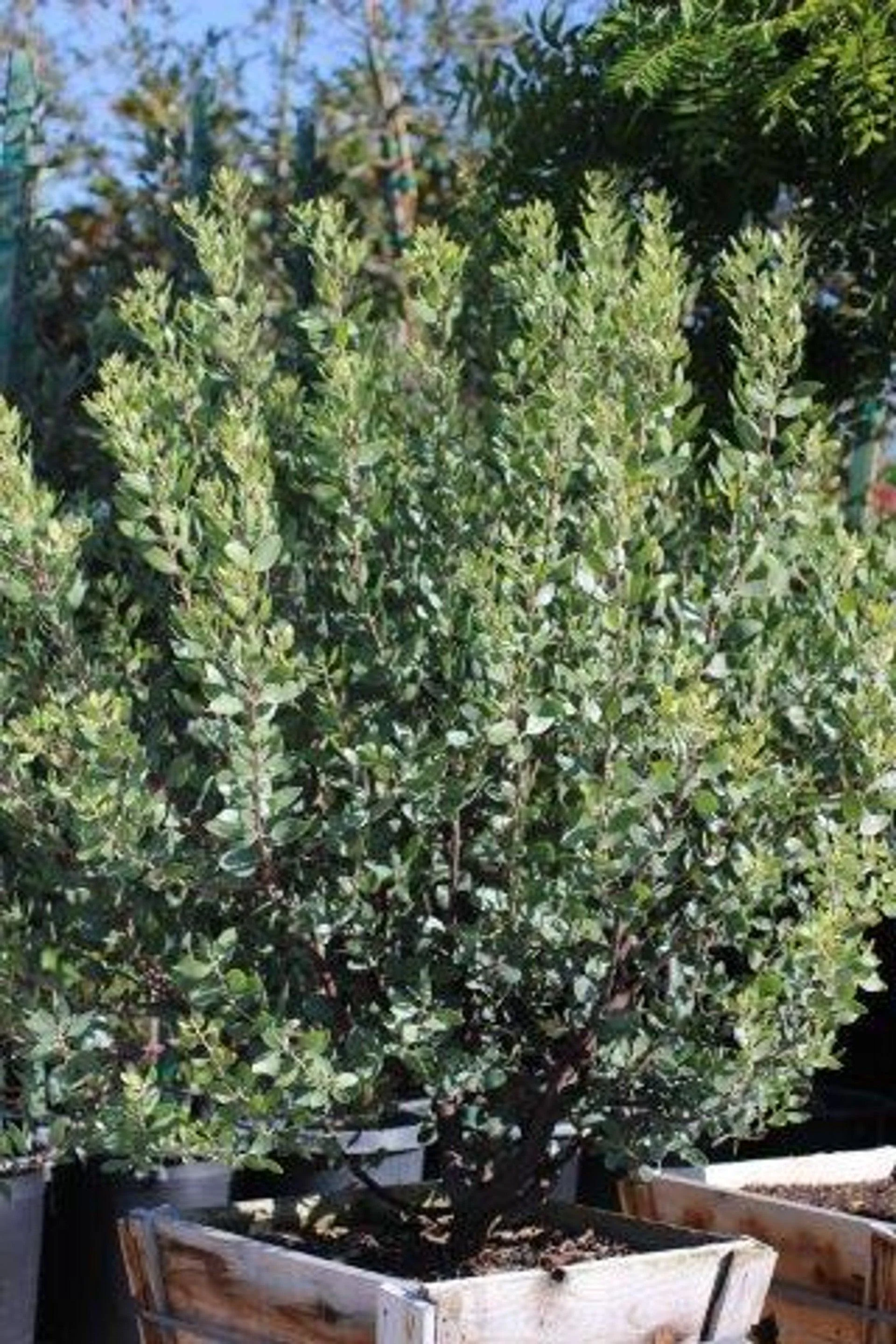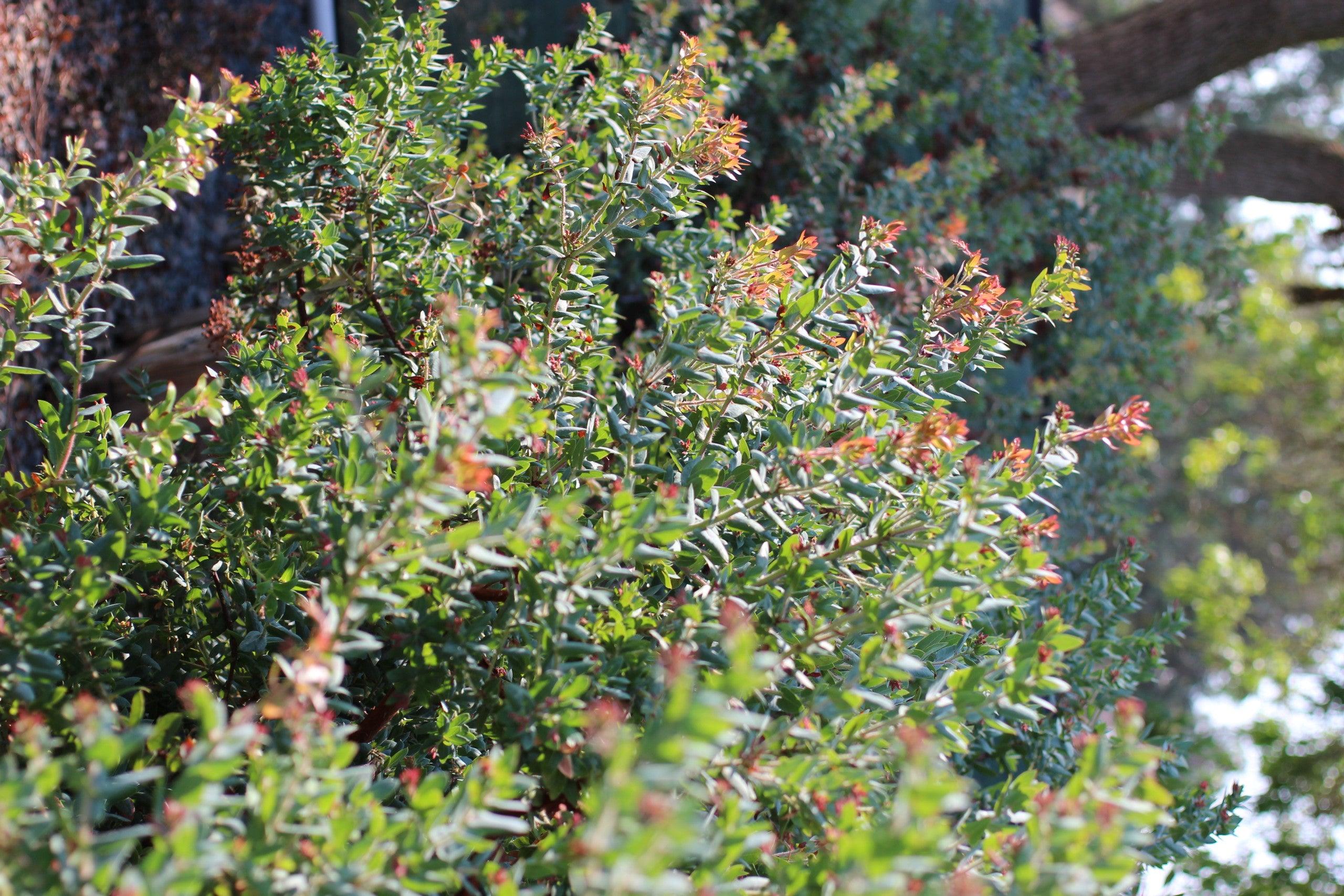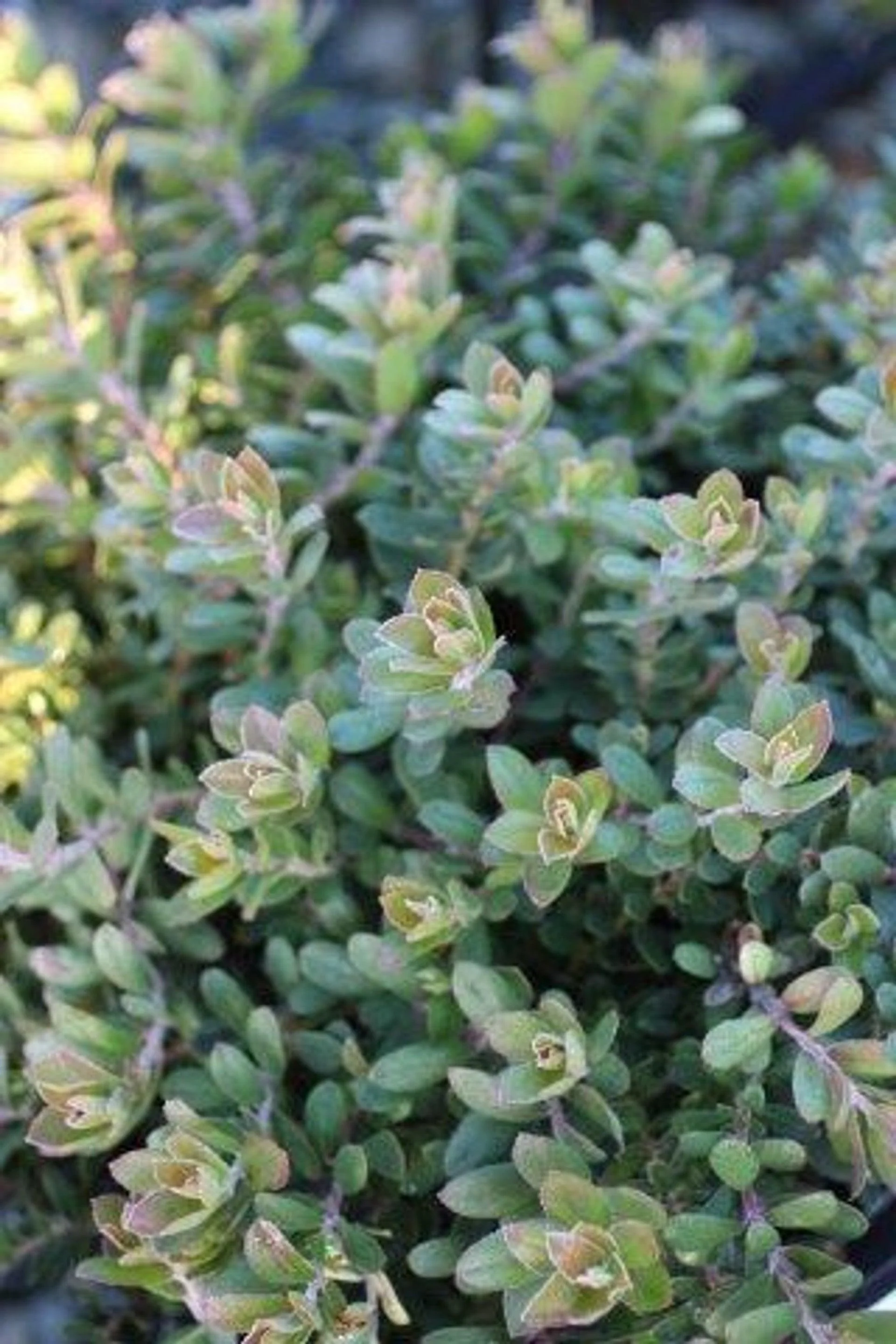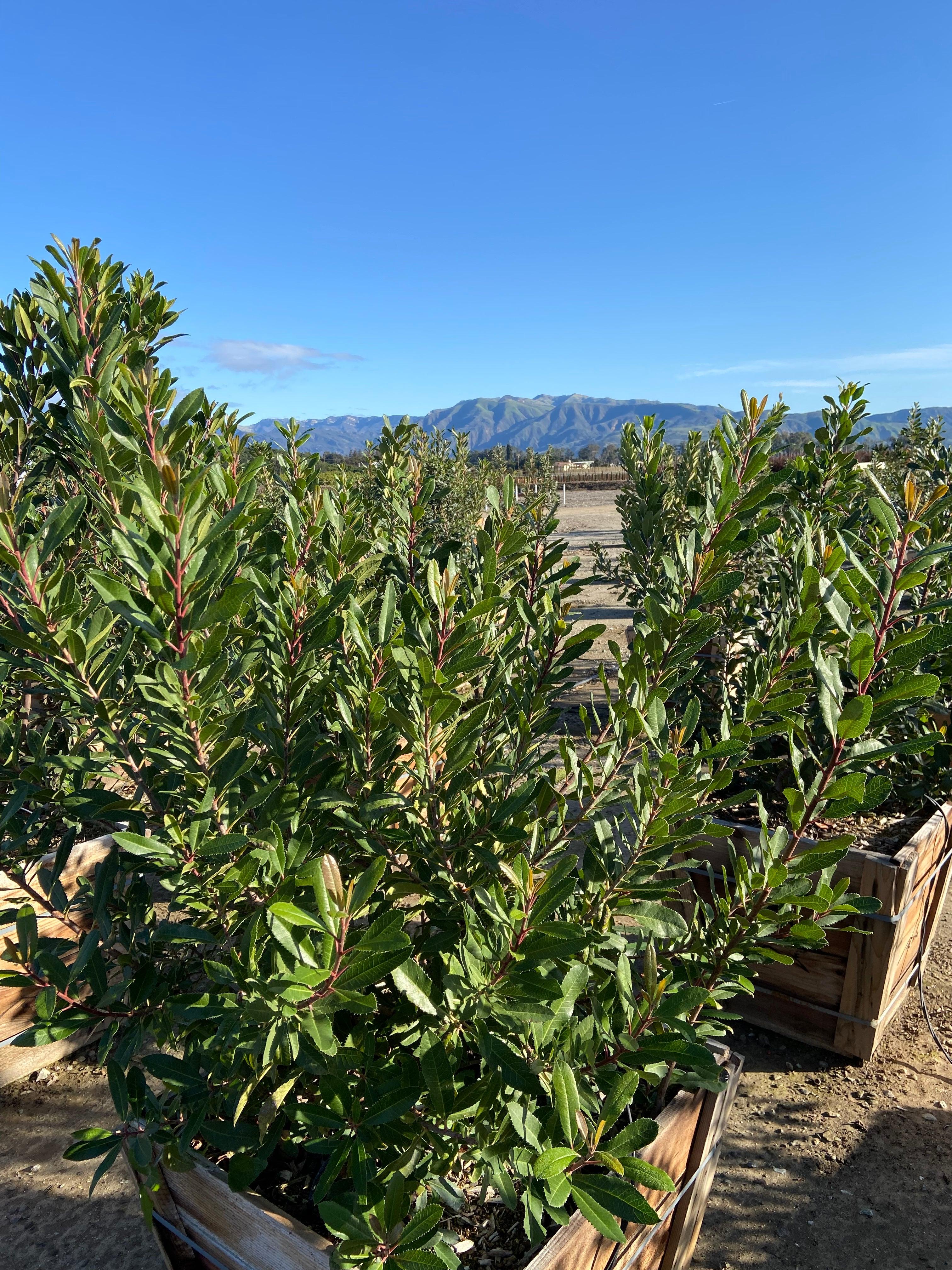
Arctostaphylos Emerald Carpet - Emerald Carpet Manzanita
Transform Your Landscape with California’s Ultimate Low-Maintenance Groundcover
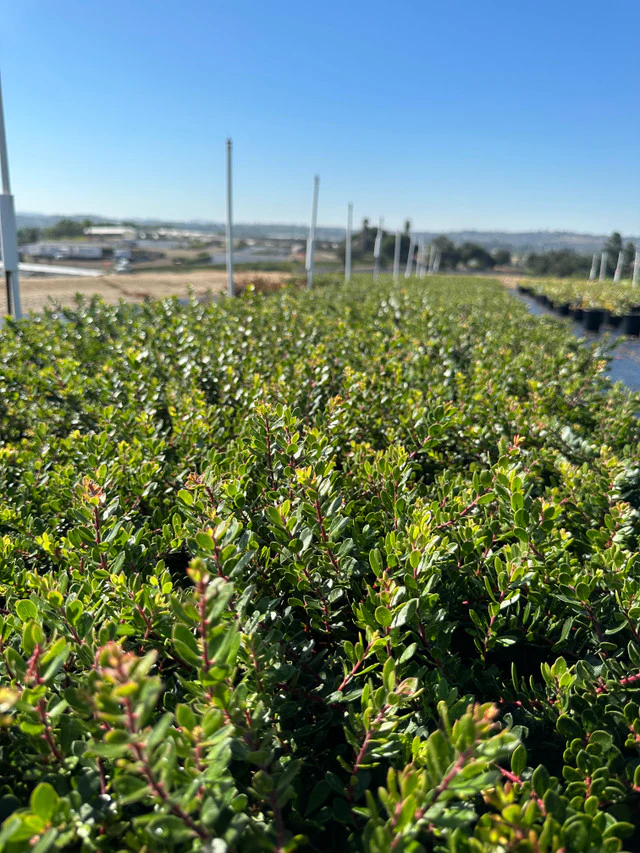
Arctostaphylos Emerald Carpet creates a dense, drought tolerant, evergreen groundcover that gives California landscapes lush coverage, erosion control, and year-round beauty without mowing, heavy watering, or constant upkeep.
Designed for homeowners who want a low water alternative to traditional lawn strips, emerald carpet manzanita spreads into a compact, rich green carpet that helps protect soil, reduce weeds, and keep planting areas attractive through winter, spring, and summer.
Why You’ll Love It
-
Uses far less water once established – Emerald Carpet Manzanita features exceptionally low water needs once established, making it a primary choice for xeriscaping and for California homeowners trying to lower irrigation demands.
-
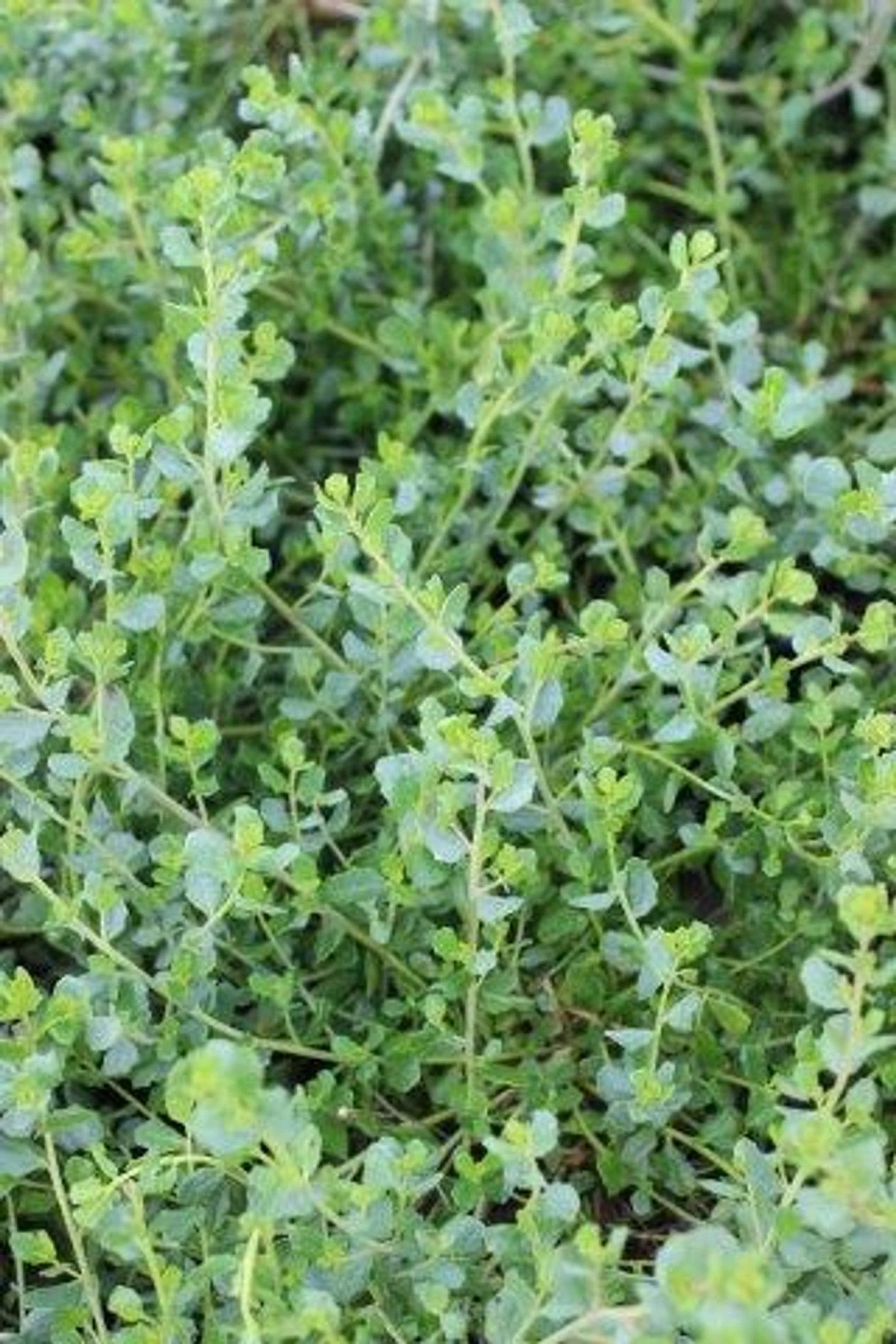
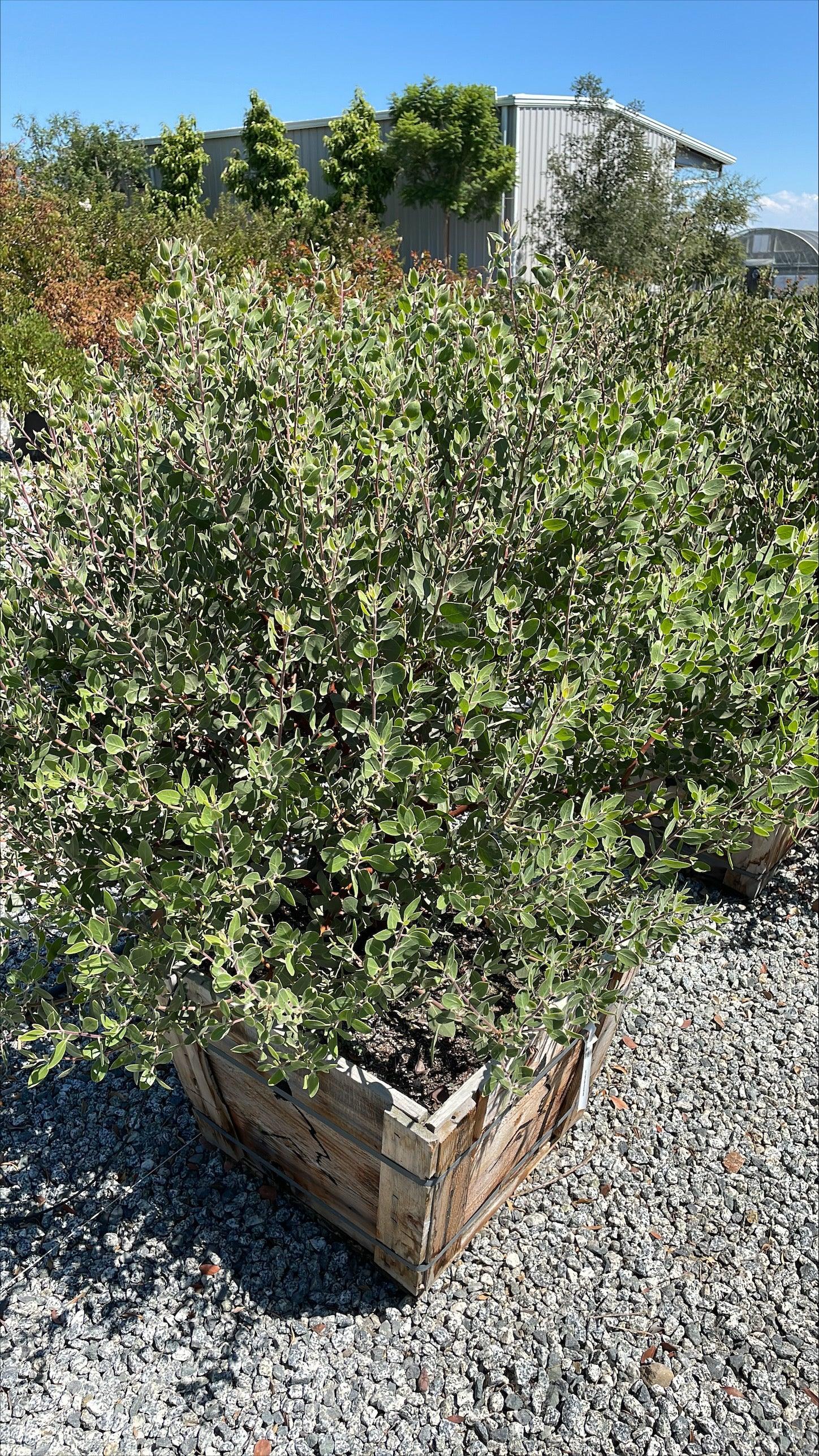
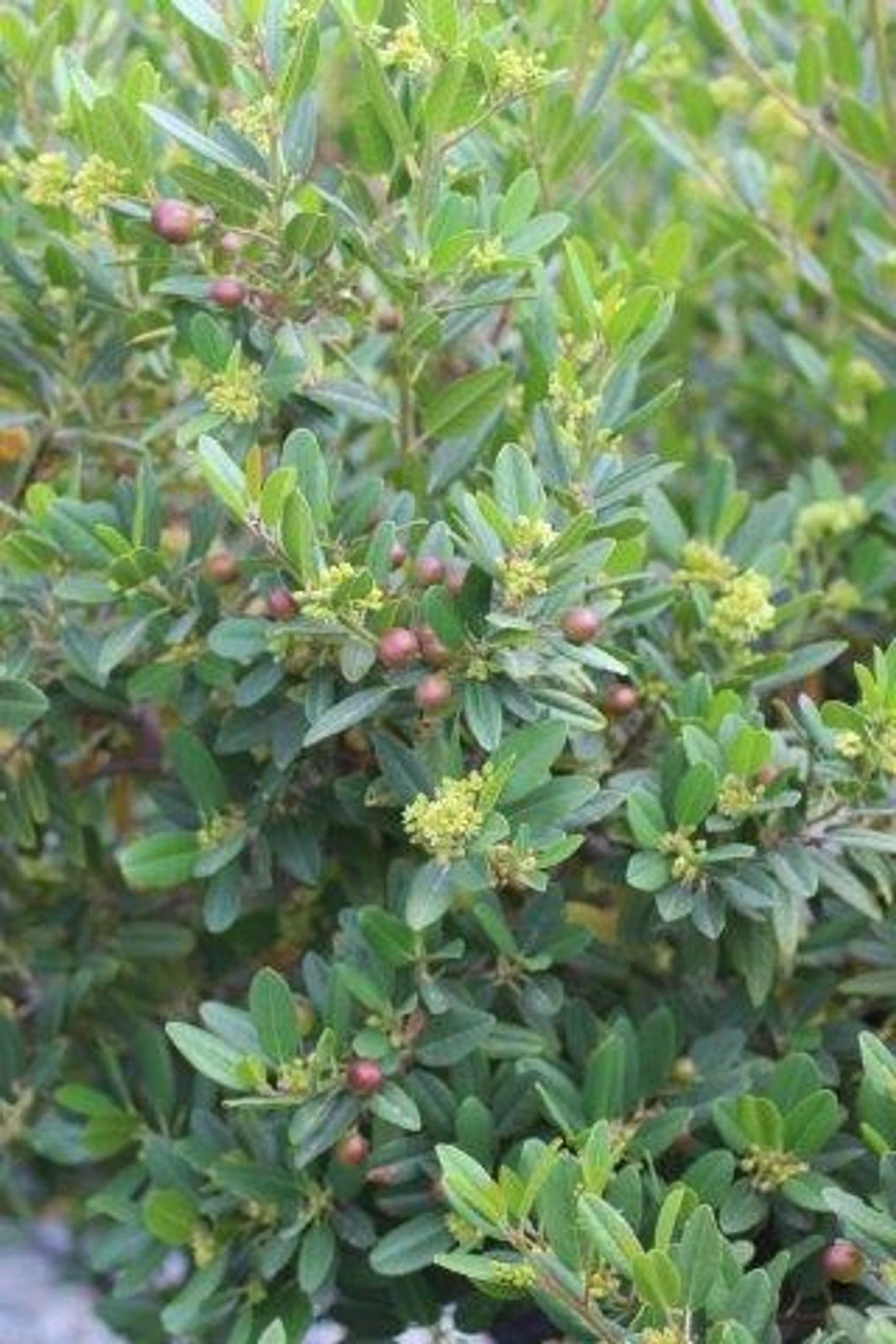
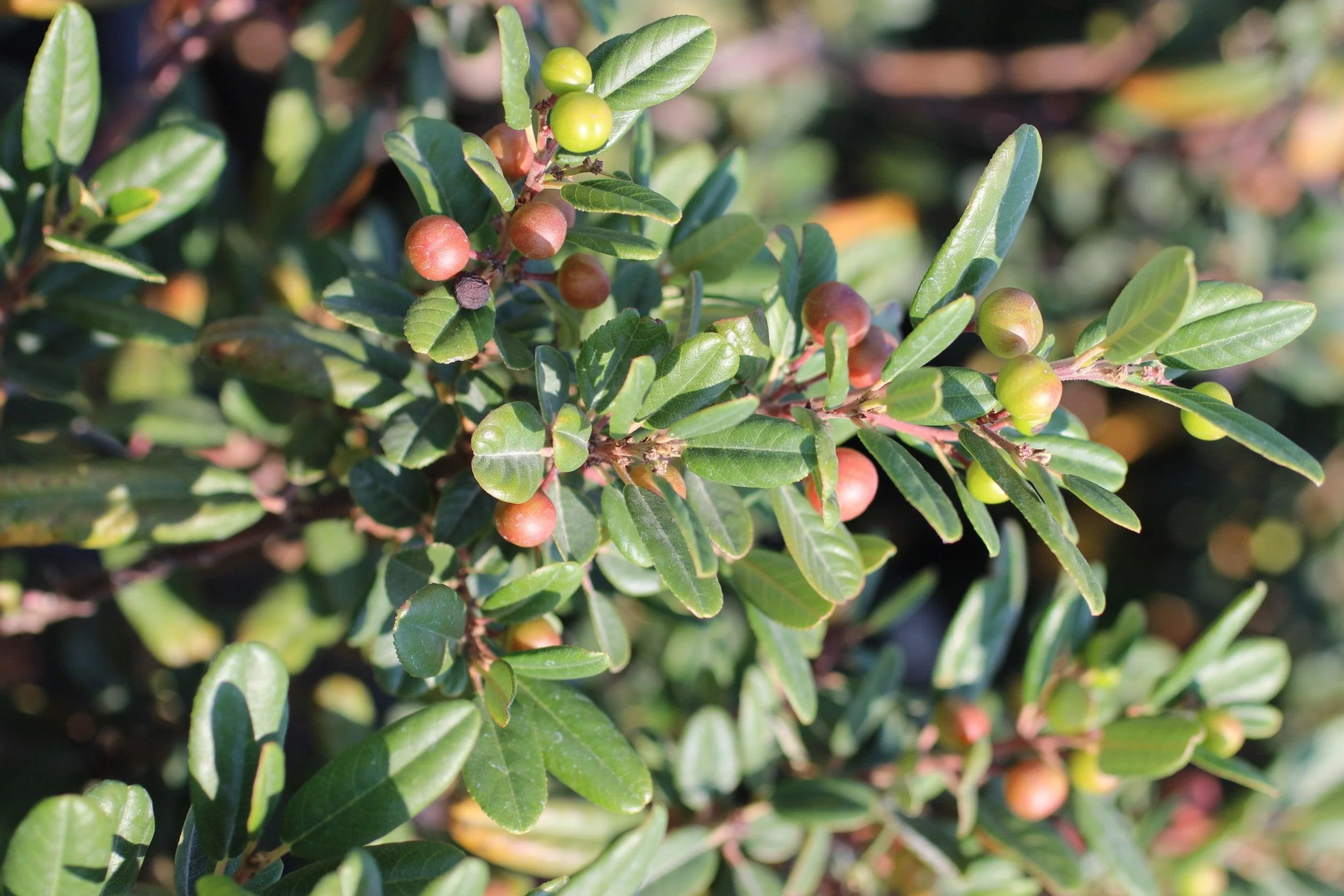
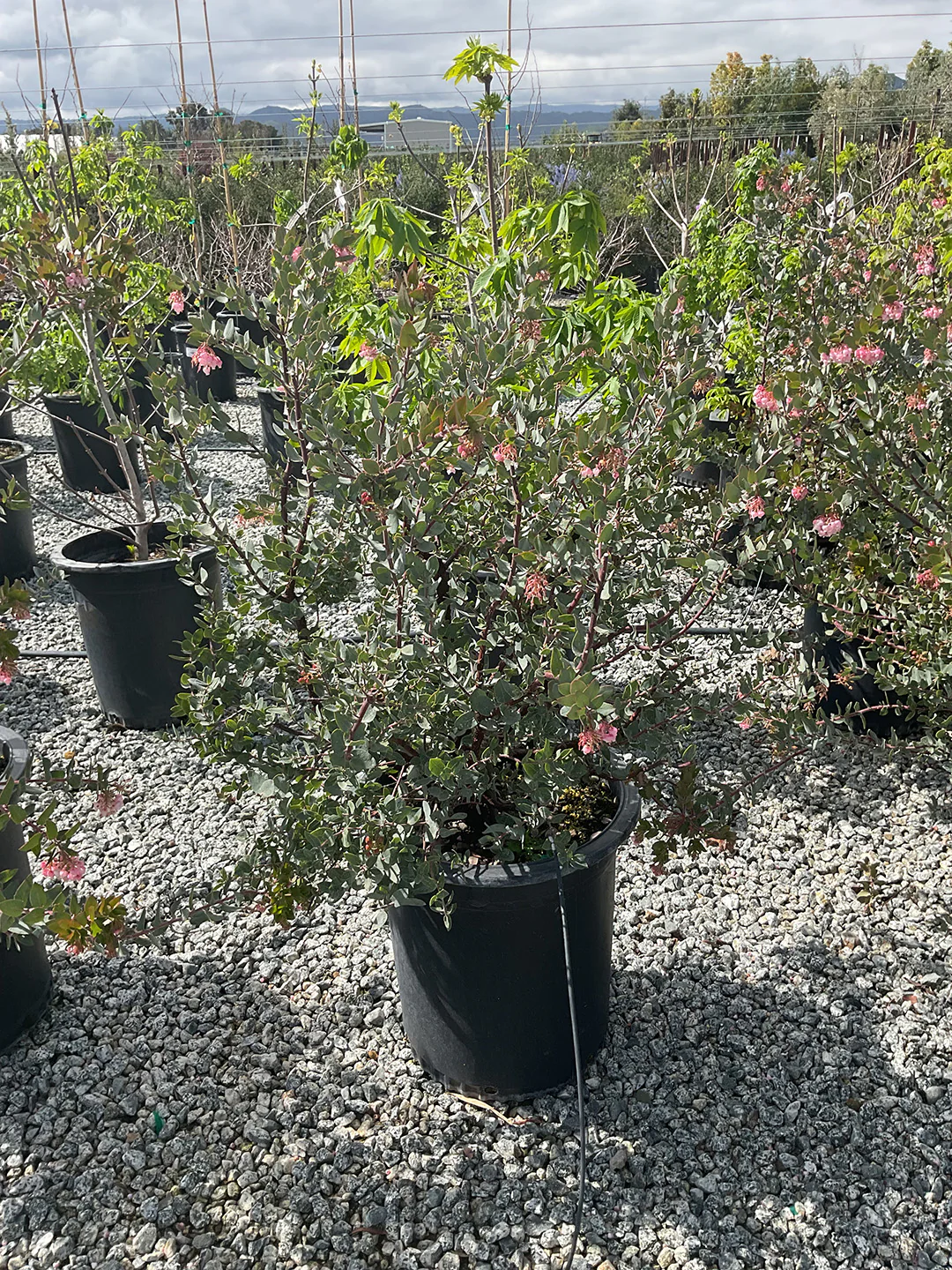
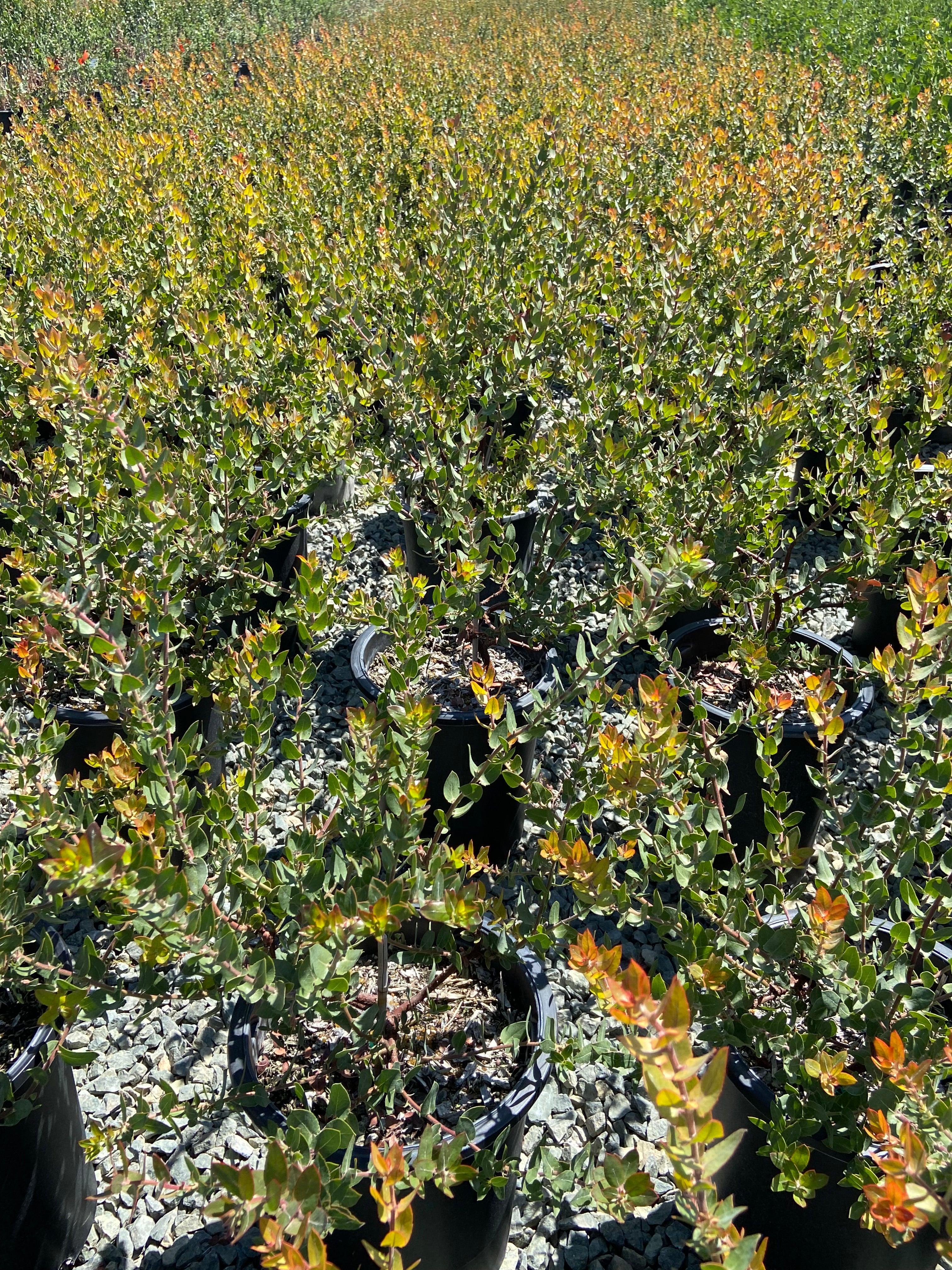
Looks good all year – Glossy, vibrant emerald green leaves and cinnamon-red bark offer year-round aesthetic appeal, with small white flowers in winter to spring and red fruit later in the season.
-
Helps hold slopes in place – It establishes an extensive, soil-binding root system that is effective for erosion control, especially on banks, berms, and sloped planting beds.
-
Built for California conditions – This hybrid manzanita is deer-resistant, fire-resistant, and less prone to fungal leaf spot and branch dieback than other manzanitas, while also tolerating heavier clay soils better than most.
-
Low maintenance after establishment – Regular deep watering during its first season helps establish a deep root system; after that, the plant becomes highly drought-tolerant and should not be heavily pruned.
Groundcover plants are often used to prevent soil erosion and suppress weeds, making them a practical choice for landscaping. Emerald Carpet Manzanita provides weed suppression by growing into a tight, dense mat that blocks sunlight from reaching competing weed seeds, creating the lush, green carpet many homeowners want without the work of turf.
What Makes It Different
Most groundcovers either demand frequent watering, lose their appeal in summer heat, or fail to provide the dense structure needed for weed control and slope stability, which is why many California gardeners pair low-growing selections like Emerald Carpet with upright, sculptural manzanitas such as the Dr. Hurd Manzanita tree for year-round structure.
Arctostaphylos Emerald Carpet has:
-
A proven hybrid with stronger landscape performance – This arctostaphylos hybrid combines traits associated with circumboreal Arctostaphylos uva ursi and Arctostaphylos nummularia, giving emerald carpet its low, spreading habit, small glossy leaves, and resilient evergreen character.
-
A better low water lawn alternative – Compared with many traditional lawn replacements, emerald carpet manzanita offers exceptionally low water needs once established, strong visual density, and no mowing.
-
Natural weed suppression – Emerald Carpet Manzanita grows into a tight, dense mat that blocks sunlight from reaching competing weed seeds, reducing the need for mulch refreshes, herbicides, or repeated hand weeding.
-
More forgiving than many manzanitas – This plant prefers rich, loamy, well-drained acidic soil and tolerates heavier clay soils better than most manzanitas when drainage is adequate.
The genus name has a fitting backstory: arctostaphylos comes from the Greek words arktos meaning bear and staphyle meaning grapes, a reference to bears eating the fruit. Uva ursi carries the same bear-grape idea, while the plant itself brings a modern, practical advantage: a durable, native-style groundcover for real California landscapes.
How To Grow Arctostaphylos Emerald Carpet
-
Assess the site before planting
Choose a location with well-draining soil, appropriate sun, and room for mature spread. Yardwork’s soil testing service can help confirm drainage, pH, and whether the site is slightly acid enough for the plant to thrive, and their plant nursery services make it easier to source companion plants and materials for a cohesive design. Emerald carpet grows best in full sun along coastal areas, while hotter inland areas benefit from partial shade or afternoon shade to prevent foliage scorch. -
Plant correctly and water deeply during establishment
Set the root ball at the existing soil level, avoid burying the crown, and water deeply through the first season. Emerald Carpet Manzanita requires regular deep watering during its first season to establish a deep root system, then becomes highly drought-tolerant once established. Rich, loamy well draining soil is ideal, though the plant can handle heavier clay better than many manzanitas if water does not sit around the roots. -
Let it spread into long-term coverage
As the plant reaches maturity, arctostaphylos emerald forms a dense, compact mat that can spread up to 6 feet wide, so many homeowners complement this horizontal coverage with larger landscape trees to add height, shade, and structure. The result is a large scale groundcover that suppresses weeds, helps protect soil from erosion, and needs only light care. Avoid heavy pruning because it can ruin the plant’s natural form and expose it to pathogens.
Short. Practical. Built for landscapers who want a low maintenance California landscape that still looks intentional and alive.
Product Details
-
Botanical name: Arctostaphylos ‘Emerald Carpet’
-
Common name: Emerald Carpet Manzanita
-
Plant type: Evergreen, low, dense groundcover manzanita
-
Mature size: Typically about 1 foot tall and up to 6 feet wide
-
Landscape use: Large scale groundcover, slope planting, erosion control, lawn replacement, dry garden, native-style planting, and low water borders, often combined with flowering trees for added seasonal color
-
Sun exposure: Full sun near the coast; partial shade or afternoon shade in hotter inland California areas
-
Soil preference: Rich, loamy, well-drained acidic soil; thrives in well-draining, loamy, slightly acidic soils and tolerates heavier clay soils better than most manzanitas
-
Water needs: Regular deep watering in the first season; low water needs once established, with periodic deep summer watering in hot or inland sites
-
Cold tolerance: Often listed for USDA Zone 7 in protected, well-drained sites; for reliable planning, the plant is cold hardy down to 15°F to 20°F, commonly treated as USDA Zone 8, and may struggle in regions with high summer humidity
-
Flowers: Clusters of small, white, urn-shaped flowers that bloom in early winter; flowering can continue from mid winter, February, late winter, and into spring depending on climate
-
Wildlife value: The flowers serve as a food source that attracts hummingbirds and native bees; red fruit may follow after flowering, and you can extend habitat and seasonal berries further by incorporating native shrubs like Toyon (Heteromeles arbutifolia) nearby
-
Bark and foliage: Lustrous green leaves, small glossy foliage, and striking cinnamon-red bark that exfoliates, providing strong winter interest
-
Resistance: Natural resistance to deer and certain diseases; deer-resistant, fire-resistant, and less prone to fungal leaf spot and branch dieback than many other manzanitas
-
Maintenance: Low maintenance; avoid heavy pruning to protect its natural form and reduce disease risk
-
Available from Yardwork: Container sizes and quantities vary by season; Yardwork can help with plant selection, delivery planning, and project quantities for California customers
A useful reference note: groundcover plants can vary in height, spread, and growth rate, allowing for diverse applications in different garden settings. Emerald carpet is the compact variety to choose when you want a low, thick, evergreen mat rather than a taller shrub.
Who It’s For
Ideal for:
-
California homeowners replacing water-hungry lawns with a low water, drought tolerant groundcover that stays green through the year
-
Property owners dealing with slopes or erosion who need a plant with an extensive, soil-binding root system
-
Landscaping professionals seeking a reliable native-style manzanita for large scale groundcover applications
-
Gardeners who want beauty without constant work thanks to evergreen foliage, red bark, winter flowers, and minimal pruning needs
-
Homeowners in coastal sun or inland partial shade who want the right plant for the right microclimate and may also be planning evergreen privacy trees or fast-growing screens elsewhere on the property
If you want a dense, durable, water-wise groundcover that makes a landscape look finished while helping suppress weeds and protect soil, emerald carpet fits the way many California yards are used today, especially when paired with strategically placed mature trees for instant impact.
Frequently Asked Questions
How long does Emerald Carpet Manzanita take to establish?
Plan on giving the plant regular deep watering during its first season. That first-season care helps establish a deep root system, after which Emerald Carpet Manzanita becomes highly drought-tolerant once established.
How much water does it need?
Once established, emerald carpet has exceptionally low water needs, making it a strong xeriscaping choice. In hot inland areas, periodic deep summer watering may help maintain healthy foliage, especially during extended heat.
Does it need full sun or partial shade?
Arctostaphylos ‘Emerald Carpet’ prefers full sun, especially near the coast, but thrives best in hotter areas with some afternoon shade. In hot inland California gardens, partial shade helps prevent foliage scorch.
Will it work in my climate zone?
The plant is cold hardy down to 15°F to 20°F, commonly aligned with USDA Zone 8, and it is sometimes listed for USDA Zone 7 in protected sites with excellent drainage. It is best suited to California-style dry-summer climates and can struggle in regions with high summer humidity.
How far apart should I plant it?
Because Arctostaphylos ‘Emerald Carpet’ typically grows to about 1 foot tall and can spread up to 6 feet wide, spacing depends on how quickly you want coverage. For faster fill, plant closer; for budget-conscious large areas, allow more room for each plant to reach maturity.
Does it really suppress weeds?
Yes. Emerald Carpet Manzanita provides weed suppression by growing into a tight, dense mat that blocks sunlight from reaching competing weed seeds.
Is it good for wildlife?
Yes. The plant produces clusters of small white flowers, and the flowers serve as a food source that attracts hummingbirds and native bees. Red fruit may appear later, adding seasonal interest.
Ready to Transform Your Landscape?
Stop struggling with thirsty lawns, bare slopes, and high-maintenance groundcover that fails when California heat arrives, and consider mixing in tough, character-rich trees like the California Pepper Tree where space allows.
Choose Arctostaphylos Emerald Carpet for a drought tolerant, evergreen, low maintenance groundcover with glossy green leaves, cinnamon-red bark, small white winter flowers, natural weed suppression, and reliable erosion control, then layer in ornamental trees such as the California Pepper Tree (Schinus molle) for dappled shade and movement.
For larger projects, Yardwork can help with consultation, soil assessment, plant spacing, delivery planning, and expert plant selection guidance, including sourcing fruiting options like a Valencia orange tree and other citrus to combine with your groundcover planting. Ask about current container availability, free shipping thresholds, and the best quantity for your property.
Arctostaphylos Emerald Carpet - Emerald Carpet Manzanita
Transform Your Landscape with California’s Ultimate Low-Maintenance Groundcover
Arctostaphylos Emerald Carpet creates a dense, drought tolerant, evergreen groundcover that gives California landscapes lush coverage, erosion control, and year-round beauty without mowing, heavy watering, or constant upkeep.
Designed for homeowners who want a low water alternative to traditional lawn strips, emerald carpet manzanita spreads into a compact, rich green carpet that helps protect soil, reduce weeds, and keep planting areas attractive through winter, spring, and summer.
Why You’ll Love It
-
Uses far less water once established – Emerald Carpet Manzanita features exceptionally low water needs once established, making it a primary choice for xeriscaping and for California homeowners trying to lower irrigation demands.
-
Looks good all year – Glossy, vibrant emerald green leaves and cinnamon-red bark offer year-round aesthetic appeal, with small white flowers in winter to spring and red fruit later in the season.
-
Helps hold slopes in place – It establishes an extensive, soil-binding root system that is effective for erosion control, especially on banks, berms, and sloped planting beds.
-
Built for California conditions – This hybrid manzanita is deer-resistant, fire-resistant, and less prone to fungal leaf spot and branch dieback than other manzanitas, while also tolerating heavier clay soils better than most.
-
Low maintenance after establishment – Regular deep watering during its first season helps establish a deep root system; after that, the plant becomes highly drought-tolerant and should not be heavily pruned.
Groundcover plants are often used to prevent soil erosion and suppress weeds, making them a practical choice for landscaping. Emerald Carpet Manzanita provides weed suppression by growing into a tight, dense mat that blocks sunlight from reaching competing weed seeds, creating the lush, green carpet many homeowners want without the work of turf.
What Makes It Different
Most groundcovers either demand frequent watering, lose their appeal in summer heat, or fail to provide the dense structure needed for weed control and slope stability, which is why many California gardeners pair low-growing selections like Emerald Carpet with upright, sculptural manzanitas such as the Dr. Hurd Manzanita tree for year-round structure.
Arctostaphylos Emerald Carpet has:
-
A proven hybrid with stronger landscape performance – This arctostaphylos hybrid combines traits associated with circumboreal Arctostaphylos uva ursi and Arctostaphylos nummularia, giving emerald carpet its low, spreading habit, small glossy leaves, and resilient evergreen character.
-
A better low water lawn alternative – Compared with many traditional lawn replacements, emerald carpet manzanita offers exceptionally low water needs once established, strong visual density, and no mowing.
-
Natural weed suppression – Emerald Carpet Manzanita grows into a tight, dense mat that blocks sunlight from reaching competing weed seeds, reducing the need for mulch refreshes, herbicides, or repeated hand weeding.
-
More forgiving than many manzanitas – This plant prefers rich, loamy, well-drained acidic soil and tolerates heavier clay soils better than most manzanitas when drainage is adequate.
The genus name has a fitting backstory: arctostaphylos comes from the Greek words arktos meaning bear and staphyle meaning grapes, a reference to bears eating the fruit. Uva ursi carries the same bear-grape idea, while the plant itself brings a modern, practical advantage: a durable, native-style groundcover for real California landscapes.
How To Grow Arctostaphylos Emerald Carpet
-
Assess the site before planting
Choose a location with well-draining soil, appropriate sun, and room for mature spread. Yardwork’s soil testing service can help confirm drainage, pH, and whether the site is slightly acid enough for the plant to thrive, and their plant nursery services make it easier to source companion plants and materials for a cohesive design. Emerald carpet grows best in full sun along coastal areas, while hotter inland areas benefit from partial shade or afternoon shade to prevent foliage scorch. -
Plant correctly and water deeply during establishment
Set the root ball at the existing soil level, avoid burying the crown, and water deeply through the first season. Emerald Carpet Manzanita requires regular deep watering during its first season to establish a deep root system, then becomes highly drought-tolerant once established. Rich, loamy well draining soil is ideal, though the plant can handle heavier clay better than many manzanitas if water does not sit around the roots. -
Let it spread into long-term coverage
As the plant reaches maturity, arctostaphylos emerald forms a dense, compact mat that can spread up to 6 feet wide, so many homeowners complement this horizontal coverage with larger landscape trees to add height, shade, and structure. The result is a large scale groundcover that suppresses weeds, helps protect soil from erosion, and needs only light care. Avoid heavy pruning because it can ruin the plant’s natural form and expose it to pathogens.
Short. Practical. Built for landscapers who want a low maintenance California landscape that still looks intentional and alive.
Product Details
-
Botanical name: Arctostaphylos ‘Emerald Carpet’
-
Common name: Emerald Carpet Manzanita
-
Plant type: Evergreen, low, dense groundcover manzanita
-
Mature size: Typically about 1 foot tall and up to 6 feet wide
-
Landscape use: Large scale groundcover, slope planting, erosion control, lawn replacement, dry garden, native-style planting, and low water borders, often combined with flowering trees for added seasonal color
-
Sun exposure: Full sun near the coast; partial shade or afternoon shade in hotter inland California areas
-
Soil preference: Rich, loamy, well-drained acidic soil; thrives in well-draining, loamy, slightly acidic soils and tolerates heavier clay soils better than most manzanitas
-
Water needs: Regular deep watering in the first season; low water needs once established, with periodic deep summer watering in hot or inland sites
-
Cold tolerance: Often listed for USDA Zone 7 in protected, well-drained sites; for reliable planning, the plant is cold hardy down to 15°F to 20°F, commonly treated as USDA Zone 8, and may struggle in regions with high summer humidity
-
Flowers: Clusters of small, white, urn-shaped flowers that bloom in early winter; flowering can continue from mid winter, February, late winter, and into spring depending on climate
-
Wildlife value: The flowers serve as a food source that attracts hummingbirds and native bees; red fruit may follow after flowering, and you can extend habitat and seasonal berries further by incorporating native shrubs like Toyon (Heteromeles arbutifolia) nearby
-
Bark and foliage: Lustrous green leaves, small glossy foliage, and striking cinnamon-red bark that exfoliates, providing strong winter interest
-
Resistance: Natural resistance to deer and certain diseases; deer-resistant, fire-resistant, and less prone to fungal leaf spot and branch dieback than many other manzanitas
-
Maintenance: Low maintenance; avoid heavy pruning to protect its natural form and reduce disease risk
-
Available from Yardwork: Container sizes and quantities vary by season; Yardwork can help with plant selection, delivery planning, and project quantities for California customers
A useful reference note: groundcover plants can vary in height, spread, and growth rate, allowing for diverse applications in different garden settings. Emerald carpet is the compact variety to choose when you want a low, thick, evergreen mat rather than a taller shrub.
Who It’s For
Ideal for:
-
California homeowners replacing water-hungry lawns with a low water, drought tolerant groundcover that stays green through the year
-
Property owners dealing with slopes or erosion who need a plant with an extensive, soil-binding root system
-
Landscaping professionals seeking a reliable native-style manzanita for large scale groundcover applications
-
Gardeners who want beauty without constant work thanks to evergreen foliage, red bark, winter flowers, and minimal pruning needs
-
Homeowners in coastal sun or inland partial shade who want the right plant for the right microclimate and may also be planning evergreen privacy trees or fast-growing screens elsewhere on the property
If you want a dense, durable, water-wise groundcover that makes a landscape look finished while helping suppress weeds and protect soil, emerald carpet fits the way many California yards are used today, especially when paired with strategically placed mature trees for instant impact.
Frequently Asked Questions
How long does Emerald Carpet Manzanita take to establish?
Plan on giving the plant regular deep watering during its first season. That first-season care helps establish a deep root system, after which Emerald Carpet Manzanita becomes highly drought-tolerant once established.
How much water does it need?
Once established, emerald carpet has exceptionally low water needs, making it a strong xeriscaping choice. In hot inland areas, periodic deep summer watering may help maintain healthy foliage, especially during extended heat.
Does it need full sun or partial shade?
Arctostaphylos ‘Emerald Carpet’ prefers full sun, especially near the coast, but thrives best in hotter areas with some afternoon shade. In hot inland California gardens, partial shade helps prevent foliage scorch.
Will it work in my climate zone?
The plant is cold hardy down to 15°F to 20°F, commonly aligned with USDA Zone 8, and it is sometimes listed for USDA Zone 7 in protected sites with excellent drainage. It is best suited to California-style dry-summer climates and can struggle in regions with high summer humidity.
How far apart should I plant it?
Because Arctostaphylos ‘Emerald Carpet’ typically grows to about 1 foot tall and can spread up to 6 feet wide, spacing depends on how quickly you want coverage. For faster fill, plant closer; for budget-conscious large areas, allow more room for each plant to reach maturity.
Does it really suppress weeds?
Yes. Emerald Carpet Manzanita provides weed suppression by growing into a tight, dense mat that blocks sunlight from reaching competing weed seeds.
Is it good for wildlife?
Yes. The plant produces clusters of small white flowers, and the flowers serve as a food source that attracts hummingbirds and native bees. Red fruit may appear later, adding seasonal interest.
Ready to Transform Your Landscape?
Stop struggling with thirsty lawns, bare slopes, and high-maintenance groundcover that fails when California heat arrives, and consider mixing in tough, character-rich trees like the California Pepper Tree where space allows.
Choose Arctostaphylos Emerald Carpet for a drought tolerant, evergreen, low maintenance groundcover with glossy green leaves, cinnamon-red bark, small white winter flowers, natural weed suppression, and reliable erosion control, then layer in ornamental trees such as the California Pepper Tree (Schinus molle) for dappled shade and movement.
For larger projects, Yardwork can help with consultation, soil assessment, plant spacing, delivery planning, and expert plant selection guidance, including sourcing fruiting options like a Valencia orange tree and other citrus to combine with your groundcover planting. Ask about current container availability, free shipping thresholds, and the best quantity for your property.
Product Information
Product Information
Shipping & Returns
Shipping & Returns
Description
Transform Your Landscape with California’s Ultimate Low-Maintenance Groundcover
Arctostaphylos Emerald Carpet creates a dense, drought tolerant, evergreen groundcover that gives California landscapes lush coverage, erosion control, and year-round beauty without mowing, heavy watering, or constant upkeep.
Designed for homeowners who want a low water alternative to traditional lawn strips, emerald carpet manzanita spreads into a compact, rich green carpet that helps protect soil, reduce weeds, and keep planting areas attractive through winter, spring, and summer.
Why You’ll Love It
-
Uses far less water once established – Emerald Carpet Manzanita features exceptionally low water needs once established, making it a primary choice for xeriscaping and for California homeowners trying to lower irrigation demands.
-
Looks good all year – Glossy, vibrant emerald green leaves and cinnamon-red bark offer year-round aesthetic appeal, with small white flowers in winter to spring and red fruit later in the season.
-
Helps hold slopes in place – It establishes an extensive, soil-binding root system that is effective for erosion control, especially on banks, berms, and sloped planting beds.
-
Built for California conditions – This hybrid manzanita is deer-resistant, fire-resistant, and less prone to fungal leaf spot and branch dieback than other manzanitas, while also tolerating heavier clay soils better than most.
-
Low maintenance after establishment – Regular deep watering during its first season helps establish a deep root system; after that, the plant becomes highly drought-tolerant and should not be heavily pruned.
Groundcover plants are often used to prevent soil erosion and suppress weeds, making them a practical choice for landscaping. Emerald Carpet Manzanita provides weed suppression by growing into a tight, dense mat that blocks sunlight from reaching competing weed seeds, creating the lush, green carpet many homeowners want without the work of turf.
What Makes It Different
Most groundcovers either demand frequent watering, lose their appeal in summer heat, or fail to provide the dense structure needed for weed control and slope stability, which is why many California gardeners pair low-growing selections like Emerald Carpet with upright, sculptural manzanitas such as the Dr. Hurd Manzanita tree for year-round structure.
Arctostaphylos Emerald Carpet has:
-
A proven hybrid with stronger landscape performance – This arctostaphylos hybrid combines traits associated with circumboreal Arctostaphylos uva ursi and Arctostaphylos nummularia, giving emerald carpet its low, spreading habit, small glossy leaves, and resilient evergreen character.
-
A better low water lawn alternative – Compared with many traditional lawn replacements, emerald carpet manzanita offers exceptionally low water needs once established, strong visual density, and no mowing.
-
Natural weed suppression – Emerald Carpet Manzanita grows into a tight, dense mat that blocks sunlight from reaching competing weed seeds, reducing the need for mulch refreshes, herbicides, or repeated hand weeding.
-
More forgiving than many manzanitas – This plant prefers rich, loamy, well-drained acidic soil and tolerates heavier clay soils better than most manzanitas when drainage is adequate.
The genus name has a fitting backstory: arctostaphylos comes from the Greek words arktos meaning bear and staphyle meaning grapes, a reference to bears eating the fruit. Uva ursi carries the same bear-grape idea, while the plant itself brings a modern, practical advantage: a durable, native-style groundcover for real California landscapes.
How To Grow Arctostaphylos Emerald Carpet
-
Assess the site before planting
Choose a location with well-draining soil, appropriate sun, and room for mature spread. Yardwork’s soil testing service can help confirm drainage, pH, and whether the site is slightly acid enough for the plant to thrive, and their plant nursery services make it easier to source companion plants and materials for a cohesive design. Emerald carpet grows best in full sun along coastal areas, while hotter inland areas benefit from partial shade or afternoon shade to prevent foliage scorch. -
Plant correctly and water deeply during establishment
Set the root ball at the existing soil level, avoid burying the crown, and water deeply through the first season. Emerald Carpet Manzanita requires regular deep watering during its first season to establish a deep root system, then becomes highly drought-tolerant once established. Rich, loamy well draining soil is ideal, though the plant can handle heavier clay better than many manzanitas if water does not sit around the roots. -
Let it spread into long-term coverage
As the plant reaches maturity, arctostaphylos emerald forms a dense, compact mat that can spread up to 6 feet wide, so many homeowners complement this horizontal coverage with larger landscape trees to add height, shade, and structure. The result is a large scale groundcover that suppresses weeds, helps protect soil from erosion, and needs only light care. Avoid heavy pruning because it can ruin the plant’s natural form and expose it to pathogens.
Short. Practical. Built for landscapers who want a low maintenance California landscape that still looks intentional and alive.
Product Details
-
Botanical name: Arctostaphylos ‘Emerald Carpet’
-
Common name: Emerald Carpet Manzanita
-
Plant type: Evergreen, low, dense groundcover manzanita
-
Mature size: Typically about 1 foot tall and up to 6 feet wide
-
Landscape use: Large scale groundcover, slope planting, erosion control, lawn replacement, dry garden, native-style planting, and low water borders, often combined with flowering trees for added seasonal color
-
Sun exposure: Full sun near the coast; partial shade or afternoon shade in hotter inland California areas
-
Soil preference: Rich, loamy, well-drained acidic soil; thrives in well-draining, loamy, slightly acidic soils and tolerates heavier clay soils better than most manzanitas
-
Water needs: Regular deep watering in the first season; low water needs once established, with periodic deep summer watering in hot or inland sites
-
Cold tolerance: Often listed for USDA Zone 7 in protected, well-drained sites; for reliable planning, the plant is cold hardy down to 15°F to 20°F, commonly treated as USDA Zone 8, and may struggle in regions with high summer humidity
-
Flowers: Clusters of small, white, urn-shaped flowers that bloom in early winter; flowering can continue from mid winter, February, late winter, and into spring depending on climate
-
Wildlife value: The flowers serve as a food source that attracts hummingbirds and native bees; red fruit may follow after flowering, and you can extend habitat and seasonal berries further by incorporating native shrubs like Toyon (Heteromeles arbutifolia) nearby
-
Bark and foliage: Lustrous green leaves, small glossy foliage, and striking cinnamon-red bark that exfoliates, providing strong winter interest
-
Resistance: Natural resistance to deer and certain diseases; deer-resistant, fire-resistant, and less prone to fungal leaf spot and branch dieback than many other manzanitas
-
Maintenance: Low maintenance; avoid heavy pruning to protect its natural form and reduce disease risk
-
Available from Yardwork: Container sizes and quantities vary by season; Yardwork can help with plant selection, delivery planning, and project quantities for California customers
A useful reference note: groundcover plants can vary in height, spread, and growth rate, allowing for diverse applications in different garden settings. Emerald carpet is the compact variety to choose when you want a low, thick, evergreen mat rather than a taller shrub.
Who It’s For
Ideal for:
-
California homeowners replacing water-hungry lawns with a low water, drought tolerant groundcover that stays green through the year
-
Property owners dealing with slopes or erosion who need a plant with an extensive, soil-binding root system
-
Landscaping professionals seeking a reliable native-style manzanita for large scale groundcover applications
-
Gardeners who want beauty without constant work thanks to evergreen foliage, red bark, winter flowers, and minimal pruning needs
-
Homeowners in coastal sun or inland partial shade who want the right plant for the right microclimate and may also be planning evergreen privacy trees or fast-growing screens elsewhere on the property
If you want a dense, durable, water-wise groundcover that makes a landscape look finished while helping suppress weeds and protect soil, emerald carpet fits the way many California yards are used today, especially when paired with strategically placed mature trees for instant impact.
Frequently Asked Questions
How long does Emerald Carpet Manzanita take to establish?
Plan on giving the plant regular deep watering during its first season. That first-season care helps establish a deep root system, after which Emerald Carpet Manzanita becomes highly drought-tolerant once established.
How much water does it need?
Once established, emerald carpet has exceptionally low water needs, making it a strong xeriscaping choice. In hot inland areas, periodic deep summer watering may help maintain healthy foliage, especially during extended heat.
Does it need full sun or partial shade?
Arctostaphylos ‘Emerald Carpet’ prefers full sun, especially near the coast, but thrives best in hotter areas with some afternoon shade. In hot inland California gardens, partial shade helps prevent foliage scorch.
Will it work in my climate zone?
The plant is cold hardy down to 15°F to 20°F, commonly aligned with USDA Zone 8, and it is sometimes listed for USDA Zone 7 in protected sites with excellent drainage. It is best suited to California-style dry-summer climates and can struggle in regions with high summer humidity.
How far apart should I plant it?
Because Arctostaphylos ‘Emerald Carpet’ typically grows to about 1 foot tall and can spread up to 6 feet wide, spacing depends on how quickly you want coverage. For faster fill, plant closer; for budget-conscious large areas, allow more room for each plant to reach maturity.
Does it really suppress weeds?
Yes. Emerald Carpet Manzanita provides weed suppression by growing into a tight, dense mat that blocks sunlight from reaching competing weed seeds.
Is it good for wildlife?
Yes. The plant produces clusters of small white flowers, and the flowers serve as a food source that attracts hummingbirds and native bees. Red fruit may appear later, adding seasonal interest.
Ready to Transform Your Landscape?
Stop struggling with thirsty lawns, bare slopes, and high-maintenance groundcover that fails when California heat arrives, and consider mixing in tough, character-rich trees like the California Pepper Tree where space allows.
Choose Arctostaphylos Emerald Carpet for a drought tolerant, evergreen, low maintenance groundcover with glossy green leaves, cinnamon-red bark, small white winter flowers, natural weed suppression, and reliable erosion control, then layer in ornamental trees such as the California Pepper Tree (Schinus molle) for dappled shade and movement.
For larger projects, Yardwork can help with consultation, soil assessment, plant spacing, delivery planning, and expert plant selection guidance, including sourcing fruiting options like a Valencia orange tree and other citrus to combine with your groundcover planting. Ask about current container availability, free shipping thresholds, and the best quantity for your property.