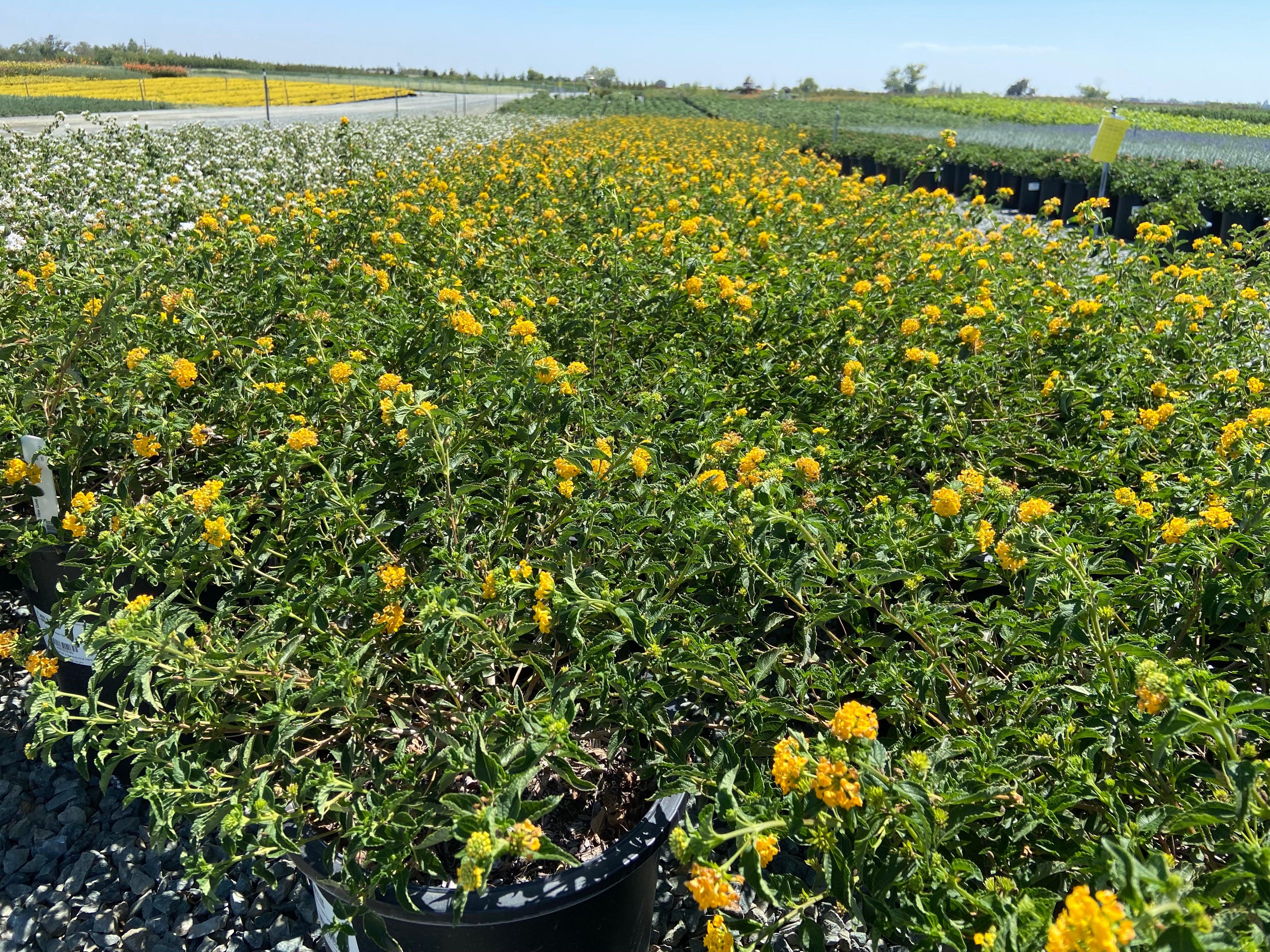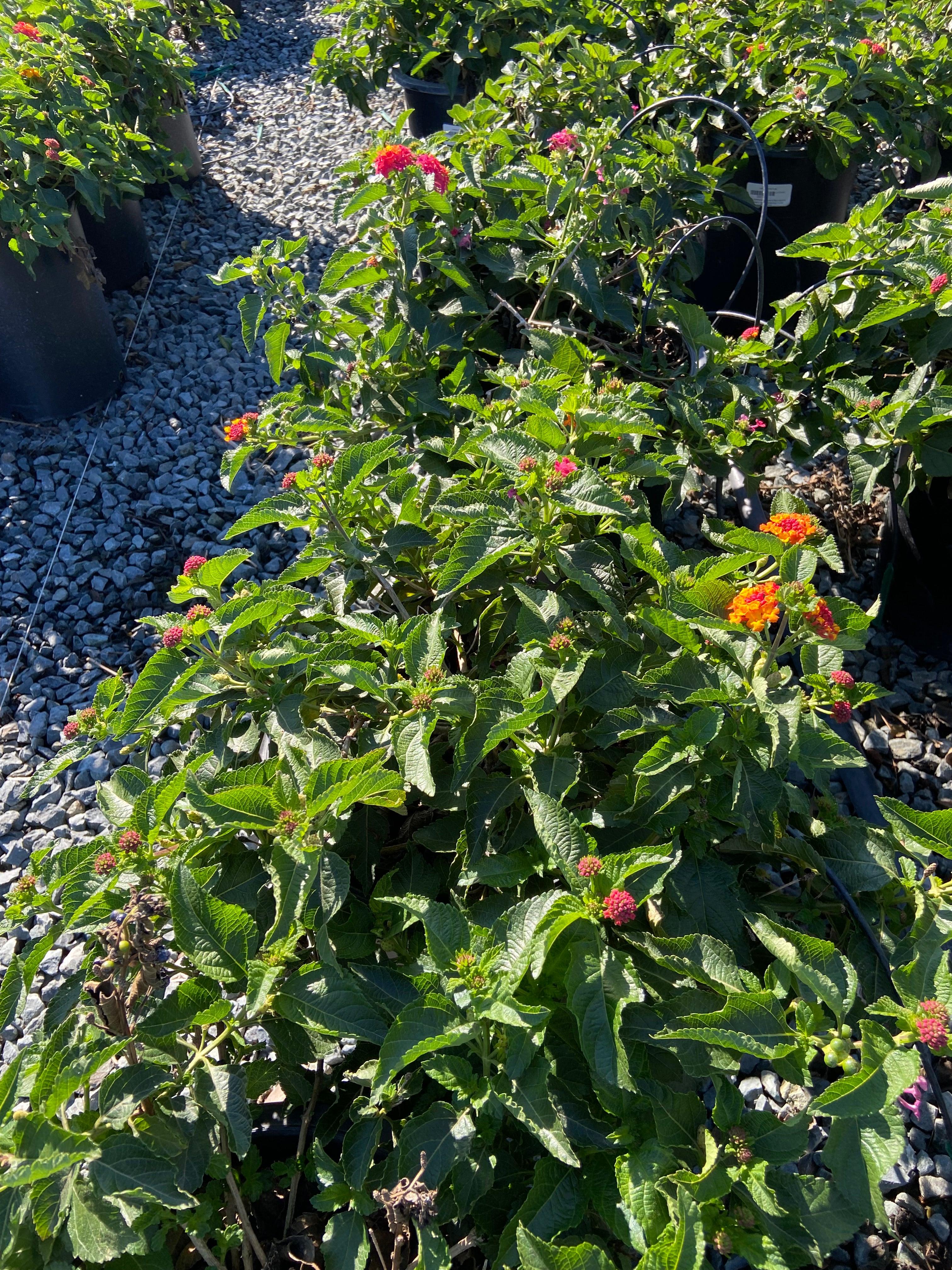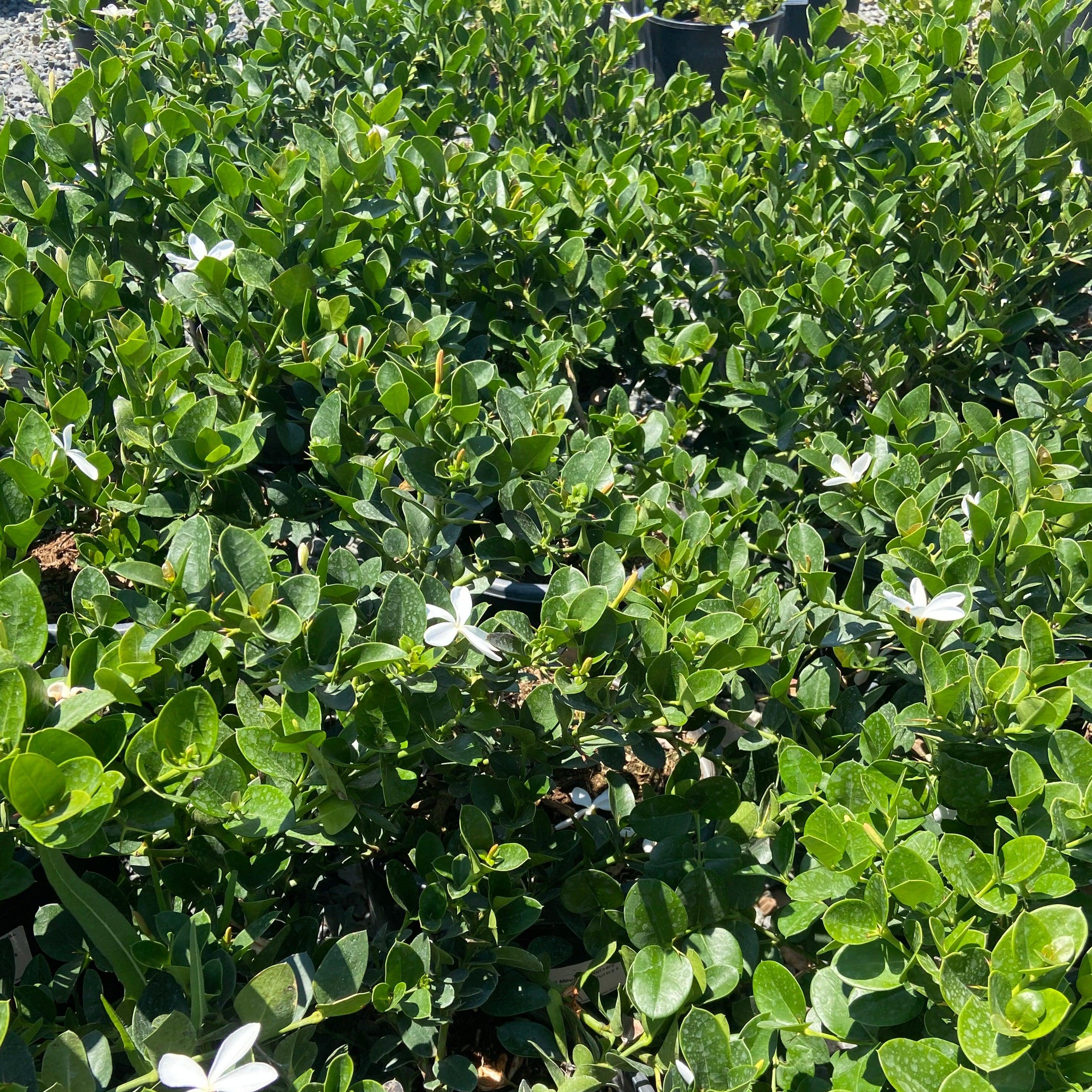
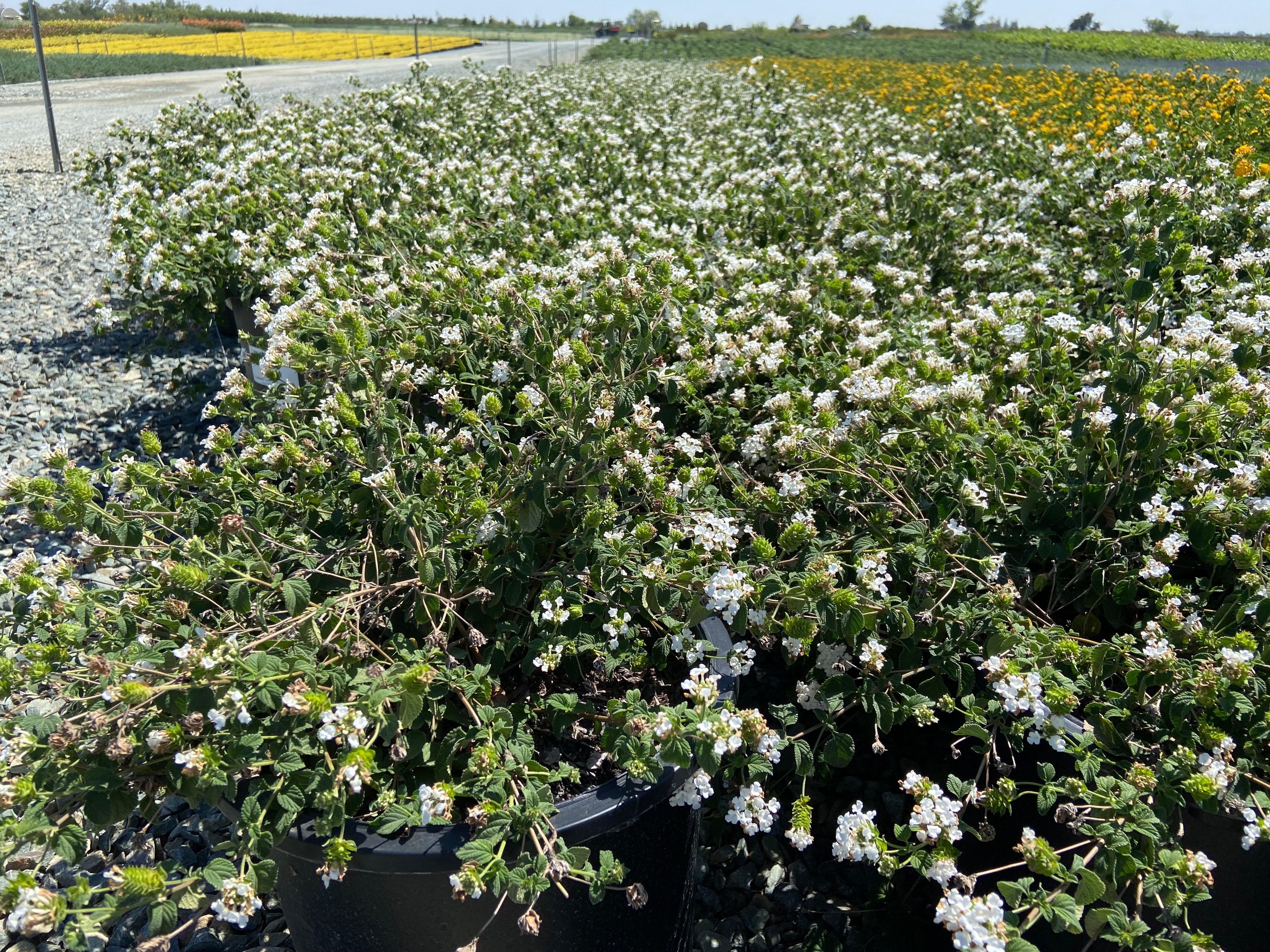
White Trailing Lantana - Lantana Montevidensis Alba White
The Perfect Low-Maintenance Flowering Shrub for California Gardens
White lantana gives California gardens clean white color, pollinator activity, and drought tolerant performance with very little upkeep once established.
Plant it in a sunny site with well-draining soil, and this heat-loving lantana will reward your yard with crisp white blooms from spring until frost. In mild coastal and Southern California growing conditions, it can flower nearly year round while softening borders, containers, slopes, and hardscape edges.
Why You’ll Love It
-
Continuous Blooms – The crisp white blooms of white lantana continuously attract butterflies, bees, and hummingbirds from spring until frost.
-
Drought Tolerant – Once established, white lantana is highly drought-tolerant and generally thrives on 1 inch of water per week from rain or manual irrigation.
-
Butterfly Magnet – Nectar-rich flower clusters are excellent for attracting butterflies, beneficial insects, pollinators, and hummingbirds.
-
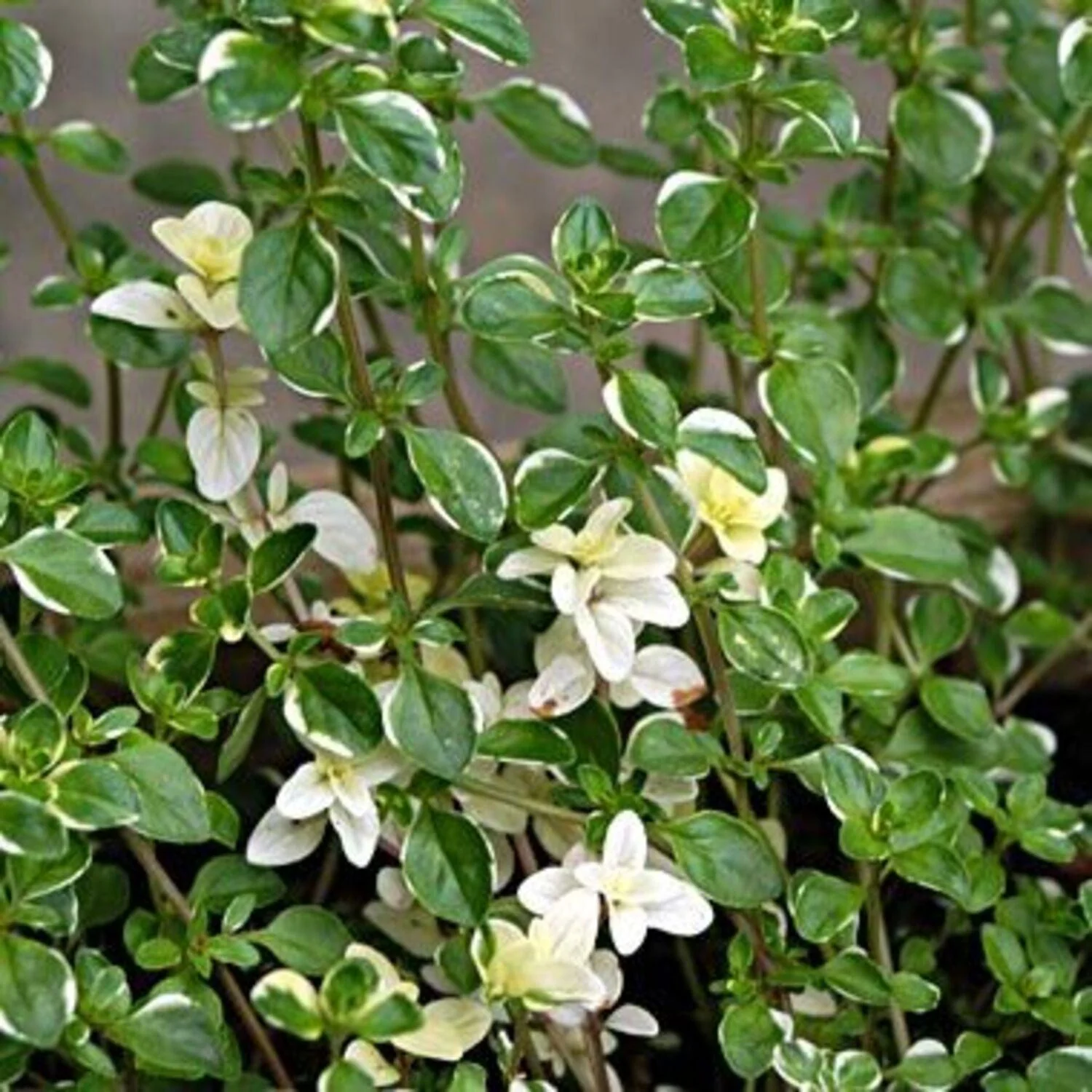
Deer Resistant – Lantana camara ‘Ballucwitim’, also known as White Little Lucky™, is a compact shrub that produces petite white and creamy yellow blooms, attracting butterflies and hummingbirds while being deer-resistant.
-
Easy Care – In early spring, prune lantana plants back by up to a third of their size to stimulate new growth and remove any dead or diseased branches.
White lantana also provides a clean, sophisticated visual break that seamlessly blends with any color scheme or hardscape. Few plants bring this combination of long bloom time, low water use, deer resistant growth, and bright white flowers to California beds, pots, borders, and mass planting designs.
What Makes It Different
Most flowering shrubs need frequent watering, heavy fertilizing, or protection from California heat. Native options like California lilac (Ceanothus) and heat-loving white lantana are built for sun, reflected light, and dry-season landscapes, making them practical choices for coastal yards, inland gardens, containers, hanging baskets, and low-water designs.
White Lantana is different because it offers:
-
Heat and Salt Tolerance – Lantana should be planted in a location that receives at least 6 to 8 hours of direct sunlight per day for optimal growth, and it performs best in full sun where many softer plants struggle.
-
Compact Growth Habit – White lantana features a cascading growth habit, making it ideal for hanging baskets or as a groundcover, while compact cultivated variety options work beautifully in borders and containers.
-
Year-Round Interest – White lantana can be grown as a perennial in USDA Zones 9–11 and in colder climates is frequently treated as an annual or overwintered indoors.
For customers comparing species and varieties, lantana montevidensis is commonly used for trailing, ground-covering growth, while compact lantana camara selections provide a more mounding shrub form. Alba Lantana is a multi-stemmed evergreen shrub that grows to about 24 inches tall and can spread up to 8 feet, featuring showy white flowers from late spring to mid-fall and is drought-tolerant.
How To Grow White Lantana Successfully
-
Plant in Spring
When planting Lantana, it is important to wait until all danger of frost has passed and the soil has warmed up. Choose a sunny site with full sun, rich well-draining soil, and enough room for mature growth. -
Establish with Regular Water
Lantana prefers rich, well-draining soil and should be watered when the top 2 inches of soil are dry, especially during extreme heat or dry spells. Lantana prefers rich, well-draining soil and can tolerate a range of soil types and pH levels, making it adaptable to various growing conditions. -
Enjoy Continuous Blooms
To promote more flowering and prevent seed formation, deadhead spent flowers of lantana as soon as they finish blooming. To prevent lantana from becoming invasive, it is recommended to cut off spent flower heads to stop seeds from forming and spreading.
After the roots are established, white lantana becomes a low-maintenance perennial shrub in warm regions or a seasonal annual in colder climates. Lantana is drought-tolerant once established, making it suitable for low-water gardens, but it does not tolerate standing water.
Product Details
-
Plant Type: Evergreen flowering shrub; white lantana functions as a perennial shrub in warm regions or a seasonal annual in colder climates.
-
Mature Size: Lantana plants should be spaced 1 to 6 feet apart, depending on the variety and whether they are grown as annuals or perennials.
-
Growth Habit: Cascading, trailing, mounding, or compact depending on the cultivated variety; excellent for borders, beds, pots, baskets, slopes, and mass planting.
-
Sun Requirements: Best in full sun with at least 6 to 8 hours of direct sunlight per day; tolerates partial shade, but blooms may decrease.
-
Hardiness Zones: White lantana can be grown as a perennial in USDA Zones 9–11 and in colder climates is frequently treated as an annual or overwintered indoors.
-
Bloom Time: Late spring through fall, often until first frost; in mild California areas, flowers may appear nearly year round.
-
Water Needs: Once established, white lantana is highly drought-tolerant and generally thrives on 1 inch of water per week from rain or manual irrigation.
-
Soil Needs: Prefers rich, well-draining soil; tolerates a range of soil types and pH levels, but standing water can damage roots.
-
Container Care: For container-grown lantana, use a balanced water-soluble fertilizer once a month, as nutrients leach out more quickly in pots.
-
Maintenance: Light pruning in early spring and deadheading spent flowers help maintain shape, encourage blooms, and reduce seed spread.
-
Safety Note: All parts of the lantana plant are toxic to pets and children, with the berries being the most poisonous and potentially deadly if ingested.
-
Ecology Note: Lantana can be invasive in warmer regions, including parts of California, Florida, Texas, and Hawaii.
-
Low-Seed Options: Many common white trailing varieties are triploid hybrids that produce little to no fruit, preventing birds from spreading them into native ecosystems.
Other lantana varieties can be used for different color effects, or you can pair white blooms with intensely colorful vines like purple bougainvillea. Lantana varieties such as Luscious® Citrus Blend™ II produce fragrant flowers in vibrant shades of yellow, orange, and red, reaching heights of 20 to 30 inches in a single season, making them suitable for borders and mass plantings.
Who It’s For
Ideal for:
-
California homeowners wanting low-maintenance white flowers and year round structure
-
Gardeners creating pollinator-friendly landscapes for butterflies, bees, hummingbirds, and beneficial insects who may also want to add flowering trees for seasonal color and structure
-
Anyone seeking drought tolerant plants for low-water beds, slopes, and sunny yard designs
-
Container gardeners who want cascading blooms for pots, hanging baskets, and patio edges
-
Designers who prefer a clean white plant that works with stone, wood, dark foliage, native plants, and colorful shrubs
If you want a flowering plant that can thrive in heat, handle dry periods after establishment, and bring a bright edge to your garden without constant care, white lantana fits the need.
Frequently Asked Questions
Is white lantana toxic to pets?
Yes. All parts of the lantana plant are toxic to pets and children, with the berries being the most poisonous and potentially deadly if ingested. Keep lantana away from pets, children, livestock, and animals that may chew leaves, fruit, or flowers.
How big does it get?
Size depends on the species and cultivated variety. Alba Lantana is a multi-stemmed evergreen shrub that grows to about 24 inches tall and can spread up to 8 feet, featuring showy white flowers from late spring to mid-fall and is drought-tolerant. Compact forms may stay much smaller, while trailing lantana montevidensis types can spread along the ground or spill over baskets and containers.
Will it survive California winters?
In USDA Zones 9–11, white lantana is commonly grown as a perennial. In colder climates, white lantana is frequently treated as an annual or overwintered indoors. In areas with frost, protect roots with mulch and cut back damaged growth after winter has passed.
How often should I water it?
During establishment, water regularly so the roots can grow deeply. After establishment, white lantana generally thrives on 1 inch of water per week from rain or manual irrigation. Water when the top 2 inches of soil are dry, especially during extreme heat or dry spells.
Does it attract beneficial insects?
Yes. The crisp white blooms of white lantana continuously attract butterflies, bees, and hummingbirds from spring until frost. Its long bloom season makes it valuable for pollinators when few plants are still flowering.
Can white lantana become invasive?
Yes. Lantana can be invasive in warmer regions, including parts of California, Florida, Texas, and Hawaii. To prevent lantana from becoming invasive, cut off spent flower heads to stop seeds from forming and spreading, and choose low-seed or sterile varieties when available.
Ready to Transform Your Garden?
Stop struggling with high-maintenance plants that fade in California sun, need constant watering, or fail to bloom through the dry season.
Choose White Lantana for effortless beauty, drought tolerant performance, deer resistant foliage, and bright blooms that support pollinators from spring through fall.
Original: $40.00
-65%$40.00
$14.00More Images
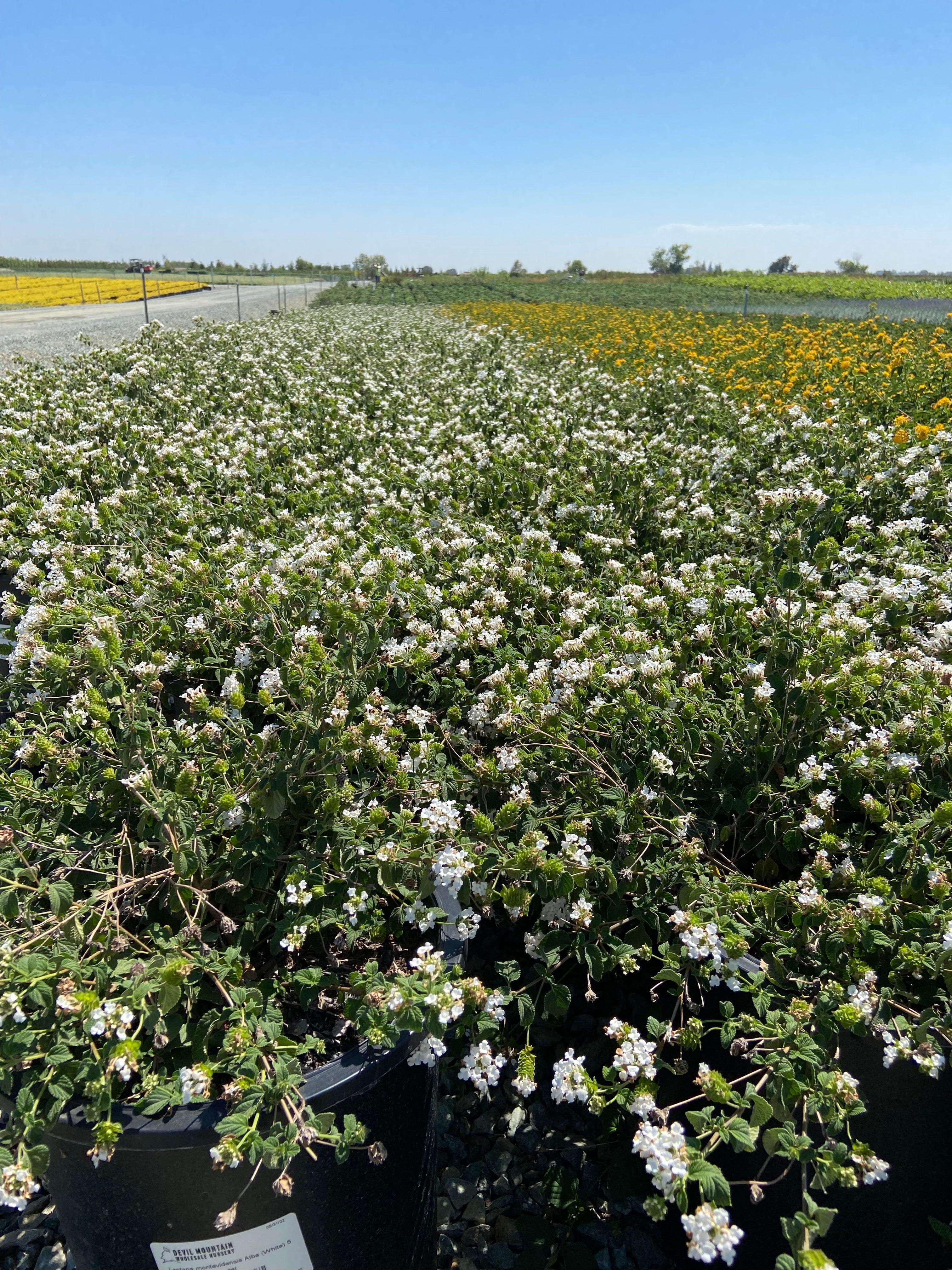
White Trailing Lantana - Lantana Montevidensis Alba White
The Perfect Low-Maintenance Flowering Shrub for California Gardens
White lantana gives California gardens clean white color, pollinator activity, and drought tolerant performance with very little upkeep once established.
Plant it in a sunny site with well-draining soil, and this heat-loving lantana will reward your yard with crisp white blooms from spring until frost. In mild coastal and Southern California growing conditions, it can flower nearly year round while softening borders, containers, slopes, and hardscape edges.
Why You’ll Love It
-
Continuous Blooms – The crisp white blooms of white lantana continuously attract butterflies, bees, and hummingbirds from spring until frost.
-
Drought Tolerant – Once established, white lantana is highly drought-tolerant and generally thrives on 1 inch of water per week from rain or manual irrigation.
-
Butterfly Magnet – Nectar-rich flower clusters are excellent for attracting butterflies, beneficial insects, pollinators, and hummingbirds.
-
Deer Resistant – Lantana camara ‘Ballucwitim’, also known as White Little Lucky™, is a compact shrub that produces petite white and creamy yellow blooms, attracting butterflies and hummingbirds while being deer-resistant.
-
Easy Care – In early spring, prune lantana plants back by up to a third of their size to stimulate new growth and remove any dead or diseased branches.
White lantana also provides a clean, sophisticated visual break that seamlessly blends with any color scheme or hardscape. Few plants bring this combination of long bloom time, low water use, deer resistant growth, and bright white flowers to California beds, pots, borders, and mass planting designs.
What Makes It Different
Most flowering shrubs need frequent watering, heavy fertilizing, or protection from California heat. Native options like California lilac (Ceanothus) and heat-loving white lantana are built for sun, reflected light, and dry-season landscapes, making them practical choices for coastal yards, inland gardens, containers, hanging baskets, and low-water designs.
White Lantana is different because it offers:
-
Heat and Salt Tolerance – Lantana should be planted in a location that receives at least 6 to 8 hours of direct sunlight per day for optimal growth, and it performs best in full sun where many softer plants struggle.
-
Compact Growth Habit – White lantana features a cascading growth habit, making it ideal for hanging baskets or as a groundcover, while compact cultivated variety options work beautifully in borders and containers.
-
Year-Round Interest – White lantana can be grown as a perennial in USDA Zones 9–11 and in colder climates is frequently treated as an annual or overwintered indoors.
For customers comparing species and varieties, lantana montevidensis is commonly used for trailing, ground-covering growth, while compact lantana camara selections provide a more mounding shrub form. Alba Lantana is a multi-stemmed evergreen shrub that grows to about 24 inches tall and can spread up to 8 feet, featuring showy white flowers from late spring to mid-fall and is drought-tolerant.
How To Grow White Lantana Successfully
-
Plant in Spring
When planting Lantana, it is important to wait until all danger of frost has passed and the soil has warmed up. Choose a sunny site with full sun, rich well-draining soil, and enough room for mature growth. -
Establish with Regular Water
Lantana prefers rich, well-draining soil and should be watered when the top 2 inches of soil are dry, especially during extreme heat or dry spells. Lantana prefers rich, well-draining soil and can tolerate a range of soil types and pH levels, making it adaptable to various growing conditions. -
Enjoy Continuous Blooms
To promote more flowering and prevent seed formation, deadhead spent flowers of lantana as soon as they finish blooming. To prevent lantana from becoming invasive, it is recommended to cut off spent flower heads to stop seeds from forming and spreading.
After the roots are established, white lantana becomes a low-maintenance perennial shrub in warm regions or a seasonal annual in colder climates. Lantana is drought-tolerant once established, making it suitable for low-water gardens, but it does not tolerate standing water.
Product Details
-
Plant Type: Evergreen flowering shrub; white lantana functions as a perennial shrub in warm regions or a seasonal annual in colder climates.
-
Mature Size: Lantana plants should be spaced 1 to 6 feet apart, depending on the variety and whether they are grown as annuals or perennials.
-
Growth Habit: Cascading, trailing, mounding, or compact depending on the cultivated variety; excellent for borders, beds, pots, baskets, slopes, and mass planting.
-
Sun Requirements: Best in full sun with at least 6 to 8 hours of direct sunlight per day; tolerates partial shade, but blooms may decrease.
-
Hardiness Zones: White lantana can be grown as a perennial in USDA Zones 9–11 and in colder climates is frequently treated as an annual or overwintered indoors.
-
Bloom Time: Late spring through fall, often until first frost; in mild California areas, flowers may appear nearly year round.
-
Water Needs: Once established, white lantana is highly drought-tolerant and generally thrives on 1 inch of water per week from rain or manual irrigation.
-
Soil Needs: Prefers rich, well-draining soil; tolerates a range of soil types and pH levels, but standing water can damage roots.
-
Container Care: For container-grown lantana, use a balanced water-soluble fertilizer once a month, as nutrients leach out more quickly in pots.
-
Maintenance: Light pruning in early spring and deadheading spent flowers help maintain shape, encourage blooms, and reduce seed spread.
-
Safety Note: All parts of the lantana plant are toxic to pets and children, with the berries being the most poisonous and potentially deadly if ingested.
-
Ecology Note: Lantana can be invasive in warmer regions, including parts of California, Florida, Texas, and Hawaii.
-
Low-Seed Options: Many common white trailing varieties are triploid hybrids that produce little to no fruit, preventing birds from spreading them into native ecosystems.
Other lantana varieties can be used for different color effects, or you can pair white blooms with intensely colorful vines like purple bougainvillea. Lantana varieties such as Luscious® Citrus Blend™ II produce fragrant flowers in vibrant shades of yellow, orange, and red, reaching heights of 20 to 30 inches in a single season, making them suitable for borders and mass plantings.
Who It’s For
Ideal for:
-
California homeowners wanting low-maintenance white flowers and year round structure
-
Gardeners creating pollinator-friendly landscapes for butterflies, bees, hummingbirds, and beneficial insects who may also want to add flowering trees for seasonal color and structure
-
Anyone seeking drought tolerant plants for low-water beds, slopes, and sunny yard designs
-
Container gardeners who want cascading blooms for pots, hanging baskets, and patio edges
-
Designers who prefer a clean white plant that works with stone, wood, dark foliage, native plants, and colorful shrubs
If you want a flowering plant that can thrive in heat, handle dry periods after establishment, and bring a bright edge to your garden without constant care, white lantana fits the need.
Frequently Asked Questions
Is white lantana toxic to pets?
Yes. All parts of the lantana plant are toxic to pets and children, with the berries being the most poisonous and potentially deadly if ingested. Keep lantana away from pets, children, livestock, and animals that may chew leaves, fruit, or flowers.
How big does it get?
Size depends on the species and cultivated variety. Alba Lantana is a multi-stemmed evergreen shrub that grows to about 24 inches tall and can spread up to 8 feet, featuring showy white flowers from late spring to mid-fall and is drought-tolerant. Compact forms may stay much smaller, while trailing lantana montevidensis types can spread along the ground or spill over baskets and containers.
Will it survive California winters?
In USDA Zones 9–11, white lantana is commonly grown as a perennial. In colder climates, white lantana is frequently treated as an annual or overwintered indoors. In areas with frost, protect roots with mulch and cut back damaged growth after winter has passed.
How often should I water it?
During establishment, water regularly so the roots can grow deeply. After establishment, white lantana generally thrives on 1 inch of water per week from rain or manual irrigation. Water when the top 2 inches of soil are dry, especially during extreme heat or dry spells.
Does it attract beneficial insects?
Yes. The crisp white blooms of white lantana continuously attract butterflies, bees, and hummingbirds from spring until frost. Its long bloom season makes it valuable for pollinators when few plants are still flowering.
Can white lantana become invasive?
Yes. Lantana can be invasive in warmer regions, including parts of California, Florida, Texas, and Hawaii. To prevent lantana from becoming invasive, cut off spent flower heads to stop seeds from forming and spreading, and choose low-seed or sterile varieties when available.
Ready to Transform Your Garden?
Stop struggling with high-maintenance plants that fade in California sun, need constant watering, or fail to bloom through the dry season.
Choose White Lantana for effortless beauty, drought tolerant performance, deer resistant foliage, and bright blooms that support pollinators from spring through fall.
Product Information
Product Information
Shipping & Returns
Shipping & Returns
Description
The Perfect Low-Maintenance Flowering Shrub for California Gardens
White lantana gives California gardens clean white color, pollinator activity, and drought tolerant performance with very little upkeep once established.
Plant it in a sunny site with well-draining soil, and this heat-loving lantana will reward your yard with crisp white blooms from spring until frost. In mild coastal and Southern California growing conditions, it can flower nearly year round while softening borders, containers, slopes, and hardscape edges.
Why You’ll Love It
-
Continuous Blooms – The crisp white blooms of white lantana continuously attract butterflies, bees, and hummingbirds from spring until frost.
-
Drought Tolerant – Once established, white lantana is highly drought-tolerant and generally thrives on 1 inch of water per week from rain or manual irrigation.
-
Butterfly Magnet – Nectar-rich flower clusters are excellent for attracting butterflies, beneficial insects, pollinators, and hummingbirds.
-
Deer Resistant – Lantana camara ‘Ballucwitim’, also known as White Little Lucky™, is a compact shrub that produces petite white and creamy yellow blooms, attracting butterflies and hummingbirds while being deer-resistant.
-
Easy Care – In early spring, prune lantana plants back by up to a third of their size to stimulate new growth and remove any dead or diseased branches.
White lantana also provides a clean, sophisticated visual break that seamlessly blends with any color scheme or hardscape. Few plants bring this combination of long bloom time, low water use, deer resistant growth, and bright white flowers to California beds, pots, borders, and mass planting designs.
What Makes It Different
Most flowering shrubs need frequent watering, heavy fertilizing, or protection from California heat. Native options like California lilac (Ceanothus) and heat-loving white lantana are built for sun, reflected light, and dry-season landscapes, making them practical choices for coastal yards, inland gardens, containers, hanging baskets, and low-water designs.
White Lantana is different because it offers:
-
Heat and Salt Tolerance – Lantana should be planted in a location that receives at least 6 to 8 hours of direct sunlight per day for optimal growth, and it performs best in full sun where many softer plants struggle.
-
Compact Growth Habit – White lantana features a cascading growth habit, making it ideal for hanging baskets or as a groundcover, while compact cultivated variety options work beautifully in borders and containers.
-
Year-Round Interest – White lantana can be grown as a perennial in USDA Zones 9–11 and in colder climates is frequently treated as an annual or overwintered indoors.
For customers comparing species and varieties, lantana montevidensis is commonly used for trailing, ground-covering growth, while compact lantana camara selections provide a more mounding shrub form. Alba Lantana is a multi-stemmed evergreen shrub that grows to about 24 inches tall and can spread up to 8 feet, featuring showy white flowers from late spring to mid-fall and is drought-tolerant.
How To Grow White Lantana Successfully
-
Plant in Spring
When planting Lantana, it is important to wait until all danger of frost has passed and the soil has warmed up. Choose a sunny site with full sun, rich well-draining soil, and enough room for mature growth. -
Establish with Regular Water
Lantana prefers rich, well-draining soil and should be watered when the top 2 inches of soil are dry, especially during extreme heat or dry spells. Lantana prefers rich, well-draining soil and can tolerate a range of soil types and pH levels, making it adaptable to various growing conditions. -
Enjoy Continuous Blooms
To promote more flowering and prevent seed formation, deadhead spent flowers of lantana as soon as they finish blooming. To prevent lantana from becoming invasive, it is recommended to cut off spent flower heads to stop seeds from forming and spreading.
After the roots are established, white lantana becomes a low-maintenance perennial shrub in warm regions or a seasonal annual in colder climates. Lantana is drought-tolerant once established, making it suitable for low-water gardens, but it does not tolerate standing water.
Product Details
-
Plant Type: Evergreen flowering shrub; white lantana functions as a perennial shrub in warm regions or a seasonal annual in colder climates.
-
Mature Size: Lantana plants should be spaced 1 to 6 feet apart, depending on the variety and whether they are grown as annuals or perennials.
-
Growth Habit: Cascading, trailing, mounding, or compact depending on the cultivated variety; excellent for borders, beds, pots, baskets, slopes, and mass planting.
-
Sun Requirements: Best in full sun with at least 6 to 8 hours of direct sunlight per day; tolerates partial shade, but blooms may decrease.
-
Hardiness Zones: White lantana can be grown as a perennial in USDA Zones 9–11 and in colder climates is frequently treated as an annual or overwintered indoors.
-
Bloom Time: Late spring through fall, often until first frost; in mild California areas, flowers may appear nearly year round.
-
Water Needs: Once established, white lantana is highly drought-tolerant and generally thrives on 1 inch of water per week from rain or manual irrigation.
-
Soil Needs: Prefers rich, well-draining soil; tolerates a range of soil types and pH levels, but standing water can damage roots.
-
Container Care: For container-grown lantana, use a balanced water-soluble fertilizer once a month, as nutrients leach out more quickly in pots.
-
Maintenance: Light pruning in early spring and deadheading spent flowers help maintain shape, encourage blooms, and reduce seed spread.
-
Safety Note: All parts of the lantana plant are toxic to pets and children, with the berries being the most poisonous and potentially deadly if ingested.
-
Ecology Note: Lantana can be invasive in warmer regions, including parts of California, Florida, Texas, and Hawaii.
-
Low-Seed Options: Many common white trailing varieties are triploid hybrids that produce little to no fruit, preventing birds from spreading them into native ecosystems.
Other lantana varieties can be used for different color effects, or you can pair white blooms with intensely colorful vines like purple bougainvillea. Lantana varieties such as Luscious® Citrus Blend™ II produce fragrant flowers in vibrant shades of yellow, orange, and red, reaching heights of 20 to 30 inches in a single season, making them suitable for borders and mass plantings.
Who It’s For
Ideal for:
-
California homeowners wanting low-maintenance white flowers and year round structure
-
Gardeners creating pollinator-friendly landscapes for butterflies, bees, hummingbirds, and beneficial insects who may also want to add flowering trees for seasonal color and structure
-
Anyone seeking drought tolerant plants for low-water beds, slopes, and sunny yard designs
-
Container gardeners who want cascading blooms for pots, hanging baskets, and patio edges
-
Designers who prefer a clean white plant that works with stone, wood, dark foliage, native plants, and colorful shrubs
If you want a flowering plant that can thrive in heat, handle dry periods after establishment, and bring a bright edge to your garden without constant care, white lantana fits the need.
Frequently Asked Questions
Is white lantana toxic to pets?
Yes. All parts of the lantana plant are toxic to pets and children, with the berries being the most poisonous and potentially deadly if ingested. Keep lantana away from pets, children, livestock, and animals that may chew leaves, fruit, or flowers.
How big does it get?
Size depends on the species and cultivated variety. Alba Lantana is a multi-stemmed evergreen shrub that grows to about 24 inches tall and can spread up to 8 feet, featuring showy white flowers from late spring to mid-fall and is drought-tolerant. Compact forms may stay much smaller, while trailing lantana montevidensis types can spread along the ground or spill over baskets and containers.
Will it survive California winters?
In USDA Zones 9–11, white lantana is commonly grown as a perennial. In colder climates, white lantana is frequently treated as an annual or overwintered indoors. In areas with frost, protect roots with mulch and cut back damaged growth after winter has passed.
How often should I water it?
During establishment, water regularly so the roots can grow deeply. After establishment, white lantana generally thrives on 1 inch of water per week from rain or manual irrigation. Water when the top 2 inches of soil are dry, especially during extreme heat or dry spells.
Does it attract beneficial insects?
Yes. The crisp white blooms of white lantana continuously attract butterflies, bees, and hummingbirds from spring until frost. Its long bloom season makes it valuable for pollinators when few plants are still flowering.
Can white lantana become invasive?
Yes. Lantana can be invasive in warmer regions, including parts of California, Florida, Texas, and Hawaii. To prevent lantana from becoming invasive, cut off spent flower heads to stop seeds from forming and spreading, and choose low-seed or sterile varieties when available.
Ready to Transform Your Garden?
Stop struggling with high-maintenance plants that fade in California sun, need constant watering, or fail to bloom through the dry season.
Choose White Lantana for effortless beauty, drought tolerant performance, deer resistant foliage, and bright blooms that support pollinators from spring through fall.