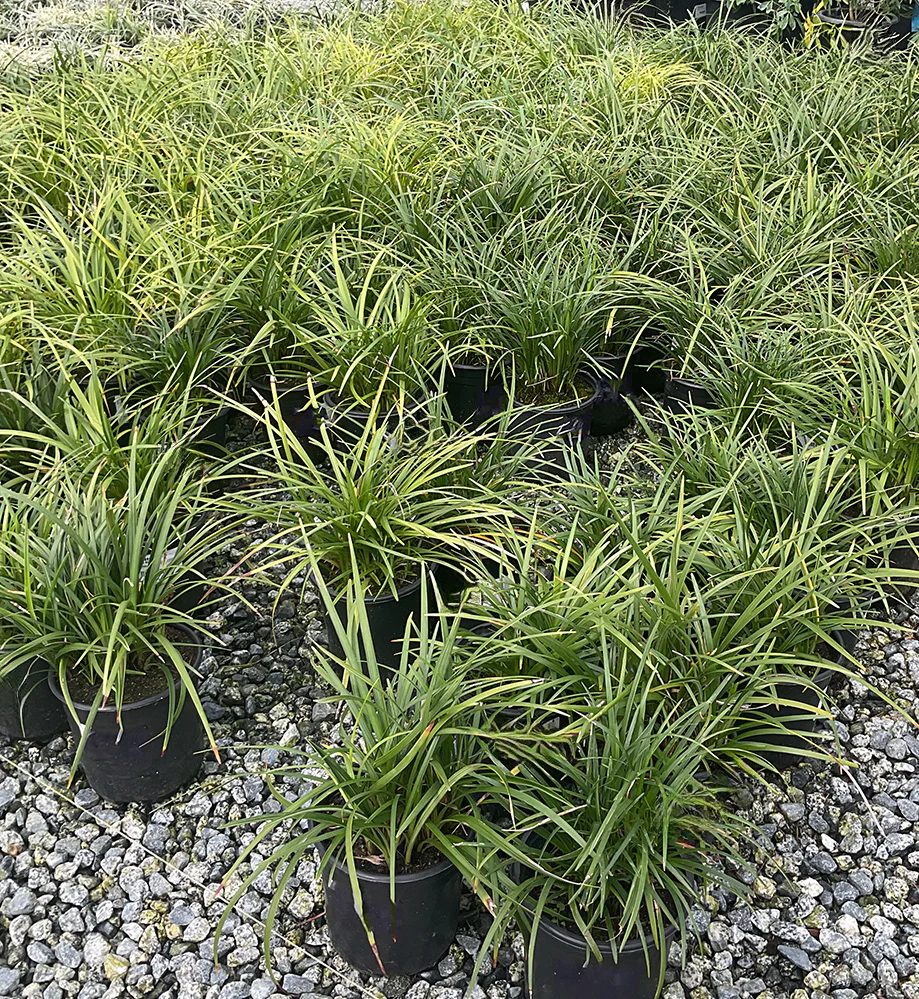
Liriope Muscari (Big Blue Lily Turf)
Transform Your Garden with Low-Maintenance Evergreen Beauty
Liriope muscari gives you dense, grass like ground cover with evergreen foliage, seasonal purple flower spikes, and very little routine care once established. Commonly called lily turf, blue lily turf, border grass, or monkey grass, this evergreen perennial is ideal when you want year-round texture in places where lawn grass or fussier other plants struggle.
Also known as big blue lilyturf, Liriope muscari big blue is valued for clump form growth, dark green foliage, and upright flower spikes that appear in late summer and continue into early fall. The lavender flowers, deep lilac flowers, or blue flowers rise above the leaves like small grape hyacinth blooms, followed by shiny black berries or blackish berries that often persist into winter.
Why You’ll Love Liriope Muscari
-
Year-round structure – Evergreen foliage and dark green leaves keep beds looking finished through much of the year, with old foliage easily refreshed in late winter or early spring.
-
Thrives where other plants struggle – Liriope plants handle full sun, part shade, partial shade, full shade, and even deep shade, although Liriope muscari flowers best in partial shade.
-
Saves water once established – Regular watering is needed in the first year to establish roots for Liriope muscari, but once established, Liriope muscari requires minimal supplemental irrigation during dry spells.
-
Naturally easy to live with – Liriope muscari requires minimal upkeep and is considered a low-maintenance plant, thriving in a variety of conditions.
-
Deer and pest resistant – Liriope muscari is resistant to pests and deer, with no serious insect problems in most landscapes.
-
Seasonal flower color – Erect, showy flower spikes with tiered whorls of dense, violet-purple flowers rise above the leaves in late summer, followed by blackish berries that often persist into winter.
This herbaceous perennial is also tolerant of heat, humidity, and drought, making it suitable for various climates. It is classified for USDA Hardiness Zones 5 to 10, with some protection needed in Zone 5 during winter.
What Makes It Different
Most groundcovers either spread aggressively, need frequent trimming, or offer foliage without much seasonal interest. Liriope muscari creates dense clumps, adds grass like foliage, and produces ornamental flower spikes without behaving like creeping lily turf.
-
Contained clump form – Liriope muscari is distinguished from Liriope spicata by its fibrous root system, more prominent flower spikes that extend above the leaves, and generally wider and longer leaves.
-
Not an aggressive runner – Unlike Liriope spicata, which can spread aggressively through underground stems, Liriope muscari clumps slowly expand and may spread slowly through short stolons or suckering at the base.
-
Better texture contrast – The grass like appearance pairs beautifully with broad-leaf plants to create textural contrasts in garden designs.
-
More ornamental than many groundcovers – Purple flower spikes, lavender flower spikes, and some white flower spikes give it a stronger seasonal display than many foliage-only options.
-
Adaptable in tough locations – Liriope muscari prefers well-drained soil and can tolerate a wide range of light conditions, from full sun to part shade, making it adaptable to various garden settings.
Although it looks like true grass, Liriope muscari belongs to the genus Liriope in the asparagus family and is still sometimes casually associated with the lily family in older garden references. The name Liriope is often linked to a Greek woodland nymph, while “muscari” refers to the bloom’s resemblance to grape hyacinth.
How to Plant and Establish
-
Choose the right site
Plant Liriope muscari in well drained soil with average to fertile soils and medium moisture. Liriope muscari is easily grown in average, medium moisture, well-drained soil and prefers full sun to part shade, although it tolerates a wide range of light conditions and soils. -
Set plants at the correct depth
Space liriope plants 12-18 inches apart for dense coverage. Keep the crown at the soil surface and level with the surrounding soil; do not bury the crown, especially when planting bare roots or divisions. -
Water well during the first season
Regular watering is needed in the first year to establish roots for Liriope muscari. After the root system settles in, this low maintenance plant needs far less attention and minimal supplemental irrigation during dry spells. -
Refresh once per year
Once established, Liriope muscari requires only annual shearing to encourage fresh growth in spring. It is recommended to cut back the foliage of Liriope muscari to the ground in late winter or early spring to prepare for new growth. -
Allow 1-2 seasons for fullness
Expect the clumps to fill in gradually. Liriope muscari can spread slowly through short stolons or suckering at the base, forming dense clumps rather than a fast-running mat.
Avoid constantly soggy soil. Liriope muscari can thrive in various soil types but cannot tolerate constantly soggy soil due to the risk of root rot, crown rot, and related fungal disease such as leaf rot.
Plant Specifications
-
Botanical name: Liriope muscari
-
Common names: Lily turf, monkey grass, blue lily turf, big blue lilyturf, border grass
-
Plant type: Evergreen perennial / herbaceous perennial
-
Mature size: This species typically grows 12-18 inches tall and features clumps of strap-like, arching, glossy, dark green leaves that can be up to 1 inch wide.
-
Spread: Usually 12-18 inches wide per clump, with clumps that slowly expand over time
-
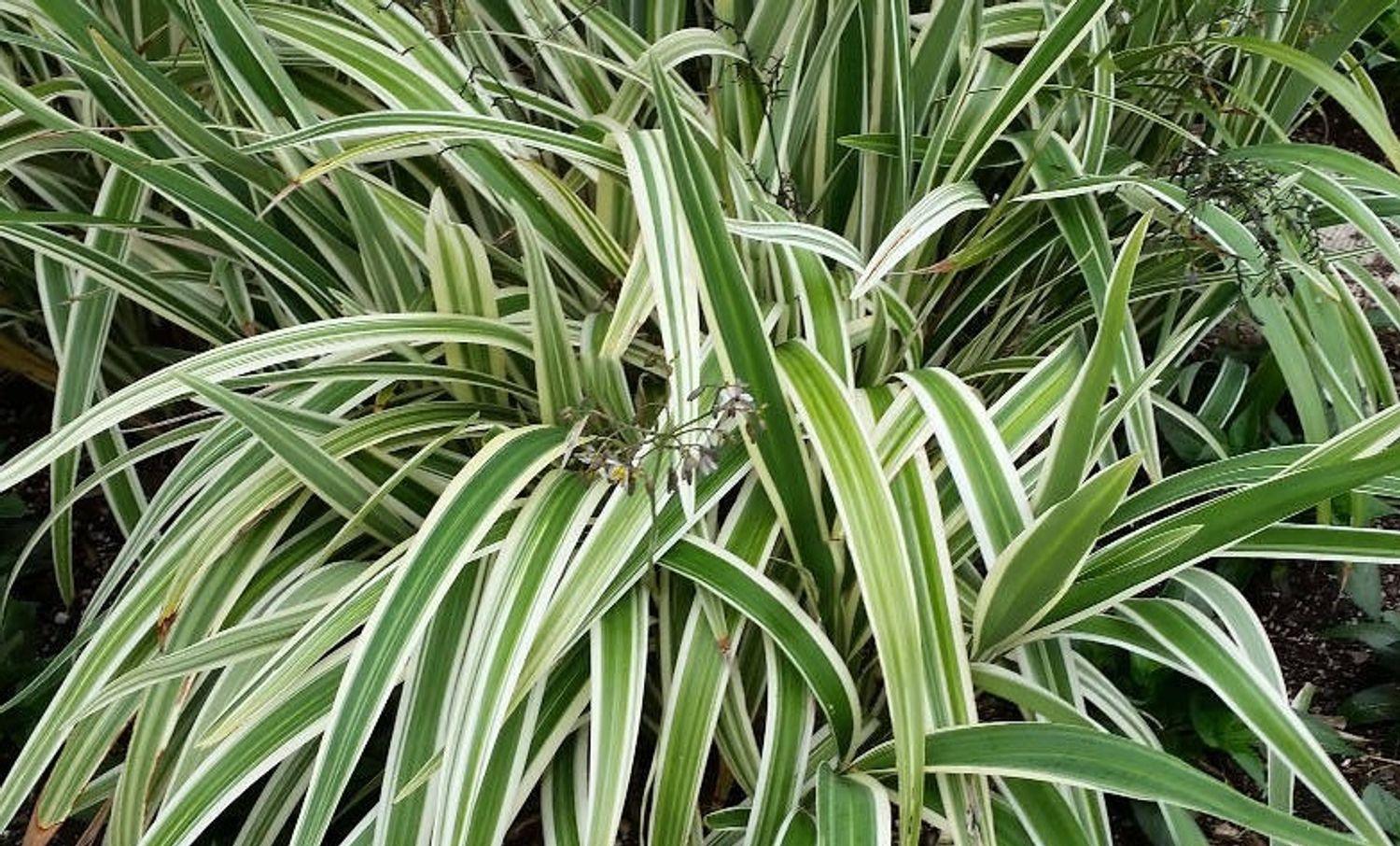
Foliage: Evergreen foliage with strap-like, arching, dark green leaves; some selections include variegated liriope with cream or white margins
-
Flowers: Upright flower spikes with purple flowers, lavender flowers, deep lilac flowers, blue-toned blooms, or occasional white flower spikes
-
Bloom time: Late summer into early fall, typically July to September
-
Fruit: Shiny black berries or blackish berries that often persist into winter
-
Light: Full sun, direct sunlight, part shade, partial shade, full shade, or deep shade; flowers best in partial shade
-
Soil: Average to fertile soils; moist but well drained soil is best
-
Hardiness: USDA Hardiness Zones 5 to 10, with winter protection recommended in Zone 5
-
Maintenance: Annual cutting back in late winter or early spring before spring growth and new growth begin
-
Growth habit: Clump form with a fibrous root system; not the same as aggressive creeping lily turf
-
Notable cultivars: Big Blue, Evergreen Giant, and variegated liriope selections
This plant prefers moist, fertile soils in part shade, particularly in regions like St. Louis, but can also grow in close to full shade, albeit with more elongated foliage and slower spread. In warmer climates, afternoon shade can help prevent bleached leaf tips, especially when plants are exposed to intense direct sunlight.
Perfect For These Garden Situations
Ideal for:
-
Foundation plantings where dark green foliage creates a clean, finished base around the home
-
Border edging along sidewalks, trails, and driveways
-
Pathway borders where an edging plant is needed but heavy foot traffic is not expected
-
Mass plantings in low-maintenance beds and shaded areas
-
Difficult-to-mow areas under trees and shrubs
-
Woodland gardens where partial shade or deep shade limits plant choices
-
Rock gardens that need grass like texture and drought-tolerant structure
-
Slopes and banks where erosion control is needed
-
Containers where Liriope muscari provides year-round texture
-
Lawn alternative areas where a no-mow ground cover is preferred
Liriope muscari is effective for mass planting in difficult-to-mow areas under trees and shrubs. It is an excellent choice for grassy ground cover in shaded areas of the landscape, making it ideal for mass plantings or as an edging plant.
This plant can be effectively used for erosion control on steep slopes, providing stability and preventing soil loss. Liriope muscari is also commonly utilized in landscaping as a border plant along sidewalks, trails, and driveways due to its attractive appearance and low maintenance requirements.
Frequently Asked Questions
How fast does Liriope muscari establish?
Liriope muscari usually takes one to two growing seasons to form dense clumps. Regular watering is needed in the first year to establish roots, then the plant becomes much more drought tolerant.
Is Liriope muscari invasive?
Liriope muscari is much more controlled than Liriope spicata. It has a fibrous root system and clump form, while Liriope spicata, often called creeping lily turf, can spread aggressively through underground stems.
When should I prune it?
Cut back old foliage in late winter or early spring before new growth begins. Once established, Liriope muscari requires only annual shearing to encourage fresh growth in spring.
Will it stay green in winter?
In many climates, Liriope muscari keeps evergreen foliage through winter. In colder areas, foliage may brown, especially near the edge of its hardiness range, but fresh spring growth returns after trimming.
What diseases should I watch for?
The main issues are fungal disease problems related to wet foliage or poor drainage. Anthracnose, leaf rot, crown rot, and root rot can occur when plants stay too wet or when crowns are buried.
Does it need full sun to bloom?
No. Liriope muscari is adaptable to a variety of light conditions but flowers best in partial shade. It can grow in full sun if moisture is adequate and in close to full shade with slower spread and more elongated foliage.
Can I divide Liriope muscari?
Yes. Divide established clumps in late winter or early spring before active spring growth. Division is the best way to keep cultivar traits such as Big Blue, Evergreen Giant, or variegated liriope forms.
Can I plant it with other plants?
Yes. Liriope muscari may be paired with broad-leaf plants to create textural contrasts in garden designs. Its grass like foliage looks especially strong beside hostas, shrubs, ferns, and flowering perennials.
Ready to Create Your Low-Maintenance Landscape?
Choose Liriope muscari for a durable ground cover that offers dark green foliage, purple flower spikes, blackish berries, and reliable texture through the seasons.
For best results, plant in fall or early spring, water regularly through the first year, and keep the crown level with the soil surface. Once established, this low maintenance plant needs only annual late winter or early spring trimming, occasional division, and well drained soil to perform beautifully for years.
Original: $35.00
-65%$35.00
$12.25Liriope Muscari (Big Blue Lily Turf)
Transform Your Garden with Low-Maintenance Evergreen Beauty
Liriope muscari gives you dense, grass like ground cover with evergreen foliage, seasonal purple flower spikes, and very little routine care once established. Commonly called lily turf, blue lily turf, border grass, or monkey grass, this evergreen perennial is ideal when you want year-round texture in places where lawn grass or fussier other plants struggle.
Also known as big blue lilyturf, Liriope muscari big blue is valued for clump form growth, dark green foliage, and upright flower spikes that appear in late summer and continue into early fall. The lavender flowers, deep lilac flowers, or blue flowers rise above the leaves like small grape hyacinth blooms, followed by shiny black berries or blackish berries that often persist into winter.
Why You’ll Love Liriope Muscari
-
Year-round structure – Evergreen foliage and dark green leaves keep beds looking finished through much of the year, with old foliage easily refreshed in late winter or early spring.
-
Thrives where other plants struggle – Liriope plants handle full sun, part shade, partial shade, full shade, and even deep shade, although Liriope muscari flowers best in partial shade.
-
Saves water once established – Regular watering is needed in the first year to establish roots for Liriope muscari, but once established, Liriope muscari requires minimal supplemental irrigation during dry spells.
-
Naturally easy to live with – Liriope muscari requires minimal upkeep and is considered a low-maintenance plant, thriving in a variety of conditions.
-
Deer and pest resistant – Liriope muscari is resistant to pests and deer, with no serious insect problems in most landscapes.
-
Seasonal flower color – Erect, showy flower spikes with tiered whorls of dense, violet-purple flowers rise above the leaves in late summer, followed by blackish berries that often persist into winter.
This herbaceous perennial is also tolerant of heat, humidity, and drought, making it suitable for various climates. It is classified for USDA Hardiness Zones 5 to 10, with some protection needed in Zone 5 during winter.
What Makes It Different
Most groundcovers either spread aggressively, need frequent trimming, or offer foliage without much seasonal interest. Liriope muscari creates dense clumps, adds grass like foliage, and produces ornamental flower spikes without behaving like creeping lily turf.
-
Contained clump form – Liriope muscari is distinguished from Liriope spicata by its fibrous root system, more prominent flower spikes that extend above the leaves, and generally wider and longer leaves.
-
Not an aggressive runner – Unlike Liriope spicata, which can spread aggressively through underground stems, Liriope muscari clumps slowly expand and may spread slowly through short stolons or suckering at the base.
-
Better texture contrast – The grass like appearance pairs beautifully with broad-leaf plants to create textural contrasts in garden designs.
-
More ornamental than many groundcovers – Purple flower spikes, lavender flower spikes, and some white flower spikes give it a stronger seasonal display than many foliage-only options.
-
Adaptable in tough locations – Liriope muscari prefers well-drained soil and can tolerate a wide range of light conditions, from full sun to part shade, making it adaptable to various garden settings.
Although it looks like true grass, Liriope muscari belongs to the genus Liriope in the asparagus family and is still sometimes casually associated with the lily family in older garden references. The name Liriope is often linked to a Greek woodland nymph, while “muscari” refers to the bloom’s resemblance to grape hyacinth.
How to Plant and Establish
-
Choose the right site
Plant Liriope muscari in well drained soil with average to fertile soils and medium moisture. Liriope muscari is easily grown in average, medium moisture, well-drained soil and prefers full sun to part shade, although it tolerates a wide range of light conditions and soils. -
Set plants at the correct depth
Space liriope plants 12-18 inches apart for dense coverage. Keep the crown at the soil surface and level with the surrounding soil; do not bury the crown, especially when planting bare roots or divisions. -
Water well during the first season
Regular watering is needed in the first year to establish roots for Liriope muscari. After the root system settles in, this low maintenance plant needs far less attention and minimal supplemental irrigation during dry spells. -
Refresh once per year
Once established, Liriope muscari requires only annual shearing to encourage fresh growth in spring. It is recommended to cut back the foliage of Liriope muscari to the ground in late winter or early spring to prepare for new growth. -
Allow 1-2 seasons for fullness
Expect the clumps to fill in gradually. Liriope muscari can spread slowly through short stolons or suckering at the base, forming dense clumps rather than a fast-running mat.
Avoid constantly soggy soil. Liriope muscari can thrive in various soil types but cannot tolerate constantly soggy soil due to the risk of root rot, crown rot, and related fungal disease such as leaf rot.
Plant Specifications
-
Botanical name: Liriope muscari
-
Common names: Lily turf, monkey grass, blue lily turf, big blue lilyturf, border grass
-
Plant type: Evergreen perennial / herbaceous perennial
-
Mature size: This species typically grows 12-18 inches tall and features clumps of strap-like, arching, glossy, dark green leaves that can be up to 1 inch wide.
-
Spread: Usually 12-18 inches wide per clump, with clumps that slowly expand over time
-
Foliage: Evergreen foliage with strap-like, arching, dark green leaves; some selections include variegated liriope with cream or white margins
-
Flowers: Upright flower spikes with purple flowers, lavender flowers, deep lilac flowers, blue-toned blooms, or occasional white flower spikes
-
Bloom time: Late summer into early fall, typically July to September
-
Fruit: Shiny black berries or blackish berries that often persist into winter
-
Light: Full sun, direct sunlight, part shade, partial shade, full shade, or deep shade; flowers best in partial shade
-
Soil: Average to fertile soils; moist but well drained soil is best
-
Hardiness: USDA Hardiness Zones 5 to 10, with winter protection recommended in Zone 5
-
Maintenance: Annual cutting back in late winter or early spring before spring growth and new growth begin
-
Growth habit: Clump form with a fibrous root system; not the same as aggressive creeping lily turf
-
Notable cultivars: Big Blue, Evergreen Giant, and variegated liriope selections
This plant prefers moist, fertile soils in part shade, particularly in regions like St. Louis, but can also grow in close to full shade, albeit with more elongated foliage and slower spread. In warmer climates, afternoon shade can help prevent bleached leaf tips, especially when plants are exposed to intense direct sunlight.
Perfect For These Garden Situations
Ideal for:
-
Foundation plantings where dark green foliage creates a clean, finished base around the home
-
Border edging along sidewalks, trails, and driveways
-
Pathway borders where an edging plant is needed but heavy foot traffic is not expected
-
Mass plantings in low-maintenance beds and shaded areas
-
Difficult-to-mow areas under trees and shrubs
-
Woodland gardens where partial shade or deep shade limits plant choices
-
Rock gardens that need grass like texture and drought-tolerant structure
-
Slopes and banks where erosion control is needed
-
Containers where Liriope muscari provides year-round texture
-
Lawn alternative areas where a no-mow ground cover is preferred
Liriope muscari is effective for mass planting in difficult-to-mow areas under trees and shrubs. It is an excellent choice for grassy ground cover in shaded areas of the landscape, making it ideal for mass plantings or as an edging plant.
This plant can be effectively used for erosion control on steep slopes, providing stability and preventing soil loss. Liriope muscari is also commonly utilized in landscaping as a border plant along sidewalks, trails, and driveways due to its attractive appearance and low maintenance requirements.
Frequently Asked Questions
How fast does Liriope muscari establish?
Liriope muscari usually takes one to two growing seasons to form dense clumps. Regular watering is needed in the first year to establish roots, then the plant becomes much more drought tolerant.
Is Liriope muscari invasive?
Liriope muscari is much more controlled than Liriope spicata. It has a fibrous root system and clump form, while Liriope spicata, often called creeping lily turf, can spread aggressively through underground stems.
When should I prune it?
Cut back old foliage in late winter or early spring before new growth begins. Once established, Liriope muscari requires only annual shearing to encourage fresh growth in spring.
Will it stay green in winter?
In many climates, Liriope muscari keeps evergreen foliage through winter. In colder areas, foliage may brown, especially near the edge of its hardiness range, but fresh spring growth returns after trimming.
What diseases should I watch for?
The main issues are fungal disease problems related to wet foliage or poor drainage. Anthracnose, leaf rot, crown rot, and root rot can occur when plants stay too wet or when crowns are buried.
Does it need full sun to bloom?
No. Liriope muscari is adaptable to a variety of light conditions but flowers best in partial shade. It can grow in full sun if moisture is adequate and in close to full shade with slower spread and more elongated foliage.
Can I divide Liriope muscari?
Yes. Divide established clumps in late winter or early spring before active spring growth. Division is the best way to keep cultivar traits such as Big Blue, Evergreen Giant, or variegated liriope forms.
Can I plant it with other plants?
Yes. Liriope muscari may be paired with broad-leaf plants to create textural contrasts in garden designs. Its grass like foliage looks especially strong beside hostas, shrubs, ferns, and flowering perennials.
Ready to Create Your Low-Maintenance Landscape?
Choose Liriope muscari for a durable ground cover that offers dark green foliage, purple flower spikes, blackish berries, and reliable texture through the seasons.
For best results, plant in fall or early spring, water regularly through the first year, and keep the crown level with the soil surface. Once established, this low maintenance plant needs only annual late winter or early spring trimming, occasional division, and well drained soil to perform beautifully for years.
Product Information
Product Information
Shipping & Returns
Shipping & Returns
Description
Transform Your Garden with Low-Maintenance Evergreen Beauty
Liriope muscari gives you dense, grass like ground cover with evergreen foliage, seasonal purple flower spikes, and very little routine care once established. Commonly called lily turf, blue lily turf, border grass, or monkey grass, this evergreen perennial is ideal when you want year-round texture in places where lawn grass or fussier other plants struggle.
Also known as big blue lilyturf, Liriope muscari big blue is valued for clump form growth, dark green foliage, and upright flower spikes that appear in late summer and continue into early fall. The lavender flowers, deep lilac flowers, or blue flowers rise above the leaves like small grape hyacinth blooms, followed by shiny black berries or blackish berries that often persist into winter.
Why You’ll Love Liriope Muscari
-
Year-round structure – Evergreen foliage and dark green leaves keep beds looking finished through much of the year, with old foliage easily refreshed in late winter or early spring.
-
Thrives where other plants struggle – Liriope plants handle full sun, part shade, partial shade, full shade, and even deep shade, although Liriope muscari flowers best in partial shade.
-
Saves water once established – Regular watering is needed in the first year to establish roots for Liriope muscari, but once established, Liriope muscari requires minimal supplemental irrigation during dry spells.
-
Naturally easy to live with – Liriope muscari requires minimal upkeep and is considered a low-maintenance plant, thriving in a variety of conditions.
-
Deer and pest resistant – Liriope muscari is resistant to pests and deer, with no serious insect problems in most landscapes.
-
Seasonal flower color – Erect, showy flower spikes with tiered whorls of dense, violet-purple flowers rise above the leaves in late summer, followed by blackish berries that often persist into winter.
This herbaceous perennial is also tolerant of heat, humidity, and drought, making it suitable for various climates. It is classified for USDA Hardiness Zones 5 to 10, with some protection needed in Zone 5 during winter.
What Makes It Different
Most groundcovers either spread aggressively, need frequent trimming, or offer foliage without much seasonal interest. Liriope muscari creates dense clumps, adds grass like foliage, and produces ornamental flower spikes without behaving like creeping lily turf.
-
Contained clump form – Liriope muscari is distinguished from Liriope spicata by its fibrous root system, more prominent flower spikes that extend above the leaves, and generally wider and longer leaves.
-
Not an aggressive runner – Unlike Liriope spicata, which can spread aggressively through underground stems, Liriope muscari clumps slowly expand and may spread slowly through short stolons or suckering at the base.
-
Better texture contrast – The grass like appearance pairs beautifully with broad-leaf plants to create textural contrasts in garden designs.
-
More ornamental than many groundcovers – Purple flower spikes, lavender flower spikes, and some white flower spikes give it a stronger seasonal display than many foliage-only options.
-
Adaptable in tough locations – Liriope muscari prefers well-drained soil and can tolerate a wide range of light conditions, from full sun to part shade, making it adaptable to various garden settings.
Although it looks like true grass, Liriope muscari belongs to the genus Liriope in the asparagus family and is still sometimes casually associated with the lily family in older garden references. The name Liriope is often linked to a Greek woodland nymph, while “muscari” refers to the bloom’s resemblance to grape hyacinth.
How to Plant and Establish
-
Choose the right site
Plant Liriope muscari in well drained soil with average to fertile soils and medium moisture. Liriope muscari is easily grown in average, medium moisture, well-drained soil and prefers full sun to part shade, although it tolerates a wide range of light conditions and soils. -
Set plants at the correct depth
Space liriope plants 12-18 inches apart for dense coverage. Keep the crown at the soil surface and level with the surrounding soil; do not bury the crown, especially when planting bare roots or divisions. -
Water well during the first season
Regular watering is needed in the first year to establish roots for Liriope muscari. After the root system settles in, this low maintenance plant needs far less attention and minimal supplemental irrigation during dry spells. -
Refresh once per year
Once established, Liriope muscari requires only annual shearing to encourage fresh growth in spring. It is recommended to cut back the foliage of Liriope muscari to the ground in late winter or early spring to prepare for new growth. -
Allow 1-2 seasons for fullness
Expect the clumps to fill in gradually. Liriope muscari can spread slowly through short stolons or suckering at the base, forming dense clumps rather than a fast-running mat.
Avoid constantly soggy soil. Liriope muscari can thrive in various soil types but cannot tolerate constantly soggy soil due to the risk of root rot, crown rot, and related fungal disease such as leaf rot.
Plant Specifications
-
Botanical name: Liriope muscari
-
Common names: Lily turf, monkey grass, blue lily turf, big blue lilyturf, border grass
-
Plant type: Evergreen perennial / herbaceous perennial
-
Mature size: This species typically grows 12-18 inches tall and features clumps of strap-like, arching, glossy, dark green leaves that can be up to 1 inch wide.
-
Spread: Usually 12-18 inches wide per clump, with clumps that slowly expand over time
-
Foliage: Evergreen foliage with strap-like, arching, dark green leaves; some selections include variegated liriope with cream or white margins
-
Flowers: Upright flower spikes with purple flowers, lavender flowers, deep lilac flowers, blue-toned blooms, or occasional white flower spikes
-
Bloom time: Late summer into early fall, typically July to September
-
Fruit: Shiny black berries or blackish berries that often persist into winter
-
Light: Full sun, direct sunlight, part shade, partial shade, full shade, or deep shade; flowers best in partial shade
-
Soil: Average to fertile soils; moist but well drained soil is best
-
Hardiness: USDA Hardiness Zones 5 to 10, with winter protection recommended in Zone 5
-
Maintenance: Annual cutting back in late winter or early spring before spring growth and new growth begin
-
Growth habit: Clump form with a fibrous root system; not the same as aggressive creeping lily turf
-
Notable cultivars: Big Blue, Evergreen Giant, and variegated liriope selections
This plant prefers moist, fertile soils in part shade, particularly in regions like St. Louis, but can also grow in close to full shade, albeit with more elongated foliage and slower spread. In warmer climates, afternoon shade can help prevent bleached leaf tips, especially when plants are exposed to intense direct sunlight.
Perfect For These Garden Situations
Ideal for:
-
Foundation plantings where dark green foliage creates a clean, finished base around the home
-
Border edging along sidewalks, trails, and driveways
-
Pathway borders where an edging plant is needed but heavy foot traffic is not expected
-
Mass plantings in low-maintenance beds and shaded areas
-
Difficult-to-mow areas under trees and shrubs
-
Woodland gardens where partial shade or deep shade limits plant choices
-
Rock gardens that need grass like texture and drought-tolerant structure
-
Slopes and banks where erosion control is needed
-
Containers where Liriope muscari provides year-round texture
-
Lawn alternative areas where a no-mow ground cover is preferred
Liriope muscari is effective for mass planting in difficult-to-mow areas under trees and shrubs. It is an excellent choice for grassy ground cover in shaded areas of the landscape, making it ideal for mass plantings or as an edging plant.
This plant can be effectively used for erosion control on steep slopes, providing stability and preventing soil loss. Liriope muscari is also commonly utilized in landscaping as a border plant along sidewalks, trails, and driveways due to its attractive appearance and low maintenance requirements.
Frequently Asked Questions
How fast does Liriope muscari establish?
Liriope muscari usually takes one to two growing seasons to form dense clumps. Regular watering is needed in the first year to establish roots, then the plant becomes much more drought tolerant.
Is Liriope muscari invasive?
Liriope muscari is much more controlled than Liriope spicata. It has a fibrous root system and clump form, while Liriope spicata, often called creeping lily turf, can spread aggressively through underground stems.
When should I prune it?
Cut back old foliage in late winter or early spring before new growth begins. Once established, Liriope muscari requires only annual shearing to encourage fresh growth in spring.
Will it stay green in winter?
In many climates, Liriope muscari keeps evergreen foliage through winter. In colder areas, foliage may brown, especially near the edge of its hardiness range, but fresh spring growth returns after trimming.
What diseases should I watch for?
The main issues are fungal disease problems related to wet foliage or poor drainage. Anthracnose, leaf rot, crown rot, and root rot can occur when plants stay too wet or when crowns are buried.
Does it need full sun to bloom?
No. Liriope muscari is adaptable to a variety of light conditions but flowers best in partial shade. It can grow in full sun if moisture is adequate and in close to full shade with slower spread and more elongated foliage.
Can I divide Liriope muscari?
Yes. Divide established clumps in late winter or early spring before active spring growth. Division is the best way to keep cultivar traits such as Big Blue, Evergreen Giant, or variegated liriope forms.
Can I plant it with other plants?
Yes. Liriope muscari may be paired with broad-leaf plants to create textural contrasts in garden designs. Its grass like foliage looks especially strong beside hostas, shrubs, ferns, and flowering perennials.
Ready to Create Your Low-Maintenance Landscape?
Choose Liriope muscari for a durable ground cover that offers dark green foliage, purple flower spikes, blackish berries, and reliable texture through the seasons.
For best results, plant in fall or early spring, water regularly through the first year, and keep the crown level with the soil surface. Once established, this low maintenance plant needs only annual late winter or early spring trimming, occasional division, and well drained soil to perform beautifully for years.