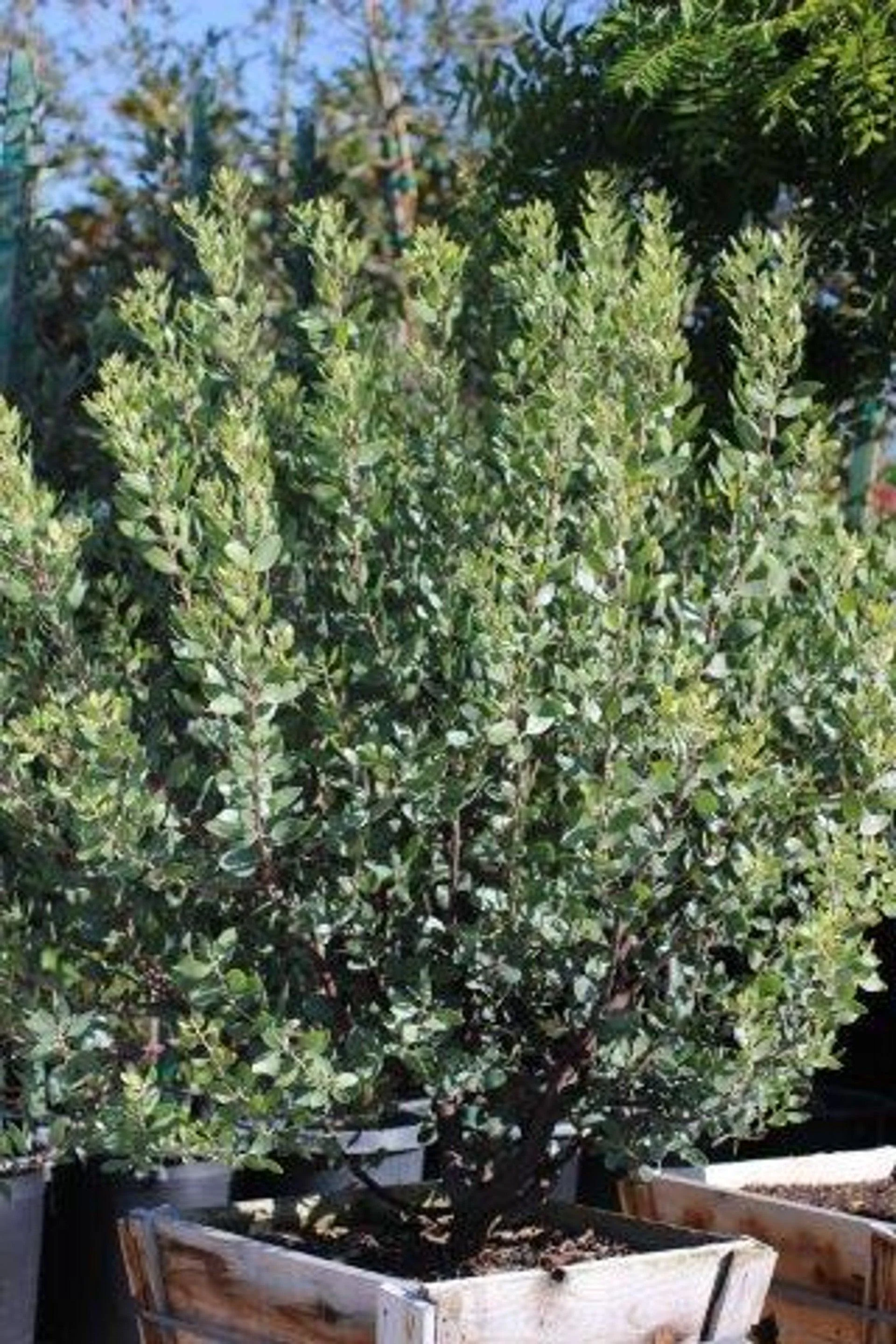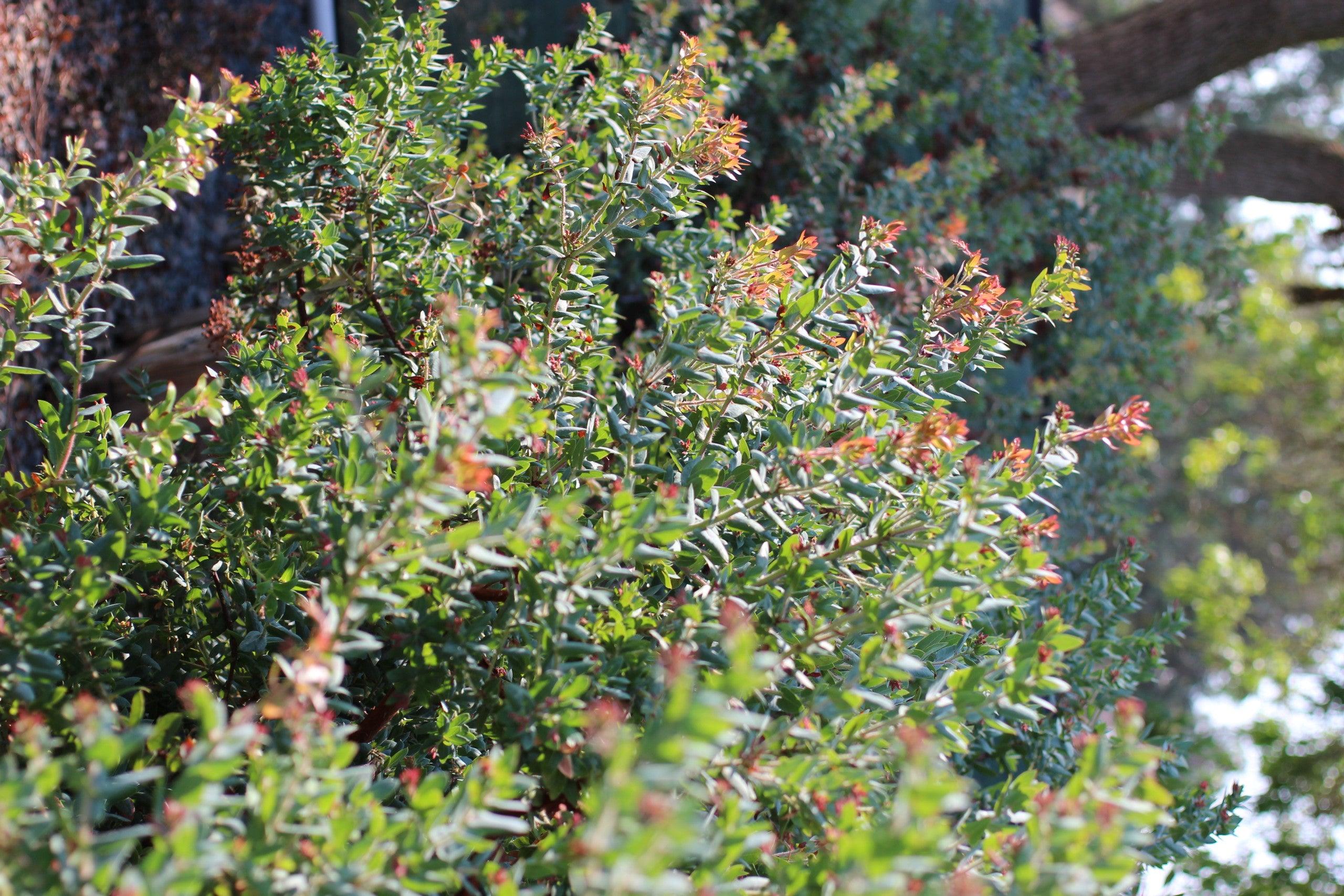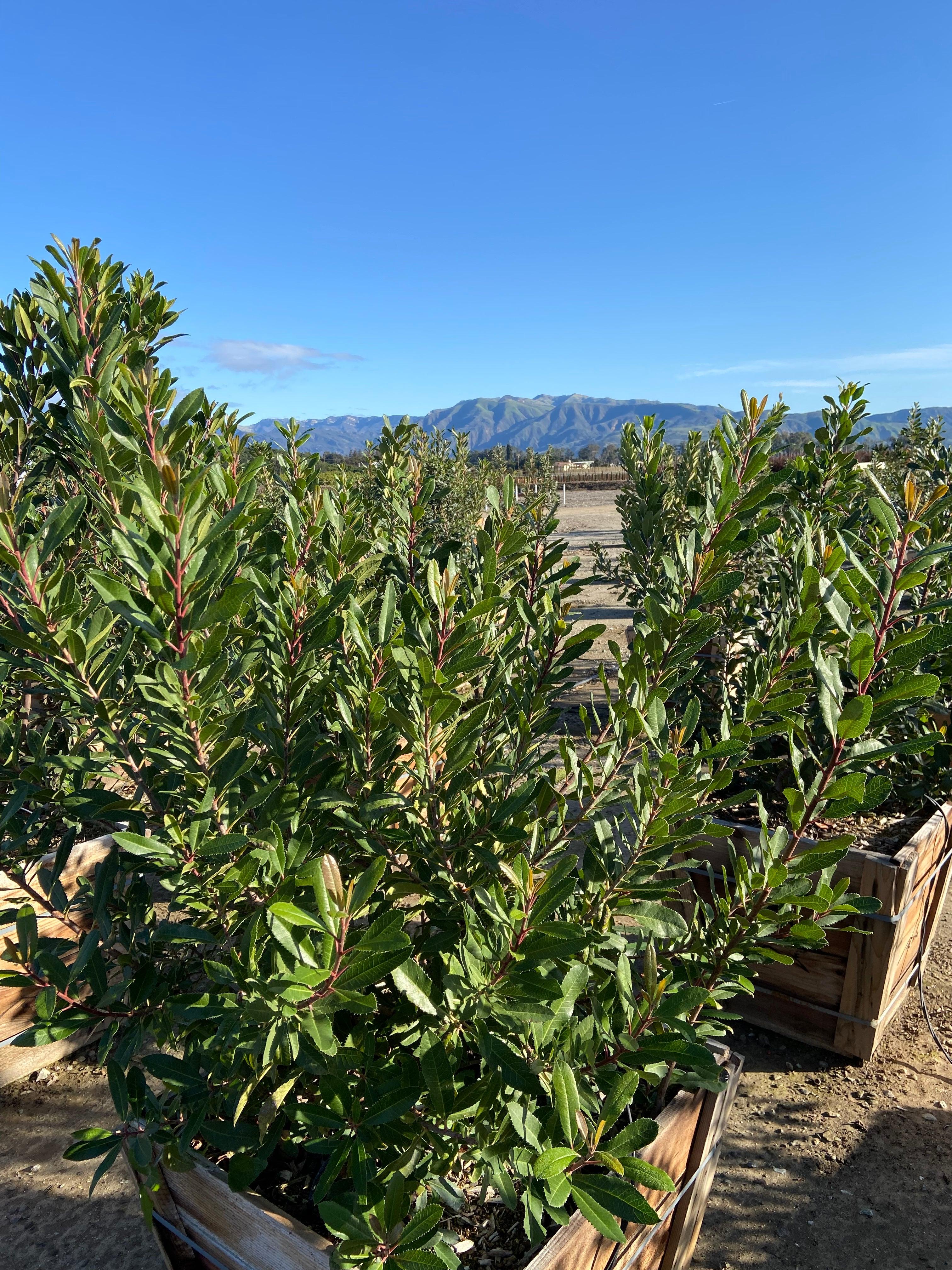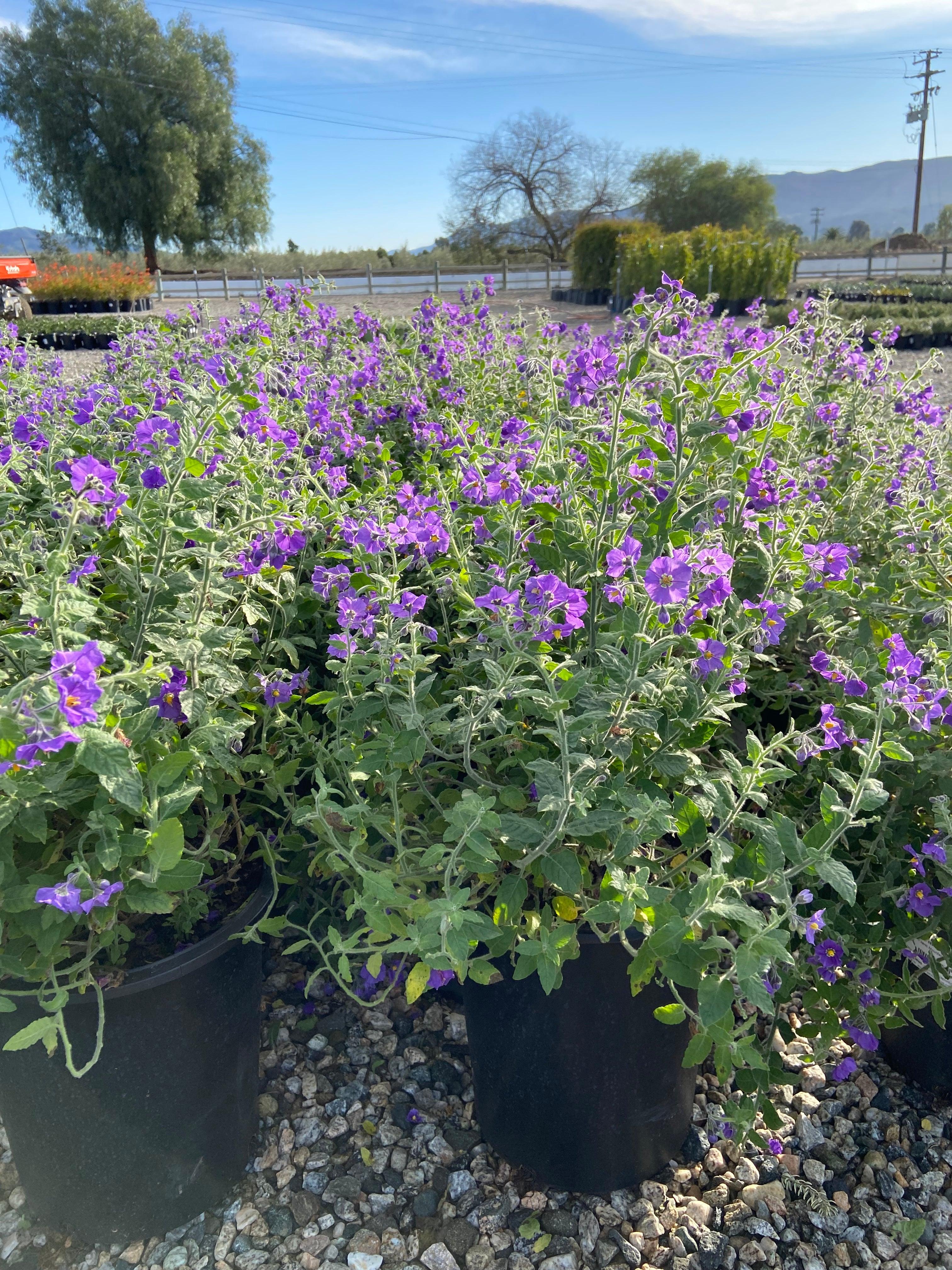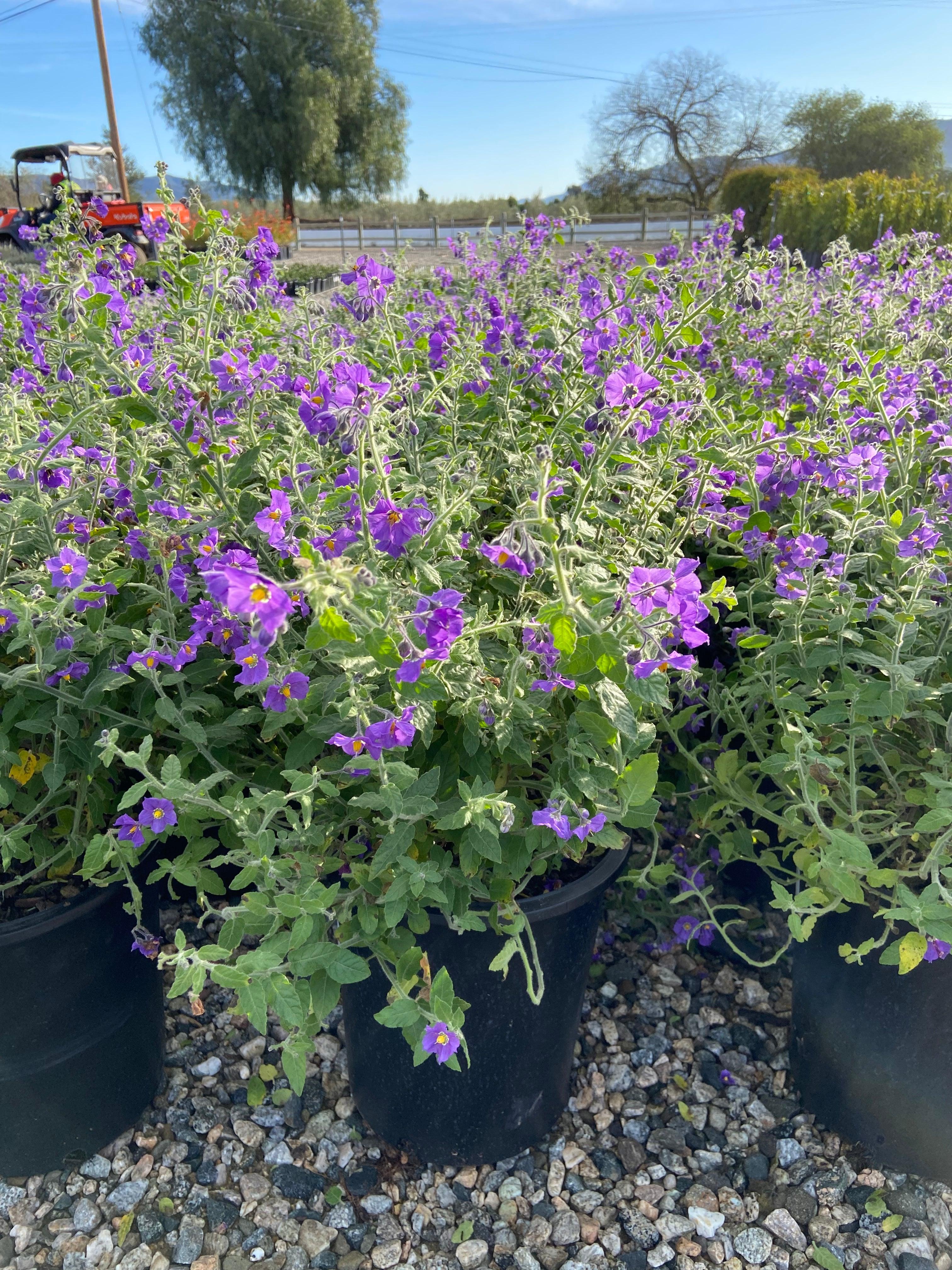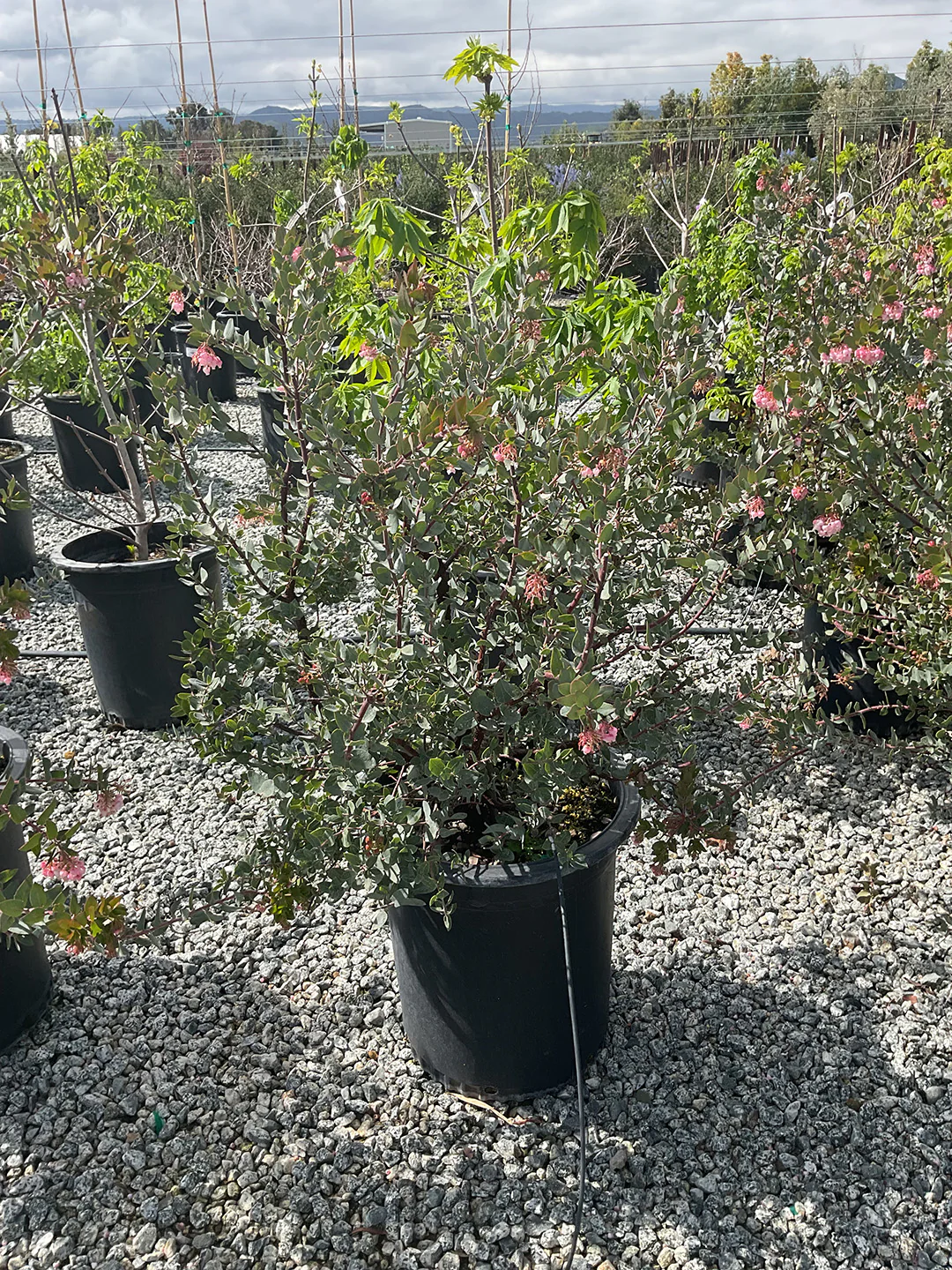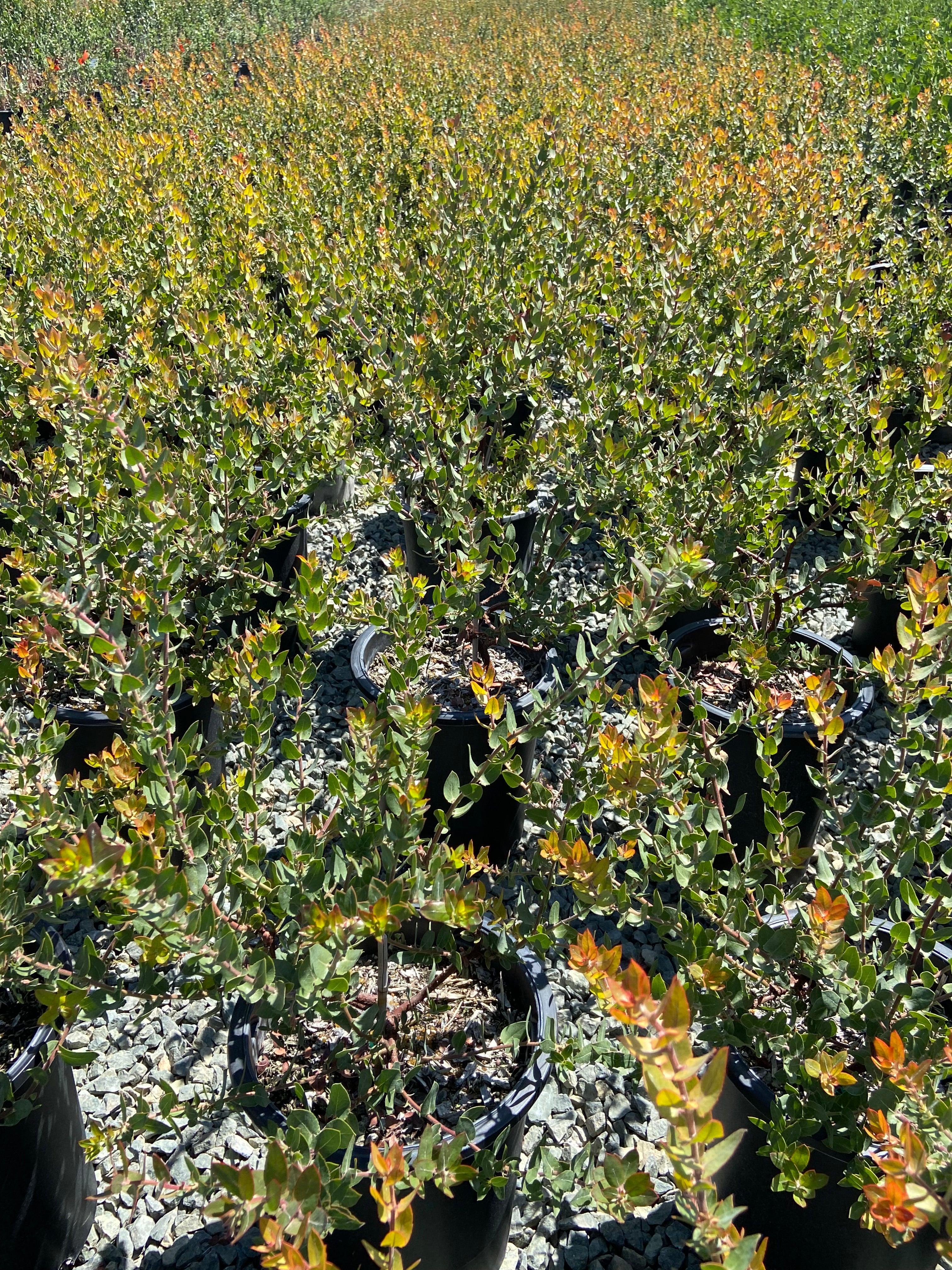
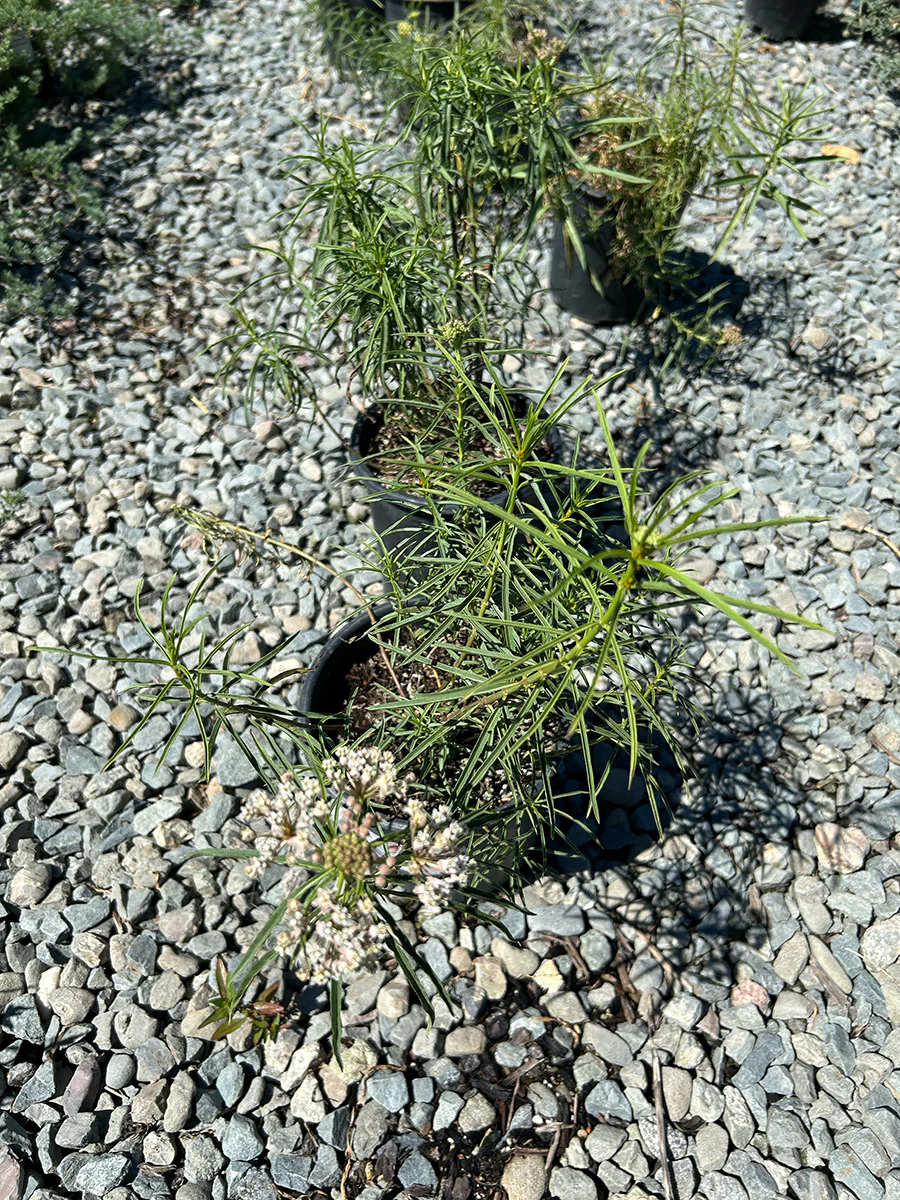
Narrowleaf Milkweed (Asclepias fascicularis)
The Ultimate Native Plant for Supporting Monarch Butterflies in Your California Garden
Narrowleaf Milkweed gives monarch butterflies the native host plant they need while adding soft lavender-white flowers, low-water resilience, and easy seasonal beauty to your garden.
Why You’ll Love It
-
Supports monarch butterflies from egg to adulthood – Narrowleaf Milkweed (Asclepias fascicularis) is an essential host plant for Monarch butterflies, as female Monarchs lay their eggs on its leaves, providing a critical food source for emerging caterpillars and young caterpillars as they grow.
-
Feeds more than monarchs – Narrowleaf milkweed provides a significant nectar source for a variety of pollinators including bees, hummingbirds, and butterflies; a single patch of narrowleaf milkweed can support over 400 insect species in a healthy native garden.
-
Built for California’s wet-winter, dry-summer rhythm – Narrowleaf milkweed is a hardy perennial that thrives in a variety of soil and moisture conditions, particularly in areas with wet winters and dry summers, making it a strong choice for low-water landscapes, Mediterranean-style plantings, and drought-tolerant companions like purple bougainvillea.
-
Blooms beautifully for a long season – Asclepias fascicularis provides a valuable nectar source for adult Monarch butterflies and other pollinators, blooming from late spring through summer with fragrant white flowers tinged in lavender, often continuing into September in many areas.
-
Strengthens native habitat with little fuss – Planting native milkweed is recommended as a direct method to combat habitat loss and support native pollinator communities, giving your garden purpose beyond decoration.
What Makes It Different
Most milkweed varieties struggle with California’s seasonal extremes, especially where winters are moist, summers are dry, and soil types can shift from clay to sandy or rocky.
Narrowleaf Milkweed has:
-
Superior drought tolerance – Narrowleaf milkweed can be used in xeriscaping due to its low water requirements once established, pairing beautifully with other sun-loving, water-wise plants such as English lavender (Lavandula angustifolia), and helping your landscape stay alive and useful to pollinators without constant irrigation.
-
Longer monarch and pollinator value – Its bloom season begins in late spring and carries through summer, offering nectar when monarchs, bees, butterflies, hummingbirds, and other pollinators are actively searching for flowers.
-
Gentle natural spreading – Narrowleaf milkweed can grow 2-3 feet tall and spreads gently via underground rhizomes, forming small patches without becoming overly aggressive, so you can create a living milkweed colony instead of relying on one isolated plant.
Also called mexican whorled milkweed, narrow leaf milkweed, or whorled milkweed, this native species is found across the Western United States in diverse habitats such as deserts, chaparral, and woodlands. That adaptability makes it a smart product choice for California gardens that need both ecological function and reliable beauty, especially when combined with versatile, fragrant vines like Star Jasmine (Trachelospermum jasminoides).
How To Grow Milkweed Successfully
-
Plant it in the right place
Choose a sunny garden area with well-draining soil. This plant is drought-tolerant and prefers full sun for optimal flowering, but it can also tolerate partial shade. Transplant carefully, water in well, and give each plant enough space to grow into a small patch. -
Water deeply while it establishes
Keep the soil lightly moist after planting so the roots can settle into the ground. Once established, narrowleaf milkweed needs far less water and can thrive through dry periods with occasional deep watering. -
Watch monarch habitat develop
As leaves, buds, and flowers appear, adult monarchs may visit for nectar and lay eggs on the plant. Caterpillars feed on the leaves, while bees, butterflies, hummingbirds, and other pollinators use the bloom. Yellow oleander aphids may appear, but they also provide food for beneficial insects that help manage pest populations.
Plant Details
-
Botanical name: Asclepias fascicularis
-
Common names: Narrowleaf Milkweed, narrow leaf milkweed, Mexican whorled milkweed, called mexican whorled milkweed in some regions
-
Plant type: Native hardy perennial milkweed
-
Mature size: Typically 2-4 feet tall and 2-3 feet wide; narrowleaf milkweed can also grow 2-3 feet tall and spread gently via underground rhizomes
-
Flowers: Fragrant white flowers tinged in lavender; sometimes pale pink-lavender depending on local conditions
-
Bloom time: Late spring through summer, often into September
-
Sun exposure: Full sun preferred; partial shade tolerated
-
Soil requirements: Adaptable to many soil types, including clay, sandy, loamy, rocky, and other well-drained soils
-
Water needs: Low once established; ideal for dry gardens and xeriscaping, and easy to mix with other low-water perennials such as Lavender Mexican Heather
-
Native range: Western United States and nearby western North American regions — a perfect fit for gardeners working with a local plant nursery near Los Angeles and similar California climates
-
Habitats: Narrowleaf Milkweed is cultivated in various habitats, including deserts, chaparral, and woodlands, making it adaptable to different ecological conditions in the Western United States and easy to integrate alongside popular evergreen and fast-growing privacy trees
-
Wildlife value: Essential monarch butterfly host plant; nectar source for adult Monarch butterflies, bees, hummingbirds, butterflies, and other pollinators, and a strong wildlife complement to shade and structure from mature landscape trees.
Who It’s For
Ideal for:
-
Butterfly garden enthusiasts who want a true monarch host plant where eggs, caterpillars, and adult butterflies can all be supported.
-
Drought-tolerant landscaping projects that need native plants capable of handling dry summers, low water use, and varied California soil, often pairing perennials like milkweed with flowering trees such as the Jacaranda mimosifolia.
-
Native plant collectors looking for a resilient milkweed species with soft flowers, narrow leaves, ecological value, and a gentle spreading habit, and who may also be adding hardy trees like Carrotwood (Cupaniopsis anacardioides) to anchor their landscape.
If you want to grow a beautiful native garden that serves monarchs, pollinators, and local habitats, Narrowleaf Milkweed fits your needs.
Frequently Asked Questions
Is narrowleaf milkweed easy to grow?
Yes. Once established, it is low maintenance, drought-tolerant, and adaptable to many soil types. Plant it in full sun for the best bloom, water regularly after transplant, then reduce watering as roots establish.
When will monarch butterflies use it?
Monarch butterflies may use the plant once there is enough healthy foliage for eggs and caterpillars. Adult monarchs and other pollinators visit the flowers for nectar during the bloom season from late spring through summer.
Does narrowleaf milkweed spread aggressively?
No. Narrowleaf milkweed spreads gently by underground rhizomes and seeds, forming small patches without becoming overly aggressive. If you want less reseeding, remove seed pods before they open.
What happens in winter?
Narrowleaf milkweed may go dormant and disappear above ground during cold or wet seasonal periods. That does not mean the plant is dead. In the right conditions, the crown and roots remain alive and new growth returns when the season warms.
Can Yardwork help me choose the right place to plant it?
Yes. If you are planning a monarch garden, a native habitat bed, or a larger order, Yardwork can offer consultation support for spacing, sun exposure, soil, and plant selection.
Ready to Transform Your Garden?
Stop settling for generic landscaping that looks green but does little for wildlife. Choose Narrowleaf Milkweed (Asclepias fascicularis) to support monarch butterflies, feed pollinators, and create a resilient California native garden with lasting purpose.
Original: $35.00
-65%$35.00
$12.25Narrowleaf Milkweed (Asclepias fascicularis)
The Ultimate Native Plant for Supporting Monarch Butterflies in Your California Garden
Narrowleaf Milkweed gives monarch butterflies the native host plant they need while adding soft lavender-white flowers, low-water resilience, and easy seasonal beauty to your garden.
Why You’ll Love It
-
Supports monarch butterflies from egg to adulthood – Narrowleaf Milkweed (Asclepias fascicularis) is an essential host plant for Monarch butterflies, as female Monarchs lay their eggs on its leaves, providing a critical food source for emerging caterpillars and young caterpillars as they grow.
-
Feeds more than monarchs – Narrowleaf milkweed provides a significant nectar source for a variety of pollinators including bees, hummingbirds, and butterflies; a single patch of narrowleaf milkweed can support over 400 insect species in a healthy native garden.
-
Built for California’s wet-winter, dry-summer rhythm – Narrowleaf milkweed is a hardy perennial that thrives in a variety of soil and moisture conditions, particularly in areas with wet winters and dry summers, making it a strong choice for low-water landscapes, Mediterranean-style plantings, and drought-tolerant companions like purple bougainvillea.
-
Blooms beautifully for a long season – Asclepias fascicularis provides a valuable nectar source for adult Monarch butterflies and other pollinators, blooming from late spring through summer with fragrant white flowers tinged in lavender, often continuing into September in many areas.
-
Strengthens native habitat with little fuss – Planting native milkweed is recommended as a direct method to combat habitat loss and support native pollinator communities, giving your garden purpose beyond decoration.
What Makes It Different
Most milkweed varieties struggle with California’s seasonal extremes, especially where winters are moist, summers are dry, and soil types can shift from clay to sandy or rocky.
Narrowleaf Milkweed has:
-
Superior drought tolerance – Narrowleaf milkweed can be used in xeriscaping due to its low water requirements once established, pairing beautifully with other sun-loving, water-wise plants such as English lavender (Lavandula angustifolia), and helping your landscape stay alive and useful to pollinators without constant irrigation.
-
Longer monarch and pollinator value – Its bloom season begins in late spring and carries through summer, offering nectar when monarchs, bees, butterflies, hummingbirds, and other pollinators are actively searching for flowers.
-
Gentle natural spreading – Narrowleaf milkweed can grow 2-3 feet tall and spreads gently via underground rhizomes, forming small patches without becoming overly aggressive, so you can create a living milkweed colony instead of relying on one isolated plant.
Also called mexican whorled milkweed, narrow leaf milkweed, or whorled milkweed, this native species is found across the Western United States in diverse habitats such as deserts, chaparral, and woodlands. That adaptability makes it a smart product choice for California gardens that need both ecological function and reliable beauty, especially when combined with versatile, fragrant vines like Star Jasmine (Trachelospermum jasminoides).
How To Grow Milkweed Successfully
-
Plant it in the right place
Choose a sunny garden area with well-draining soil. This plant is drought-tolerant and prefers full sun for optimal flowering, but it can also tolerate partial shade. Transplant carefully, water in well, and give each plant enough space to grow into a small patch. -
Water deeply while it establishes
Keep the soil lightly moist after planting so the roots can settle into the ground. Once established, narrowleaf milkweed needs far less water and can thrive through dry periods with occasional deep watering. -
Watch monarch habitat develop
As leaves, buds, and flowers appear, adult monarchs may visit for nectar and lay eggs on the plant. Caterpillars feed on the leaves, while bees, butterflies, hummingbirds, and other pollinators use the bloom. Yellow oleander aphids may appear, but they also provide food for beneficial insects that help manage pest populations.
Plant Details
-
Botanical name: Asclepias fascicularis
-
Common names: Narrowleaf Milkweed, narrow leaf milkweed, Mexican whorled milkweed, called mexican whorled milkweed in some regions
-
Plant type: Native hardy perennial milkweed
-
Mature size: Typically 2-4 feet tall and 2-3 feet wide; narrowleaf milkweed can also grow 2-3 feet tall and spread gently via underground rhizomes
-
Flowers: Fragrant white flowers tinged in lavender; sometimes pale pink-lavender depending on local conditions
-
Bloom time: Late spring through summer, often into September
-
Sun exposure: Full sun preferred; partial shade tolerated
-
Soil requirements: Adaptable to many soil types, including clay, sandy, loamy, rocky, and other well-drained soils
-
Water needs: Low once established; ideal for dry gardens and xeriscaping, and easy to mix with other low-water perennials such as Lavender Mexican Heather
-
Native range: Western United States and nearby western North American regions — a perfect fit for gardeners working with a local plant nursery near Los Angeles and similar California climates
-
Habitats: Narrowleaf Milkweed is cultivated in various habitats, including deserts, chaparral, and woodlands, making it adaptable to different ecological conditions in the Western United States and easy to integrate alongside popular evergreen and fast-growing privacy trees
-
Wildlife value: Essential monarch butterfly host plant; nectar source for adult Monarch butterflies, bees, hummingbirds, butterflies, and other pollinators, and a strong wildlife complement to shade and structure from mature landscape trees.
Who It’s For
Ideal for:
-
Butterfly garden enthusiasts who want a true monarch host plant where eggs, caterpillars, and adult butterflies can all be supported.
-
Drought-tolerant landscaping projects that need native plants capable of handling dry summers, low water use, and varied California soil, often pairing perennials like milkweed with flowering trees such as the Jacaranda mimosifolia.
-
Native plant collectors looking for a resilient milkweed species with soft flowers, narrow leaves, ecological value, and a gentle spreading habit, and who may also be adding hardy trees like Carrotwood (Cupaniopsis anacardioides) to anchor their landscape.
If you want to grow a beautiful native garden that serves monarchs, pollinators, and local habitats, Narrowleaf Milkweed fits your needs.
Frequently Asked Questions
Is narrowleaf milkweed easy to grow?
Yes. Once established, it is low maintenance, drought-tolerant, and adaptable to many soil types. Plant it in full sun for the best bloom, water regularly after transplant, then reduce watering as roots establish.
When will monarch butterflies use it?
Monarch butterflies may use the plant once there is enough healthy foliage for eggs and caterpillars. Adult monarchs and other pollinators visit the flowers for nectar during the bloom season from late spring through summer.
Does narrowleaf milkweed spread aggressively?
No. Narrowleaf milkweed spreads gently by underground rhizomes and seeds, forming small patches without becoming overly aggressive. If you want less reseeding, remove seed pods before they open.
What happens in winter?
Narrowleaf milkweed may go dormant and disappear above ground during cold or wet seasonal periods. That does not mean the plant is dead. In the right conditions, the crown and roots remain alive and new growth returns when the season warms.
Can Yardwork help me choose the right place to plant it?
Yes. If you are planning a monarch garden, a native habitat bed, or a larger order, Yardwork can offer consultation support for spacing, sun exposure, soil, and plant selection.
Ready to Transform Your Garden?
Stop settling for generic landscaping that looks green but does little for wildlife. Choose Narrowleaf Milkweed (Asclepias fascicularis) to support monarch butterflies, feed pollinators, and create a resilient California native garden with lasting purpose.
Product Information
Product Information
Shipping & Returns
Shipping & Returns
Description
The Ultimate Native Plant for Supporting Monarch Butterflies in Your California Garden
Narrowleaf Milkweed gives monarch butterflies the native host plant they need while adding soft lavender-white flowers, low-water resilience, and easy seasonal beauty to your garden.
Why You’ll Love It
-
Supports monarch butterflies from egg to adulthood – Narrowleaf Milkweed (Asclepias fascicularis) is an essential host plant for Monarch butterflies, as female Monarchs lay their eggs on its leaves, providing a critical food source for emerging caterpillars and young caterpillars as they grow.
-
Feeds more than monarchs – Narrowleaf milkweed provides a significant nectar source for a variety of pollinators including bees, hummingbirds, and butterflies; a single patch of narrowleaf milkweed can support over 400 insect species in a healthy native garden.
-
Built for California’s wet-winter, dry-summer rhythm – Narrowleaf milkweed is a hardy perennial that thrives in a variety of soil and moisture conditions, particularly in areas with wet winters and dry summers, making it a strong choice for low-water landscapes, Mediterranean-style plantings, and drought-tolerant companions like purple bougainvillea.
-
Blooms beautifully for a long season – Asclepias fascicularis provides a valuable nectar source for adult Monarch butterflies and other pollinators, blooming from late spring through summer with fragrant white flowers tinged in lavender, often continuing into September in many areas.
-
Strengthens native habitat with little fuss – Planting native milkweed is recommended as a direct method to combat habitat loss and support native pollinator communities, giving your garden purpose beyond decoration.
What Makes It Different
Most milkweed varieties struggle with California’s seasonal extremes, especially where winters are moist, summers are dry, and soil types can shift from clay to sandy or rocky.
Narrowleaf Milkweed has:
-
Superior drought tolerance – Narrowleaf milkweed can be used in xeriscaping due to its low water requirements once established, pairing beautifully with other sun-loving, water-wise plants such as English lavender (Lavandula angustifolia), and helping your landscape stay alive and useful to pollinators without constant irrigation.
-
Longer monarch and pollinator value – Its bloom season begins in late spring and carries through summer, offering nectar when monarchs, bees, butterflies, hummingbirds, and other pollinators are actively searching for flowers.
-
Gentle natural spreading – Narrowleaf milkweed can grow 2-3 feet tall and spreads gently via underground rhizomes, forming small patches without becoming overly aggressive, so you can create a living milkweed colony instead of relying on one isolated plant.
Also called mexican whorled milkweed, narrow leaf milkweed, or whorled milkweed, this native species is found across the Western United States in diverse habitats such as deserts, chaparral, and woodlands. That adaptability makes it a smart product choice for California gardens that need both ecological function and reliable beauty, especially when combined with versatile, fragrant vines like Star Jasmine (Trachelospermum jasminoides).
How To Grow Milkweed Successfully
-
Plant it in the right place
Choose a sunny garden area with well-draining soil. This plant is drought-tolerant and prefers full sun for optimal flowering, but it can also tolerate partial shade. Transplant carefully, water in well, and give each plant enough space to grow into a small patch. -
Water deeply while it establishes
Keep the soil lightly moist after planting so the roots can settle into the ground. Once established, narrowleaf milkweed needs far less water and can thrive through dry periods with occasional deep watering. -
Watch monarch habitat develop
As leaves, buds, and flowers appear, adult monarchs may visit for nectar and lay eggs on the plant. Caterpillars feed on the leaves, while bees, butterflies, hummingbirds, and other pollinators use the bloom. Yellow oleander aphids may appear, but they also provide food for beneficial insects that help manage pest populations.
Plant Details
-
Botanical name: Asclepias fascicularis
-
Common names: Narrowleaf Milkweed, narrow leaf milkweed, Mexican whorled milkweed, called mexican whorled milkweed in some regions
-
Plant type: Native hardy perennial milkweed
-
Mature size: Typically 2-4 feet tall and 2-3 feet wide; narrowleaf milkweed can also grow 2-3 feet tall and spread gently via underground rhizomes
-
Flowers: Fragrant white flowers tinged in lavender; sometimes pale pink-lavender depending on local conditions
-
Bloom time: Late spring through summer, often into September
-
Sun exposure: Full sun preferred; partial shade tolerated
-
Soil requirements: Adaptable to many soil types, including clay, sandy, loamy, rocky, and other well-drained soils
-
Water needs: Low once established; ideal for dry gardens and xeriscaping, and easy to mix with other low-water perennials such as Lavender Mexican Heather
-
Native range: Western United States and nearby western North American regions — a perfect fit for gardeners working with a local plant nursery near Los Angeles and similar California climates
-
Habitats: Narrowleaf Milkweed is cultivated in various habitats, including deserts, chaparral, and woodlands, making it adaptable to different ecological conditions in the Western United States and easy to integrate alongside popular evergreen and fast-growing privacy trees
-
Wildlife value: Essential monarch butterfly host plant; nectar source for adult Monarch butterflies, bees, hummingbirds, butterflies, and other pollinators, and a strong wildlife complement to shade and structure from mature landscape trees.
Who It’s For
Ideal for:
-
Butterfly garden enthusiasts who want a true monarch host plant where eggs, caterpillars, and adult butterflies can all be supported.
-
Drought-tolerant landscaping projects that need native plants capable of handling dry summers, low water use, and varied California soil, often pairing perennials like milkweed with flowering trees such as the Jacaranda mimosifolia.
-
Native plant collectors looking for a resilient milkweed species with soft flowers, narrow leaves, ecological value, and a gentle spreading habit, and who may also be adding hardy trees like Carrotwood (Cupaniopsis anacardioides) to anchor their landscape.
If you want to grow a beautiful native garden that serves monarchs, pollinators, and local habitats, Narrowleaf Milkweed fits your needs.
Frequently Asked Questions
Is narrowleaf milkweed easy to grow?
Yes. Once established, it is low maintenance, drought-tolerant, and adaptable to many soil types. Plant it in full sun for the best bloom, water regularly after transplant, then reduce watering as roots establish.
When will monarch butterflies use it?
Monarch butterflies may use the plant once there is enough healthy foliage for eggs and caterpillars. Adult monarchs and other pollinators visit the flowers for nectar during the bloom season from late spring through summer.
Does narrowleaf milkweed spread aggressively?
No. Narrowleaf milkweed spreads gently by underground rhizomes and seeds, forming small patches without becoming overly aggressive. If you want less reseeding, remove seed pods before they open.
What happens in winter?
Narrowleaf milkweed may go dormant and disappear above ground during cold or wet seasonal periods. That does not mean the plant is dead. In the right conditions, the crown and roots remain alive and new growth returns when the season warms.
Can Yardwork help me choose the right place to plant it?
Yes. If you are planning a monarch garden, a native habitat bed, or a larger order, Yardwork can offer consultation support for spacing, sun exposure, soil, and plant selection.
Ready to Transform Your Garden?
Stop settling for generic landscaping that looks green but does little for wildlife. Choose Narrowleaf Milkweed (Asclepias fascicularis) to support monarch butterflies, feed pollinators, and create a resilient California native garden with lasting purpose.