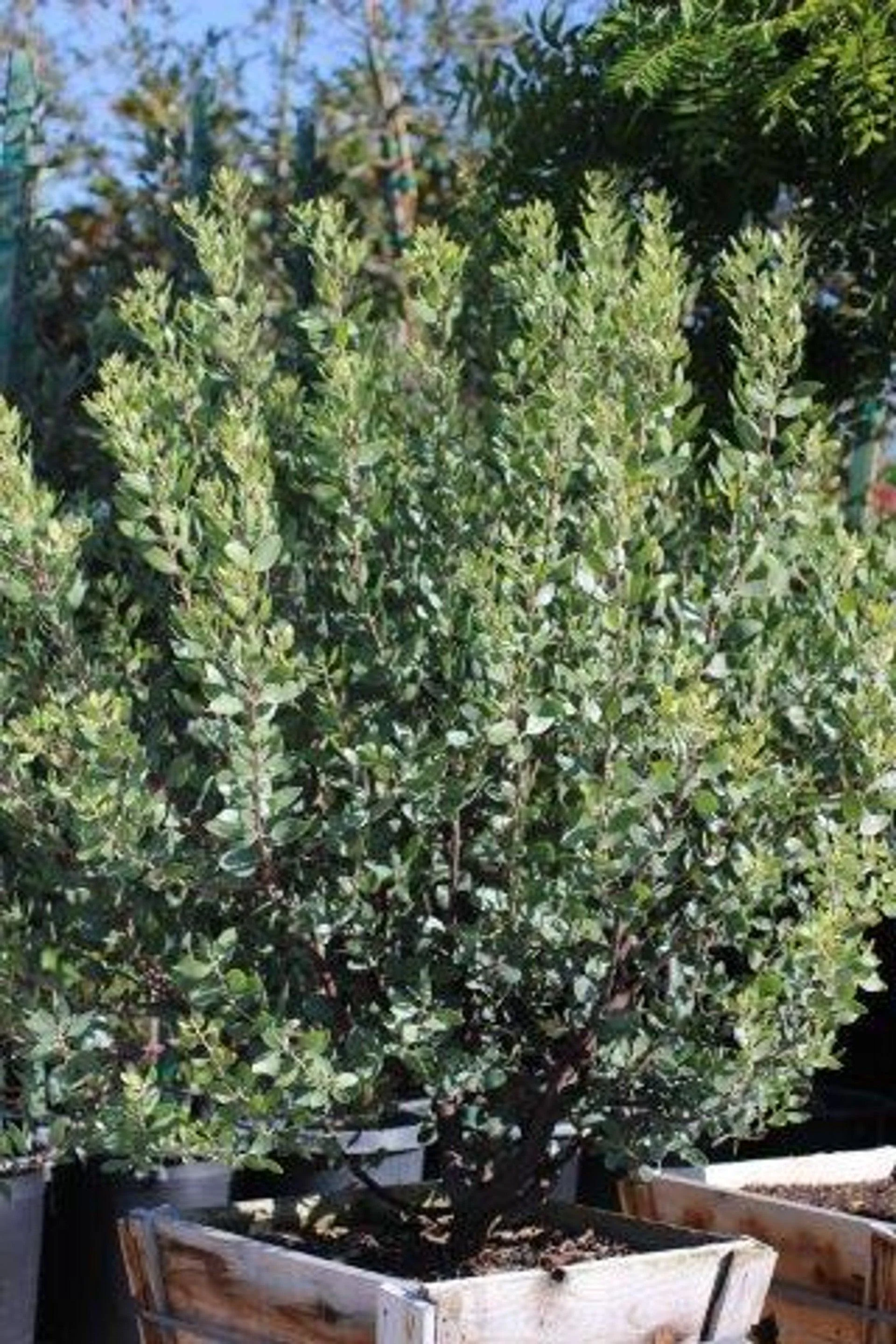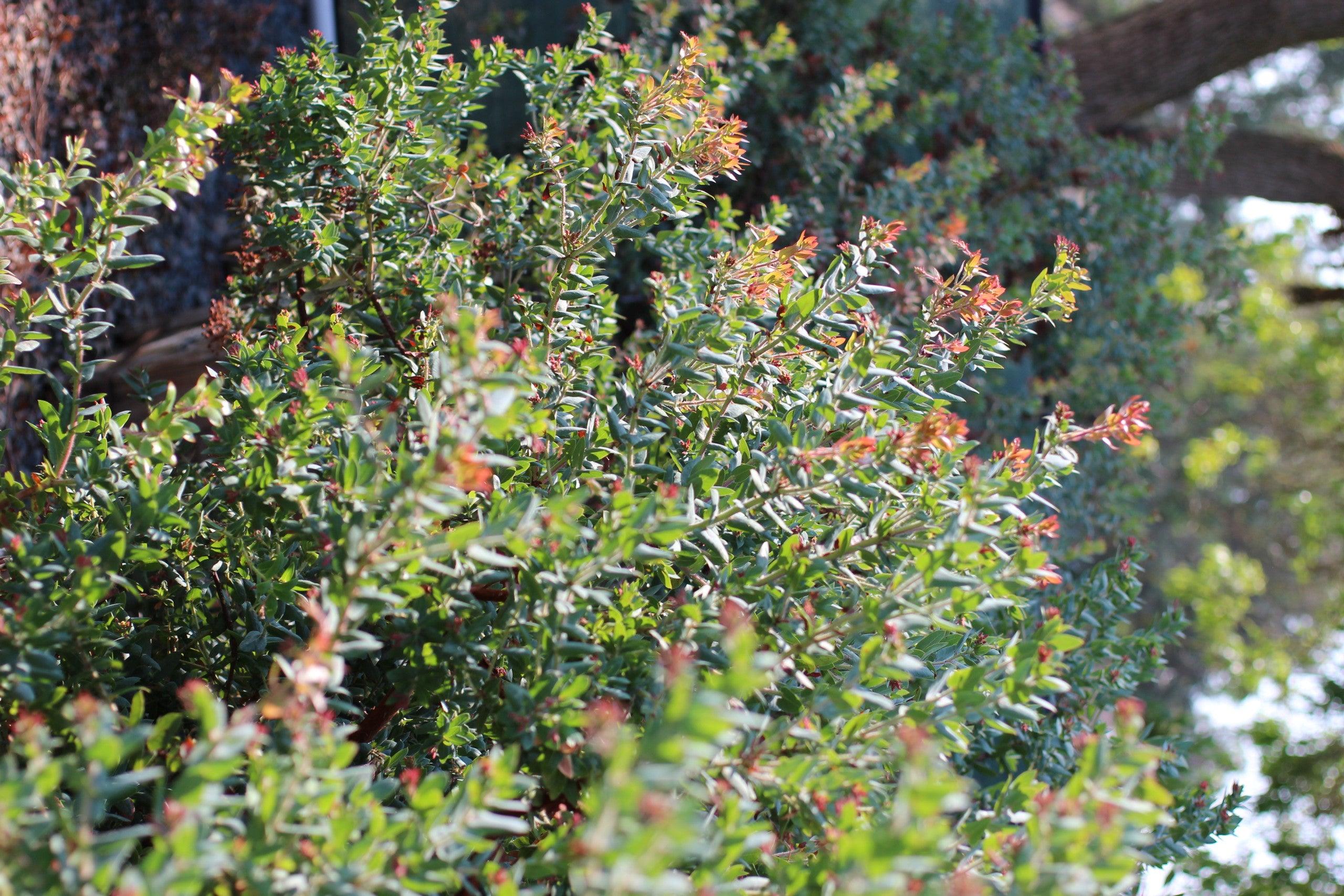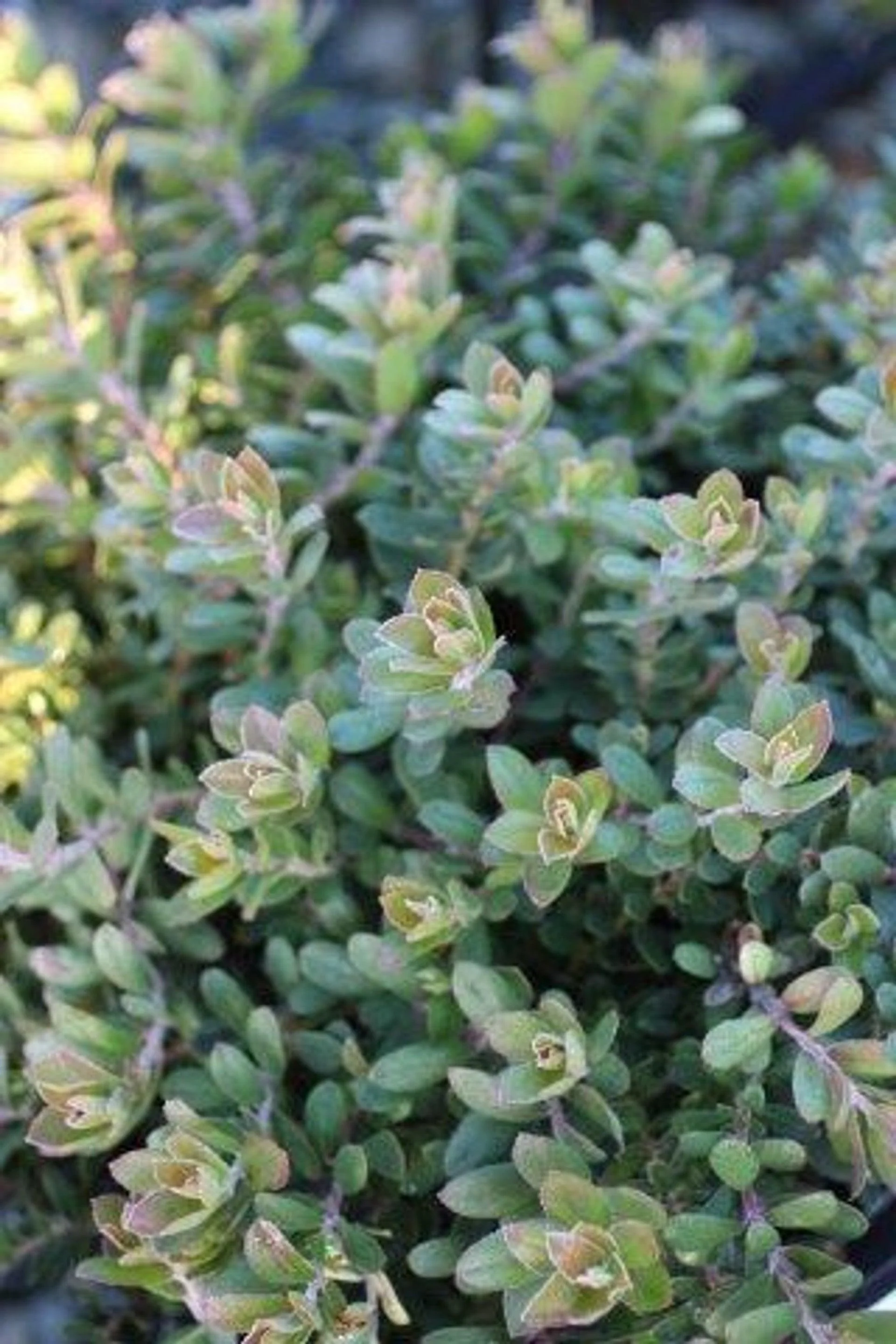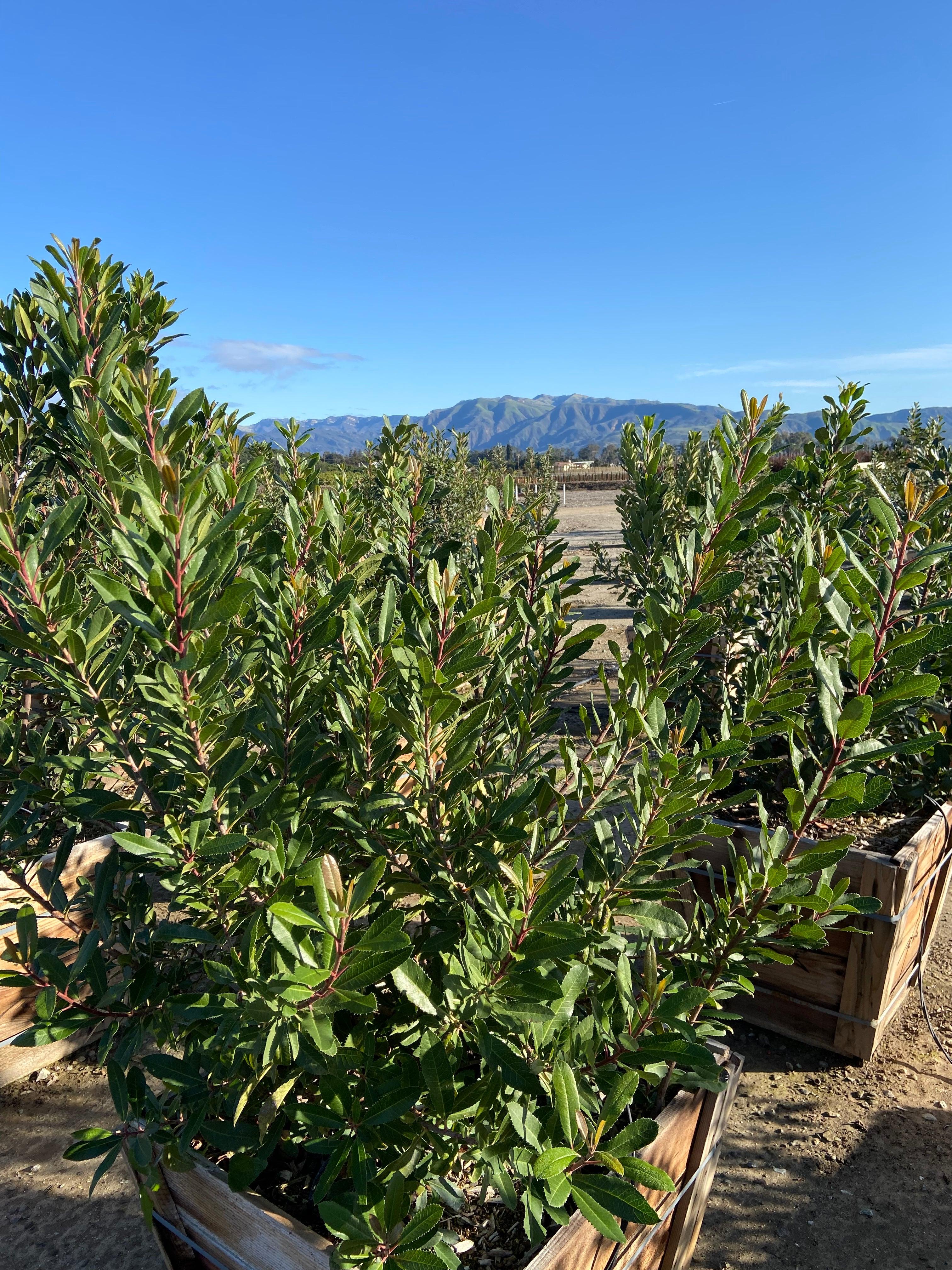
Rosa Rugosa
Transform Your Garden with Nature’s Most Resilient Rose
Rosa rugosa gives you fragrant flowers, edible rose hips, and a tough, beautiful hedge in places where many other roses struggle. Commonly known as the beach rose, this deciduous shrub is native to East Asia, including northern China, Japan, Korea, and eastern Russia, and typically grows 4 to 6 feet tall and wide.
Built for coastal areas, poor soils, wind, salt, and cold, Rosa rugosa delivers rose pink, dark pink, purple, or white blooms from late spring through summer, followed by large tomato-like red fruit in fall. If you want a low-maintenance, disease resistant rose that adds beauty, food value, pollinator support, and natural protection year after year, rugosa is one of the most practical choices you can plant.
Why You’ll Love Rosa Rugosa
-
Exceptional Hardiness – Rosa rugosa is extreme hardy, tolerating freezing temperatures, heavy winds, and salt spray, suitable from USDA Zone 2 to 7. It is also winter hardy to USDA Zone 2, where temperatures can dip to -50 degrees Fahrenheit in winter.
-
Disease Resistance – Rosa rugosa is noted for having excellent disease resistance compared to many other rose species. This species is particularly resistant to rose rust and rose black spot, which are common diseases affecting roses, and it also stands up well to powdery mildew.
-
Edible Rose Hips – In late summer and fall, the plant produces bright red, tomato-shaped rose hips, sometimes called sea tomato or beach tomato. These edible hips are used to make jams, jellies, syrups, and teas.
-
Fragrant Blooms – Rosa rugosa produces fragrant blossoms in shades of pink, purple, or white from late spring through summer. Flowers often begin around late May, continue into summer, and may repeat into late fall depending on the variety.
-
Very Low Maintenance – Rosa rugosa requires little maintenance due to its high disease resistance, making it suitable for planting in large numbers. Once established, it rarely needs intensive pruning, fertilizing, or pest control, similar to other low-maintenance shrub roses like Iceberg.
The flowers of Rosa rugosa attract a high volume of bees and butterflies during the summer months, supporting local pollinator populations. Birds also eat the hips and help spread seeds, which adds wildlife value but also means placement should be chosen carefully.
What Makes Rosa Rugosa Different
Most roses need rich soil, steady care, and protection from diseases, insects, and weather stress. Rosa rugosa is different because it evolved as a hardy coastal species. Its thick, wrinkled dark green leaf surface, prickly stems, strong thorns, and vigorous root system help it perform where other plants often fail.
Rosa Rugosa provides:
-
Salt Tolerance – Rosa rugosa can tolerate direct ocean wind and salt spray, making it suitable for beachfront property. It is commonly used in landscaping for erosion control along beaches and dunes due to its tolerance for salt and sandy soils.
-
Natural Pest Resistance – Thick, leathery foliage helps deter feeding, while dense and thorny branches make Rosa rugosa an excellent natural security barrier. It may still be susceptible to occasional aphids, spider mites, or rose rosette issues in some regions, but serious problems are uncommon with good air circulation.
-
Dual Purpose Appeal – This rose combines ornamental flowers with practical food production. The flowers of Rosa rugosa are traditionally used to make flower jam in China and potpourri in Japan, while the edible rose hips are prized for tea, preserves, and syrups.
Rugosas tend to spread aggressively through underground suckers. That makes them ideal for erosion control and soil stabilization, especially on sandy slopes and embankments, but it also means they can form dense thickets if left unmanaged.
How to Grow Rosa Rugosa Successfully
-
Step 1 – Choose Your Location
Select a site in full sun to part shade. Rosa rugosa is best grown in moist, slightly acidic, well-drained garden loams in full sun to part shade, but it is adaptable to poor soils, including sandy, clay, or gravelly ones. For best flowering and fruit production, choose as much sun as possible. -
Step 2 – Plant and Water
Dig a hole twice as wide as the root ball and plant at soil level. Water deeply once weekly during the first season while the shrub establishes. Excellent drainage is crucial for growing Rosa rugosa, as it does not tolerate wet soils and good air circulation promotes healthy growth. Avoid wet soils or low spots where water sits around the roots. -
Step 3 – Enjoy the Results
Watch fragrant flowers appear in 6–8 weeks during the growing season, then harvest rose hips in late summer through fall. The sprawling root system of Rosa rugosa makes it ideal for stabilizing sandy slopes and embankments, while its mounding, suckering growth habit fills space quickly with foliage, flowers, and fruit.
Because Rosa rugosa spreads aggressively through underground suckers, it is excellent for hedges, banks, dunes, and boundary plantings. In smaller gardens, use root pruning, edging, or container-grown compact varieties to manage spread.
Plant Details
-
Botanical Name: Rosa rugosa
-
Common Names: Beach rose, sea tomato, beach tomato, rugosa rose
-
Plant Type: Vigorous, mounding, suckering deciduous shrub
-
Mature Size: 4–6 feet tall and wide
-
Hardiness Zones: 2–9 commonly; especially suitable from USDA Zone 2 to 7
-
Cold Tolerance: Winter hardy to USDA Zone 2, where winter temperatures can reach -50 degrees Fahrenheit
-
Bloom Period: Late spring through summer, often from late May or June through October with repeat flowering
-
Flower Colors: White, pink, rose pink, dark pink, magenta, purple; some varieties offer semi double or double flowers
-
Foliage: Thick, wrinkled dark-green leaves that turn bright yellow or gold in the autumn
-
Fruit: Large red rose hips in fall, ripening bright red in late summer through late fall
-
Soil: Well-drained loam preferred; tolerant of sand, clay, gravel, and poor soils
-
Light: Full sun to part shade
-
Wildlife Value: Flowers attract bees and butterflies; hips feed birds and mammals
-
Best Uses: Beachfront property, natural hedging, erosion control, sandy slopes, dunes, embankments, edible landscaping, security barriers
-
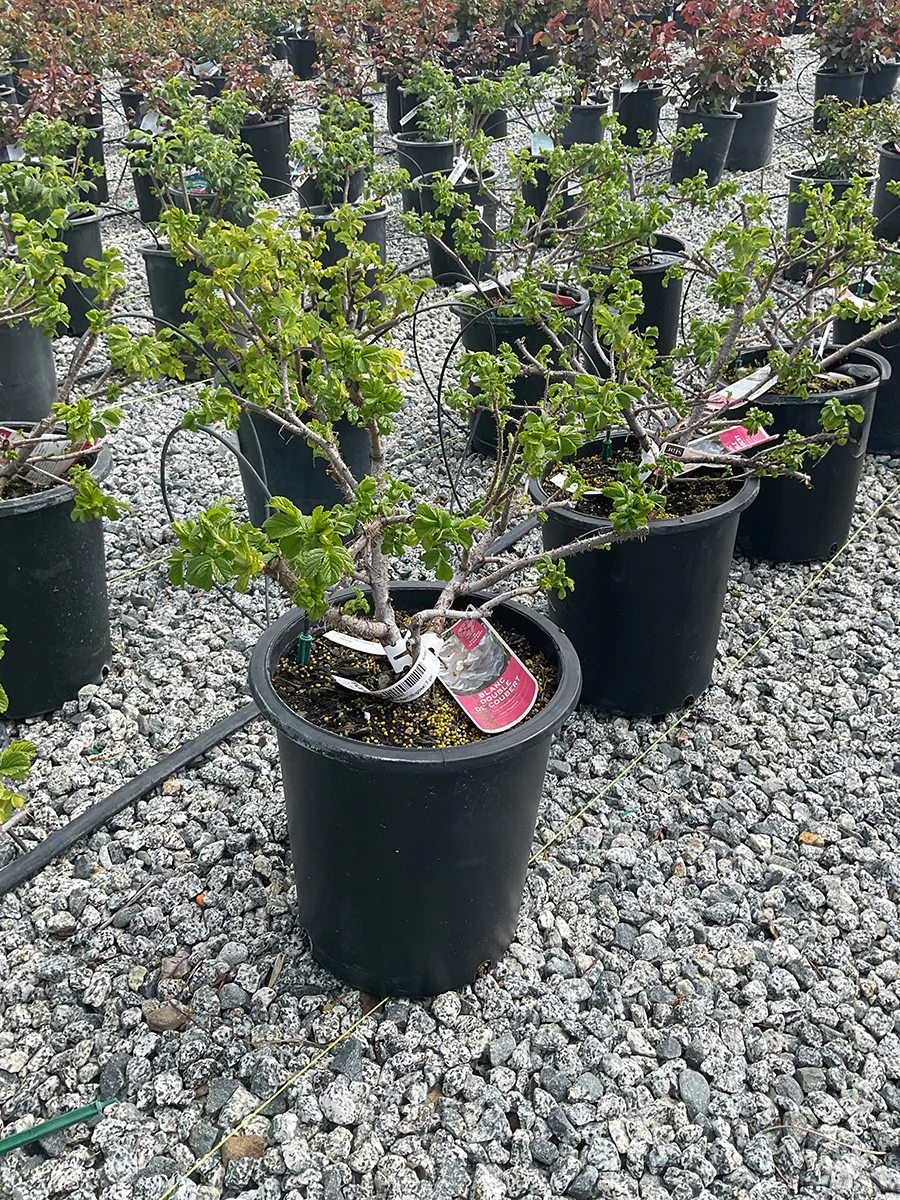
Notable Varieties: ‘Blanc Double de Coubert’ for a white rugosa with double blooms; dark pink and semi double cultivars are also widely grown
-
Caution: Can sucker, spread, and form dense thickets in favorable conditions
Rosa rugosa was first introduced to North America in 1845 and has since become naturalized across the entire coast of New England and in scattered locations around the Northeast and Pacific Northwest. If you’re shopping for hardy shrubs and trees online, you can also explore a wide selection of garden plants and trees. Rosa rugosa has escaped plantings and naturalized in at least nineteen states in the U.S., particularly along the Atlantic coast and in the Great Lakes region.
In some regions, this species can outcompete native flora and form dense thickets, threatening biological diversity in areas where it becomes established. It is also considered invasive in parts of northern Europe, so always check local planting guidance before adding it near wildlands or sensitive habitat.
Who Rosa Rugosa Is Perfect For
Ideal for:
-
Coastal property owners dealing with salt spray, direct ocean wind, sand, and poor soils
-
Beginner gardeners who want a hardy, disease resistant rose without constant spraying or pruning
-
Homesteaders interested in edible landscaping, rose hips, tea, jams, jellies, and syrups
-
Landscape designers needing erosion control on beaches, dunes, sandy slopes, or embankments
-
Homeowners who want a prickly, dense, thorny shrub for a natural security barrier
-
Gardeners looking for fragrant pink, white, purple, dark pink, semi double, or double flowers
-
Wildlife-focused gardens that support bees, butterflies, and birds
If you want a rose that can handle winter cold, drought once established, salt, wind, and difficult ground while still producing flowers and fruit, Rosa rugosa fits the job beautifully.
Frequently Asked Questions
Will Rosa rugosa take over my garden?
It can spread aggressively through underground suckers and form dense thickets. That is useful for erosion control and soil stabilization, but in small gardens you should control spread with annual root pruning, mowing around the planting, or physical edging.
How quickly do the rose hips develop?
Hips usually form 6–8 weeks after flowering and reach full size by late summer. They ripen to bright red and can be harvested from late summer through fall for jams, jellies, syrups, and teas.
Can I grow Rosa rugosa in containers?
Yes, especially compact or dwarf rugosa varieties, though ground planting is preferred for full size, flowering, and fruit production. Choose a large container with excellent drainage and avoid wet soils.
Do deer eat Rosa rugosa?
Rosa rugosa is highly deer resistant compared to hybrid tea roses. Its prickly stems, thorns, and tough foliage make it less appealing to deer, though no plant is completely deer-proof.
Ready to Plant Your Rosa Rugosa?
Choose Rosa rugosa and enjoy decades of fragrant blooms, edible harvests, pollinator activity, natural security, and low-fuss gardening.
Order Rosa rugosa plants for spring or fall planting and establish a hardy beach rose hedge that works as beautifully as it looks.
Original: $75.00
-65%$75.00
$26.25Rosa Rugosa
Transform Your Garden with Nature’s Most Resilient Rose
Rosa rugosa gives you fragrant flowers, edible rose hips, and a tough, beautiful hedge in places where many other roses struggle. Commonly known as the beach rose, this deciduous shrub is native to East Asia, including northern China, Japan, Korea, and eastern Russia, and typically grows 4 to 6 feet tall and wide.
Built for coastal areas, poor soils, wind, salt, and cold, Rosa rugosa delivers rose pink, dark pink, purple, or white blooms from late spring through summer, followed by large tomato-like red fruit in fall. If you want a low-maintenance, disease resistant rose that adds beauty, food value, pollinator support, and natural protection year after year, rugosa is one of the most practical choices you can plant.
Why You’ll Love Rosa Rugosa
-
Exceptional Hardiness – Rosa rugosa is extreme hardy, tolerating freezing temperatures, heavy winds, and salt spray, suitable from USDA Zone 2 to 7. It is also winter hardy to USDA Zone 2, where temperatures can dip to -50 degrees Fahrenheit in winter.
-
Disease Resistance – Rosa rugosa is noted for having excellent disease resistance compared to many other rose species. This species is particularly resistant to rose rust and rose black spot, which are common diseases affecting roses, and it also stands up well to powdery mildew.
-
Edible Rose Hips – In late summer and fall, the plant produces bright red, tomato-shaped rose hips, sometimes called sea tomato or beach tomato. These edible hips are used to make jams, jellies, syrups, and teas.
-
Fragrant Blooms – Rosa rugosa produces fragrant blossoms in shades of pink, purple, or white from late spring through summer. Flowers often begin around late May, continue into summer, and may repeat into late fall depending on the variety.
-
Very Low Maintenance – Rosa rugosa requires little maintenance due to its high disease resistance, making it suitable for planting in large numbers. Once established, it rarely needs intensive pruning, fertilizing, or pest control, similar to other low-maintenance shrub roses like Iceberg.
The flowers of Rosa rugosa attract a high volume of bees and butterflies during the summer months, supporting local pollinator populations. Birds also eat the hips and help spread seeds, which adds wildlife value but also means placement should be chosen carefully.
What Makes Rosa Rugosa Different
Most roses need rich soil, steady care, and protection from diseases, insects, and weather stress. Rosa rugosa is different because it evolved as a hardy coastal species. Its thick, wrinkled dark green leaf surface, prickly stems, strong thorns, and vigorous root system help it perform where other plants often fail.
Rosa Rugosa provides:
-
Salt Tolerance – Rosa rugosa can tolerate direct ocean wind and salt spray, making it suitable for beachfront property. It is commonly used in landscaping for erosion control along beaches and dunes due to its tolerance for salt and sandy soils.
-
Natural Pest Resistance – Thick, leathery foliage helps deter feeding, while dense and thorny branches make Rosa rugosa an excellent natural security barrier. It may still be susceptible to occasional aphids, spider mites, or rose rosette issues in some regions, but serious problems are uncommon with good air circulation.
-
Dual Purpose Appeal – This rose combines ornamental flowers with practical food production. The flowers of Rosa rugosa are traditionally used to make flower jam in China and potpourri in Japan, while the edible rose hips are prized for tea, preserves, and syrups.
Rugosas tend to spread aggressively through underground suckers. That makes them ideal for erosion control and soil stabilization, especially on sandy slopes and embankments, but it also means they can form dense thickets if left unmanaged.
How to Grow Rosa Rugosa Successfully
-
Step 1 – Choose Your Location
Select a site in full sun to part shade. Rosa rugosa is best grown in moist, slightly acidic, well-drained garden loams in full sun to part shade, but it is adaptable to poor soils, including sandy, clay, or gravelly ones. For best flowering and fruit production, choose as much sun as possible. -
Step 2 – Plant and Water
Dig a hole twice as wide as the root ball and plant at soil level. Water deeply once weekly during the first season while the shrub establishes. Excellent drainage is crucial for growing Rosa rugosa, as it does not tolerate wet soils and good air circulation promotes healthy growth. Avoid wet soils or low spots where water sits around the roots. -
Step 3 – Enjoy the Results
Watch fragrant flowers appear in 6–8 weeks during the growing season, then harvest rose hips in late summer through fall. The sprawling root system of Rosa rugosa makes it ideal for stabilizing sandy slopes and embankments, while its mounding, suckering growth habit fills space quickly with foliage, flowers, and fruit.
Because Rosa rugosa spreads aggressively through underground suckers, it is excellent for hedges, banks, dunes, and boundary plantings. In smaller gardens, use root pruning, edging, or container-grown compact varieties to manage spread.
Plant Details
-
Botanical Name: Rosa rugosa
-
Common Names: Beach rose, sea tomato, beach tomato, rugosa rose
-
Plant Type: Vigorous, mounding, suckering deciduous shrub
-
Mature Size: 4–6 feet tall and wide
-
Hardiness Zones: 2–9 commonly; especially suitable from USDA Zone 2 to 7
-
Cold Tolerance: Winter hardy to USDA Zone 2, where winter temperatures can reach -50 degrees Fahrenheit
-
Bloom Period: Late spring through summer, often from late May or June through October with repeat flowering
-
Flower Colors: White, pink, rose pink, dark pink, magenta, purple; some varieties offer semi double or double flowers
-
Foliage: Thick, wrinkled dark-green leaves that turn bright yellow or gold in the autumn
-
Fruit: Large red rose hips in fall, ripening bright red in late summer through late fall
-
Soil: Well-drained loam preferred; tolerant of sand, clay, gravel, and poor soils
-
Light: Full sun to part shade
-
Wildlife Value: Flowers attract bees and butterflies; hips feed birds and mammals
-
Best Uses: Beachfront property, natural hedging, erosion control, sandy slopes, dunes, embankments, edible landscaping, security barriers
-
Notable Varieties: ‘Blanc Double de Coubert’ for a white rugosa with double blooms; dark pink and semi double cultivars are also widely grown
-
Caution: Can sucker, spread, and form dense thickets in favorable conditions
Rosa rugosa was first introduced to North America in 1845 and has since become naturalized across the entire coast of New England and in scattered locations around the Northeast and Pacific Northwest. If you’re shopping for hardy shrubs and trees online, you can also explore a wide selection of garden plants and trees. Rosa rugosa has escaped plantings and naturalized in at least nineteen states in the U.S., particularly along the Atlantic coast and in the Great Lakes region.
In some regions, this species can outcompete native flora and form dense thickets, threatening biological diversity in areas where it becomes established. It is also considered invasive in parts of northern Europe, so always check local planting guidance before adding it near wildlands or sensitive habitat.
Who Rosa Rugosa Is Perfect For
Ideal for:
-
Coastal property owners dealing with salt spray, direct ocean wind, sand, and poor soils
-
Beginner gardeners who want a hardy, disease resistant rose without constant spraying or pruning
-
Homesteaders interested in edible landscaping, rose hips, tea, jams, jellies, and syrups
-
Landscape designers needing erosion control on beaches, dunes, sandy slopes, or embankments
-
Homeowners who want a prickly, dense, thorny shrub for a natural security barrier
-
Gardeners looking for fragrant pink, white, purple, dark pink, semi double, or double flowers
-
Wildlife-focused gardens that support bees, butterflies, and birds
If you want a rose that can handle winter cold, drought once established, salt, wind, and difficult ground while still producing flowers and fruit, Rosa rugosa fits the job beautifully.
Frequently Asked Questions
Will Rosa rugosa take over my garden?
It can spread aggressively through underground suckers and form dense thickets. That is useful for erosion control and soil stabilization, but in small gardens you should control spread with annual root pruning, mowing around the planting, or physical edging.
How quickly do the rose hips develop?
Hips usually form 6–8 weeks after flowering and reach full size by late summer. They ripen to bright red and can be harvested from late summer through fall for jams, jellies, syrups, and teas.
Can I grow Rosa rugosa in containers?
Yes, especially compact or dwarf rugosa varieties, though ground planting is preferred for full size, flowering, and fruit production. Choose a large container with excellent drainage and avoid wet soils.
Do deer eat Rosa rugosa?
Rosa rugosa is highly deer resistant compared to hybrid tea roses. Its prickly stems, thorns, and tough foliage make it less appealing to deer, though no plant is completely deer-proof.
Ready to Plant Your Rosa Rugosa?
Choose Rosa rugosa and enjoy decades of fragrant blooms, edible harvests, pollinator activity, natural security, and low-fuss gardening.
Order Rosa rugosa plants for spring or fall planting and establish a hardy beach rose hedge that works as beautifully as it looks.
Product Information
Product Information
Shipping & Returns
Shipping & Returns
Description
Transform Your Garden with Nature’s Most Resilient Rose
Rosa rugosa gives you fragrant flowers, edible rose hips, and a tough, beautiful hedge in places where many other roses struggle. Commonly known as the beach rose, this deciduous shrub is native to East Asia, including northern China, Japan, Korea, and eastern Russia, and typically grows 4 to 6 feet tall and wide.
Built for coastal areas, poor soils, wind, salt, and cold, Rosa rugosa delivers rose pink, dark pink, purple, or white blooms from late spring through summer, followed by large tomato-like red fruit in fall. If you want a low-maintenance, disease resistant rose that adds beauty, food value, pollinator support, and natural protection year after year, rugosa is one of the most practical choices you can plant.
Why You’ll Love Rosa Rugosa
-
Exceptional Hardiness – Rosa rugosa is extreme hardy, tolerating freezing temperatures, heavy winds, and salt spray, suitable from USDA Zone 2 to 7. It is also winter hardy to USDA Zone 2, where temperatures can dip to -50 degrees Fahrenheit in winter.
-
Disease Resistance – Rosa rugosa is noted for having excellent disease resistance compared to many other rose species. This species is particularly resistant to rose rust and rose black spot, which are common diseases affecting roses, and it also stands up well to powdery mildew.
-
Edible Rose Hips – In late summer and fall, the plant produces bright red, tomato-shaped rose hips, sometimes called sea tomato or beach tomato. These edible hips are used to make jams, jellies, syrups, and teas.
-
Fragrant Blooms – Rosa rugosa produces fragrant blossoms in shades of pink, purple, or white from late spring through summer. Flowers often begin around late May, continue into summer, and may repeat into late fall depending on the variety.
-
Very Low Maintenance – Rosa rugosa requires little maintenance due to its high disease resistance, making it suitable for planting in large numbers. Once established, it rarely needs intensive pruning, fertilizing, or pest control, similar to other low-maintenance shrub roses like Iceberg.
The flowers of Rosa rugosa attract a high volume of bees and butterflies during the summer months, supporting local pollinator populations. Birds also eat the hips and help spread seeds, which adds wildlife value but also means placement should be chosen carefully.
What Makes Rosa Rugosa Different
Most roses need rich soil, steady care, and protection from diseases, insects, and weather stress. Rosa rugosa is different because it evolved as a hardy coastal species. Its thick, wrinkled dark green leaf surface, prickly stems, strong thorns, and vigorous root system help it perform where other plants often fail.
Rosa Rugosa provides:
-
Salt Tolerance – Rosa rugosa can tolerate direct ocean wind and salt spray, making it suitable for beachfront property. It is commonly used in landscaping for erosion control along beaches and dunes due to its tolerance for salt and sandy soils.
-
Natural Pest Resistance – Thick, leathery foliage helps deter feeding, while dense and thorny branches make Rosa rugosa an excellent natural security barrier. It may still be susceptible to occasional aphids, spider mites, or rose rosette issues in some regions, but serious problems are uncommon with good air circulation.
-
Dual Purpose Appeal – This rose combines ornamental flowers with practical food production. The flowers of Rosa rugosa are traditionally used to make flower jam in China and potpourri in Japan, while the edible rose hips are prized for tea, preserves, and syrups.
Rugosas tend to spread aggressively through underground suckers. That makes them ideal for erosion control and soil stabilization, especially on sandy slopes and embankments, but it also means they can form dense thickets if left unmanaged.
How to Grow Rosa Rugosa Successfully
-
Step 1 – Choose Your Location
Select a site in full sun to part shade. Rosa rugosa is best grown in moist, slightly acidic, well-drained garden loams in full sun to part shade, but it is adaptable to poor soils, including sandy, clay, or gravelly ones. For best flowering and fruit production, choose as much sun as possible. -
Step 2 – Plant and Water
Dig a hole twice as wide as the root ball and plant at soil level. Water deeply once weekly during the first season while the shrub establishes. Excellent drainage is crucial for growing Rosa rugosa, as it does not tolerate wet soils and good air circulation promotes healthy growth. Avoid wet soils or low spots where water sits around the roots. -
Step 3 – Enjoy the Results
Watch fragrant flowers appear in 6–8 weeks during the growing season, then harvest rose hips in late summer through fall. The sprawling root system of Rosa rugosa makes it ideal for stabilizing sandy slopes and embankments, while its mounding, suckering growth habit fills space quickly with foliage, flowers, and fruit.
Because Rosa rugosa spreads aggressively through underground suckers, it is excellent for hedges, banks, dunes, and boundary plantings. In smaller gardens, use root pruning, edging, or container-grown compact varieties to manage spread.
Plant Details
-
Botanical Name: Rosa rugosa
-
Common Names: Beach rose, sea tomato, beach tomato, rugosa rose
-
Plant Type: Vigorous, mounding, suckering deciduous shrub
-
Mature Size: 4–6 feet tall and wide
-
Hardiness Zones: 2–9 commonly; especially suitable from USDA Zone 2 to 7
-
Cold Tolerance: Winter hardy to USDA Zone 2, where winter temperatures can reach -50 degrees Fahrenheit
-
Bloom Period: Late spring through summer, often from late May or June through October with repeat flowering
-
Flower Colors: White, pink, rose pink, dark pink, magenta, purple; some varieties offer semi double or double flowers
-
Foliage: Thick, wrinkled dark-green leaves that turn bright yellow or gold in the autumn
-
Fruit: Large red rose hips in fall, ripening bright red in late summer through late fall
-
Soil: Well-drained loam preferred; tolerant of sand, clay, gravel, and poor soils
-
Light: Full sun to part shade
-
Wildlife Value: Flowers attract bees and butterflies; hips feed birds and mammals
-
Best Uses: Beachfront property, natural hedging, erosion control, sandy slopes, dunes, embankments, edible landscaping, security barriers
-
Notable Varieties: ‘Blanc Double de Coubert’ for a white rugosa with double blooms; dark pink and semi double cultivars are also widely grown
-
Caution: Can sucker, spread, and form dense thickets in favorable conditions
Rosa rugosa was first introduced to North America in 1845 and has since become naturalized across the entire coast of New England and in scattered locations around the Northeast and Pacific Northwest. If you’re shopping for hardy shrubs and trees online, you can also explore a wide selection of garden plants and trees. Rosa rugosa has escaped plantings and naturalized in at least nineteen states in the U.S., particularly along the Atlantic coast and in the Great Lakes region.
In some regions, this species can outcompete native flora and form dense thickets, threatening biological diversity in areas where it becomes established. It is also considered invasive in parts of northern Europe, so always check local planting guidance before adding it near wildlands or sensitive habitat.
Who Rosa Rugosa Is Perfect For
Ideal for:
-
Coastal property owners dealing with salt spray, direct ocean wind, sand, and poor soils
-
Beginner gardeners who want a hardy, disease resistant rose without constant spraying or pruning
-
Homesteaders interested in edible landscaping, rose hips, tea, jams, jellies, and syrups
-
Landscape designers needing erosion control on beaches, dunes, sandy slopes, or embankments
-
Homeowners who want a prickly, dense, thorny shrub for a natural security barrier
-
Gardeners looking for fragrant pink, white, purple, dark pink, semi double, or double flowers
-
Wildlife-focused gardens that support bees, butterflies, and birds
If you want a rose that can handle winter cold, drought once established, salt, wind, and difficult ground while still producing flowers and fruit, Rosa rugosa fits the job beautifully.
Frequently Asked Questions
Will Rosa rugosa take over my garden?
It can spread aggressively through underground suckers and form dense thickets. That is useful for erosion control and soil stabilization, but in small gardens you should control spread with annual root pruning, mowing around the planting, or physical edging.
How quickly do the rose hips develop?
Hips usually form 6–8 weeks after flowering and reach full size by late summer. They ripen to bright red and can be harvested from late summer through fall for jams, jellies, syrups, and teas.
Can I grow Rosa rugosa in containers?
Yes, especially compact or dwarf rugosa varieties, though ground planting is preferred for full size, flowering, and fruit production. Choose a large container with excellent drainage and avoid wet soils.
Do deer eat Rosa rugosa?
Rosa rugosa is highly deer resistant compared to hybrid tea roses. Its prickly stems, thorns, and tough foliage make it less appealing to deer, though no plant is completely deer-proof.
Ready to Plant Your Rosa Rugosa?
Choose Rosa rugosa and enjoy decades of fragrant blooms, edible harvests, pollinator activity, natural security, and low-fuss gardening.
Order Rosa rugosa plants for spring or fall planting and establish a hardy beach rose hedge that works as beautifully as it looks.