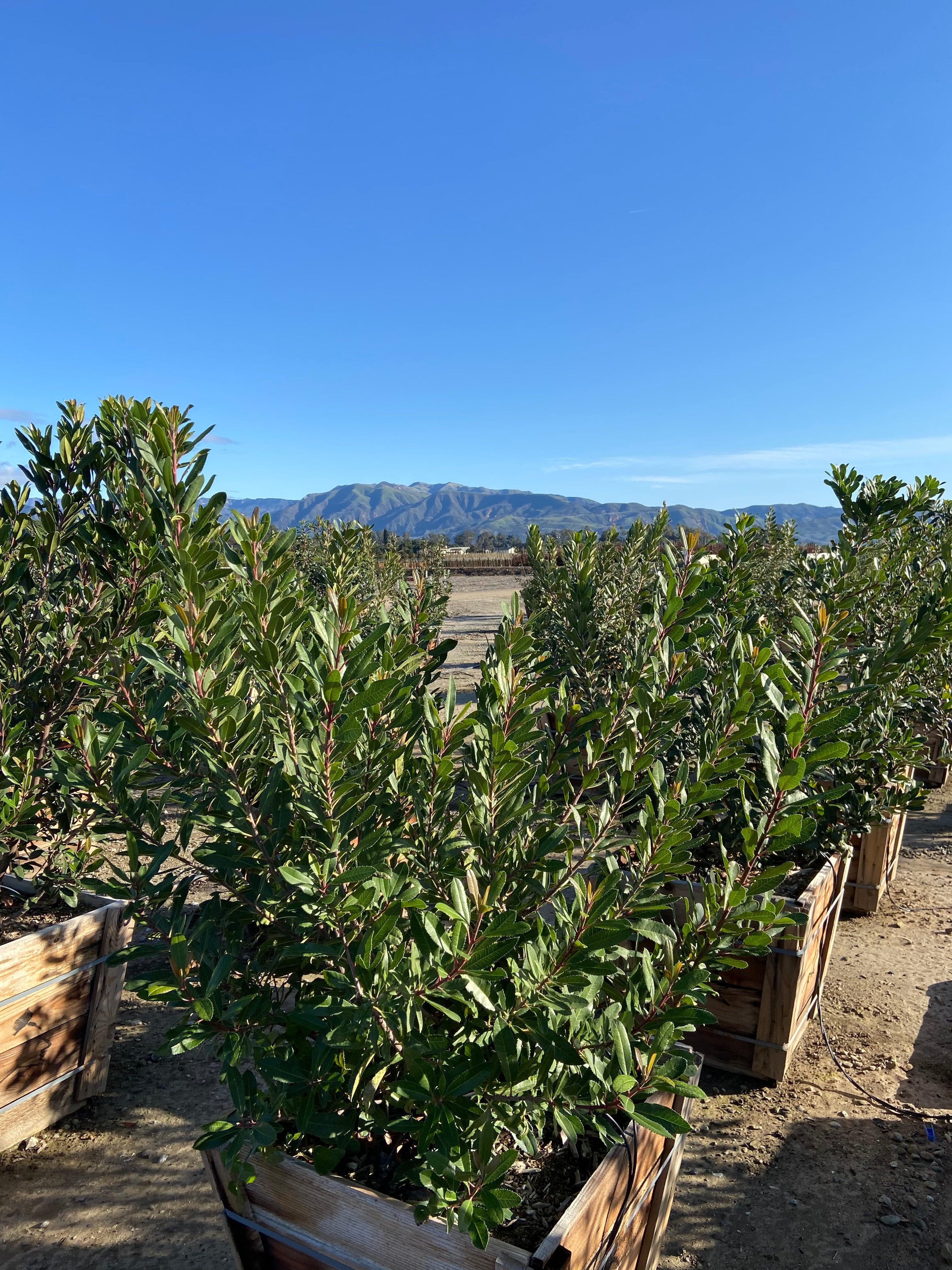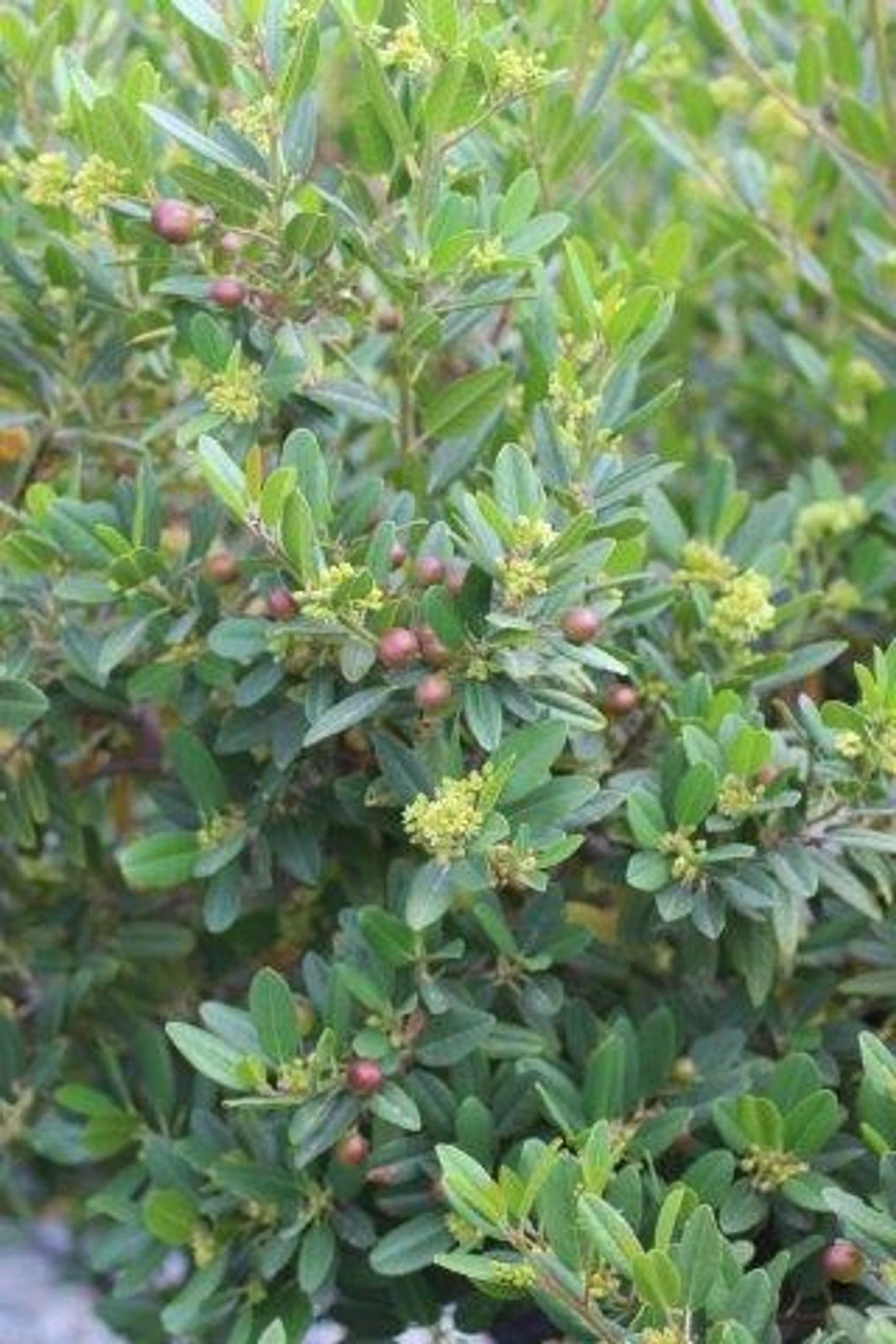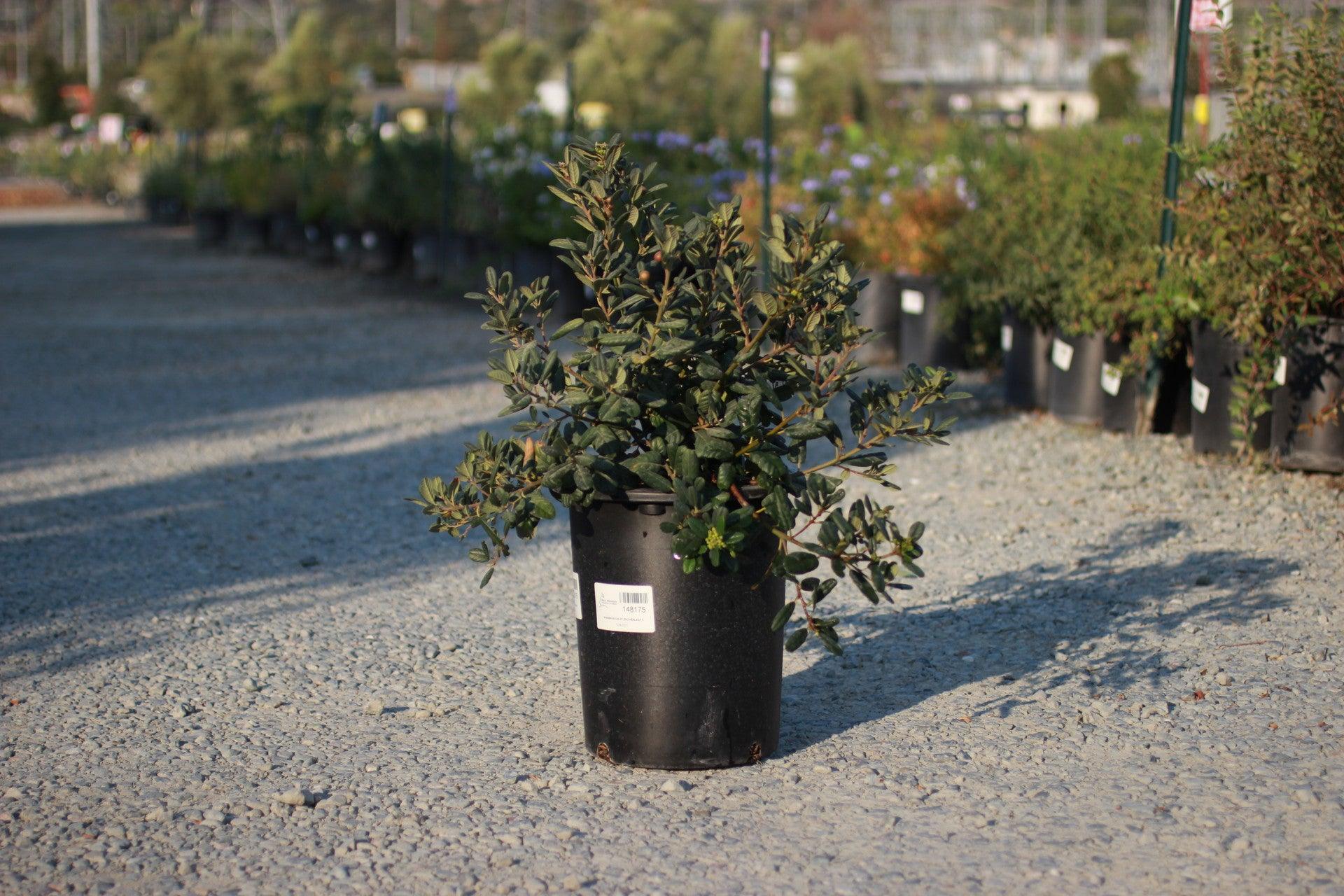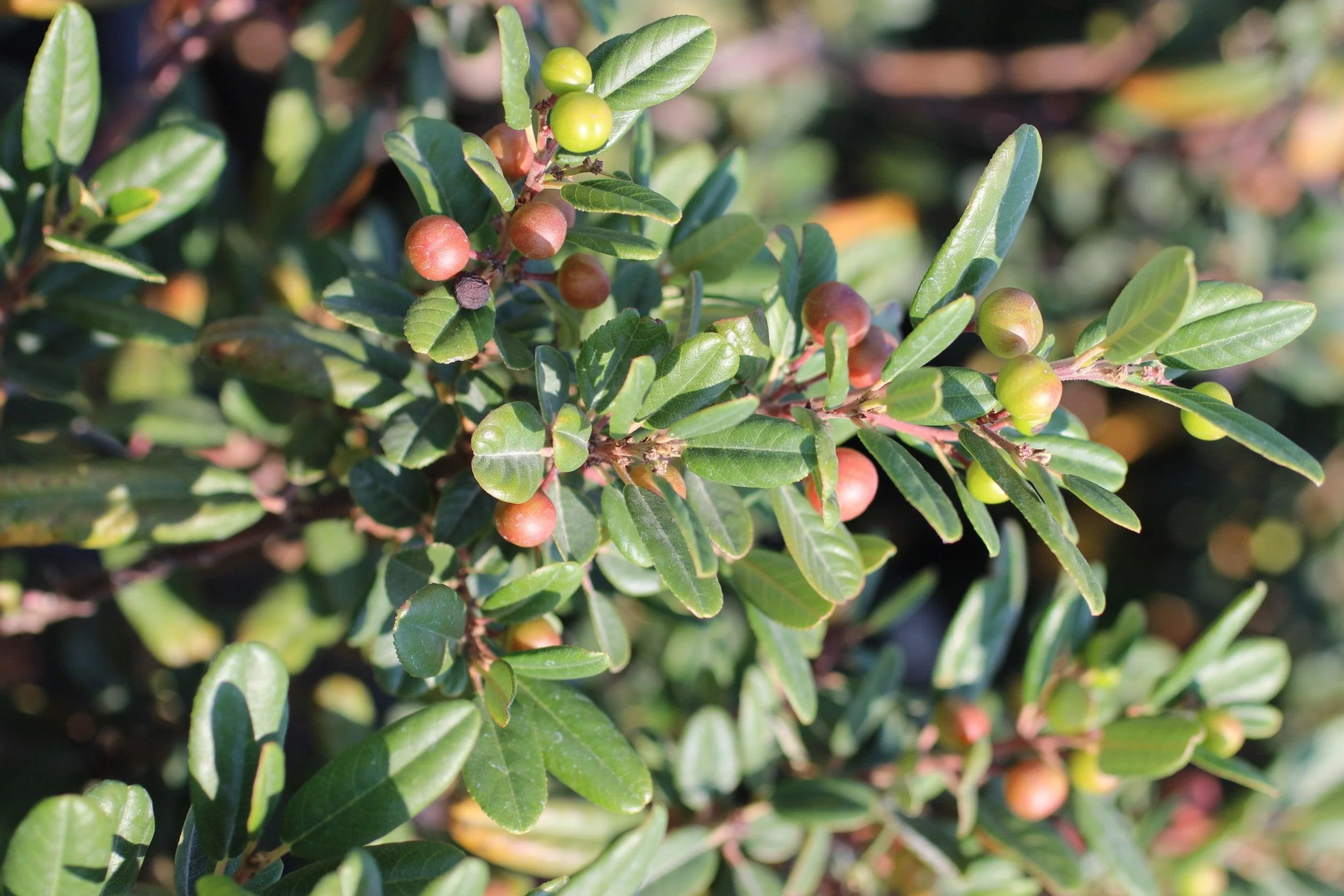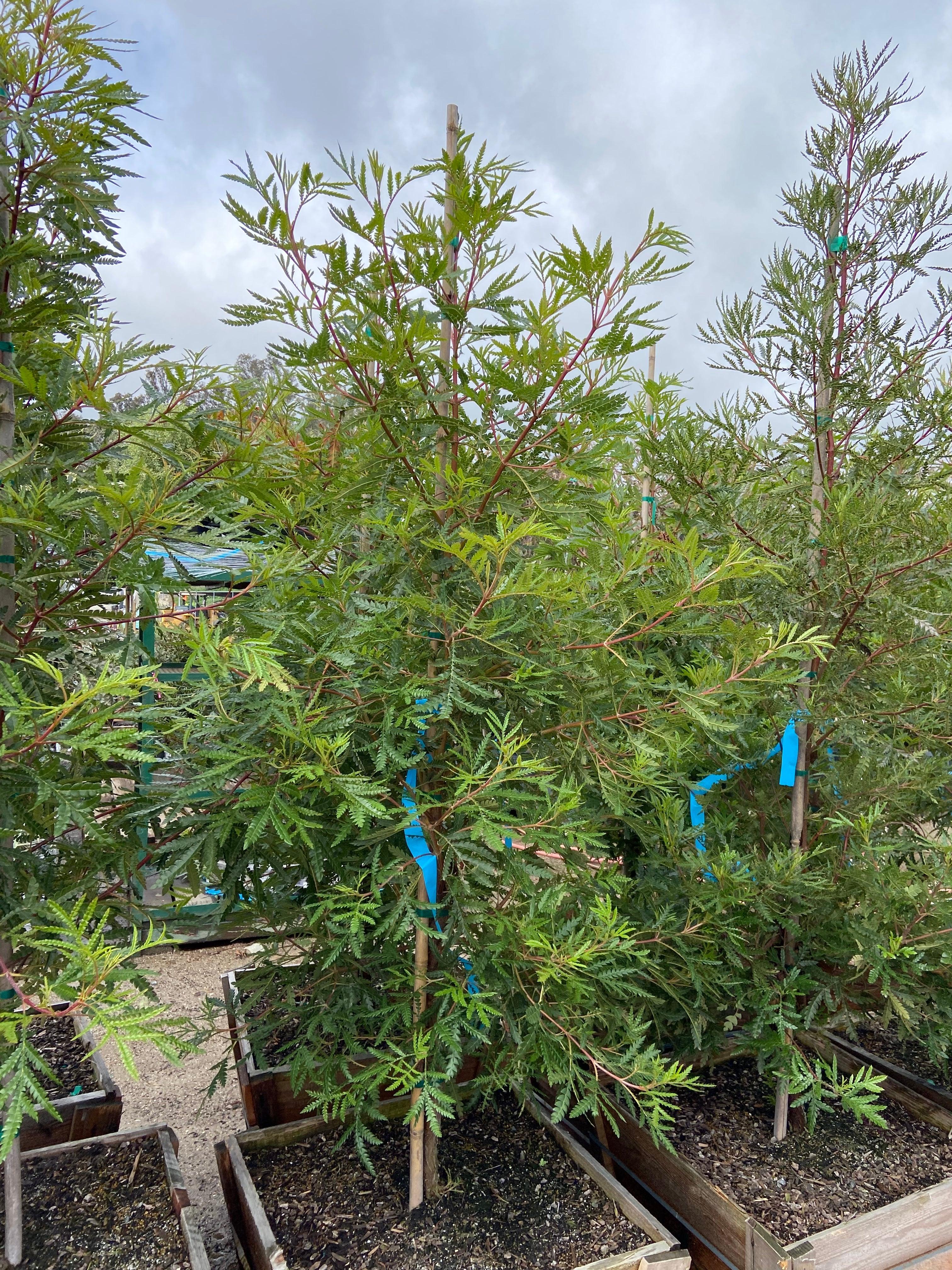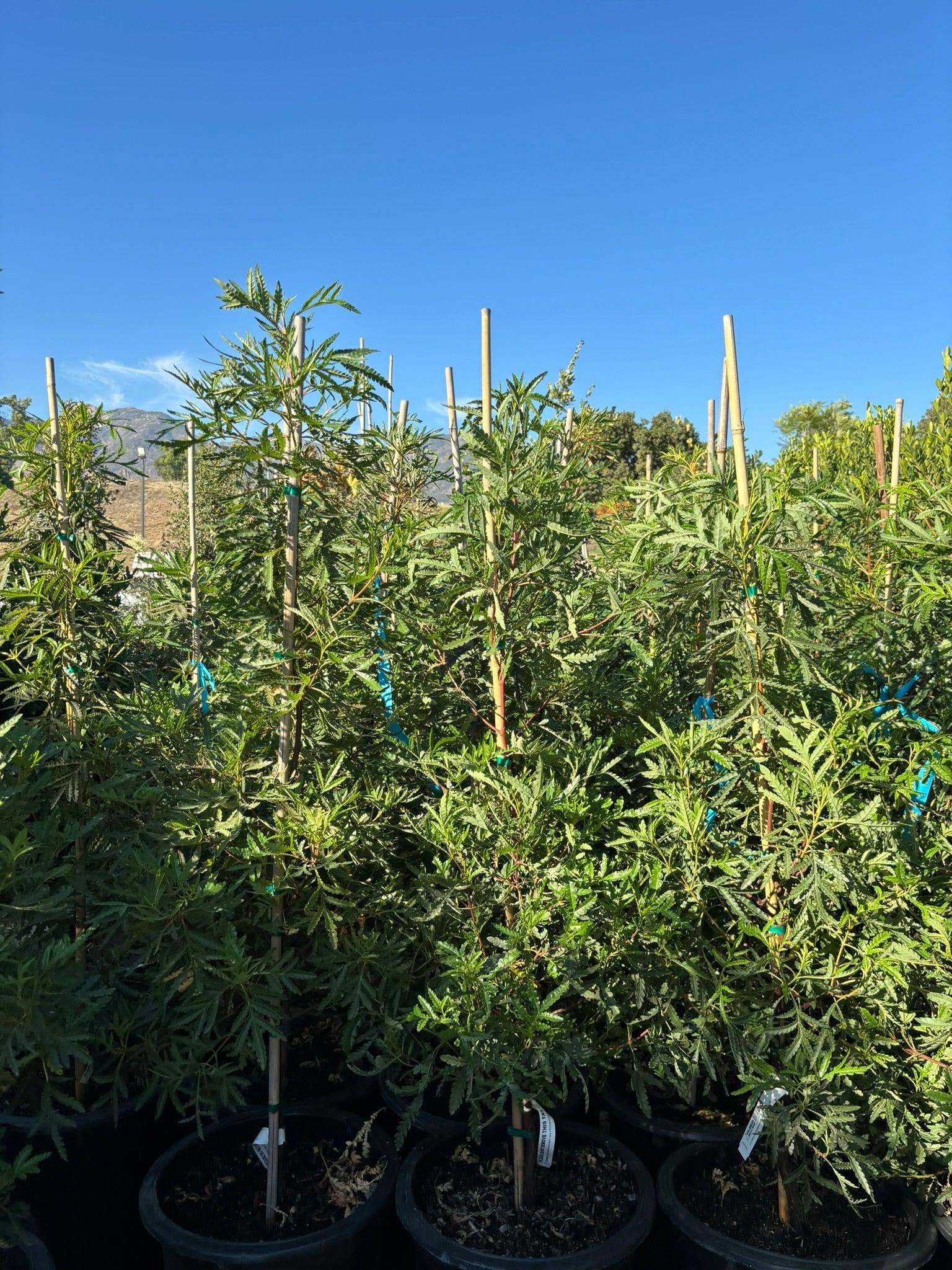
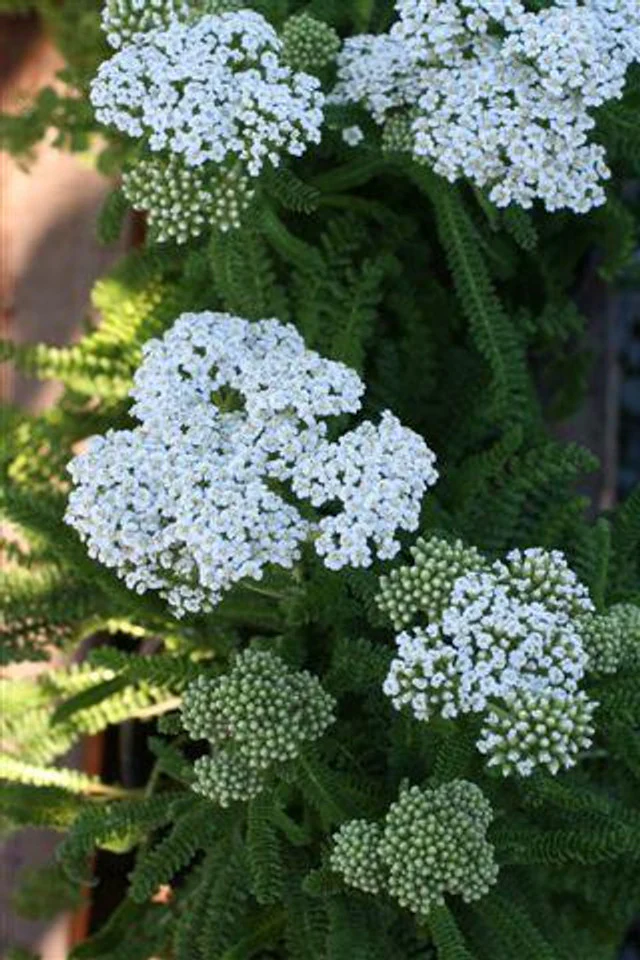
Sonoma Coast Yarrow - Achillea millefolium 'Sonoma Coast' (White)
Drought-Tolerant Beauty That Thrives in Coastal California Conditions
Sonoma Coast Yarrow turns windy, salt-exposed, low-water garden spaces into vibrant planting areas with creamy white flowers, bright green foliage, and steady pollinator activity.
Designed for California coastal gardeners, achillea millefolium sonoma coast handles sun, wind, salt spray, and periods of drought without demanding constant watering or fussy maintenance. As a native plant, Sonoma Coast Yarrow thrives in California’s coastal climate and requires minimal summer watering once established.
Why You’ll Love It
-
Attracts Butterflies & Beneficial Insects – The creamy white flowers bring butterflies, pollinators, and other beneficial insects into the garden. The flat, umbrella-like flower heads of Sonoma Coast Yarrow act as landing platforms for native pollinators and supply vital nectar and pollen to them.
-
Extremely Drought Tolerant – Yarrow is drought tolerant, which contributes to water conservation in gardens, especially in arid regions. Sonoma Coast yarrow thrives in sunny areas and is best grown with some summer water, although it is drought tolerant, much like other low-maintenance, drought-tolerant ground covers such as Autumn Moor Grass.
-
Wind & Salt Resistant – Selected from the sonoma county coast, this coast yarrow is built for coastal exposure where many softer perennials struggle, pairing well with California lilac (Ceanothus) for drought-tolerant coastal plantings. Sonoma Coast Yarrow has a deep, fibrous root system that stabilizes coastal banks and prevents soil erosion.
-
Deer & Rabbit Resistant – Yarrow is deer resistant, making it a suitable choice for gardens in areas where deer are prevalent. Its aromatic foliage also makes the plant less appealing to many browsing animals.
-
Long Blooming Season – The Sonoma Coast variety of yarrow, Achillea millefolium, typically grows to about 1 foot tall and can spread up to 2 feet wide, featuring creamy white flowers that bloom from early summer through fall.
What Makes It Different
Most yarrow varieties are grown for flowers alone, but many become tall, floppy, or thirsty in harsh coastal conditions.
Sonoma Coast Yarrow provides:
-
Bred for Coastal California – This sonoma coast selection is adapted to wind, salt, sun, and shifting moisture near the coast. As a native plant, it fits naturally into California gardens that need low-water resilience and ecological value.
-
Compact Growth Habit – This plant can grow to about 1 foot tall and 2 to 3 feet wide, making it compact and suitable for various garden settings. In favorable landscape conditions, it may be used in plantings planned around a mature size of roughly 1–2 feet tall and 3–5 feet wide.
-
Superior Wind Tolerance – Its low profile and dense green foliage help it stay tidy in exposed spaces. The bright green foliage and dense flower heads attract butterflies and beneficial insects, making this yarrow a popular choice for gardens.
How To Grow Sonoma Coast Yarrow
-
Plant in Well-Draining Soil
Place Sonoma Coast Yarrow in well-draining soil with room to spread. It performs in full sun to part shade and can adapt to sandy or clay soils as long as the crown does not sit in soggy conditions. -
Water Until Established
Water regularly during the first growing season to help the root system settle in. Sonoma Coast yarrow is drought tolerant but benefits from occasional watering, particularly in sunny areas, and is also deer resistant, making it low maintenance in garden settings. -
Enjoy Season-Long Blooms
Expect white flowers from summer into fall, with more bloom potential when spent flowers are trimmed. While Sonoma Coast yarrow is low maintenance, it benefits from occasional watering and looks better with some afternoon shade in hotter climates.
Plant Details
-
Botanical Name: Achillea millefolium ‘Sonoma Coast’
-
Common Name: Sonoma Coast Yarrow, coast yarrow
-
Plant Type: California native perennial selection
-
Mature Size: About 1 foot tall and 2 to 3 feet wide
-
Landscape Planning Size: Often used as a compact 1–2 foot tall, 3–5 foot wide groundcover-style perennial in favorable conditions
-
Flower Color: Creamy white flowers
-
Foliage: Bright green foliage, finely textured and fern-like
-
Bloom Time: Early summer through fall
-
Light: Full sun to part shade
-
Water: Drought tolerant once established; best with occasional summer water
-
Soil: Well-draining soil; tolerates sandy and clay soils when drainage is good
-
USDA Zones: 4–8
-
Wildlife Value: Yarrow is known to attract a variety of beneficial insects, including butterflies, which can help with pollination in gardens.
-
Deer Resistance: Deer resistant
-
Erosion Control: Deep, fibrous roots help stabilize coastal banks and reduce soil erosion
Who It’s For
Ideal for:
-
California coastal gardeners seeking drought tolerant perennials and colorful, drought-tolerant shrubs like purple bougainvillea
-
Homeowners who want a garden that attracts butterflies, pollinators, and beneficial insects
-
Landscape designers creating low-maintenance, sustainable plantings
-
Slopes, banks, borders, meadow-style plantings, and coastal garden edges that might also feature California pepper trees for shade and structure
-
Gardeners replacing thirsty plants with tougher native selections or adding flowering trees suited to California climates
If you want a beautiful, low-water perennial that thrives in challenging coastal conditions, Sonoma Coast Yarrow fits your needs.
Frequently Asked Questions
How much water does it need?
Water regularly after planting until the plant is established. After that, Sonoma Coast Yarrow needs minimal summer watering in coastal California, though it looks best with occasional water during long dry periods or in very sunny areas.
Will it spread too much?
Sonoma Coast Yarrow has a spreading habit, but it stays more compact than many standard yarrow varieties. Give it room to reach about 2 to 3 feet wide, and divide or trim clumps if you want a tighter edge.
When should I plant it?
Spring and fall are the best planting windows for many California coastal areas. Fall planting gives roots time to establish before summer heat, while spring planting works well with consistent early watering.
What if it doesn’t thrive in my garden?
If your plant arrives stressed or does not establish as expected, contact Yardwork with photos and order details so our team can help with care guidance, replacement options, or the appropriate next step under Yardwork’s plant support process.
Ready to Transform Your Garden?
Choose Sonoma Coast Yarrow for creamy white flowers, drought tolerant performance, deer resistant resilience, and a steady stream of butterflies and beneficial insects from summer into fall.
Need help choosing the right placement? Yardwork consultation services and Yardwork’s plant nursery services can help you use Sonoma Coast Yarrow in borders, slopes, pollinator gardens, and low-water coastal designs.
Sonoma Coast Yarrow - Achillea millefolium 'Sonoma Coast' (White)
Drought-Tolerant Beauty That Thrives in Coastal California Conditions
Sonoma Coast Yarrow turns windy, salt-exposed, low-water garden spaces into vibrant planting areas with creamy white flowers, bright green foliage, and steady pollinator activity.
Designed for California coastal gardeners, achillea millefolium sonoma coast handles sun, wind, salt spray, and periods of drought without demanding constant watering or fussy maintenance. As a native plant, Sonoma Coast Yarrow thrives in California’s coastal climate and requires minimal summer watering once established.
Why You’ll Love It
-
Attracts Butterflies & Beneficial Insects – The creamy white flowers bring butterflies, pollinators, and other beneficial insects into the garden. The flat, umbrella-like flower heads of Sonoma Coast Yarrow act as landing platforms for native pollinators and supply vital nectar and pollen to them.
-
Extremely Drought Tolerant – Yarrow is drought tolerant, which contributes to water conservation in gardens, especially in arid regions. Sonoma Coast yarrow thrives in sunny areas and is best grown with some summer water, although it is drought tolerant, much like other low-maintenance, drought-tolerant ground covers such as Autumn Moor Grass.
-
Wind & Salt Resistant – Selected from the sonoma county coast, this coast yarrow is built for coastal exposure where many softer perennials struggle, pairing well with California lilac (Ceanothus) for drought-tolerant coastal plantings. Sonoma Coast Yarrow has a deep, fibrous root system that stabilizes coastal banks and prevents soil erosion.
-
Deer & Rabbit Resistant – Yarrow is deer resistant, making it a suitable choice for gardens in areas where deer are prevalent. Its aromatic foliage also makes the plant less appealing to many browsing animals.
-
Long Blooming Season – The Sonoma Coast variety of yarrow, Achillea millefolium, typically grows to about 1 foot tall and can spread up to 2 feet wide, featuring creamy white flowers that bloom from early summer through fall.
What Makes It Different
Most yarrow varieties are grown for flowers alone, but many become tall, floppy, or thirsty in harsh coastal conditions.
Sonoma Coast Yarrow provides:
-
Bred for Coastal California – This sonoma coast selection is adapted to wind, salt, sun, and shifting moisture near the coast. As a native plant, it fits naturally into California gardens that need low-water resilience and ecological value.
-
Compact Growth Habit – This plant can grow to about 1 foot tall and 2 to 3 feet wide, making it compact and suitable for various garden settings. In favorable landscape conditions, it may be used in plantings planned around a mature size of roughly 1–2 feet tall and 3–5 feet wide.
-
Superior Wind Tolerance – Its low profile and dense green foliage help it stay tidy in exposed spaces. The bright green foliage and dense flower heads attract butterflies and beneficial insects, making this yarrow a popular choice for gardens.
How To Grow Sonoma Coast Yarrow
-
Plant in Well-Draining Soil
Place Sonoma Coast Yarrow in well-draining soil with room to spread. It performs in full sun to part shade and can adapt to sandy or clay soils as long as the crown does not sit in soggy conditions. -
Water Until Established
Water regularly during the first growing season to help the root system settle in. Sonoma Coast yarrow is drought tolerant but benefits from occasional watering, particularly in sunny areas, and is also deer resistant, making it low maintenance in garden settings. -
Enjoy Season-Long Blooms
Expect white flowers from summer into fall, with more bloom potential when spent flowers are trimmed. While Sonoma Coast yarrow is low maintenance, it benefits from occasional watering and looks better with some afternoon shade in hotter climates.
Plant Details
-
Botanical Name: Achillea millefolium ‘Sonoma Coast’
-
Common Name: Sonoma Coast Yarrow, coast yarrow
-
Plant Type: California native perennial selection
-
Mature Size: About 1 foot tall and 2 to 3 feet wide
-
Landscape Planning Size: Often used as a compact 1–2 foot tall, 3–5 foot wide groundcover-style perennial in favorable conditions
-
Flower Color: Creamy white flowers
-
Foliage: Bright green foliage, finely textured and fern-like
-
Bloom Time: Early summer through fall
-
Light: Full sun to part shade
-
Water: Drought tolerant once established; best with occasional summer water
-
Soil: Well-draining soil; tolerates sandy and clay soils when drainage is good
-
USDA Zones: 4–8
-
Wildlife Value: Yarrow is known to attract a variety of beneficial insects, including butterflies, which can help with pollination in gardens.
-
Deer Resistance: Deer resistant
-
Erosion Control: Deep, fibrous roots help stabilize coastal banks and reduce soil erosion
Who It’s For
Ideal for:
-
California coastal gardeners seeking drought tolerant perennials and colorful, drought-tolerant shrubs like purple bougainvillea
-
Homeowners who want a garden that attracts butterflies, pollinators, and beneficial insects
-
Landscape designers creating low-maintenance, sustainable plantings
-
Slopes, banks, borders, meadow-style plantings, and coastal garden edges that might also feature California pepper trees for shade and structure
-
Gardeners replacing thirsty plants with tougher native selections or adding flowering trees suited to California climates
If you want a beautiful, low-water perennial that thrives in challenging coastal conditions, Sonoma Coast Yarrow fits your needs.
Frequently Asked Questions
How much water does it need?
Water regularly after planting until the plant is established. After that, Sonoma Coast Yarrow needs minimal summer watering in coastal California, though it looks best with occasional water during long dry periods or in very sunny areas.
Will it spread too much?
Sonoma Coast Yarrow has a spreading habit, but it stays more compact than many standard yarrow varieties. Give it room to reach about 2 to 3 feet wide, and divide or trim clumps if you want a tighter edge.
When should I plant it?
Spring and fall are the best planting windows for many California coastal areas. Fall planting gives roots time to establish before summer heat, while spring planting works well with consistent early watering.
What if it doesn’t thrive in my garden?
If your plant arrives stressed or does not establish as expected, contact Yardwork with photos and order details so our team can help with care guidance, replacement options, or the appropriate next step under Yardwork’s plant support process.
Ready to Transform Your Garden?
Choose Sonoma Coast Yarrow for creamy white flowers, drought tolerant performance, deer resistant resilience, and a steady stream of butterflies and beneficial insects from summer into fall.
Need help choosing the right placement? Yardwork consultation services and Yardwork’s plant nursery services can help you use Sonoma Coast Yarrow in borders, slopes, pollinator gardens, and low-water coastal designs.
Product Information
Product Information
Shipping & Returns
Shipping & Returns
Description
Drought-Tolerant Beauty That Thrives in Coastal California Conditions
Sonoma Coast Yarrow turns windy, salt-exposed, low-water garden spaces into vibrant planting areas with creamy white flowers, bright green foliage, and steady pollinator activity.
Designed for California coastal gardeners, achillea millefolium sonoma coast handles sun, wind, salt spray, and periods of drought without demanding constant watering or fussy maintenance. As a native plant, Sonoma Coast Yarrow thrives in California’s coastal climate and requires minimal summer watering once established.
Why You’ll Love It
-
Attracts Butterflies & Beneficial Insects – The creamy white flowers bring butterflies, pollinators, and other beneficial insects into the garden. The flat, umbrella-like flower heads of Sonoma Coast Yarrow act as landing platforms for native pollinators and supply vital nectar and pollen to them.
-
Extremely Drought Tolerant – Yarrow is drought tolerant, which contributes to water conservation in gardens, especially in arid regions. Sonoma Coast yarrow thrives in sunny areas and is best grown with some summer water, although it is drought tolerant, much like other low-maintenance, drought-tolerant ground covers such as Autumn Moor Grass.
-
Wind & Salt Resistant – Selected from the sonoma county coast, this coast yarrow is built for coastal exposure where many softer perennials struggle, pairing well with California lilac (Ceanothus) for drought-tolerant coastal plantings. Sonoma Coast Yarrow has a deep, fibrous root system that stabilizes coastal banks and prevents soil erosion.
-
Deer & Rabbit Resistant – Yarrow is deer resistant, making it a suitable choice for gardens in areas where deer are prevalent. Its aromatic foliage also makes the plant less appealing to many browsing animals.
-
Long Blooming Season – The Sonoma Coast variety of yarrow, Achillea millefolium, typically grows to about 1 foot tall and can spread up to 2 feet wide, featuring creamy white flowers that bloom from early summer through fall.
What Makes It Different
Most yarrow varieties are grown for flowers alone, but many become tall, floppy, or thirsty in harsh coastal conditions.
Sonoma Coast Yarrow provides:
-
Bred for Coastal California – This sonoma coast selection is adapted to wind, salt, sun, and shifting moisture near the coast. As a native plant, it fits naturally into California gardens that need low-water resilience and ecological value.
-
Compact Growth Habit – This plant can grow to about 1 foot tall and 2 to 3 feet wide, making it compact and suitable for various garden settings. In favorable landscape conditions, it may be used in plantings planned around a mature size of roughly 1–2 feet tall and 3–5 feet wide.
-
Superior Wind Tolerance – Its low profile and dense green foliage help it stay tidy in exposed spaces. The bright green foliage and dense flower heads attract butterflies and beneficial insects, making this yarrow a popular choice for gardens.
How To Grow Sonoma Coast Yarrow
-
Plant in Well-Draining Soil
Place Sonoma Coast Yarrow in well-draining soil with room to spread. It performs in full sun to part shade and can adapt to sandy or clay soils as long as the crown does not sit in soggy conditions. -
Water Until Established
Water regularly during the first growing season to help the root system settle in. Sonoma Coast yarrow is drought tolerant but benefits from occasional watering, particularly in sunny areas, and is also deer resistant, making it low maintenance in garden settings. -
Enjoy Season-Long Blooms
Expect white flowers from summer into fall, with more bloom potential when spent flowers are trimmed. While Sonoma Coast yarrow is low maintenance, it benefits from occasional watering and looks better with some afternoon shade in hotter climates.
Plant Details
-
Botanical Name: Achillea millefolium ‘Sonoma Coast’
-
Common Name: Sonoma Coast Yarrow, coast yarrow
-
Plant Type: California native perennial selection
-
Mature Size: About 1 foot tall and 2 to 3 feet wide
-
Landscape Planning Size: Often used as a compact 1–2 foot tall, 3–5 foot wide groundcover-style perennial in favorable conditions
-
Flower Color: Creamy white flowers
-
Foliage: Bright green foliage, finely textured and fern-like
-
Bloom Time: Early summer through fall
-
Light: Full sun to part shade
-
Water: Drought tolerant once established; best with occasional summer water
-
Soil: Well-draining soil; tolerates sandy and clay soils when drainage is good
-
USDA Zones: 4–8
-
Wildlife Value: Yarrow is known to attract a variety of beneficial insects, including butterflies, which can help with pollination in gardens.
-
Deer Resistance: Deer resistant
-
Erosion Control: Deep, fibrous roots help stabilize coastal banks and reduce soil erosion
Who It’s For
Ideal for:
-
California coastal gardeners seeking drought tolerant perennials and colorful, drought-tolerant shrubs like purple bougainvillea
-
Homeowners who want a garden that attracts butterflies, pollinators, and beneficial insects
-
Landscape designers creating low-maintenance, sustainable plantings
-
Slopes, banks, borders, meadow-style plantings, and coastal garden edges that might also feature California pepper trees for shade and structure
-
Gardeners replacing thirsty plants with tougher native selections or adding flowering trees suited to California climates
If you want a beautiful, low-water perennial that thrives in challenging coastal conditions, Sonoma Coast Yarrow fits your needs.
Frequently Asked Questions
How much water does it need?
Water regularly after planting until the plant is established. After that, Sonoma Coast Yarrow needs minimal summer watering in coastal California, though it looks best with occasional water during long dry periods or in very sunny areas.
Will it spread too much?
Sonoma Coast Yarrow has a spreading habit, but it stays more compact than many standard yarrow varieties. Give it room to reach about 2 to 3 feet wide, and divide or trim clumps if you want a tighter edge.
When should I plant it?
Spring and fall are the best planting windows for many California coastal areas. Fall planting gives roots time to establish before summer heat, while spring planting works well with consistent early watering.
What if it doesn’t thrive in my garden?
If your plant arrives stressed or does not establish as expected, contact Yardwork with photos and order details so our team can help with care guidance, replacement options, or the appropriate next step under Yardwork’s plant support process.
Ready to Transform Your Garden?
Choose Sonoma Coast Yarrow for creamy white flowers, drought tolerant performance, deer resistant resilience, and a steady stream of butterflies and beneficial insects from summer into fall.
Need help choosing the right placement? Yardwork consultation services and Yardwork’s plant nursery services can help you use Sonoma Coast Yarrow in borders, slopes, pollinator gardens, and low-water coastal designs.