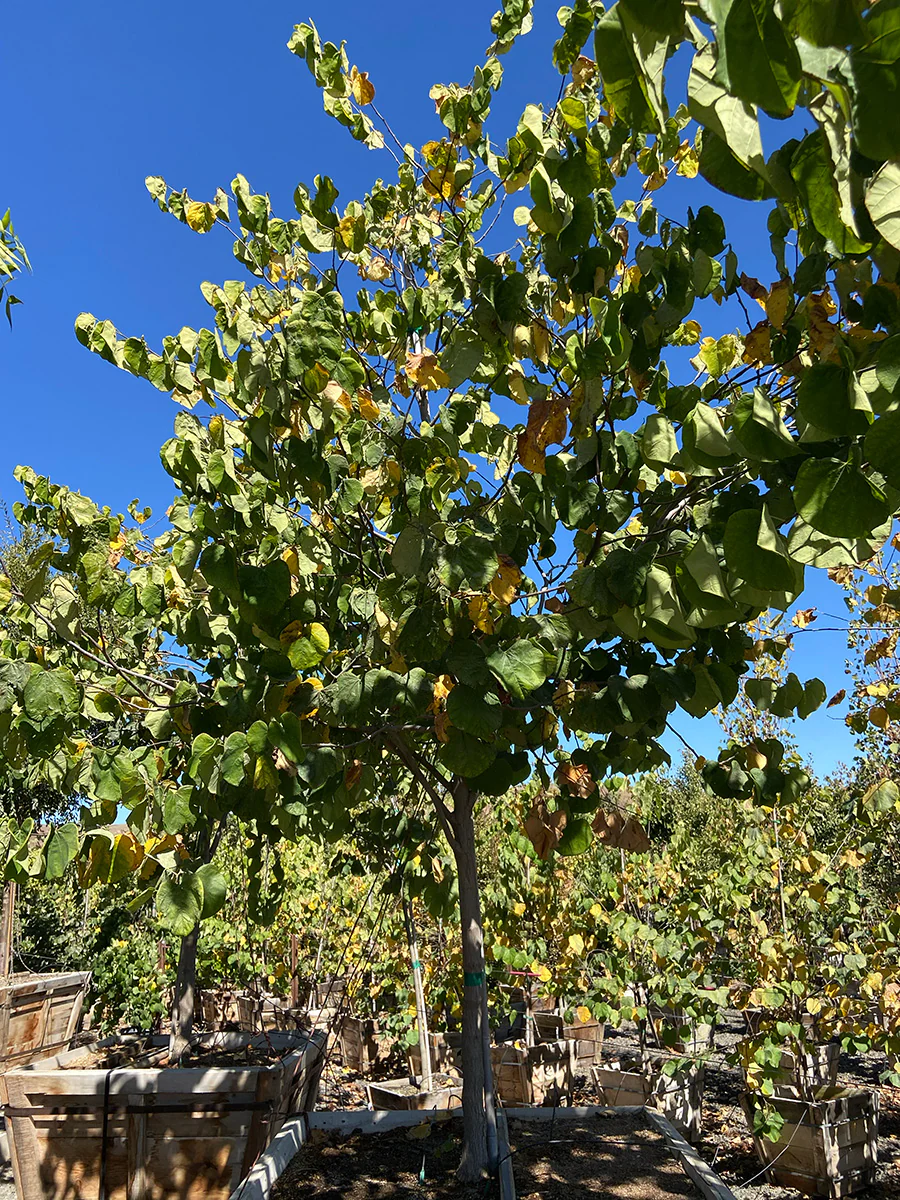
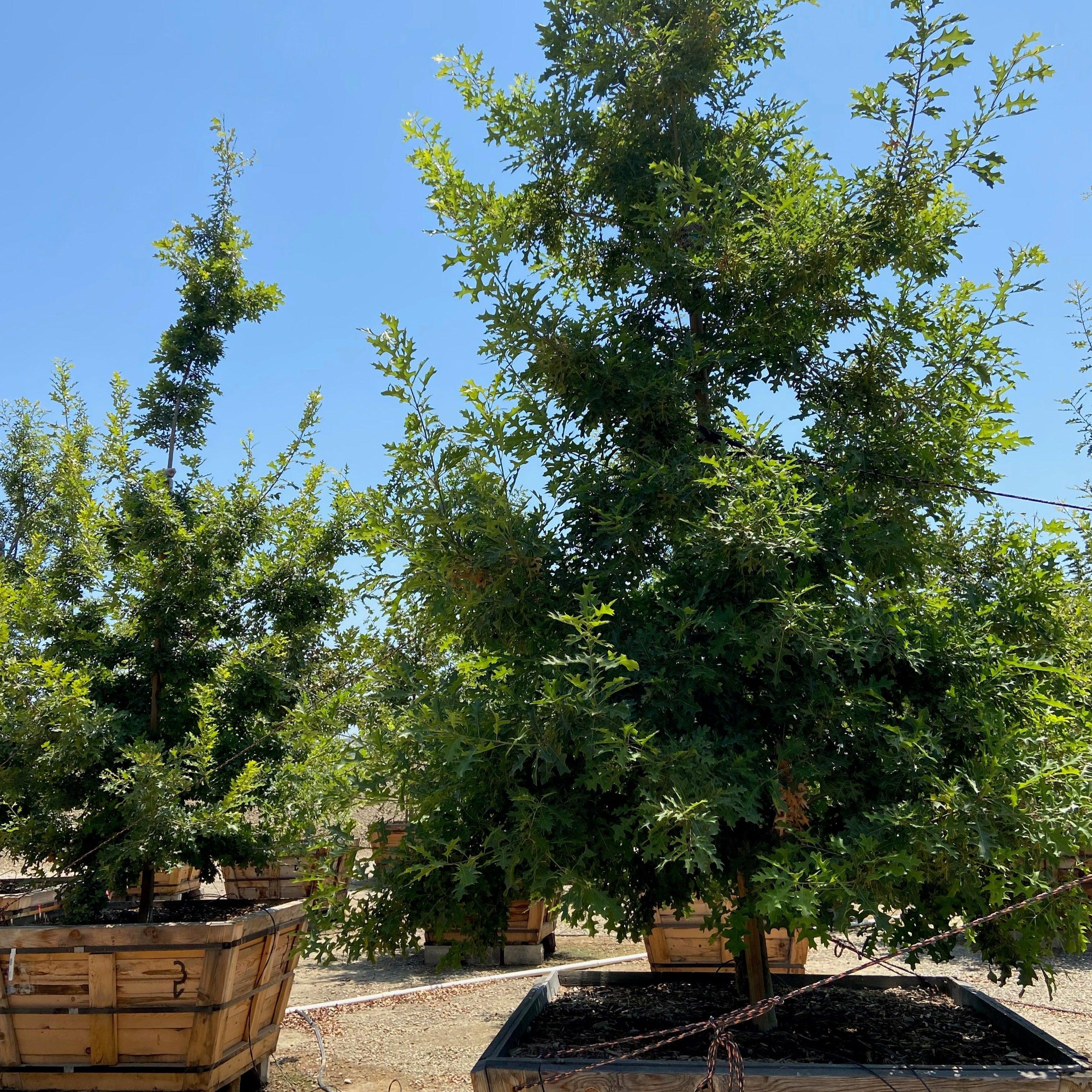
Texas Red Oak (Quercus buckleyi)
Transform Your Landscape with Brilliant Fall Color
Texas Red Oak gives homeowners a medium-sized shade tree with vivid fall color, strong heat tolerance, and a natural fit for Texas-style landscapes. Also known as Quercus buckleyi, this deciduous red oak brings glossy green summer foliage that turns brilliant burgundy, scarlet, or orange in late fall.
Built for full sun, hot summers, and well-drained high pH soils, Texas Red Oak is especially valuable in North Texas climate conditions and similar dry, warm regions. It is well-suited for urban and residential landscapes due to its manageable size and heat resistance, while still offering the long-term presence, bark texture, and seasonal display expected from a quality oak tree.
Why You’ll Love It
-
Spectacular Fall Display – The leaves of the Texas red oak are vivid green in the summer and turn brilliant burgundy, scarlet, or orange in late fall, creating strong seasonal color and visual interest in the landscape.
-
Fast Growth – Texas Red Oak can grow at a medium to fast pace, often 1-2 feet per year in good conditions, and reaches a mature height of 30 to 50 feet with a canopy spread of 15 to 30 feet.
-
Drought Tolerant – Texas red oak exhibits superior heat and drought tolerance compared to other red oaks due to its adaptation to poor, rocky soils, much like the Coast Live Oak tree in suitable climates.
-
Native Advantage – This texas red oak is adapted to regional soil, sun, water, and climate patterns, making it a practical choice for homeowners and landscapers who want a durable native-style oak.
-
Low Maintenance – Once established, this tree requires minimal care, though proper watering, mulch, and careful pruning timing help protect long-term health.
The tree serves as an essential habitat provider, with its small acorns being a critical food source for birds, deer, and small mammals. Its acorns are the fruit of the oak, and the same tree carries spring male flowers along with small female flowers that develop into acorns over time.
What Makes It Different
Most oaks either lack reliable fall color or struggle in Texas heat. Texas Red Oak is built differently because it combines red-orange seasonal impact, strong sun performance, and adaptability to difficult soils in one manageable landscape tree.
-
Texas Native Heritage – Unlike many imported oak varieties, Quercus buckleyi is naturally suited to local conditions and thrives best in well-drained, high pH soils, and soil conditioning can help optimize these conditions.
-
Compact Size – Compared with Shumard Oak, or Quercus shumardii, Texas Red Oak is usually easier to place in medium-sized landscapes while still delivering bold fall color. The two species are similar red oak choices, but Texas Red Oak is often better suited to rocky, alkaline, heat-prone sites, much like Rocky Mountain Glow maple for compact fall color.
-
Multi-Season Interest – The bark matures into a dark gray surface with ridges and texture, giving the tree structure after the red fall leaves are gone, similar to how October Glory maple provides vivid fall color.
Texas red oak is used heavily for hardwood flooring, cabinetry, interior trim, and doors. The tree produces a hard, heavy timber with beautiful, pronounced grain patterns, which speaks to the long-term strength and value of the species beyond ornamental use, similar to other oak trees for landscaping and shade.
How To Grow Texas Red Oak Trees
-
Plant in Fall or Spring
Fall and early spring are the best planting windows for Texas Red Oak. Note that it is critical to avoid pruning Texas red oak in the spring to prevent the spread of Oak Wilt, a serious disease that can affect trees in the red oak group. -
Deep Root Development
During the first 2-3 years, the tree focuses on roots. Trees require deep, consistent watering while young, but proper watering is crucial for Texas Red Oaks, especially for young trees; overwatering can lead to root rot while underwatering can stunt growth. -
Rapid Canopy Growth
From about years 3-10, the tree begins to grow taller and wider more noticeably. With full sun, mulch, adequate water, and healthy soil, Texas Red Oak can reach heights suitable for shade development faster than many slower oak choices. -
Mature Shade Provider
By maturity, Texas Red Oak becomes a reliable shade tree for the landscape. The Texas Red Oak (Quercus buckleyi) is a deciduous tree that can reach heights of 45 to 75 feet and spread about 35 feet wide at maturity, making it suitable for medium-sized landscapes. -
Long-Term Seasonal Value
As the tree develops over many years, its canopy, bark, acorns, fall color, and wildlife value become more pronounced. Fertilizing Texas Red Oaks is essential to support their growth; young trees benefit from a balanced fertilizer, while mature trees may require specific nutrients based on soil conditions.
Tree Specifications
-
Mature Size: 30-50 feet tall, 30-40 feet wide under typical landscape conditions
-
Additional Mature Range: 45-75 feet tall with about a 35-foot spread may occur at maturity in favorable conditions
-
Canopy Spread: Often listed at 15-30 feet, depending on site, pruning, age, and water availability
-
Growth Rate: Medium to fast, commonly 1-2 feet per year
-
USDA Hardiness Zones: 7-9, overlapping with the adaptable California Sycamore for Western landscapes
-
Sun Requirements: Full sun to partial shade; full sun provides the strongest fall color and is equally important for many flowering trees suited to California gardens
-
Soil Preferences: Well-draining soil, adaptable to various pH levels, best in high pH limestone-style soils
-
Water Needs: Regular water while young; lower water needs once established
-
Seasonal Color: Vivid green in summer, then red, burgundy, scarlet, or orange in late fall
-
Wildlife Value: Small acorns provide food for birds, deer, and small mammals
-
Available Sizes at Yardwork: Availability may vary by season, retailer supply, and local growing conditions
Availability of Texas Red Oaks can vary by retailer, with some nurseries offering them year-round while others may have seasonal stock based on local growing conditions, similar to other oak species such as Engelmann oak.
Perfect For
Ideal for:
-
California homeowners wanting Texas-style fall color in compatible inland, central, or foothill climates
-
Properties needing a medium-sized shade tree that will not overwhelm the entire yard
-
Drought-conscious gardeners seeking a low-water, heat-resistant landscape tree
-
Anyone wanting reliable fall color without high maintenance
-
Landscapers designing with adaptable native-style trees for full sun, high pH soil, and long-term canopy value
If you want a red oak with strong seasonal color, manageable maturity, useful shade, and proven heat tolerance, Texas Red Oak fits your needs. This tree is known for its vibrant red foliage in the fall, which provides seasonal color and visual interest in landscapes, while its roots, bark, acorns, and canopy all contribute to long-term landscape value, much like the feathery, evergreen appeal of the California Pepper Tree for warm, dry landscapes.
Frequently Asked Questions
How fast does it grow?
Texas Red Oak grows at a medium to fast rate, often around 1-2 feet per year when planted in full sun with proper water, mulch, and well-drained soil. It can reach heights of 30-50 feet in many residential landscapes, with larger mature examples reaching 45-75 feet in favorable conditions.
When do the leaves change color?
The leaves are vivid green through summer and usually shift to burgundy, scarlet, red, or orange in late fall. Color quality is best when the tree receives strong sun and is not stressed by poor drainage, disease, insects, or water imbalance.
How much water does it need?
Young trees need careful watering during establishment. Deep, infrequent water is better than constant shallow irrigation. Overwatering can cause root rot, while underwatering can stunt growth, especially during the first few years while the roots are still developing.
Will it work in my climate zone?
Texas Red Oaks thrive best in full sun and prefer well-drained, high pH soils, making them adaptable to various soil types but optimal in specific conditions. They are best suited to USDA Zones 7-9 and perform well in heat-resistant urban and residential landscapes.
What about acorn production?
Texas Red Oak produces small acorns that serve as a critical food source for birds, deer, and small mammals. Acorns may create seasonal cleanup, and volunteer seedlings can appear where fruit drops and conditions are favorable, just as many privacy and evergreen trees from local nurseries can create leaf and litter cycles to plan for.
Do I need to worry about Oak Wilt?
Yes. Texas Red Oak is a red oak and can be susceptible to Oak Wilt. Avoid pruning in spring, protect fresh wounds when necessary, and follow local oak care guidance to reduce disease risk.
Ready to Add Natural Fall Color?
Stop settling for shade trees that turn brown early, struggle in heat, or demand constant care. Choose Texas Red Oak (Quercus buckleyi) for brilliant fall color, dependable shade, and a drought tolerant oak that can handle demanding landscape conditions.
Yardwork can help you select the right size, review soil conditions, and plan delivery for California homeowners who want a healthy texas red oak shipped with care. For best results, ask about consultation services, soil testing, professional installation, and planting guidance before you order.
Original: $1,150.00
-65%$1,150.00
$402.50More Images
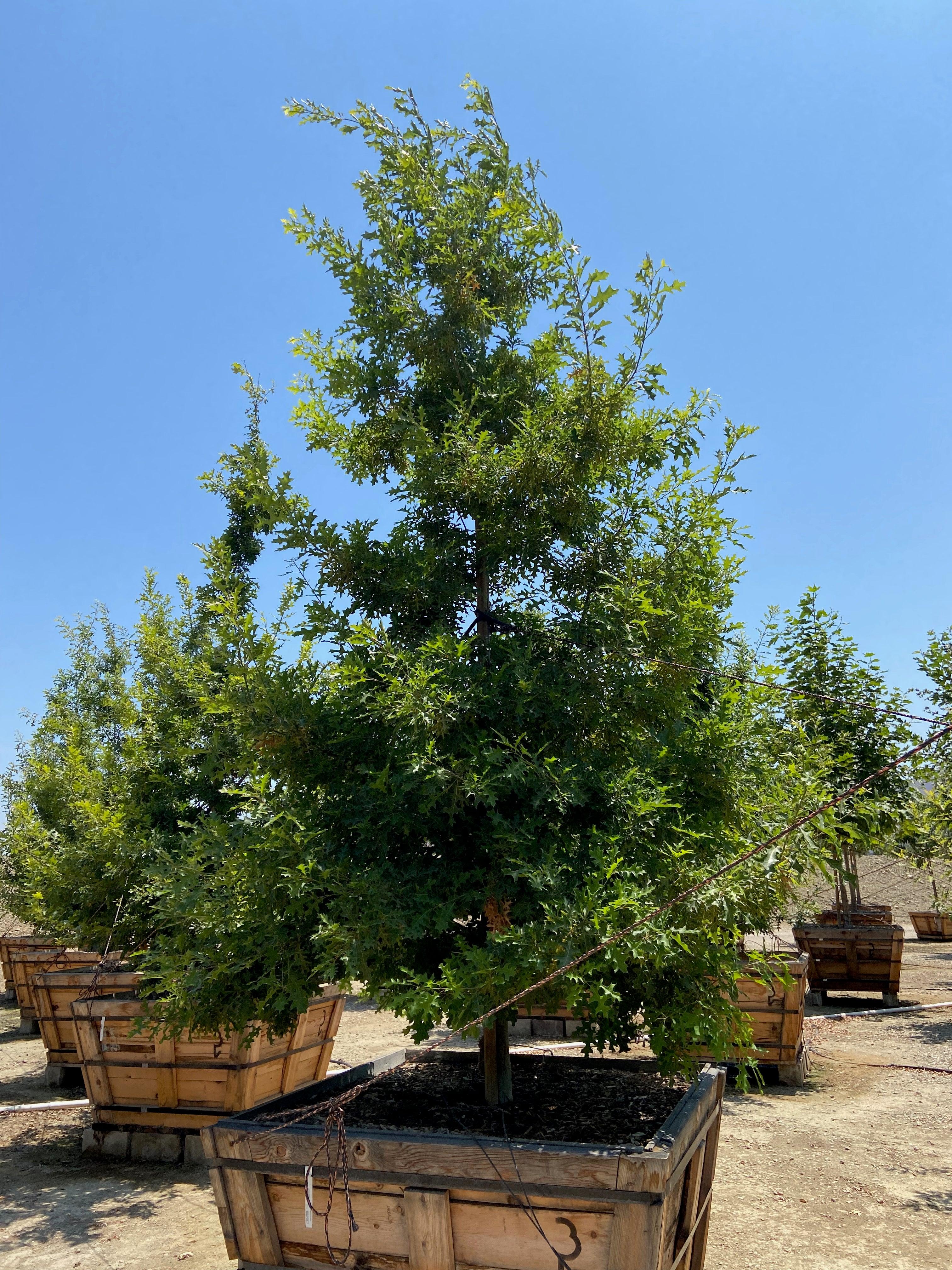
Texas Red Oak (Quercus buckleyi)
Transform Your Landscape with Brilliant Fall Color
Texas Red Oak gives homeowners a medium-sized shade tree with vivid fall color, strong heat tolerance, and a natural fit for Texas-style landscapes. Also known as Quercus buckleyi, this deciduous red oak brings glossy green summer foliage that turns brilliant burgundy, scarlet, or orange in late fall.
Built for full sun, hot summers, and well-drained high pH soils, Texas Red Oak is especially valuable in North Texas climate conditions and similar dry, warm regions. It is well-suited for urban and residential landscapes due to its manageable size and heat resistance, while still offering the long-term presence, bark texture, and seasonal display expected from a quality oak tree.
Why You’ll Love It
-
Spectacular Fall Display – The leaves of the Texas red oak are vivid green in the summer and turn brilliant burgundy, scarlet, or orange in late fall, creating strong seasonal color and visual interest in the landscape.
-
Fast Growth – Texas Red Oak can grow at a medium to fast pace, often 1-2 feet per year in good conditions, and reaches a mature height of 30 to 50 feet with a canopy spread of 15 to 30 feet.
-
Drought Tolerant – Texas red oak exhibits superior heat and drought tolerance compared to other red oaks due to its adaptation to poor, rocky soils, much like the Coast Live Oak tree in suitable climates.
-
Native Advantage – This texas red oak is adapted to regional soil, sun, water, and climate patterns, making it a practical choice for homeowners and landscapers who want a durable native-style oak.
-
Low Maintenance – Once established, this tree requires minimal care, though proper watering, mulch, and careful pruning timing help protect long-term health.
The tree serves as an essential habitat provider, with its small acorns being a critical food source for birds, deer, and small mammals. Its acorns are the fruit of the oak, and the same tree carries spring male flowers along with small female flowers that develop into acorns over time.
What Makes It Different
Most oaks either lack reliable fall color or struggle in Texas heat. Texas Red Oak is built differently because it combines red-orange seasonal impact, strong sun performance, and adaptability to difficult soils in one manageable landscape tree.
-
Texas Native Heritage – Unlike many imported oak varieties, Quercus buckleyi is naturally suited to local conditions and thrives best in well-drained, high pH soils, and soil conditioning can help optimize these conditions.
-
Compact Size – Compared with Shumard Oak, or Quercus shumardii, Texas Red Oak is usually easier to place in medium-sized landscapes while still delivering bold fall color. The two species are similar red oak choices, but Texas Red Oak is often better suited to rocky, alkaline, heat-prone sites, much like Rocky Mountain Glow maple for compact fall color.
-
Multi-Season Interest – The bark matures into a dark gray surface with ridges and texture, giving the tree structure after the red fall leaves are gone, similar to how October Glory maple provides vivid fall color.
Texas red oak is used heavily for hardwood flooring, cabinetry, interior trim, and doors. The tree produces a hard, heavy timber with beautiful, pronounced grain patterns, which speaks to the long-term strength and value of the species beyond ornamental use, similar to other oak trees for landscaping and shade.
How To Grow Texas Red Oak Trees
-
Plant in Fall or Spring
Fall and early spring are the best planting windows for Texas Red Oak. Note that it is critical to avoid pruning Texas red oak in the spring to prevent the spread of Oak Wilt, a serious disease that can affect trees in the red oak group. -
Deep Root Development
During the first 2-3 years, the tree focuses on roots. Trees require deep, consistent watering while young, but proper watering is crucial for Texas Red Oaks, especially for young trees; overwatering can lead to root rot while underwatering can stunt growth. -
Rapid Canopy Growth
From about years 3-10, the tree begins to grow taller and wider more noticeably. With full sun, mulch, adequate water, and healthy soil, Texas Red Oak can reach heights suitable for shade development faster than many slower oak choices. -
Mature Shade Provider
By maturity, Texas Red Oak becomes a reliable shade tree for the landscape. The Texas Red Oak (Quercus buckleyi) is a deciduous tree that can reach heights of 45 to 75 feet and spread about 35 feet wide at maturity, making it suitable for medium-sized landscapes. -
Long-Term Seasonal Value
As the tree develops over many years, its canopy, bark, acorns, fall color, and wildlife value become more pronounced. Fertilizing Texas Red Oaks is essential to support their growth; young trees benefit from a balanced fertilizer, while mature trees may require specific nutrients based on soil conditions.
Tree Specifications
-
Mature Size: 30-50 feet tall, 30-40 feet wide under typical landscape conditions
-
Additional Mature Range: 45-75 feet tall with about a 35-foot spread may occur at maturity in favorable conditions
-
Canopy Spread: Often listed at 15-30 feet, depending on site, pruning, age, and water availability
-
Growth Rate: Medium to fast, commonly 1-2 feet per year
-
USDA Hardiness Zones: 7-9, overlapping with the adaptable California Sycamore for Western landscapes
-
Sun Requirements: Full sun to partial shade; full sun provides the strongest fall color and is equally important for many flowering trees suited to California gardens
-
Soil Preferences: Well-draining soil, adaptable to various pH levels, best in high pH limestone-style soils
-
Water Needs: Regular water while young; lower water needs once established
-
Seasonal Color: Vivid green in summer, then red, burgundy, scarlet, or orange in late fall
-
Wildlife Value: Small acorns provide food for birds, deer, and small mammals
-
Available Sizes at Yardwork: Availability may vary by season, retailer supply, and local growing conditions
Availability of Texas Red Oaks can vary by retailer, with some nurseries offering them year-round while others may have seasonal stock based on local growing conditions, similar to other oak species such as Engelmann oak.
Perfect For
Ideal for:
-
California homeowners wanting Texas-style fall color in compatible inland, central, or foothill climates
-
Properties needing a medium-sized shade tree that will not overwhelm the entire yard
-
Drought-conscious gardeners seeking a low-water, heat-resistant landscape tree
-
Anyone wanting reliable fall color without high maintenance
-
Landscapers designing with adaptable native-style trees for full sun, high pH soil, and long-term canopy value
If you want a red oak with strong seasonal color, manageable maturity, useful shade, and proven heat tolerance, Texas Red Oak fits your needs. This tree is known for its vibrant red foliage in the fall, which provides seasonal color and visual interest in landscapes, while its roots, bark, acorns, and canopy all contribute to long-term landscape value, much like the feathery, evergreen appeal of the California Pepper Tree for warm, dry landscapes.
Frequently Asked Questions
How fast does it grow?
Texas Red Oak grows at a medium to fast rate, often around 1-2 feet per year when planted in full sun with proper water, mulch, and well-drained soil. It can reach heights of 30-50 feet in many residential landscapes, with larger mature examples reaching 45-75 feet in favorable conditions.
When do the leaves change color?
The leaves are vivid green through summer and usually shift to burgundy, scarlet, red, or orange in late fall. Color quality is best when the tree receives strong sun and is not stressed by poor drainage, disease, insects, or water imbalance.
How much water does it need?
Young trees need careful watering during establishment. Deep, infrequent water is better than constant shallow irrigation. Overwatering can cause root rot, while underwatering can stunt growth, especially during the first few years while the roots are still developing.
Will it work in my climate zone?
Texas Red Oaks thrive best in full sun and prefer well-drained, high pH soils, making them adaptable to various soil types but optimal in specific conditions. They are best suited to USDA Zones 7-9 and perform well in heat-resistant urban and residential landscapes.
What about acorn production?
Texas Red Oak produces small acorns that serve as a critical food source for birds, deer, and small mammals. Acorns may create seasonal cleanup, and volunteer seedlings can appear where fruit drops and conditions are favorable, just as many privacy and evergreen trees from local nurseries can create leaf and litter cycles to plan for.
Do I need to worry about Oak Wilt?
Yes. Texas Red Oak is a red oak and can be susceptible to Oak Wilt. Avoid pruning in spring, protect fresh wounds when necessary, and follow local oak care guidance to reduce disease risk.
Ready to Add Natural Fall Color?
Stop settling for shade trees that turn brown early, struggle in heat, or demand constant care. Choose Texas Red Oak (Quercus buckleyi) for brilliant fall color, dependable shade, and a drought tolerant oak that can handle demanding landscape conditions.
Yardwork can help you select the right size, review soil conditions, and plan delivery for California homeowners who want a healthy texas red oak shipped with care. For best results, ask about consultation services, soil testing, professional installation, and planting guidance before you order.
Product Information
Product Information
Shipping & Returns
Shipping & Returns
Description
Transform Your Landscape with Brilliant Fall Color
Texas Red Oak gives homeowners a medium-sized shade tree with vivid fall color, strong heat tolerance, and a natural fit for Texas-style landscapes. Also known as Quercus buckleyi, this deciduous red oak brings glossy green summer foliage that turns brilliant burgundy, scarlet, or orange in late fall.
Built for full sun, hot summers, and well-drained high pH soils, Texas Red Oak is especially valuable in North Texas climate conditions and similar dry, warm regions. It is well-suited for urban and residential landscapes due to its manageable size and heat resistance, while still offering the long-term presence, bark texture, and seasonal display expected from a quality oak tree.
Why You’ll Love It
-
Spectacular Fall Display – The leaves of the Texas red oak are vivid green in the summer and turn brilliant burgundy, scarlet, or orange in late fall, creating strong seasonal color and visual interest in the landscape.
-
Fast Growth – Texas Red Oak can grow at a medium to fast pace, often 1-2 feet per year in good conditions, and reaches a mature height of 30 to 50 feet with a canopy spread of 15 to 30 feet.
-
Drought Tolerant – Texas red oak exhibits superior heat and drought tolerance compared to other red oaks due to its adaptation to poor, rocky soils, much like the Coast Live Oak tree in suitable climates.
-
Native Advantage – This texas red oak is adapted to regional soil, sun, water, and climate patterns, making it a practical choice for homeowners and landscapers who want a durable native-style oak.
-
Low Maintenance – Once established, this tree requires minimal care, though proper watering, mulch, and careful pruning timing help protect long-term health.
The tree serves as an essential habitat provider, with its small acorns being a critical food source for birds, deer, and small mammals. Its acorns are the fruit of the oak, and the same tree carries spring male flowers along with small female flowers that develop into acorns over time.
What Makes It Different
Most oaks either lack reliable fall color or struggle in Texas heat. Texas Red Oak is built differently because it combines red-orange seasonal impact, strong sun performance, and adaptability to difficult soils in one manageable landscape tree.
-
Texas Native Heritage – Unlike many imported oak varieties, Quercus buckleyi is naturally suited to local conditions and thrives best in well-drained, high pH soils, and soil conditioning can help optimize these conditions.
-
Compact Size – Compared with Shumard Oak, or Quercus shumardii, Texas Red Oak is usually easier to place in medium-sized landscapes while still delivering bold fall color. The two species are similar red oak choices, but Texas Red Oak is often better suited to rocky, alkaline, heat-prone sites, much like Rocky Mountain Glow maple for compact fall color.
-
Multi-Season Interest – The bark matures into a dark gray surface with ridges and texture, giving the tree structure after the red fall leaves are gone, similar to how October Glory maple provides vivid fall color.
Texas red oak is used heavily for hardwood flooring, cabinetry, interior trim, and doors. The tree produces a hard, heavy timber with beautiful, pronounced grain patterns, which speaks to the long-term strength and value of the species beyond ornamental use, similar to other oak trees for landscaping and shade.
How To Grow Texas Red Oak Trees
-
Plant in Fall or Spring
Fall and early spring are the best planting windows for Texas Red Oak. Note that it is critical to avoid pruning Texas red oak in the spring to prevent the spread of Oak Wilt, a serious disease that can affect trees in the red oak group. -
Deep Root Development
During the first 2-3 years, the tree focuses on roots. Trees require deep, consistent watering while young, but proper watering is crucial for Texas Red Oaks, especially for young trees; overwatering can lead to root rot while underwatering can stunt growth. -
Rapid Canopy Growth
From about years 3-10, the tree begins to grow taller and wider more noticeably. With full sun, mulch, adequate water, and healthy soil, Texas Red Oak can reach heights suitable for shade development faster than many slower oak choices. -
Mature Shade Provider
By maturity, Texas Red Oak becomes a reliable shade tree for the landscape. The Texas Red Oak (Quercus buckleyi) is a deciduous tree that can reach heights of 45 to 75 feet and spread about 35 feet wide at maturity, making it suitable for medium-sized landscapes. -
Long-Term Seasonal Value
As the tree develops over many years, its canopy, bark, acorns, fall color, and wildlife value become more pronounced. Fertilizing Texas Red Oaks is essential to support their growth; young trees benefit from a balanced fertilizer, while mature trees may require specific nutrients based on soil conditions.
Tree Specifications
-
Mature Size: 30-50 feet tall, 30-40 feet wide under typical landscape conditions
-
Additional Mature Range: 45-75 feet tall with about a 35-foot spread may occur at maturity in favorable conditions
-
Canopy Spread: Often listed at 15-30 feet, depending on site, pruning, age, and water availability
-
Growth Rate: Medium to fast, commonly 1-2 feet per year
-
USDA Hardiness Zones: 7-9, overlapping with the adaptable California Sycamore for Western landscapes
-
Sun Requirements: Full sun to partial shade; full sun provides the strongest fall color and is equally important for many flowering trees suited to California gardens
-
Soil Preferences: Well-draining soil, adaptable to various pH levels, best in high pH limestone-style soils
-
Water Needs: Regular water while young; lower water needs once established
-
Seasonal Color: Vivid green in summer, then red, burgundy, scarlet, or orange in late fall
-
Wildlife Value: Small acorns provide food for birds, deer, and small mammals
-
Available Sizes at Yardwork: Availability may vary by season, retailer supply, and local growing conditions
Availability of Texas Red Oaks can vary by retailer, with some nurseries offering them year-round while others may have seasonal stock based on local growing conditions, similar to other oak species such as Engelmann oak.
Perfect For
Ideal for:
-
California homeowners wanting Texas-style fall color in compatible inland, central, or foothill climates
-
Properties needing a medium-sized shade tree that will not overwhelm the entire yard
-
Drought-conscious gardeners seeking a low-water, heat-resistant landscape tree
-
Anyone wanting reliable fall color without high maintenance
-
Landscapers designing with adaptable native-style trees for full sun, high pH soil, and long-term canopy value
If you want a red oak with strong seasonal color, manageable maturity, useful shade, and proven heat tolerance, Texas Red Oak fits your needs. This tree is known for its vibrant red foliage in the fall, which provides seasonal color and visual interest in landscapes, while its roots, bark, acorns, and canopy all contribute to long-term landscape value, much like the feathery, evergreen appeal of the California Pepper Tree for warm, dry landscapes.
Frequently Asked Questions
How fast does it grow?
Texas Red Oak grows at a medium to fast rate, often around 1-2 feet per year when planted in full sun with proper water, mulch, and well-drained soil. It can reach heights of 30-50 feet in many residential landscapes, with larger mature examples reaching 45-75 feet in favorable conditions.
When do the leaves change color?
The leaves are vivid green through summer and usually shift to burgundy, scarlet, red, or orange in late fall. Color quality is best when the tree receives strong sun and is not stressed by poor drainage, disease, insects, or water imbalance.
How much water does it need?
Young trees need careful watering during establishment. Deep, infrequent water is better than constant shallow irrigation. Overwatering can cause root rot, while underwatering can stunt growth, especially during the first few years while the roots are still developing.
Will it work in my climate zone?
Texas Red Oaks thrive best in full sun and prefer well-drained, high pH soils, making them adaptable to various soil types but optimal in specific conditions. They are best suited to USDA Zones 7-9 and perform well in heat-resistant urban and residential landscapes.
What about acorn production?
Texas Red Oak produces small acorns that serve as a critical food source for birds, deer, and small mammals. Acorns may create seasonal cleanup, and volunteer seedlings can appear where fruit drops and conditions are favorable, just as many privacy and evergreen trees from local nurseries can create leaf and litter cycles to plan for.
Do I need to worry about Oak Wilt?
Yes. Texas Red Oak is a red oak and can be susceptible to Oak Wilt. Avoid pruning in spring, protect fresh wounds when necessary, and follow local oak care guidance to reduce disease risk.
Ready to Add Natural Fall Color?
Stop settling for shade trees that turn brown early, struggle in heat, or demand constant care. Choose Texas Red Oak (Quercus buckleyi) for brilliant fall color, dependable shade, and a drought tolerant oak that can handle demanding landscape conditions.
Yardwork can help you select the right size, review soil conditions, and plan delivery for California homeowners who want a healthy texas red oak shipped with care. For best results, ask about consultation services, soil testing, professional installation, and planting guidance before you order.