Thymus Serpyllum (Creeping Thyme)
Transform Your Garden with Fragrant, Low-Maintenance Ground Cover
Thymus serpyllum gives you a dense, aromatic ground cover for sunny California gardens without the mowing, heavy watering, or constant upkeep of a traditional lawn.
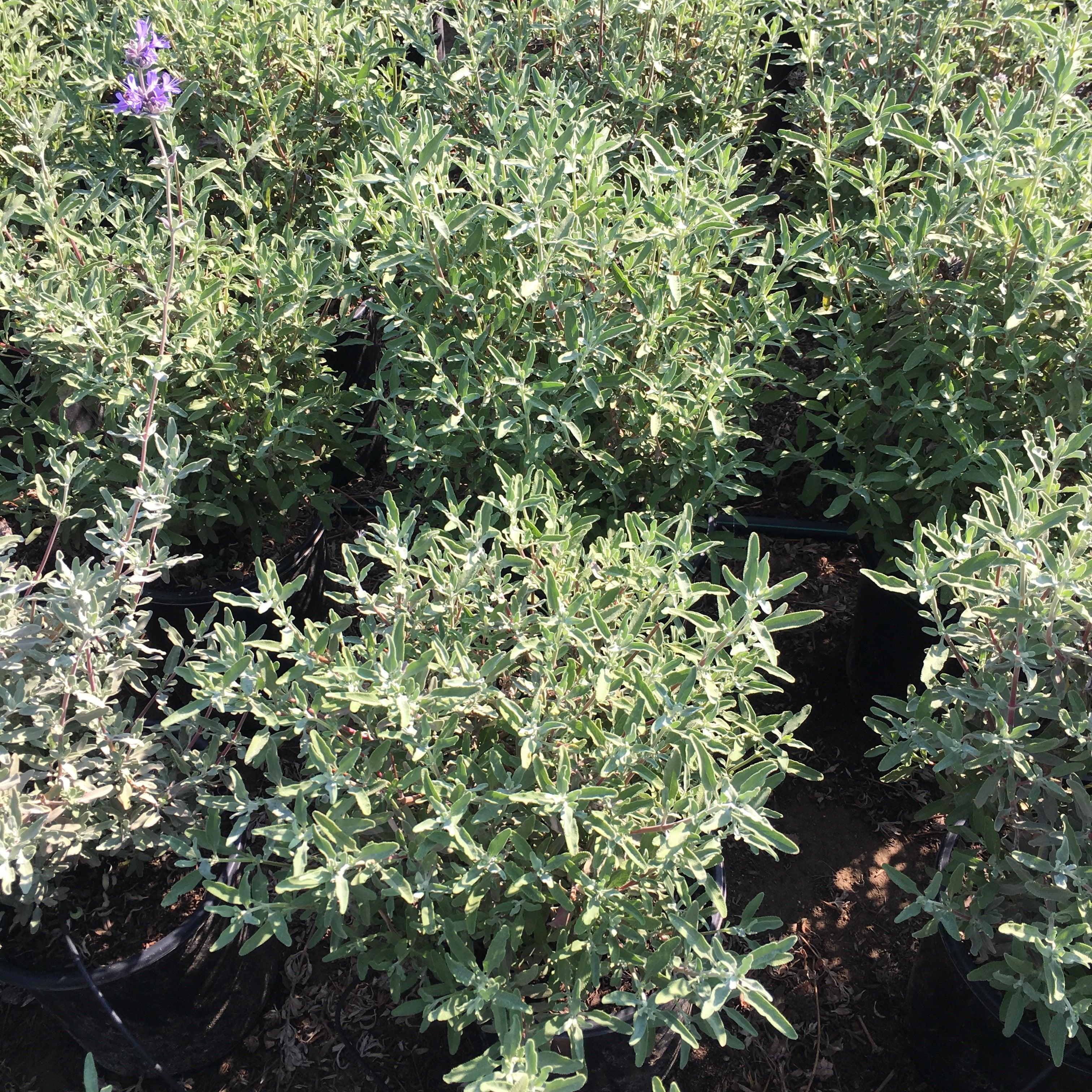
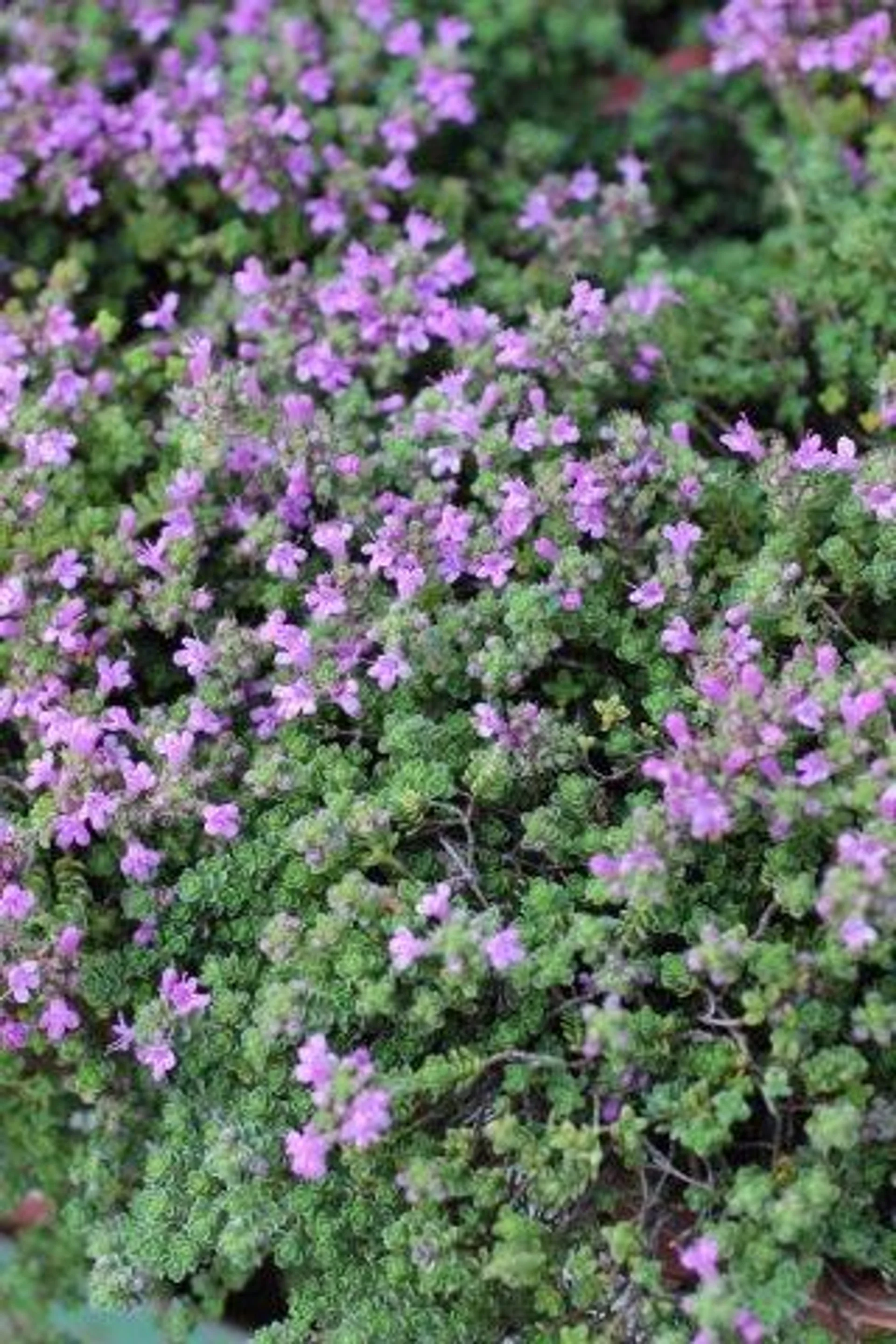
Commonly called wild thyme, creeping thyme, mother of thyme, or breckland thyme, this woody based perennial forms a low dense mat of fragrant foliage that helps cover bare soil, soften edges around stepping stones, and stabilize dry slopes. Thymus serpyllum is a low-growing, aromatic perennial subshrub native to Europe and Western Siberia, with broader origins associated with northern Europe, northern Africa, north Africa, and western Asia.
Use thyme thymus serpyllum where you want attractive foliage, purple flowers, and practical performance in one plant. Creeping thyme thrives in full sun, prefers dry soil, tolerates poor soil, and performs best in well drained soil with excellent drainage. In California home garden settings, it is especially useful for xeriscaping, lawn substitute areas, rock gardens, companion planting zones, and places where minimal care matters, especially when combined with other drought-tolerant accent plants like purple fountain grass.
Why You’ll Love Thymus Serpyllum
-
Drought Tolerance – This plant is drought-tolerant once established, making it ideal for xeriscaping and dry garden conditions, requiring minimal watering in most climates. This plant is drought-tolerant once established and should be watered regularly during the first few months after planting to help roots establish.
-
Fragrant Walkways – Creeping Thyme features a mat-forming growth habit, typically growing 1-3 inches tall and spreading 12-18 inches or more, with small, aromatic leaves that release a pleasant scent when crushed. Plant it between stepping stones where light foot traffic releases a strong aroma from the fragrant foliage.
-
Pollinator Magnet – The plant produces small, tubular flowers in vibrant shades of pink and purple from late spring to early fall, attracting pollinators such as bees and butterflies. Those two lipped flowers may appear purple, deep pink, or rosy-pink depending on the cultivar, helping bring beneficial insects into the garden.
-
Year-Round Coverage – Thymus serpyllum, commonly known as Creeping Thyme, is a hardy perennial that thrives in USDA zones 4–9, tolerating cold winters and hot summers once established. In mild winters, evergreen foliage can maintain a dark green carpet effect through much of the year.
-
Edible Landscaping – Creeping Thyme (Thymus serpyllum) is edible, and both its leaves and flowers can be used in culinary applications to enhance dishes with aromatic flavor and visual appeal. The leaves of Creeping Thyme can be used fresh or dried to flavor soups, stews, meats, and herbal teas, although it has a milder flavor than common culinary thyme (Thymus vulgaris). The flowers of Creeping Thyme can be added as a garnish to salads for color and a subtle thyme flavor, making them a visually appealing addition to dishes.
What Makes Thymus Serpyllum Different
Most ground cover options solve only one problem. Some need too much water, some dislike foot traffic, and others are ornamental but offer no culinary quality, pollinator value, or fragrance.
Thymus Serpyllum is different:
-
Self-Rooting Stems – Thymus serpyllum, commonly known as creeping thyme, is primarily grown as an ornamental ground cover due to its dense, mat-forming growth and attractive flowers. Its trailing growth habit allows stems to root as the plant spreads, helping create a dense mat without constant replanting.
-
Foot Traffic Tolerance – Creeping thyme is effective as a filler between stepping stones, in rock gardens, and as a lawn substitute, thriving in sunny areas with good drainage. It tolerates light foot traffic better than many delicate groundcovers, although heavy daily traffic is still better handled by pavers or turf.
-
Dual-Purpose Plant – Unlike purely decorative options, wild thyme works as both a flowering ground cover and an edible herb. The essential oil of Thymus serpyllum can act as a natural preservative and flavoring agent in the food industry. Thymus serpyllum extracts demonstrate antimicrobial effects against both Gram-positive and Gram-negative bacteria and have antifungal properties. Thymus serpyllum has strong antimicrobial, anti-inflammatory, and antioxidant activity due to its essential oils rich in thymol and carvacrol.
Compared with other thymes, common thyme or thymus vulgaris is usually taller and less mat-forming. Lemon thyme offers a citrus note, and red creeping thyme is popular for vivid bloom color, but thymus serpyllum remains one of the most reliable choices when the goal is a low, spreading, drought tolerant plant for dry, sunny spaces, especially when paired with flowering trees for seasonal height and color.
How to Establish Thymus Serpyllum
-
Site Preparation
Choose a full sun location with at least six hours of direct sunlight each day. Thymus serpyllum thrives in well-drained, sandy, or rocky soils and prefers full sun, requiring at least six hours of direct sunlight each day. Thymus serpyllum prefers loose, sandy, rocky, and nutrient-poor soils with sharp drainage and cannot tolerate heavy clay or waterlogged conditions. -
Planting
Plant in well drained soil after early spring cold risk has passed, or after the last frost in colder areas. Space plants 12-18 inches apart in a triangular pattern for faster coverage. If using thyme seeds, start with clean, weed-free soil and expect slower establishment than with plugs or divisions. -
Establishment
Water regularly during the first season, especially through the first few months, then shift to infrequent deep watering once roots are established. Creeping thyme is hardy in USDA zones 4 through 9 and prefers dry, open conditions, making it suitable for xeriscaping and areas with minimal competition from taller plants, or as an understory around evergreen and fast-growing privacy trees. -
Ongoing Care
Trim lightly after flowering in late summer to reduce woody stems and keep the mat compact. Use regular weeding during establishment so young plants are not shaded out. Avoid wet soils and poorly drained areas because root rot is the most common failure point. Watch for spider mites or powdery mildew during humid conditions, though creeping thyme is not usually known for serious insect problems in dry, open sites.
Thymus serpyllum can be propagated by division, which is best done in late spring or early summer by carefully separating clumps to ensure each section has healthy roots. Stem cuttings can be taken in spring or summer from non-flowering stems, typically measuring 4–6 inches, and can be rooted in moist, well-drained potting mix. Creeping thyme can also be propagated from seeds, which should be started indoors 8 to 10 weeks before the last frost or sown directly outdoors when temperatures are consistently above 60°F.
Plant Specifications
-
Botanical Name: Thymus serpyllum
-
Common Names: Creeping thyme, wild thyme, mother of thyme, breckland thyme
-
Plant Family: Mint family
-
Plant Type: Low-growing, woody based perennial subshrub
-
Growth Habit: Trailing growth habit; dense mat-forming ground cover
-
Mature Height: Typically 1-3 inches as a mat, with flowering stems rising slightly above the foliage
-
Mature Spread: Commonly 12-18 inches or more under optimal conditions
-
Foliage: Small oval leaves; usually dark green, with numerous cultivars offering varying sizes, attractive foliage, and occasional glossy blue green leaves
-
Flowers: Small, tubular, two lipped flowers in purple, pink, deep pink, and similar tones; more tubular than bell shaped
-
Bloom Time: Late spring through early summer, often continuing into late summer or early fall in favorable California microclimates
-
Hardiness: USDA zones 4-9
-
Sun Exposure: Full sun preferred; partial shade tolerated with fewer flowers and weaker aroma
-
Soil: Loose, sandy, rocky, poor soils; tolerates poor soil but requires well drained conditions
-
Drainage: Excellent drainage required; wet soils and poorly drained clay increase root rot risk
-
Water Needs: Moderate during establishment, low once established
-
Traffic Tolerance: Best for light foot traffic, path edges, and planting between stepping stones
-
Wildlife Value: Attracts bees, butterflies, and beneficial insects; nectar may support small butterflies such as the common blue butterfly, though it should not be treated as a primary host plant for every butterfly species
-
Culinary Use: Edible leaves and flowers; milder flavor than thymus vulgaris
-
Traditional Herbal Use: Wild thyme infusions and teas have traditionally been used to treat respiratory issues and gastrointestinal complaints. Thymus serpyllum has been shown to ease coughs, clear mucus, treat infections, and reduce gut inflammation. Thymus serpyllum is traditionally used in herbal preparations for bronchitis, asthma, and whooping cough.
-
Research Notes: Compounds in Thymus serpyllum exhibit pro-apoptotic and anti-proliferative properties, indicating potential for cancer prevention research. Emerging research suggests that Thymus serpyllum may help regulate lipid metabolism and manage blood sugar levels.
Perfect For These Garden Situations
Ideal for:
-
Homeowners replacing high-maintenance lawn areas with a drought tolerant lawn substitute
-
California gardens designed around water restrictions, dry soil, and xeriscaping
-
Walkways, patios, and planting pockets between stepping stones
-
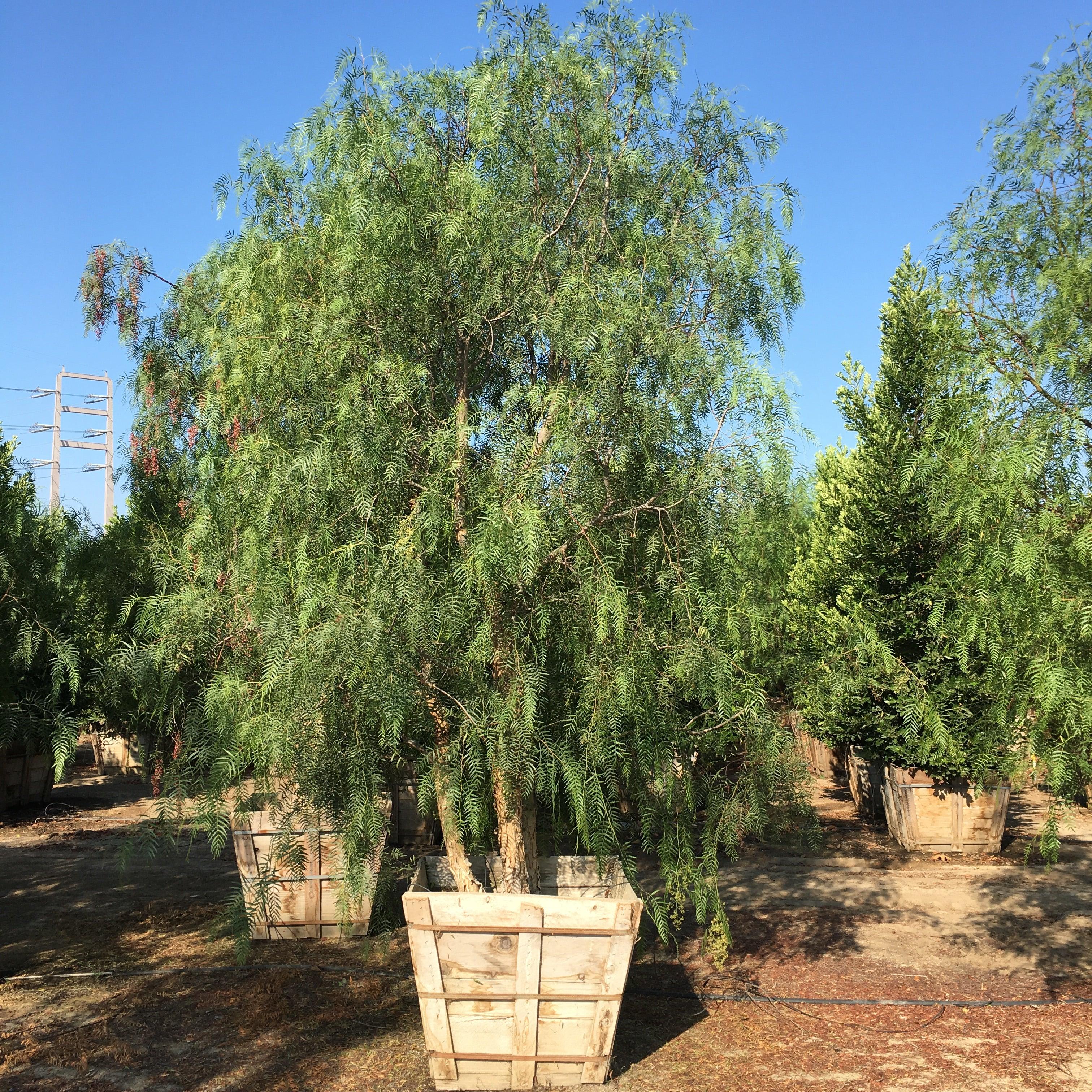
Rock gardens, dry banks, borders, and sunny slopes needing erosion control, including pairing with deep-rooted trees like the California pepper tree where space and site conditions allow
-
Herb gardens and edible landscapes where thyme can serve ornamental and culinary roles alongside productive citrus fruit trees
-
Companion planting areas that benefit from bees, butterflies, and other beneficial insects
-
Low-growing plantings where taller plants would create too much competition or shade
If you want a home garden that looks intentional without constant irrigation, creeping thyme is a strong choice. It is not the right plant for wet soils, deep shade, or heavy foot traffic, but in full sun with well drained soil, creeping thyme thrives with minimal care and creates a scented, flowering carpet.
Frequently Asked Questions
How fast does thymus serpyllum spread?
Expect gradual coverage during the first season and a fuller dense mat over one to two growing seasons under optimal conditions. Planting 12-18 inches apart helps the mats knit together faster, especially when weeds are controlled early.
Can it handle California heat?
Yes. Thymus serpyllum handles hot summers once established, especially in dry air and well drained soil. In very hot inland areas, provide occasional deep watering and avoid reflected heat from pavement where possible. Coastal gardens with fog or partial shade may see fewer flowers.
Is it safe for pets?
Creeping thyme is generally considered safe in normal garden and culinary use. Avoid letting pets consume large amounts of concentrated essential oils, and only allow grazing on plants that have not been treated with pesticides or unsafe chemicals.
How do I prevent it from spreading too far?
Use edging, trim runners after bloom, and remove unwanted stems by hand. Light pruning also helps prevent excessive woody stems and keeps the plant compact.
Can I grow it from thyme seeds?
Yes. Creeping thyme can also be propagated from seeds, which should be started indoors 8 to 10 weeks before the last frost or sown directly outdoors when temperatures are consistently above 60°F. For faster, more predictable coverage, divisions and cuttings are usually easier.
Is thymus serpyllum the same as common culinary thyme?
No. Thymus serpyllum is creeping thyme or wild thyme, while common culinary thyme is thymus vulgaris. Creeping thyme has a lower, mat-forming habit and a milder flavor, making it better for ground cover and stepping stone plantings.
Ready to Add Thymus Serpyllum to Your Landscape?
Stop fighting bare spots, thirsty lawn areas, and high-maintenance groundcovers. Choose Thymus Serpyllum (Wild Thyme) for a fragrant, drought tolerant, pollinator-friendly ground cover that brings purple flowers, edible leaves, and year-round structure to sunny California gardens.
Yardwork can help you select the right plant for your site conditions, from soil drainage to spacing and xeriscape design, whether you’re adding groundcovers or mature trees for instant impact. Ask about consultation and soil testing services before planting if your garden has clay, drainage issues, or uncertain sun exposure, or explore our plant nursery services to plan a cohesive landscape.
[CTA Button: Add to Cart / Request Planting Advice]
Free shipping over $600 for California customers on a wide range of plants from camellias like Debutante Camellia to summer standouts such as Tuscarora crape myrtle and reliable structure plants like Cheesewood (Pittosporum). Secure checkout. Yardwork plant expertise. Built for better gardens with less waste.
Original: $65.00
-65%$65.00
$22.75Thymus Serpyllum (Creeping Thyme)
Transform Your Garden with Fragrant, Low-Maintenance Ground Cover
Thymus serpyllum gives you a dense, aromatic ground cover for sunny California gardens without the mowing, heavy watering, or constant upkeep of a traditional lawn.
Commonly called wild thyme, creeping thyme, mother of thyme, or breckland thyme, this woody based perennial forms a low dense mat of fragrant foliage that helps cover bare soil, soften edges around stepping stones, and stabilize dry slopes. Thymus serpyllum is a low-growing, aromatic perennial subshrub native to Europe and Western Siberia, with broader origins associated with northern Europe, northern Africa, north Africa, and western Asia.
Use thyme thymus serpyllum where you want attractive foliage, purple flowers, and practical performance in one plant. Creeping thyme thrives in full sun, prefers dry soil, tolerates poor soil, and performs best in well drained soil with excellent drainage. In California home garden settings, it is especially useful for xeriscaping, lawn substitute areas, rock gardens, companion planting zones, and places where minimal care matters, especially when combined with other drought-tolerant accent plants like purple fountain grass.
Why You’ll Love Thymus Serpyllum
-
Drought Tolerance – This plant is drought-tolerant once established, making it ideal for xeriscaping and dry garden conditions, requiring minimal watering in most climates. This plant is drought-tolerant once established and should be watered regularly during the first few months after planting to help roots establish.
-
Fragrant Walkways – Creeping Thyme features a mat-forming growth habit, typically growing 1-3 inches tall and spreading 12-18 inches or more, with small, aromatic leaves that release a pleasant scent when crushed. Plant it between stepping stones where light foot traffic releases a strong aroma from the fragrant foliage.
-
Pollinator Magnet – The plant produces small, tubular flowers in vibrant shades of pink and purple from late spring to early fall, attracting pollinators such as bees and butterflies. Those two lipped flowers may appear purple, deep pink, or rosy-pink depending on the cultivar, helping bring beneficial insects into the garden.
-
Year-Round Coverage – Thymus serpyllum, commonly known as Creeping Thyme, is a hardy perennial that thrives in USDA zones 4–9, tolerating cold winters and hot summers once established. In mild winters, evergreen foliage can maintain a dark green carpet effect through much of the year.
-
Edible Landscaping – Creeping Thyme (Thymus serpyllum) is edible, and both its leaves and flowers can be used in culinary applications to enhance dishes with aromatic flavor and visual appeal. The leaves of Creeping Thyme can be used fresh or dried to flavor soups, stews, meats, and herbal teas, although it has a milder flavor than common culinary thyme (Thymus vulgaris). The flowers of Creeping Thyme can be added as a garnish to salads for color and a subtle thyme flavor, making them a visually appealing addition to dishes.
What Makes Thymus Serpyllum Different
Most ground cover options solve only one problem. Some need too much water, some dislike foot traffic, and others are ornamental but offer no culinary quality, pollinator value, or fragrance.
Thymus Serpyllum is different:
-
Self-Rooting Stems – Thymus serpyllum, commonly known as creeping thyme, is primarily grown as an ornamental ground cover due to its dense, mat-forming growth and attractive flowers. Its trailing growth habit allows stems to root as the plant spreads, helping create a dense mat without constant replanting.
-
Foot Traffic Tolerance – Creeping thyme is effective as a filler between stepping stones, in rock gardens, and as a lawn substitute, thriving in sunny areas with good drainage. It tolerates light foot traffic better than many delicate groundcovers, although heavy daily traffic is still better handled by pavers or turf.
-
Dual-Purpose Plant – Unlike purely decorative options, wild thyme works as both a flowering ground cover and an edible herb. The essential oil of Thymus serpyllum can act as a natural preservative and flavoring agent in the food industry. Thymus serpyllum extracts demonstrate antimicrobial effects against both Gram-positive and Gram-negative bacteria and have antifungal properties. Thymus serpyllum has strong antimicrobial, anti-inflammatory, and antioxidant activity due to its essential oils rich in thymol and carvacrol.
Compared with other thymes, common thyme or thymus vulgaris is usually taller and less mat-forming. Lemon thyme offers a citrus note, and red creeping thyme is popular for vivid bloom color, but thymus serpyllum remains one of the most reliable choices when the goal is a low, spreading, drought tolerant plant for dry, sunny spaces, especially when paired with flowering trees for seasonal height and color.
How to Establish Thymus Serpyllum
-
Site Preparation
Choose a full sun location with at least six hours of direct sunlight each day. Thymus serpyllum thrives in well-drained, sandy, or rocky soils and prefers full sun, requiring at least six hours of direct sunlight each day. Thymus serpyllum prefers loose, sandy, rocky, and nutrient-poor soils with sharp drainage and cannot tolerate heavy clay or waterlogged conditions. -
Planting
Plant in well drained soil after early spring cold risk has passed, or after the last frost in colder areas. Space plants 12-18 inches apart in a triangular pattern for faster coverage. If using thyme seeds, start with clean, weed-free soil and expect slower establishment than with plugs or divisions. -
Establishment
Water regularly during the first season, especially through the first few months, then shift to infrequent deep watering once roots are established. Creeping thyme is hardy in USDA zones 4 through 9 and prefers dry, open conditions, making it suitable for xeriscaping and areas with minimal competition from taller plants, or as an understory around evergreen and fast-growing privacy trees. -
Ongoing Care
Trim lightly after flowering in late summer to reduce woody stems and keep the mat compact. Use regular weeding during establishment so young plants are not shaded out. Avoid wet soils and poorly drained areas because root rot is the most common failure point. Watch for spider mites or powdery mildew during humid conditions, though creeping thyme is not usually known for serious insect problems in dry, open sites.
Thymus serpyllum can be propagated by division, which is best done in late spring or early summer by carefully separating clumps to ensure each section has healthy roots. Stem cuttings can be taken in spring or summer from non-flowering stems, typically measuring 4–6 inches, and can be rooted in moist, well-drained potting mix. Creeping thyme can also be propagated from seeds, which should be started indoors 8 to 10 weeks before the last frost or sown directly outdoors when temperatures are consistently above 60°F.
Plant Specifications
-
Botanical Name: Thymus serpyllum
-
Common Names: Creeping thyme, wild thyme, mother of thyme, breckland thyme
-
Plant Family: Mint family
-
Plant Type: Low-growing, woody based perennial subshrub
-
Growth Habit: Trailing growth habit; dense mat-forming ground cover
-
Mature Height: Typically 1-3 inches as a mat, with flowering stems rising slightly above the foliage
-
Mature Spread: Commonly 12-18 inches or more under optimal conditions
-
Foliage: Small oval leaves; usually dark green, with numerous cultivars offering varying sizes, attractive foliage, and occasional glossy blue green leaves
-
Flowers: Small, tubular, two lipped flowers in purple, pink, deep pink, and similar tones; more tubular than bell shaped
-
Bloom Time: Late spring through early summer, often continuing into late summer or early fall in favorable California microclimates
-
Hardiness: USDA zones 4-9
-
Sun Exposure: Full sun preferred; partial shade tolerated with fewer flowers and weaker aroma
-
Soil: Loose, sandy, rocky, poor soils; tolerates poor soil but requires well drained conditions
-
Drainage: Excellent drainage required; wet soils and poorly drained clay increase root rot risk
-
Water Needs: Moderate during establishment, low once established
-
Traffic Tolerance: Best for light foot traffic, path edges, and planting between stepping stones
-
Wildlife Value: Attracts bees, butterflies, and beneficial insects; nectar may support small butterflies such as the common blue butterfly, though it should not be treated as a primary host plant for every butterfly species
-
Culinary Use: Edible leaves and flowers; milder flavor than thymus vulgaris
-
Traditional Herbal Use: Wild thyme infusions and teas have traditionally been used to treat respiratory issues and gastrointestinal complaints. Thymus serpyllum has been shown to ease coughs, clear mucus, treat infections, and reduce gut inflammation. Thymus serpyllum is traditionally used in herbal preparations for bronchitis, asthma, and whooping cough.
-
Research Notes: Compounds in Thymus serpyllum exhibit pro-apoptotic and anti-proliferative properties, indicating potential for cancer prevention research. Emerging research suggests that Thymus serpyllum may help regulate lipid metabolism and manage blood sugar levels.
Perfect For These Garden Situations
Ideal for:
-
Homeowners replacing high-maintenance lawn areas with a drought tolerant lawn substitute
-
California gardens designed around water restrictions, dry soil, and xeriscaping
-
Walkways, patios, and planting pockets between stepping stones
-
Rock gardens, dry banks, borders, and sunny slopes needing erosion control, including pairing with deep-rooted trees like the California pepper tree where space and site conditions allow
-
Herb gardens and edible landscapes where thyme can serve ornamental and culinary roles alongside productive citrus fruit trees
-
Companion planting areas that benefit from bees, butterflies, and other beneficial insects
-
Low-growing plantings where taller plants would create too much competition or shade
If you want a home garden that looks intentional without constant irrigation, creeping thyme is a strong choice. It is not the right plant for wet soils, deep shade, or heavy foot traffic, but in full sun with well drained soil, creeping thyme thrives with minimal care and creates a scented, flowering carpet.
Frequently Asked Questions
How fast does thymus serpyllum spread?
Expect gradual coverage during the first season and a fuller dense mat over one to two growing seasons under optimal conditions. Planting 12-18 inches apart helps the mats knit together faster, especially when weeds are controlled early.
Can it handle California heat?
Yes. Thymus serpyllum handles hot summers once established, especially in dry air and well drained soil. In very hot inland areas, provide occasional deep watering and avoid reflected heat from pavement where possible. Coastal gardens with fog or partial shade may see fewer flowers.
Is it safe for pets?
Creeping thyme is generally considered safe in normal garden and culinary use. Avoid letting pets consume large amounts of concentrated essential oils, and only allow grazing on plants that have not been treated with pesticides or unsafe chemicals.
How do I prevent it from spreading too far?
Use edging, trim runners after bloom, and remove unwanted stems by hand. Light pruning also helps prevent excessive woody stems and keeps the plant compact.
Can I grow it from thyme seeds?
Yes. Creeping thyme can also be propagated from seeds, which should be started indoors 8 to 10 weeks before the last frost or sown directly outdoors when temperatures are consistently above 60°F. For faster, more predictable coverage, divisions and cuttings are usually easier.
Is thymus serpyllum the same as common culinary thyme?
No. Thymus serpyllum is creeping thyme or wild thyme, while common culinary thyme is thymus vulgaris. Creeping thyme has a lower, mat-forming habit and a milder flavor, making it better for ground cover and stepping stone plantings.
Ready to Add Thymus Serpyllum to Your Landscape?
Stop fighting bare spots, thirsty lawn areas, and high-maintenance groundcovers. Choose Thymus Serpyllum (Wild Thyme) for a fragrant, drought tolerant, pollinator-friendly ground cover that brings purple flowers, edible leaves, and year-round structure to sunny California gardens.
Yardwork can help you select the right plant for your site conditions, from soil drainage to spacing and xeriscape design, whether you’re adding groundcovers or mature trees for instant impact. Ask about consultation and soil testing services before planting if your garden has clay, drainage issues, or uncertain sun exposure, or explore our plant nursery services to plan a cohesive landscape.
[CTA Button: Add to Cart / Request Planting Advice]
Free shipping over $600 for California customers on a wide range of plants from camellias like Debutante Camellia to summer standouts such as Tuscarora crape myrtle and reliable structure plants like Cheesewood (Pittosporum). Secure checkout. Yardwork plant expertise. Built for better gardens with less waste.
Product Information
Product Information
Shipping & Returns
Shipping & Returns
Description
Transform Your Garden with Fragrant, Low-Maintenance Ground Cover
Thymus serpyllum gives you a dense, aromatic ground cover for sunny California gardens without the mowing, heavy watering, or constant upkeep of a traditional lawn.
Commonly called wild thyme, creeping thyme, mother of thyme, or breckland thyme, this woody based perennial forms a low dense mat of fragrant foliage that helps cover bare soil, soften edges around stepping stones, and stabilize dry slopes. Thymus serpyllum is a low-growing, aromatic perennial subshrub native to Europe and Western Siberia, with broader origins associated with northern Europe, northern Africa, north Africa, and western Asia.
Use thyme thymus serpyllum where you want attractive foliage, purple flowers, and practical performance in one plant. Creeping thyme thrives in full sun, prefers dry soil, tolerates poor soil, and performs best in well drained soil with excellent drainage. In California home garden settings, it is especially useful for xeriscaping, lawn substitute areas, rock gardens, companion planting zones, and places where minimal care matters, especially when combined with other drought-tolerant accent plants like purple fountain grass.
Why You’ll Love Thymus Serpyllum
-
Drought Tolerance – This plant is drought-tolerant once established, making it ideal for xeriscaping and dry garden conditions, requiring minimal watering in most climates. This plant is drought-tolerant once established and should be watered regularly during the first few months after planting to help roots establish.
-
Fragrant Walkways – Creeping Thyme features a mat-forming growth habit, typically growing 1-3 inches tall and spreading 12-18 inches or more, with small, aromatic leaves that release a pleasant scent when crushed. Plant it between stepping stones where light foot traffic releases a strong aroma from the fragrant foliage.
-
Pollinator Magnet – The plant produces small, tubular flowers in vibrant shades of pink and purple from late spring to early fall, attracting pollinators such as bees and butterflies. Those two lipped flowers may appear purple, deep pink, or rosy-pink depending on the cultivar, helping bring beneficial insects into the garden.
-
Year-Round Coverage – Thymus serpyllum, commonly known as Creeping Thyme, is a hardy perennial that thrives in USDA zones 4–9, tolerating cold winters and hot summers once established. In mild winters, evergreen foliage can maintain a dark green carpet effect through much of the year.
-
Edible Landscaping – Creeping Thyme (Thymus serpyllum) is edible, and both its leaves and flowers can be used in culinary applications to enhance dishes with aromatic flavor and visual appeal. The leaves of Creeping Thyme can be used fresh or dried to flavor soups, stews, meats, and herbal teas, although it has a milder flavor than common culinary thyme (Thymus vulgaris). The flowers of Creeping Thyme can be added as a garnish to salads for color and a subtle thyme flavor, making them a visually appealing addition to dishes.
What Makes Thymus Serpyllum Different
Most ground cover options solve only one problem. Some need too much water, some dislike foot traffic, and others are ornamental but offer no culinary quality, pollinator value, or fragrance.
Thymus Serpyllum is different:
-
Self-Rooting Stems – Thymus serpyllum, commonly known as creeping thyme, is primarily grown as an ornamental ground cover due to its dense, mat-forming growth and attractive flowers. Its trailing growth habit allows stems to root as the plant spreads, helping create a dense mat without constant replanting.
-
Foot Traffic Tolerance – Creeping thyme is effective as a filler between stepping stones, in rock gardens, and as a lawn substitute, thriving in sunny areas with good drainage. It tolerates light foot traffic better than many delicate groundcovers, although heavy daily traffic is still better handled by pavers or turf.
-
Dual-Purpose Plant – Unlike purely decorative options, wild thyme works as both a flowering ground cover and an edible herb. The essential oil of Thymus serpyllum can act as a natural preservative and flavoring agent in the food industry. Thymus serpyllum extracts demonstrate antimicrobial effects against both Gram-positive and Gram-negative bacteria and have antifungal properties. Thymus serpyllum has strong antimicrobial, anti-inflammatory, and antioxidant activity due to its essential oils rich in thymol and carvacrol.
Compared with other thymes, common thyme or thymus vulgaris is usually taller and less mat-forming. Lemon thyme offers a citrus note, and red creeping thyme is popular for vivid bloom color, but thymus serpyllum remains one of the most reliable choices when the goal is a low, spreading, drought tolerant plant for dry, sunny spaces, especially when paired with flowering trees for seasonal height and color.
How to Establish Thymus Serpyllum
-
Site Preparation
Choose a full sun location with at least six hours of direct sunlight each day. Thymus serpyllum thrives in well-drained, sandy, or rocky soils and prefers full sun, requiring at least six hours of direct sunlight each day. Thymus serpyllum prefers loose, sandy, rocky, and nutrient-poor soils with sharp drainage and cannot tolerate heavy clay or waterlogged conditions. -
Planting
Plant in well drained soil after early spring cold risk has passed, or after the last frost in colder areas. Space plants 12-18 inches apart in a triangular pattern for faster coverage. If using thyme seeds, start with clean, weed-free soil and expect slower establishment than with plugs or divisions. -
Establishment
Water regularly during the first season, especially through the first few months, then shift to infrequent deep watering once roots are established. Creeping thyme is hardy in USDA zones 4 through 9 and prefers dry, open conditions, making it suitable for xeriscaping and areas with minimal competition from taller plants, or as an understory around evergreen and fast-growing privacy trees. -
Ongoing Care
Trim lightly after flowering in late summer to reduce woody stems and keep the mat compact. Use regular weeding during establishment so young plants are not shaded out. Avoid wet soils and poorly drained areas because root rot is the most common failure point. Watch for spider mites or powdery mildew during humid conditions, though creeping thyme is not usually known for serious insect problems in dry, open sites.
Thymus serpyllum can be propagated by division, which is best done in late spring or early summer by carefully separating clumps to ensure each section has healthy roots. Stem cuttings can be taken in spring or summer from non-flowering stems, typically measuring 4–6 inches, and can be rooted in moist, well-drained potting mix. Creeping thyme can also be propagated from seeds, which should be started indoors 8 to 10 weeks before the last frost or sown directly outdoors when temperatures are consistently above 60°F.
Plant Specifications
-
Botanical Name: Thymus serpyllum
-
Common Names: Creeping thyme, wild thyme, mother of thyme, breckland thyme
-
Plant Family: Mint family
-
Plant Type: Low-growing, woody based perennial subshrub
-
Growth Habit: Trailing growth habit; dense mat-forming ground cover
-
Mature Height: Typically 1-3 inches as a mat, with flowering stems rising slightly above the foliage
-
Mature Spread: Commonly 12-18 inches or more under optimal conditions
-
Foliage: Small oval leaves; usually dark green, with numerous cultivars offering varying sizes, attractive foliage, and occasional glossy blue green leaves
-
Flowers: Small, tubular, two lipped flowers in purple, pink, deep pink, and similar tones; more tubular than bell shaped
-
Bloom Time: Late spring through early summer, often continuing into late summer or early fall in favorable California microclimates
-
Hardiness: USDA zones 4-9
-
Sun Exposure: Full sun preferred; partial shade tolerated with fewer flowers and weaker aroma
-
Soil: Loose, sandy, rocky, poor soils; tolerates poor soil but requires well drained conditions
-
Drainage: Excellent drainage required; wet soils and poorly drained clay increase root rot risk
-
Water Needs: Moderate during establishment, low once established
-
Traffic Tolerance: Best for light foot traffic, path edges, and planting between stepping stones
-
Wildlife Value: Attracts bees, butterflies, and beneficial insects; nectar may support small butterflies such as the common blue butterfly, though it should not be treated as a primary host plant for every butterfly species
-
Culinary Use: Edible leaves and flowers; milder flavor than thymus vulgaris
-
Traditional Herbal Use: Wild thyme infusions and teas have traditionally been used to treat respiratory issues and gastrointestinal complaints. Thymus serpyllum has been shown to ease coughs, clear mucus, treat infections, and reduce gut inflammation. Thymus serpyllum is traditionally used in herbal preparations for bronchitis, asthma, and whooping cough.
-
Research Notes: Compounds in Thymus serpyllum exhibit pro-apoptotic and anti-proliferative properties, indicating potential for cancer prevention research. Emerging research suggests that Thymus serpyllum may help regulate lipid metabolism and manage blood sugar levels.
Perfect For These Garden Situations
Ideal for:
-
Homeowners replacing high-maintenance lawn areas with a drought tolerant lawn substitute
-
California gardens designed around water restrictions, dry soil, and xeriscaping
-
Walkways, patios, and planting pockets between stepping stones
-
Rock gardens, dry banks, borders, and sunny slopes needing erosion control, including pairing with deep-rooted trees like the California pepper tree where space and site conditions allow
-
Herb gardens and edible landscapes where thyme can serve ornamental and culinary roles alongside productive citrus fruit trees
-
Companion planting areas that benefit from bees, butterflies, and other beneficial insects
-
Low-growing plantings where taller plants would create too much competition or shade
If you want a home garden that looks intentional without constant irrigation, creeping thyme is a strong choice. It is not the right plant for wet soils, deep shade, or heavy foot traffic, but in full sun with well drained soil, creeping thyme thrives with minimal care and creates a scented, flowering carpet.
Frequently Asked Questions
How fast does thymus serpyllum spread?
Expect gradual coverage during the first season and a fuller dense mat over one to two growing seasons under optimal conditions. Planting 12-18 inches apart helps the mats knit together faster, especially when weeds are controlled early.
Can it handle California heat?
Yes. Thymus serpyllum handles hot summers once established, especially in dry air and well drained soil. In very hot inland areas, provide occasional deep watering and avoid reflected heat from pavement where possible. Coastal gardens with fog or partial shade may see fewer flowers.
Is it safe for pets?
Creeping thyme is generally considered safe in normal garden and culinary use. Avoid letting pets consume large amounts of concentrated essential oils, and only allow grazing on plants that have not been treated with pesticides or unsafe chemicals.
How do I prevent it from spreading too far?
Use edging, trim runners after bloom, and remove unwanted stems by hand. Light pruning also helps prevent excessive woody stems and keeps the plant compact.
Can I grow it from thyme seeds?
Yes. Creeping thyme can also be propagated from seeds, which should be started indoors 8 to 10 weeks before the last frost or sown directly outdoors when temperatures are consistently above 60°F. For faster, more predictable coverage, divisions and cuttings are usually easier.
Is thymus serpyllum the same as common culinary thyme?
No. Thymus serpyllum is creeping thyme or wild thyme, while common culinary thyme is thymus vulgaris. Creeping thyme has a lower, mat-forming habit and a milder flavor, making it better for ground cover and stepping stone plantings.
Ready to Add Thymus Serpyllum to Your Landscape?
Stop fighting bare spots, thirsty lawn areas, and high-maintenance groundcovers. Choose Thymus Serpyllum (Wild Thyme) for a fragrant, drought tolerant, pollinator-friendly ground cover that brings purple flowers, edible leaves, and year-round structure to sunny California gardens.
Yardwork can help you select the right plant for your site conditions, from soil drainage to spacing and xeriscape design, whether you’re adding groundcovers or mature trees for instant impact. Ask about consultation and soil testing services before planting if your garden has clay, drainage issues, or uncertain sun exposure, or explore our plant nursery services to plan a cohesive landscape.
[CTA Button: Add to Cart / Request Planting Advice]
Free shipping over $600 for California customers on a wide range of plants from camellias like Debutante Camellia to summer standouts such as Tuscarora crape myrtle and reliable structure plants like Cheesewood (Pittosporum). Secure checkout. Yardwork plant expertise. Built for better gardens with less waste.