Tufted Hair Grass (Deschampsia cespitosa)
Transform Your Garden with Nature’s Most Elegant Ornamental Grass
Tufted Hair Grass (Deschampsia cespitosa) gives California gardens fine texture, glowing seed heads, and reliable performance in moist areas, part shade, and other spaces where many ornamental grasses struggle.
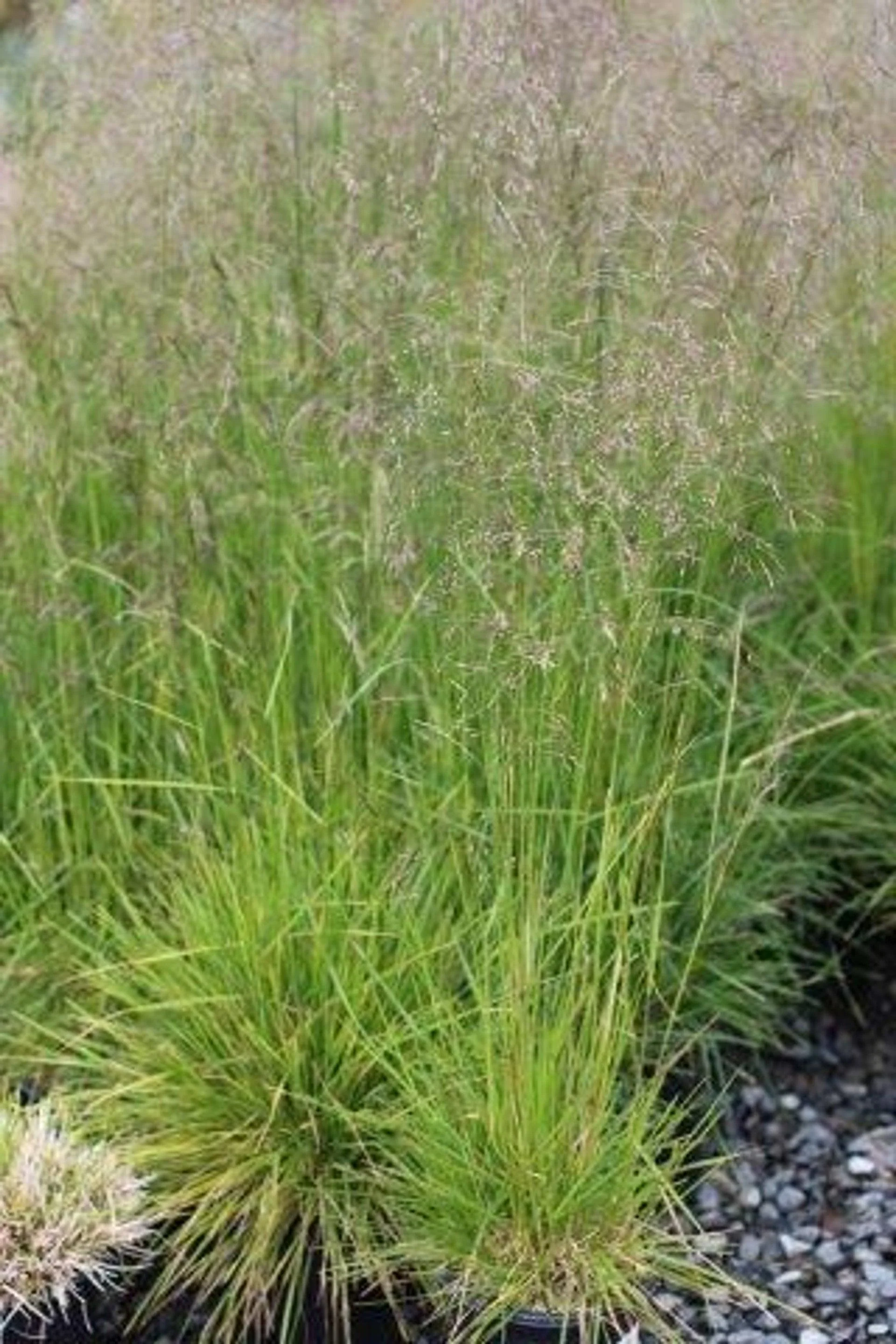
This clump forming, cool-season grass is known for airy masses of finely branched, light green inflorescences that rise above rounded tufts of narrow foliage. In early summer, slender, wiry stalks erupt 2 to 3 feet above the foliage, carrying broad, feathery flower panicles that mature into golden-bronze plumes by late summer and fall.
Use tufted hair grass when you want a lovely, natural-looking plant with dark green foliage, a soft tufted mound, and year-round structure. It thrives in moderate shade, handles sunny locations when moisture is consistent, and brings movement, habitat value, and winter interest to the ground layer of the garden.
Why You’ll Love Tufted Hair Grass
-
Four Seasons of Beauty – Fresh new growth appears in spring, delicate purple flowers and airy blooms arrive in early summer, golden seed heads develop in late summer and fall, and the dried plumes stay attractive through winter.
-
Low Maintenance – Tufted hairgrass does not generally require fertilizer, though it can benefit from a balanced, slow-release fertilizer in early spring. Once established, it needs simple seasonal care and a spring cut before new growth.
-
Wildlife Magnet – Tufted hair grass serves as a critical larval host plant for many native moth and butterfly species, such as the Umber Skipper. It also provides a reliable food source for songbirds during fall and winter and offers safe nesting cover for small mammals.
-
Problem Solver – This grass prefers moist, well-drained soil and is often found in its native habitats of bogs and moist woodlands. It can also tolerate sandy soil, heavy clay, and different moisture levels.
-
Versatile Placement – This ornamental grass thrives in moderate shade and can also grow in sunny locations, making it versatile for various garden settings from woodland edges to containers, path edging, and rain garden masses alongside other ornamental grasses for shade.
Tufted hair grass is particularly suited for meadowscaping because it can be planted in masses to create a naturalistic look while providing habitat and food for birds and butterflies. It is also effective for creating texture in garden spaces, with its compact clumping form and wispy, lacy seed heads that provide visual interest throughout the seasons.
What Makes It Different
Most ornamental grasses are happiest in full sun and dry, sharply drained soil. Tufted Hair Grass is different because few ornamental grasses combine shade tolerance, moisture tolerance, native ecological value, and refined ornamental texture in one plant.
Deschampsia cespitosa stands apart in real gardens:
-
Performs in shade and moisture – It is one of the few native ornamental grasses that performs well in partial shade, contrasting nicely against broad-leaved shade plants such as ferns, hostas, and other perennials.
-
Handles difficult soil – Tufted hair grass is highly adaptable, tolerating heavy clay, sandy soil, and highly acidic conditions. This ornamental grass thrives in moderate shade and can adapt to various soil types, including sandy and clay soils, making it versatile for different garden settings.
-
Supports native habitats – Native across much of the northern hemisphere and introduced into many garden designs around the world, tufted hairgrass offers more ecological value than many non-native landscape grasses.
-
Keeps winter structure – While many grasses collapse after frost, tufted hair grass forms an attractive tufted mound with seed heads that remain displayed into winter.
-
Solves erosion challenges – It is used for stabilizing soil along shorelines, stream banks, and wetlands, mitigating water erosion, similar to how Mondo grass ground covers can help hold soil on slopes and in shaded beds.
It is highly salt-tolerant and generally resistant to deer, rabbits, and most common plant diseases, making it a strong choice for coastal gardens, moist roadsides, bioswales, and low-maintenance plantings where it can pair well with Autumn Moor Grass (Sesleria autumnalis).
How to Grow Tufted Hair Grass
-
Site Selection – Choose the right light and moisture
Plant tufted hair grass in morning sun with afternoon shade, moderate shade, or full sun where the soil stays consistently moist. In hotter climates and inland California gardens, part shade is often best because strong afternoon sun can stress the foliage if watering is inconsistent.
-
Soil Preparation – Give roots moisture without neglecting drainage
This grass prefers moist, well-drained soil but can adapt to sandy and clay soils, boggy edges, and areas that hold seasonal water. For clay soil, add compost to improve structure. For sandy soil, add organic matter to help retain moisture. During the growing season, tufted hair grass requires about 1 inch of water per week.
-
Planting and Care – Space plants correctly and maintain seasonally
Space plants 2-3 feet apart for a full, naturalistic look, or use closer spacing for groupings and masses in meadowscaping. Water regularly during the first year, especially through dry California weeks. Cut back old foliage in early spring before new growth begins.
Seasonal care is simple: let spring foliage fill in, enjoy blooms in early summer, leave golden plumes standing in fall and winter for birds and structure, then cut the plant back in early spring. Plants typically live 3–5 years and can be divided every 3–4 years to maintain vigor, much like other low-maintenance grasses such as Karl Foerster feather reed grass.
Plant Specifications
-
Botanical Name: Deschampsia cespitosa
-
Common Names: Tufted Hair Grass, Tufted Hairgrass, Hair Grass
-
Plant Type: Native, clump forming, cool-season ornamental grass
-
Mature Size: 1-3 feet tall and wide
-
Flowers: Delicate purple flowers can reach heights of up to 3 feet, providing visual interest and structure to garden spaces throughout the growing season
-
Bloom Time: Early to mid-summer, with seed heads maturing into golden-bronze plumes by late summer
-
Hardiness Zone: 4-9
-
Light Requirements: Full sun to partial shade; best in part shade in hotter climates
-
Soil Requirements: Moist, well-draining to boggy; adaptable to sandy soil, clay soil, and acidic soil
-
Watering: About 1 inch of water per week during the growing season; more attention needed in full sun
-
Growth Habit: Compact tufted mound with gradual growth and non-aggressive spread
-
Wildlife Value: Larval food plant for several butterflies and moths, including Umber Skipper; seeds feed birds in fall and winter
-
Landscape Uses: Groundcover, path edging, containers, potted plant displays, rain gardens, bioswales, meadows, moist woodlands, stream banks, and small-space plantings that can be sourced through a local plant nursery and landscaping service
-
Resistance: Generally deer resistant, rabbit resistant, salt-tolerant, and disease resistant
Perfect for These California Gardens
Tufted hair grass is ideal for California gardeners who need a beautiful plant that can handle moisture, shade, and real-world landscape challenges.
Ideal for:
-
Rain garden and bioswale projects where moist ground, seasonal runoff, and erosion control matter
-
Woodland and shade garden enthusiasts looking for fine foliage that contrasts with ferns, broad-leaved perennials, and native understory plants
-
Wildlife and pollinator garden creators who want a native larval food plant for butterflies and habitat for birds and small mammals
-
Homeowners with wet or problematic soil areas where many ornamental grasses fail, or who may pair wetter areas with dry, sunny spots planted with tolerant trees like the California Pepper Tree
-
Landscape designers seeking native, low-maintenance options for masses, groundcover, path edging, containers, and naturalistic meadowscaping that can be combined with evergreen screening plants such as an English Laurel hedge
Because tufted hair grass can grow in full sun, part shade, moderate shade, moist soil, sandy soil, clay soil, and bogs, it fits a wide range of garden designs. It works especially well when repeated in flowing lines, tucked near water features, or grouped with moisture-loving perennials and complementary grasses like Purple Fountain Grass (Pennisetum setaceum 'Rubrum') for a soft, airy effect.
Frequently Asked Questions
How fast does tufted hair grass grow and spread?
Tufted hair grass has a moderate growth rate and forms a compact clump rather than spreading aggressively. It gradually increases in size, usually reaching 1-3 feet tall and wide. Divide plants every 3–4 years to maintain vigor.
Will it work in my clay soil or drainage problem areas?
Yes. Tufted hair grass can tolerate a variety of soil types, including sandy and clay soils, and is known to adapt to different moisture levels. It is especially useful in moist areas, bogs, wetlands, and rain garden settings, as long as the crown is not trapped in stagnant, oxygen-poor water for long periods.
When is the best time to plant in California?
Early spring is an excellent time to plant because roots can establish before summer heat. Fall can also work in many California regions when winter rain helps support growth. Avoid planting in peak heat unless watering is reliable.
How do I incorporate it into my existing landscape design?
Use tufted hair grass as a groundcover, path edging, container accent, or in groupings. It is particularly attractive in masses, where its airy blooms and golden fall seed heads create a soft, meadow-like texture. It also contrasts beautifully with ferns, shade perennials, and broad foliage plants.
What companion plants work best with tufted hair grass?
Good companions include ferns, sedges, rushes, iris, shade wildflowers, and moisture-loving perennials. In sunny, moist gardens, pair it with flowering natives that support butterflies and birds throughout the season.
Can Yardwork help me choose the right spot?
Yes. Yardwork can help evaluate sun, shade, watering needs, soil texture, and planting layout. Soil testing is especially useful before planting tufted hair grass in clay, wet, acidic, or challenging ground.
Ready to Add Tufted Hair Grass to Your Garden?
Stop settling for bare wet spots, flat shade beds, or ornamental grasses that fail outside perfect full sun. Choose Tufted Hair Grass (Deschampsia cespitosa) for fine texture, native habitat value, golden winter interest, and dependable beauty in moist California gardens.
Order your potted plant through Yardwork, check current availability and shipping dates, and ask about consultation services for expert plant selection advice. Yardwork can also help with soil testing so your tufted hair grass is planted in the right light, moisture, and soil conditions from the start.
Original: $55.00
-65%$55.00
$19.25Tufted Hair Grass (Deschampsia cespitosa)
Transform Your Garden with Nature’s Most Elegant Ornamental Grass
Tufted Hair Grass (Deschampsia cespitosa) gives California gardens fine texture, glowing seed heads, and reliable performance in moist areas, part shade, and other spaces where many ornamental grasses struggle.
This clump forming, cool-season grass is known for airy masses of finely branched, light green inflorescences that rise above rounded tufts of narrow foliage. In early summer, slender, wiry stalks erupt 2 to 3 feet above the foliage, carrying broad, feathery flower panicles that mature into golden-bronze plumes by late summer and fall.
Use tufted hair grass when you want a lovely, natural-looking plant with dark green foliage, a soft tufted mound, and year-round structure. It thrives in moderate shade, handles sunny locations when moisture is consistent, and brings movement, habitat value, and winter interest to the ground layer of the garden.
Why You’ll Love Tufted Hair Grass
-
Four Seasons of Beauty – Fresh new growth appears in spring, delicate purple flowers and airy blooms arrive in early summer, golden seed heads develop in late summer and fall, and the dried plumes stay attractive through winter.
-
Low Maintenance – Tufted hairgrass does not generally require fertilizer, though it can benefit from a balanced, slow-release fertilizer in early spring. Once established, it needs simple seasonal care and a spring cut before new growth.
-
Wildlife Magnet – Tufted hair grass serves as a critical larval host plant for many native moth and butterfly species, such as the Umber Skipper. It also provides a reliable food source for songbirds during fall and winter and offers safe nesting cover for small mammals.
-
Problem Solver – This grass prefers moist, well-drained soil and is often found in its native habitats of bogs and moist woodlands. It can also tolerate sandy soil, heavy clay, and different moisture levels.
-
Versatile Placement – This ornamental grass thrives in moderate shade and can also grow in sunny locations, making it versatile for various garden settings from woodland edges to containers, path edging, and rain garden masses alongside other ornamental grasses for shade.
Tufted hair grass is particularly suited for meadowscaping because it can be planted in masses to create a naturalistic look while providing habitat and food for birds and butterflies. It is also effective for creating texture in garden spaces, with its compact clumping form and wispy, lacy seed heads that provide visual interest throughout the seasons.
What Makes It Different
Most ornamental grasses are happiest in full sun and dry, sharply drained soil. Tufted Hair Grass is different because few ornamental grasses combine shade tolerance, moisture tolerance, native ecological value, and refined ornamental texture in one plant.
Deschampsia cespitosa stands apart in real gardens:
-
Performs in shade and moisture – It is one of the few native ornamental grasses that performs well in partial shade, contrasting nicely against broad-leaved shade plants such as ferns, hostas, and other perennials.
-
Handles difficult soil – Tufted hair grass is highly adaptable, tolerating heavy clay, sandy soil, and highly acidic conditions. This ornamental grass thrives in moderate shade and can adapt to various soil types, including sandy and clay soils, making it versatile for different garden settings.
-
Supports native habitats – Native across much of the northern hemisphere and introduced into many garden designs around the world, tufted hairgrass offers more ecological value than many non-native landscape grasses.
-
Keeps winter structure – While many grasses collapse after frost, tufted hair grass forms an attractive tufted mound with seed heads that remain displayed into winter.
-
Solves erosion challenges – It is used for stabilizing soil along shorelines, stream banks, and wetlands, mitigating water erosion, similar to how Mondo grass ground covers can help hold soil on slopes and in shaded beds.
It is highly salt-tolerant and generally resistant to deer, rabbits, and most common plant diseases, making it a strong choice for coastal gardens, moist roadsides, bioswales, and low-maintenance plantings where it can pair well with Autumn Moor Grass (Sesleria autumnalis).
How to Grow Tufted Hair Grass
-
Site Selection – Choose the right light and moisture
Plant tufted hair grass in morning sun with afternoon shade, moderate shade, or full sun where the soil stays consistently moist. In hotter climates and inland California gardens, part shade is often best because strong afternoon sun can stress the foliage if watering is inconsistent.
-
Soil Preparation – Give roots moisture without neglecting drainage
This grass prefers moist, well-drained soil but can adapt to sandy and clay soils, boggy edges, and areas that hold seasonal water. For clay soil, add compost to improve structure. For sandy soil, add organic matter to help retain moisture. During the growing season, tufted hair grass requires about 1 inch of water per week.
-
Planting and Care – Space plants correctly and maintain seasonally
Space plants 2-3 feet apart for a full, naturalistic look, or use closer spacing for groupings and masses in meadowscaping. Water regularly during the first year, especially through dry California weeks. Cut back old foliage in early spring before new growth begins.
Seasonal care is simple: let spring foliage fill in, enjoy blooms in early summer, leave golden plumes standing in fall and winter for birds and structure, then cut the plant back in early spring. Plants typically live 3–5 years and can be divided every 3–4 years to maintain vigor, much like other low-maintenance grasses such as Karl Foerster feather reed grass.
Plant Specifications
-
Botanical Name: Deschampsia cespitosa
-
Common Names: Tufted Hair Grass, Tufted Hairgrass, Hair Grass
-
Plant Type: Native, clump forming, cool-season ornamental grass
-
Mature Size: 1-3 feet tall and wide
-
Flowers: Delicate purple flowers can reach heights of up to 3 feet, providing visual interest and structure to garden spaces throughout the growing season
-
Bloom Time: Early to mid-summer, with seed heads maturing into golden-bronze plumes by late summer
-
Hardiness Zone: 4-9
-
Light Requirements: Full sun to partial shade; best in part shade in hotter climates
-
Soil Requirements: Moist, well-draining to boggy; adaptable to sandy soil, clay soil, and acidic soil
-
Watering: About 1 inch of water per week during the growing season; more attention needed in full sun
-
Growth Habit: Compact tufted mound with gradual growth and non-aggressive spread
-
Wildlife Value: Larval food plant for several butterflies and moths, including Umber Skipper; seeds feed birds in fall and winter
-
Landscape Uses: Groundcover, path edging, containers, potted plant displays, rain gardens, bioswales, meadows, moist woodlands, stream banks, and small-space plantings that can be sourced through a local plant nursery and landscaping service
-
Resistance: Generally deer resistant, rabbit resistant, salt-tolerant, and disease resistant
Perfect for These California Gardens
Tufted hair grass is ideal for California gardeners who need a beautiful plant that can handle moisture, shade, and real-world landscape challenges.
Ideal for:
-
Rain garden and bioswale projects where moist ground, seasonal runoff, and erosion control matter
-
Woodland and shade garden enthusiasts looking for fine foliage that contrasts with ferns, broad-leaved perennials, and native understory plants
-
Wildlife and pollinator garden creators who want a native larval food plant for butterflies and habitat for birds and small mammals
-
Homeowners with wet or problematic soil areas where many ornamental grasses fail, or who may pair wetter areas with dry, sunny spots planted with tolerant trees like the California Pepper Tree
-
Landscape designers seeking native, low-maintenance options for masses, groundcover, path edging, containers, and naturalistic meadowscaping that can be combined with evergreen screening plants such as an English Laurel hedge
Because tufted hair grass can grow in full sun, part shade, moderate shade, moist soil, sandy soil, clay soil, and bogs, it fits a wide range of garden designs. It works especially well when repeated in flowing lines, tucked near water features, or grouped with moisture-loving perennials and complementary grasses like Purple Fountain Grass (Pennisetum setaceum 'Rubrum') for a soft, airy effect.
Frequently Asked Questions
How fast does tufted hair grass grow and spread?
Tufted hair grass has a moderate growth rate and forms a compact clump rather than spreading aggressively. It gradually increases in size, usually reaching 1-3 feet tall and wide. Divide plants every 3–4 years to maintain vigor.
Will it work in my clay soil or drainage problem areas?
Yes. Tufted hair grass can tolerate a variety of soil types, including sandy and clay soils, and is known to adapt to different moisture levels. It is especially useful in moist areas, bogs, wetlands, and rain garden settings, as long as the crown is not trapped in stagnant, oxygen-poor water for long periods.
When is the best time to plant in California?
Early spring is an excellent time to plant because roots can establish before summer heat. Fall can also work in many California regions when winter rain helps support growth. Avoid planting in peak heat unless watering is reliable.
How do I incorporate it into my existing landscape design?
Use tufted hair grass as a groundcover, path edging, container accent, or in groupings. It is particularly attractive in masses, where its airy blooms and golden fall seed heads create a soft, meadow-like texture. It also contrasts beautifully with ferns, shade perennials, and broad foliage plants.
What companion plants work best with tufted hair grass?
Good companions include ferns, sedges, rushes, iris, shade wildflowers, and moisture-loving perennials. In sunny, moist gardens, pair it with flowering natives that support butterflies and birds throughout the season.
Can Yardwork help me choose the right spot?
Yes. Yardwork can help evaluate sun, shade, watering needs, soil texture, and planting layout. Soil testing is especially useful before planting tufted hair grass in clay, wet, acidic, or challenging ground.
Ready to Add Tufted Hair Grass to Your Garden?
Stop settling for bare wet spots, flat shade beds, or ornamental grasses that fail outside perfect full sun. Choose Tufted Hair Grass (Deschampsia cespitosa) for fine texture, native habitat value, golden winter interest, and dependable beauty in moist California gardens.
Order your potted plant through Yardwork, check current availability and shipping dates, and ask about consultation services for expert plant selection advice. Yardwork can also help with soil testing so your tufted hair grass is planted in the right light, moisture, and soil conditions from the start.
Product Information
Product Information
Shipping & Returns
Shipping & Returns
Description
Transform Your Garden with Nature’s Most Elegant Ornamental Grass
Tufted Hair Grass (Deschampsia cespitosa) gives California gardens fine texture, glowing seed heads, and reliable performance in moist areas, part shade, and other spaces where many ornamental grasses struggle.
This clump forming, cool-season grass is known for airy masses of finely branched, light green inflorescences that rise above rounded tufts of narrow foliage. In early summer, slender, wiry stalks erupt 2 to 3 feet above the foliage, carrying broad, feathery flower panicles that mature into golden-bronze plumes by late summer and fall.
Use tufted hair grass when you want a lovely, natural-looking plant with dark green foliage, a soft tufted mound, and year-round structure. It thrives in moderate shade, handles sunny locations when moisture is consistent, and brings movement, habitat value, and winter interest to the ground layer of the garden.
Why You’ll Love Tufted Hair Grass
-
Four Seasons of Beauty – Fresh new growth appears in spring, delicate purple flowers and airy blooms arrive in early summer, golden seed heads develop in late summer and fall, and the dried plumes stay attractive through winter.
-
Low Maintenance – Tufted hairgrass does not generally require fertilizer, though it can benefit from a balanced, slow-release fertilizer in early spring. Once established, it needs simple seasonal care and a spring cut before new growth.
-
Wildlife Magnet – Tufted hair grass serves as a critical larval host plant for many native moth and butterfly species, such as the Umber Skipper. It also provides a reliable food source for songbirds during fall and winter and offers safe nesting cover for small mammals.
-
Problem Solver – This grass prefers moist, well-drained soil and is often found in its native habitats of bogs and moist woodlands. It can also tolerate sandy soil, heavy clay, and different moisture levels.
-
Versatile Placement – This ornamental grass thrives in moderate shade and can also grow in sunny locations, making it versatile for various garden settings from woodland edges to containers, path edging, and rain garden masses alongside other ornamental grasses for shade.
Tufted hair grass is particularly suited for meadowscaping because it can be planted in masses to create a naturalistic look while providing habitat and food for birds and butterflies. It is also effective for creating texture in garden spaces, with its compact clumping form and wispy, lacy seed heads that provide visual interest throughout the seasons.
What Makes It Different
Most ornamental grasses are happiest in full sun and dry, sharply drained soil. Tufted Hair Grass is different because few ornamental grasses combine shade tolerance, moisture tolerance, native ecological value, and refined ornamental texture in one plant.
Deschampsia cespitosa stands apart in real gardens:
-
Performs in shade and moisture – It is one of the few native ornamental grasses that performs well in partial shade, contrasting nicely against broad-leaved shade plants such as ferns, hostas, and other perennials.
-
Handles difficult soil – Tufted hair grass is highly adaptable, tolerating heavy clay, sandy soil, and highly acidic conditions. This ornamental grass thrives in moderate shade and can adapt to various soil types, including sandy and clay soils, making it versatile for different garden settings.
-
Supports native habitats – Native across much of the northern hemisphere and introduced into many garden designs around the world, tufted hairgrass offers more ecological value than many non-native landscape grasses.
-
Keeps winter structure – While many grasses collapse after frost, tufted hair grass forms an attractive tufted mound with seed heads that remain displayed into winter.
-
Solves erosion challenges – It is used for stabilizing soil along shorelines, stream banks, and wetlands, mitigating water erosion, similar to how Mondo grass ground covers can help hold soil on slopes and in shaded beds.
It is highly salt-tolerant and generally resistant to deer, rabbits, and most common plant diseases, making it a strong choice for coastal gardens, moist roadsides, bioswales, and low-maintenance plantings where it can pair well with Autumn Moor Grass (Sesleria autumnalis).
How to Grow Tufted Hair Grass
-
Site Selection – Choose the right light and moisture
Plant tufted hair grass in morning sun with afternoon shade, moderate shade, or full sun where the soil stays consistently moist. In hotter climates and inland California gardens, part shade is often best because strong afternoon sun can stress the foliage if watering is inconsistent.
-
Soil Preparation – Give roots moisture without neglecting drainage
This grass prefers moist, well-drained soil but can adapt to sandy and clay soils, boggy edges, and areas that hold seasonal water. For clay soil, add compost to improve structure. For sandy soil, add organic matter to help retain moisture. During the growing season, tufted hair grass requires about 1 inch of water per week.
-
Planting and Care – Space plants correctly and maintain seasonally
Space plants 2-3 feet apart for a full, naturalistic look, or use closer spacing for groupings and masses in meadowscaping. Water regularly during the first year, especially through dry California weeks. Cut back old foliage in early spring before new growth begins.
Seasonal care is simple: let spring foliage fill in, enjoy blooms in early summer, leave golden plumes standing in fall and winter for birds and structure, then cut the plant back in early spring. Plants typically live 3–5 years and can be divided every 3–4 years to maintain vigor, much like other low-maintenance grasses such as Karl Foerster feather reed grass.
Plant Specifications
-
Botanical Name: Deschampsia cespitosa
-
Common Names: Tufted Hair Grass, Tufted Hairgrass, Hair Grass
-
Plant Type: Native, clump forming, cool-season ornamental grass
-
Mature Size: 1-3 feet tall and wide
-
Flowers: Delicate purple flowers can reach heights of up to 3 feet, providing visual interest and structure to garden spaces throughout the growing season
-
Bloom Time: Early to mid-summer, with seed heads maturing into golden-bronze plumes by late summer
-
Hardiness Zone: 4-9
-
Light Requirements: Full sun to partial shade; best in part shade in hotter climates
-
Soil Requirements: Moist, well-draining to boggy; adaptable to sandy soil, clay soil, and acidic soil
-
Watering: About 1 inch of water per week during the growing season; more attention needed in full sun
-
Growth Habit: Compact tufted mound with gradual growth and non-aggressive spread
-
Wildlife Value: Larval food plant for several butterflies and moths, including Umber Skipper; seeds feed birds in fall and winter
-
Landscape Uses: Groundcover, path edging, containers, potted plant displays, rain gardens, bioswales, meadows, moist woodlands, stream banks, and small-space plantings that can be sourced through a local plant nursery and landscaping service
-
Resistance: Generally deer resistant, rabbit resistant, salt-tolerant, and disease resistant
Perfect for These California Gardens
Tufted hair grass is ideal for California gardeners who need a beautiful plant that can handle moisture, shade, and real-world landscape challenges.
Ideal for:
-
Rain garden and bioswale projects where moist ground, seasonal runoff, and erosion control matter
-
Woodland and shade garden enthusiasts looking for fine foliage that contrasts with ferns, broad-leaved perennials, and native understory plants
-
Wildlife and pollinator garden creators who want a native larval food plant for butterflies and habitat for birds and small mammals
-
Homeowners with wet or problematic soil areas where many ornamental grasses fail, or who may pair wetter areas with dry, sunny spots planted with tolerant trees like the California Pepper Tree
-
Landscape designers seeking native, low-maintenance options for masses, groundcover, path edging, containers, and naturalistic meadowscaping that can be combined with evergreen screening plants such as an English Laurel hedge
Because tufted hair grass can grow in full sun, part shade, moderate shade, moist soil, sandy soil, clay soil, and bogs, it fits a wide range of garden designs. It works especially well when repeated in flowing lines, tucked near water features, or grouped with moisture-loving perennials and complementary grasses like Purple Fountain Grass (Pennisetum setaceum 'Rubrum') for a soft, airy effect.
Frequently Asked Questions
How fast does tufted hair grass grow and spread?
Tufted hair grass has a moderate growth rate and forms a compact clump rather than spreading aggressively. It gradually increases in size, usually reaching 1-3 feet tall and wide. Divide plants every 3–4 years to maintain vigor.
Will it work in my clay soil or drainage problem areas?
Yes. Tufted hair grass can tolerate a variety of soil types, including sandy and clay soils, and is known to adapt to different moisture levels. It is especially useful in moist areas, bogs, wetlands, and rain garden settings, as long as the crown is not trapped in stagnant, oxygen-poor water for long periods.
When is the best time to plant in California?
Early spring is an excellent time to plant because roots can establish before summer heat. Fall can also work in many California regions when winter rain helps support growth. Avoid planting in peak heat unless watering is reliable.
How do I incorporate it into my existing landscape design?
Use tufted hair grass as a groundcover, path edging, container accent, or in groupings. It is particularly attractive in masses, where its airy blooms and golden fall seed heads create a soft, meadow-like texture. It also contrasts beautifully with ferns, shade perennials, and broad foliage plants.
What companion plants work best with tufted hair grass?
Good companions include ferns, sedges, rushes, iris, shade wildflowers, and moisture-loving perennials. In sunny, moist gardens, pair it with flowering natives that support butterflies and birds throughout the season.
Can Yardwork help me choose the right spot?
Yes. Yardwork can help evaluate sun, shade, watering needs, soil texture, and planting layout. Soil testing is especially useful before planting tufted hair grass in clay, wet, acidic, or challenging ground.
Ready to Add Tufted Hair Grass to Your Garden?
Stop settling for bare wet spots, flat shade beds, or ornamental grasses that fail outside perfect full sun. Choose Tufted Hair Grass (Deschampsia cespitosa) for fine texture, native habitat value, golden winter interest, and dependable beauty in moist California gardens.
Order your potted plant through Yardwork, check current availability and shipping dates, and ask about consultation services for expert plant selection advice. Yardwork can also help with soil testing so your tufted hair grass is planted in the right light, moisture, and soil conditions from the start.