Verbena De La Mina (Verbena lilacina ‘De La Mina’)
Year-Round Purple Blooms That Transform Your Garden Into a Butterfly Paradise
Verbena lilacina ‘De La Mina’ gives you long-lasting purple color, pollinator activity, and low-water performance in one tough, beautiful plant. This Cedros Island verbena is ideal for creating a vibrant butterfly garden without relying on thirsty, short-blooming perennials.
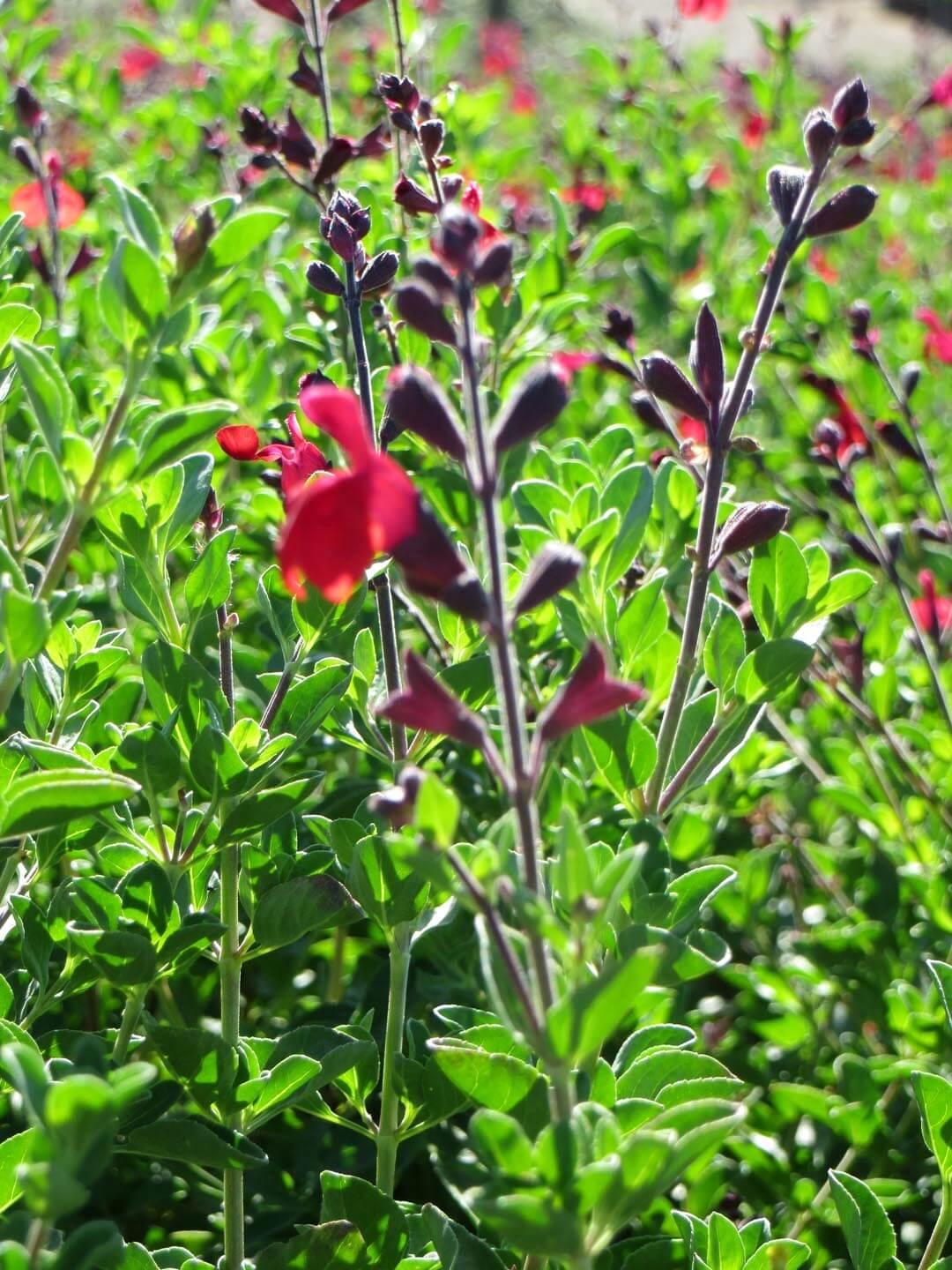
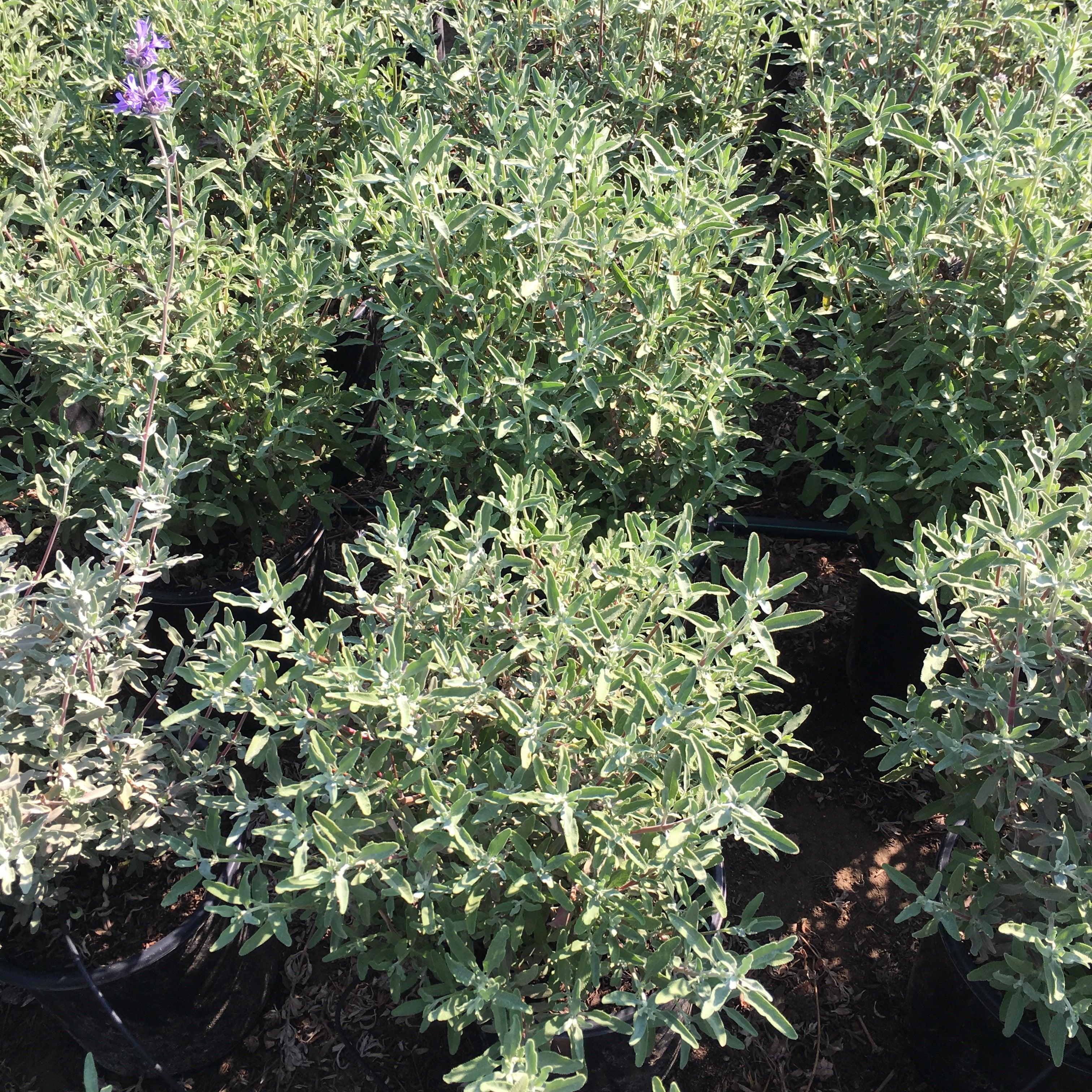
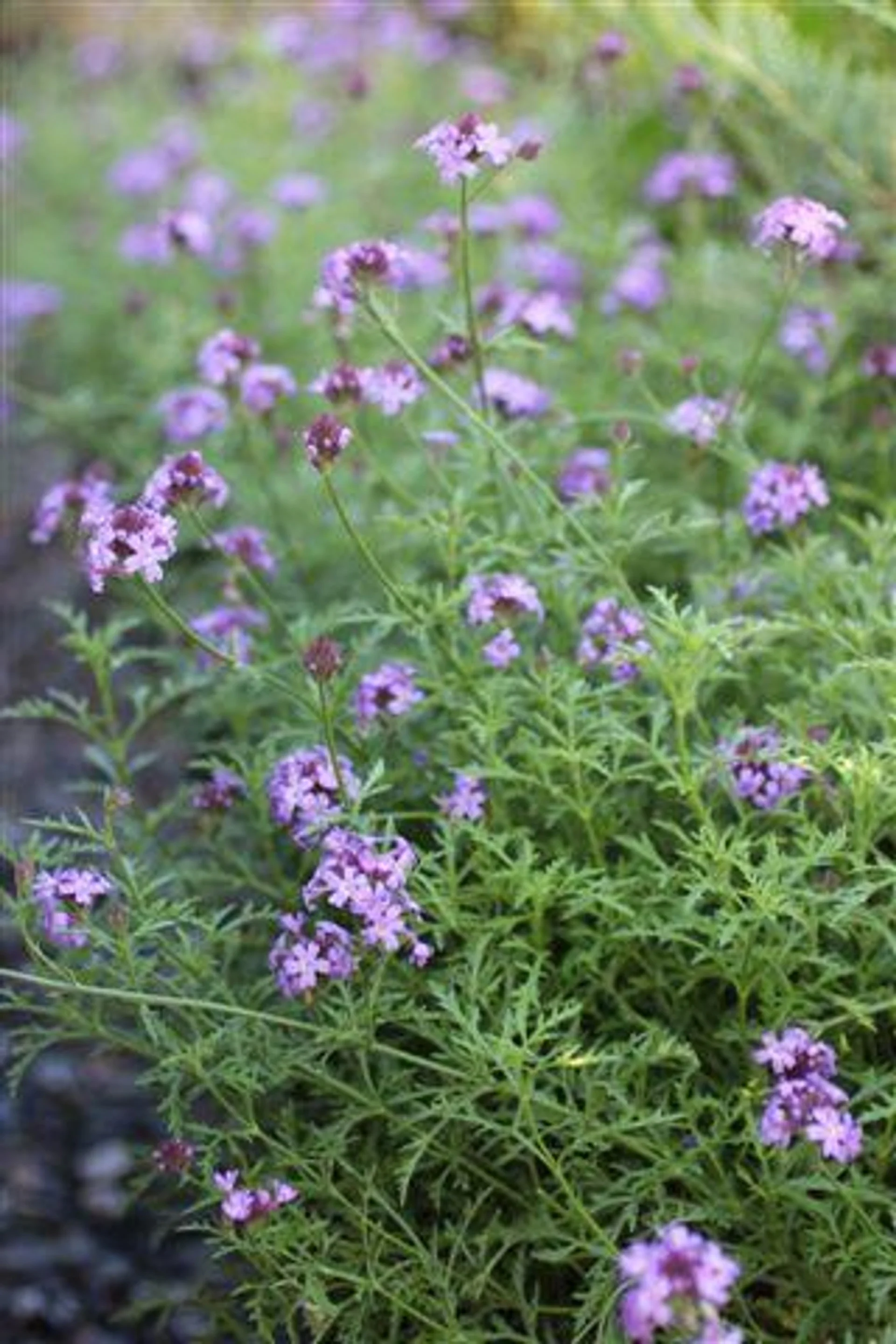
Native to Cedros Island off the west coast of Baja California, this mounding evergreen perennial produces fragrant purple flowers above finely textured green foliage. In mild climates along the California coast, it can bloom nearly year round; inland, it typically flowers from spring through fall, with peak blooms in spring and summer.
Why You’ll Love It
-
Nearly year-round color – Verbena de la Mina can bloom nearly year-round, with a peak blooming period in spring and summer, and it benefits from deadheading spent flowers to encourage more blooms.
-
Butterfly and pollinator appeal – The fragrant blossoms attract butterflies, including Painted Ladies, along with bees and other pollinators that bring wildlife into the garden.
-
Low-water once established – This plant requires watering deeply and regularly during the first growing season, but once established, it can tolerate moderate drought conditions.
-
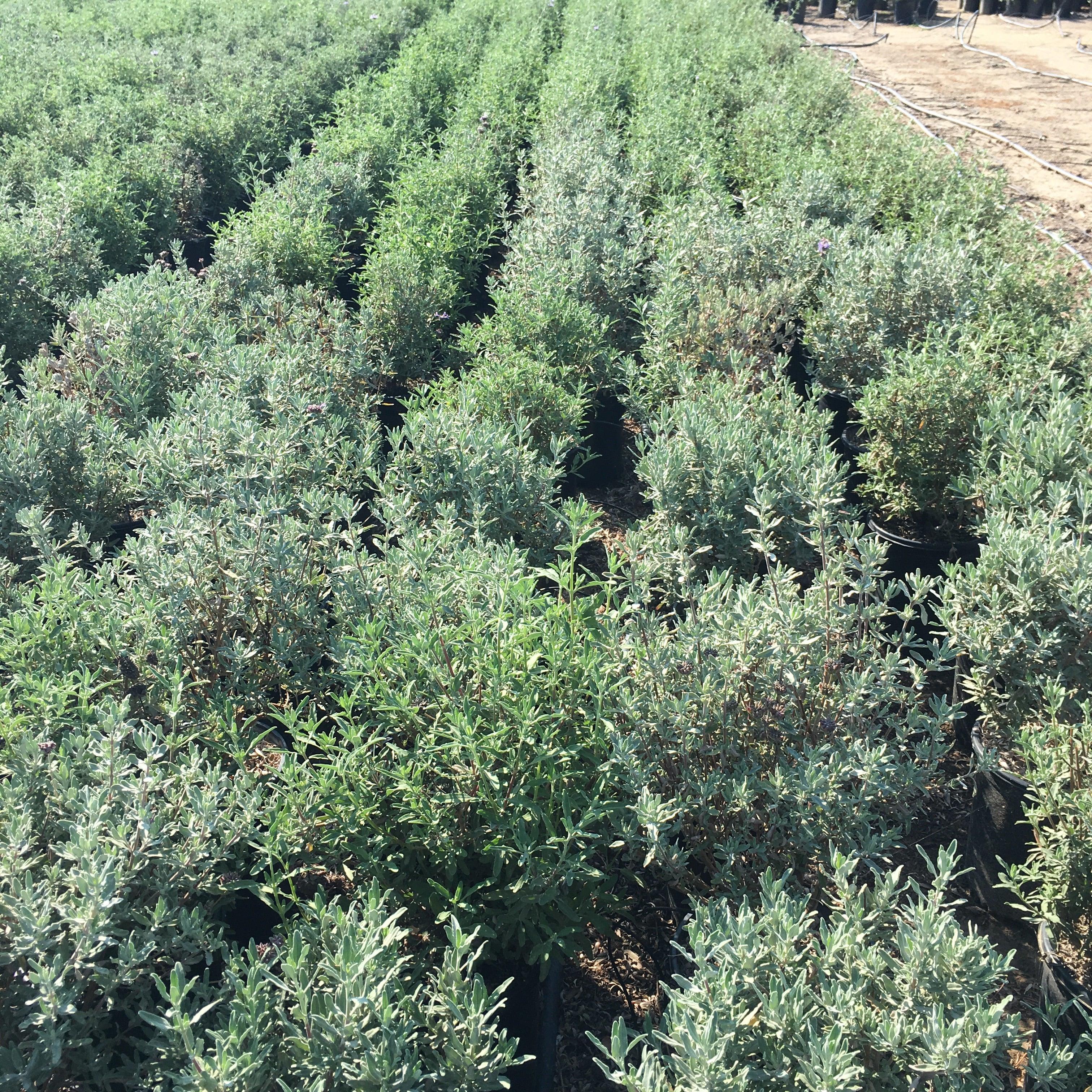
Beautiful mounding shape – De la Mina verbena forms a rounded, mounding evergreen habit with deeply divided foliage, making it useful in borders, mixed borders, dry gardens, meadows, and mixed containers.
-
Well adapted to California gardens – Native to Baja California and selected from Cedros Island, Verbena lilacina de la Mina is naturally suited to many Southern California and west coast conditions.
It is also resistant to deer, making it a suitable choice for deer-populated areas where many flowering plants are browsed heavily.
What Makes It Different
Most flowering perennials ask you to choose between long bloom time and low water use. Many annual verbenas flower heavily but need more frequent irrigation, while many drought tolerant native plants bloom for a shorter season.
Verbena lilacina ‘De La Mina’ is built differently:
-
Extended bloom season – In mild climates, the plant can flower nearly year round, giving your garden more flowers for more months.
-
Drought tolerant native ideal – Once established, it tolerates moderate drought and fits naturally into water-wise California landscapes.
-
Fragrant sensory value – The fragrant purple flowers offer more than color; they add a light scent near patios, walkways, and outdoor seating areas.
-
Coastal and inland adaptability – Its maritime desert scrub heritage from an island off the west coast of Baja helps it handle the California coast, while partial shade supports better inland summer performance.
-
Selected cultivar quality – ‘De La Mina’ was selected by Carol Bornstein of the Santa Barbara Botanic Garden from Canyon de la Mina on Cedros Island. You may also see references to Santa Barbara Botanical Garden, Verbena lilacina, Glandularia lilacina, lilacina de la Mina, or Cedros Island verbena.
Beyond its landscape value, Verbena de la Mina is ethnobotanically related to vervain, Verbena officinalis, and is used in traditional herbal medicine. Traditional uses describe verbena de la Mina as a natural nervine to soothe frayed nerves and ease mental exhaustion, and the plant has historically been prescribed to elevate mood and ease mild depression. It has also been used for respiratory relief, soothing sore throats and coughs; to stimulate the digestive system, improving sluggish digestion and increasing appetite; and to alleviate gastrointestinal cramps, bloating, and abdominal discomfort.
Traditional preparation of verbena de la Mina includes consuming it as a hot water infusion or herbal tea. Brewed as an evening herbal infusion, verbena de la Mina serves as a sleep aid to treat insomnia and promote restful sleep. It can relieve menstrual cramps and symptoms associated with premenstrual syndrome, PMS, and verbena de la Mina has applications in detoxification by clearing liver congestion and supporting gallbladder function. The plant is traditionally made into poultices to treat minor skin irritations and bruises.
These traditional herbal references are provided for background only. Yardwork offers Verbena lilacina ‘De La Mina’ as an ornamental landscape plant, not as medical advice or a recommendation to consume or apply the plant.
How To Grow Verbena de la mina
-
Plant it in the right place
Choose well drained soil and position the plant based on your climate. Full sun works well near the coast, while inland gardens often benefit from morning sun and afternoon shade during summer heat. Verbena de la Mina thrives in a wide range of soils, from sandy to clay, but performs best in well-drained soil. -
Water deeply during establishment
During the first growing season, water deeply and regularly so strong root growth begins. Once established, reduce frequency and shift to a low-to-moderate watering schedule. Verbena de la Mina is drought-tolerant once established, requiring regular watering only during the first growing season to develop a strong root system. -
Maintain shape for more blooms
Remove spent flowers to encourage more blooms, and use light shearing in summer if the plant starts to look open or leggy. Annual pruning after the main growing season helps maintain a compact mound and encourages healthy new growth.
Expect the plant to fill in during the first year, with stronger flowering and fuller form as it becomes established. In mild climates, flowers may appear year round; in hotter inland areas, flowering is strongest in spring and early summer, with more blooms when summer water is managed carefully. Avoid keeping it over watered, especially in clay soils.
Product Details
-
Botanical Name: Verbena lilacina ‘De La Mina’
-
Common Names: Cedros Island verbena, lilac verbena, de la Mina verbena
-
Plant Type: Mounding evergreen to semi-evergreen perennial or subshrub
-
Mature Size: Typically 2–3 feet tall and 3–4 feet wide; in favorable coastal or well-watered settings, spread may reach 5–6 feet
-
Hardiness: Verbena de la Mina is suitable for USDA hardiness zones 7 to 10, indicating it prefers warmer climates and may struggle in colder areas; it is generally cold hardy to about 25°F
-
Sun Requirements: Full sun near the coast; partial shade inland, especially during hot summer afternoons
-
Water Needs: Low to moderate once established; water deeply and regularly during the first growing season, then reduce frequency
-
Soil: Verbena de la Mina thrives in a wide range of soil types, including sandy and clay soils, but it performs best in well-drained conditions
-
Flowers: Fragrant lavender-purple to dark purple flower clusters, with small star-shaped blossoms held above the foliage
-
Bloom Period: Nearly year round in mild coastal climates; spring through fall in many inland California gardens, with peak blooms in spring and summer
-
Wildlife Value: Attracts butterflies, bees, and other pollinators; supports natural gardens and habitat-focused planting
-
Deer Resistance: Resistant to deer and suitable for deer-populated areas
-
Care Notes: Remove spent flowers, avoid soggy soil, prune lightly to maintain shape, and use general purpose fertilizer sparingly only if growth is weak
Who It’s For
Ideal for:
-
California homeowners who want low-maintenance, year-round color
-
Butterfly garden enthusiasts looking for reliable flowers that support pollinators
-
Water-conscious gardeners in drought-prone regions
-
Container gardeners who want fragrant, long-blooming plants for mixed containers
-
Landscapers designing sustainable gardens with California natives and Baja California selections
-
Homeowners dealing with deer pressure who still want purple flowers and wildlife value
If you want a plant that brings color, fragrance, butterflies, and drought tolerant performance to borders, dry gardens, natural gardens, or patio containers, Verbena lilacina de la Mina is an excellent fit.
Frequently Asked Questions
How often should I water verbena de la mina?
Water deeply and regularly during the first growing season. Once established, reduce frequency and water only as needed during dry periods. It tolerates moderate drought once established, but occasional summer irrigation can encourage more flowers.
Will it survive frost in my area?
Verbena de la Mina is best suited to USDA Zones 7 to 10 and is generally cold hardy to about 25°F. In colder areas, frost may damage foliage, but the plant can often recover from the base if roots are protected.
When is the best time to plant?
Plant in spring or fall when temperatures are mild. This gives roots time to establish before intense summer heat or winter cold.
How do I prune it for best blooms?
Remove spent flowers during the blooming season to encourage more blooms. Use light shearing in summer to maintain a rounded shape, and prune more firmly once or twice a year if the plant becomes woody or open.
What butterflies will it attract in my garden?
Verbena lilacina ‘De La Mina’ attracts butterflies, especially Painted Ladies, along with bees and other pollinators. Its long bloom season makes it valuable in a butterfly garden.
Can I grow it in containers?
Yes. De la Mina works well in mixed containers and large pots as long as drainage is excellent. Containers dry faster than in-ground plantings, so monitor moisture regularly while avoiding over watered soil.
Ready to Create Your Butterfly Garden?
Stop settling for short-lived color and high-water flower beds. Choose Verbena lilacina ‘De La Mina’ to add fragrant purple flowers, pollinator activity, and low-maintenance beauty to your California garden.
Yardwork delivers quality plants across California, with plant support, expert consultation, and a plant guarantee to help you choose the right placement for long-term success.
Original: $25.00
-65%$25.00
$8.75Verbena De La Mina (Verbena lilacina ‘De La Mina’)
Year-Round Purple Blooms That Transform Your Garden Into a Butterfly Paradise
Verbena lilacina ‘De La Mina’ gives you long-lasting purple color, pollinator activity, and low-water performance in one tough, beautiful plant. This Cedros Island verbena is ideal for creating a vibrant butterfly garden without relying on thirsty, short-blooming perennials.
Native to Cedros Island off the west coast of Baja California, this mounding evergreen perennial produces fragrant purple flowers above finely textured green foliage. In mild climates along the California coast, it can bloom nearly year round; inland, it typically flowers from spring through fall, with peak blooms in spring and summer.
Why You’ll Love It
-
Nearly year-round color – Verbena de la Mina can bloom nearly year-round, with a peak blooming period in spring and summer, and it benefits from deadheading spent flowers to encourage more blooms.
-
Butterfly and pollinator appeal – The fragrant blossoms attract butterflies, including Painted Ladies, along with bees and other pollinators that bring wildlife into the garden.
-
Low-water once established – This plant requires watering deeply and regularly during the first growing season, but once established, it can tolerate moderate drought conditions.
-
Beautiful mounding shape – De la Mina verbena forms a rounded, mounding evergreen habit with deeply divided foliage, making it useful in borders, mixed borders, dry gardens, meadows, and mixed containers.
-
Well adapted to California gardens – Native to Baja California and selected from Cedros Island, Verbena lilacina de la Mina is naturally suited to many Southern California and west coast conditions.
It is also resistant to deer, making it a suitable choice for deer-populated areas where many flowering plants are browsed heavily.
What Makes It Different
Most flowering perennials ask you to choose between long bloom time and low water use. Many annual verbenas flower heavily but need more frequent irrigation, while many drought tolerant native plants bloom for a shorter season.
Verbena lilacina ‘De La Mina’ is built differently:
-
Extended bloom season – In mild climates, the plant can flower nearly year round, giving your garden more flowers for more months.
-
Drought tolerant native ideal – Once established, it tolerates moderate drought and fits naturally into water-wise California landscapes.
-
Fragrant sensory value – The fragrant purple flowers offer more than color; they add a light scent near patios, walkways, and outdoor seating areas.
-
Coastal and inland adaptability – Its maritime desert scrub heritage from an island off the west coast of Baja helps it handle the California coast, while partial shade supports better inland summer performance.
-
Selected cultivar quality – ‘De La Mina’ was selected by Carol Bornstein of the Santa Barbara Botanic Garden from Canyon de la Mina on Cedros Island. You may also see references to Santa Barbara Botanical Garden, Verbena lilacina, Glandularia lilacina, lilacina de la Mina, or Cedros Island verbena.
Beyond its landscape value, Verbena de la Mina is ethnobotanically related to vervain, Verbena officinalis, and is used in traditional herbal medicine. Traditional uses describe verbena de la Mina as a natural nervine to soothe frayed nerves and ease mental exhaustion, and the plant has historically been prescribed to elevate mood and ease mild depression. It has also been used for respiratory relief, soothing sore throats and coughs; to stimulate the digestive system, improving sluggish digestion and increasing appetite; and to alleviate gastrointestinal cramps, bloating, and abdominal discomfort.
Traditional preparation of verbena de la Mina includes consuming it as a hot water infusion or herbal tea. Brewed as an evening herbal infusion, verbena de la Mina serves as a sleep aid to treat insomnia and promote restful sleep. It can relieve menstrual cramps and symptoms associated with premenstrual syndrome, PMS, and verbena de la Mina has applications in detoxification by clearing liver congestion and supporting gallbladder function. The plant is traditionally made into poultices to treat minor skin irritations and bruises.
These traditional herbal references are provided for background only. Yardwork offers Verbena lilacina ‘De La Mina’ as an ornamental landscape plant, not as medical advice or a recommendation to consume or apply the plant.
How To Grow Verbena de la mina
-
Plant it in the right place
Choose well drained soil and position the plant based on your climate. Full sun works well near the coast, while inland gardens often benefit from morning sun and afternoon shade during summer heat. Verbena de la Mina thrives in a wide range of soils, from sandy to clay, but performs best in well-drained soil. -
Water deeply during establishment
During the first growing season, water deeply and regularly so strong root growth begins. Once established, reduce frequency and shift to a low-to-moderate watering schedule. Verbena de la Mina is drought-tolerant once established, requiring regular watering only during the first growing season to develop a strong root system. -
Maintain shape for more blooms
Remove spent flowers to encourage more blooms, and use light shearing in summer if the plant starts to look open or leggy. Annual pruning after the main growing season helps maintain a compact mound and encourages healthy new growth.
Expect the plant to fill in during the first year, with stronger flowering and fuller form as it becomes established. In mild climates, flowers may appear year round; in hotter inland areas, flowering is strongest in spring and early summer, with more blooms when summer water is managed carefully. Avoid keeping it over watered, especially in clay soils.
Product Details
-
Botanical Name: Verbena lilacina ‘De La Mina’
-
Common Names: Cedros Island verbena, lilac verbena, de la Mina verbena
-
Plant Type: Mounding evergreen to semi-evergreen perennial or subshrub
-
Mature Size: Typically 2–3 feet tall and 3–4 feet wide; in favorable coastal or well-watered settings, spread may reach 5–6 feet
-
Hardiness: Verbena de la Mina is suitable for USDA hardiness zones 7 to 10, indicating it prefers warmer climates and may struggle in colder areas; it is generally cold hardy to about 25°F
-
Sun Requirements: Full sun near the coast; partial shade inland, especially during hot summer afternoons
-
Water Needs: Low to moderate once established; water deeply and regularly during the first growing season, then reduce frequency
-
Soil: Verbena de la Mina thrives in a wide range of soil types, including sandy and clay soils, but it performs best in well-drained conditions
-
Flowers: Fragrant lavender-purple to dark purple flower clusters, with small star-shaped blossoms held above the foliage
-
Bloom Period: Nearly year round in mild coastal climates; spring through fall in many inland California gardens, with peak blooms in spring and summer
-
Wildlife Value: Attracts butterflies, bees, and other pollinators; supports natural gardens and habitat-focused planting
-
Deer Resistance: Resistant to deer and suitable for deer-populated areas
-
Care Notes: Remove spent flowers, avoid soggy soil, prune lightly to maintain shape, and use general purpose fertilizer sparingly only if growth is weak
Who It’s For
Ideal for:
-
California homeowners who want low-maintenance, year-round color
-
Butterfly garden enthusiasts looking for reliable flowers that support pollinators
-
Water-conscious gardeners in drought-prone regions
-
Container gardeners who want fragrant, long-blooming plants for mixed containers
-
Landscapers designing sustainable gardens with California natives and Baja California selections
-
Homeowners dealing with deer pressure who still want purple flowers and wildlife value
If you want a plant that brings color, fragrance, butterflies, and drought tolerant performance to borders, dry gardens, natural gardens, or patio containers, Verbena lilacina de la Mina is an excellent fit.
Frequently Asked Questions
How often should I water verbena de la mina?
Water deeply and regularly during the first growing season. Once established, reduce frequency and water only as needed during dry periods. It tolerates moderate drought once established, but occasional summer irrigation can encourage more flowers.
Will it survive frost in my area?
Verbena de la Mina is best suited to USDA Zones 7 to 10 and is generally cold hardy to about 25°F. In colder areas, frost may damage foliage, but the plant can often recover from the base if roots are protected.
When is the best time to plant?
Plant in spring or fall when temperatures are mild. This gives roots time to establish before intense summer heat or winter cold.
How do I prune it for best blooms?
Remove spent flowers during the blooming season to encourage more blooms. Use light shearing in summer to maintain a rounded shape, and prune more firmly once or twice a year if the plant becomes woody or open.
What butterflies will it attract in my garden?
Verbena lilacina ‘De La Mina’ attracts butterflies, especially Painted Ladies, along with bees and other pollinators. Its long bloom season makes it valuable in a butterfly garden.
Can I grow it in containers?
Yes. De la Mina works well in mixed containers and large pots as long as drainage is excellent. Containers dry faster than in-ground plantings, so monitor moisture regularly while avoiding over watered soil.
Ready to Create Your Butterfly Garden?
Stop settling for short-lived color and high-water flower beds. Choose Verbena lilacina ‘De La Mina’ to add fragrant purple flowers, pollinator activity, and low-maintenance beauty to your California garden.
Yardwork delivers quality plants across California, with plant support, expert consultation, and a plant guarantee to help you choose the right placement for long-term success.
Product Information
Product Information
Shipping & Returns
Shipping & Returns
Description
Year-Round Purple Blooms That Transform Your Garden Into a Butterfly Paradise
Verbena lilacina ‘De La Mina’ gives you long-lasting purple color, pollinator activity, and low-water performance in one tough, beautiful plant. This Cedros Island verbena is ideal for creating a vibrant butterfly garden without relying on thirsty, short-blooming perennials.
Native to Cedros Island off the west coast of Baja California, this mounding evergreen perennial produces fragrant purple flowers above finely textured green foliage. In mild climates along the California coast, it can bloom nearly year round; inland, it typically flowers from spring through fall, with peak blooms in spring and summer.
Why You’ll Love It
-
Nearly year-round color – Verbena de la Mina can bloom nearly year-round, with a peak blooming period in spring and summer, and it benefits from deadheading spent flowers to encourage more blooms.
-
Butterfly and pollinator appeal – The fragrant blossoms attract butterflies, including Painted Ladies, along with bees and other pollinators that bring wildlife into the garden.
-
Low-water once established – This plant requires watering deeply and regularly during the first growing season, but once established, it can tolerate moderate drought conditions.
-
Beautiful mounding shape – De la Mina verbena forms a rounded, mounding evergreen habit with deeply divided foliage, making it useful in borders, mixed borders, dry gardens, meadows, and mixed containers.
-
Well adapted to California gardens – Native to Baja California and selected from Cedros Island, Verbena lilacina de la Mina is naturally suited to many Southern California and west coast conditions.
It is also resistant to deer, making it a suitable choice for deer-populated areas where many flowering plants are browsed heavily.
What Makes It Different
Most flowering perennials ask you to choose between long bloom time and low water use. Many annual verbenas flower heavily but need more frequent irrigation, while many drought tolerant native plants bloom for a shorter season.
Verbena lilacina ‘De La Mina’ is built differently:
-
Extended bloom season – In mild climates, the plant can flower nearly year round, giving your garden more flowers for more months.
-
Drought tolerant native ideal – Once established, it tolerates moderate drought and fits naturally into water-wise California landscapes.
-
Fragrant sensory value – The fragrant purple flowers offer more than color; they add a light scent near patios, walkways, and outdoor seating areas.
-
Coastal and inland adaptability – Its maritime desert scrub heritage from an island off the west coast of Baja helps it handle the California coast, while partial shade supports better inland summer performance.
-
Selected cultivar quality – ‘De La Mina’ was selected by Carol Bornstein of the Santa Barbara Botanic Garden from Canyon de la Mina on Cedros Island. You may also see references to Santa Barbara Botanical Garden, Verbena lilacina, Glandularia lilacina, lilacina de la Mina, or Cedros Island verbena.
Beyond its landscape value, Verbena de la Mina is ethnobotanically related to vervain, Verbena officinalis, and is used in traditional herbal medicine. Traditional uses describe verbena de la Mina as a natural nervine to soothe frayed nerves and ease mental exhaustion, and the plant has historically been prescribed to elevate mood and ease mild depression. It has also been used for respiratory relief, soothing sore throats and coughs; to stimulate the digestive system, improving sluggish digestion and increasing appetite; and to alleviate gastrointestinal cramps, bloating, and abdominal discomfort.
Traditional preparation of verbena de la Mina includes consuming it as a hot water infusion or herbal tea. Brewed as an evening herbal infusion, verbena de la Mina serves as a sleep aid to treat insomnia and promote restful sleep. It can relieve menstrual cramps and symptoms associated with premenstrual syndrome, PMS, and verbena de la Mina has applications in detoxification by clearing liver congestion and supporting gallbladder function. The plant is traditionally made into poultices to treat minor skin irritations and bruises.
These traditional herbal references are provided for background only. Yardwork offers Verbena lilacina ‘De La Mina’ as an ornamental landscape plant, not as medical advice or a recommendation to consume or apply the plant.
How To Grow Verbena de la mina
-
Plant it in the right place
Choose well drained soil and position the plant based on your climate. Full sun works well near the coast, while inland gardens often benefit from morning sun and afternoon shade during summer heat. Verbena de la Mina thrives in a wide range of soils, from sandy to clay, but performs best in well-drained soil. -
Water deeply during establishment
During the first growing season, water deeply and regularly so strong root growth begins. Once established, reduce frequency and shift to a low-to-moderate watering schedule. Verbena de la Mina is drought-tolerant once established, requiring regular watering only during the first growing season to develop a strong root system. -
Maintain shape for more blooms
Remove spent flowers to encourage more blooms, and use light shearing in summer if the plant starts to look open or leggy. Annual pruning after the main growing season helps maintain a compact mound and encourages healthy new growth.
Expect the plant to fill in during the first year, with stronger flowering and fuller form as it becomes established. In mild climates, flowers may appear year round; in hotter inland areas, flowering is strongest in spring and early summer, with more blooms when summer water is managed carefully. Avoid keeping it over watered, especially in clay soils.
Product Details
-
Botanical Name: Verbena lilacina ‘De La Mina’
-
Common Names: Cedros Island verbena, lilac verbena, de la Mina verbena
-
Plant Type: Mounding evergreen to semi-evergreen perennial or subshrub
-
Mature Size: Typically 2–3 feet tall and 3–4 feet wide; in favorable coastal or well-watered settings, spread may reach 5–6 feet
-
Hardiness: Verbena de la Mina is suitable for USDA hardiness zones 7 to 10, indicating it prefers warmer climates and may struggle in colder areas; it is generally cold hardy to about 25°F
-
Sun Requirements: Full sun near the coast; partial shade inland, especially during hot summer afternoons
-
Water Needs: Low to moderate once established; water deeply and regularly during the first growing season, then reduce frequency
-
Soil: Verbena de la Mina thrives in a wide range of soil types, including sandy and clay soils, but it performs best in well-drained conditions
-
Flowers: Fragrant lavender-purple to dark purple flower clusters, with small star-shaped blossoms held above the foliage
-
Bloom Period: Nearly year round in mild coastal climates; spring through fall in many inland California gardens, with peak blooms in spring and summer
-
Wildlife Value: Attracts butterflies, bees, and other pollinators; supports natural gardens and habitat-focused planting
-
Deer Resistance: Resistant to deer and suitable for deer-populated areas
-
Care Notes: Remove spent flowers, avoid soggy soil, prune lightly to maintain shape, and use general purpose fertilizer sparingly only if growth is weak
Who It’s For
Ideal for:
-
California homeowners who want low-maintenance, year-round color
-
Butterfly garden enthusiasts looking for reliable flowers that support pollinators
-
Water-conscious gardeners in drought-prone regions
-
Container gardeners who want fragrant, long-blooming plants for mixed containers
-
Landscapers designing sustainable gardens with California natives and Baja California selections
-
Homeowners dealing with deer pressure who still want purple flowers and wildlife value
If you want a plant that brings color, fragrance, butterflies, and drought tolerant performance to borders, dry gardens, natural gardens, or patio containers, Verbena lilacina de la Mina is an excellent fit.
Frequently Asked Questions
How often should I water verbena de la mina?
Water deeply and regularly during the first growing season. Once established, reduce frequency and water only as needed during dry periods. It tolerates moderate drought once established, but occasional summer irrigation can encourage more flowers.
Will it survive frost in my area?
Verbena de la Mina is best suited to USDA Zones 7 to 10 and is generally cold hardy to about 25°F. In colder areas, frost may damage foliage, but the plant can often recover from the base if roots are protected.
When is the best time to plant?
Plant in spring or fall when temperatures are mild. This gives roots time to establish before intense summer heat or winter cold.
How do I prune it for best blooms?
Remove spent flowers during the blooming season to encourage more blooms. Use light shearing in summer to maintain a rounded shape, and prune more firmly once or twice a year if the plant becomes woody or open.
What butterflies will it attract in my garden?
Verbena lilacina ‘De La Mina’ attracts butterflies, especially Painted Ladies, along with bees and other pollinators. Its long bloom season makes it valuable in a butterfly garden.
Can I grow it in containers?
Yes. De la Mina works well in mixed containers and large pots as long as drainage is excellent. Containers dry faster than in-ground plantings, so monitor moisture regularly while avoiding over watered soil.
Ready to Create Your Butterfly Garden?
Stop settling for short-lived color and high-water flower beds. Choose Verbena lilacina ‘De La Mina’ to add fragrant purple flowers, pollinator activity, and low-maintenance beauty to your California garden.
Yardwork delivers quality plants across California, with plant support, expert consultation, and a plant guarantee to help you choose the right placement for long-term success.