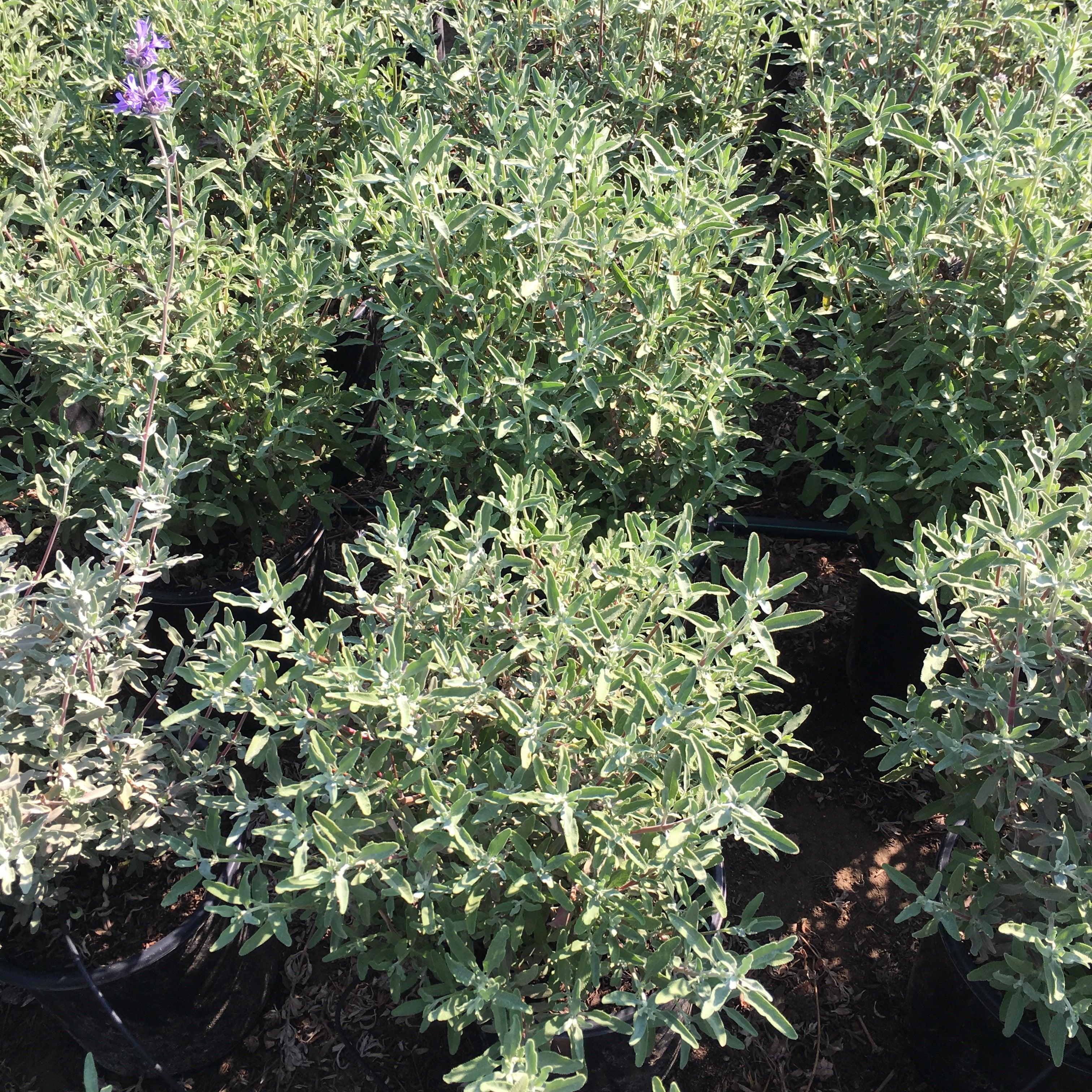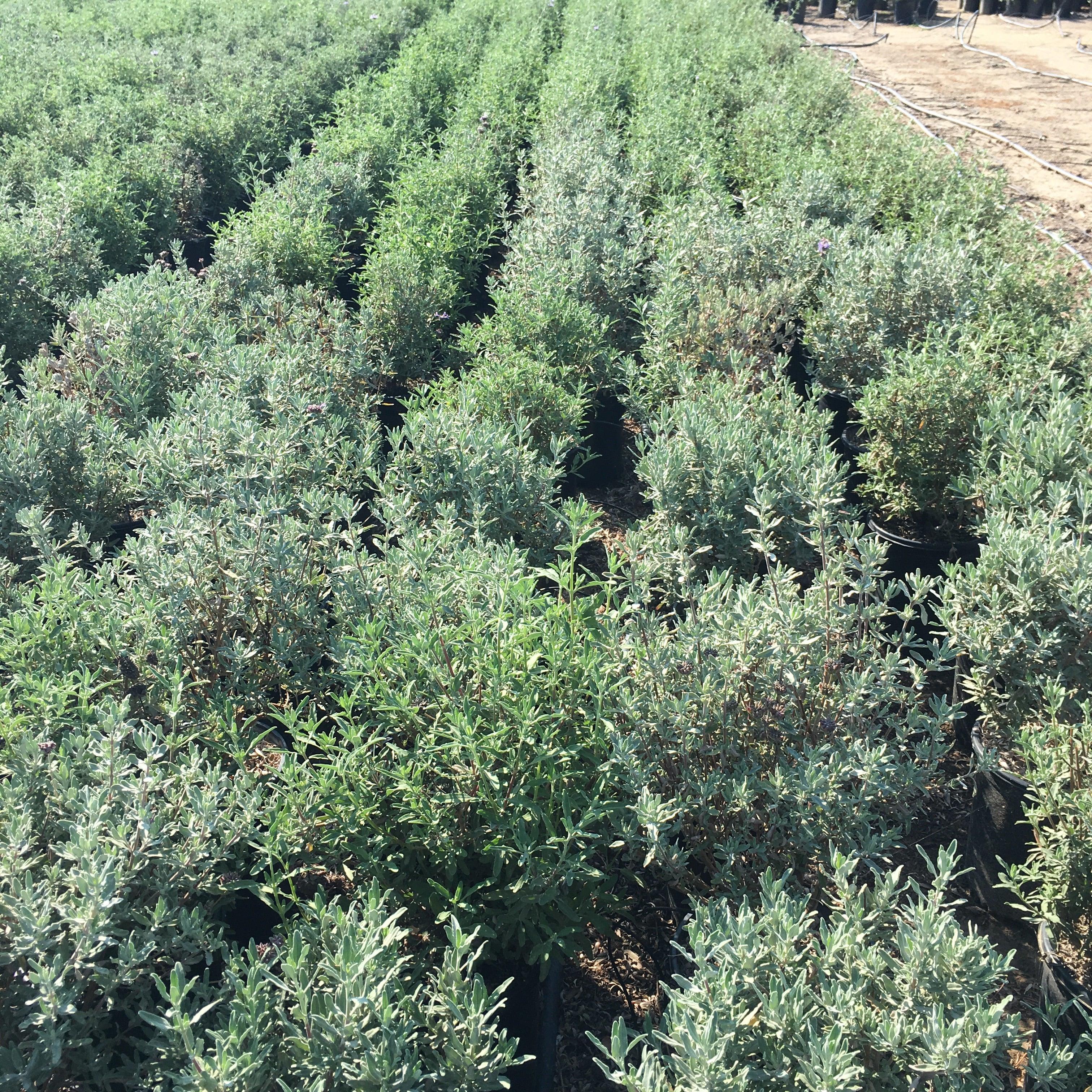
White Sage Plant (Salvia apiana)
Bring Sacred California Native Beauty to Your Garden
Grow authentic California white sage in your own garden so you can enjoy its silvery foliage, fragrant leaves, pollinator value, and personal harvest without relying on wild harvested sage bundles.
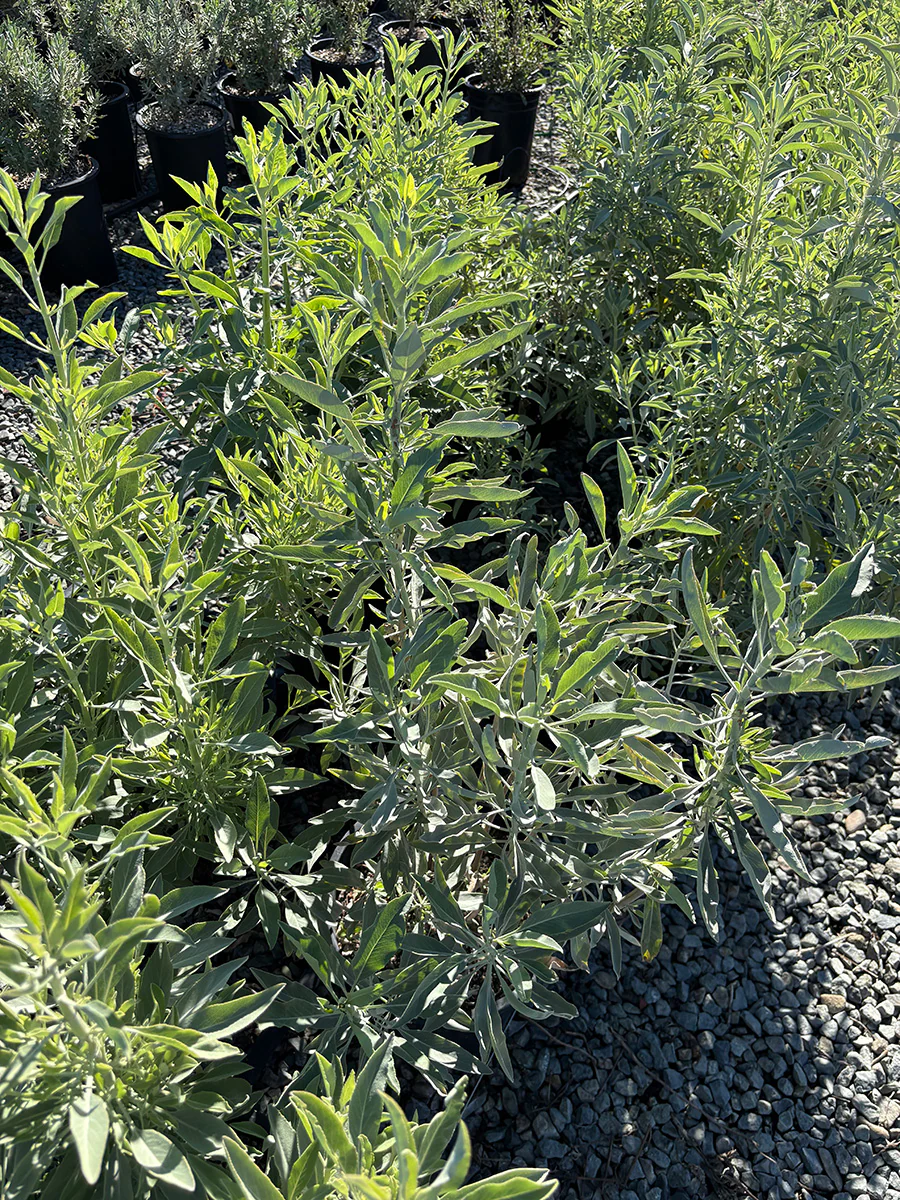
White sage (Salvia apiana) is an evergreen perennial shrub native to the southwestern United States and northwestern Mexico, especially Southern California and Baja California. By planting your own white sage plant, you support sustainable cultivation, connect with California’s natural heritage, and help reduce pressure on wild populations affected by poaching, drought, development, and fire.
Designed for California gardeners who want a beautiful, drought-wise native plant with deep cultural meaning, strong garden performance, and a more respectful alternative to purchasing commercial smudge sticks, and for anyone who wants help designing a meaningful outdoor space with Yardwork’s plant nursery and landscaping services.
Why You’ll Love Growing White Sage
-
Authentic California Heritage – Grow the same sacred plant that Indigenous peoples have tended for thousands of years, viewing white sage as a relative and a gift from Mother Earth that provides medicine, food, and ceremonial significance.
-
Sustainable and Ethical – Harvest responsibly from your own garden instead of supporting over harvesting, illegal poaching, or wild harvesting that threatens population size, distribution, and genetic diversity.
-
Drought-Tolerant Beauty – Once established, Salvia apiana thrives in California’s dry Mediterranean climate with minimal water, deep roots, and full sun, and pairs beautifully with other drought-wise natives like black sage (Salvia mellifera).
-
Wildlife Magnet – Tall white-to-pale lavender flower spikes appear in spring to early summer and attract bees, butterflies, hummingbirds, and other beneficial wildlife.
-
Aromatic Fragrance – The fresh, silvery leaves are prized for high oil content and a strong camphor-like balsamic aroma, making the plant a standout for sensory gardens and mindful use.
White sage is considered sacred by various Native American tribes, including the Chumash and Cahuilla, who have used white sage Salvia apiana for medicinal, culinary, and ceremonial purposes for generations. Indigenous nations have historically embedded the plant in spiritual, medicinal, and ecological traditions, and white sage has been used during major life transitions such as births, marriages, and deaths to cleanse auras and steady emotions.
Traditionally, white sage has also been used in practical ways. The seeds of white sage are harvested, ground, and used as a source of protein, fat, and carbohydrates. White sage has been traditionally used by Native American tribes for various therapeutic purposes, including as a tea to promote healing after childbirth and to facilitate the passage of afterbirth. Infusions made from the leaves of white sage have been historically used to treat sore throats and heavy menstruation, and are considered a stomach tonic.
What Makes Our White Sage Different
Most commercial white sage products focus on bundles, sticks, and fast supply, while the real source is often unclear. Much of the white sage sold for burning sage, smudging, essential oils, and decorative bundles is wild harvested, which is unsustainable and can lead to overharvesting, threatening the plant’s population and genetic diversity.
Yardwork White Sage Plant provides:
-
Ethically Propagated – Our plants are grown through cultivation from seeds and cuttings, never taken from wild stands. To responsibly source white sage, it is recommended to cultivate the plant from seeds and cuttings rather than purchasing wild-harvested products.
-
True California Genetics – Sourced from native Southern California populations to support the character of California white sage rather than mixed or unidentified other salvia species.
-
Garden-Ready Plants – Professionally grown, hardened, and acclimated so your plant can establish in the ground, spread naturally with healthy growth, and become part of a living habitat.
Over-harvesting of wild Californian white sage populations is a significant concern, negatively affecting the wild population and distribution of the plant. It is estimated that almost 50% of white sage populations have been lost to urbanization, with remaining populations threatened by poaching, climate change, drought, and intense wildfire. Over-harvesting of wild Californian white sage populations is also reported on both public and private land, creating ecological and ethical concerns beyond protected areas.
The illegal poaching of white sage has led to significant ecological impacts, with over 20,000 pounds estimated to have been poached from the Etiwanda Preserve in the last five years alone. The demand for white sage has led to rampant poaching, with estimates suggesting that over 20,000 pounds have been poached from the Etiwanda Preserve in the last five years alone.
Ethical sourcing of white sage is emphasized by practitioners and Indigenous groups due to its sacred status. The use of white sage in smudging rituals is deeply rooted in Indigenous cultures, where the smoke is believed to cleanse spaces and carry prayers to the spiritual realm, contrasting with its commercialized use in popular culture. Wild harvesting of white sage for essential oil production is considered unsustainable and poses a threat to the plant’s population size and genetic variation, as it is often harvested without regard for its ethnobotanical significance.
Conservation voices, including organizations such as United Plant Savers, have helped bring attention to plant security, habitat protection, and ethical purchasing. If you have only seen white sage as bundled products from wellness brands or retailers such as Juniper Ridge, this page offers another course: grow the living plant, support cultivation, and protect wild nature.
How to Grow White Sage Successfully
-
Plant in Full Sun
Choose a hot, open location with 6+ hours of direct sunlight. White sage prefers lean, fast-draining soil such as sandy or rocky ground and does not like rich, wet, or compacted conditions. -
Establish with Care
Water regularly during the first year while roots develop, then reduce irrigation to a drought-tolerant schedule. Once established, white sage should not need watering on a weekly basis except in extreme heat, containers, or unusually dry inland conditions. -
Harvest Mindfully
Prune lightly for personal use, take small amounts from healthy stems, and allow the plant to regenerate. Many Indigenous communities advocate for the planting of white sage and other native plants to ensure sustainable use and to maintain the cultural significance of the plant.
For best growth, plant in spring or fall, avoid overwatering, and skip heavy fertilizer. White sage produces its strongest fragrance and best form when grown in full sun with airflow, mineral soil, and restraint. Young plants can be shaped gently, but heavy cutting too early can slow growth and reduce long-term quality.
If you plan to dry leaves for personal use, harvest only from a mature, healthy plant. Treat the plant with respect, avoid stripping branches, and remember that true smudging is more than simply lighting a bundle.
Plant Specifications
-
Mature Size: 3-5 feet tall and wide
-
Native Range: Southern California to Northern Baja California
-
Hardiness: USDA Zones 8-10
-
Bloom Time: Late spring to early summer with white flower spikes
-
Soil Requirements: Well-draining, sandy or rocky soil preferred
-
Water Needs: Low to moderate once established
-
Botanical Name: Salvia apiana
-
Plant Type: Evergreen perennial shrub
-
Family: Mint family; one of many Salvia species
-
Foliage: Silvery, aromatic, resinous, and highly fragrant
-
Garden Use: Native plant garden, habitat planting, dry slope, sensory garden, pollinator border, ceremonial garden that can be complemented with California lilac (Ceanothus) for blue spring color
-
Harvest Use: Fresh or dried leaves for personal, respectful use; not intended to replace medical care
Compared with other salvia species, white sage stands apart for its pale foliage, upright flower spikes, high aromatic oil content, cultural importance, and strong association with California native habitats. If you love salvias, you can also add autumn sage (Salvia greggii) for extended bloom and color. It also differs from plants sometimes called “white sage” in casual language, so accurate naming matters when purchasing.
The essential oil of white sage can be diffused in a room, added to bathwater, or used in massage oils to provide calming effects and support overall wellness. Additionally, white sage is often valued for its cleansing aroma, though any use of essential oils should be approached carefully and with awareness of personal sensitivities, pets, children, and ventilation.
Perfect for California Gardeners Who
Ideal for:
-
Gardeners who want to grow native plants that support local ecosystems, pollinators, and wildlife.
-
Homeowners seeking sustainable alternatives to commercially harvested sage products and mass-produced smudge sticks.
-
Landscapers who need drought-tolerant planting with beauty, structure, fragrance, and functional habitat benefits, including privacy and screening options from evergreen and fast-growing trees.
-
People who value the cultural and spiritual significance of authentic white sage and want to approach the plant with respect.
-
Anyone building a California native garden with plants that are resilient, meaningful, and adapted to local conditions, perhaps combining white sage with structural trees like African sumac and other drought-tolerant trees.
If you want a living source of white sage instead of repeatedly purchasing dried bundles, this plant fits your needs. Growing your own supports long-term supply, reduces dependence on wild harvested material, and gives you a daily connection to the life of the plant rather than only the moment you burn dried leaves. You can pair it with flowering trees that add seasonal color and structure for an even more impactful landscape.
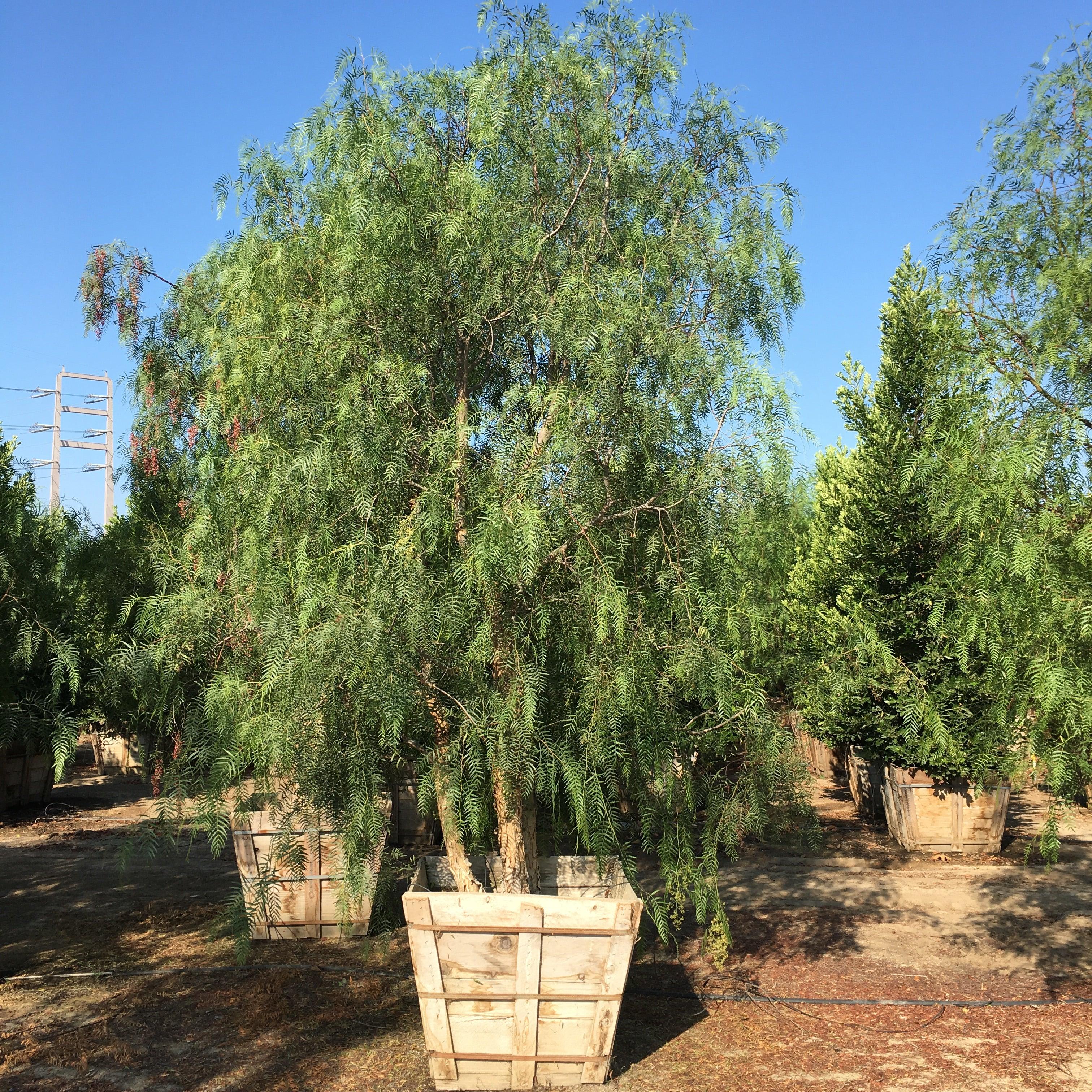
Sustainable, culturally open alternatives to white sage for cleansing include rosemary, lavender, garden sage, or mint, alongside larger drought-tolerant trees like the California pepper tree for shade and character that you can find among California pepper trees and other landscape trees for sale. For example, English lavender (Lavandula angustifolia)offers calming fragrance and pollinator value without relying on sacred plants. These alternatives can be useful when the goal is personal mood, fragrance, or a symbolic blessing rather than participation in a specific Indigenous ceremony.
Frequently Asked Questions
Is it legal to grow white sage at home?
Yes. Growing your own white sage plants is legal in typical home garden settings and is an environmentally responsible alternative to buying wild harvested products. Harvesting wild plants without permission, especially from protected public lands or private land, is not responsible and may be illegal.
How long before I can harvest leaves?
Plants typically mature enough for light harvesting after 2-3 years. Wait until your plant has strong roots, woody structure, and enough leafy growth to recover easily.
Will it survive California’s dry summers?
Yes. Once established, white sage is extremely drought tolerant and thrives in California’s Mediterranean climate. Young plants need careful establishment water, but mature plants prefer dry conditions and excellent drainage.
Can I grow it in containers?
Young plants can be container-grown, especially while getting established, but white sage performs best when transplanted to the ground. Use a large pot, fast-draining soil, full sun, and let the soil dry between watering.
Can I use white sage for tea or infusion?
White sage has a history of tea and infusion use in Native American traditions, including postpartum healing, sore throats, heavy menstruation, and stomach tonic applications. These are historical and cultural uses, not medical instructions; consult a qualified professional before using any plant therapeutically.
Ready to Grow Your Own Sacred Garden?
Stop supporting the harmful wild harvesting industry and choose authentic, ethically grown White Sage Plant (Salvia apiana) for your California garden.
With Yardwork, you can order a garden-ready white sage plant, get California delivery, and receive expert growing advice tailored to your sun, soil, water, and space. We help you plant with confidence, harvest with care, and build a native garden that supports wildlife, culture, and long-term ecological health.
Original: $25.00
-65%$25.00
$8.75White Sage Plant (Salvia apiana)
Bring Sacred California Native Beauty to Your Garden
Grow authentic California white sage in your own garden so you can enjoy its silvery foliage, fragrant leaves, pollinator value, and personal harvest without relying on wild harvested sage bundles.
White sage (Salvia apiana) is an evergreen perennial shrub native to the southwestern United States and northwestern Mexico, especially Southern California and Baja California. By planting your own white sage plant, you support sustainable cultivation, connect with California’s natural heritage, and help reduce pressure on wild populations affected by poaching, drought, development, and fire.
Designed for California gardeners who want a beautiful, drought-wise native plant with deep cultural meaning, strong garden performance, and a more respectful alternative to purchasing commercial smudge sticks, and for anyone who wants help designing a meaningful outdoor space with Yardwork’s plant nursery and landscaping services.
Why You’ll Love Growing White Sage
-
Authentic California Heritage – Grow the same sacred plant that Indigenous peoples have tended for thousands of years, viewing white sage as a relative and a gift from Mother Earth that provides medicine, food, and ceremonial significance.
-
Sustainable and Ethical – Harvest responsibly from your own garden instead of supporting over harvesting, illegal poaching, or wild harvesting that threatens population size, distribution, and genetic diversity.
-
Drought-Tolerant Beauty – Once established, Salvia apiana thrives in California’s dry Mediterranean climate with minimal water, deep roots, and full sun, and pairs beautifully with other drought-wise natives like black sage (Salvia mellifera).
-
Wildlife Magnet – Tall white-to-pale lavender flower spikes appear in spring to early summer and attract bees, butterflies, hummingbirds, and other beneficial wildlife.
-
Aromatic Fragrance – The fresh, silvery leaves are prized for high oil content and a strong camphor-like balsamic aroma, making the plant a standout for sensory gardens and mindful use.
White sage is considered sacred by various Native American tribes, including the Chumash and Cahuilla, who have used white sage Salvia apiana for medicinal, culinary, and ceremonial purposes for generations. Indigenous nations have historically embedded the plant in spiritual, medicinal, and ecological traditions, and white sage has been used during major life transitions such as births, marriages, and deaths to cleanse auras and steady emotions.
Traditionally, white sage has also been used in practical ways. The seeds of white sage are harvested, ground, and used as a source of protein, fat, and carbohydrates. White sage has been traditionally used by Native American tribes for various therapeutic purposes, including as a tea to promote healing after childbirth and to facilitate the passage of afterbirth. Infusions made from the leaves of white sage have been historically used to treat sore throats and heavy menstruation, and are considered a stomach tonic.
What Makes Our White Sage Different
Most commercial white sage products focus on bundles, sticks, and fast supply, while the real source is often unclear. Much of the white sage sold for burning sage, smudging, essential oils, and decorative bundles is wild harvested, which is unsustainable and can lead to overharvesting, threatening the plant’s population and genetic diversity.
Yardwork White Sage Plant provides:
-
Ethically Propagated – Our plants are grown through cultivation from seeds and cuttings, never taken from wild stands. To responsibly source white sage, it is recommended to cultivate the plant from seeds and cuttings rather than purchasing wild-harvested products.
-
True California Genetics – Sourced from native Southern California populations to support the character of California white sage rather than mixed or unidentified other salvia species.
-
Garden-Ready Plants – Professionally grown, hardened, and acclimated so your plant can establish in the ground, spread naturally with healthy growth, and become part of a living habitat.
Over-harvesting of wild Californian white sage populations is a significant concern, negatively affecting the wild population and distribution of the plant. It is estimated that almost 50% of white sage populations have been lost to urbanization, with remaining populations threatened by poaching, climate change, drought, and intense wildfire. Over-harvesting of wild Californian white sage populations is also reported on both public and private land, creating ecological and ethical concerns beyond protected areas.
The illegal poaching of white sage has led to significant ecological impacts, with over 20,000 pounds estimated to have been poached from the Etiwanda Preserve in the last five years alone. The demand for white sage has led to rampant poaching, with estimates suggesting that over 20,000 pounds have been poached from the Etiwanda Preserve in the last five years alone.
Ethical sourcing of white sage is emphasized by practitioners and Indigenous groups due to its sacred status. The use of white sage in smudging rituals is deeply rooted in Indigenous cultures, where the smoke is believed to cleanse spaces and carry prayers to the spiritual realm, contrasting with its commercialized use in popular culture. Wild harvesting of white sage for essential oil production is considered unsustainable and poses a threat to the plant’s population size and genetic variation, as it is often harvested without regard for its ethnobotanical significance.
Conservation voices, including organizations such as United Plant Savers, have helped bring attention to plant security, habitat protection, and ethical purchasing. If you have only seen white sage as bundled products from wellness brands or retailers such as Juniper Ridge, this page offers another course: grow the living plant, support cultivation, and protect wild nature.
How to Grow White Sage Successfully
-
Plant in Full Sun
Choose a hot, open location with 6+ hours of direct sunlight. White sage prefers lean, fast-draining soil such as sandy or rocky ground and does not like rich, wet, or compacted conditions. -
Establish with Care
Water regularly during the first year while roots develop, then reduce irrigation to a drought-tolerant schedule. Once established, white sage should not need watering on a weekly basis except in extreme heat, containers, or unusually dry inland conditions. -
Harvest Mindfully
Prune lightly for personal use, take small amounts from healthy stems, and allow the plant to regenerate. Many Indigenous communities advocate for the planting of white sage and other native plants to ensure sustainable use and to maintain the cultural significance of the plant.
For best growth, plant in spring or fall, avoid overwatering, and skip heavy fertilizer. White sage produces its strongest fragrance and best form when grown in full sun with airflow, mineral soil, and restraint. Young plants can be shaped gently, but heavy cutting too early can slow growth and reduce long-term quality.
If you plan to dry leaves for personal use, harvest only from a mature, healthy plant. Treat the plant with respect, avoid stripping branches, and remember that true smudging is more than simply lighting a bundle.
Plant Specifications
-
Mature Size: 3-5 feet tall and wide
-
Native Range: Southern California to Northern Baja California
-
Hardiness: USDA Zones 8-10
-
Bloom Time: Late spring to early summer with white flower spikes
-
Soil Requirements: Well-draining, sandy or rocky soil preferred
-
Water Needs: Low to moderate once established
-
Botanical Name: Salvia apiana
-
Plant Type: Evergreen perennial shrub
-
Family: Mint family; one of many Salvia species
-
Foliage: Silvery, aromatic, resinous, and highly fragrant
-
Garden Use: Native plant garden, habitat planting, dry slope, sensory garden, pollinator border, ceremonial garden that can be complemented with California lilac (Ceanothus) for blue spring color
-
Harvest Use: Fresh or dried leaves for personal, respectful use; not intended to replace medical care
Compared with other salvia species, white sage stands apart for its pale foliage, upright flower spikes, high aromatic oil content, cultural importance, and strong association with California native habitats. If you love salvias, you can also add autumn sage (Salvia greggii) for extended bloom and color. It also differs from plants sometimes called “white sage” in casual language, so accurate naming matters when purchasing.
The essential oil of white sage can be diffused in a room, added to bathwater, or used in massage oils to provide calming effects and support overall wellness. Additionally, white sage is often valued for its cleansing aroma, though any use of essential oils should be approached carefully and with awareness of personal sensitivities, pets, children, and ventilation.
Perfect for California Gardeners Who
Ideal for:
-
Gardeners who want to grow native plants that support local ecosystems, pollinators, and wildlife.
-
Homeowners seeking sustainable alternatives to commercially harvested sage products and mass-produced smudge sticks.
-
Landscapers who need drought-tolerant planting with beauty, structure, fragrance, and functional habitat benefits, including privacy and screening options from evergreen and fast-growing trees.
-
People who value the cultural and spiritual significance of authentic white sage and want to approach the plant with respect.
-
Anyone building a California native garden with plants that are resilient, meaningful, and adapted to local conditions, perhaps combining white sage with structural trees like African sumac and other drought-tolerant trees.
If you want a living source of white sage instead of repeatedly purchasing dried bundles, this plant fits your needs. Growing your own supports long-term supply, reduces dependence on wild harvested material, and gives you a daily connection to the life of the plant rather than only the moment you burn dried leaves. You can pair it with flowering trees that add seasonal color and structure for an even more impactful landscape.
Sustainable, culturally open alternatives to white sage for cleansing include rosemary, lavender, garden sage, or mint, alongside larger drought-tolerant trees like the California pepper tree for shade and character that you can find among California pepper trees and other landscape trees for sale. For example, English lavender (Lavandula angustifolia)offers calming fragrance and pollinator value without relying on sacred plants. These alternatives can be useful when the goal is personal mood, fragrance, or a symbolic blessing rather than participation in a specific Indigenous ceremony.
Frequently Asked Questions
Is it legal to grow white sage at home?
Yes. Growing your own white sage plants is legal in typical home garden settings and is an environmentally responsible alternative to buying wild harvested products. Harvesting wild plants without permission, especially from protected public lands or private land, is not responsible and may be illegal.
How long before I can harvest leaves?
Plants typically mature enough for light harvesting after 2-3 years. Wait until your plant has strong roots, woody structure, and enough leafy growth to recover easily.
Will it survive California’s dry summers?
Yes. Once established, white sage is extremely drought tolerant and thrives in California’s Mediterranean climate. Young plants need careful establishment water, but mature plants prefer dry conditions and excellent drainage.
Can I grow it in containers?
Young plants can be container-grown, especially while getting established, but white sage performs best when transplanted to the ground. Use a large pot, fast-draining soil, full sun, and let the soil dry between watering.
Can I use white sage for tea or infusion?
White sage has a history of tea and infusion use in Native American traditions, including postpartum healing, sore throats, heavy menstruation, and stomach tonic applications. These are historical and cultural uses, not medical instructions; consult a qualified professional before using any plant therapeutically.
Ready to Grow Your Own Sacred Garden?
Stop supporting the harmful wild harvesting industry and choose authentic, ethically grown White Sage Plant (Salvia apiana) for your California garden.
With Yardwork, you can order a garden-ready white sage plant, get California delivery, and receive expert growing advice tailored to your sun, soil, water, and space. We help you plant with confidence, harvest with care, and build a native garden that supports wildlife, culture, and long-term ecological health.
Product Information
Product Information
Shipping & Returns
Shipping & Returns
Description
Bring Sacred California Native Beauty to Your Garden
Grow authentic California white sage in your own garden so you can enjoy its silvery foliage, fragrant leaves, pollinator value, and personal harvest without relying on wild harvested sage bundles.
White sage (Salvia apiana) is an evergreen perennial shrub native to the southwestern United States and northwestern Mexico, especially Southern California and Baja California. By planting your own white sage plant, you support sustainable cultivation, connect with California’s natural heritage, and help reduce pressure on wild populations affected by poaching, drought, development, and fire.
Designed for California gardeners who want a beautiful, drought-wise native plant with deep cultural meaning, strong garden performance, and a more respectful alternative to purchasing commercial smudge sticks, and for anyone who wants help designing a meaningful outdoor space with Yardwork’s plant nursery and landscaping services.
Why You’ll Love Growing White Sage
-
Authentic California Heritage – Grow the same sacred plant that Indigenous peoples have tended for thousands of years, viewing white sage as a relative and a gift from Mother Earth that provides medicine, food, and ceremonial significance.
-
Sustainable and Ethical – Harvest responsibly from your own garden instead of supporting over harvesting, illegal poaching, or wild harvesting that threatens population size, distribution, and genetic diversity.
-
Drought-Tolerant Beauty – Once established, Salvia apiana thrives in California’s dry Mediterranean climate with minimal water, deep roots, and full sun, and pairs beautifully with other drought-wise natives like black sage (Salvia mellifera).
-
Wildlife Magnet – Tall white-to-pale lavender flower spikes appear in spring to early summer and attract bees, butterflies, hummingbirds, and other beneficial wildlife.
-
Aromatic Fragrance – The fresh, silvery leaves are prized for high oil content and a strong camphor-like balsamic aroma, making the plant a standout for sensory gardens and mindful use.
White sage is considered sacred by various Native American tribes, including the Chumash and Cahuilla, who have used white sage Salvia apiana for medicinal, culinary, and ceremonial purposes for generations. Indigenous nations have historically embedded the plant in spiritual, medicinal, and ecological traditions, and white sage has been used during major life transitions such as births, marriages, and deaths to cleanse auras and steady emotions.
Traditionally, white sage has also been used in practical ways. The seeds of white sage are harvested, ground, and used as a source of protein, fat, and carbohydrates. White sage has been traditionally used by Native American tribes for various therapeutic purposes, including as a tea to promote healing after childbirth and to facilitate the passage of afterbirth. Infusions made from the leaves of white sage have been historically used to treat sore throats and heavy menstruation, and are considered a stomach tonic.
What Makes Our White Sage Different
Most commercial white sage products focus on bundles, sticks, and fast supply, while the real source is often unclear. Much of the white sage sold for burning sage, smudging, essential oils, and decorative bundles is wild harvested, which is unsustainable and can lead to overharvesting, threatening the plant’s population and genetic diversity.
Yardwork White Sage Plant provides:
-
Ethically Propagated – Our plants are grown through cultivation from seeds and cuttings, never taken from wild stands. To responsibly source white sage, it is recommended to cultivate the plant from seeds and cuttings rather than purchasing wild-harvested products.
-
True California Genetics – Sourced from native Southern California populations to support the character of California white sage rather than mixed or unidentified other salvia species.
-
Garden-Ready Plants – Professionally grown, hardened, and acclimated so your plant can establish in the ground, spread naturally with healthy growth, and become part of a living habitat.
Over-harvesting of wild Californian white sage populations is a significant concern, negatively affecting the wild population and distribution of the plant. It is estimated that almost 50% of white sage populations have been lost to urbanization, with remaining populations threatened by poaching, climate change, drought, and intense wildfire. Over-harvesting of wild Californian white sage populations is also reported on both public and private land, creating ecological and ethical concerns beyond protected areas.
The illegal poaching of white sage has led to significant ecological impacts, with over 20,000 pounds estimated to have been poached from the Etiwanda Preserve in the last five years alone. The demand for white sage has led to rampant poaching, with estimates suggesting that over 20,000 pounds have been poached from the Etiwanda Preserve in the last five years alone.
Ethical sourcing of white sage is emphasized by practitioners and Indigenous groups due to its sacred status. The use of white sage in smudging rituals is deeply rooted in Indigenous cultures, where the smoke is believed to cleanse spaces and carry prayers to the spiritual realm, contrasting with its commercialized use in popular culture. Wild harvesting of white sage for essential oil production is considered unsustainable and poses a threat to the plant’s population size and genetic variation, as it is often harvested without regard for its ethnobotanical significance.
Conservation voices, including organizations such as United Plant Savers, have helped bring attention to plant security, habitat protection, and ethical purchasing. If you have only seen white sage as bundled products from wellness brands or retailers such as Juniper Ridge, this page offers another course: grow the living plant, support cultivation, and protect wild nature.
How to Grow White Sage Successfully
-
Plant in Full Sun
Choose a hot, open location with 6+ hours of direct sunlight. White sage prefers lean, fast-draining soil such as sandy or rocky ground and does not like rich, wet, or compacted conditions. -
Establish with Care
Water regularly during the first year while roots develop, then reduce irrigation to a drought-tolerant schedule. Once established, white sage should not need watering on a weekly basis except in extreme heat, containers, or unusually dry inland conditions. -
Harvest Mindfully
Prune lightly for personal use, take small amounts from healthy stems, and allow the plant to regenerate. Many Indigenous communities advocate for the planting of white sage and other native plants to ensure sustainable use and to maintain the cultural significance of the plant.
For best growth, plant in spring or fall, avoid overwatering, and skip heavy fertilizer. White sage produces its strongest fragrance and best form when grown in full sun with airflow, mineral soil, and restraint. Young plants can be shaped gently, but heavy cutting too early can slow growth and reduce long-term quality.
If you plan to dry leaves for personal use, harvest only from a mature, healthy plant. Treat the plant with respect, avoid stripping branches, and remember that true smudging is more than simply lighting a bundle.
Plant Specifications
-
Mature Size: 3-5 feet tall and wide
-
Native Range: Southern California to Northern Baja California
-
Hardiness: USDA Zones 8-10
-
Bloom Time: Late spring to early summer with white flower spikes
-
Soil Requirements: Well-draining, sandy or rocky soil preferred
-
Water Needs: Low to moderate once established
-
Botanical Name: Salvia apiana
-
Plant Type: Evergreen perennial shrub
-
Family: Mint family; one of many Salvia species
-
Foliage: Silvery, aromatic, resinous, and highly fragrant
-
Garden Use: Native plant garden, habitat planting, dry slope, sensory garden, pollinator border, ceremonial garden that can be complemented with California lilac (Ceanothus) for blue spring color
-
Harvest Use: Fresh or dried leaves for personal, respectful use; not intended to replace medical care
Compared with other salvia species, white sage stands apart for its pale foliage, upright flower spikes, high aromatic oil content, cultural importance, and strong association with California native habitats. If you love salvias, you can also add autumn sage (Salvia greggii) for extended bloom and color. It also differs from plants sometimes called “white sage” in casual language, so accurate naming matters when purchasing.
The essential oil of white sage can be diffused in a room, added to bathwater, or used in massage oils to provide calming effects and support overall wellness. Additionally, white sage is often valued for its cleansing aroma, though any use of essential oils should be approached carefully and with awareness of personal sensitivities, pets, children, and ventilation.
Perfect for California Gardeners Who
Ideal for:
-
Gardeners who want to grow native plants that support local ecosystems, pollinators, and wildlife.
-
Homeowners seeking sustainable alternatives to commercially harvested sage products and mass-produced smudge sticks.
-
Landscapers who need drought-tolerant planting with beauty, structure, fragrance, and functional habitat benefits, including privacy and screening options from evergreen and fast-growing trees.
-
People who value the cultural and spiritual significance of authentic white sage and want to approach the plant with respect.
-
Anyone building a California native garden with plants that are resilient, meaningful, and adapted to local conditions, perhaps combining white sage with structural trees like African sumac and other drought-tolerant trees.
If you want a living source of white sage instead of repeatedly purchasing dried bundles, this plant fits your needs. Growing your own supports long-term supply, reduces dependence on wild harvested material, and gives you a daily connection to the life of the plant rather than only the moment you burn dried leaves. You can pair it with flowering trees that add seasonal color and structure for an even more impactful landscape.
Sustainable, culturally open alternatives to white sage for cleansing include rosemary, lavender, garden sage, or mint, alongside larger drought-tolerant trees like the California pepper tree for shade and character that you can find among California pepper trees and other landscape trees for sale. For example, English lavender (Lavandula angustifolia)offers calming fragrance and pollinator value without relying on sacred plants. These alternatives can be useful when the goal is personal mood, fragrance, or a symbolic blessing rather than participation in a specific Indigenous ceremony.
Frequently Asked Questions
Is it legal to grow white sage at home?
Yes. Growing your own white sage plants is legal in typical home garden settings and is an environmentally responsible alternative to buying wild harvested products. Harvesting wild plants without permission, especially from protected public lands or private land, is not responsible and may be illegal.
How long before I can harvest leaves?
Plants typically mature enough for light harvesting after 2-3 years. Wait until your plant has strong roots, woody structure, and enough leafy growth to recover easily.
Will it survive California’s dry summers?
Yes. Once established, white sage is extremely drought tolerant and thrives in California’s Mediterranean climate. Young plants need careful establishment water, but mature plants prefer dry conditions and excellent drainage.
Can I grow it in containers?
Young plants can be container-grown, especially while getting established, but white sage performs best when transplanted to the ground. Use a large pot, fast-draining soil, full sun, and let the soil dry between watering.
Can I use white sage for tea or infusion?
White sage has a history of tea and infusion use in Native American traditions, including postpartum healing, sore throats, heavy menstruation, and stomach tonic applications. These are historical and cultural uses, not medical instructions; consult a qualified professional before using any plant therapeutically.
Ready to Grow Your Own Sacred Garden?
Stop supporting the harmful wild harvesting industry and choose authentic, ethically grown White Sage Plant (Salvia apiana) for your California garden.
With Yardwork, you can order a garden-ready white sage plant, get California delivery, and receive expert growing advice tailored to your sun, soil, water, and space. We help you plant with confidence, harvest with care, and build a native garden that supports wildlife, culture, and long-term ecological health.