Yucca Rostrata (Big Bend Yucca)
The Ultimate Cold-Hardy Desert Sculpture for Your Landscape
Yucca rostrata gives you the bold look of a desert specimen plant with the winter hardiness many agave and succulent plants cannot match. Also called big bend yucca or beaked yucca, this evergreen, tree like plant brings a sculptural crown of blue green leaves, a stout shaggy trunk, and year-round structure to modern, desert, and xeriscaped landscapes.
Native to the Chihuahuan Desert in northern Mexico and the Big Bend region of Texas, Yucca rostrata is adapted to intense sunlight, extreme heat, drought, rocky slopes, and notable winter cold. It can survive arid hillsides at elevations between 2,000 and 3,000 feet, making it a hardy plant for tough garden conditions where ordinary ornamental foliage struggles.
Plant it in full sun, give it well drained soil, and let its slow, architectural growth do the work. Over time, the rosette rises on a textured trunk, the old leaves form a protective skirt, and the silver-blue foliage can even reflect moonlight for striking night-garden appeal.
Why You’ll Love It
-
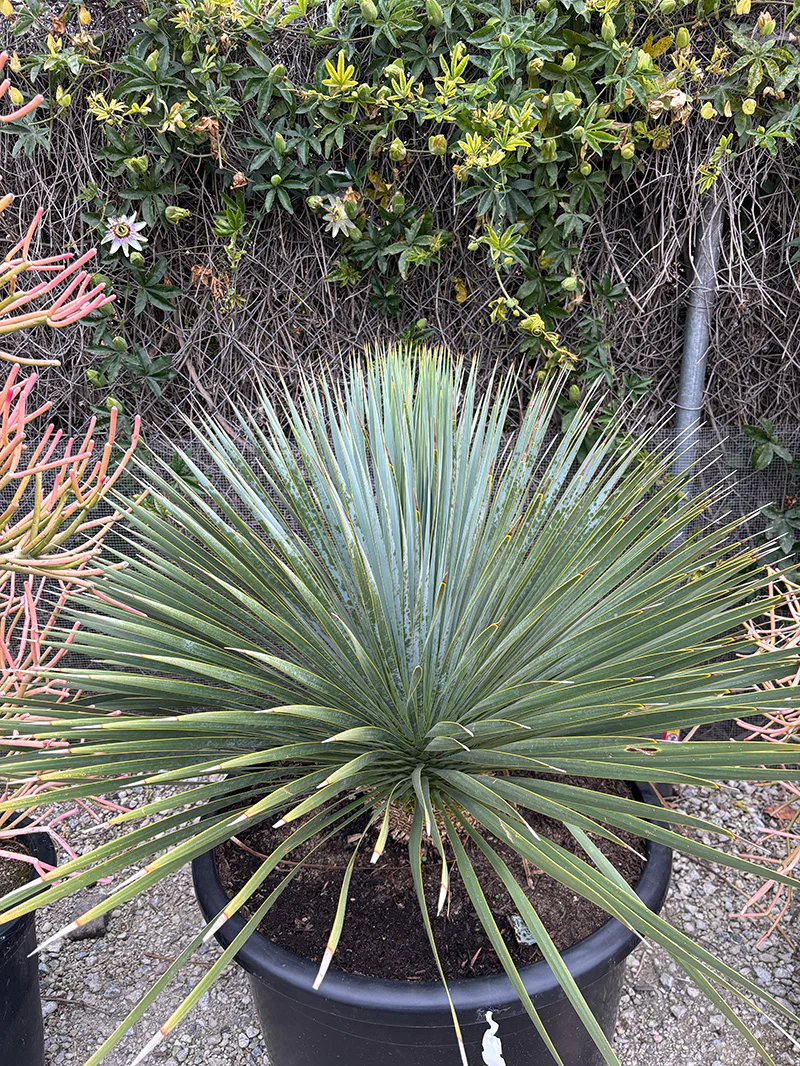
Stunning Blue-Gray Foliage – Narrow, stiff, sword-like leaves create evergreen architectural interest in every season. The blue green leaves are lance-shaped, can grow up to 24 inches (61 cm) long and less than an inch (2.5 cm) wide, and hold their color best in full sun.
-
Extreme Cold Tolerance – Yucca rostrata is hardy in USDA plant hardiness zones 5 through 10 and can tolerate winter temperatures as low as -10°F, making it one of the hardiest trunk forming yuccas for colder climates.
-
Zero-Maintenance Beauty – Once established, this drought-tolerant yucca needs very little water, minimal fertilizer, and only occasional pruning of old leaves if you prefer a cleaner trunk.
-
Spectacular Summer Blooms – Mature plants produce tall, bell-shaped flower clusters with white flowers in late spring or early summer. The large clusters can grow up to 12 inches (30.5 cm) in size and rise above the crown for a dramatic seasonal display.
-
Long-Term Investment – This slow-growing species develops into a valuable landscape specimen over decades, eventually reaching about 11 to 15 feet (3-5 m) tall with a stout, shaggy trunk that can be 5-8 inches in diameter.
It is also deer resistant due to its tough, pointy foliage, which deters browsing wildlife. For gardeners who want a low-water focal point with serious form, Yucca rostrata delivers beauty without constant care.
What Makes It Different
Most desert-looking alternatives struggle when cold temperatures arrive. Many agave plants dislike prolonged winter moisture, some succulents collapse after hard freezes, and many yucca species remain stemless or form only a short stem.
Yucca Rostrata provides:
-
Genuine Trunk Formation – Unlike stemless yuccas, Beaked Yucca slowly develops a distinctive shaggy trunk covered with old leaf bases. The structural “skirt” formed by lower foliage adds texture and helps protect the trunk.
-
True Blue Coloration – Its natural waxy coating gives the foliage a silver-blue to blue green appearance that is especially vivid in strong sunlight. The silver-blue leaves of Beaked Yucca can reflect moonlight, adding atmosphere to night gardens.
-
Multi-Climate Adaptability – This hardy plant is native to the Chihuahuan Desert and west Texas, yet it adapts to many garden settings when planted with good drainage. It suits desert Southwest landscapes, California-style dry gardens, minimalist courtyards, and temperate gardens where winter hardiness matters.
Yucca rostrata belongs to the asparagus family and the yucca genus, not the agave genus. That distinction matters: it offers a similar sculptural desert form while tolerating colder winters than many agaves. Its bold rosette, stiff leaf structure, and long-lived trunk make it a centerpiece rather than just a background plant.
How To Grow Yucca Rostrata
-
Plant in Well-Draining Location
Choose a sunny location with at least 6 hours of direct sunlight daily. Yucca rostrata requires full sun for the strongest form and best blue green color, though these plants can adapt to light shade in some garden settings. Use rocky, sandy, or mineral soil with excellent drainage; well drained soil is essential to prevent root rot, especially during winter months. -
Establish Root System
During the first growing season and the first 1-3 years, water deeply but infrequently. Let the soil dry between watering so the roots grow strong without sitting wet. The plant thrives in well-drained soil and can adapt to various soil types, including rocky and sandy soils, as long as drainage is adequate. -
Enjoy Decades of Growth
Expect slow, steady growth rather than instant height. Young plants begin as a dense rosette, then gradually form a trunk over several years. In time, Yucca rostrata becomes a 12-15 foot architectural masterpiece with a tall trunk, evergreen crown, and dramatic flowering display in late spring or early summer.
During peak summer heat, the tips of Yucca rostrata leaves may die back, which is a normal response to extreme temperatures. Reduce water in the winter months, avoid soggy soil, and give potted plants extra protection from cold, wet conditions. Good cultivation is simple: sun, drainage, restraint with water, and patience.
Plant Details
-
Botanical Name: Yucca rostrata
-
Common Name: Big Bend Yucca, Beaked Yucca
-
Plant Family: Asparagaceae, commonly known as the asparagus family
-
Plant Type: Evergreen, tree like plant, trunk-forming yucca species
-
Native Range: Chihuahuan Desert in northern Mexico and the Big Bend region of Texas; well suited to Desert Southwest, west Texas, Arizona-style, and California dry-garden landscapes
-
Mature Size: Typically 11 to 15 feet (3-5 m) tall; often listed for landscapes at 12-15 feet tall and 6-8 feet wide
-
Trunk: Stout, shaggy trunk that can be 5-8 inches in diameter as it matures
-
Foliage: Blue green to silver-blue leaves; lance-shaped leaves can grow up to 24 inches (61 cm) long and less than an inch (2.5 cm) wide
-
Flowers: Tall, bell-shaped flower clusters with white flowers; clusters can grow up to 12 inches (30.5 cm) in size
-
Bloom Time: Late spring to early summer
-
USDA Hardiness Zone: Hardy in USDA plant hardiness zones 5 through 10
-
Winter Hardiness: Can tolerate winter temperatures as low as -10°F
-
Sunlight: Full sun preferred; minimum of 6 hours of direct sun daily; adaptable to light shade
-
Soil: Well drained soil required; rocky, sandy, alkaline, and mineral soil are ideal
-
Water Needs: Low to very low once established
-
Fertilizer: Little to none; excessive fertilizer can encourage soft growth
-
Growth Rate: Slow, often around 6-12 inches per year under favorable conditions
-
Maintenance: Low; optional pruning of old leaves for a cleaner trunk
-
Wildlife Resistance: Deer resistant due to tough, pointy foliage
-
Potential Issues: Root rot in wet soil; spider mites or scale may appear on stressed plants
-
Propagation: Seed, nursery-grown plants, and in some commercial settings tissue culture
Yucca rostrata can occasionally produce several branches after flowering, but the classic single-trunk form is the most sought-after landscape look. The plant may also produce fruit after flowering when pollination occurs.
Who It’s For
Ideal for:
-
Xeriscaping enthusiasts who want a dramatic focal point with low water needs
-
Cold-climate gardeners seeking a desert plant that can handle real winter cold
-
Busy homeowners who want evergreen structure without constant maintenance
-
Modern architects and landscape designers creating clean, contemporary gardens
-
Collectors of hardy succulents, cacti companions, agave alternatives, and Desert Southwest plants
Beaked Yucca works beautifully in gravel gardens, rock gardens, dry slopes, minimalist courtyards, Mediterranean landscapes, and large architectural planters. Pair it with cacti, ornamental grasses, hardy succulents, stone mulch, and drought-tolerant perennials to create contrast between stiff foliage and softer textures.
It is also a strong choice for night gardens, where the silver-blue leaves can catch and reflect moonlight. Indigenous people historically used various yucca plants for practical materials such as fibers, and today gardeners value Yucca rostrata for a different reason: it brings lasting structure, resilience, and sculptural beauty to the landscape.
Frequently Asked Questions
How long does it take to develop a trunk?
Yucca rostrata grows slowly. Young plants usually begin as a rosette, and a visible trunk may take several years to appear. With full sun, well drained soil, and careful watering during establishment, trunk formation becomes more noticeable over time. Mature plants can eventually reach 11 to 15 feet tall.
Can it survive harsh winters?
Yes. Yucca rostrata is hardy in USDA plant hardiness zones 5 through 10 and can tolerate winter temperatures as low as -10°F. Winter hardiness depends heavily on drainage. Cold temperatures are much easier for the plant to handle when the soil is dry and the crown is not sitting wet.
How often should I water it?
Water deeply but infrequently during establishment, allowing the soil to dry between waterings. Once established, Yucca rostrata is highly drought tolerant and often needs little supplemental water. In winter months, reduce water sharply to help prevent root rot.
Does it need special soil?
It does not need rich soil, but it does need good drainage. Yucca rostrata thrives in well-drained soil and adapts to rocky and sandy soils as long as drainage is adequate. Avoid heavy, wet soil unless it is amended with sand, gravel, pumice, or planted on a raised mound.
When does it bloom?
Mature Yucca rostrata plants bloom in late spring or early summer. The plant produces tall, bell-shaped flower clusters with white flowers, and the large clusters can grow up to 12 inches (30.5 cm) in size. Flowering is more likely once the plant is well established and has begun forming a trunk.
Ready to Transform Your Landscape?
Choose Yucca Rostrata for a rare combination of blue green foliage, cold tolerance, drought resistance, and long-term architectural value.
Available options may include young rosettes for patient gardeners, larger trunked specimens for immediate impact, and selected forms such as ‘Sapphire Skies’ for especially vivid blue coloration. Plant in spring or early summer for the easiest establishment, especially in colder regions.
Original: $395.00
-65%$395.00
$138.25Yucca Rostrata (Big Bend Yucca)
The Ultimate Cold-Hardy Desert Sculpture for Your Landscape
Yucca rostrata gives you the bold look of a desert specimen plant with the winter hardiness many agave and succulent plants cannot match. Also called big bend yucca or beaked yucca, this evergreen, tree like plant brings a sculptural crown of blue green leaves, a stout shaggy trunk, and year-round structure to modern, desert, and xeriscaped landscapes.
Native to the Chihuahuan Desert in northern Mexico and the Big Bend region of Texas, Yucca rostrata is adapted to intense sunlight, extreme heat, drought, rocky slopes, and notable winter cold. It can survive arid hillsides at elevations between 2,000 and 3,000 feet, making it a hardy plant for tough garden conditions where ordinary ornamental foliage struggles.
Plant it in full sun, give it well drained soil, and let its slow, architectural growth do the work. Over time, the rosette rises on a textured trunk, the old leaves form a protective skirt, and the silver-blue foliage can even reflect moonlight for striking night-garden appeal.
Why You’ll Love It
-
Stunning Blue-Gray Foliage – Narrow, stiff, sword-like leaves create evergreen architectural interest in every season. The blue green leaves are lance-shaped, can grow up to 24 inches (61 cm) long and less than an inch (2.5 cm) wide, and hold their color best in full sun.
-
Extreme Cold Tolerance – Yucca rostrata is hardy in USDA plant hardiness zones 5 through 10 and can tolerate winter temperatures as low as -10°F, making it one of the hardiest trunk forming yuccas for colder climates.
-
Zero-Maintenance Beauty – Once established, this drought-tolerant yucca needs very little water, minimal fertilizer, and only occasional pruning of old leaves if you prefer a cleaner trunk.
-
Spectacular Summer Blooms – Mature plants produce tall, bell-shaped flower clusters with white flowers in late spring or early summer. The large clusters can grow up to 12 inches (30.5 cm) in size and rise above the crown for a dramatic seasonal display.
-
Long-Term Investment – This slow-growing species develops into a valuable landscape specimen over decades, eventually reaching about 11 to 15 feet (3-5 m) tall with a stout, shaggy trunk that can be 5-8 inches in diameter.
It is also deer resistant due to its tough, pointy foliage, which deters browsing wildlife. For gardeners who want a low-water focal point with serious form, Yucca rostrata delivers beauty without constant care.
What Makes It Different
Most desert-looking alternatives struggle when cold temperatures arrive. Many agave plants dislike prolonged winter moisture, some succulents collapse after hard freezes, and many yucca species remain stemless or form only a short stem.
Yucca Rostrata provides:
-
Genuine Trunk Formation – Unlike stemless yuccas, Beaked Yucca slowly develops a distinctive shaggy trunk covered with old leaf bases. The structural “skirt” formed by lower foliage adds texture and helps protect the trunk.
-
True Blue Coloration – Its natural waxy coating gives the foliage a silver-blue to blue green appearance that is especially vivid in strong sunlight. The silver-blue leaves of Beaked Yucca can reflect moonlight, adding atmosphere to night gardens.
-
Multi-Climate Adaptability – This hardy plant is native to the Chihuahuan Desert and west Texas, yet it adapts to many garden settings when planted with good drainage. It suits desert Southwest landscapes, California-style dry gardens, minimalist courtyards, and temperate gardens where winter hardiness matters.
Yucca rostrata belongs to the asparagus family and the yucca genus, not the agave genus. That distinction matters: it offers a similar sculptural desert form while tolerating colder winters than many agaves. Its bold rosette, stiff leaf structure, and long-lived trunk make it a centerpiece rather than just a background plant.
How To Grow Yucca Rostrata
-
Plant in Well-Draining Location
Choose a sunny location with at least 6 hours of direct sunlight daily. Yucca rostrata requires full sun for the strongest form and best blue green color, though these plants can adapt to light shade in some garden settings. Use rocky, sandy, or mineral soil with excellent drainage; well drained soil is essential to prevent root rot, especially during winter months. -
Establish Root System
During the first growing season and the first 1-3 years, water deeply but infrequently. Let the soil dry between watering so the roots grow strong without sitting wet. The plant thrives in well-drained soil and can adapt to various soil types, including rocky and sandy soils, as long as drainage is adequate. -
Enjoy Decades of Growth
Expect slow, steady growth rather than instant height. Young plants begin as a dense rosette, then gradually form a trunk over several years. In time, Yucca rostrata becomes a 12-15 foot architectural masterpiece with a tall trunk, evergreen crown, and dramatic flowering display in late spring or early summer.
During peak summer heat, the tips of Yucca rostrata leaves may die back, which is a normal response to extreme temperatures. Reduce water in the winter months, avoid soggy soil, and give potted plants extra protection from cold, wet conditions. Good cultivation is simple: sun, drainage, restraint with water, and patience.
Plant Details
-
Botanical Name: Yucca rostrata
-
Common Name: Big Bend Yucca, Beaked Yucca
-
Plant Family: Asparagaceae, commonly known as the asparagus family
-
Plant Type: Evergreen, tree like plant, trunk-forming yucca species
-
Native Range: Chihuahuan Desert in northern Mexico and the Big Bend region of Texas; well suited to Desert Southwest, west Texas, Arizona-style, and California dry-garden landscapes
-
Mature Size: Typically 11 to 15 feet (3-5 m) tall; often listed for landscapes at 12-15 feet tall and 6-8 feet wide
-
Trunk: Stout, shaggy trunk that can be 5-8 inches in diameter as it matures
-
Foliage: Blue green to silver-blue leaves; lance-shaped leaves can grow up to 24 inches (61 cm) long and less than an inch (2.5 cm) wide
-
Flowers: Tall, bell-shaped flower clusters with white flowers; clusters can grow up to 12 inches (30.5 cm) in size
-
Bloom Time: Late spring to early summer
-
USDA Hardiness Zone: Hardy in USDA plant hardiness zones 5 through 10
-
Winter Hardiness: Can tolerate winter temperatures as low as -10°F
-
Sunlight: Full sun preferred; minimum of 6 hours of direct sun daily; adaptable to light shade
-
Soil: Well drained soil required; rocky, sandy, alkaline, and mineral soil are ideal
-
Water Needs: Low to very low once established
-
Fertilizer: Little to none; excessive fertilizer can encourage soft growth
-
Growth Rate: Slow, often around 6-12 inches per year under favorable conditions
-
Maintenance: Low; optional pruning of old leaves for a cleaner trunk
-
Wildlife Resistance: Deer resistant due to tough, pointy foliage
-
Potential Issues: Root rot in wet soil; spider mites or scale may appear on stressed plants
-
Propagation: Seed, nursery-grown plants, and in some commercial settings tissue culture
Yucca rostrata can occasionally produce several branches after flowering, but the classic single-trunk form is the most sought-after landscape look. The plant may also produce fruit after flowering when pollination occurs.
Who It’s For
Ideal for:
-
Xeriscaping enthusiasts who want a dramatic focal point with low water needs
-
Cold-climate gardeners seeking a desert plant that can handle real winter cold
-
Busy homeowners who want evergreen structure without constant maintenance
-
Modern architects and landscape designers creating clean, contemporary gardens
-
Collectors of hardy succulents, cacti companions, agave alternatives, and Desert Southwest plants
Beaked Yucca works beautifully in gravel gardens, rock gardens, dry slopes, minimalist courtyards, Mediterranean landscapes, and large architectural planters. Pair it with cacti, ornamental grasses, hardy succulents, stone mulch, and drought-tolerant perennials to create contrast between stiff foliage and softer textures.
It is also a strong choice for night gardens, where the silver-blue leaves can catch and reflect moonlight. Indigenous people historically used various yucca plants for practical materials such as fibers, and today gardeners value Yucca rostrata for a different reason: it brings lasting structure, resilience, and sculptural beauty to the landscape.
Frequently Asked Questions
How long does it take to develop a trunk?
Yucca rostrata grows slowly. Young plants usually begin as a rosette, and a visible trunk may take several years to appear. With full sun, well drained soil, and careful watering during establishment, trunk formation becomes more noticeable over time. Mature plants can eventually reach 11 to 15 feet tall.
Can it survive harsh winters?
Yes. Yucca rostrata is hardy in USDA plant hardiness zones 5 through 10 and can tolerate winter temperatures as low as -10°F. Winter hardiness depends heavily on drainage. Cold temperatures are much easier for the plant to handle when the soil is dry and the crown is not sitting wet.
How often should I water it?
Water deeply but infrequently during establishment, allowing the soil to dry between waterings. Once established, Yucca rostrata is highly drought tolerant and often needs little supplemental water. In winter months, reduce water sharply to help prevent root rot.
Does it need special soil?
It does not need rich soil, but it does need good drainage. Yucca rostrata thrives in well-drained soil and adapts to rocky and sandy soils as long as drainage is adequate. Avoid heavy, wet soil unless it is amended with sand, gravel, pumice, or planted on a raised mound.
When does it bloom?
Mature Yucca rostrata plants bloom in late spring or early summer. The plant produces tall, bell-shaped flower clusters with white flowers, and the large clusters can grow up to 12 inches (30.5 cm) in size. Flowering is more likely once the plant is well established and has begun forming a trunk.
Ready to Transform Your Landscape?
Choose Yucca Rostrata for a rare combination of blue green foliage, cold tolerance, drought resistance, and long-term architectural value.
Available options may include young rosettes for patient gardeners, larger trunked specimens for immediate impact, and selected forms such as ‘Sapphire Skies’ for especially vivid blue coloration. Plant in spring or early summer for the easiest establishment, especially in colder regions.
Product Information
Product Information
Shipping & Returns
Shipping & Returns
Description
The Ultimate Cold-Hardy Desert Sculpture for Your Landscape
Yucca rostrata gives you the bold look of a desert specimen plant with the winter hardiness many agave and succulent plants cannot match. Also called big bend yucca or beaked yucca, this evergreen, tree like plant brings a sculptural crown of blue green leaves, a stout shaggy trunk, and year-round structure to modern, desert, and xeriscaped landscapes.
Native to the Chihuahuan Desert in northern Mexico and the Big Bend region of Texas, Yucca rostrata is adapted to intense sunlight, extreme heat, drought, rocky slopes, and notable winter cold. It can survive arid hillsides at elevations between 2,000 and 3,000 feet, making it a hardy plant for tough garden conditions where ordinary ornamental foliage struggles.
Plant it in full sun, give it well drained soil, and let its slow, architectural growth do the work. Over time, the rosette rises on a textured trunk, the old leaves form a protective skirt, and the silver-blue foliage can even reflect moonlight for striking night-garden appeal.
Why You’ll Love It
-
Stunning Blue-Gray Foliage – Narrow, stiff, sword-like leaves create evergreen architectural interest in every season. The blue green leaves are lance-shaped, can grow up to 24 inches (61 cm) long and less than an inch (2.5 cm) wide, and hold their color best in full sun.
-
Extreme Cold Tolerance – Yucca rostrata is hardy in USDA plant hardiness zones 5 through 10 and can tolerate winter temperatures as low as -10°F, making it one of the hardiest trunk forming yuccas for colder climates.
-
Zero-Maintenance Beauty – Once established, this drought-tolerant yucca needs very little water, minimal fertilizer, and only occasional pruning of old leaves if you prefer a cleaner trunk.
-
Spectacular Summer Blooms – Mature plants produce tall, bell-shaped flower clusters with white flowers in late spring or early summer. The large clusters can grow up to 12 inches (30.5 cm) in size and rise above the crown for a dramatic seasonal display.
-
Long-Term Investment – This slow-growing species develops into a valuable landscape specimen over decades, eventually reaching about 11 to 15 feet (3-5 m) tall with a stout, shaggy trunk that can be 5-8 inches in diameter.
It is also deer resistant due to its tough, pointy foliage, which deters browsing wildlife. For gardeners who want a low-water focal point with serious form, Yucca rostrata delivers beauty without constant care.
What Makes It Different
Most desert-looking alternatives struggle when cold temperatures arrive. Many agave plants dislike prolonged winter moisture, some succulents collapse after hard freezes, and many yucca species remain stemless or form only a short stem.
Yucca Rostrata provides:
-
Genuine Trunk Formation – Unlike stemless yuccas, Beaked Yucca slowly develops a distinctive shaggy trunk covered with old leaf bases. The structural “skirt” formed by lower foliage adds texture and helps protect the trunk.
-
True Blue Coloration – Its natural waxy coating gives the foliage a silver-blue to blue green appearance that is especially vivid in strong sunlight. The silver-blue leaves of Beaked Yucca can reflect moonlight, adding atmosphere to night gardens.
-
Multi-Climate Adaptability – This hardy plant is native to the Chihuahuan Desert and west Texas, yet it adapts to many garden settings when planted with good drainage. It suits desert Southwest landscapes, California-style dry gardens, minimalist courtyards, and temperate gardens where winter hardiness matters.
Yucca rostrata belongs to the asparagus family and the yucca genus, not the agave genus. That distinction matters: it offers a similar sculptural desert form while tolerating colder winters than many agaves. Its bold rosette, stiff leaf structure, and long-lived trunk make it a centerpiece rather than just a background plant.
How To Grow Yucca Rostrata
-
Plant in Well-Draining Location
Choose a sunny location with at least 6 hours of direct sunlight daily. Yucca rostrata requires full sun for the strongest form and best blue green color, though these plants can adapt to light shade in some garden settings. Use rocky, sandy, or mineral soil with excellent drainage; well drained soil is essential to prevent root rot, especially during winter months. -
Establish Root System
During the first growing season and the first 1-3 years, water deeply but infrequently. Let the soil dry between watering so the roots grow strong without sitting wet. The plant thrives in well-drained soil and can adapt to various soil types, including rocky and sandy soils, as long as drainage is adequate. -
Enjoy Decades of Growth
Expect slow, steady growth rather than instant height. Young plants begin as a dense rosette, then gradually form a trunk over several years. In time, Yucca rostrata becomes a 12-15 foot architectural masterpiece with a tall trunk, evergreen crown, and dramatic flowering display in late spring or early summer.
During peak summer heat, the tips of Yucca rostrata leaves may die back, which is a normal response to extreme temperatures. Reduce water in the winter months, avoid soggy soil, and give potted plants extra protection from cold, wet conditions. Good cultivation is simple: sun, drainage, restraint with water, and patience.
Plant Details
-
Botanical Name: Yucca rostrata
-
Common Name: Big Bend Yucca, Beaked Yucca
-
Plant Family: Asparagaceae, commonly known as the asparagus family
-
Plant Type: Evergreen, tree like plant, trunk-forming yucca species
-
Native Range: Chihuahuan Desert in northern Mexico and the Big Bend region of Texas; well suited to Desert Southwest, west Texas, Arizona-style, and California dry-garden landscapes
-
Mature Size: Typically 11 to 15 feet (3-5 m) tall; often listed for landscapes at 12-15 feet tall and 6-8 feet wide
-
Trunk: Stout, shaggy trunk that can be 5-8 inches in diameter as it matures
-
Foliage: Blue green to silver-blue leaves; lance-shaped leaves can grow up to 24 inches (61 cm) long and less than an inch (2.5 cm) wide
-
Flowers: Tall, bell-shaped flower clusters with white flowers; clusters can grow up to 12 inches (30.5 cm) in size
-
Bloom Time: Late spring to early summer
-
USDA Hardiness Zone: Hardy in USDA plant hardiness zones 5 through 10
-
Winter Hardiness: Can tolerate winter temperatures as low as -10°F
-
Sunlight: Full sun preferred; minimum of 6 hours of direct sun daily; adaptable to light shade
-
Soil: Well drained soil required; rocky, sandy, alkaline, and mineral soil are ideal
-
Water Needs: Low to very low once established
-
Fertilizer: Little to none; excessive fertilizer can encourage soft growth
-
Growth Rate: Slow, often around 6-12 inches per year under favorable conditions
-
Maintenance: Low; optional pruning of old leaves for a cleaner trunk
-
Wildlife Resistance: Deer resistant due to tough, pointy foliage
-
Potential Issues: Root rot in wet soil; spider mites or scale may appear on stressed plants
-
Propagation: Seed, nursery-grown plants, and in some commercial settings tissue culture
Yucca rostrata can occasionally produce several branches after flowering, but the classic single-trunk form is the most sought-after landscape look. The plant may also produce fruit after flowering when pollination occurs.
Who It’s For
Ideal for:
-
Xeriscaping enthusiasts who want a dramatic focal point with low water needs
-
Cold-climate gardeners seeking a desert plant that can handle real winter cold
-
Busy homeowners who want evergreen structure without constant maintenance
-
Modern architects and landscape designers creating clean, contemporary gardens
-
Collectors of hardy succulents, cacti companions, agave alternatives, and Desert Southwest plants
Beaked Yucca works beautifully in gravel gardens, rock gardens, dry slopes, minimalist courtyards, Mediterranean landscapes, and large architectural planters. Pair it with cacti, ornamental grasses, hardy succulents, stone mulch, and drought-tolerant perennials to create contrast between stiff foliage and softer textures.
It is also a strong choice for night gardens, where the silver-blue leaves can catch and reflect moonlight. Indigenous people historically used various yucca plants for practical materials such as fibers, and today gardeners value Yucca rostrata for a different reason: it brings lasting structure, resilience, and sculptural beauty to the landscape.
Frequently Asked Questions
How long does it take to develop a trunk?
Yucca rostrata grows slowly. Young plants usually begin as a rosette, and a visible trunk may take several years to appear. With full sun, well drained soil, and careful watering during establishment, trunk formation becomes more noticeable over time. Mature plants can eventually reach 11 to 15 feet tall.
Can it survive harsh winters?
Yes. Yucca rostrata is hardy in USDA plant hardiness zones 5 through 10 and can tolerate winter temperatures as low as -10°F. Winter hardiness depends heavily on drainage. Cold temperatures are much easier for the plant to handle when the soil is dry and the crown is not sitting wet.
How often should I water it?
Water deeply but infrequently during establishment, allowing the soil to dry between waterings. Once established, Yucca rostrata is highly drought tolerant and often needs little supplemental water. In winter months, reduce water sharply to help prevent root rot.
Does it need special soil?
It does not need rich soil, but it does need good drainage. Yucca rostrata thrives in well-drained soil and adapts to rocky and sandy soils as long as drainage is adequate. Avoid heavy, wet soil unless it is amended with sand, gravel, pumice, or planted on a raised mound.
When does it bloom?
Mature Yucca rostrata plants bloom in late spring or early summer. The plant produces tall, bell-shaped flower clusters with white flowers, and the large clusters can grow up to 12 inches (30.5 cm) in size. Flowering is more likely once the plant is well established and has begun forming a trunk.
Ready to Transform Your Landscape?
Choose Yucca Rostrata for a rare combination of blue green foliage, cold tolerance, drought resistance, and long-term architectural value.
Available options may include young rosettes for patient gardeners, larger trunked specimens for immediate impact, and selected forms such as ‘Sapphire Skies’ for especially vivid blue coloration. Plant in spring or early summer for the easiest establishment, especially in colder regions.