Mexican Fence Post Cactus - Pachycereus Marginatus
Transform Your Landscape with a Living Architectural Statement
The Mexican Fence Post Cactus is an excellent choice when you want a tall, sculptural, drought tolerant plant that creates dramatic structure without demanding constant care.
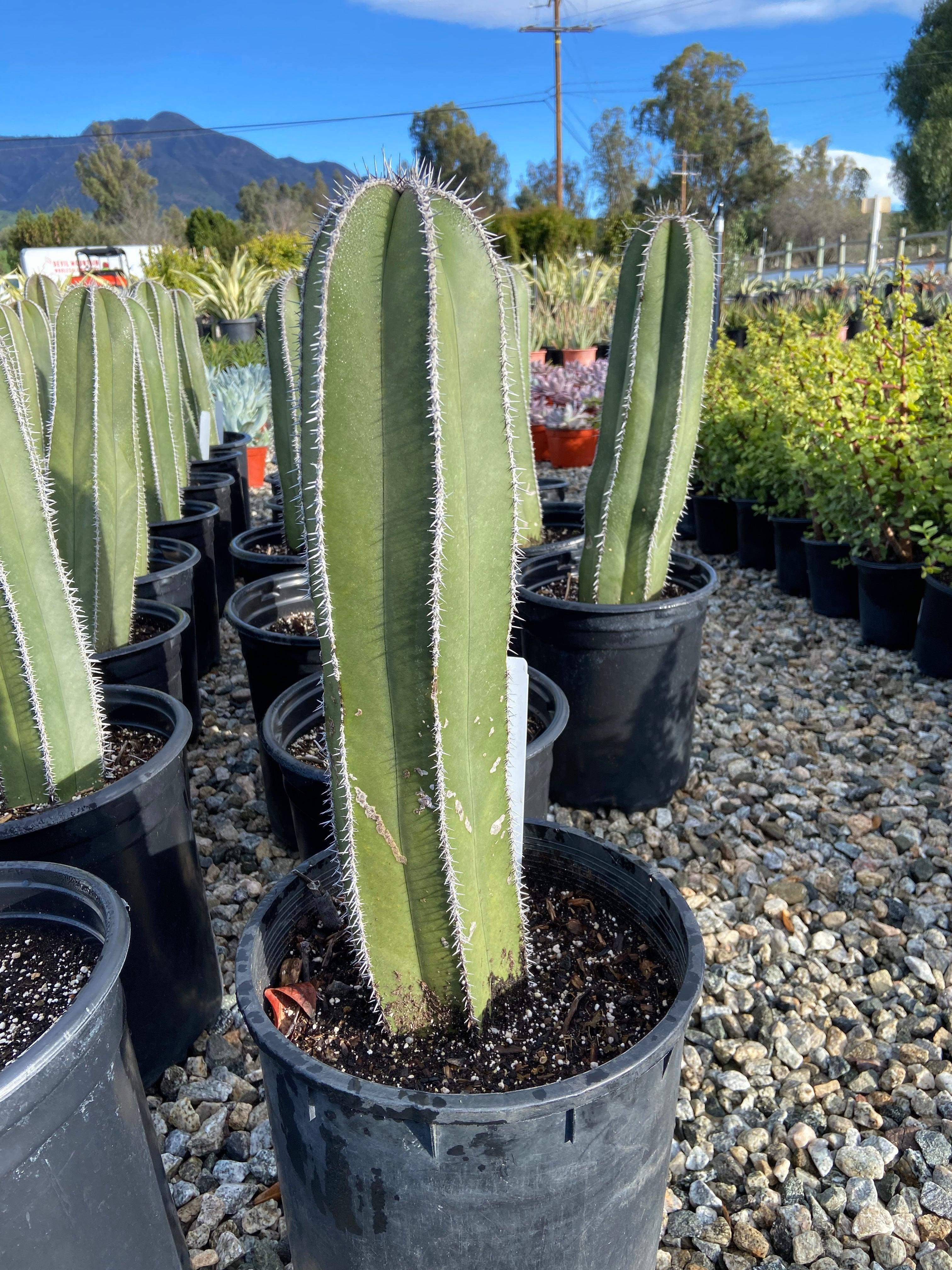
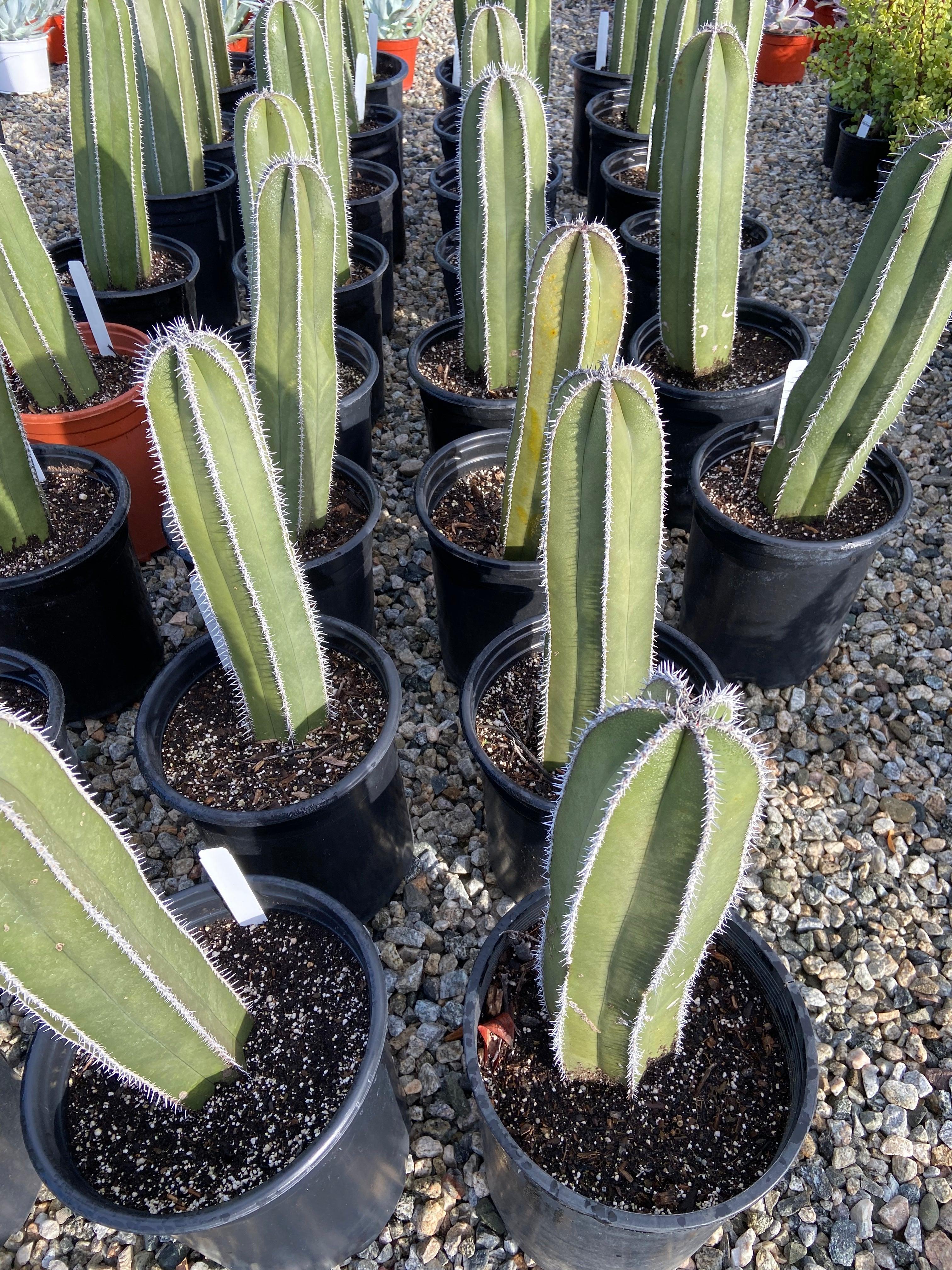
Also known as Pachycereus marginatus, fence post cactus, mexican fencepost cactus, cereus marginatus, stenocereus marginatus, lophocereus marginatus, lemaireocereus marginatus, and marginatocereus marginatus, this beautiful cactus is prized for its clean upright columns, deep-green color, and bold desert presence. It works as a specimen plant, a living fence, or a narrow-space accent where spreading shrubs would take up too much room.
Designed for full sun, warm temperatures, and well drained soil, the mexican fence post delivers maximum visual impact with minimal effort in desert gardens, Southwestern landscaping, arid courtyards, and modern outdoor spaces.
Why You’ll Love It
-
Ultra-low maintenance – The Mexican fence post cactus requires watering every two to three weeks during the summer and less than once a month in the winter if it doesn’t rain.
-
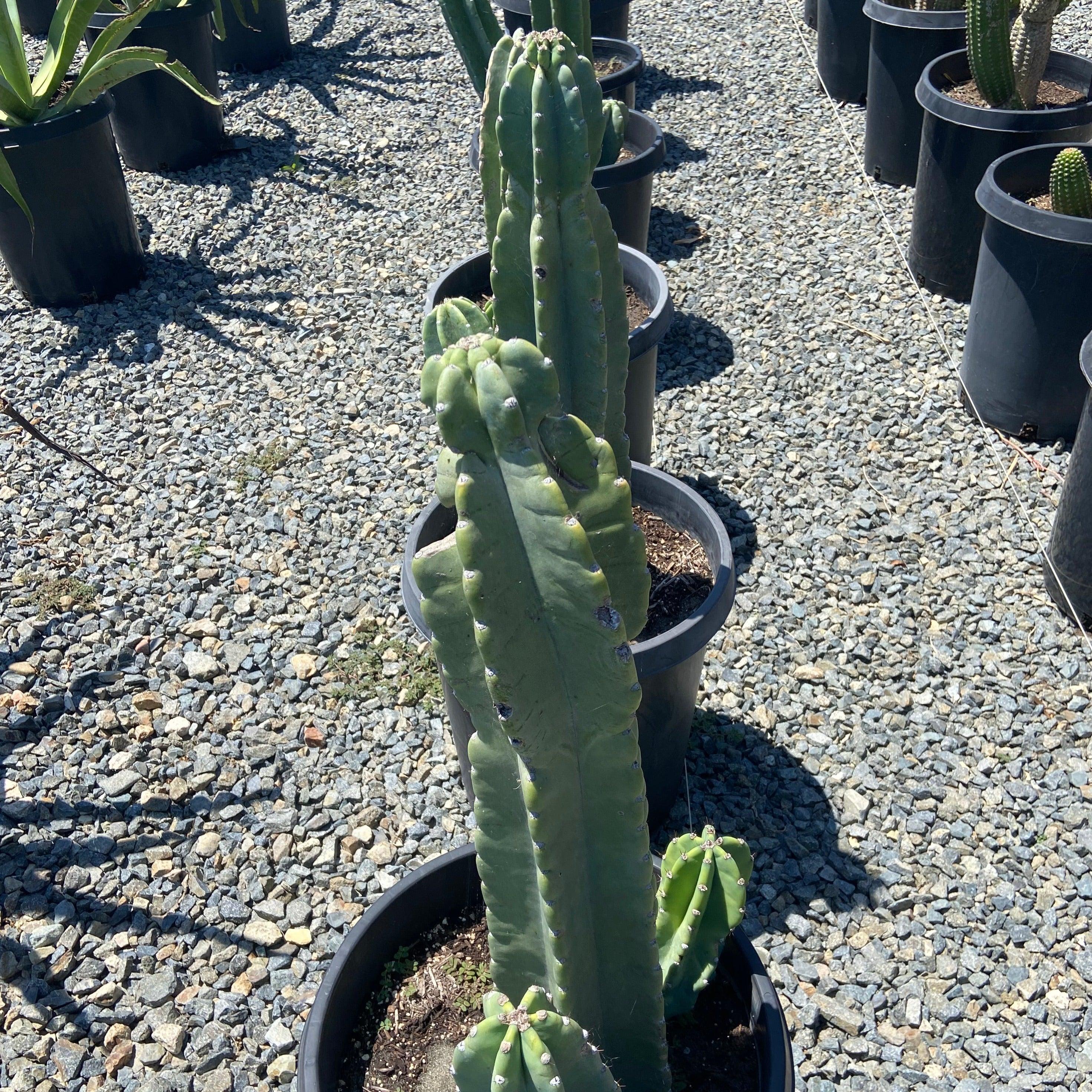
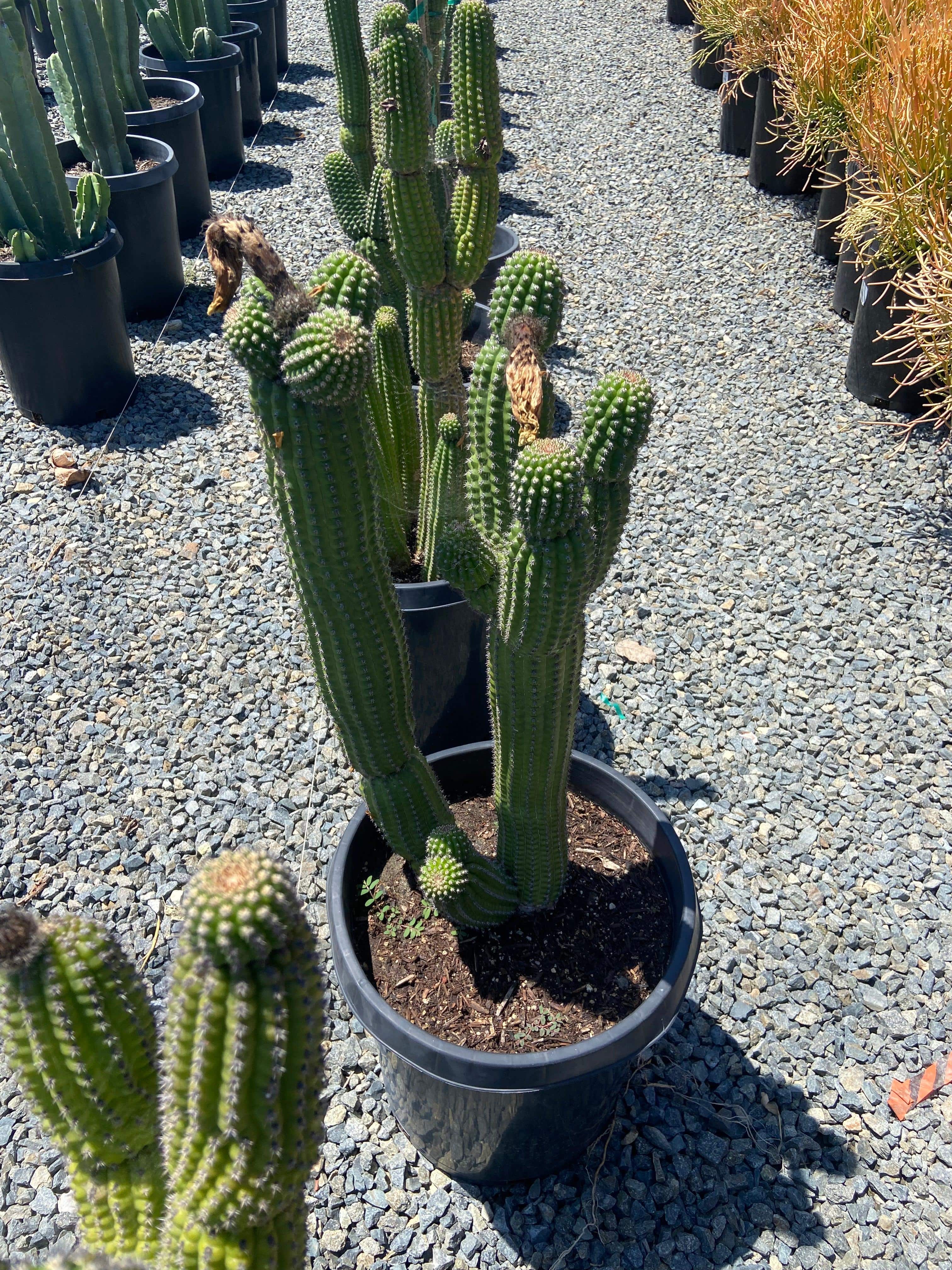
Stunning architectural form – This cactus can grow up to 15 feet tall and develops multiple branches over time, providing a striking vertical element to landscapes and gardens; under optimal conditions, mature outdoor specimens can approach 20 feet tall.
-
Year-round visual interest – The cactus features tall, deep-green columns with 5 to 7 prominent ribs lined with small, whitish areoles and very short spines.
-
Seasonal flowers and fruit – It produces pink to greenish-white tubular flowers along its ribs in mid-to-late spring, which develop into spiny, yellowish-to-red edible fruits.
-
Drought tolerant design – The Mexican fence post cactus is extremely drought-tolerant and low maintenance, making it an ideal choice for homeowners looking to reduce water usage in their landscaping alongside other California drought-tolerant plants like Ceanothus.
-
Fast establishment from cuttings – With proper planting, stem cuttings can root and begin creating impressive upright columns for a clean mexican fence look over time.
What Makes It Different
Most landscaping plants require regular pruning, frequent irrigation, and ongoing cleanup. Mexican fence post is built for a different kind of garden: one with strong vertical lines, low water use, and lasting structure.
Mexican Fence Post Cactus provides:
-
Natural privacy and property definition – In native Central Mexico, farmers plant cuttings closely together in rows to create living barriers for livestock. It is often used to form natural, impenetrable barriers and property borders when planted in rows, similar to how many gardeners use evergreen privacy trees and shrubs.
-
Perfect for narrow spaces – Due to its upright, columnar growth, the cactus is suitable for planting in narrow spaces where spreading plants wouldn’t fit.
-
Authentic desert character – The cactus is a popular choice for Southwestern and arid-climate landscaping due to its aesthetic appeal and resilience.
-
Warm-climate performance – The Mexican fence post cactus (Pachycereus marginatus) is a popular choice for landscaping due to its unique architectural form and ability to thrive in warm, dry climates, making it suitable for various outdoor settings.
-
Cleaner than many other cacti – Compared with other cacti and sprawling succulents, this post cactus offers a more formal line, shorter spines on mature growth, and a strong contrast against gravel, stone, stucco, or tropical landscapes.
-
Wildlife-friendly without becoming messy – Flowers can attract pollinators, fruit may feed wildlife, and the plant is typically deer resistant, helping protect your garden from deer browsing.
How To Grow Mexican Fence Post Cactus
-
Plant in the right location
Choose a spot with full sun to partial shade and strong drainage. It thrives in full sun to partial shade and requires at least 6-8 hours of direct sunlight daily outdoors. -
Use the right soil and water sparingly
The Mexican fence post cactus prefers very airy, sandy soil that drains well, and using ordinary soil can lead to root rot and stunted growth. Water deeply, then let the soil dry completely before watering again. -
Let it establish and build height over time
In year one, the plant focuses on roots and steady establishment. In years two through four, growth becomes more visible, especially in sun, warmth, and well drained soil. Over several seasons, the upright columns create the tall architectural presence that makes this species so amazing in desert landscaping. -
Propagate by seeds or cuttings if desired
To propagate the Mexican Fence Post Cactus, you can collect seeds from the ripe fruit of the cactus and plant them in well-draining soil. Alternatively, you can take cuttings from the stem of the cactus and allow them to callous before planting them in the soil. When propagating via cuttings, it is important to place the cutting in a dry, shady spot for about 2 weeks to allow the cut site to callous over, which helps prevent rot when replanted.
Short. Simple. Built for long-term beauty.
Product Details
-
Botanical name: Pachycereus marginatus
-
Common names: Mexican fence post, mexican fencepost cactus, fence post cactus, post cactus, Central Mexico organ cactus
-
Catalog synonyms: Cereus marginatus, Stenocereus marginatus, Lophocereus marginatus, Lemaireocereus marginatus, Marginatocereus marginatus
-
Plant type: Columnar cactus species
-
Mature size: Commonly up to 15 feet tall with multiple branches over time; mature outdoor plants may reach up to 20 feet tall and about 4-6 feet wide depending on spacing, age, and conditions
-
Growth habit: Tall upright columns, sometimes forming arms or clustered stems with age
-
Ribs and spines: 5 to 7 prominent ribs, small whitish areoles, and very short spines on mature growth
-
Flowers and fruit: Pink to greenish-white tubular flowers in mid-to-late spring; spiny yellowish-to-red edible fruit
-
Light requirements: Outdoors, 6-8 hours of direct sunlight daily; indoors, bright light with at least 4-6 hours of sunlight daily
-
Soil needs: Very airy, sandy, well drained soil with excellent aeration
-
Watering: Every two to three weeks in summer; less than once a month in winter if it does not rain
-
Hardiness: USDA zones 9-11; the cactus can withstand temperatures down to about 25°F, but protection is recommended for sensitive growing tips during colder weather
-
Best uses: Living fence, property line planting, desert gardens, modern garden focal points, arid landscaping, large containers, patios, and curated cactus collection designs
-
Shipping details: Larger specimens may ship bare root or with protected root ball depending on order size; tall spiny stems require careful handling to protect ribs, tips, and roots during delivery
Who It’s For
Ideal for:
-
California homeowners seeking drought tolerant privacy trees and screening
-
Modern landscape designers creating clean, contemporary outdoor spaces
-
Busy property owners who want low maintenance beauty without constant watering
-
Desert garden enthusiasts building an authentic Southwestern or Mexico-inspired landscape
-
Anyone who wants a beautiful cactus that looks striking in a photo and even better outdoors in real light
-
Collectors who already grow cacti or succulents and want a tall specimen with more architectural impact
If you want a bold plant that can create structure, reduce water use, and bring a bit of Central Mexico desert beauty into your garden, Mexican Fence Post Cactus fits your needs.
Frequently Asked Questions
How often should I water my Mexican fence post cactus?
Water every two to three weeks during the summer, then reduce watering to less than once a month in winter if it does not rain. Always let the soil dry fully between waterings. Excess moisture, especially in cool weather, can lead to root rot, stem rot, and fungal diseases.
Will it survive winter in my climate zone?
Mexican fence post cactus is best for USDA zones 9-11. The cactus can withstand temperatures down to about 25°F, but protection is recommended for sensitive growing tips during colder weather. Frost, wet cold, and prolonged low temperatures can damage the plant, so protect it during cold snaps.
How fast does it grow and when will I see results?
Growth depends on sun, soil, temperatures, and watering. In warm, dry outdoor conditions with full sun and well drained soil, cuttings can establish quickly and begin adding height within the first few growing seasons. Mature impact takes time, but the clean vertical form is noticeable early.
Can I grow it indoors or in containers?
Yes, especially when the plant is young. This cactus thrives in bright, direct light, requiring at least 4-6 hours of sunlight daily if indoors, and 6-8 hours if grown outdoors. Indoors, place it near the brightest window possible. Container plants stay smaller and need extra care to avoid moisture buildup.
Can I propagate it myself?
Yes. To propagate the Mexican Fence Post Cactus, you can collect seeds from the ripe fruit of the cactus and plant them in well-draining soil. You can also take stem cuttings, allow the cut site to callous, and plant the cuttings in dry, gritty soil. A dry, shady resting period of about 2 weeks helps prevent rot.
What if it doesn’t establish well in my garden?
Check drainage, sunlight, and watering first. Ordinary soil can hold too much moisture and cause root rot or stunted growth. Yardwork can help with plant selection and local nursery support, placement advice, soil testing, and consultation so your mexican fence post cactus has the right conditions from the start.
Ready to Transform Your Landscape?
Stop settling for ordinary landscaping that needs constant water, pruning, and replacement.
Choose Mexican Fence Post Cactus and create a living architectural statement with tall upright columns, drought tolerant performance, and a clean desert form that stands out in any garden.
Yardwork can help you choose the right size, review your sun and soil conditions, plan living fence spacing, and arrange delivery. California customers can ask about shipping options, including free shipping thresholds for qualifying orders, and large out-of-state orders may be eligible for special freight coordination.
Original: $85.00
-65%$85.00
$29.75More Images
Mexican Fence Post Cactus - Pachycereus Marginatus
Transform Your Landscape with a Living Architectural Statement
The Mexican Fence Post Cactus is an excellent choice when you want a tall, sculptural, drought tolerant plant that creates dramatic structure without demanding constant care.
Also known as Pachycereus marginatus, fence post cactus, mexican fencepost cactus, cereus marginatus, stenocereus marginatus, lophocereus marginatus, lemaireocereus marginatus, and marginatocereus marginatus, this beautiful cactus is prized for its clean upright columns, deep-green color, and bold desert presence. It works as a specimen plant, a living fence, or a narrow-space accent where spreading shrubs would take up too much room.
Designed for full sun, warm temperatures, and well drained soil, the mexican fence post delivers maximum visual impact with minimal effort in desert gardens, Southwestern landscaping, arid courtyards, and modern outdoor spaces.
Why You’ll Love It
-
Ultra-low maintenance – The Mexican fence post cactus requires watering every two to three weeks during the summer and less than once a month in the winter if it doesn’t rain.
-
Stunning architectural form – This cactus can grow up to 15 feet tall and develops multiple branches over time, providing a striking vertical element to landscapes and gardens; under optimal conditions, mature outdoor specimens can approach 20 feet tall.
-
Year-round visual interest – The cactus features tall, deep-green columns with 5 to 7 prominent ribs lined with small, whitish areoles and very short spines.
-
Seasonal flowers and fruit – It produces pink to greenish-white tubular flowers along its ribs in mid-to-late spring, which develop into spiny, yellowish-to-red edible fruits.
-
Drought tolerant design – The Mexican fence post cactus is extremely drought-tolerant and low maintenance, making it an ideal choice for homeowners looking to reduce water usage in their landscaping alongside other California drought-tolerant plants like Ceanothus.
-
Fast establishment from cuttings – With proper planting, stem cuttings can root and begin creating impressive upright columns for a clean mexican fence look over time.
What Makes It Different
Most landscaping plants require regular pruning, frequent irrigation, and ongoing cleanup. Mexican fence post is built for a different kind of garden: one with strong vertical lines, low water use, and lasting structure.
Mexican Fence Post Cactus provides:
-
Natural privacy and property definition – In native Central Mexico, farmers plant cuttings closely together in rows to create living barriers for livestock. It is often used to form natural, impenetrable barriers and property borders when planted in rows, similar to how many gardeners use evergreen privacy trees and shrubs.
-
Perfect for narrow spaces – Due to its upright, columnar growth, the cactus is suitable for planting in narrow spaces where spreading plants wouldn’t fit.
-
Authentic desert character – The cactus is a popular choice for Southwestern and arid-climate landscaping due to its aesthetic appeal and resilience.
-
Warm-climate performance – The Mexican fence post cactus (Pachycereus marginatus) is a popular choice for landscaping due to its unique architectural form and ability to thrive in warm, dry climates, making it suitable for various outdoor settings.
-
Cleaner than many other cacti – Compared with other cacti and sprawling succulents, this post cactus offers a more formal line, shorter spines on mature growth, and a strong contrast against gravel, stone, stucco, or tropical landscapes.
-
Wildlife-friendly without becoming messy – Flowers can attract pollinators, fruit may feed wildlife, and the plant is typically deer resistant, helping protect your garden from deer browsing.
How To Grow Mexican Fence Post Cactus
-
Plant in the right location
Choose a spot with full sun to partial shade and strong drainage. It thrives in full sun to partial shade and requires at least 6-8 hours of direct sunlight daily outdoors. -
Use the right soil and water sparingly
The Mexican fence post cactus prefers very airy, sandy soil that drains well, and using ordinary soil can lead to root rot and stunted growth. Water deeply, then let the soil dry completely before watering again. -
Let it establish and build height over time
In year one, the plant focuses on roots and steady establishment. In years two through four, growth becomes more visible, especially in sun, warmth, and well drained soil. Over several seasons, the upright columns create the tall architectural presence that makes this species so amazing in desert landscaping. -
Propagate by seeds or cuttings if desired
To propagate the Mexican Fence Post Cactus, you can collect seeds from the ripe fruit of the cactus and plant them in well-draining soil. Alternatively, you can take cuttings from the stem of the cactus and allow them to callous before planting them in the soil. When propagating via cuttings, it is important to place the cutting in a dry, shady spot for about 2 weeks to allow the cut site to callous over, which helps prevent rot when replanted.
Short. Simple. Built for long-term beauty.
Product Details
-
Botanical name: Pachycereus marginatus
-
Common names: Mexican fence post, mexican fencepost cactus, fence post cactus, post cactus, Central Mexico organ cactus
-
Catalog synonyms: Cereus marginatus, Stenocereus marginatus, Lophocereus marginatus, Lemaireocereus marginatus, Marginatocereus marginatus
-
Plant type: Columnar cactus species
-
Mature size: Commonly up to 15 feet tall with multiple branches over time; mature outdoor plants may reach up to 20 feet tall and about 4-6 feet wide depending on spacing, age, and conditions
-
Growth habit: Tall upright columns, sometimes forming arms or clustered stems with age
-
Ribs and spines: 5 to 7 prominent ribs, small whitish areoles, and very short spines on mature growth
-
Flowers and fruit: Pink to greenish-white tubular flowers in mid-to-late spring; spiny yellowish-to-red edible fruit
-
Light requirements: Outdoors, 6-8 hours of direct sunlight daily; indoors, bright light with at least 4-6 hours of sunlight daily
-
Soil needs: Very airy, sandy, well drained soil with excellent aeration
-
Watering: Every two to three weeks in summer; less than once a month in winter if it does not rain
-
Hardiness: USDA zones 9-11; the cactus can withstand temperatures down to about 25°F, but protection is recommended for sensitive growing tips during colder weather
-
Best uses: Living fence, property line planting, desert gardens, modern garden focal points, arid landscaping, large containers, patios, and curated cactus collection designs
-
Shipping details: Larger specimens may ship bare root or with protected root ball depending on order size; tall spiny stems require careful handling to protect ribs, tips, and roots during delivery
Who It’s For
Ideal for:
-
California homeowners seeking drought tolerant privacy trees and screening
-
Modern landscape designers creating clean, contemporary outdoor spaces
-
Busy property owners who want low maintenance beauty without constant watering
-
Desert garden enthusiasts building an authentic Southwestern or Mexico-inspired landscape
-
Anyone who wants a beautiful cactus that looks striking in a photo and even better outdoors in real light
-
Collectors who already grow cacti or succulents and want a tall specimen with more architectural impact
If you want a bold plant that can create structure, reduce water use, and bring a bit of Central Mexico desert beauty into your garden, Mexican Fence Post Cactus fits your needs.
Frequently Asked Questions
How often should I water my Mexican fence post cactus?
Water every two to three weeks during the summer, then reduce watering to less than once a month in winter if it does not rain. Always let the soil dry fully between waterings. Excess moisture, especially in cool weather, can lead to root rot, stem rot, and fungal diseases.
Will it survive winter in my climate zone?
Mexican fence post cactus is best for USDA zones 9-11. The cactus can withstand temperatures down to about 25°F, but protection is recommended for sensitive growing tips during colder weather. Frost, wet cold, and prolonged low temperatures can damage the plant, so protect it during cold snaps.
How fast does it grow and when will I see results?
Growth depends on sun, soil, temperatures, and watering. In warm, dry outdoor conditions with full sun and well drained soil, cuttings can establish quickly and begin adding height within the first few growing seasons. Mature impact takes time, but the clean vertical form is noticeable early.
Can I grow it indoors or in containers?
Yes, especially when the plant is young. This cactus thrives in bright, direct light, requiring at least 4-6 hours of sunlight daily if indoors, and 6-8 hours if grown outdoors. Indoors, place it near the brightest window possible. Container plants stay smaller and need extra care to avoid moisture buildup.
Can I propagate it myself?
Yes. To propagate the Mexican Fence Post Cactus, you can collect seeds from the ripe fruit of the cactus and plant them in well-draining soil. You can also take stem cuttings, allow the cut site to callous, and plant the cuttings in dry, gritty soil. A dry, shady resting period of about 2 weeks helps prevent rot.
What if it doesn’t establish well in my garden?
Check drainage, sunlight, and watering first. Ordinary soil can hold too much moisture and cause root rot or stunted growth. Yardwork can help with plant selection and local nursery support, placement advice, soil testing, and consultation so your mexican fence post cactus has the right conditions from the start.
Ready to Transform Your Landscape?
Stop settling for ordinary landscaping that needs constant water, pruning, and replacement.
Choose Mexican Fence Post Cactus and create a living architectural statement with tall upright columns, drought tolerant performance, and a clean desert form that stands out in any garden.
Yardwork can help you choose the right size, review your sun and soil conditions, plan living fence spacing, and arrange delivery. California customers can ask about shipping options, including free shipping thresholds for qualifying orders, and large out-of-state orders may be eligible for special freight coordination.
Product Information
Product Information
Shipping & Returns
Shipping & Returns
Description
Transform Your Landscape with a Living Architectural Statement
The Mexican Fence Post Cactus is an excellent choice when you want a tall, sculptural, drought tolerant plant that creates dramatic structure without demanding constant care.
Also known as Pachycereus marginatus, fence post cactus, mexican fencepost cactus, cereus marginatus, stenocereus marginatus, lophocereus marginatus, lemaireocereus marginatus, and marginatocereus marginatus, this beautiful cactus is prized for its clean upright columns, deep-green color, and bold desert presence. It works as a specimen plant, a living fence, or a narrow-space accent where spreading shrubs would take up too much room.
Designed for full sun, warm temperatures, and well drained soil, the mexican fence post delivers maximum visual impact with minimal effort in desert gardens, Southwestern landscaping, arid courtyards, and modern outdoor spaces.
Why You’ll Love It
-
Ultra-low maintenance – The Mexican fence post cactus requires watering every two to three weeks during the summer and less than once a month in the winter if it doesn’t rain.
-
Stunning architectural form – This cactus can grow up to 15 feet tall and develops multiple branches over time, providing a striking vertical element to landscapes and gardens; under optimal conditions, mature outdoor specimens can approach 20 feet tall.
-
Year-round visual interest – The cactus features tall, deep-green columns with 5 to 7 prominent ribs lined with small, whitish areoles and very short spines.
-
Seasonal flowers and fruit – It produces pink to greenish-white tubular flowers along its ribs in mid-to-late spring, which develop into spiny, yellowish-to-red edible fruits.
-
Drought tolerant design – The Mexican fence post cactus is extremely drought-tolerant and low maintenance, making it an ideal choice for homeowners looking to reduce water usage in their landscaping alongside other California drought-tolerant plants like Ceanothus.
-
Fast establishment from cuttings – With proper planting, stem cuttings can root and begin creating impressive upright columns for a clean mexican fence look over time.
What Makes It Different
Most landscaping plants require regular pruning, frequent irrigation, and ongoing cleanup. Mexican fence post is built for a different kind of garden: one with strong vertical lines, low water use, and lasting structure.
Mexican Fence Post Cactus provides:
-
Natural privacy and property definition – In native Central Mexico, farmers plant cuttings closely together in rows to create living barriers for livestock. It is often used to form natural, impenetrable barriers and property borders when planted in rows, similar to how many gardeners use evergreen privacy trees and shrubs.
-
Perfect for narrow spaces – Due to its upright, columnar growth, the cactus is suitable for planting in narrow spaces where spreading plants wouldn’t fit.
-
Authentic desert character – The cactus is a popular choice for Southwestern and arid-climate landscaping due to its aesthetic appeal and resilience.
-
Warm-climate performance – The Mexican fence post cactus (Pachycereus marginatus) is a popular choice for landscaping due to its unique architectural form and ability to thrive in warm, dry climates, making it suitable for various outdoor settings.
-
Cleaner than many other cacti – Compared with other cacti and sprawling succulents, this post cactus offers a more formal line, shorter spines on mature growth, and a strong contrast against gravel, stone, stucco, or tropical landscapes.
-
Wildlife-friendly without becoming messy – Flowers can attract pollinators, fruit may feed wildlife, and the plant is typically deer resistant, helping protect your garden from deer browsing.
How To Grow Mexican Fence Post Cactus
-
Plant in the right location
Choose a spot with full sun to partial shade and strong drainage. It thrives in full sun to partial shade and requires at least 6-8 hours of direct sunlight daily outdoors. -
Use the right soil and water sparingly
The Mexican fence post cactus prefers very airy, sandy soil that drains well, and using ordinary soil can lead to root rot and stunted growth. Water deeply, then let the soil dry completely before watering again. -
Let it establish and build height over time
In year one, the plant focuses on roots and steady establishment. In years two through four, growth becomes more visible, especially in sun, warmth, and well drained soil. Over several seasons, the upright columns create the tall architectural presence that makes this species so amazing in desert landscaping. -
Propagate by seeds or cuttings if desired
To propagate the Mexican Fence Post Cactus, you can collect seeds from the ripe fruit of the cactus and plant them in well-draining soil. Alternatively, you can take cuttings from the stem of the cactus and allow them to callous before planting them in the soil. When propagating via cuttings, it is important to place the cutting in a dry, shady spot for about 2 weeks to allow the cut site to callous over, which helps prevent rot when replanted.
Short. Simple. Built for long-term beauty.
Product Details
-
Botanical name: Pachycereus marginatus
-
Common names: Mexican fence post, mexican fencepost cactus, fence post cactus, post cactus, Central Mexico organ cactus
-
Catalog synonyms: Cereus marginatus, Stenocereus marginatus, Lophocereus marginatus, Lemaireocereus marginatus, Marginatocereus marginatus
-
Plant type: Columnar cactus species
-
Mature size: Commonly up to 15 feet tall with multiple branches over time; mature outdoor plants may reach up to 20 feet tall and about 4-6 feet wide depending on spacing, age, and conditions
-
Growth habit: Tall upright columns, sometimes forming arms or clustered stems with age
-
Ribs and spines: 5 to 7 prominent ribs, small whitish areoles, and very short spines on mature growth
-
Flowers and fruit: Pink to greenish-white tubular flowers in mid-to-late spring; spiny yellowish-to-red edible fruit
-
Light requirements: Outdoors, 6-8 hours of direct sunlight daily; indoors, bright light with at least 4-6 hours of sunlight daily
-
Soil needs: Very airy, sandy, well drained soil with excellent aeration
-
Watering: Every two to three weeks in summer; less than once a month in winter if it does not rain
-
Hardiness: USDA zones 9-11; the cactus can withstand temperatures down to about 25°F, but protection is recommended for sensitive growing tips during colder weather
-
Best uses: Living fence, property line planting, desert gardens, modern garden focal points, arid landscaping, large containers, patios, and curated cactus collection designs
-
Shipping details: Larger specimens may ship bare root or with protected root ball depending on order size; tall spiny stems require careful handling to protect ribs, tips, and roots during delivery
Who It’s For
Ideal for:
-
California homeowners seeking drought tolerant privacy trees and screening
-
Modern landscape designers creating clean, contemporary outdoor spaces
-
Busy property owners who want low maintenance beauty without constant watering
-
Desert garden enthusiasts building an authentic Southwestern or Mexico-inspired landscape
-
Anyone who wants a beautiful cactus that looks striking in a photo and even better outdoors in real light
-
Collectors who already grow cacti or succulents and want a tall specimen with more architectural impact
If you want a bold plant that can create structure, reduce water use, and bring a bit of Central Mexico desert beauty into your garden, Mexican Fence Post Cactus fits your needs.
Frequently Asked Questions
How often should I water my Mexican fence post cactus?
Water every two to three weeks during the summer, then reduce watering to less than once a month in winter if it does not rain. Always let the soil dry fully between waterings. Excess moisture, especially in cool weather, can lead to root rot, stem rot, and fungal diseases.
Will it survive winter in my climate zone?
Mexican fence post cactus is best for USDA zones 9-11. The cactus can withstand temperatures down to about 25°F, but protection is recommended for sensitive growing tips during colder weather. Frost, wet cold, and prolonged low temperatures can damage the plant, so protect it during cold snaps.
How fast does it grow and when will I see results?
Growth depends on sun, soil, temperatures, and watering. In warm, dry outdoor conditions with full sun and well drained soil, cuttings can establish quickly and begin adding height within the first few growing seasons. Mature impact takes time, but the clean vertical form is noticeable early.
Can I grow it indoors or in containers?
Yes, especially when the plant is young. This cactus thrives in bright, direct light, requiring at least 4-6 hours of sunlight daily if indoors, and 6-8 hours if grown outdoors. Indoors, place it near the brightest window possible. Container plants stay smaller and need extra care to avoid moisture buildup.
Can I propagate it myself?
Yes. To propagate the Mexican Fence Post Cactus, you can collect seeds from the ripe fruit of the cactus and plant them in well-draining soil. You can also take stem cuttings, allow the cut site to callous, and plant the cuttings in dry, gritty soil. A dry, shady resting period of about 2 weeks helps prevent rot.
What if it doesn’t establish well in my garden?
Check drainage, sunlight, and watering first. Ordinary soil can hold too much moisture and cause root rot or stunted growth. Yardwork can help with plant selection and local nursery support, placement advice, soil testing, and consultation so your mexican fence post cactus has the right conditions from the start.
Ready to Transform Your Landscape?
Stop settling for ordinary landscaping that needs constant water, pruning, and replacement.
Choose Mexican Fence Post Cactus and create a living architectural statement with tall upright columns, drought tolerant performance, and a clean desert form that stands out in any garden.
Yardwork can help you choose the right size, review your sun and soil conditions, plan living fence spacing, and arrange delivery. California customers can ask about shipping options, including free shipping thresholds for qualifying orders, and large out-of-state orders may be eligible for special freight coordination.